Introduction
The intricate world of cardiac diagnostics is experiencing a transformative shift, driven by the pressing need for precision in identifying ST elevation criteria. As healthcare technology advances, the integration of sophisticated tools like Neural Cloud Solutions' MaxYield™ platform is set to enhance the accuracy and speed of ECG analysis, which is crucial for diagnosing conditions such as ST elevation myocardial infarction (STEMI). However, amidst these advancements, a significant challenge persists: how can health tech developers effectively incorporate essential ST elevation criteria to guarantee timely and accurate patient care? This article delves into ten critical criteria that every developer should understand, illuminating their implications for clinical practice and patient outcomes.
Neural Cloud Solutions MaxYield™: Automated ECG Analysis for ST Elevation Criteria
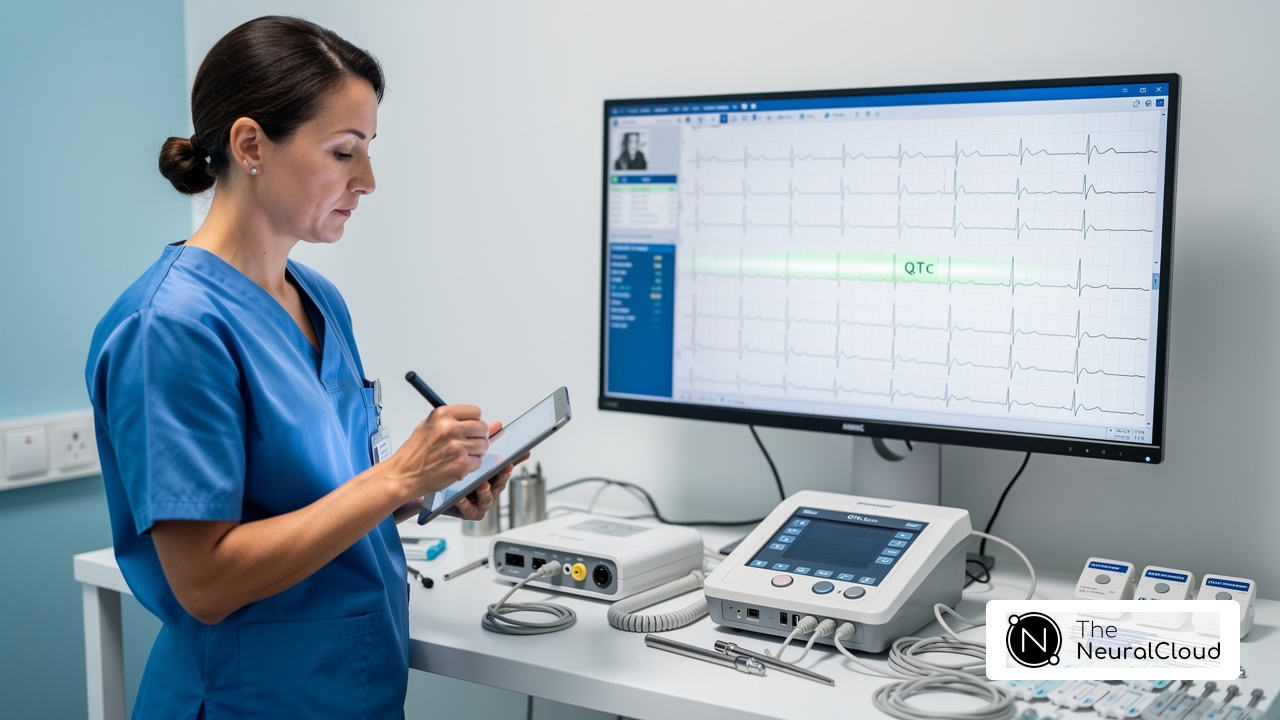
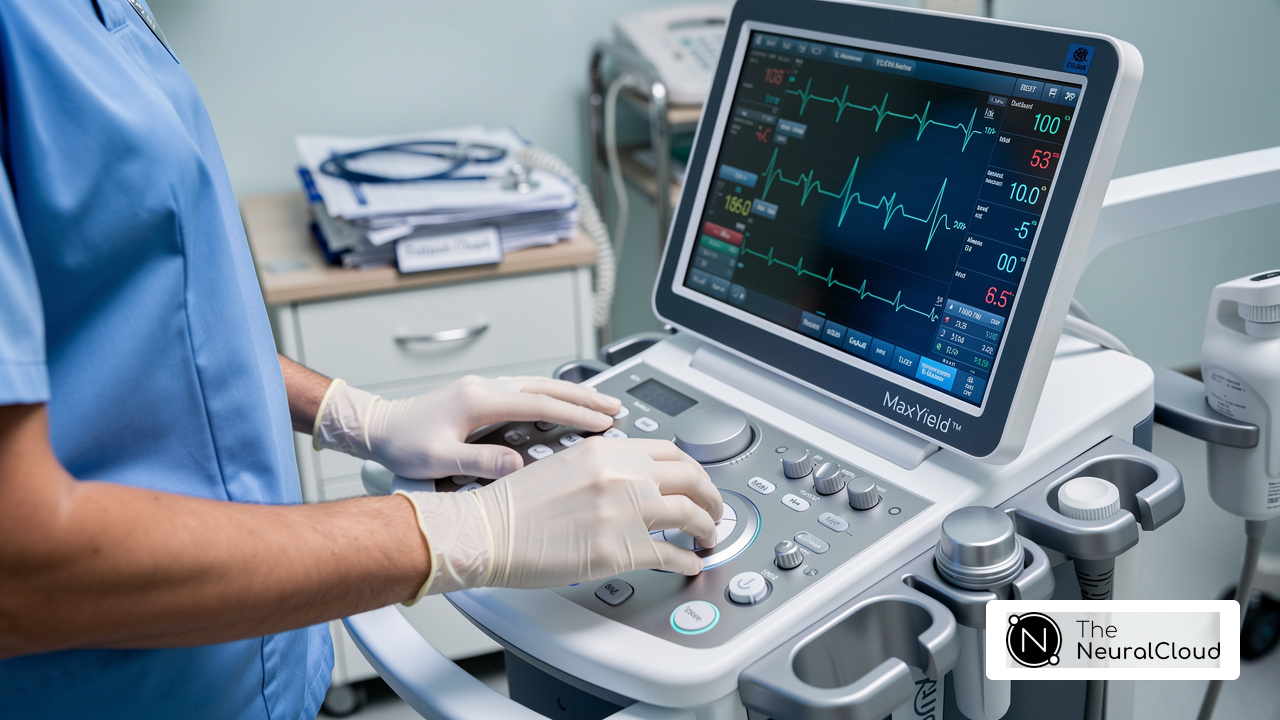
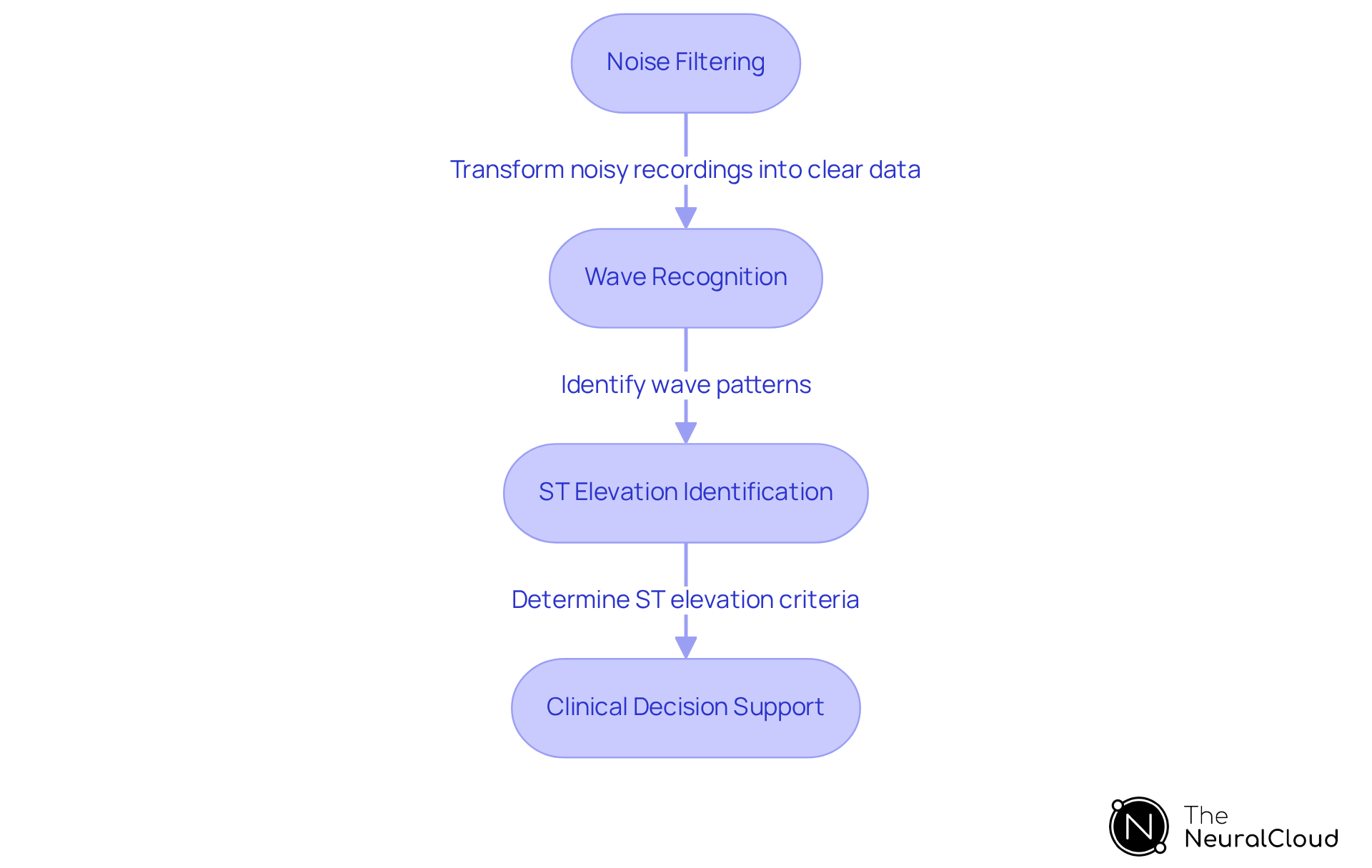
Neural Cloud Solutions' revolutionizes ECG evaluation by automating the identification of ST elevation and wave recognition. This device-agnostic platform employs advanced algorithms to process over 200,000 heartbeats in under five minutes, providing accurate results. The automation enhances the clarity of ECG signals, transforming noisy recordings into interpretable data, allowing clinicians to focus on critical decision-making rather than manual examination.
By integrating MaxYield™ into their workflows, healthcare providers can efficiently identify ST elevation criteria for timely intervention, ultimately improving patient outcomes. Additionally, MaxYield™ emphasizes P, QRS, and T wave features, ensuring a comprehensive analysis.
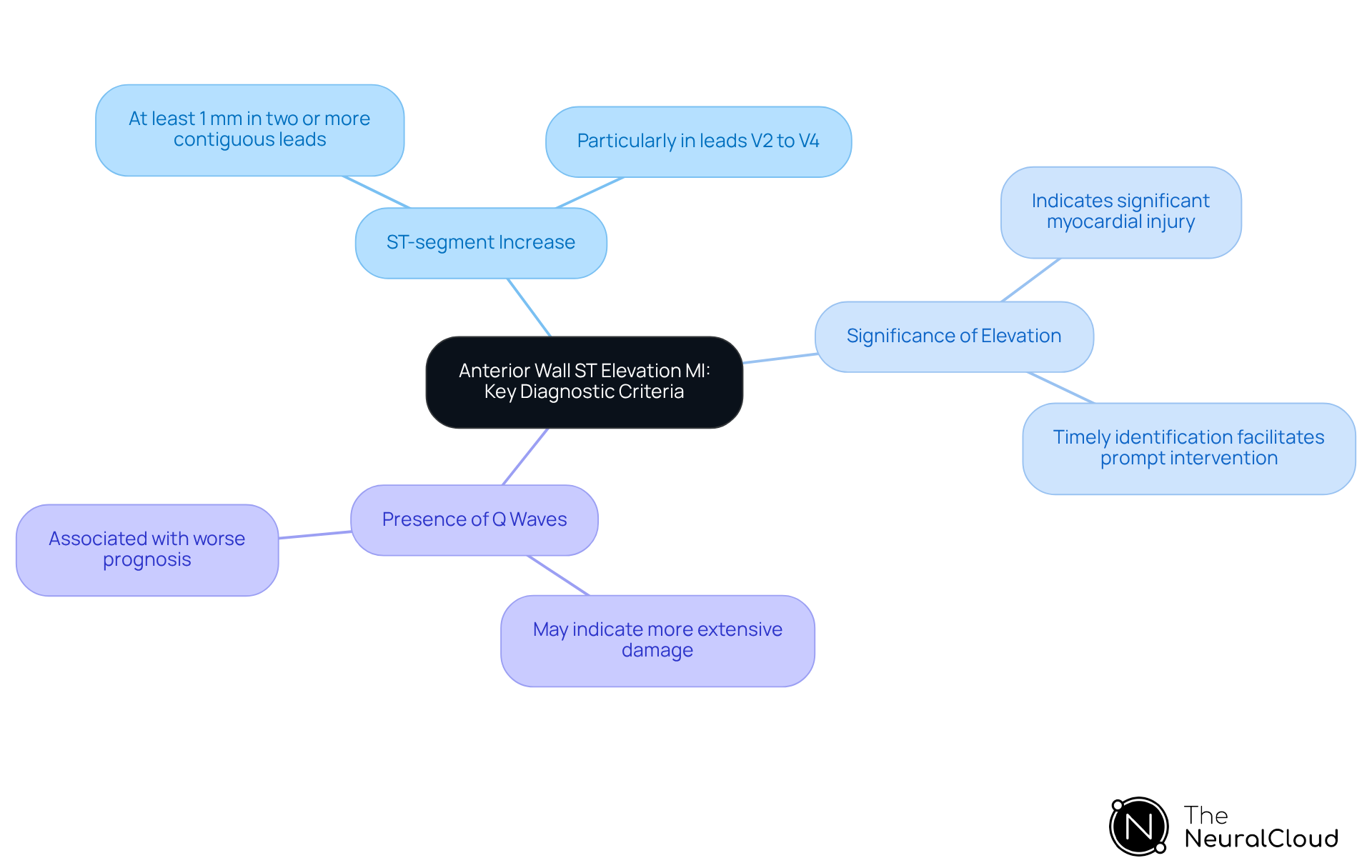
Anterior Wall ST Elevation MI: Key Diagnostic Criteria
Key diagnostic criteria for anterior wall myocardial infarction (MI) encompass:
- An ST-segment increase of at least 1 mm in two or more contiguous leads, particularly in V2 to V4.
- This elevation signifies significant myocardial injury.
- The presence of Q waves in these leads may indicate more extensive damage.
Recent studies highlight the importance of recognizing these patterns, as they can facilitate prompt intervention, significantly enhancing patient outcomes. Cardiologists stress that early diagnosis is vital for implementing effective treatment strategies. Therefore, it is crucial for health tech developers to integrate the latest guidelines into their systems, enabling clinicians to make informed decisions based on accurate data.
Inferior Wall ST Elevation MI: Essential Evaluation Criteria
In the context of ST elevation myocardial infarction, the criteria for evaluation are critical. These include the elevation of at least 1 mm in leads II, III, and aVF, often accompanied by reciprocal ST-segment depression in leads I and aVL. The criteria are essential for differentiating inferior wall MIs from other types, ensuring that clinicians can accurately identify and categorize these events.
The solution from Neural Cloud Solutions addresses these challenges in ECG analysis. This platform evolves with each use through its continuous learning model, enhancing accuracy and efficiency. It automates labeling and provides AI-driven insights, which significantly improve the diagnostic process. By tackling issues like misinterpretation, MaxYield™ streamlines workflows, making it a valuable tool for healthcare professionals.
Ultimately, the benefits of using the platform are profound. It not only improves the accuracy of ECG interpretations but also enhances patient outcomes through timely and precise diagnostics. As healthcare continues to evolve, leveraging such advanced technologies will be crucial in delivering high-quality care.
Reciprocal Changes: Critical Indicators in ST Elevation Diagnosis
Mutual alterations, particularly ST-segment depression observed in leads that are opposite to the region of ST elevation, serve as indicators of STEMI. For example, ST elevation in the inferior leads often correlates with depression in the lateral leads. Recognizing these changes is vital for accurate diagnosis, as studies show that over 50% of individuals with occluded arteries may not meet the classic criteria, which can delay essential care. This highlights the need for developers to incorporate these indicators into their systems, thereby improving diagnosis and treatment efficacy.
Furthermore, cardiologists emphasize that identifying reciprocal changes can significantly influence patient outcomes, reinforcing its importance in pinpointing patients who require urgent intervention. Consequently, the integration of algorithms capable of analyzing ECG data is crucial for improving accuracy in acute coronary situations.
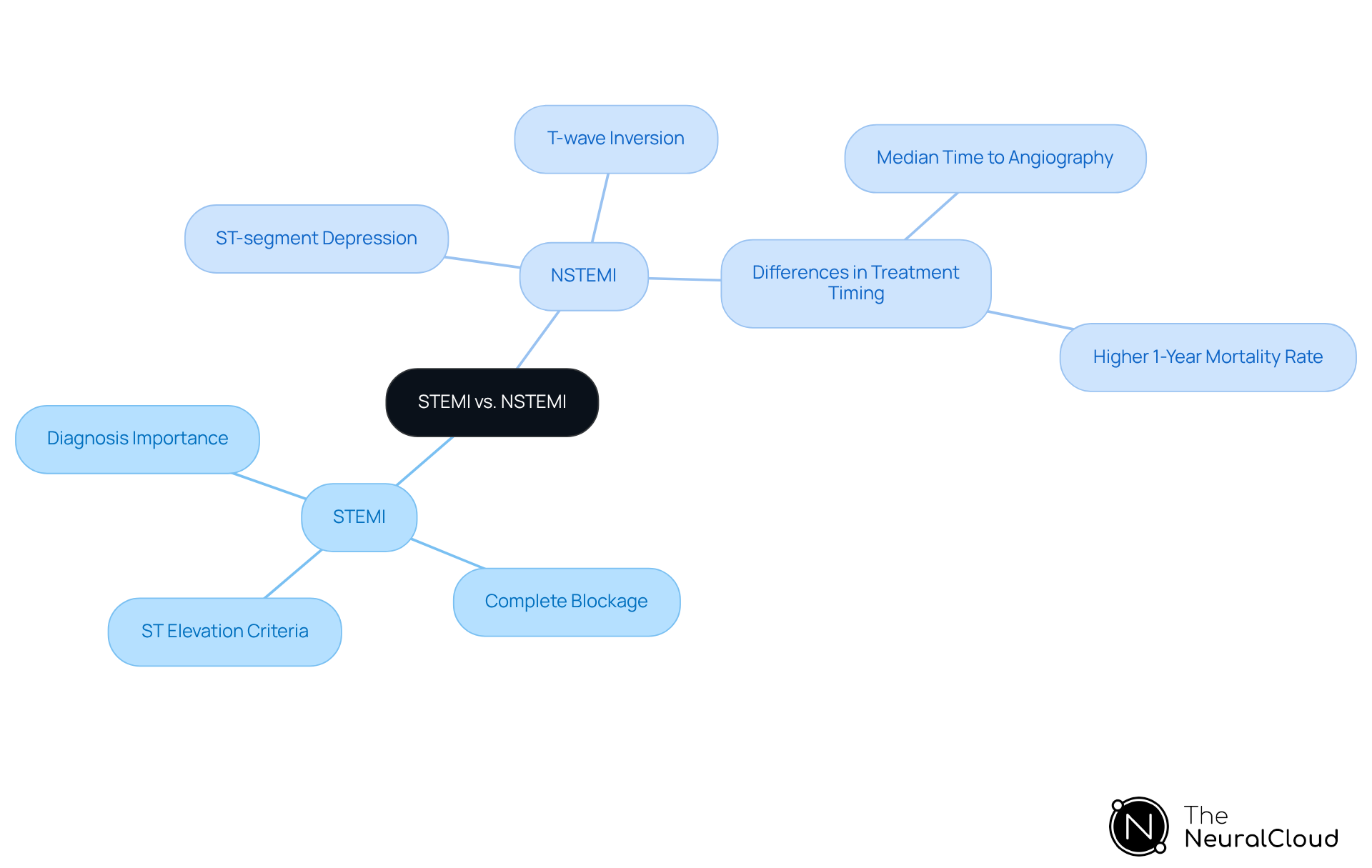
STEMI vs. NSTEMI: Distinguishing Features and Criteria
STEMI is characterized by a persistent rise in the ST segment in two or more adjacent leads, indicating a complete blockage of a coronary artery. In contrast, NSTEMI may show ST-segment depression or T-wave inversion without notable ST rise. Understanding these distinctions is crucial for health tech developers, as the management of these conditions directly influences treatment strategies.
Current guidelines emphasize the importance of identifying not only ST-segment rise but also other ECG characteristics that may suggest acute coronary blockage, as outlined by the latest research. For instance, studies indicate that more than half of individuals with a blocked artery may not exhibit ST-segment elevation, potentially leading to delays in treatment. This underscores the necessity for tools capable of identifying additional markers of myocardial infarction, such as components of the QRS complex and T-wave changes.
Experts in the field, including cardiologists, stress the significance of early detection in diagnosis. The PMcardio STEMI AI ECG model, for example, has demonstrated improved accuracy compared to conventional methods, showcasing the potential of technology to enhance patient outcomes.
The latest criteria for STEMI diagnosis in 2025 continue to evolve, reflecting ongoing discussions about the limitations of current standards. The recent study, which included 994 individuals, revealed that noninferiority was not established between immediate and staged complete revascularization, highlighting the need for timely intervention based on accurate diagnosis.
Real-world examples illustrate the impact of improved ECG classification. A study presented at EuroPCR 2023 found that NSTEMI patients were receiving coronary angiography, with a median time of 16.3 hours compared to just 1.4 hours for STEMI individuals. This delay contributed to a higher 1-year mortality rate for NSTEMI patients, emphasizing the critical need for enhanced ECG tools that can expedite diagnosis and treatment.
Cardiac Biomarkers: Complementary Criteria for ST Elevation Diagnosis
Cardiac biomarkers, particularly troponins, are crucial in diagnosing myocardial infarction according to the STEMI guidelines. Elevated troponin levels indicate myocardial injury and complement ECG findings. However, diagnosis often faces challenges due to extensive and noisy recordings. This is where technology comes into play, offering a solution that significantly improves diagnostic accuracy.
The platform utilizes advanced algorithms to transform complex ECG recordings into clear, precise signals. It facilitates a beat-by-beat examination of over 200,000 heartbeats in under five minutes. This feature not only improves the accuracy of STEMI and NSTEMI diagnoses but also aligns with the current trends in cardiac care. Tailored treatment strategies are increasingly informed by comprehensive data, making this integration essential.
Recent research highlights the effectiveness of cardiac biomarkers, which can detect myocardial infarction within hours of symptom onset. This capability allows for timely intervention, further emphasizing the importance of combining biomarker evaluation with advanced ECG interpretation to assess the patient's condition. As healthcare professionals advocate for this integrated methodology, the potential for improved patient outcomes becomes evident.
In summary, the platform represents a notable advancement in cardiac diagnostics. Its ability to streamline and enhance the accuracy of diagnoses provides significant benefits for healthcare professionals. By prioritizing these technological advancements, developers can contribute to better patient care and outcomes.
Common Misinterpretations: Avoiding Pitfalls in ST Elevation Analysis
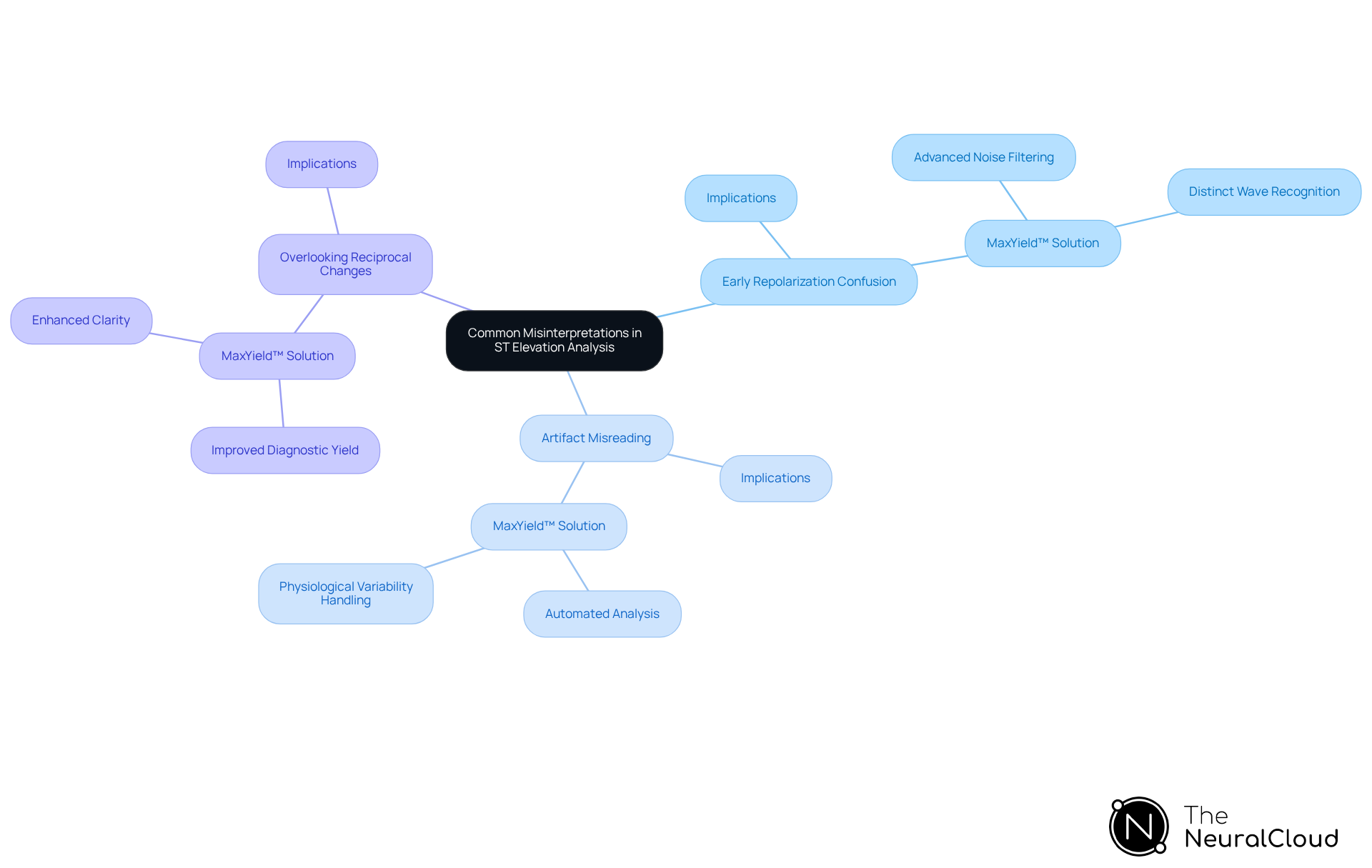
Common misinterpretations in ST elevation analysis include:
- Confusing early repolarization with ST elevation
- Misreading artifacts as true elevation
- Overlooking reciprocal changes
Developers must be aware of these pitfalls to enhance the reliability of their analysis, ensuring that healthcare professionals can make informed decisions based on accurate data. The solution from Neural Cloud Solutions addresses these challenges by incorporating advanced noise filtering and distinct wave recognition features. This significantly enhances the efficiency and accuracy of ECG evaluation.
The platform's automation tackles common errors, which are prevalent in clinical settings. By improving the diagnostic yield, it allows for clearer interpretations and ultimately better patient outcomes. Healthcare professionals benefit from the enhanced analysis, enabling them to make more informed decisions in critical situations. Thus, the platform not only improves diagnostic accuracy but also supports healthcare professionals in delivering superior patient care.
AI Integration: Enhancing ST Elevation Detection in ECG Analysis
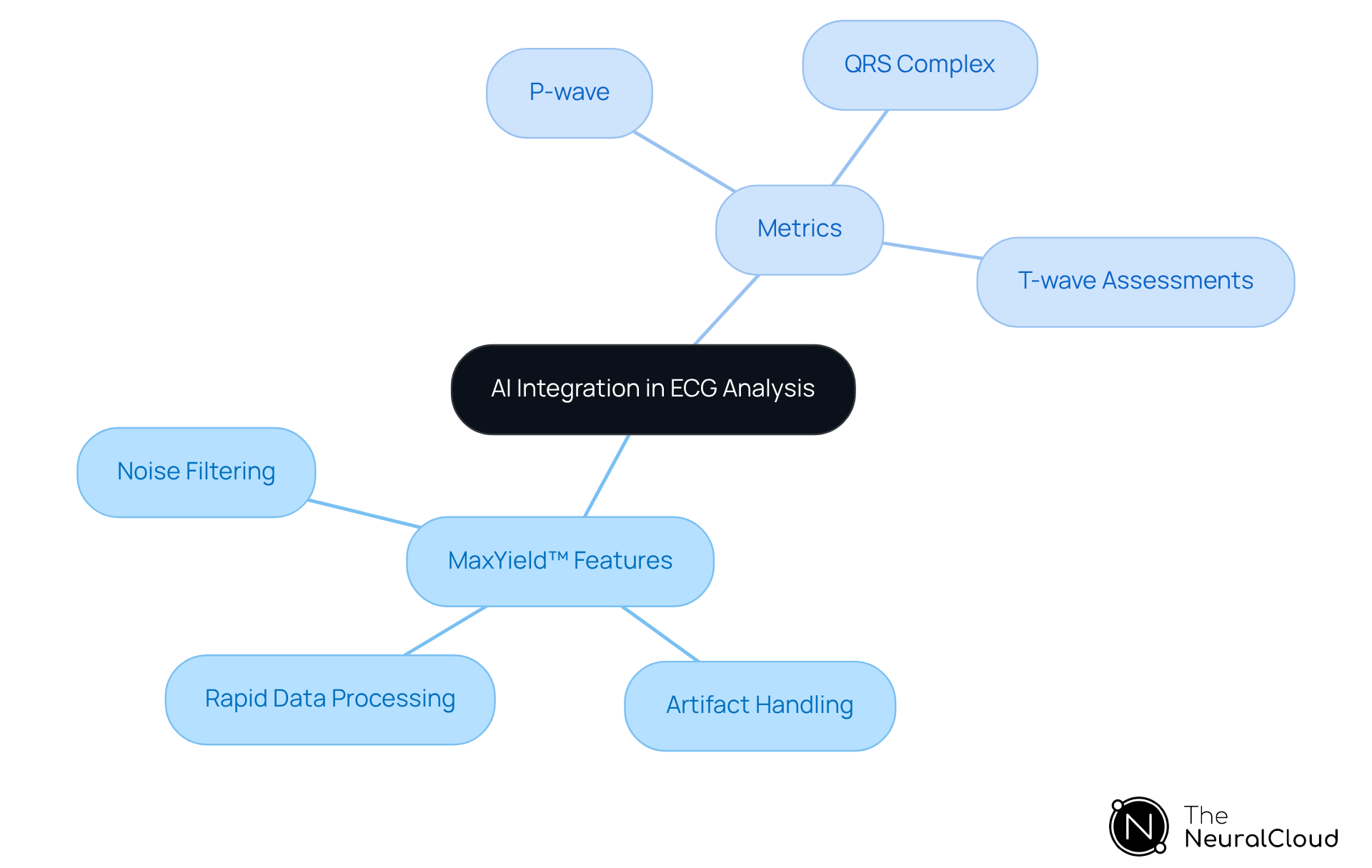
The incorporation of AI into ECG assessment addresses significant challenges in identifying the ST elevation, which operates independently of specific devices, enhances the evaluation process through advanced noise filtering and artifact handling. This optimization allows clinicians to quickly process extensive datasets, recognize patterns, and reduce human error.
MaxYield™ automates the labeling and analysis of ECG data, transforming noisy recordings into clear insights. It provides essential metrics, including:
- P-wave
- T-wave assessments
These metrics are crucial for the accurate detection of myocardial infarction. For health tech developers, leveraging MaxYield™ results in more precise and efficient ECG interpretations, ultimately benefiting patient outcomes and streamlining workflows. Notably, MaxYield™ can analyze 200,000 heartbeats in under five minutes, demonstrating its capacity for rapid analysis.
Clinical Implications: Understanding ST Elevation Patterns
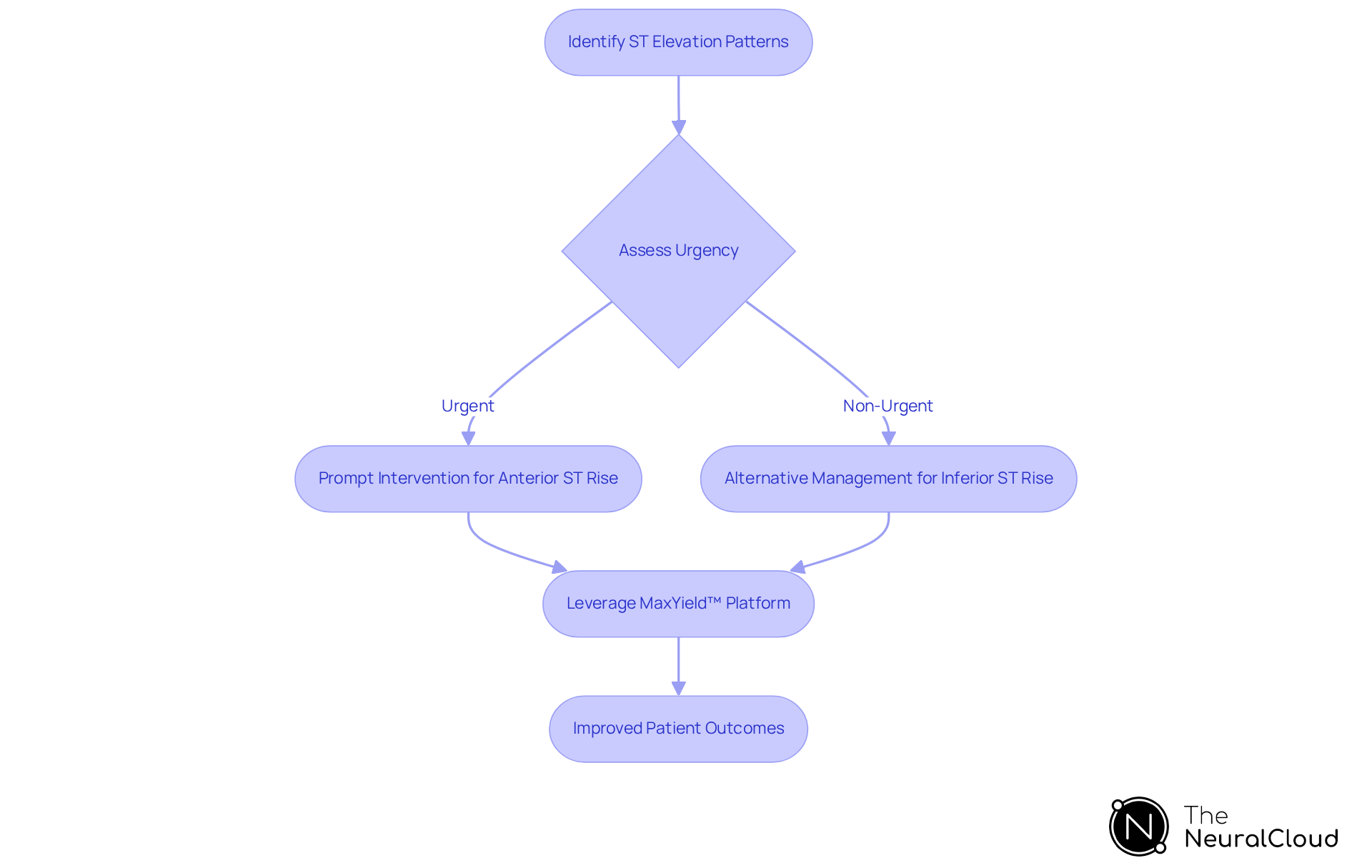
Identifying ST elevation is essential for guiding treatment choices and assessing the urgency of care. Anterior ST rise often signifies the necessity for intervention, while inferior ST rise may require alternative management strategies. Current research underscores that familiarity with ST elevation patterns can significantly influence clinical outcomes; early recognition can lead to faster treatment and improved survival rates. Cardiologists emphasize that an ECG is not solely a diagnostic tool but a vital component in the decision-making process. The absence of ST elevation does not rule out myocardial infarction.
The MaxYield™ platform, developed by Neural Cloud Solutions, addresses the challenges in ECG interpretation through its advanced features. This feature enhances diagnostic accuracy by automating the analysis of ST segment variations, effectively tackling issues such as physiological variability and signal artifacts. This automation streamlines workflows and supports clinical decision-making, ultimately enhancing outcomes in emergency settings.
Healthcare professionals can leverage user manuals to implement features that enhance the platform's ability to filter noise and improve signal quality. By ensuring that ECG evaluations are precise, the MaxYield™ platform empowers healthcare providers to make informed decisions quickly. The integration of these advanced tools not only improves the reliability of ECG readings but also contributes to better patient management and outcomes.
Current Guidelines: Best Practices for Managing ST Elevation Myocardial Infarction
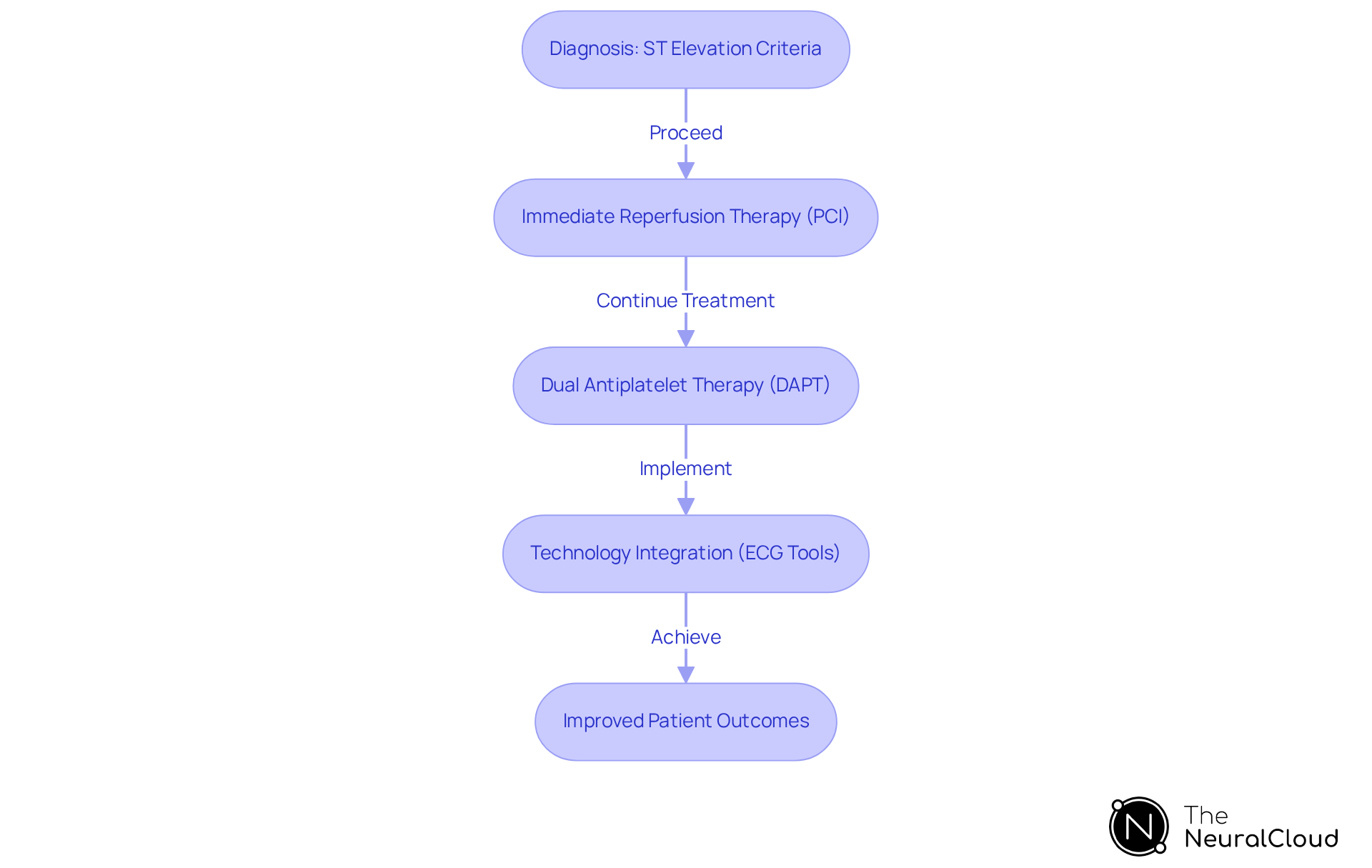
Current guidelines for managing ST elevation myocardial infarction emphasize the ST elevation criteria for prompt diagnosis and treatment to improve patient outcomes. Immediate reperfusion therapy, particularly percutaneous coronary intervention (PCI), stands as a fundamental aspect of cardiac care. The latest recommendations advocate for dual antiplatelet therapy (DAPT) with aspirin and a P2Y12 inhibitor for at least 12 months in patients not at high bleeding risk, ensuring that optimal therapeutic strategies are employed.
Health tech developers are urged to align their practices with these guidelines to promote adherence to best practices in clinical settings. For example, the software employs machine learning and automation, highlighting P, QRS, and T waves to convert lengthy and noisy ECG recordings into clear, precise signals. This technology significantly enhances the diagnostic process, enabling healthcare professionals to swiftly identify critical cardiac events. Such rapid diagnosis is crucial, as research indicates that timely intervention improves long-term outcomes for STEMI patients.
Testimonials from healthcare professionals illustrate the effectiveness of this technology in clinical environments, emphasizing its contribution to patient care and workflow efficiency. By automating the analysis and labeling of ECG waveforms, developers enable clinicians to concentrate on high-level decision-making instead of labor-intensive manual tasks. This approach not only streamlines the diagnostic process but also elevates the overall quality of patient care, ensuring compliance with the ST elevation criteria in the advancing standards of STEMI management.
Conclusion
Understanding ST elevation criteria holds immense significance for health tech developers. Mastery of these criteria is essential for creating effective ECG analysis tools that enhance diagnostic accuracy and improve patient outcomes. By integrating advanced technologies such as Neural Cloud Solutions' MaxYield™, developers can transform the identification and treatment of ST elevation myocardial infarction (STEMI).
Key points discussed include:
- Critical diagnostic criteria for anterior and inferior wall ST elevation myocardial infarctions
- The importance of recognizing reciprocal changes
- The necessity for precise differentiation between STEMI and NSTEMI
- The role of cardiac biomarkers
- Common misinterpretations in ECG analysis
- The transformative impact of AI on ECG evaluations
Each of these elements emphasizes the need for health tech innovations that align with current clinical guidelines and best practices.
As cardiac care continues to evolve, embracing advanced tools and methodologies is imperative. Developers should prioritize the integration of comprehensive ST elevation criteria into their technologies, ensuring healthcare professionals have access to reliable, accurate data. This commitment not only enhances patient management but also ultimately saves lives by facilitating timely interventions in critical situations.
Frequently Asked Questions
What is the MaxYield™ platform?
The MaxYield™ platform by Neural Cloud Solutions is an automated ECG analysis tool that identifies ST elevation criteria using advanced noise filtering and wave recognition. It processes over 200,000 heartbeats in under five minutes, providing rapid and accurate insights for healthcare professionals.
How does MaxYield™ enhance ECG analysis?
MaxYield™ enhances ECG analysis by automating the identification of ST elevation criteria, improving the clarity of ECG signals, and transforming noisy recordings into detailed insights. This allows clinicians to focus on critical decision-making rather than manual examination.
What are the key diagnostic criteria for anterior wall ST elevation myocardial infarction (MI)?
The key diagnostic criteria for anterior wall ST elevation MI include an ST-segment increase of at least 1 mm in two or more contiguous leads, particularly in leads V2 to V4. The presence of Q waves in these leads may indicate more extensive myocardial damage.
What are the ST elevation criteria for inferior wall ST elevation myocardial infarction (MI)?
For inferior wall ST elevation MI, the ST elevation criteria include at least 1 mm elevation in leads II, III, and aVF, often accompanied by reciprocal ST-segment depression in leads I and aVL.
How does MaxYield™ improve diagnostic accuracy and patient outcomes?
MaxYield™ improves diagnostic accuracy and patient outcomes by automating ECG analysis, providing AI-driven insights, and continuously learning from each use. This helps in accurately identifying ST elevation criteria and differentiating types of myocardial infarctions, facilitating timely interventions.
Why is it important to recognize ST elevation patterns in ECGs?
Recognizing ST elevation patterns in ECGs is vital for timely identification of myocardial infarctions, which can facilitate prompt interventions and significantly enhance patient outcomes. Accurate identification supports effective treatment strategies.
List of Sources
- Neural Cloud Solutions MaxYield™: Automated ECG Analysis for ST Elevation Criteria
- medicaleconomics.com (https://medicaleconomics.com/view/cms-sets-medicare-payment-for-ai-enabled-ecg-analysis-boosting-viz-ai-s-hcm-detection-tool)
- AI-ECG Model Outperforms STEMI Criteria for Identifying ACS Patients With Occlusions (https://tctmd.com/news/ai-ecg-model-outperforms-stemi-criteria-identifying-acs-patients-occlusions)
- powerfulmedical.com (https://powerfulmedical.com/blog/powerful-medical-receives-fda-breakthrough-device-designation-for-pmcardio-stemi-ai-ecg-model)
- Investigating the Efficacy of AI-Powered Innovations in ECG Analysis and Continuous Heart Monitoring: A Comprehensive Narrative Review - PMC (https://pmc.ncbi.nlm.nih.gov/articles/PMC12419789)
- trial.medpath.com (https://trial.medpath.com/news/bf23083efcb3c61f/powerful-medical-s-ai-driven-ecg-model-for-stemi-detection-receives-fda-breakthrough-designation)
- Anterior Wall ST Elevation MI: Key Diagnostic Criteria
- hcplive.com (https://hcplive.com/view/positive-results-reported-in-celebrate-trial-of-zalunfiban-for-stemi-heart-attacks)
- STEMI ECG Criteria: ST-Elevation Thresholds (https://powerfulmedical.com/blog/stemi-ecg-criteria)
- 2025 ACC/AHA/ACEP/NAEMSP/SCAI Guideline for the Management of Patients With Acute Coronary Syndromes: A Report of the American College of Cardiology/American Heart Association Joint Committee on Clinical Practice Guidelines | Circulation (https://ahajournals.org/doi/10.1161/CIR.0000000000001309)
- ncbi.nlm.nih.gov (https://ncbi.nlm.nih.gov/books/NBK562234)
- STEMI: ST-segment Elevation Myocardial Infarction - The Cardiology Advisor (https://thecardiologyadvisor.com/ddi/stemi-st-elevation-myocardial-infarction)
- Inferior Wall ST Elevation MI: Essential Evaluation Criteria
- healio.com (https://healio.com/cardiology/learn-the-heart/ecg-review/ecg-topic-reviews-and-criteria/inferior-wall-st-elevation-mi-review)
- Inferior STEMI (https://litfl.com/inferior-stemi-ecg-library)
- STEMI - Electrocardiogram - M3 Curriculum | SAEM (https://saem.org/about-saem/academies-interest-groups-affiliates2/cdem/for-students/online-education/m3-curriculum/group-electrocardiogram-(ecg)-rhythm-recognition/stemi)
- journals.lww.com (https://journals.lww.com/em-news/fulltext/2025/06000/symptoms__chest_pain,_difficulty_breathing,.11.aspx?context=latestarticles)
- Physician Accuracy in Interpreting Potential ST‐Segment Elevation Myocardial Infarction Electrocardiograms | Journal of the American Heart Association (https://ahajournals.org/doi/10.1161/JAHA.113.000268)
- Reciprocal Changes: Critical Indicators in ST Elevation Diagnosis
- thecardiologyadvisor.com (https://thecardiologyadvisor.com/news/presence-of-collateral-vessels-does-not-correlate-with-reciprocal-st-segment-depression-in-stemi)
- sciencedirect.com (https://sciencedirect.com/science/article/abs/pii/S0022073620300030)
- Should We Be Looking for ‘Occlusion MI’ Rather Than STEMI? (https://tctmd.com/news/should-we-be-looking-occlusion-mi-rather-stemi)
- journals.lww.com (https://journals.lww.com/em-news/fulltext/2025/06000/symptoms__chest_pain,_difficulty_breathing,.11.aspx)
- revespcardiol.org (https://revespcardiol.org/en-usefulness-reciprocal-changes-in-diagnosis-articulo-S188558571630069X)
- STEMI vs. NSTEMI: Distinguishing Features and Criteria
- escardio.org (https://escardio.org/The-ESC/Press-Office/Press-releases/New-data-presented-to-guide-the-treatment-of-patients-with-multivessel-coronary-artery-disease)
- Should We Be Looking for ‘Occlusion MI’ Rather Than STEMI? (https://tctmd.com/news/should-we-be-looking-occlusion-mi-rather-stemi)
- acc.org (https://acc.org/Latest-in-Cardiology/Journal-Scans/2025/06/17/20/23/STEMI-Treatment-Delays-Persist)
- acc.org (https://acc.org/latest-in-cardiology/articles/2025/08/26/11/47/sun-327am-option-stemi-esc-2025)
- tctmd.com (https://tctmd.com/news/many-acs-patients-occlusions-are-falling-through-cracks)
- Cardiac Biomarkers: Complementary Criteria for ST Elevation Diagnosis
- ST-elevation myocardial infarction - Symptoms, diagnosis and treatment | BMJ Best Practice US (https://bestpractice.bmj.com/topics/en-us/150)
- diagnostics.roche.com (https://diagnostics.roche.com/global/en/article-listing/health-topics/cardiac/cardiac-biomarkers-diagnosis-ami-hf.html)
- Cardiac Biomarkers - StatPearls - NCBI Bookshelf (https://ncbi.nlm.nih.gov/books/NBK545216)
- STEMI: ST-segment Elevation Myocardial Infarction - The Cardiology Advisor (https://thecardiologyadvisor.com/ddi/stemi-st-elevation-myocardial-infarction)
- uscjournal.com (https://uscjournal.com/articles/cardiovascular-biomarkers-acute-coronary-syndromes-using-multi-marker-strategy?language_content_entity=en)
- Common Misinterpretations: Avoiding Pitfalls in ST Elevation Analysis
- ceemjournal.org (https://ceemjournal.org/m/journal/view.php?doi=10.15441/ceem.21.163)
- cpduk.co.uk (https://cpduk.co.uk/news/understanding-ecg-interpretation-beyond-basics)
- STEMI Mimics: ECG Impostors of Heart Attack (https://powerfulmedical.com/blog/stemi-mimics)
- products-unlimited.com (https://products-unlimited.com/common-mistakes-in-ecg-interpretation-and-how-to-avoid-them)
- AI Integration: Enhancing ST Elevation Detection in ECG Analysis
- AI Shows Promise in Detecting Type 1 MI and Need for Revascularization (https://tctmd.com/news/ai-shows-promise-detecting-type-1-mi-and-need-revascularization)
- trial.medpath.com (https://trial.medpath.com/news/bf23083efcb3c61f/powerful-medical-s-ai-driven-ecg-model-for-stemi-detection-receives-fda-breakthrough-designation)
- acc.org (https://acc.org/About-ACC/Press-Releases/2025/03/29/17/21/AI-Model-Shows-High-Accuracy)
- AI-ECG Model Outperforms STEMI Criteria for Identifying ACS Patients With Occlusions (https://tctmd.com/news/ai-ecg-model-outperforms-stemi-criteria-identifying-acs-patients-occlusions)
- Can EKGs read by AI save lives? It's possible, researchers say (https://heart.org/en/news/2023/11/06/can-ekgs-read-by-ai-save-lives-its-possible-researchers-say)
- Clinical Implications: Understanding ST Elevation Patterns
- ST Segment - StatPearls - NCBI Bookshelf (https://ncbi.nlm.nih.gov/books/NBK459364)
- High-risk ECG patterns in ST elevation myocardial infarction for mortality prediction (https://sciencedirect.com/science/article/pii/S0022073622001662)
- What Is a STEMI? (https://my.clevelandclinic.org/health/diseases/22068-stemi-heart-attack)
- emra.org (https://emra.org/emresident/article/stemi-equivalents)
- thecardiologyadvisor.com (https://thecardiologyadvisor.com/news/effect-of-delayed-vs-immediate-interventions-in-transient-stemi)
- Current Guidelines: Best Practices for Managing ST Elevation Myocardial Infarction
- New Guideline on Acute Coronary Syndromes: Key Takeaways (https://consultqd.clevelandclinic.org/new-guideline-on-acute-coronary-syndromes-key-takeaways-for-cardiologists)
- acc.org (https://acc.org/Latest-in-Cardiology/Journal-Scans/2025/02/27/17/01/ACC-AHA-Issue-New-Acute-Coronary-Syndromes-Guideline)
- ACC, AHA Issue New Acute Coronary Syndromes Guideline (https://newsroom.heart.org/news/acc-aha-issue-new-acute-coronary-syndromes-guideline)
- AHA, ACC Update Guidelines for Acute Coronary Syndrome Management | AJMC (https://ajmc.com/view/aha-acc-update-guidelines-for-acute-coronary-syndrome-management)