Introduction
Understanding the intricacies of hyperkalemia is essential for healthcare professionals, as elevated potassium levels may result in severe cardiac complications. This article explores seven critical ECG findings indicative of hyperkalemia, offering clinicians valuable insights to improve patient management. As potassium levels increase, distinct changes appear on the ECG. How can practitioners effectively interpret these signals to avert life-threatening outcomes? Examining these vital ECG indicators underscores their importance and highlights innovative technologies that assist in accurate diagnosis and timely intervention.
Neural Cloud Solutions MaxYield™: Advanced ECG Analysis for Hyperkalemia
Neural Cloud Solutions' platform is revolutionizing ECG analysis by automating the identification of hyperkalemia. This platform employs advanced algorithms to process over 200,000 heartbeats in under five minutes, providing rapid insights that are invaluable for healthcare professionals. MaxYield™ excels at detecting critical ECG changes, including peaked T waves and widened QRS complexes, facilitating timely diagnosis.
Furthermore, the platform's innovative technology allows it to recover previously obscured segments of lengthy Holter, 1-Lead, and patch monitor recordings, effectively overcoming challenges presented by physiological variability and signal artifacts. Notably, the continuous learning model improves the platform's accuracy, significantly decreasing the rate of misdiagnosed computerized ECG interpretations.
Additionally, the platform identifies 27-30 ECG abnormalities based on various lead combinations of ECG signals, demonstrating its extensive capabilities. This forward-looking perspective highlights the potential for AI to markedly enhance the quality of care in acute cardiac settings.
Peaked T Waves: A Key Indicator of Hyperkalemia
Peaked T phenomena are a significant ECG finding in hyperkalemia, usually appearing when serum potassium levels surpass 5.5 mEq/L. These T wave oscillations are characterized by their peaked shape, often most visible in the precordial leads. Clinicians must remain vigilant for this change, as it serves as an early warning sign, necessitating further evaluation and management.
In cases of moderate potassium elevation, with levels ranging from 6.5 to 8.0 mEq/L, the ECG may also display:
Conversely, severe potassium elevation, exceeding 8.0 mEq/L, can lead to more pronounced alterations, including:
- Potentially a sine wave pattern
Recognizing these changes as significant in hyperkalemia is essential for prompt intervention, as these variations may indicate a condition requiring urgent care.
Widened QRS Complex: Sign of Severe Hyperkalemia
As hyperkalemia progresses, particularly when potassium levels exceed 6.5 mEq/L, the widening QRS complex is one of the notable findings. This widening indicates impaired conduction through the ventricles, which can precipitate arrhythmias, including ventricular fibrillation. Clinicians must monitor this development closely, as it signifies a critical state that necessitates immediate intervention. The widening QRS complex is often associated with other ECG changes, such as peaked T waves and decreased amplitude of P waves, which develop as potassium levels increase. In severe cases, where potassium levels reach 7.0 mEq/L or higher, the risk of fatal rhythms increases significantly. Therefore, recognizing the patterns is crucial for timely and effective treatment.
Utilizing Neural Cloud Solutions' MaxYield™ enhances this process by providing advanced ECG analysis and wave recognition. This technology allows clinicians to salvage previously obscured sections of ECG recordings, which is especially advantageous in noisy settings. By ensuring that important variations in the QRS complex are accurately recognized, MaxYield™ significantly improves diagnostic accuracy. Clinicians should consider administering calcium gluconate as part of their immediate intervention strategy. Integrating ECG monitoring into practice can further enhance the detection of these critical changes, ultimately leading to better patient outcomes.

Loss of P Waves: Implications for Hyperkalemia Diagnosis
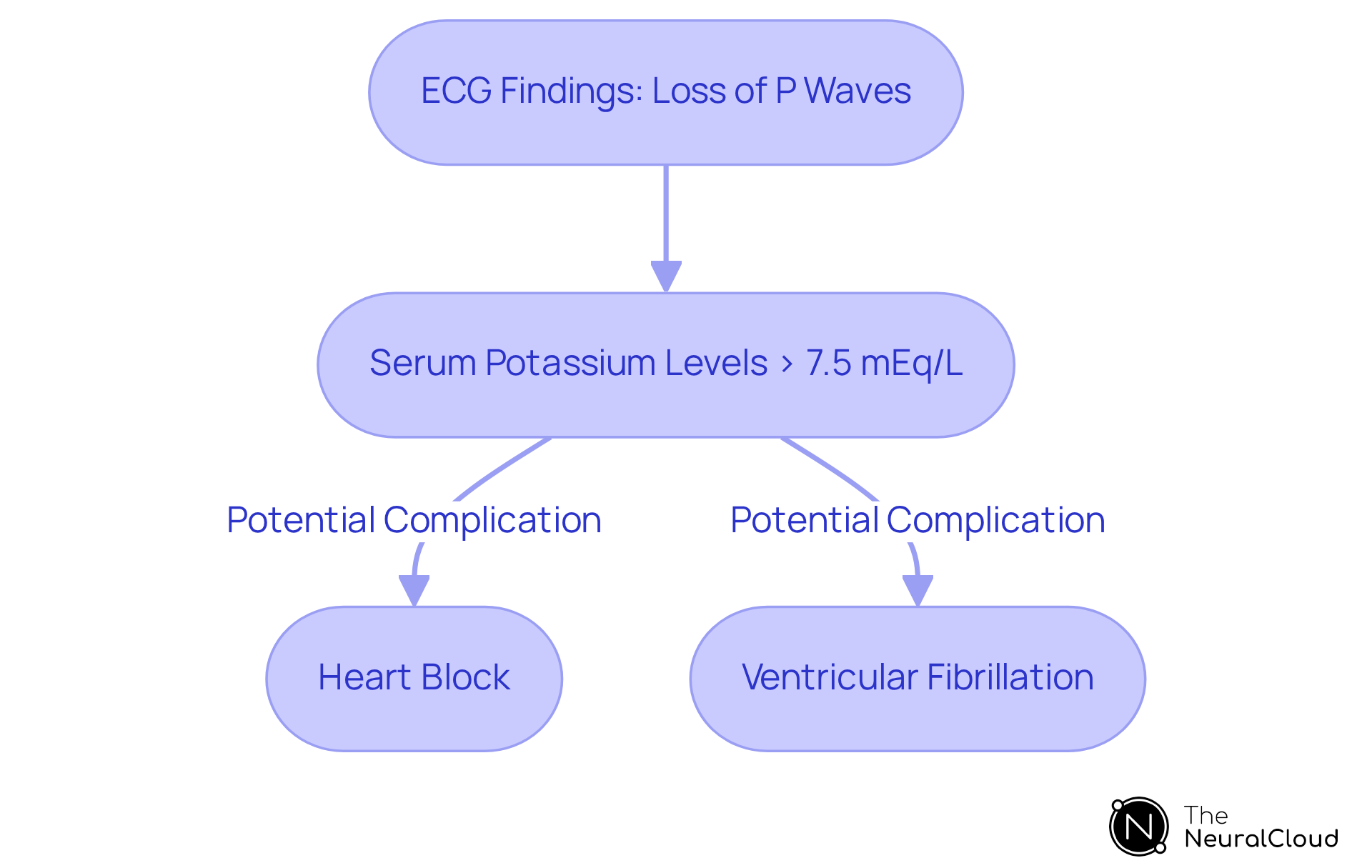
indicate the critical disappearance of P waves, which typically arises when serum potassium levels exceed 7.5 mEq/L. This alteration signifies hyperkalemia, which is evident in the ECG, reflecting the detrimental impact of elevated potassium on atrial function.
Clinicians must respond promptly to this finding, as it often precedes more severe complications, including:
- Heart block
- Ventricular fibrillation
In a study involving 67 hyperkalemic patients, it was noted that 74.6% exhibited loss of P waves, with the absence of P waves being a significant finding. Real-world cases have shown that as potassium levels rise, the probability of P component disappearance grows. This highlights the necessity for timely intervention.
The clinical results linked to the loss of P waves can be severe, highlighting the importance of identifying this alteration in ECG readings to prevent complications.
Sine-Wave Patterns: A Life-Threatening ECG Finding in Hyperkalemia
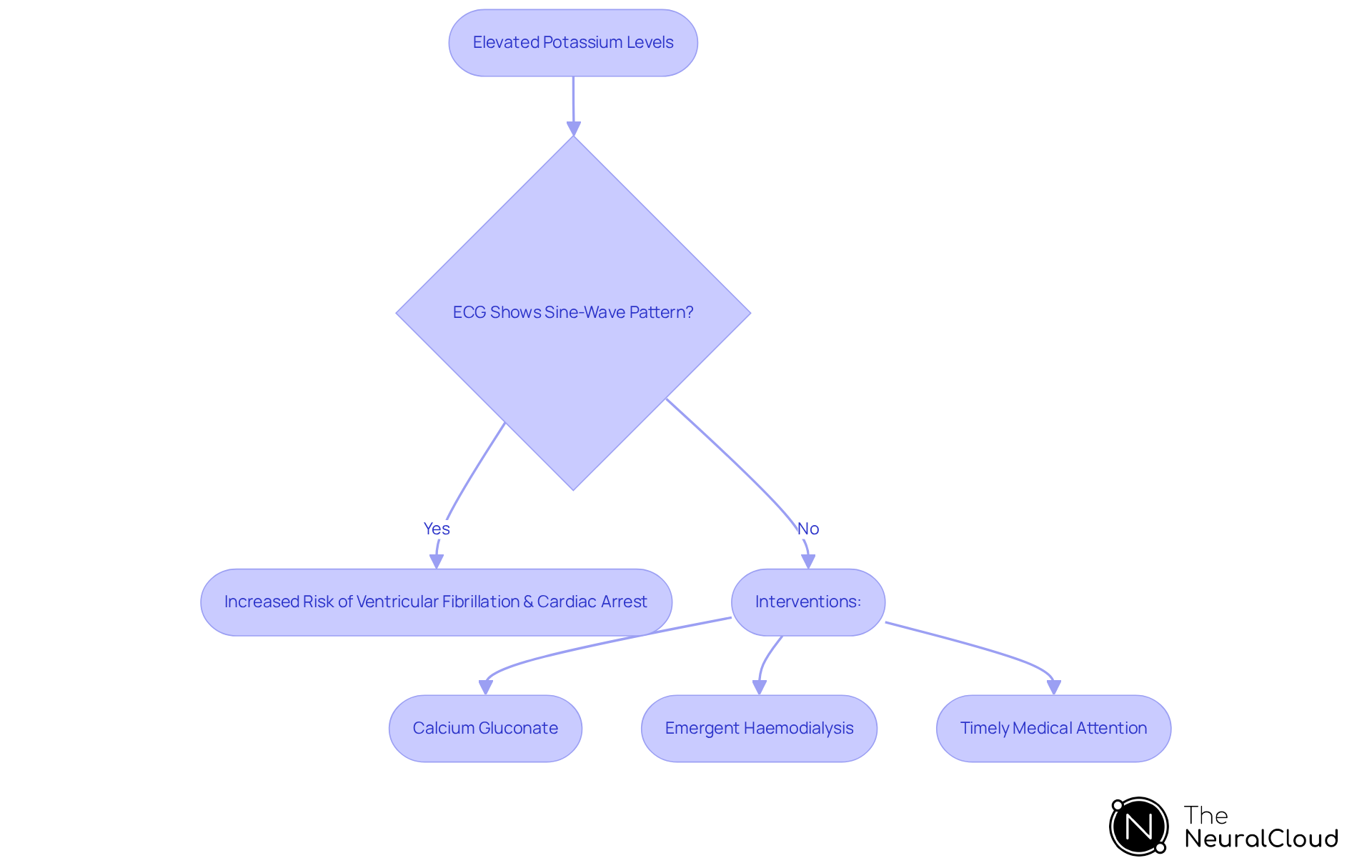
In cases of severe potassium elevation, the ECG may reveal a sine-wave pattern, a critical indicator marked by the merging of the QRS complex and T wave. This concerning pattern indicates an increased risk for ventricular fibrillation and cardiac arrest, necessitating immediate medical intervention. Statistics indicate that patients presenting with this pattern, typically observed when hyperkalemia is severe, face a significantly higher risk of complications.
For example, in clinical studies, the presence of this pattern has been associated with a sevenfold increase in the likelihood of underlying cardiac issues. Real-world instances highlight the urgency of this finding; patients with severely elevated potassium levels who exhibit a sine-wave pattern often require aggressive treatment, including calcium gluconate and emergent haemodialysis, to stabilize cardiac function and avert fatal outcomes.
Recognizing this abnormality is crucial for clinicians and can be the difference between life and death.
Bradycardia: A Potential Consequence of Hyperkalemia
Bradycardia, characterized by a reduced heart rate, is often associated with hyperkalemia, particularly in severe cases of elevated potassium levels. This condition stems from the adverse effects of high potassium on the cardiac conduction system, which leads to arrhythmias. A retrospective study of 87 patients experiencing severe hyperkalemia revealed a mean potassium level of 7.1 mEq/L and a median heart rate of merely 43 beats per minute. Such pronounced bradycardia increases the risk of arrhythmias and other serious complications, making diligent heart rate monitoring crucial for clinicians managing hyperkalemic patients. Additionally, 32% of these individuals exhibited hypotension, complicating their clinical presentation further. Consequently, clinicians must prioritize ECG monitoring to promptly detect bradycardia, as well as changes such as junctional rhythm, peaked T waves, and QRS prolongation, facilitating timely intervention.
Utilizing Neural Cloud Solutions' technology significantly improves ECG analysis by converting lengthy and noisy ECG recordings into clean, clear signals with speed and clarity. This transformation ensures that clinicians can make informed decisions. As Julian Marsden notes, "Bradycardia can often be refractory to typical chronotropic agents and inadequately treated by ACLS algorithms for bradycardia," highlighting the necessity for vigilant monitoring and management. By employing MaxYield™, clinicians can effectively address the challenges posed by ECG analysis, ultimately leading to better patient care.
ECG Monitoring in Renal Failure: Identifying Hyperkalemia Risks
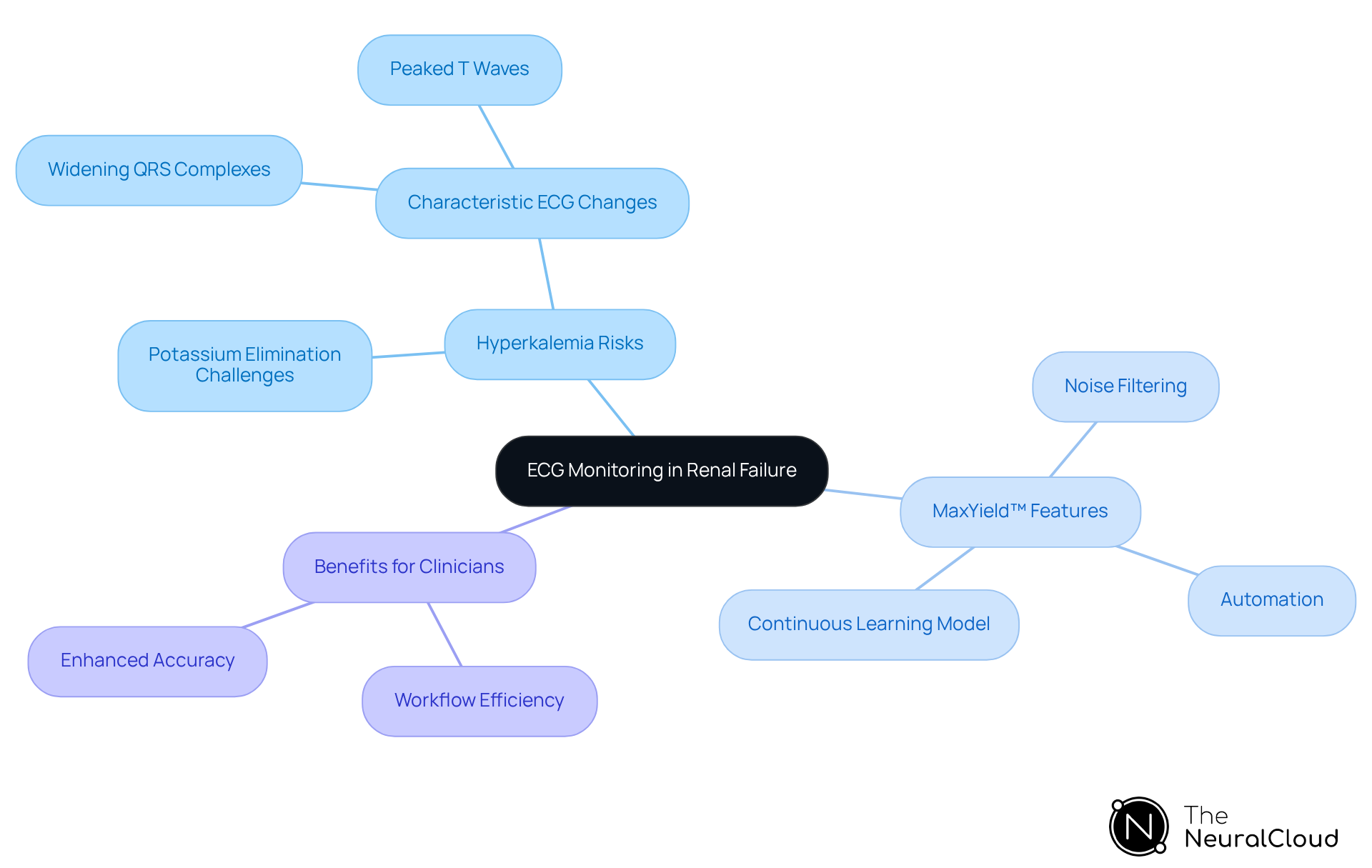
Patients with renal failure often face significant challenges in potassium elimination, which substantially increases their risk for elevated potassium levels. Regular ECG monitoring is crucial for the early detection of characteristic changes, particularly those related to hyperkalemia, enabling timely intervention. Clinicians should be particularly vigilant for peaked T waves and widening QRS complexes in the ECG, as these changes are indicative of elevated potassium levels. Studies indicate that prompt ECG assessments can enhance patient outcomes, with a 10% increase in classification accuracy when employing advanced technologies, such as Neural Cloud Solutions' MaxYield™.
The MaxYield™ platform offers several key features that enhance ECG analysis:
- Its premier noise filtering capabilities ensure that the data collected is of the highest quality.
- Automation features streamline the analysis process.
- The machine learning component allows the platform to adapt and improve over time, providing healthcare providers with increasingly accurate insights into patient conditions.
By implementing these advanced features, MaxYield™ not only simplifies the analysis process but also empowers clinicians to make informed decisions based on accurate data.
The benefits of utilizing MaxYield™ are substantial for healthcare professionals:
- By improving efficiency and reducing the likelihood of errors in ECG interpretation, the platform enables clinicians to focus more on patient care.
- Furthermore, the enhanced accuracy of ECG assessments allows for better management of the risks associated with elevated potassium levels, as reflected in patient outcomes, ultimately leading to improved care.
In summary, the integration of MaxYield™ into clinical practice represents a significant advancement in the monitoring and management of patients with renal failure.
Guiding Treatment Decisions: The Role of ECG in Hyperkalemia Management
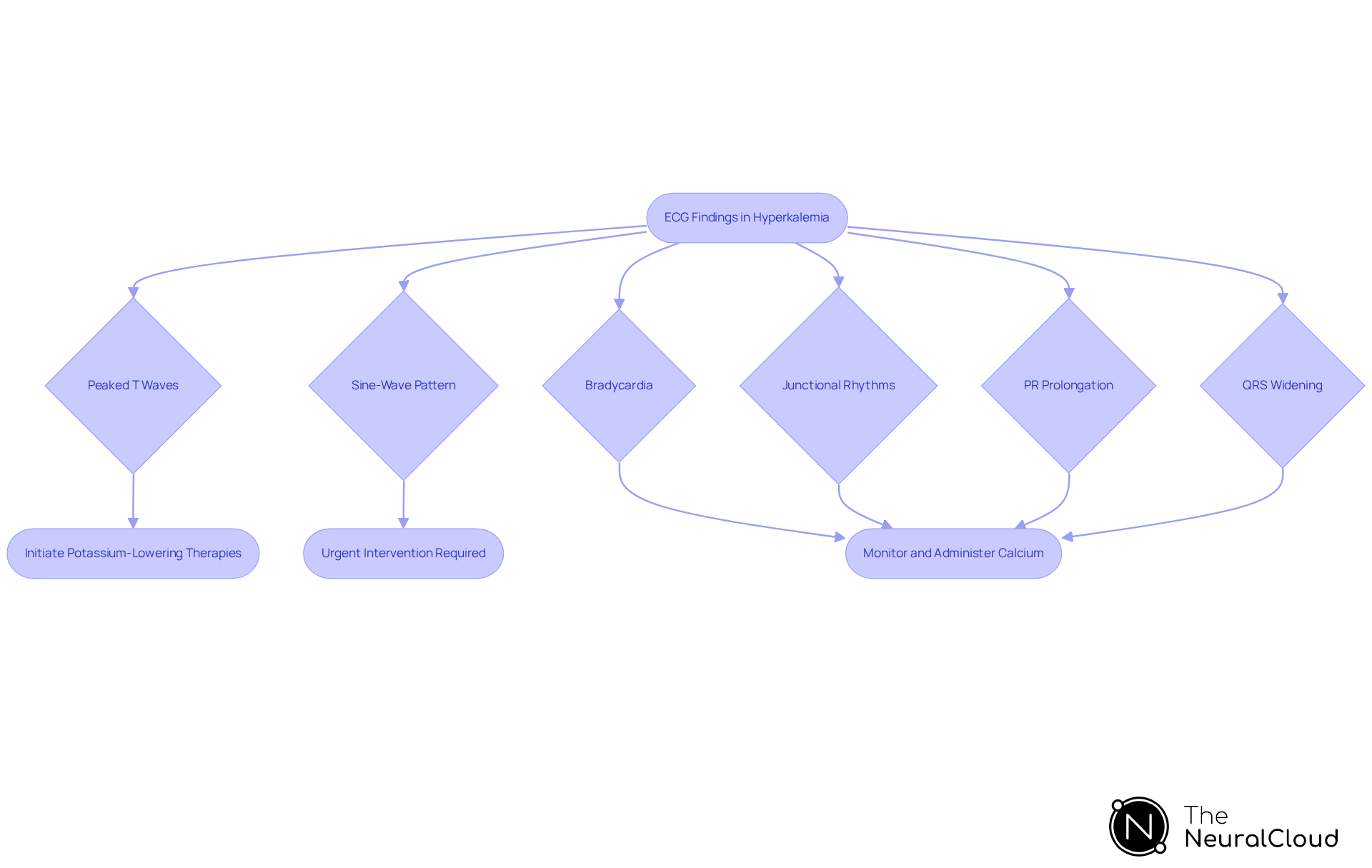
ECG findings are pivotal in managing the condition, directly influencing treatment decisions based on its severity. The presence of peaked T waves serves as a key indicator, prompting clinicians to initiate appropriate interventions. Conversely, a sine-wave pattern on the ECG signals an urgent need to avert cardiac arrest. Clinicians must be proficient in interpreting these changes to ensure patient safety.
In real-world scenarios, ECG findings significantly impact management decisions. For instance, in a case involving an 80-year-old patient with moderate potassium elevation, the ECG displayed borderline sinus tachycardia with normal intervals, despite a potassium level of 6.7. This prompted immediate treatment with calcium, normal saline, and dextrose/insulin, showcasing how ECG findings can guide timely interventions.
Expert opinions further underscore the importance of ECG monitoring in the management of high potassium levels. Substantial hyperkalemia frequently results in various complications, including:
- Bradycardia
- Junctional rhythms
- PR prolongation
- QRS widening
The findings necessitate prompt action and may require the administration of empiric calcium, particularly in cases of unstable bradycardia or slow rhythms. Statistics indicate that hyperkalemia can enhance treatment outcomes, reinforcing the necessity for healthcare professionals to remain vigilant in their ECG assessments.
The integration of advanced technologies like neural networks enhances the accuracy and efficiency of ECG analysis. These systems utilize sophisticated noise filtering and unique signal recognition to identify and label critical data, even in recordings with high levels of noise and artifact. This capability allows for the rapid isolation of ECG waves from recordings affected by baseline wander and muscle artifact, ensuring that healthcare practitioners can make informed decisions based on clear and precise ECG readings, especially in complex situations involving elevated potassium levels. The continuous learning model of these systems ensures that their accuracy and efficiency evolve with each use, further enhancing their value in clinical practice. Incorporating these insights and case studies emphasizes the significance of ECG findings in directing treatment choices for elevated potassium levels.
Timely Recognition of ECG Changes: Preventing Hyperkalemia Complications
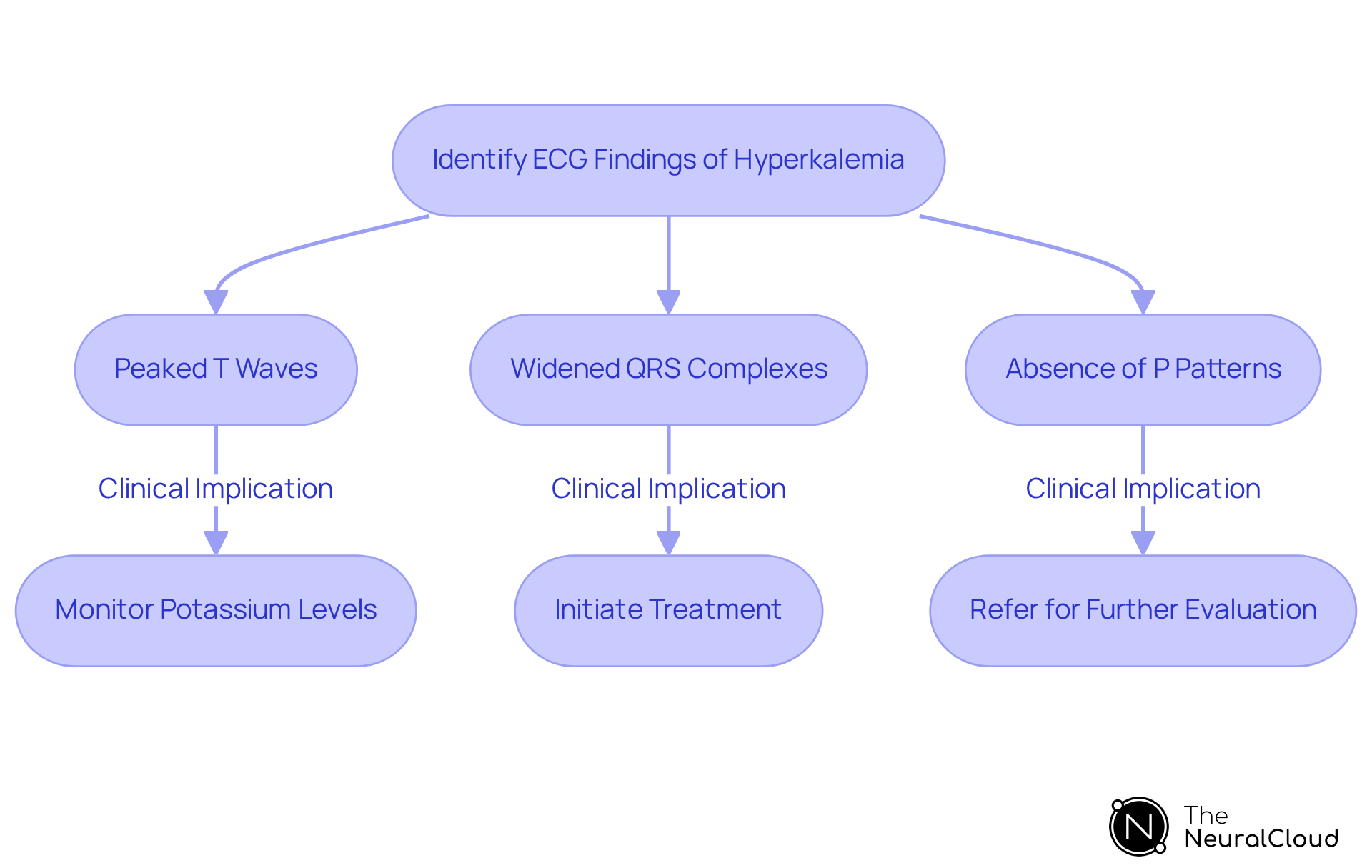
Prompt identification of ECG changes is essential for efficient management. As potassium levels rise, healthcare providers must observe the ECG findings, which begin with peaked T waves, advance to widened QRS complexes, and possibly result in the loss of P waves. These changes carry significant implications. For instance, peaked T waves indicate a 2.4 times greater chance of moderate-to-severe potassium elevation, underscoring the necessity for prompt action.
Timely recognition can help avert severe complications such as arrhythmias and cardiac arrest. A retrospective study emphasized that many patients with elevated potassium levels exhibited peaked T waves; however, a considerable number displayed widened QRS complexes. This highlights the importance of ECG monitoring, particularly in individuals with chronic kidney disease, where clinical symptoms may not consistently reflect the severity of elevated potassium levels.
Real-world examples illustrate the impact of timely intervention. In emergency settings, clinicians who acted swiftly upon recognizing peaked T waves were able to initiate appropriate treatments, significantly reducing the risk of adverse outcomes. The significance of early intervention cannot be overstated; it is a crucial element in preventing the serious complications linked to elevated potassium levels.
Key Takeaways: Essential ECG Findings in Hyperkalemia for Clinicians
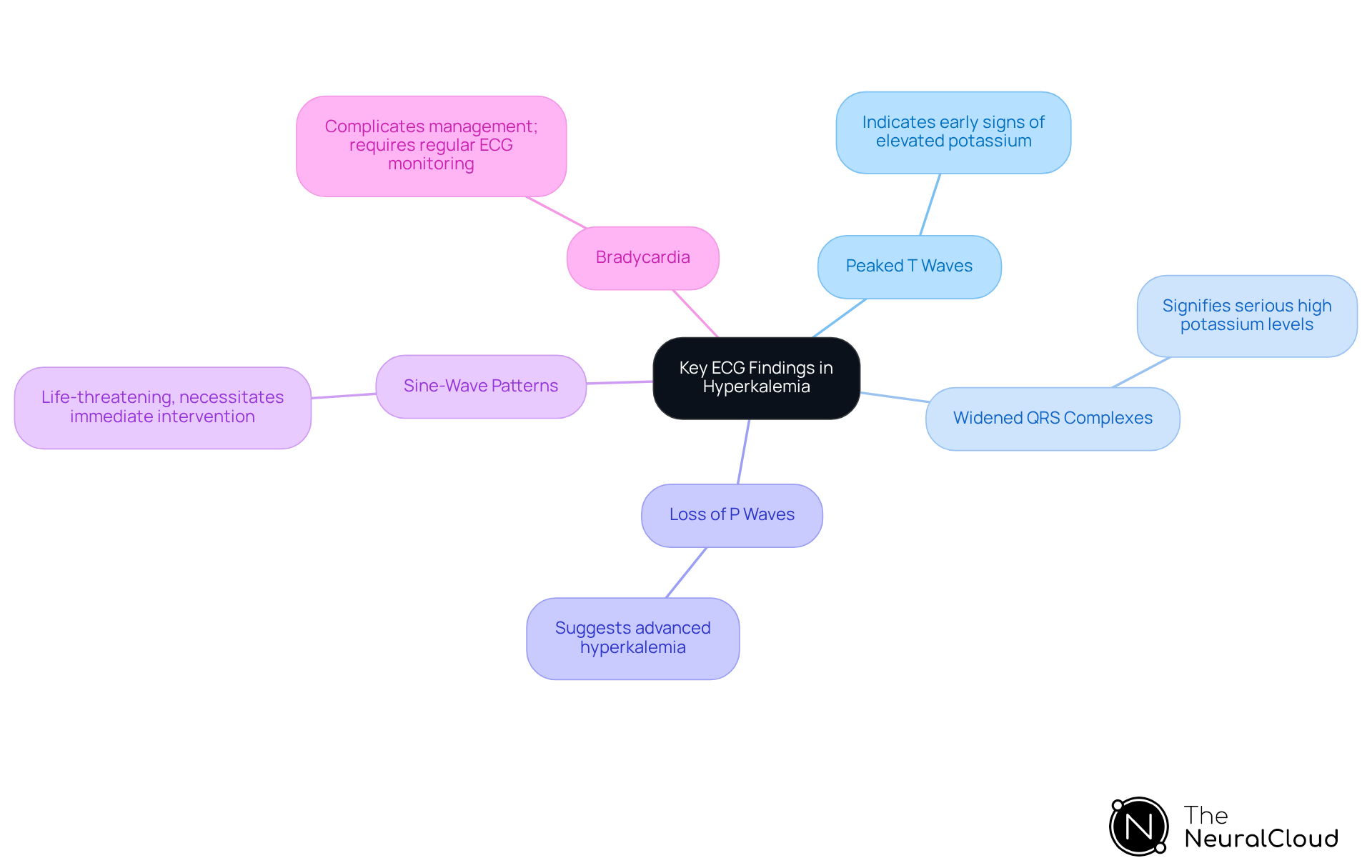
Clinicians must remain vigilant for key findings that are associated with elevated potassium levels.
- Peaked T Waves are one of the indicators that indicate early signs of elevated potassium.
- Widened QRS Complexes are indicative of severe hyperkalemia, which signifies serious high potassium levels.
- The loss of P Waves in the ECG suggests advanced hyperkalemia, while sine-wave patterns are life-threatening and necessitate immediate intervention.
- Bradycardia is a potential consequence, making regular ECG monitoring essential, especially in patients with renal failure.
Timely recognition is crucial to preventing complications.
Conclusion
Recognizing the critical ECG findings associated with hyperkalemia is essential for effective patient management. Detecting key indicators such as:
- Peaked T waves
- Widened QRS complexes
- Loss of P waves
- Sine-wave patterns
is vital, as each represents different severities of elevated potassium levels. Understanding these ECG changes enables clinicians to initiate timely interventions, preventing life-threatening complications.
The discussion highlights the features of advanced technologies like Neural Cloud Solutions' MaxYield™ platform, which automates detection and improves diagnostic accuracy. This capability empowers healthcare professionals to respond swiftly to the ECG findings of hyperkalemia, leading to better patient outcomes, particularly in high-risk populations such as those with renal failure.
The advantages of integrating timely ECG monitoring with advanced analytical tools are crucial for effectively managing hyperkalemia. Clinicians are encouraged to remain vigilant and proactive in interpreting ECG changes, as early recognition can significantly reduce the risk of severe complications and enhance patient safety. The insights provided serve as a valuable reminder of the importance of continual education and the adoption of innovative solutions in clinical practice.
Frequently Asked Questions
What is the MaxYield™ platform by Neural Cloud Solutions?
MaxYield™ is an advanced ECG analysis platform that automates the identification of critical cardiac signals associated with elevated potassium levels, utilizing AI algorithms to analyze over 200,000 heartbeats in under five minutes.
How does MaxYield™ improve ECG analysis for hyperkalemia?
MaxYield™ excels at detecting ECG findings associated with hyperkalemia, such as peaked T waves and widened QRS complexes, facilitating timely medical interventions that enhance patient outcomes.
What capabilities does MaxYield™ offer regarding ECG recordings?
The platform features innovative noise filtering and unique signal recognition capabilities, allowing it to recover previously obscured segments of lengthy Holter, 1-Lead, and patch monitor recordings.
How does the continuous learning model of MaxYield™ benefit its accuracy?
The continuous learning model improves diagnostic accuracy over time, significantly decreasing the rate of misdiagnosed computerized ECG interpretations.
What types of ECG abnormalities can MaxYield™ identify?
MaxYield™ can accurately identify 27-30 ECG abnormalities based on various lead combinations of ECG signals.
What are peaked T waves, and why are they significant in hyperkalemia?
Peaked T waves are tall, narrow oscillations appearing in ECG readings when serum potassium levels exceed 5.5 mEq/L. They serve as an early warning sign of elevated potassium levels, necessitating further evaluation and management.
What additional ECG changes may occur with moderate and severe hyperkalemia?
In moderate hyperkalemia (6.5 to 8.0 mEq/L), ECG changes may include prolonged PR intervals and reduced P wave amplitude. Severe hyperkalemia (exceeding 8.0 mEq/L) can lead to wide complex rhythms and potentially a sine wave pattern.
What does a widened QRS complex indicate in the context of hyperkalemia?
A widened QRS complex, particularly when potassium levels exceed 6.5 mEq/L, indicates impaired conduction through the ventricles, which can lead to life-threatening arrhythmias.
How does the MaxYield™ technology enhance the recognition of ECG changes?
MaxYield™ improves the recognition of critical ECG changes by providing advanced noise filtering and wave recognition, allowing clinicians to accurately identify important variations in the QRS complex.
What immediate intervention strategy should clinicians consider for hyperkalemia?
Clinicians should consider administering intravenous calcium for cardioprotection as part of their immediate intervention strategy for patients with hyperkalemia.
List of Sources
- Neural Cloud Solutions MaxYield™: Advanced ECG Analysis for Hyperkalemia
- pmc.ncbi.nlm.nih.gov (https://pmc.ncbi.nlm.nih.gov/articles/PMC10145690)
- AI in Healthcare Statistics: Latest Data & Facts (https://strategicmarketresearch.com/blogs/ai-in-healthcare-statistics)
- theneuralcloud.com (https://theneuralcloud.com/post/master-hyperacute-t-waves-key-characteristics-and-interpretation)
- aiml.health (https://aiml.health/press-release/aiml-subsidiary-neural-cloud-signs-loi-with-circular-health-to-license-maxyield-tm-ecg-signal-processing)
- businesswire.com (https://businesswire.com/news/home/20250508600716/en/AccurKardias-AccurECG-Named-Best-New-Technology-Solution-for-ECG-in-9th-Annual-MedTech-Breakthrough-Awards-Program)
- Peaked T Waves: A Key Indicator of Hyperkalemia
- EM Cases | ECG Cases 10: hyperkalemia (https://emergencymedicinecases.com/ecg-cases-10-hyperkalemia-the-great-imitator)
- openanesthesia.org (https://openanesthesia.org/keywords/hyperkalemia)
- pmc.ncbi.nlm.nih.gov (https://pmc.ncbi.nlm.nih.gov/articles/PMC6932546)
- droracle.ai (https://droracle.ai/articles/76280/what-causes-peaked-t-waves-on-ecg)
- Widened QRS Complex: Sign of Severe Hyperkalemia
- Hyperkalemia ECG Review (https://healio.com/cardiology/learn-the-heart/ecg-review/ecg-topic-reviews-and-criteria/hyperkalemia-review)
- Loss of P Waves: Implications for Hyperkalemia Diagnosis
- intjem.biomedcentral.com (https://intjem.biomedcentral.com/articles/10.1186/s12245-022-00422-8)
- ahajournals.org (https://ahajournals.org/doi/10.1161/circep.116.004667)
- Hyperkalemia ECG Review (https://healio.com/cardiology/learn-the-heart/ecg-review/ecg-topic-reviews-and-criteria/hyperkalemia-review)
- Sine-Wave Patterns: A Life-Threatening ECG Finding in Hyperkalemia
- casereports.bmj.com (https://casereports.bmj.com/content/16/3/e255007)
- Sliding with the sines − fatal hyperkalemia: A case report - PMC (https://pmc.ncbi.nlm.nih.gov/articles/PMC8326152)
- acadoodle.com (https://acadoodle.com/articles/5-ecg-changes-of-hyperkalemia-you-need-to-know)
- New clues from heart rhythm test could prevent sudden death in those under age 35 (https://medicalxpress.com/news/2025-07-clues-heart-rhythm-sudden-death.html)
- droracle.ai (https://droracle.ai/articles/25107/ekg-sine-wave)
- Bradycardia: A Potential Consequence of Hyperkalemia
- emergencycarebc.ca (https://emergencycarebc.ca/clinical_resource/clinical-summary/brash-syndrome-diagnosis-and-treatment)
- pubmed.ncbi.nlm.nih.gov (https://pubmed.ncbi.nlm.nih.gov/35306438)
- journals.lww.com (https://journals.lww.com/em-news/fulltext/2024/02000/be_brash_about_bradycardia,_hypotension.6.aspx)
- ECG Monitoring in Renal Failure: Identifying Hyperkalemia Risks
- researchgate.net (https://researchgate.net/publication/346113079_Artificial_Intelligence_Machine_Learning_and_Reasoning_in_Health_Informatics-Case_Studies)
- mddionline.com (https://mddionline.com/software/untitled)
- Guiding Treatment Decisions: The Role of ECG in Hyperkalemia Management
- EM Cases | ECG Cases 10: hyperkalemia (https://emergencymedicinecases.com/ecg-cases-10-hyperkalemia-the-great-imitator)
- Timely Recognition of ECG Changes: Preventing Hyperkalemia Complications
- sciencedirect.com (https://sciencedirect.com/science/article/pii/S0735675721009347)
- intjem.biomedcentral.com (https://intjem.biomedcentral.com/articles/10.1186/s12245-022-00422-8)
- Electrocardiographic Abnormalities in Patients with Hyperkalemia: A Retrospective Study in an Emergency Department in Colombia - PMC (https://pmc.ncbi.nlm.nih.gov/articles/PMC11215665)