Introduction
Accurate EKG interpretation is crucial for healthcare professionals looking to improve cardiac diagnostics. With advanced technologies like Neural Cloud Solutions' MaxYield, accurately analyzing EKG data is more important than ever. Let’s explore ten key EKG identifiers that boost diagnostic accuracy and help clinicians act quickly:
- Identifier One
- Identifier Two
- Identifier Three
- Identifier Four
- Identifier Five
- Identifier Six
- Identifier Seven
- Identifier Eight
- Identifier Nine
- Identifier Ten
As cardiac care evolves, practitioners must find ways to effectively utilize these advancements to navigate heart health complexities.
Neural Cloud Solutions: MaxYield for Enhanced ECG Analysis
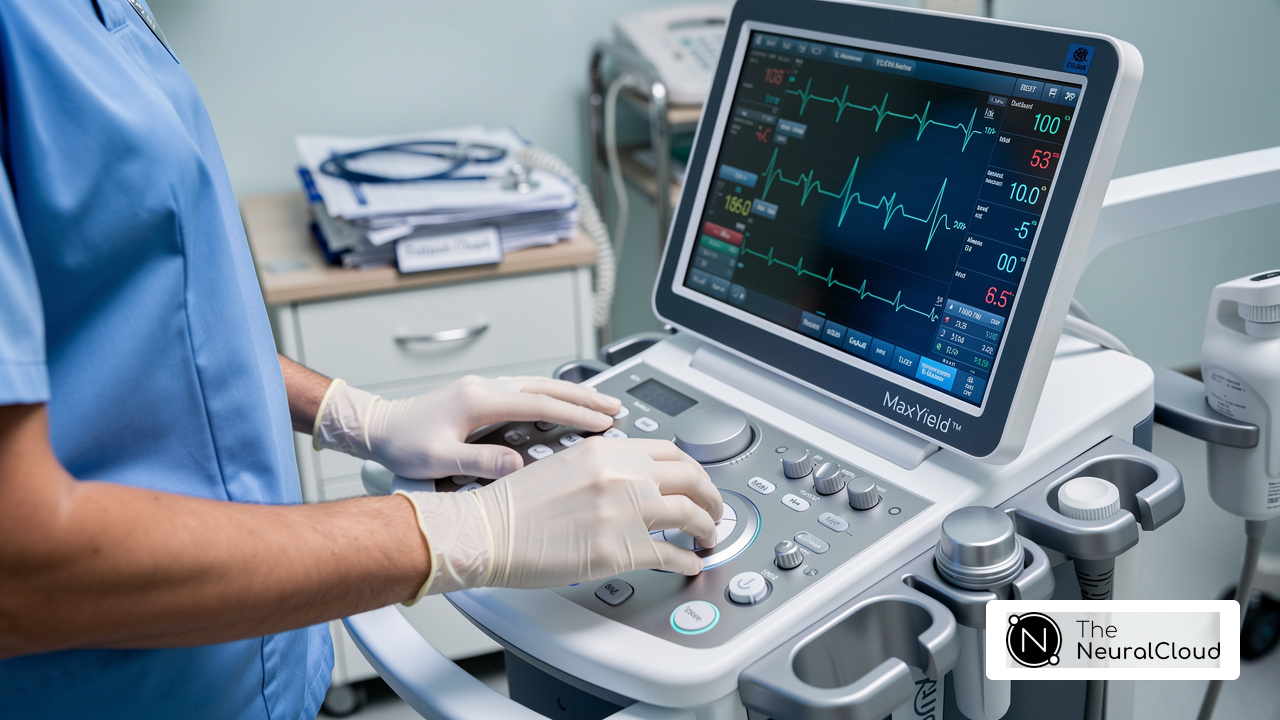
Healthcare professionals face significant challenges in ECG analysis, particularly with noisy signals that hinder accurate diagnostics. Neural Cloud Solutions has introduced MaxYield, an advanced AI-driven intelligence layer that significantly enhances ECG analysis by effectively isolating and cleaning noisy signals. Utilizing patented signal mapping algorithms, MaxYield provides high-fidelity heart data crucial for accurate diagnostics. This technology processes raw ECG recordings from a variety of devices, transforming them into structured data that enables medical professionals to derive actionable insights swiftly.
MaxYield is a device-agnostic ECG intelligence layer. It integrates seamlessly via API, SDK, or CDK, without requiring hardware changes. This makes it an invaluable asset for cardiologists and researchers. The platform's capabilities are underscored by recent collaborations, such as the partnership with Circular Health, aimed at enhancing remote patient monitoring through improved ECG signal clarity. This collaboration is set for a commercial launch by September 2025, following the completion of the integration phase and FDA Class II SaMD clearance-pending status.
MaxYield addresses the limitations of consumer wearables, particularly regarding motion noise and accuracy. Its advanced noise filtering and artifact handling capabilities allow for cleaner ECG data, which is essential for reliable insights and clinical decision-making. Additionally, MaxYield offers potential premium subscription opportunities with unique metrics that can enhance the value proposition for users. Case studies illustrate the effectiveness of MaxYield in real-world applications. For example, a collaboration with a European digital health platform seeks to improve remote heart monitoring, offering healthcare providers clearer ECG data and more dependable insights. This initiative supports preventive care models by providing comprehensive heart health reports and alerts for potential heart events, ultimately reducing unnecessary hospital visits.
AI-driven ECG analysis technologies are gaining traction in Canada. There is a growing emphasis on improving measurement precision and data yield. Expert opinions from cardiologists emphasize the platform's capability to improve Holter analysis and provide clinically acceptable tracings, reinforcing its role as an essential tool in heart diagnostics. By automating ECG workflows, MaxYield allows healthcare professionals to focus on higher-value analytics and patient engagement, thereby transforming the landscape of cardiovascular care.

P, QRS, and T Waves: Key Components of EKG Interpretation
The EKG pattern's complexity lies in its three essential components, each playing a critical role in cardiac function. The P component indicates atrial depolarization, crucial for initiating atrial contraction. Next, the QRS complex represents ventricular depolarization, a vital event for effective heart contraction. Finally, the T component signifies ventricular repolarization, marking the heart's recovery phase after contraction.
Without a clear grasp of these components, accurate interpretation of the EKG identifier becomes challenging, as it provides essential insights into the heart's electrical activity and overall health. For instance, abnormalities in the P component may indicate atrial enlargement or conduction issues, while variations in the QRS complex could suggest ventricular hypertrophy or ischemia. Additionally, the morphology of the T component can reveal critical information about electrolyte imbalances or ischemic conditions.
Neural Cloud Solutions' MaxYield™ platform enhances this analysis through advanced noise filtering and automated signal processing, ensuring that ECG waves are consistently smooth and distinct. This feature streamlines workflow and boosts diagnostic accuracy, allowing healthcare professionals to make timely interventions based on clear, beat-by-beat data.
Case studies have shown that understanding the nuances of EKG waveform interpretation can significantly enhance clinical decision-making, especially in emergency settings where rapid assessment is crucial. For example, the case study titled 'Normal ECG Intervals and Their Significance' emphasizes the importance of normal values for various intervals, which are critical for accurate interpretation.
By 2026, advancements in EKG technology have underscored the importance of these waveform components, with new AI models, such as those integrated into MaxYield™, being developed to interpret EKGs more accurately using an EKG identifier, treating them as a language of heart health. This evolution in EKG analysis not only improves diagnostic accuracy but also aids in timely interventions, ultimately enhancing outcomes for individuals.

Arrhythmias: Identifying Irregular Heart Rhythms on EKGs
Detecting arrhythmias accurately is often complicated by the variability in EKG readings, highlighting the necessity of an EKG identifier for advanced solutions. Arrhythmias, characterized by irregular heart rhythms, are critical conditions that can be effectively detected with an EKG identifier. Common types include atrial fibrillation, ventricular tachycardia, and bradycardia, each exhibiting distinct patterns on the EKG identifier. For example, atrial fibrillation frequently shows different P wave shapes and irregular QRS intervals, making precise identification crucial for diagnosing underlying heart problems and developing suitable treatment approaches.
Recent studies show a rising prevalence of arrhythmias detected through EKGs, especially in Canada. Advanced technologies like Neural Cloud Solutions' MaxYield™ are now being integrated into clinical practice. For instance, a clinical trial utilizing smartwatch technology showed that individuals using devices such as the Apple Watch were diagnosed with heart arrhythmias four times more frequently than those receiving standard care. This highlights the potential of wearables in improving detection rates.
Expert opinions emphasize the importance of utilizing advanced tools such as MaxYield™, which enhances the accuracy of arrhythmia detection. This technology isolates and cleans noisy signals. It also provides high-fidelity cardiac data, helping healthcare professionals make informed decisions quickly.
Case studies further illustrate the effectiveness of these advanced ECG technologies. In one notable study, the Pediatric Apple Watch Study (PAWS) found that the Apple Watch captured arrhythmia events in twice as many individuals compared to traditional patch monitors. Additionally, 79% of ECG tracings were rated as good or excellent quality. This indicates that wearable technologies, combined with MaxYield™, could significantly enhance pediatric heart rhythm monitoring, paving the way for improved outcomes.
Additionally, the customizable visualization and reporting tool, Insight360, transforms MaxYield™'s clean ECG data into interactive dashboards and clinical-ready reports, further enhancing workflow efficiency.
Exploring these advancements could lead to a transformative impact on patient care and outcomes. For those interested in exploring these advancements, we invite you to contact Neural Cloud Solutions for free trials or personalized walkthroughs of MaxYield™ and Insight360.

ST Segment Changes: Indicators of Ischemia and Infarction
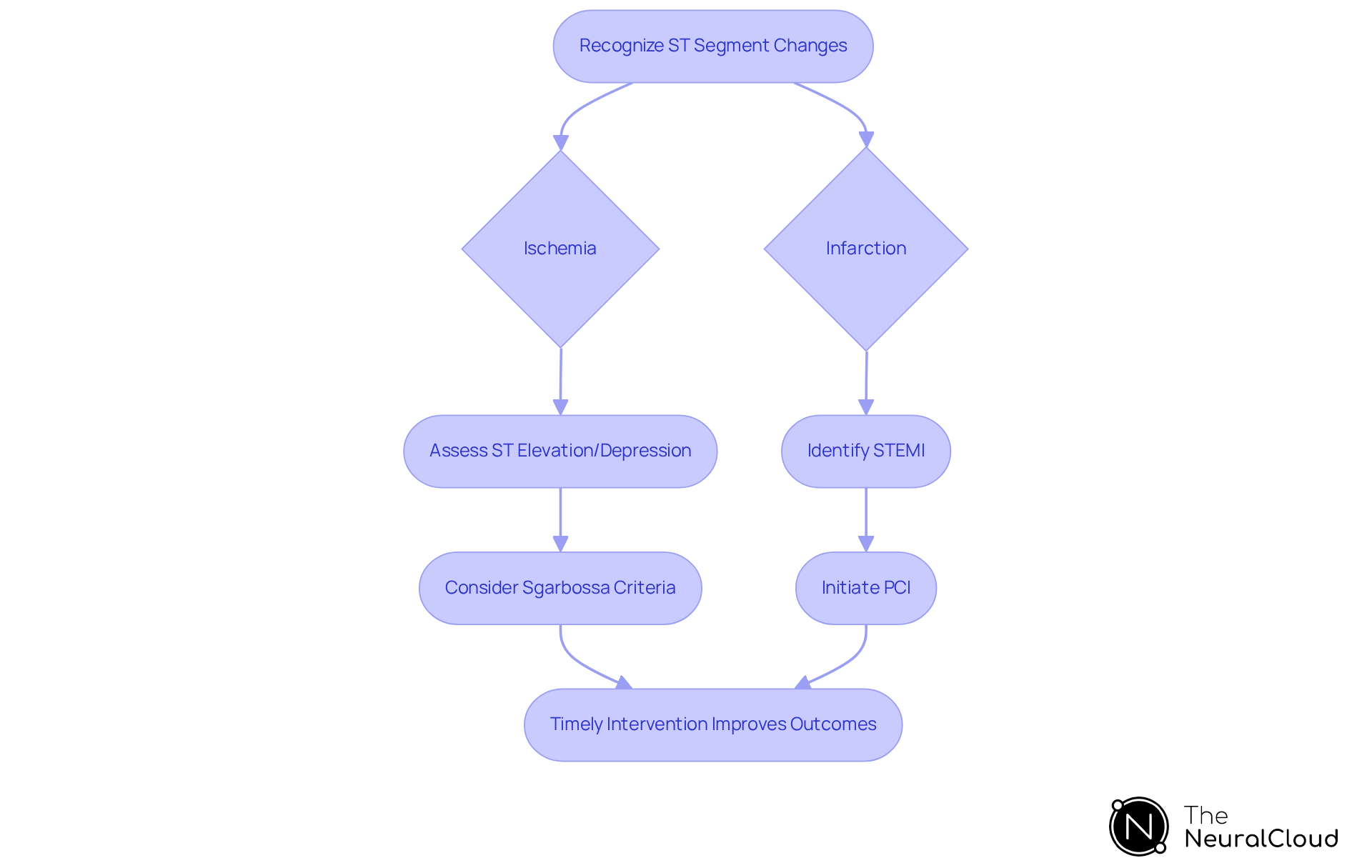
The ST segment on an EKG is a critical marker for assessing myocardial health, with its variations often indicating serious cardiac conditions. Elevation or depression of the ST segment frequently signals ischemia or infarction. For example, a study shows that an ST elevation greater than 1mm in two contiguous leads indicates ST-elevation myocardial infarction (STEMI). Recognizing these changes is crucial for timely medical intervention.
Experts agree that grasping ST segment changes is vital for clinicians when diagnosing and managing acute coronary syndromes. Notably, the Sgarbossa criteria provide a framework for identifying STEMI in individuals with left bundle branch block (LBBB), where a score of 3 or higher suggests a significant likelihood of myocardial infarction. Additionally, the presence of reciprocal changes on an EKG identifier can improve the diagnostic accuracy for STEMI.
Recent findings highlight the critical importance of swift identification of ST segment changes, as timely intervention can greatly enhance outcomes for individuals. For instance, the goal Door to Balloon time for percutaneous coronary intervention (PCI) is less than 90 minutes, emphasizing the urgency of addressing ST segment abnormalities. Case studies show that individuals who receive prompt treatment for STEMI can experience significantly better long-term health outcomes, with many living at least 10 years longer if they survive the initial 90 days after the event.
Recognizing these changes can be the difference between life and death for patients experiencing myocardial events.
Hypertrophy Patterns: Recognizing Cardiac Enlargement on EKGs
Identifying hypertrophy patterns on an EKG can be challenging, especially when noise and artifacts obscure critical data. Hypertrophy patterns indicate cardiac enlargement, often resulting from conditions like hypertension or valvular heart disease. Key indicators include increased amplitude of the QRS complex and specific alterations in the T signal. For example, left ventricular hypertrophy may show elevated R deflections in the left precordial leads. Understanding these patterns helps assess heart failure risk and informs treatment choices.
With Neural Cloud Solutions' MaxYield platform, healthcare professionals can enhance their analysis of these patterns. With MaxYield, healthcare professionals can easily identify and label critical data, even in noisy recordings. Its advanced noise filtering and distinct wave recognition capabilities ensure that previously obscured sections of lengthy Holter, 1-Lead, and patch monitor recordings can be salvaged. This means that even noisy recordings can reveal clearer hypertrophy patterns, enhancing diagnostic accuracy. This capability not only enhances diagnostic accuracy but also empowers healthcare professionals to make timely and informed treatment decisions.

Bundle Branch Blocks: Understanding Conduction Abnormalities
Bundle branch blocks (BBB) pose significant challenges in accurately interpreting ECG results, impacting patient care. These blocks represent a critical disruption in the heart's electrical conduction pathways, leading to a delay or blockage that can be identified on an EKG identifier as a widened QRS complex. Distinguishing between right bundle branch block (RBBB) and left bundle branch block (LBBB) is vital, as each serves as an EKG identifier with unique characteristics that inform diagnosis and treatment. RBBB typically shows a characteristic 'M' shape in lead V1, while LBBB is often identified by a broad, notched QRS complex in leads I, aVL, V5, and V6.
In Canada, studies show that about 1-2% of the population, especially older adults, may exhibit bundle branch blocks. This statistic highlights the significance of recognizing BBB in clinical practice, as it can greatly influence management and outcomes. Expert insights emphasize that timely identification of BBB can lead to improved patient outcomes and tailored treatment plans, including the assessment of underlying conditions such as coronary artery disease or heart failure.
Advanced tools like MaxYield™ map ECG signals through noise and isolate key features, significantly enhancing the identification of conduction abnormalities. MaxYield™ delivers beat-by-beat analysis, allowing for rapid and accurate recognition of RBBB and LBBB, even in recordings with high levels of noise and artifact. This capability helps clinicians make confident decisions based on clear insights. Furthermore, MaxYield™ can analyze 200,000 heartbeats in under 5 minutes, offering a comprehensive overview essential for effective management of individuals.
Recent developments in 2026 have further highlighted the importance of understanding bundle branch blocks, with new guidelines recommending thorough analysis using the EKG identifier in individuals presenting with symptoms indicative of heart dysfunction. These advancements aim to enhance diagnostic accuracy and improve care for individuals in the realm of cardiovascular health. Understanding and effectively managing bundle branch blocks can ultimately lead to better cardiovascular health outcomes for patients.

J Point: Significance in Cardiac Health Assessment
The J point serves as a critical marker in ECG analysis, linking the QRS complex to the ST segment and indicating potential heart conditions. Its elevation or depression can signal various issues, such as ischemia or early repolarization syndromes. Recent studies underscore the importance of monitoring changes at the J point, as these alterations can serve as early indicators of potential arrhythmias or other complications.
Complexities in ECG analysis often lead to diagnostic challenges, risking patient care. For example, variations in the J point can increase diagnostic precision, enabling prompt interventions that enhance care management.
Specialists in the area, such as:
- Dr. Alan Rabinowitz
- Dr. Brett Heilbron
- Dr. Marc W. Deyell
support the inclusion of J point analysis in standard heart evaluations. They highlight its importance in recognizing individuals at risk and customizing treatment approaches. As the understanding of the J point's significance evolves, it is becoming increasingly recognized as a crucial element in comprehensive heart health evaluations.
Developers should consider integrating J point monitoring into their systems. Doing so can enhance patient outcomes and streamline clinical workflows. Furthermore, utilizing Neural Cloud Solutions' MaxYield™ platform can significantly enhance this process. MaxYield™ uses advanced noise filtering and automated signal processing. This ensures accurate and efficient J point analysis, even with signal artifacts present.
Additionally, Insight360 converts MaxYield’s clean ECG data into interactive dashboards and clinical-ready reports, offering actionable insights that ultimately enhance the quality of heart assessments. Developers are invited to contact Neural Cloud Solutions for free trials or personalized walkthroughs of MaxYield™ and Insight360.

U Waves: Insights into Electrolyte Imbalances
Understanding U deflections is vital for accurate EKG interpretation and the effective use of an EKG identifier in patient care. U deflections are subtle changes that can occur after the T deflection on an EKG, often linked to electrolyte imbalances like hypokalemia. Recognizing U waves can be challenging yet essential for accurate EKG interpretation when using an EKG identifier. This recognition can lead to timely interventions and improved patient care.
Recent studies have emphasized the occurrence of U patterns in diverse groups of individuals, highlighting their clinical importance. For example, case studies have shown a clear link between U patterns and electrolyte disturbances, especially in patients experiencing hypokalemia. Clinicians must be attentive in recognizing U patterns, as they can offer valuable insights into possible heart dysfunctions.
In 2026, advancements in EKG technology, such as the integration of machine learning algorithms and the use of an EKG identifier along with enhanced visualization tools like Insight360, are anticipated to enhance the detection and interpretation of U patterns. MaxYield™, with its advanced noise filtering capabilities, uses advanced noise filtering to turn noisy recordings into clear insights, enabling quick beat-by-beat analysis. This technology supports clinicians in their diagnostic processes by utilizing an EKG identifier, enabling more accurate assessments of cardiac health. Furthermore, MaxYield™ is designed to comply with regulatory standards, including FDA Class II SaMD clearance-pending status, ensuring its reliability in clinical settings. As we learn more about U oscillations, including this knowledge in regular EKG evaluations will be key to improving patient outcomes and ensuring timely interventions.
For those interested in exploring these advancements, Neural Cloud Solutions Inc. invites you to contact us for free trials and personalized walkthroughs of MaxYield™ and Insight360.

Q Waves: Indicators of Previous Myocardial Infarctions
Using an EKG identifier to identify pathological Q patterns is crucial for understanding heart health, yet many clinicians face challenges in this area. Pathological Q patterns serve as critical indicators of prior myocardial infarctions, characterized by their wider and deeper appearance compared to normal Q patterns. These modifications can uncover crucial details about the degree of heart damage, making their identification essential for assessing an individual's heart history and guiding management approaches. Recent research shows that the occurrence of pathological Q patterns in individuals after a heart attack is considerable, with estimates indicating that they account for 8% to 13% of all myocardial infarctions in people aged 35 to 74 years.
In a notable pilot study, correlations were found between ECG parameters and cardiac biomarkers in individuals with acute heart failure, underscoring the potential of ECG analysis to enhance diagnostic accuracy. Furthermore, the positive predictive value (PPV) of identifying pathological Q patterns is notably higher in populations with elevated coronary heart disease risk, exceeding 50% in those with a 10-year risk of 10% or more. This emphasizes the significance of meticulous analysis of Q waves, especially in asymptomatic individuals, where imaging tests are advised for verification of myocardial necrosis.
Clinicians must be proficient in using the EKG identifier to identify these Q wave patterns to ensure timely and effective treatment, as they can significantly influence outcomes for individuals. Advanced ECG analysis tools like Neural Cloud Solutions' MaxYield™ enhance the accuracy of identifying these critical indicators. MaxYield™ employs cutting-edge AI technology to transform lengthy and noisy ECG recordings into clean, crisp signals, addressing challenges such as physiological variability and signal artifacts. Moreover, the complementary tool Insight360 converts MaxYield’s clean ECG data into interactive dashboards and clinical-ready reports, further enhancing heart care and management of individuals. This gives clinicians the right tools for accurate interpretation, supported by expert endorsements emphasizing MaxYield’s precision rivaling human interpretation and noise reduction benefits.

Heart Rate Calculation: Essential for Patient Assessment
Accurate heart rate calculation is crucial for healthcare professionals. It plays a vital role in diagnosing various cardiac conditions and monitoring patient health. The most common methods include the 6-second rule and the R-R interval method, both of which can be significantly enhanced through the capabilities of Neural Cloud Solutions' MaxYield platform.
The 6-second rule entails counting the number of R peaks in a 6-second strip and multiplying by 10 to estimate the heart rate. This method is quick and effective for rapid assessments, especially in emergencies:
- It allows for immediate evaluations in critical situations.
- MaxYield’s advanced noise filtering ensures clearer readings, leading to more accurate heart rate calculations even in challenging conditions.
The R-R interval method requires measuring the distance between two consecutive R waves. By calculating the time interval and applying the formula (heart rate = 60 / R-R interval in seconds), healthcare providers can derive a more precise heart rate, especially useful in continuous monitoring scenarios. MaxYield’s automated labeling and versatile signal processing capabilities streamline this process, allowing for efficient and accurate assessments.
Precise heart rate evaluation is essential; research shows that current heart rate evaluation methods often miss critical risk factors for sudden heart failure. Notably, many individuals identified by advanced AI models analyzing EKG data were missed by the method using the EKG identifier. In contrast, these AI models have identified a high-risk group with a 7% annual rate of sudden heart death, demonstrating their effectiveness across various health systems, including data tested from the U.S. and Taiwan.
Routine ECGs can uncover hidden risks that traditional screening methods might miss, especially when using an EKG identifier to detect overlooked warning signs. As healthcare continues to progress, utilizing innovative techniques for heart rate calculation will be essential for improving patient outcomes and enhancing heart care. Neural Cloud Solutions' MaxYield platform exemplifies this evolution, utilizing AI-driven automation to enhance ECG analysis accuracy and efficiency. Additionally, the customizable visualization and reporting tool, Insight360, transforms MaxYield’s clean ECG data into interactive dashboards and clinical-ready reports. As Ziad Obermeyer noted, "AI may help doctors make better predictions and spot warning signs humans have missed," highlighting the potential of AI in transforming cardiac diagnostics.

Conclusion
Accurate EKG interpretation is vital for enhancing cardiac insights and improving patient outcomes. With advanced technologies like Neural Cloud Solutions' MaxYield platform, healthcare professionals can interpret EKG data more accurately and efficiently. By leveraging AI-driven analysis, clinicians can navigate the complexities of EKG readings, leading to timely interventions and better management of cardiac conditions.
Throughout the article, we've explored key components such as the P, QRS, and T waves, along with critical identifiers like arrhythmias, ST segment changes, and hypertrophy patterns. Each element plays a significant role in diagnosing heart health, while advancements in EKG technology, particularly through MaxYield, enhance the clarity and reliability of these readings. Recognizing J points, U waves, and Q waves further underscores the need for precise EKG interpretation in clinical practice.
As cardiac diagnostics evolve, embracing these advancements is crucial for enhancing patient care. Healthcare professionals are encouraged to explore the capabilities of MaxYield and Insight360, which offer innovative solutions for EKG analysis. By adopting these technologies, clinicians can significantly improve patient care and outcomes. Engaging with these tools not only streamlines workflows but also positions healthcare providers at the forefront of cardiac care innovation.
Frequently Asked Questions
What is MaxYield and how does it enhance ECG analysis?
MaxYield is an advanced AI-driven intelligence layer developed by Neural Cloud Solutions that enhances ECG analysis by effectively isolating and cleaning noisy signals. It utilizes patented signal mapping algorithms to provide high-fidelity heart data, transforming raw ECG recordings into structured data for accurate diagnostics.
How does MaxYield integrate with existing ECG devices?
MaxYield is a device-agnostic ECG intelligence layer that integrates seamlessly via API, SDK, or CDK, without requiring any hardware changes. This makes it a valuable tool for cardiologists and researchers.
What are some key collaborations involving MaxYield?
One notable collaboration is with Circular Health, aimed at enhancing remote patient monitoring through improved ECG signal clarity. This partnership is set for commercial launch by September 2025, pending FDA Class II SaMD clearance.
What limitations does MaxYield address in consumer wearables?
MaxYield addresses limitations such as motion noise and accuracy in consumer wearables by providing advanced noise filtering and artifact handling capabilities, resulting in cleaner ECG data essential for reliable clinical insights.
How does MaxYield support preventive care models?
MaxYield supports preventive care models by providing comprehensive heart health reports and alerts for potential heart events, which can help reduce unnecessary hospital visits.
What is the significance of the P, QRS, and T waves in EKG interpretation?
The P wave indicates atrial depolarization, the QRS complex represents ventricular depolarization, and the T wave signifies ventricular repolarization. Understanding these components is crucial for accurate EKG interpretation and insights into heart health.
How does MaxYield improve EKG waveform analysis?
MaxYield enhances EKG waveform analysis through advanced noise filtering and automated signal processing, ensuring that ECG waves are smooth and distinct, which boosts diagnostic accuracy and allows for timely interventions.
What are some common types of arrhythmias detectable with EKGs?
Common types of arrhythmias include atrial fibrillation, ventricular tachycardia, and bradycardia, each exhibiting distinct patterns on the EKG that are critical for diagnosis and treatment.
How has the prevalence of arrhythmias changed with new technologies?
Recent studies indicate a rising prevalence of arrhythmias detected through EKGs, particularly with the integration of advanced technologies like MaxYield, which enhances detection accuracy.
What role does Insight360 play in conjunction with MaxYield?
Insight360 is a customizable visualization and reporting tool that transforms MaxYield's clean ECG data into interactive dashboards and clinical-ready reports, further enhancing workflow efficiency for healthcare professionals.
List of Sources
- Neural Cloud Solutions: MaxYield for Enhanced ECG Analysis
- Major AI Health Partnership: MaxYield ECG Tech Powers Next-Gen Smart Ring Through Multi-Year License Deal (https://stocktitan.net/news/AIMLF/aiml-subsidiary-neural-cloud-signs-loi-with-circular-health-to-2oh9lpuw71dy.html)
- aimlhealth (https://aiml.health/press-release/agreement-with-european-digital-cardiac-monitoring-platform)
- AI/ML Innovations Inc. (CVE:AIML) | (https://webdisclosure.com/article/aiml-innovations-inc-cve-aiml-neural-cloud-partners-with-european-digital-cardiac-platform-zbaBa97okBk)
- AIML Subsidiary Neural Cloud Signs LOI with Circular Health to License MaxYield(TM) ECG Signal Processing (https://ca.finance.yahoo.com/news/aiml-subsidiary-neural-cloud-signs-110000964.html)
- Neural Cloud Signs Reseller Agreement with European Digital Cardiac Monitoring Platform | Mediabistro (https://mediabistro.com/media-news/neural-cloud-signs-reseller-agreement-with-european-digital-cardiac-monitoring-platform)
- P, QRS, and T Waves: Key Components of EKG Interpretation
- News - Cardiac Rhythm News (https://cardiacrhythmnews.com/news)
- TCTMD’s Top 10 Most Popular Stories for February 2026 (https://tctmd.com/news/tctmds-top-10-most-popular-stories-february-2026)
- Normal Electrocardiography (ECG) Intervals: Normal Electrocardiography Intervals (https://emedicine.medscape.com/article/2172196-overview)
- 5 Cardiology Headlines You Missed in January 2026 | HCPLive (https://hcplive.com/view/5-cardiology-headlines-you-missed-in-january-2026)
- Arrhythmias: Identifying Irregular Heart Rhythms on EKGs
- Apple Watch Captures More Pediatric Arrhythmia Events (https://hrsonline.org/news/apple-watch-captures-more-pediatric-arrhythmia-events)
- Smartwatch use enhances detection of heart arrhythmias, increasing quality of care (https://medicalxpress.com/news/2026-01-smartwatch-heart-arrhythmias-quality.html)
- Smartwatches Help Detect Hidden Dangerous Heart Rhythm Problems, Clinical Trial Finds (https://usnews.com/news/health-news/articles/2026-01-23/smartwatches-help-detect-hidden-dangerous-heart-rhythm-problems-clinical-trial-finds)
- FDA clears HeartBeam’s at-home arrhythmia assessment tool (https://medicaldevice-network.com/news/fda-clears-heartbeam-at-home-arrhythmia-assessment-tool)
- New Data Presented at HRS 2026 Show Short-Term Holter Monitoring Misses a Large Proportion of AF Recurrence Post-Ablation and Clinically Significant Arrhythmias in Pregnancy (https://irhythm2024rd.q4web.com/news/news-details/2026/New-Data-Presented-at-HRS-2026-Show-Short-Term-Holter-Monitoring-Misses-a-Large-Proportion-of-AF-Recurrence-Post-Ablation-and-Clinically-Significant-Arrhythmias-in-Pregnancy/default.aspx)
- ST Segment Changes: Indicators of Ischemia and Infarction
- What Is a STEMI? (https://my.clevelandclinic.org/health/diseases/22068-stemi-heart-attack)
- STEMI - Electrocardiogram - M3 Curriculum | SAEM (https://saem.org/about-saem/academies-interest-groups-affiliates2/cdem/for-students/online-education/m3-curriculum/group-electrocardiogram-(ecg)-rhythm-recognition/stemi)
- New ST-elevation myocardial infarction protocol trial data provide deeper insight into patient outcomes (https://medicalxpress.com/news/2026-04-st-elevation-myocardial-infarction-protocol.html)
- Systems of Care for ST-Segment–Elevation Myocardial Infarction (https://professional.heart.org/en/science-news/systems-of-care-for-st-segment-elevation-myocardial-infarction)
- ST-segment Elevation Myocardial Infarction: Challenges in Diagnosis (https://uscjournal.com/articles/st-segment-elevation-myocardial-infarction-challenges-diagnosis?language_content_entity=en)
- Hypertrophy Patterns: Recognizing Cardiac Enlargement on EKGs
- Hypertrophic Cardiomyopathy (HCM) (https://heart.org/en/health-topics/cardiomyopathy/what-is-cardiomyopathy-in-adults/hypertrophic-cardiomyopathy)
- New Cardiac Hypertrophy Discovery (https://victorchang.edu.au/news/cardiac-hypertrophy-breakthough)
- Epidemiology of Hypertrophic Cardiomyopathy in the United States From 2016 to 2023 - PMC (https://pmc.ncbi.nlm.nih.gov/articles/PMC12859511)
- Discovery could herald new treatment for cardiac hypertrophy (https://eurekalert.org/news-releases/955435)
- Bundle Branch Blocks: Understanding Conduction Abnormalities
- FDA clears Medtronic heart lead that follows the heart's natural rhythm (https://stocktitan.net/news/MDT/medtronic-omnia-secure-tm-defibrillation-lead-is-the-first-lead-of-yp2p9l22fi81.html)
- 2026 Late-Breaking Clinical Trials & Science | Heart Rhythm (https://heartrhythm.com/learn/late-breaking-clinical-trials-science)
- News - Cardiac Rhythm News (https://cardiacrhythmnews.com/news)
- Left bundle branch area pacing improves cardiac resynchronization outcomes (https://news-medical.net/news/20260415/Left-bundle-branch-area-pacing-improves-cardiac-resynchronization-outcomes.aspx)
- J Point: Significance in Cardiac Health Assessment
- New Study Offers Strong Evidence of Elevated Heart Failure Risk in Adults with Prediabetes, Hypertension and Subclinical Heart Injury or Stress (https://hopkinsmedicine.org/news/newsroom/news-releases/2026/03/new-study-offers-strong-evidence-of-elevated-heart-failure-risk-in-adults-with-prediabetes-hypertension-and-subclinical-heart-injury-or-stress)
- 10 Cardiology Headlines You Missed in May 2026 | HCPLive (https://hcplive.com/view/10-cardiology-headlines-you-missed-in-may-2026)
- U Waves: Insights into Electrolyte Imbalances
- Major breakthrough in cardiac electrophysiology (https://eurekalert.org/news-releases/1116549)
- Emerging Cardiology Technologies Transforming Senior Heart Care in 2026 (https://allseniors.org/articles/emerging-cardiology-technologies-transforming-senior-heart-care-in-2026)
- Q Waves: Indicators of Previous Myocardial Infarctions
- Prevalence and incidence of Q-wave unrecognized myocardial infarction in general population: Diagnostic value of the electrocardiogram. The REGICOR study (https://sciencedirect.com/science/article/abs/pii/S0167527316327644)
- Top Cardiology News for June 2026 (https://tctmd.com/audio/top-cardiology-news-june-2026)
- 9 Cardiology Headlines You Missed in Q2 2026 | HCPLive (https://hcplive.com/view/9-cardiology-headlines-you-missed-in-q2-2026)
- TCTMD’s Top 10 Most Popular Stories for April 2026 (https://tctmd.com/news/tctmds-top-10-most-popular-stories-april-2026)
- Heart Rate Calculation: Essential for Patient Assessment
- With AI, researchers discover new way to detect sudden cardiac death risk - Berkeley News (https://news.berkeley.edu/2026/06/24/with-ai-researchers-discover-new-way-to-detect-sudden-cardiac-death-risk)
- AI may spot deadly heart risk in a routine ECG (https://fox5dc.com/news/ai-may-spot-deadly-heart-risk-routine-ecg.amp)
- AI may spot deadly heart risk in a routine ECG (https://foxnews.com/tech/ai-may-spot-deadly-heart-risk-routine-ecg.amp)
- HeartBeam Announces New Peer-Reviewed Article Demonstrating Potential to Help Identify Heart Attack Risk at Home (https://ir.heartbeam.com/news-events/press-releases/detail/123/heartbeam-announces-new-peer-reviewed-article-demonstrating)