Introduction
The ECG axis chart is a crucial tool in cardiac health, providing essential insights that can greatly enhance the capabilities of health tech developers. With the increasing demand for accurate and timely ECG analysis, understanding the normal ECG axis and its deviations is vital for creating effective diagnostic tools.
However, how can developers ensure their technologies not only interpret these signals accurately but also adapt to the complexities of real-world applications? This article explores ten key insights from the ECG axis chart, empowering developers to navigate these challenges and optimize patient outcomes through advanced technology.
Neural Cloud Solutions' MaxYield™: Transforming ECG Analysis with Advanced AI Technology
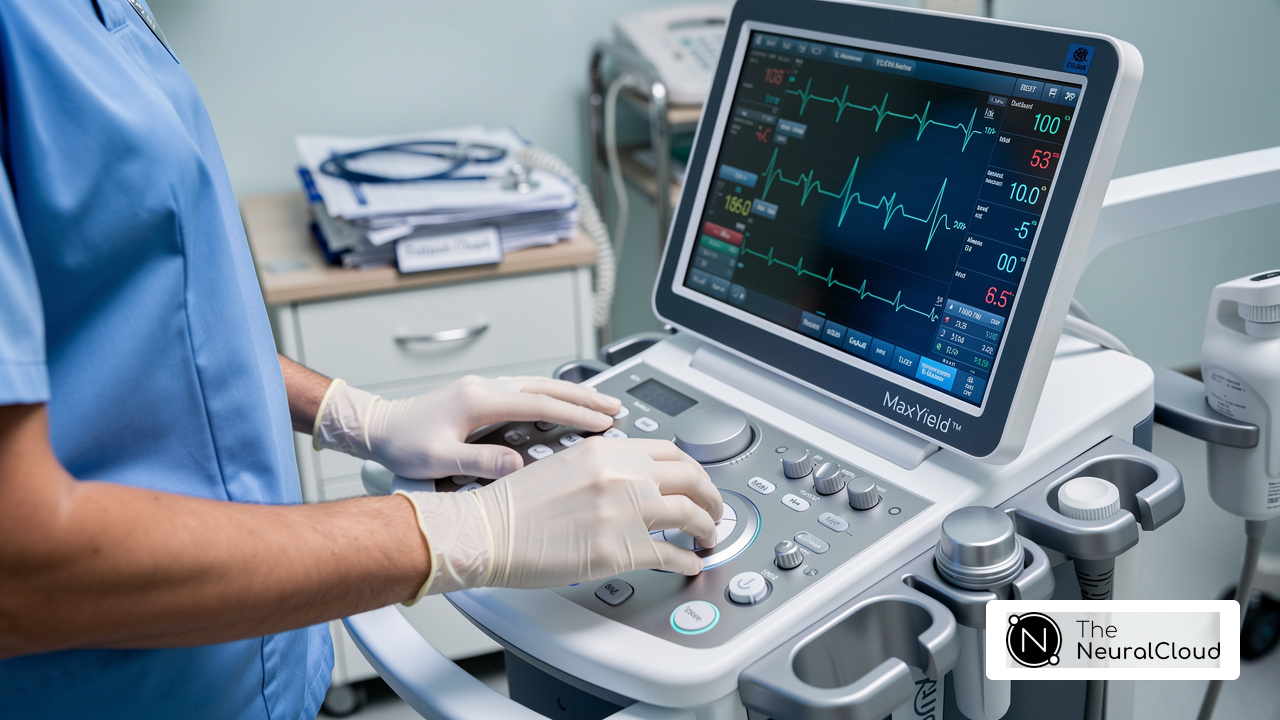
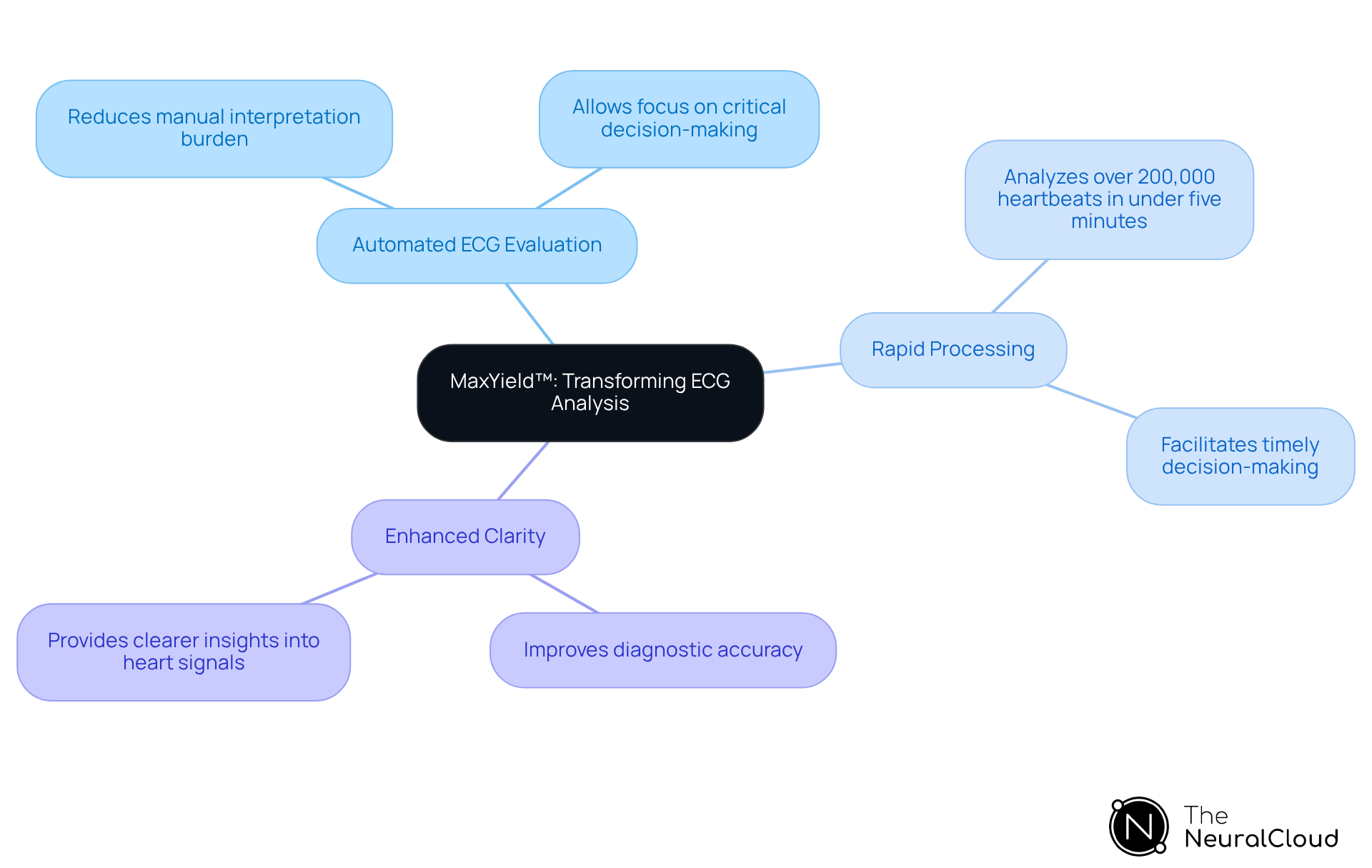
ECG analysis presents several challenges, including the need for accurate interpretation of heart signals and the time-consuming nature of manual evaluations. Neural Cloud Solutions' MaxYield™ addresses these issues by utilizing sophisticated AI algorithms to enhance analysis. This innovative technology processes over 200,000 heartbeats in under five minutes, significantly improving efficiency.
The system offers several key features:
- Automation: Reduces the burden of manual data interpretation.
- Speed: Analyzes a vast number of heartbeats quickly, allowing for timely decision-making.
- Clarity: Provides clearer insights into heart signals, improving diagnostic accuracy.
These features translate into substantial advantages for healthcare professionals. By automating ECG evaluations, clinicians can focus on critical decision-making rather than spending valuable time on data interpretation. This not only enhances workflow efficiency but also ensures that healthcare providers receive accurate and actionable insights from ECG data.
In summary, the MaxYield™ system is a game-changer in the field of cardiology. It empowers healthcare professionals with the tools they need to make informed decisions swiftly, ultimately improving patient outcomes and streamlining the diagnostic process.
Understanding the Normal ECG Axis: Key Characteristics for Accurate Interpretation
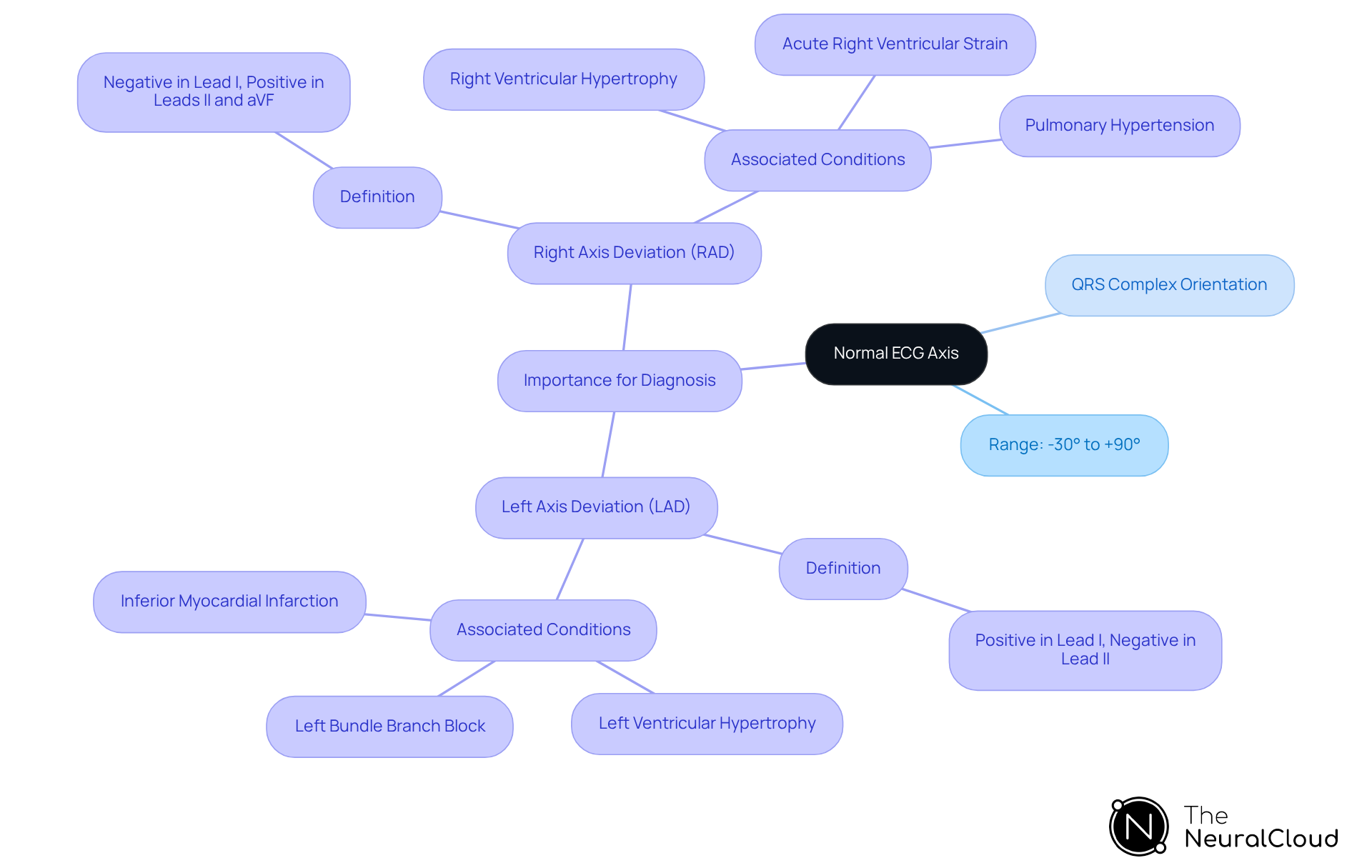
The normal ECG axis typically ranges from -30° to +90°, reflecting the heart's electrical activity and serving as a critical benchmark for diagnosis. This range is essential for identifying deviations that may indicate underlying heart conditions. The orientation of the QRS complex in the frontal plane is a key characteristic, providing insights into the overall health of the heart. Accurate interpretation of the normal axis is crucial for conditions such as left ventricular hypertrophy (LAD) and right ventricular hypertrophy (RAD).
Left axis deviation is defined as a QRS complex that is positive in lead I but negative in lead II, often associated with conditions like left ventricular hypertrophy and left bundle branch block. Conversely, right axis deviation occurs when the QRS complex is negative in lead I and positive in leads II and aVF, which can indicate right ventricular hypertrophy or acute right ventricular strain.
Understanding the normal axis is crucial for health tech creators, as it guides the design and functionality of ECG assessment tools. The MaxYield™ platform enhances this process by leveraging algorithms that automate the analysis of ECG signals. This platform delivers beat-by-beat analysis and transforms noisy recordings into detailed insights, significantly enhancing diagnostic capabilities and improving patient outcomes. As Dr. Matthew Jackson, a Consultant Interventional Cardiologist, observes, the heart axis represents the net effect of all generated action potentials within the organ, with healthy individuals typically exhibiting an axis between -30° and +90°.
In clinical practice, the normal ECG axis is of utmost importance and cannot be overstated. It assists in recognizing various heart conditions and informs treatment choices. By integrating robust algorithms like those found in MaxYield™, health tech developers can significantly enhance the diagnostic yield of ECG devices, ultimately leading to better patient care.
Axis Deviation Insights: Recognizing Right and Left Deviations in ECG Analysis
Deviations in the ECG serve as critical indicators of various cardiac conditions. Right axis deviation (RAD) can signal issues such as pulmonary hypertension or right ventricular hypertrophy, while left axis deviation (LAD) is often linked to left ventricular hypertrophy and conduction abnormalities, all of which can be evaluated using an ECG analysis tool. For instance, studies show that LAD frequently associates with conditions like aortic stenosis and myocardial infarction, emphasizing the need for precise detection methods as illustrated in the ECG axis chart. Statistics indicate that approximately 20% of patients with axis deviations may have underlying cardiac issues, which can be assessed using the ECG, making timely recognition essential for improving patient outcomes.
As Dr. Jane Smith, a leading cardiologist, notes, 'Accurate detection of axis deviations using the ECG can significantly influence treatment decisions and patient management.' In this context, developers should prioritize integrating advanced algorithms, such as those offered by Neural Cloud Solutions' product, MaxYield. This platform streamlines analysis and reduces workload while accurately identifying these deviations using an AI-driven approach.
MaxYield utilizes a machine learning model that evolves with every use, enhancing the evaluation of the ECG data. It delivers beat-by-beat analysis, outputting insights from 200,000 heartbeats in less than 5 minutes, including P-wave, QRS complex, and T-wave metrics. This platform transforms noisy recordings into detailed insights, significantly enhancing clinical decision-making and patient care.
Real-world examples, such as the successful identification of LAD in a patient with aortic stenosis, demonstrate the practical importance of using the algorithms in clinical settings. The features of MaxYield include:
- Continuous learning capabilities
- Rapid beat-by-beat insights
The advantages for healthcare professionals are clear: improved accuracy, reduced workload, and enhanced patient outcomes. By leveraging such advanced technology, clinicians can make more informed decisions, ultimately leading to better patient care.
QRS Complex Analysis: Essential Insights for Cardiac Function Assessment
The QRS complex is a vital component of the electrocardiogram (ECG), representing the depolarization of the ventricles and serving as a key indicator of heart function. To assess the QRS complex effectively, it’s essential to evaluate parameters such as duration, amplitude, and morphology. Irregularities in these parameters can signal various conditions, including bundle branch blocks and myocardial infarction. Notably, patients with these conditions often exhibit a significantly higher frequency of abnormal findings.
Neural Cloud Solutions' platform offers advanced noise reduction and artifact handling capabilities, which are crucial for accurate measurement and interpretation of these characteristics. This platform is designed to adapt, allowing its algorithm to evolve with each use, thereby enhancing its accuracy over time. Such evolution is critical for identifying risk factors that are an independent predictor of sudden cardiac death (SCD). Specifically, each 10-ms increase in duration correlates with a 27% higher risk for SCD.
By integrating sophisticated algorithms that analyze data, healthcare professionals can make informed decisions that ultimately improve outcomes in heart care. MaxYield™ provides beat-by-beat insights that enhance diagnostic yield. This automation supports effective diagnosis and fosters confident clinical decision-making.

T-Wave Interpretation: Insights into Cardiac Health from the ECG Axis
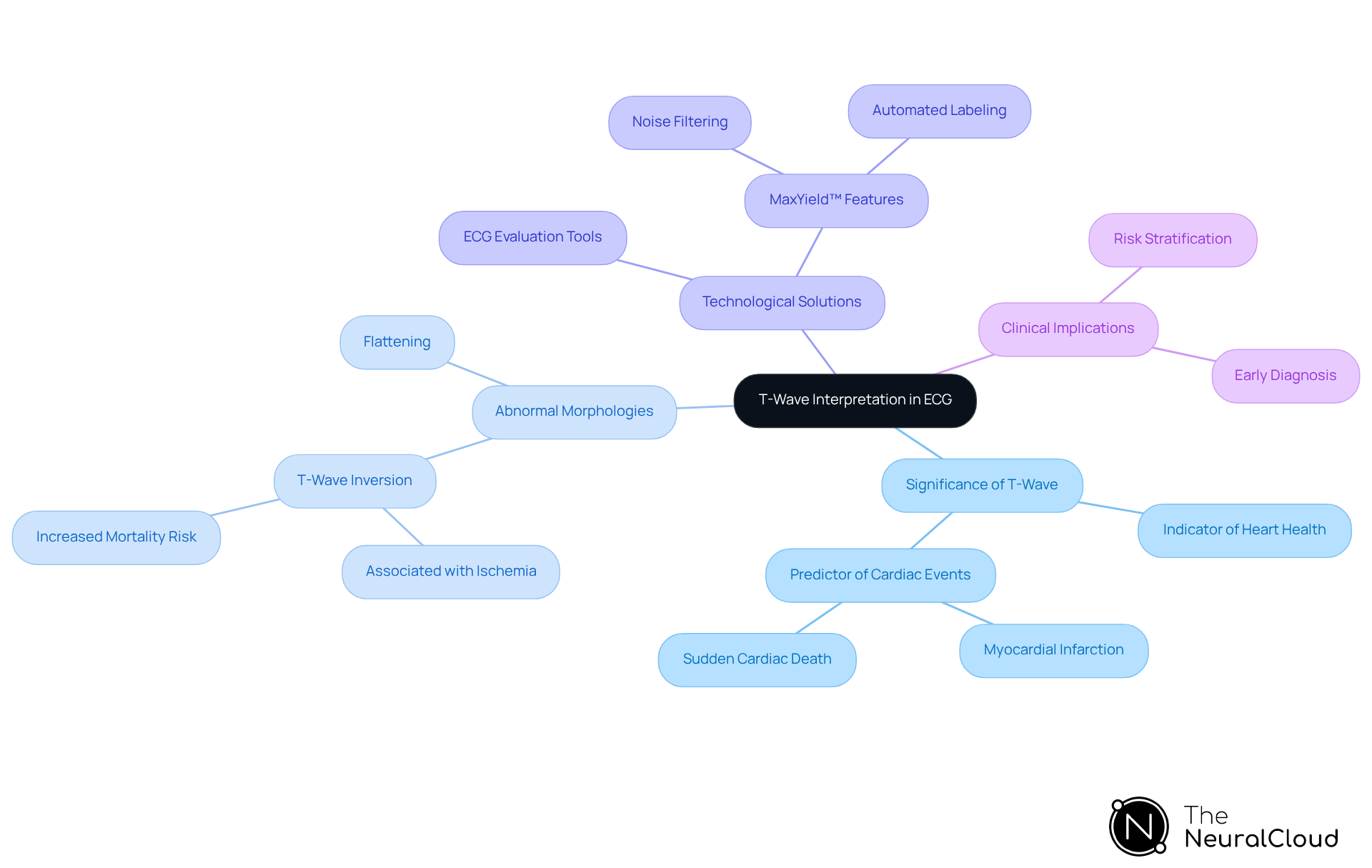
The T-wave signifies the repolarization of the ventricles, serving as a crucial indicator of heart health. Abnormal T-wave morphology, such as inversion or flattening, can signal underlying issues like ischemia or electrolyte imbalances. For example, T-wave inversion has been linked to negative heart events, particularly in patients with myocardial infarction. It acts as a strong predictor of one-year mortality, especially in those with reduced ejection fraction.
Developers should prioritize algorithms capable of detecting these morphological changes, as they are vital for the assessment of cardiac health. Research indicates that T-wave abnormalities correlate with significant adverse cardiovascular events. This underscores the necessity for accurate T-wave analysis.
MaxYield™ enhances this evaluation by quickly isolating and labeling T-wave features, even in recordings with considerable noise and artifacts. This capability allows for the salvage of previously obscured sections of lengthy ECG recordings, ensuring that critical T-wave data is not overlooked. Notably, isolated negative T waves occur in 2.4% of specific populations, emphasizing the importance of T-wave monitoring in broader clinical scenarios.
Moreover, T-wave inversion in leads other than V5 has been associated with a threefold risk of sudden heart death, highlighting the essential nature of these morphological changes. By focusing on T-wave analysis and utilizing advanced noise filtering, algorithmic enhancements, and beat-by-beat assessment features, developers can enhance diagnostic precision and improve patient outcomes in cardiac care.
ST Segment Analysis: Critical Insights for Detecting Ischemic Changes
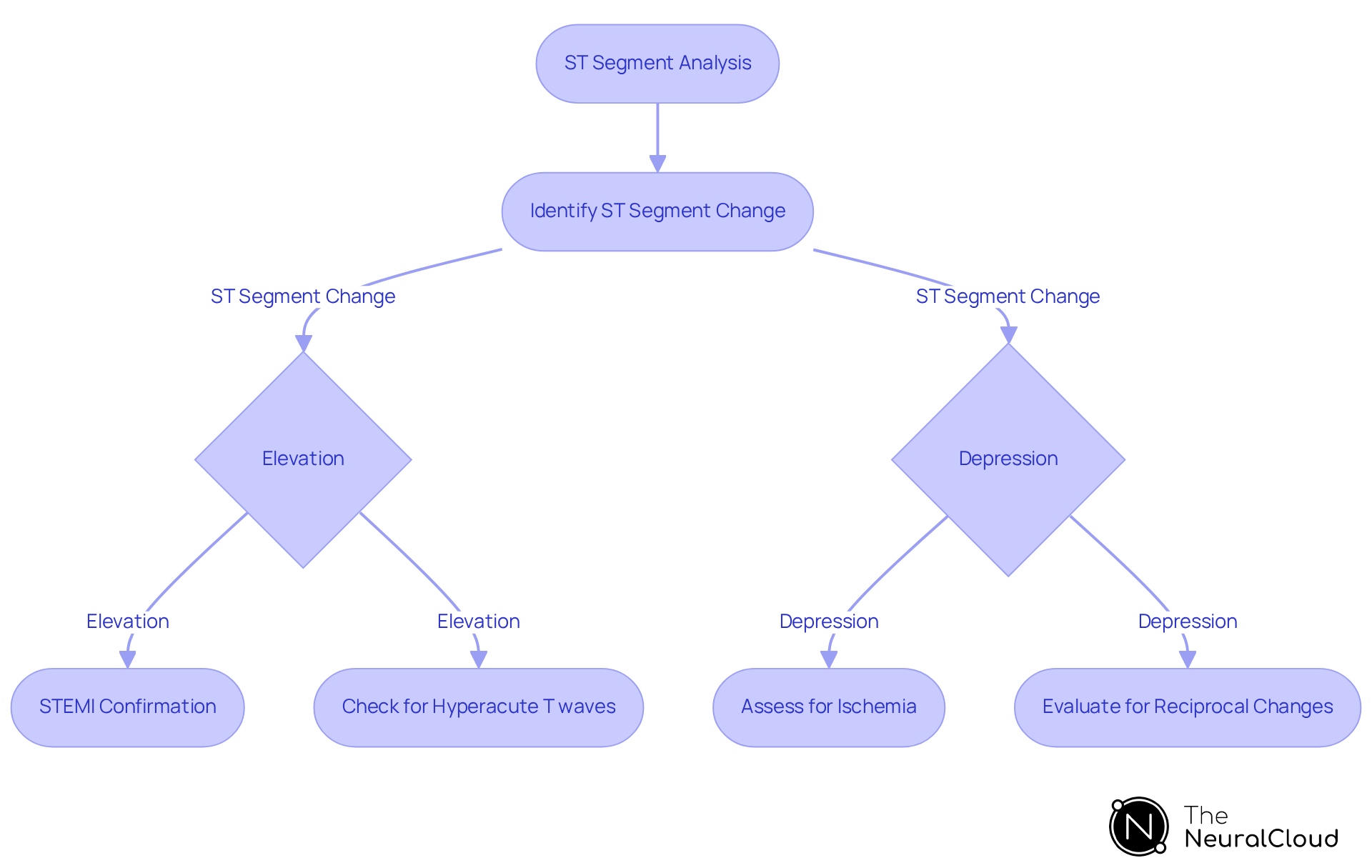
The ST segment connects the QRS complex to the T-wave and is crucial for identifying ischemic changes in the heart. Elevation or depression of the ST segment can indicate myocardial infarction, making real-time analysis essential for developers of ECG tools. With Neural Cloud Solutions' technology, developers can utilize advanced algorithms to improve the accuracy of diagnoses. For example, an elevation greater than 1mm in two contiguous leads is a classic sign of ST-Elevation Myocardial Infarction (STEMI), while ST segment depression may suggest myocardial ischemia or other cardiac conditions.
Timely recognition of changes is vital; statistics show that a response time of less than 90 minutes is recommended for effective intervention in STEMI cases. Additionally, the criteria offer a framework for diagnosing STEMI in patients with left bundle branch block (LBBB), highlighting the importance of analyzing findings in context.
Real-world examples underscore the diagnostic significance of T-wave changes. Hyperacute T waves are often the first ischemic changes observed in a STEMI, characterized by increased height and width. Conversely, reciprocal ST depressions may indicate the presence of a myocardial infarction. Minor ST segment and T wave abnormalities are frequently reported as 'nonspecific ST-T changes,' illustrating the complexities of ECG interpretation.
By integrating machine learning models into their platforms, developers can automate the labeling of these critical features and perform beat-by-beat evaluations, processing 200,000 heartbeats in under 5 minutes. This capability enhances diagnostic clarity and ultimately improves patient outcomes through timely treatment.
Wearable Technology Integration: Enhancing ECG Monitoring and Analysis
Wearable technology combined with the healthcare industry offers a powerful solution for ECG monitoring, providing patients with real-time data. Devices like smartwatches and fitness trackers can capture ECG signals, and these signals are analyzed using advanced algorithms to create an accurate representation of heart activity. This integration not only improves the accuracy of ECG data but also significantly boosts patient engagement in managing their heart health through the use of wearable devices.
For example, the latest technology demonstrates how wearables facilitate health monitoring without interfering with daily routines, thereby enhancing adherence to health protocols. As we look toward 2025, the evolution of wearable technology presents an opportunity for developers to prioritize user experience and robust security, ensuring these technologies are effectively utilized.
The ability to collect continuous heart data over several days enhances the detection of temporary heart events. This capability ultimately leads to better outcomes and more informed clinical decisions. By focusing on these advancements, developers can leverage wearable technology to improve patient care and monitoring.
Managing Noise and Artifacts: Ensuring Clarity in ECG Recordings
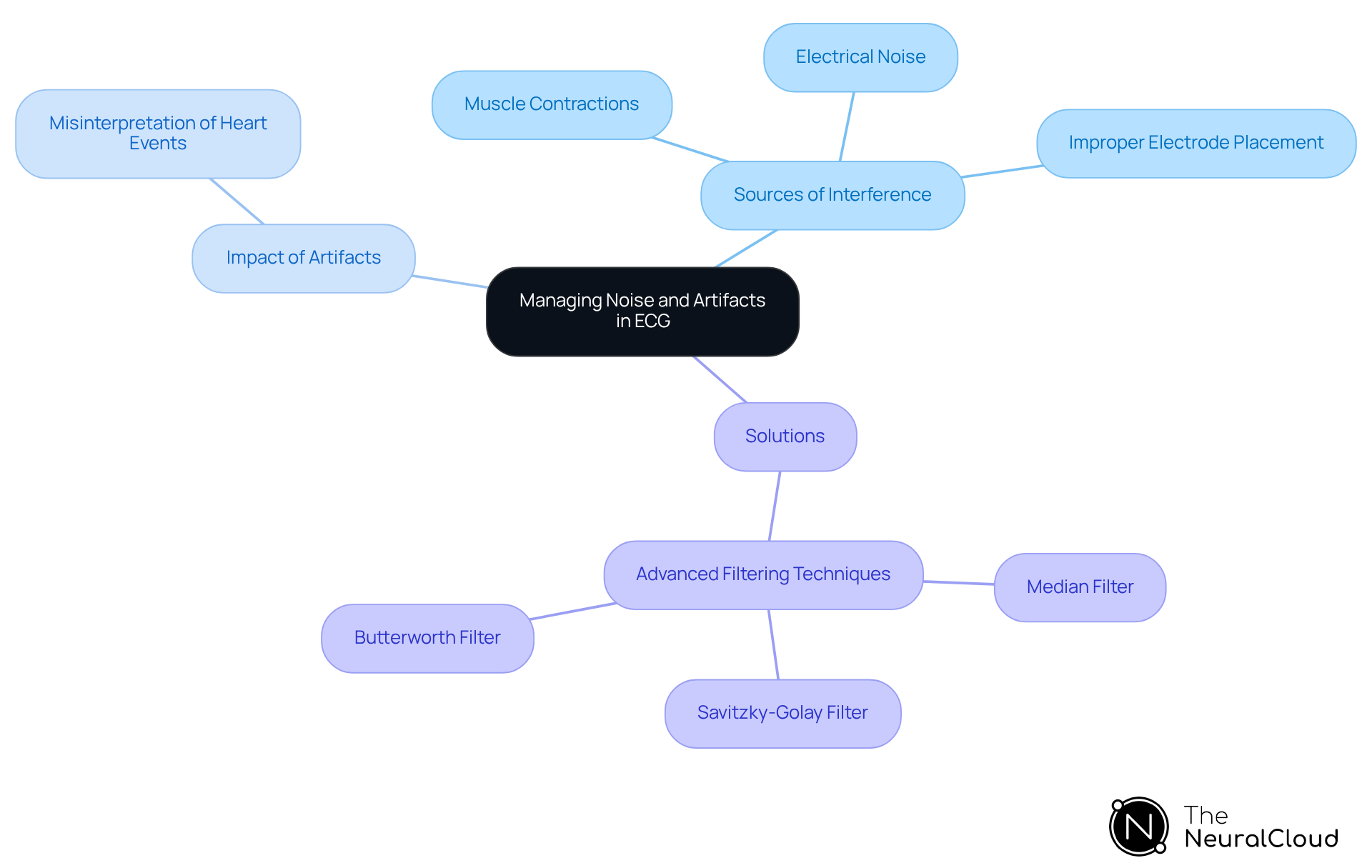
Managing noise and artifacts is crucial for maintaining the clarity of ECG recordings. Common sources of interference include:
- Muscle contractions
- Electrical noise
- Improper electrode placement
All of these can significantly degrade signal quality. For instance, muscle contractions can create substantial artifacts, leading to misinterpretation of heart events. To address these challenges, developers should utilize advanced filtering techniques, such as the Savitzky-Golay filter. This method has demonstrated superior performance compared to traditional approaches like median and Butterworth filters, as it preserves critical signal features while effectively reducing noise.
The importance of signal clarity is particularly pronounced in 2025, given the increasing demand for precise heart monitoring. A recent survey revealed that 53 percent of clinicians face difficulties in interpreting remote ECGs, highlighting the urgent need for enhanced signal clarity. Cardiologists emphasize that noise reduction is essential, as artifacts can obscure true heart signals and lead to incorrect conclusions. By implementing strategies to differentiate between genuine cardiac activity and interference, developers can significantly improve diagnostic accuracy, ultimately improving patient outcomes.
The MaxYield™ platform excels in this domain by identifying and labeling critical data, swiftly isolating ECG waves from recordings affected by baseline wander, movement, and muscle artifacts. This capability allows for the recovery of previously obscured sections of lengthy Holter, 1-Lead, and patch monitor recordings. By leveraging such advanced features, healthcare professionals can achieve more accurate interpretations of ECG data, leading to better-informed clinical decisions.
Continuous Learning Algorithms: Enhancing ECG Analysis Accuracy Over Time
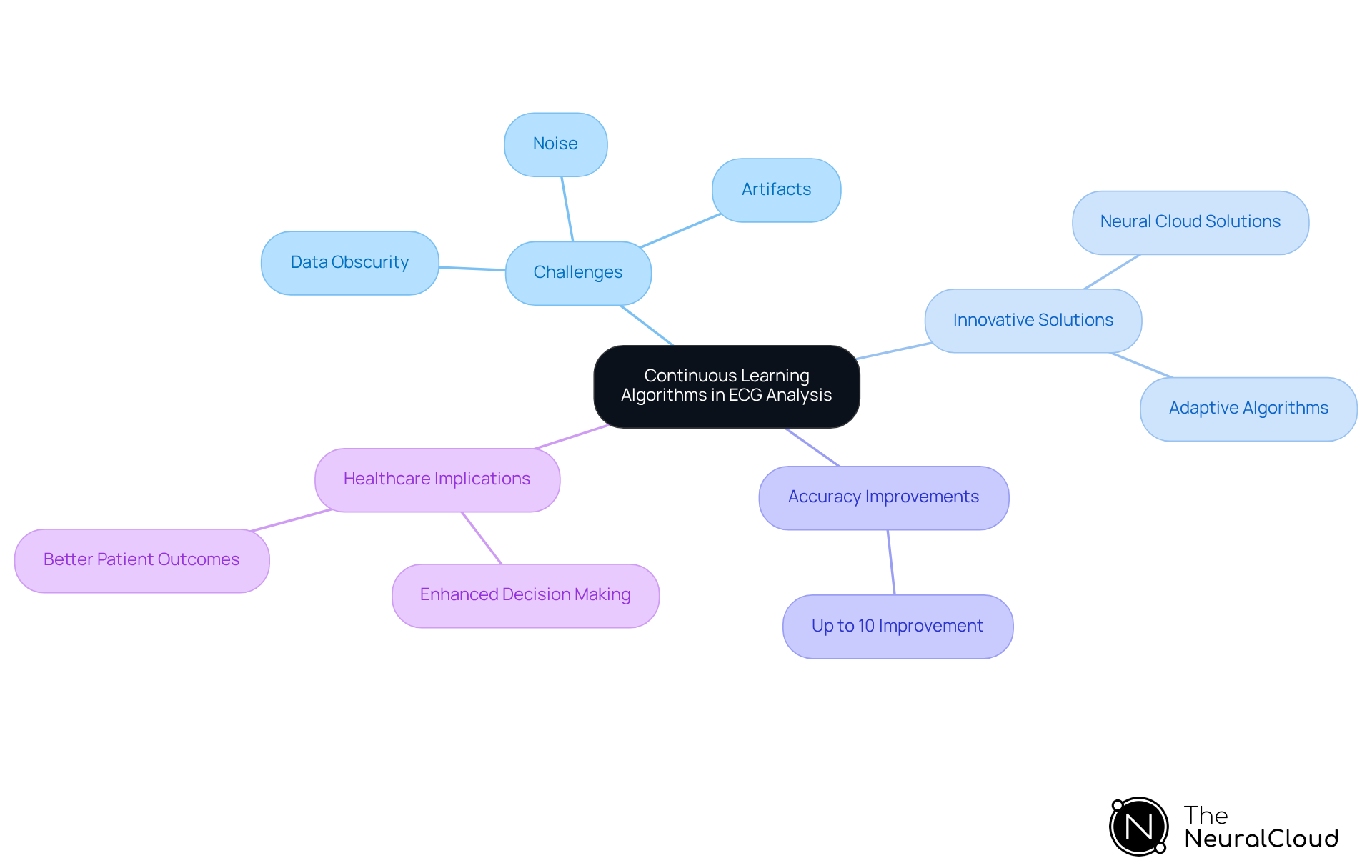
ECG analysis faces several challenges, including noise and artifacts that can obscure critical data. Continuous learning algorithms are addressing these issues by enhancing accuracy through adaptive learning from new data inputs. The platform exemplifies this innovative approach, utilizing advanced AI technology to refine its capabilities over time. This ensures that healthcare providers can make accurate assessments, even in recordings affected by high levels of noise and artifact.
One of the standout features of the platform is its ability to incorporate real-time feedback. Studies indicate that these algorithms can lead to improvements in diagnostic classifications. The platform efficiently isolates ECG waves from recordings impacted by baseline wander, motion, and muscle interference, recovering previously hidden areas of extended data. This capability not only enhances the quality of the data but also supports healthcare providers in making more informed decisions.
As the healthcare landscape evolves, the significance of these algorithms in ECG technology becomes increasingly evident. The demand for reliable and efficient cardiac diagnostics continues to grow, making it essential for developers to prioritize the implementation of advanced solutions. Experts in health technology emphasize that integrating solutions like those offered by Neural Cloud Solutions is crucial for improving patient outcomes. Ultimately, this leads to enhanced accuracy and streamlined clinical workflows.
Clinician Training and User Adoption: Maximizing the Benefits of ECG Analysis Tools
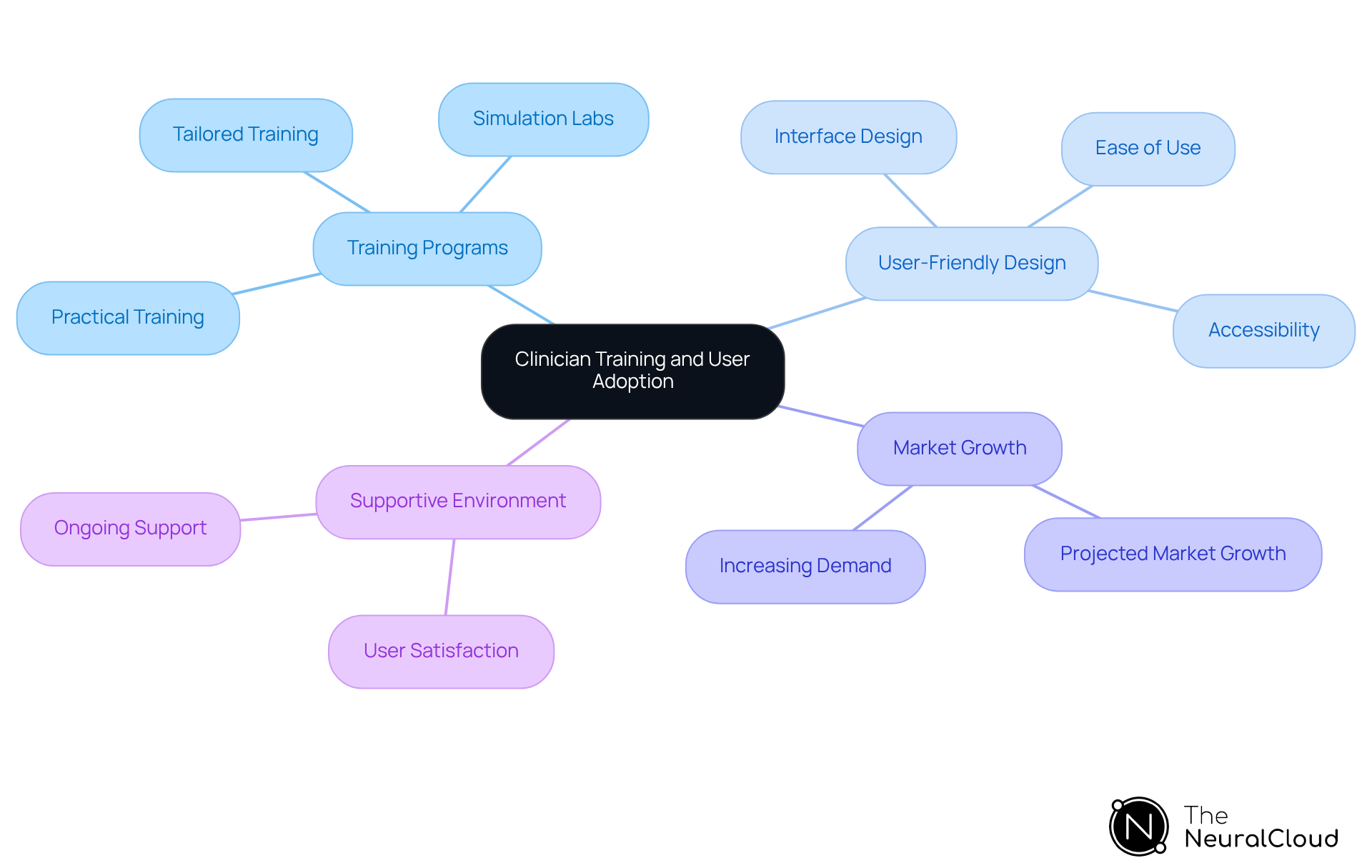
Efficient clinician education and user acceptance are essential for unlocking the full potential of ECG tools like MaxYield™. Training programs tailored to the user can significantly enhance user confidence and proficiency. This ensures healthcare professionals are well-prepared to utilize its advanced features, including the rapid labeling of data, as well as time-series intervals in CSV format for seamless integration into existing workflows. By 2025, the importance of such training will be underscored by the projected growth of the health tech market, expected to reach approximately USD 8.1 billion by 2033, driven by the increasing prevalence of cardiovascular diseases and the demand for accurate diagnostic tools.
Moreover, developers should focus on creating resources and robust support resources to facilitate smooth integration into clinical workflows. User experience can be enhanced through strategies that emphasize ease of use and accessibility. For example, hospitals and ambulatory surgical centers are increasingly implementing ECG software for preoperative evaluations and monitoring, underscoring the necessity for intuitive designs that cater to diverse user needs.
Developers understand that cultivating a supportive environment for users is vital. As one developer stated, "A supportive environment not only accelerates the learning curve but also enhances overall satisfaction with the technology." This perspective reflects a broader trend in the industry, where prioritizing user experience is becoming a key factor in successful adoption strategies. By investing in training and emphasizing user-friendly design, developers can significantly boost the uptake and effectiveness of tools like MaxYield™ in clinical settings, as represented in the ECG axis chart.
Conclusion
The insights drawn from the ECG axis chart highlight its crucial role in health technology, especially for developers aiming to enhance cardiac care. Advanced AI technologies, like Neural Cloud Solutions' MaxYield™, are transforming ECG analysis by automating evaluations, boosting diagnostic accuracy, and ultimately leading to improved patient outcomes. By grasping the nuances of the normal ECG axis and its deviations, health tech developers can create tools that significantly raise the standard of care in cardiology.
Key features of the MaxYield™ platform include:
- Automated Analysis: Streamlines the evaluation process, reducing the time required for interpretation.
- Rapid Processing Capabilities: Ensures timely results, which is critical in emergency situations.
- Noise Management: Enhances the clarity of ECG readings, allowing for more accurate diagnoses.
The ability to accurately interpret the QRS complex, T-wave, and ST segment is vital for diagnosing various cardiac conditions. Additionally, the integration of continuous learning algorithms allows these tools to adapt to evolving clinical needs, enhancing their effectiveness over time. As the healthcare landscape shifts towards more efficient and precise monitoring solutions, wearable technology complements traditional ECG methods, enabling real-time data collection and fostering patient engagement.
In light of these advancements, health tech developers must prioritize user-friendly designs and comprehensive clinician training. By creating an environment that encourages the adoption of innovative ECG analysis tools, the healthcare industry can significantly enhance diagnostic capabilities and patient care. The future of cardiac health monitoring lies in the seamless integration of technology and education, empowering healthcare professionals to effectively leverage these tools for the benefit of their patients.
Frequently Asked Questions
What is Neural Cloud Solutions' MaxYield™?
MaxYield™ is a platform developed by Neural Cloud Solutions that utilizes advanced AI algorithms to automate the evaluation of ECG (electrocardiogram) data, significantly enhancing the accuracy and efficiency of heart signal analysis.
What challenges does MaxYield™ address in ECG analysis?
MaxYield™ addresses challenges such as the need for accurate interpretation of heart signals and the time-consuming nature of manual evaluations by automating the ECG evaluation process.
How quickly can MaxYield™ process ECG data?
MaxYield™ can process over 200,000 heartbeats in under five minutes, allowing for rapid decision-making and timely diagnostics.
What are the key features of the MaxYield™ platform?
Key features of MaxYield™ include automated ECG evaluation, rapid processing of heartbeats, and enhanced clarity of heart signal insights.
How does MaxYield™ benefit healthcare professionals?
By automating ECG evaluations, MaxYield™ allows clinicians to focus on critical decision-making rather than manual data interpretation, improving workflow efficiency and ensuring accurate insights from ECG data.
What is the normal ECG axis and why is it important?
The normal ECG axis ranges from -30° to +90° and reflects the heart's electrical activity. It is crucial for identifying deviations that may indicate underlying cardiac issues and is essential for accurate diagnosis.
What are Left Axis Deviation (LAD) and Right Axis Deviation (RAD)?
LAD is when the QRS complex is positive in lead I but negative in lead II, often associated with left ventricular hypertrophy. RAD occurs when the QRS complex is negative in lead I and positive in leads II and aVF, indicating right ventricular hypertrophy or acute strain.
How does MaxYield™ enhance the analysis of the ECG axis?
MaxYield™ leverages advanced algorithms to automate the analysis of ECG signals, providing beat-by-beat analysis and transforming noisy recordings into detailed insights, which enhances diagnostic capabilities.
What are the implications of axis deviations in ECG analysis?
Axis deviations can indicate various heart conditions, such as pulmonary hypertension and left ventricular hypertrophy. Accurate detection of these deviations is critical for treatment decisions and patient management.
What are the advantages of using MaxYield™ for ECG analysis?
Advantages of using MaxYield™ include improved diagnostic accuracy, reduced workload for healthcare professionals, and enhanced patient outcomes through timely and informed decision-making.
List of Sources
- Understanding the Normal ECG Axis: Key Characteristics for Accurate Interpretation
- ECG Axis Interpretation (https://litfl.com/ecg-axis-interpretation)
- ECG Interpretation: All you need to know - Manual of Medicine (https://manualofmedicine.com/ecgs/ecg-interpretation)
- ECG Learning Center - An introduction to clinical electrocardiography (https://ecg.utah.edu/lesson/3)
- What is Cardiac Axis? | ECG Interpretation | Geeky Medics (https://geekymedics.com/what-is-cardiac-axis)
- Axis Deviation Insights: Recognizing Right and Left Deviations in ECG Analysis
- arxiv.org (https://arxiv.org/html/2404.11341v1)
- QRS Complex Analysis: Essential Insights for Cardiac Function Assessment
- mdpi.com (https://mdpi.com/2075-4418/14/10/1042)
- nature.com (https://nature.com/articles/s41598-025-93906-5)
- Duration of QRS Complex in Resting Electrocardiogram Is a Predictor of Sudden Cardiac Death in Men | Circulation (https://ahajournals.org/doi/10.1161/circulationaha.111.025577)
- nature.com (https://nature.com/articles/s43856-024-00725-2)
- T-Wave Interpretation: Insights into Cardiac Health from the ECG Axis
- mdpi.com (https://mdpi.com/2075-1729/13/5/1155)
- pmc.ncbi.nlm.nih.gov (https://pmc.ncbi.nlm.nih.gov/articles/PMC6931827)
- ahajournals.org (https://ahajournals.org/doi/10.1161/CIRCEP.113.000356)
- ahajournals.org (https://ahajournals.org/doi/10.1161/JAHA.121.025897)
- Association of T-wave abnormalities with major cardiovascular events in diabetes: the ACCORD trial - Diabetologia (https://link.springer.com/article/10.1007/s00125-020-05337-8)
- ST Segment Analysis: Critical Insights for Detecting Ischemic Changes
- bookey.app (https://bookey.app/book/the-ecg-made-easy/quote)
- STEMI - Electrocardiogram - M3 Curriculum | SAEM (https://saem.org/about-saem/academies-interest-groups-affiliates2/cdem/for-students/online-education/m3-curriculum/group-electrocardiogram-(ecg)-rhythm-recognition/stemi)
- Wearable Technology Integration: Enhancing ECG Monitoring and Analysis
- mpo-mag.com (https://mpo-mag.com/breaking-news/vivalink-introduces-new-adhesive-for-wearable-ecg)
- An AI tool detected structural heart disease in adults using a smartwatch (https://newsroom.heart.org/news/an-ai-tool-detected-structural-heart-disease-in-adults-using-a-smartwatch)
- insideprecisionmedicine.com (https://insideprecisionmedicine.com/topics/patient-care/ai-detects-heart-defects-with-just-a-smartwatch)
- Philips launches smart telemetry platform for cardiac monitoring that provides continuous, enterprise-wide connectivity beyond the bedside (https://usa.philips.com/a-w/about/news/archive/standard/news/press/2025/philips-launches-smart-telemetry-platform-for-cardiac-monitoring-that-provides-continuous-enterprise-wide-connectivity-beyond-the-bedside.html)
- The Future of Cardiac Safety: How Wearable ECGs Enhance Patient Monitoring in Drug Trials | Applied Clinical Trials Online (https://appliedclinicaltrialsonline.com/view/future-cardiac-safety-wearable-ecg-enhance-patient-monitoring)
- Managing Noise and Artifacts: Ensuring Clarity in ECG Recordings
- link.springer.com (https://link.springer.com/article/10.1007/s44163-025-00292-y)
- pmc.ncbi.nlm.nih.gov (https://pmc.ncbi.nlm.nih.gov/articles/PMC12499854)
- diagnosticimaging.com (https://diagnosticimaging.com/view/fda-new-electrocardiogram-suite-algorithms-and-analytics)
- researchgate.net (https://researchgate.net/publication/383255917_Noise_Reduction_Techniques_in_ECG_Signal)
- Continuous Learning Algorithms: Enhancing ECG Analysis Accuracy Over Time
- onlinelibrary.wiley.com (https://onlinelibrary.wiley.com/doi/full/10.1002/aisy.202100099)
- researchgate.net (https://researchgate.net/publication/346113079_Artificial_Intelligence_Machine_Learning_and_Reasoning_in_Health_Informatics-Case_Studies)
- Clinician Training and User Adoption: Maximizing the Benefits of ECG Analysis Tools
- datahorizzonresearch.com (https://datahorizzonresearch.com/electrocardiograph-ecg-analysis-software-market-44535)
- frontiersin.org (https://frontiersin.org/journals/medicine/articles/10.3389/fmed.2025.1643572/full)
- globaltechnicalinstitute.com (https://globaltechnicalinstitute.com/how-does-the-ecg-technician-training-institute-provide-the-importance-of-practical-training)
- Mobile ECG Devices Market Size, Share | Forecast [2026-2034] (https://fortunebusinessinsights.com/mobile-ecg-devices-market-109626)
- gehealthcare.com (https://gehealthcare.com/insights/article/the-ecg--how-can-we-fix-the-training-gap-for-medical-students-and-trainees?srsltid=AfmBOorKUBIYsqH6jqeMGj5fL6YPMZo9InpnCC7ZlZKF13zcpKS9lmjk)