Introduction
The heart's electrical activity constitutes a complex symphony, where each beat plays a crucial role in sustaining life. Among the most critical elements of this rhythm are the ventricular rhythms, which can lead to life-threatening conditions when disrupted. For health tech developers, grasping these rhythms transcends mere academic interest; it represents a pivotal opportunity to enhance diagnostic tools and improve patient outcomes. However, given the rapid evolution of technology and the increasing complexity of cardiac conditions, developers face the challenge of ensuring their innovations effectively address the identification and management of these vital rhythms.
Neural Cloud Solutions' MaxYield™: Transforming ECG Analysis for Ventricular Rhythms
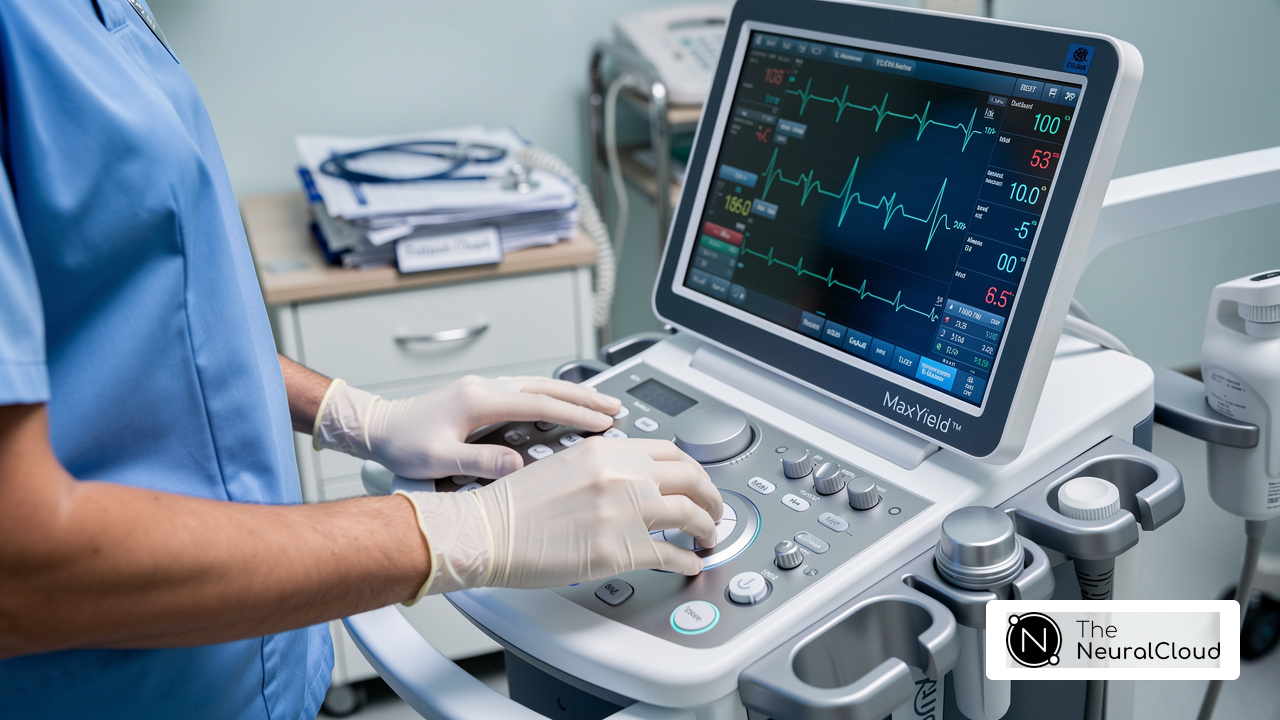
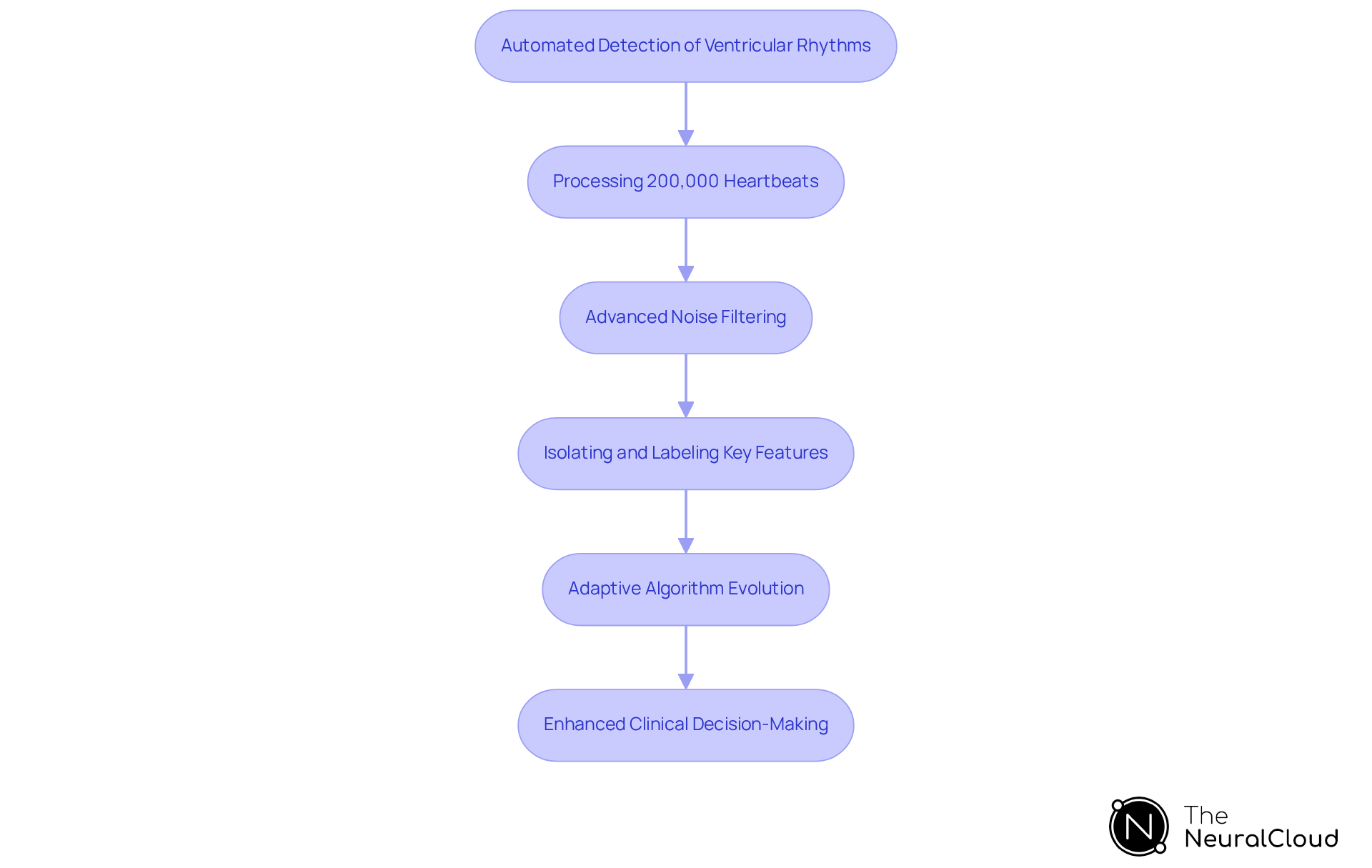
Neural Cloud Solutions' platform revolutionizes ECG analysis by providing insights into various ventricular rhythms. This innovative system utilizes advanced algorithms to process over 200,000 heartbeats in under five minutes, providing clinicians with rapid and accurate insights. Such capability is vital for patient care, as it enhances diagnosis through advanced noise filtering and artifact handling. By isolating and labeling key features in every heartbeat, the system improves clinical assessments, allowing for more precise treatment decisions. Furthermore, its adaptive algorithm evolves with each use, continuously improving accuracy and efficiency. This evolution is essential for overcoming physiological variability in ECG analysis, ultimately benefiting healthcare professionals in their clinical decision-making.
Understanding Ventricular Rhythms: Definition and Clinical Importance
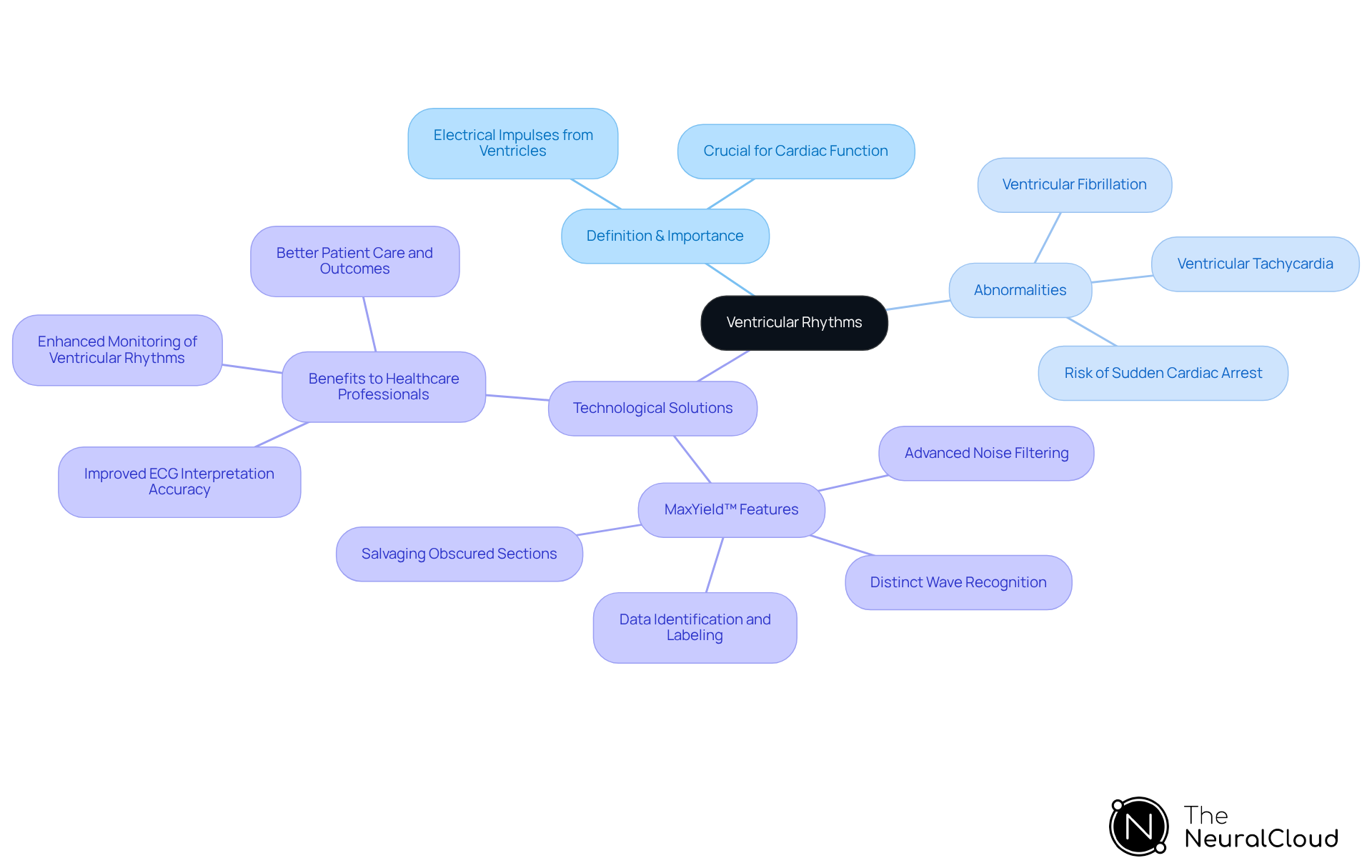
The electrical impulses originating in the heart's ventricles, known as ventricular rhythms, are crucial for effective cardiac function. Abnormalities in ventricular rhythms can lead to serious conditions, including ventricular tachycardia or fibrillation, which may result in sudden cardiac arrest. For health technology creators, understanding ventricular rhythms is essential to accurately monitor and manage these life-threatening conditions.
MaxYield™ is a platform that significantly enhances ECG analysis. This platform features advanced algorithms and distinct wave recognition, which improve analysis efficiency. It identifies and labels critical data in recordings, even in high noise and artifact conditions. Additionally, MaxYield™ salvages previously obscured sections of lengthy recordings, addressing the challenges posed by physiological variability and signal artifacts.
The advantages of using MaxYield™ are substantial for healthcare professionals. By improving the accuracy of ECG interpretation over time, the platform effectively aids in clinical decision-making. This ultimately enhances patient care, making it an essential tool for those in the medical field.
Types of Ventricular Arrhythmias: Key Variants Every Cardiologist Must Identify
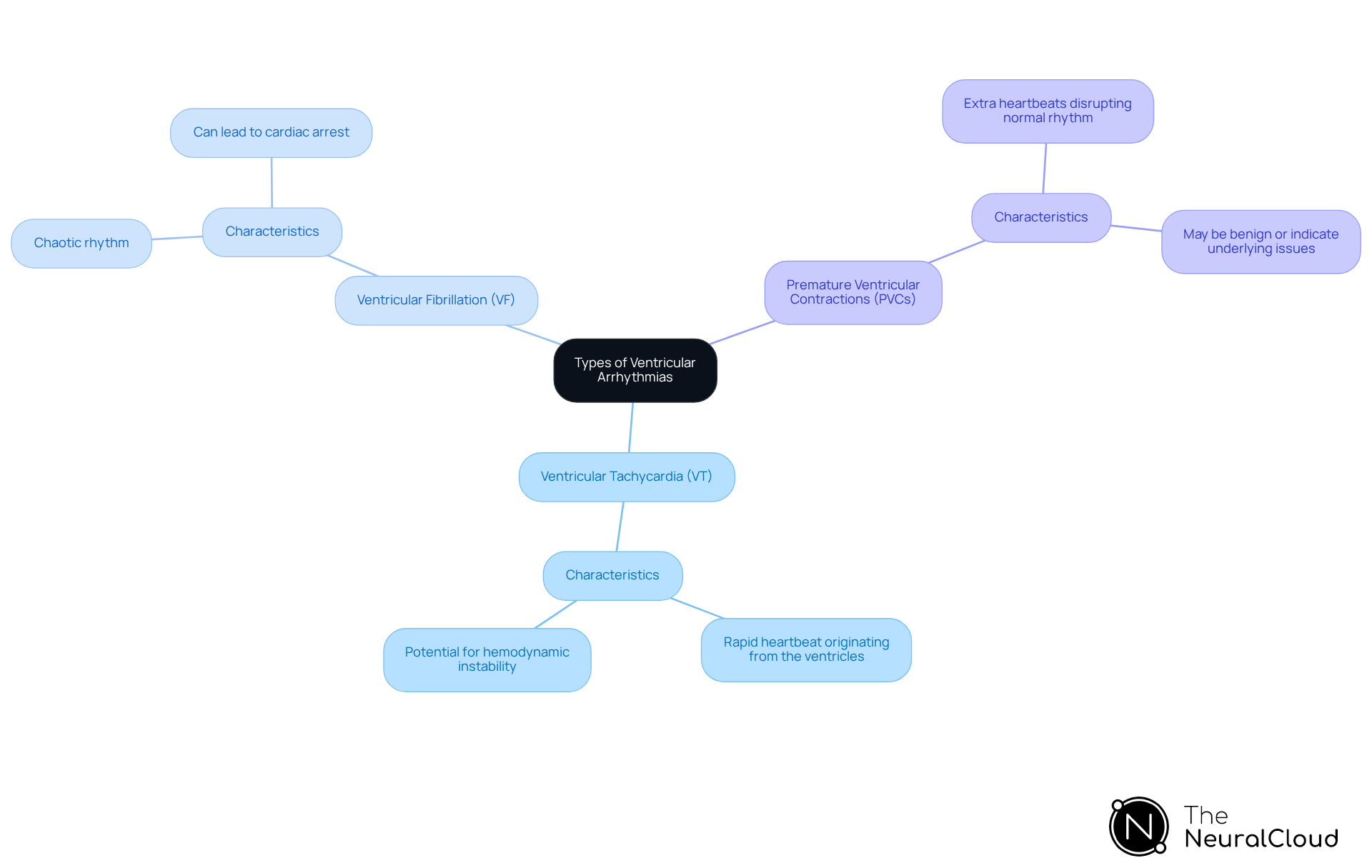
Key types of ventricular arrhythmias include:
- Ventricular Tachycardia (VT): This condition is characterized by a rapid heartbeat originating from the ventricles.
- Ventricular Fibrillation (VF): A chaotic rhythm that can lead to cardiac arrest.
- Premature Ventricular Contractions (PVCs): These extra heartbeats are a type of arrhythmia that disrupt the normal rhythm.
Each type presents unique challenges for diagnosis and management. It is essential for health technology creators to ensure their tools can accurately identify and differentiate these conditions.
The MaxYield™ platform addresses these challenges by utilizing advanced signal processing and artifact handling features. This technology converts noisy ECG recordings into clear data. Key features of the platform include:
- Rapid Processing: The platform processes 200,000 heartbeats in under five minutes.
- Detailed ECG Characteristics: It provides comprehensive information on arrhythmias, which are crucial for identifying specific conditions.
This level of precision supports confident clinical decision-making. It enhances the ability to manage physiological variability and signal artifacts effectively.
Mechanisms of Ventricular Rhythms: Physiological Insights for Cardiologists
Several physiological factors, such as electrolyte imbalances, ischemia, and structural changes in the heart, shape ventricular rhythms. The heart's electrical activity is vital for sustaining normal rhythms. When disruptions occur within this system, irregular heartbeats can result. Understanding these mechanisms allows health tech developers to relate to patients more effectively and develop targeted treatment plans. This knowledge is crucial for cardiologists who aim to design efficient solutions.

Causes of Ventricular Arrhythmias: Identifying Risk Factors and Triggers
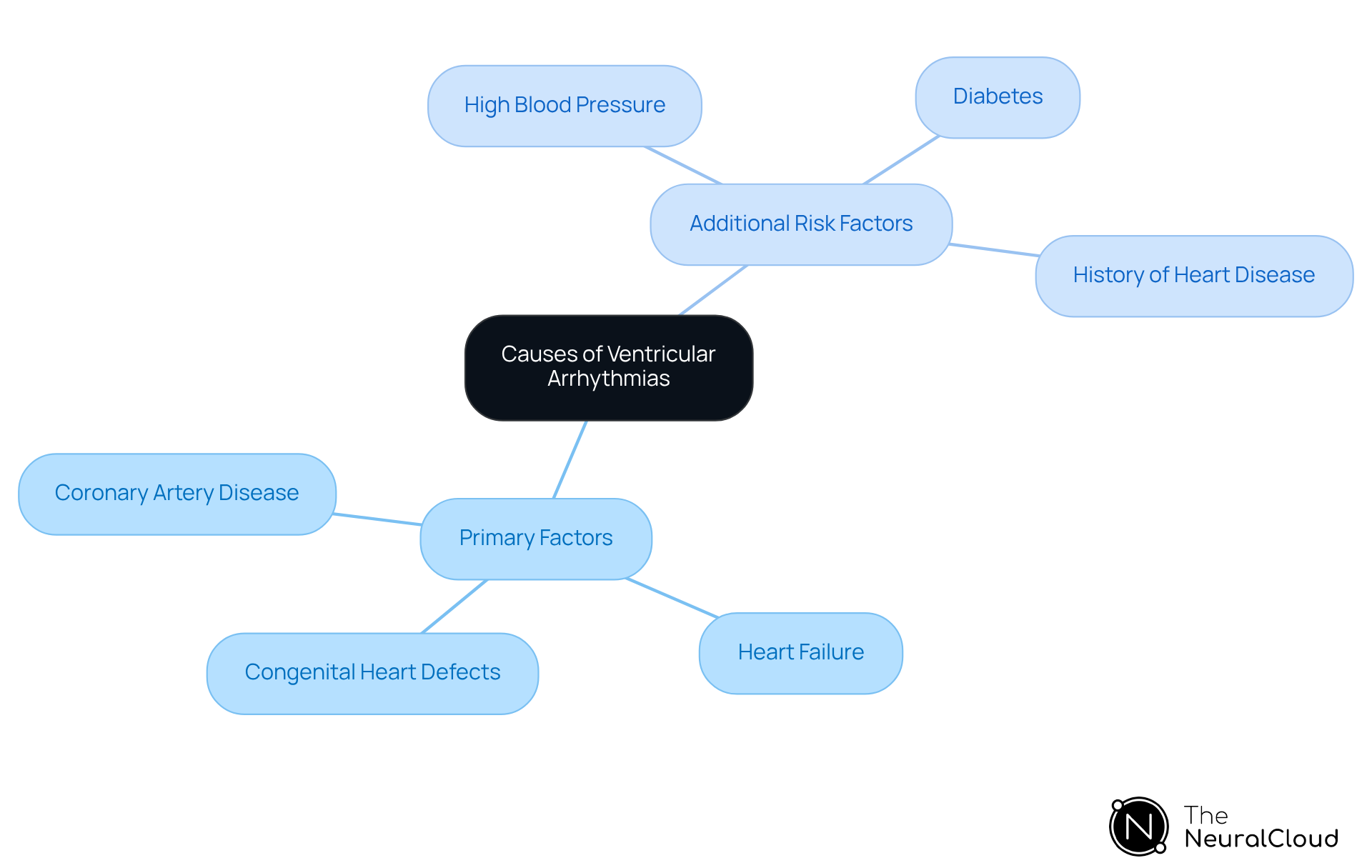
can be influenced by various factors, such as:
- coronary artery disease
- heart failure
Additional risk factors include:
- diabetes
- a history of hypertension
Recognizing these triggers is essential for formulating preventive strategies and treatment plans. By leveraging this information, developers can create predictive models that help clinicians identify at-risk patients early.
Symptoms of Ventricular Arrhythmias: Recognizing Clinical Presentations
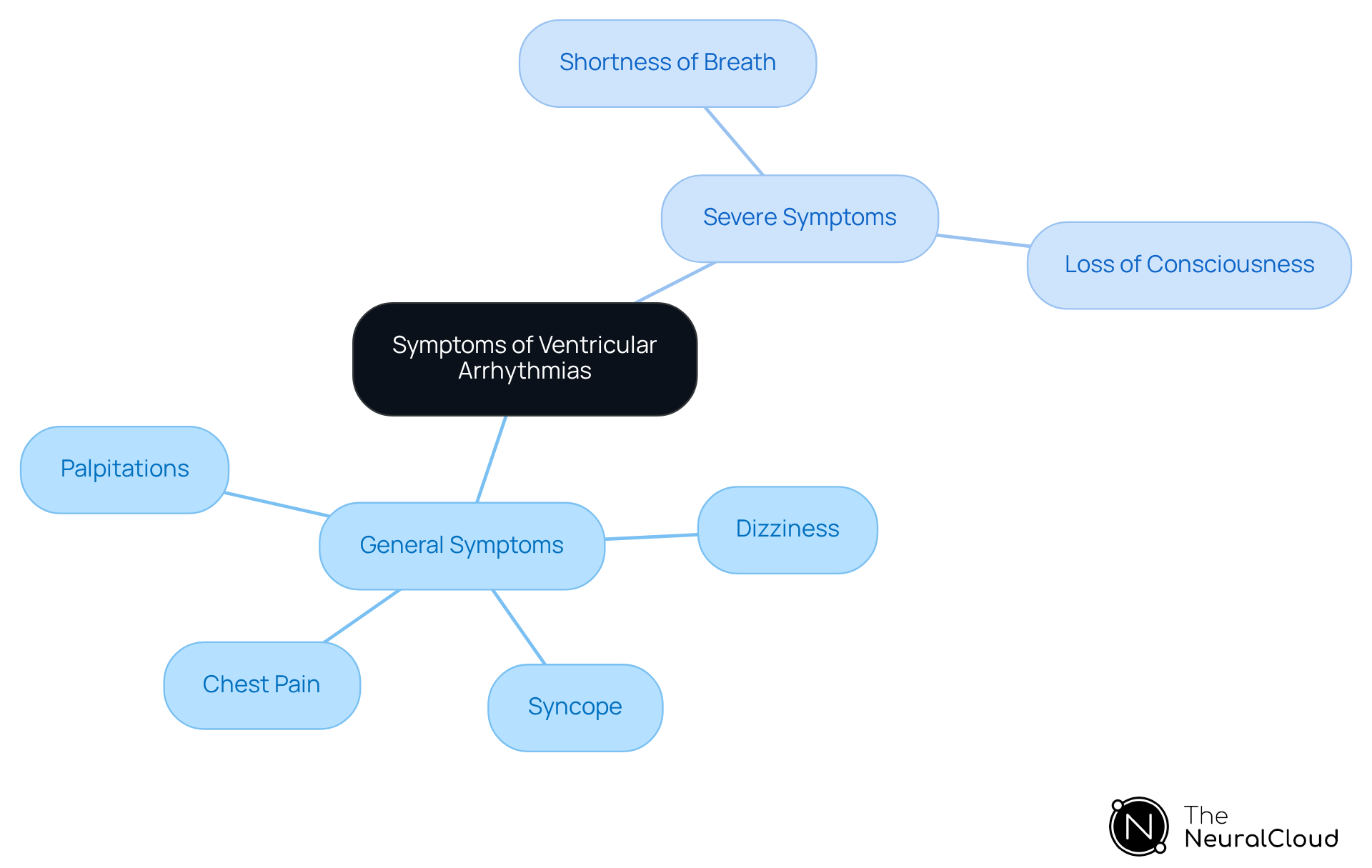
Symptoms of ventricular rhythms can vary widely, including:
- Palpitations
- Dizziness
- Syncope
- Chest pain
In severe cases, patients may experience:
- Shortness of breath
- Loss of consciousness
Recognizing these symptoms is critical for healthcare providers to initiate treatment. Health technology creators must ensure their instruments, particularly those utilizing the specified platform, can automate the identification of these symptoms through automated ECG labeling and data extraction for further assessment. By integrating with healthcare systems, developers can significantly enhance the efficiency of diagnosis. This integration not only reduces operational costs through streamlined processes but also improves the accuracy of symptom recognition. Ultimately, these advancements lead to better patient outcomes.
Diagnostic Approaches for Ventricular Arrhythmias: Tools and Techniques
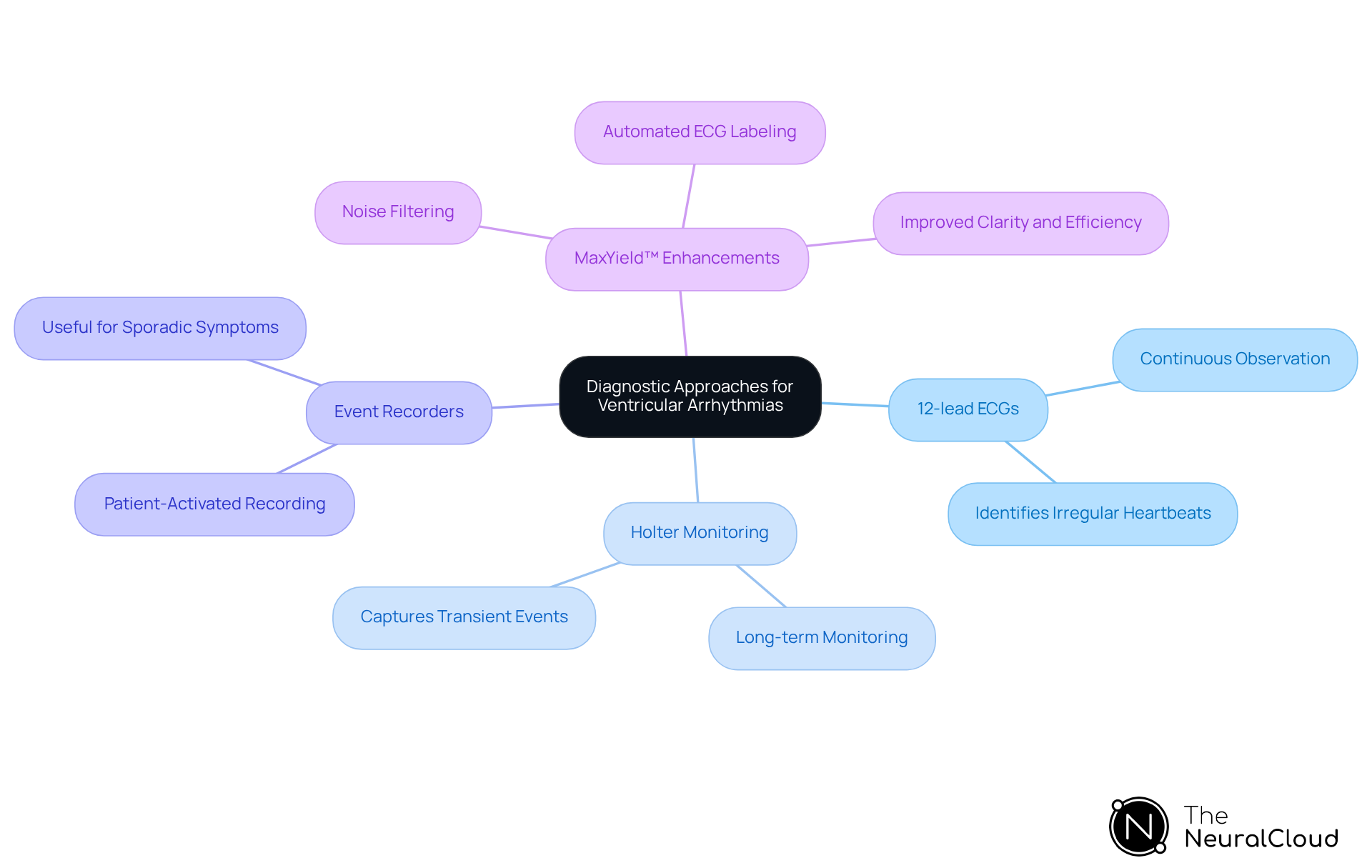
Diagnostic methods for assessing ventricular rhythms include:
- 12-lead ECGs
- Event recorders
These tools facilitate continuous observation and can identify abnormalities that may elude detection during a standard ECG. The MaxYield™ platform enhances these diagnostic tools by integrating AI and automated ECG signal labeling. This innovation addresses challenges such as misinterpretation, leading to clearer and more accurate detection of irregular heartbeats. For more complex cases, advanced imaging techniques may also be utilized, with MaxYield™ further enhancing efficiency and clarity. By focusing on these cutting-edge solutions, developers can significantly improve the accuracy of diagnostics in their platforms.
Management Strategies for Ventricular Arrhythmias: Treatment Options and Protocols
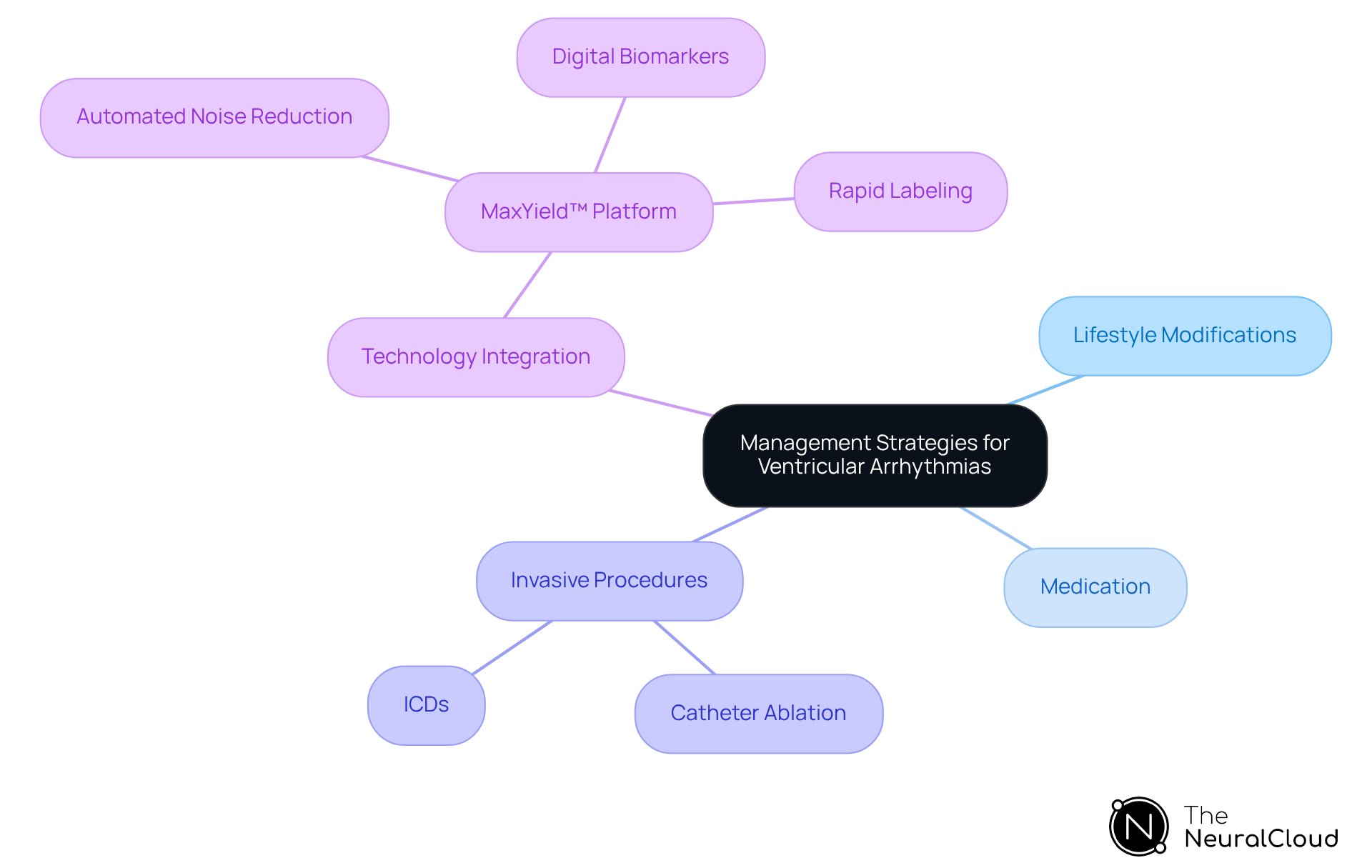
Management strategies for addressing ventricular rhythms may include lifestyle modifications, medication, and invasive procedures such as catheter ablation or implantable cardioverter-defibrillators (ICDs). The choice of treatment depends on the type and severity of the arrhythmia, as well as the patient's overall health. Developers should consider integrating technology into their platforms to aid clinicians in making informed decisions.
The platform addresses the challenges in ECG analysis by providing tools that enhance diagnostic accuracy. It utilizes an automated noise reduction system and an adaptive algorithm, which significantly improve the clarity of ECG signals. One of its key features is the rapid labeling of P, QRS, and T Wave onsets and offsets, which allows for beat-by-beat tabulation in CSV format. This feature facilitates easy integration into existing systems, streamlining workflows.
The advantages of the platform extend beyond clarity; it also salvages previously obscured sections of recordings and supports the diagnostic process. These capabilities ultimately aid in making better clinical decisions. By utilizing this innovative platform, clinicians can enhance their diagnostic processes, leading to improved patient outcomes.
Prognosis of Ventricular Arrhythmias: Understanding Patient Outcomes
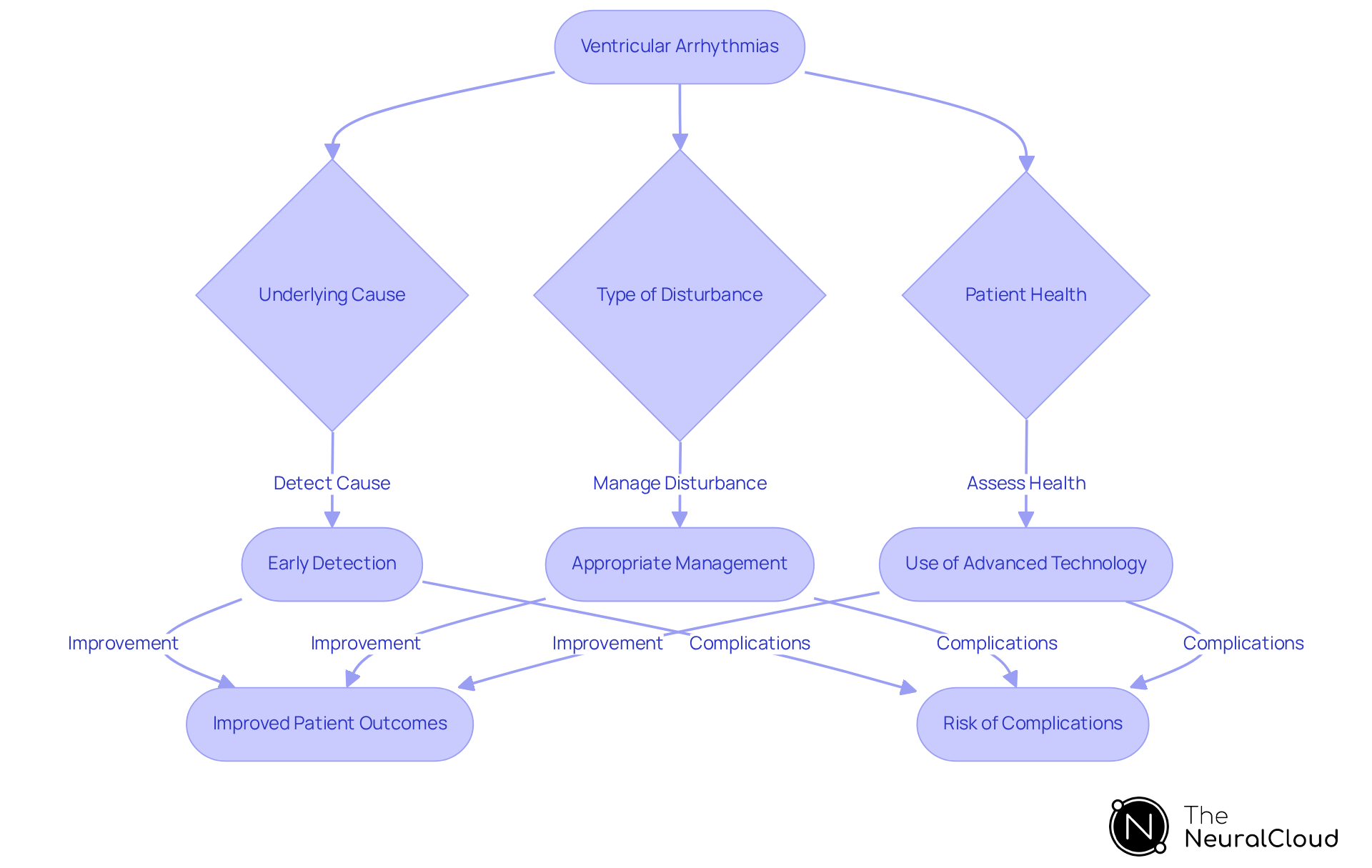
The prognosis of ventricular rhythms varies significantly based on the underlying cause, the type of disturbance, and the overall health of the patient. Early detection and appropriate management can lead to improved outcomes, while untreated arrhythmias may result in severe complications, including sudden cardiac death. Health technology creators should concentrate on designing tools that not only diagnose but also monitor patients over time to improve care quality. By leveraging advanced technologies like machine learning, developers can significantly enhance diagnostic accuracy.
This system specifically addresses challenges such as physiological variability and signal artifacts through its advanced filtering and wave recognition capabilities, transforming noisy recordings into clear waveforms. Incorporating artificial intelligence with this system enables automated labeling, lowering expenses and ultimately enhancing patient care results. The combination of these features ensures that healthcare professionals can rely on accurate data, thus improving overall patient outcomes.
Future Directions in Ventricular Rhythm Research: Innovations and Emerging Trends
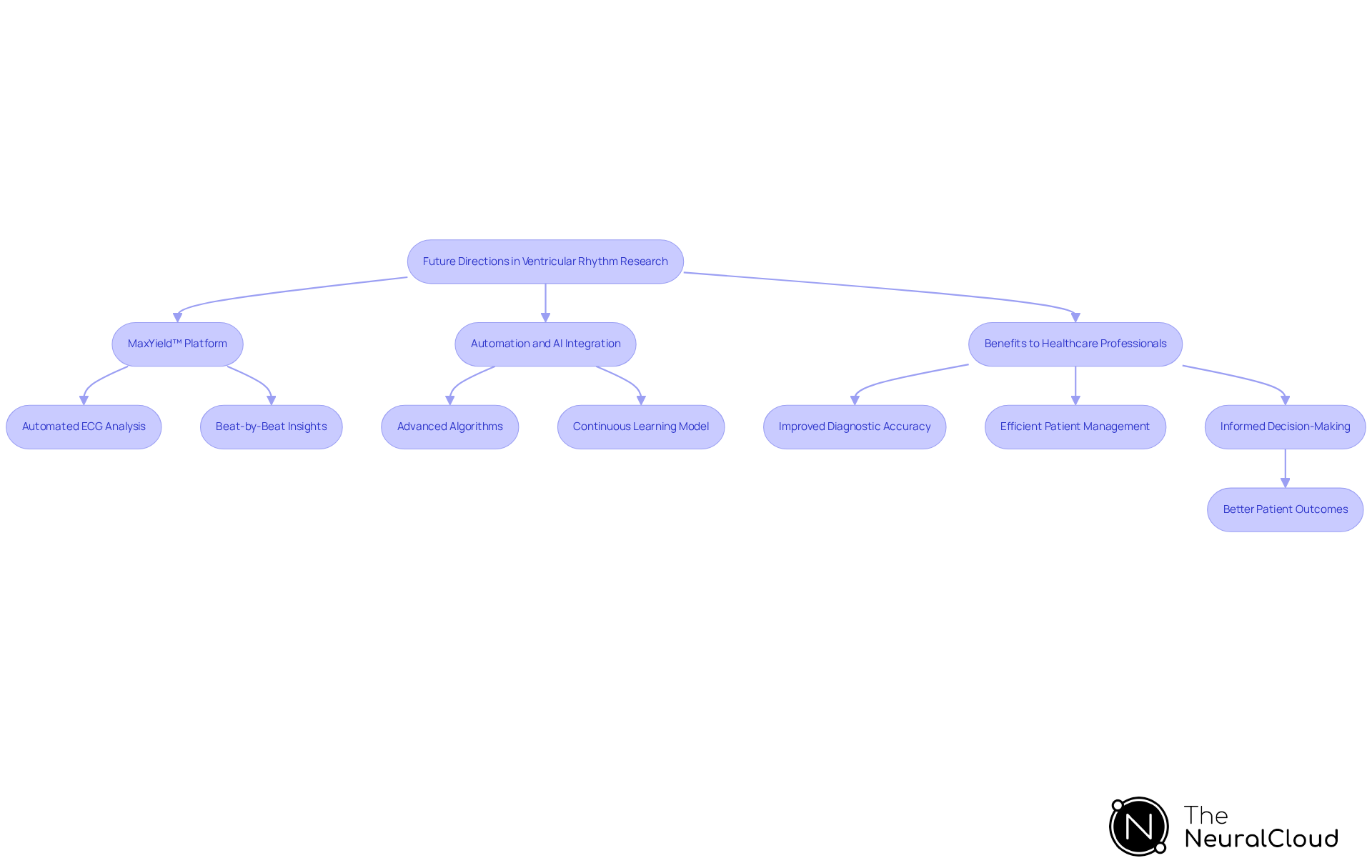
Future research in personalized medicine is likely to emphasize ventricular rhythms, utilizing genetic and biomarker data to customize treatments. A significant innovation in this area is the MaxYield™ platform, which automates ECG analysis to provide beat-by-beat insights and isolate key features in every heartbeat. This technology not only enhances diagnostic accuracy but also reduces costs, making it a valuable tool for healthcare professionals.
The platform features advanced algorithms that improve the accuracy of arrhythmia detection. By integrating a continuous learning model, the platform adapts to physiological variability and noise in ECG signals. This AI-driven automation ensures that diagnostic precision and treatment efficacy are continually enhanced, addressing the challenges faced in traditional monitoring.
Healthcare professionals can benefit significantly from these advancements. The automation provided by MaxYield™ allows for more efficient workflows, freeing up valuable time for clinicians to focus on patient care. Furthermore, the insights gained through automated analysis enable more informed decision-making, ultimately leading to better patient outcomes.
As technology evolves, it is crucial to stay informed about these trends and technologies. By understanding the capabilities of platforms like MaxYield™, developers can ensure their solutions remain relevant and effective in the ever-evolving landscape of healthcare technology.
Conclusion
Understanding and addressing ventricular rhythms is essential for health tech developers aiming to improve diagnostic tools and patient care. The insights provided highlight the critical role of innovative technologies, such as Neural Cloud Solutions' MaxYield™ platform, in enhancing ECG analysis. By automating the detection and labeling of ventricular rhythms, this technology streamlines the diagnostic process and significantly improves the accuracy of identifying life-threatening conditions.
Key points discussed include:
- The various types of ventricular arrhythmias
- The physiological mechanisms behind them
- The importance of recognizing symptoms for timely intervention
The article emphasizes the significance of advanced diagnostic tools that integrate features like noise filtering and automated analysis to overcome challenges posed by physiological variability. These advancements are crucial for developing effective management strategies and improving patient outcomes.
As the landscape of healthcare technology continues to evolve, it is imperative for developers to stay informed about the latest trends and innovations in ventricular rhythm research. Leveraging platforms like MaxYield™ allows health tech creators to ensure their solutions remain relevant and impactful, ultimately leading to better clinical decision-making and enhanced patient care. Engaging with these advancements fosters innovation and reinforces the commitment to improving health outcomes in cardiovascular health.
Frequently Asked Questions
What is MaxYield™ by Neural Cloud Solutions?
MaxYield™ is an innovative platform that automates the detection and labeling of various ventricular rhythms in ECG analysis, utilizing advanced AI algorithms to process over 200,000 heartbeats in under five minutes.
How does MaxYield™ improve ECG analysis?
MaxYield™ enhances ECG analysis by providing rapid and accurate insights through advanced noise filtering and artifact handling, isolating and labeling key features in every heartbeat to improve reliability in diagnoses and treatment plans.
Why are ventricular rhythms important in cardiac function?
Ventricular rhythms are crucial as they originate from the heart's ventricles and abnormalities can lead to serious conditions like ventricular tachycardia or fibrillation, potentially resulting in sudden cardiac arrest.
What types of ventricular arrhythmias are identified by MaxYield™?
Key types of ventricular arrhythmias include Ventricular Tachycardia (VT), Ventricular Fibrillation (VF), and Premature Ventricular Contractions (PVCs).
How does MaxYield™ handle noisy ECG recordings?
MaxYield™ utilizes advanced noise reduction and artifact handling features to convert noisy ECG recordings into clear, actionable insights, improving the efficiency of analysis.
What are the key features of the MaxYield™ platform?
Key features include automated analysis of 200,000 heartbeats in under five minutes, detailed ECG characteristics analysis (P-wave, QRS complex, T-wave), and the ability to salvage obscured sections of lengthy ECG recordings.
How does MaxYield™ benefit healthcare professionals?
By improving the accuracy and efficiency of ECG interpretation over time, MaxYield™ aids in monitoring ventricular rhythms, ultimately enhancing patient care and clinical decision-making.