Introduction
The realm of cardiac diagnostics is experiencing a transformative shift, especially with the integration of advanced technologies like AI in interpreting ECGs for patients with left bundle branch block (LBBB). The LBBB Sgarbossa criteria, which are crucial for diagnosing acute myocardial infarction (AMI), present both opportunities and challenges for healthcare professionals. This article explores ten key insights that illuminate the evolving landscape of these criteria and highlight the significant role of innovative tools, such as Neural Cloud Solutions' MaxYield™, in enhancing diagnostic accuracy and efficiency.
How can these advancements reshape clinical practices and improve patient outcomes amidst traditional limitations?
Neural Cloud Solutions: MaxYield™ for Enhanced ECG Analysis in LBBB
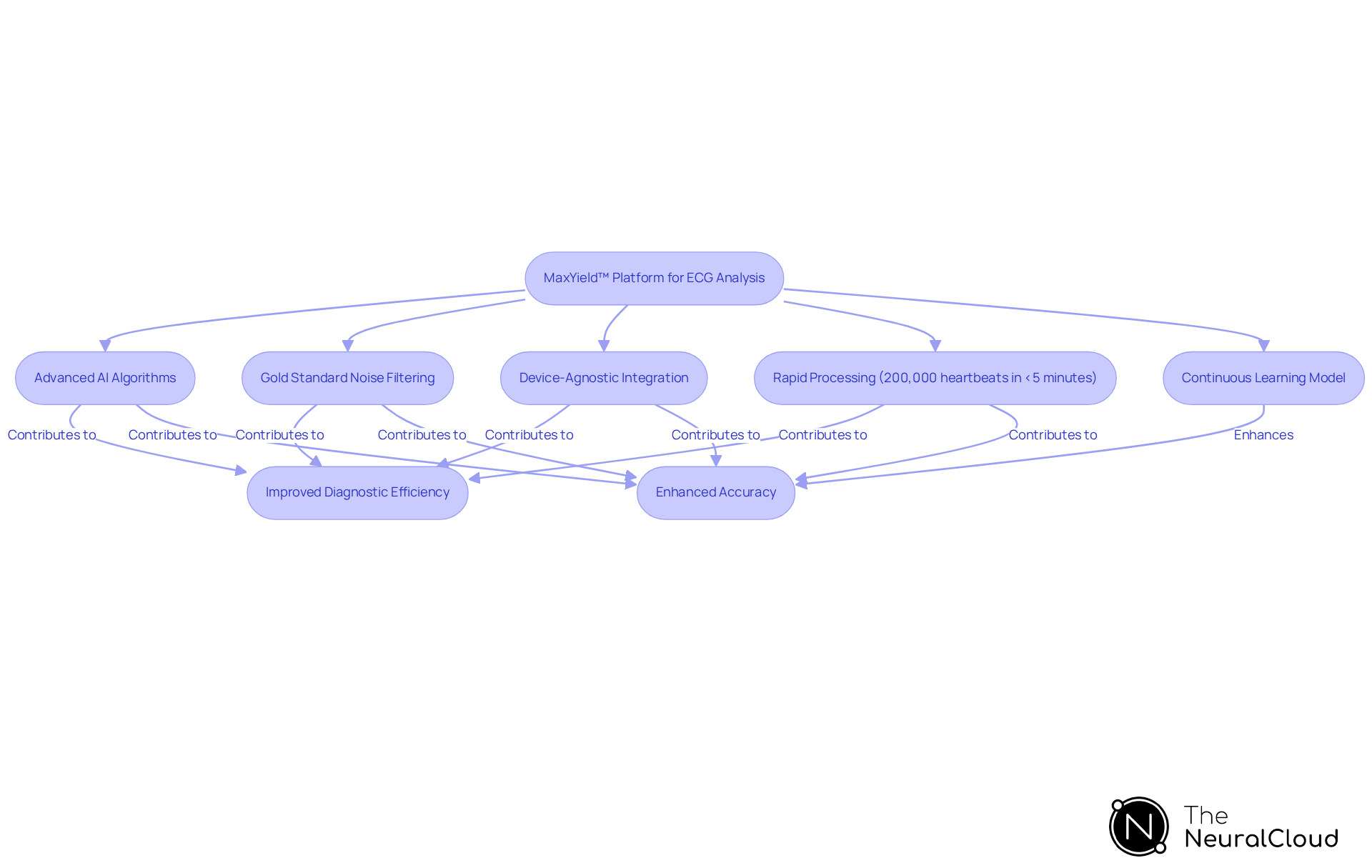
Neural Cloud Solutions is at the forefront of revolutionizing ECG analysis, particularly for patients with left bundle branch block (LBBB) who fulfill the Sgarbossa criteria. This innovative technology utilizes advanced algorithms alongside gold standard noise filtering methodologies, significantly improving the clarity of ECG signals. As a result, it enables rapid and precise interpretation of data. The platform can process over 200,000 heartbeats in less than five minutes, providing healthcare professionals with insights that enhance both diagnosis and treatment in clinical settings.
One of the standout features of MaxYield™ is its device-agnostic nature, which allows seamless integration with a variety of ECG devices. This versatility further amplifies its utility across different healthcare environments. Case studies highlight the platform's effectiveness in tackling common ECG analysis challenges, including misinterpretation of signals. Notably, the incorporation of advanced noise reduction techniques has resulted in a significant increase in diagnostic accuracy, with AI tools achieving a positive predictive accuracy of 80% in identifying cardiovascular diseases. This capability is essential for clinicians, as it enables them to concentrate on high-level decision-making rather than being hindered by manual artifact detection.
Moreover, the adaptability of MaxYield™ ensures that its algorithms evolve over time, further enhancing precision and efficiency in ECG analysis. This adaptability not only improves the quality of ECG data but also supports informed clinical decision-making, ultimately transforming the landscape of cardiac diagnostics. As AI continues to propel advancements in healthcare, the MaxYield™ platform emerges as an indispensable tool for improving diagnostic accuracy and analysis speed, particularly in complex cases that adhere to the Sgarbossa criteria.
Original Sgarbossa Criteria: Key Components for ECG Interpretation in LBBB
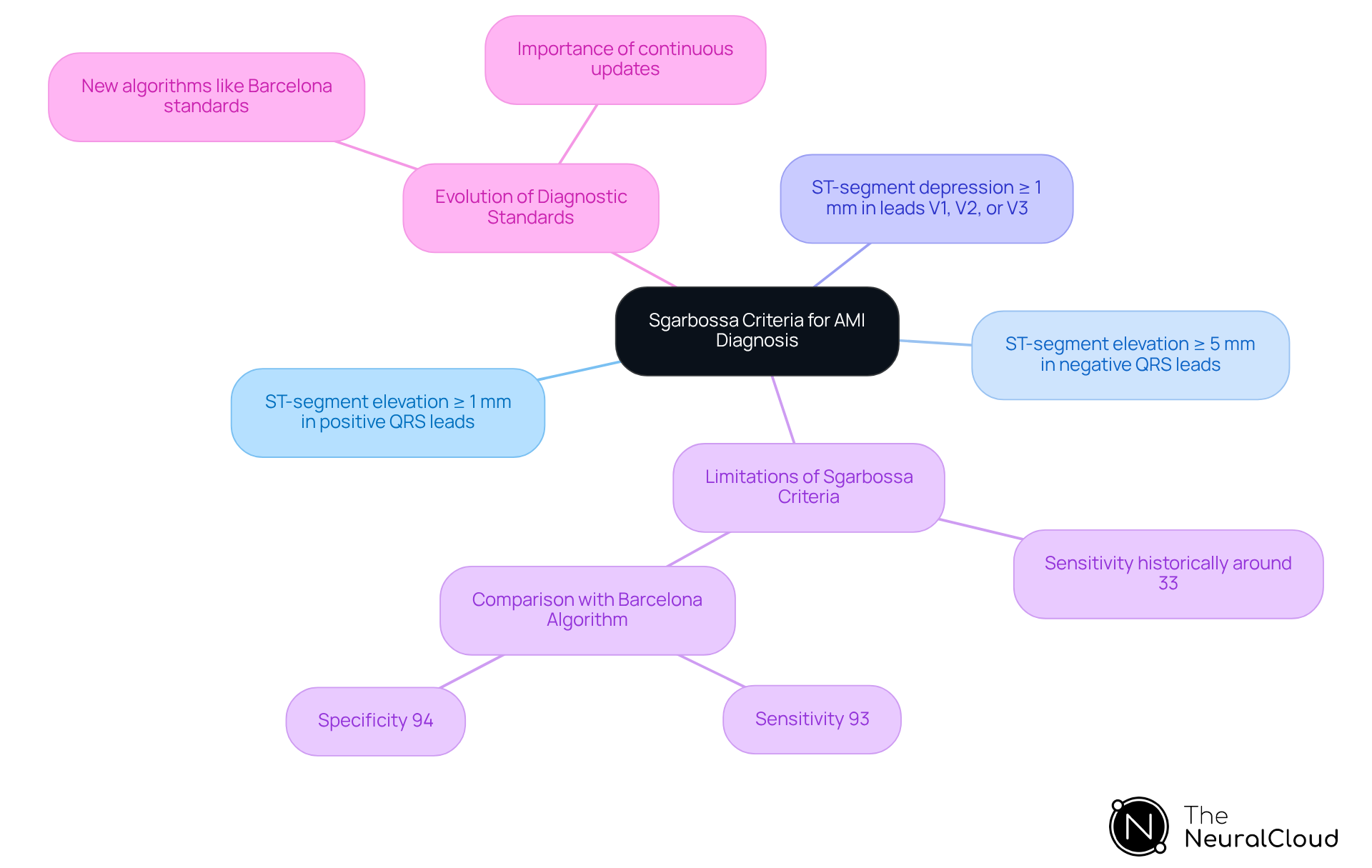
The initial criteria, established in 1996, play a crucial role in diagnosing acute myocardial infarction (AMI) in individuals with left bundle branch block. The criteria include three components:
- ST-segment elevation of ≥ 1 mm in leads with a positive QRS complex
- ST-segment elevation of ≥ 5 mm in leads with a negative QRS complex
- ST-segment depression of ≥ 1 mm in leads V1, V2, or V3
A study for diagnosis based on the criteria; however, the sensitivity remains relatively low, historically around 33%. Recent studies have highlighted the limitations of these guidelines, particularly in light of emerging research. These newer standards demonstrate improved sensitivity (93%) and specificity (94%) for diagnosing AMI in individuals with LBBB. This evolution underscores the importance of ongoing research, aiming to improve patient outcomes.
Smith-Modified Sgarbossa Criteria: Advancements in LBBB ECG Assessment
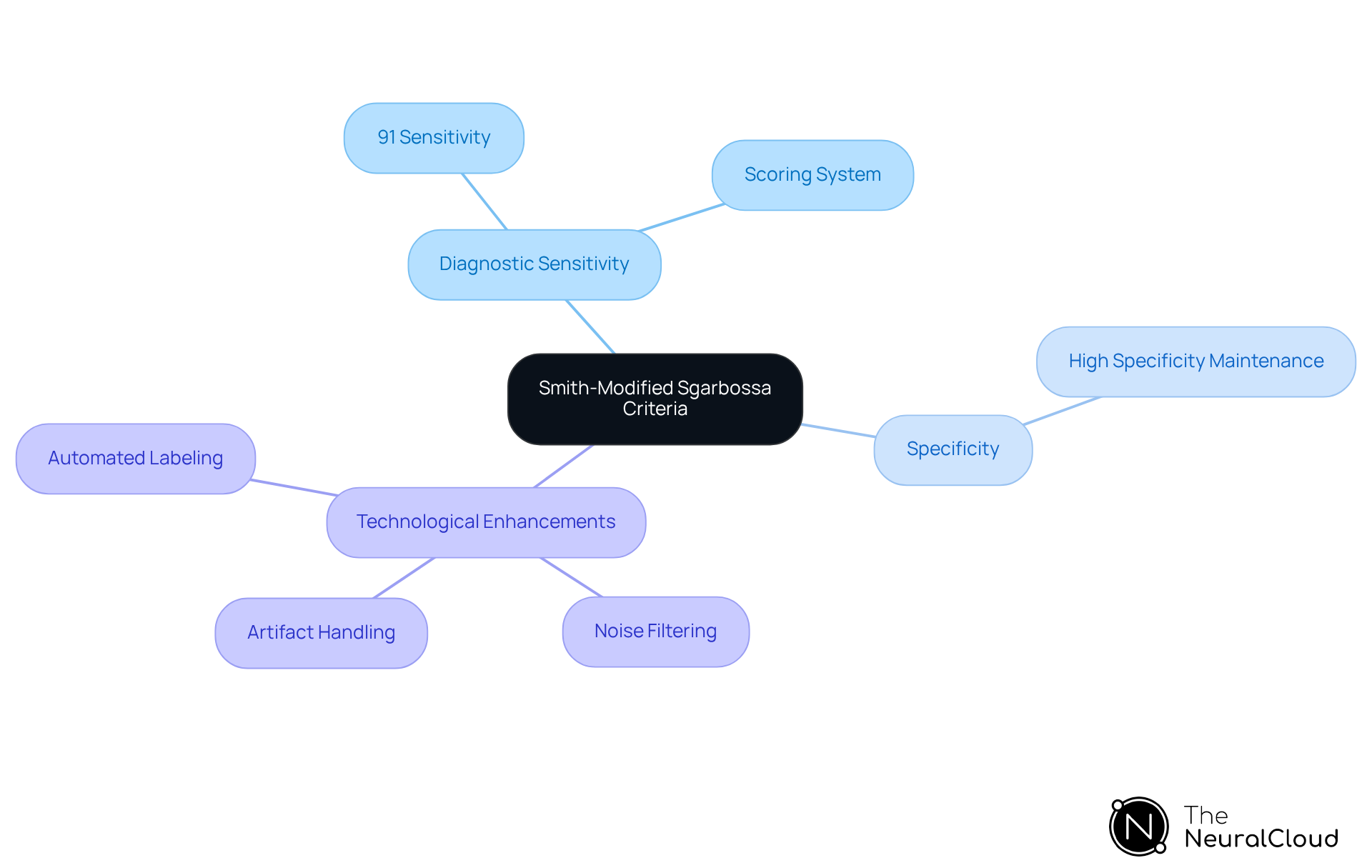
The Smith-modified Sgarbossa criteria were developed to address the limitations of the original guidelines, which had low sensitivity in diagnosing acute myocardial infarction (AMI) in patients with left bundle branch block (LBBB). This modification introduces a scoring system that assesses the proportion of ST elevation relative to the preceding R-wave amplitude, significantly improving diagnostic accuracy. Recent studies indicate that the adjusted standards can achieve sensitivity levels of up to 91% while maintaining high specificity. This advancement positions the Smith-modified standards as an essential tool for cardiologists, enabling more accurate and timely diagnoses of AMI in patients exhibiting the LBBB pattern.
The platform from Neural Cloud Solutions integrates advanced algorithms, machine learning, and data analytics, enhancing the clarity of ECG readings. This improvement facilitates a more precise application of the evaluation standards, ultimately leading to better patient outcomes in challenging scenarios where physiological variability and signal artifacts may obscure critical information. By leveraging these features, healthcare professionals can navigate complex ECG data with greater confidence, ensuring that essential details are not overlooked.
Clinical Applicability of Sgarbossa Criteria: Real-World Insights for Cardiologists
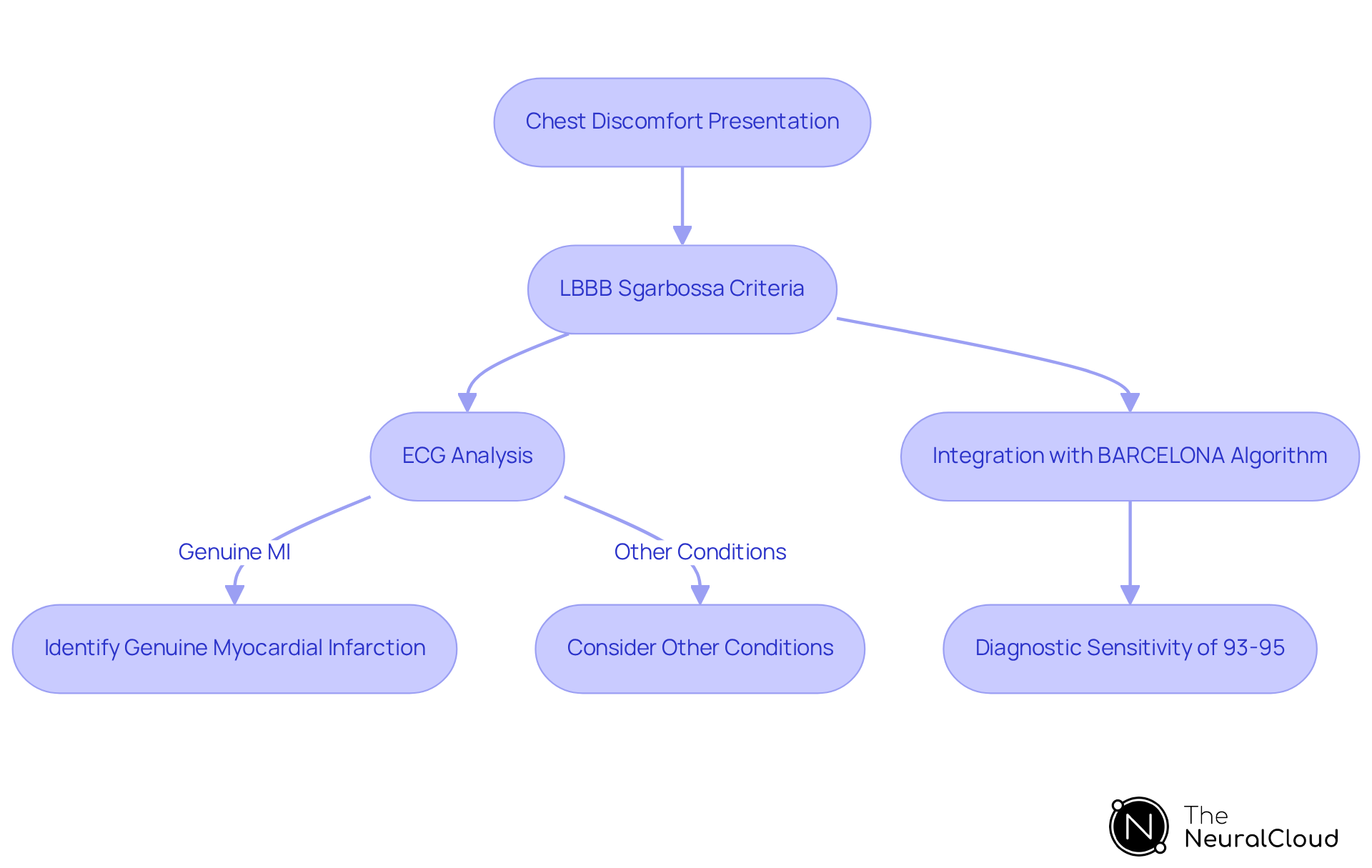
In clinical practice, the relevant guidelines, particularly the Sgarbossa Criteria, are crucial for cardiologists evaluating individuals with left bundle branch block (LBBB) who present with chest discomfort. These standards are essential for differentiating genuine myocardial infarction (MI) from other conditions that may resemble acute myocardial infarction (AMI). However, diagnosis can be challenging due to noisy recordings that obscure critical signals.
MaxYield, developed by Neural Cloud Solutions, addresses these challenges by transforming noisy recordings into clear signals. This cutting-edge AI technology enhances clarity and speed in analyses, allowing cardiologists to make more accurate diagnoses. By following the appropriate guidelines, healthcare professionals can significantly improve diagnostic accuracy, leading to prompt interventions that enhance individual outcomes.
Research indicates that the Smith-Modified Sgarbossa Criteria offer double the sensitivity in identifying occlusive myocardial infarction compared to conventional techniques. Additionally, cardiologists often utilize the Sgarbossa Criteria along with other diagnostic methods, such as the BARCELONA algorithm, which demonstrates a high sensitivity and a negative predictive value of 96%-97% in diagnosing AMI in individuals with LBBB. This integrated approach not only strengthens the decision-making process but also ensures that patients receive timely and effective treatment.
Ultimately, this optimizes patient care and enhances patient safety. Testimonials from healthcare professionals underscore the effectiveness of AI technology in improving diagnostic processes and overcoming inefficiencies, reinforcing its role as a gold standard methodology in cardiac care.
Sensitivity and Specificity of Sgarbossa Criteria: Evaluating Diagnostic Accuracy
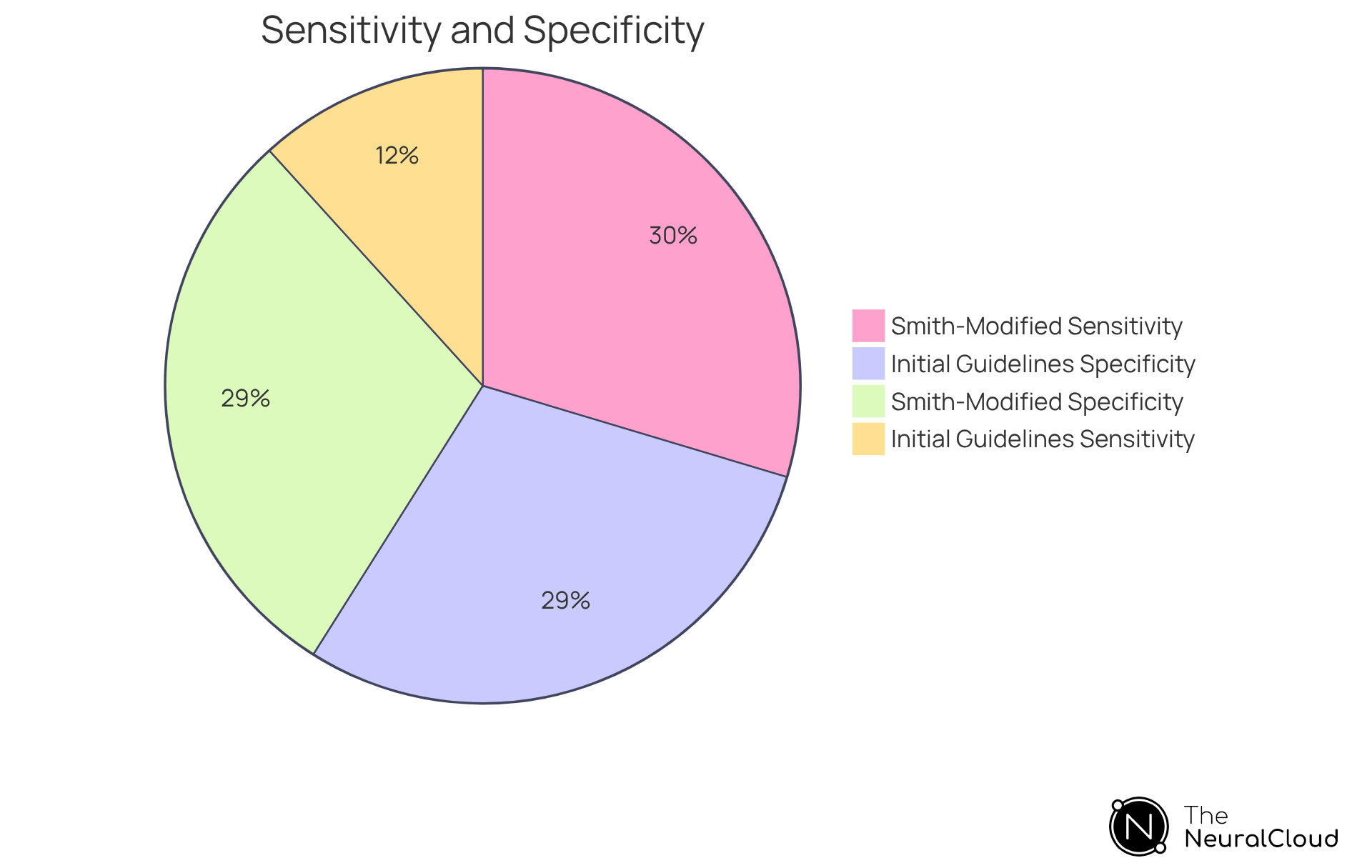
The initial guidelines demonstrate high specificity, reaching up to 90%, but their sensitivity is significantly low, approximately 36%, which can impede their utility in clinical settings based on the context. Conversely, the Smith-modified criteria greatly enhance sensitivity, achieving levels as high as 91% while maintaining specificity near 90%. This critical balance between sensitivity and specificity is essential for accurately diagnosing acute myocardial infarction (AMI) in patients with left bundle branch block (LBBB) following the Sgarbossa criteria, as it improves diagnosis and ensures reliable identification of true positives.
Recent assessments indicate that the revised standards possess a sensitivity exceeding 96%, underscoring their importance in situations where precise diagnosis is crucial. Additionally, the integration of Neural Cloud Solutions' technology addresses the limitations of the initial standards. MaxYield™ employs advanced algorithms and unique wave identification to improve the clarity of ECG signals, facilitating a more accurate application of the evaluation standards, especially in challenging scenarios where conventional methods may struggle. The continuous learning model of MaxYield™ evolves with each use, further enhancing both accuracy and efficiency in ECG analysis.
Furthermore, the initial guidelines exhibit a low positive predictive value of merely 4.6%, highlighting the substantial advancements achieved with the revised standards.
ECG Examples: Visualizing Sgarbossa Criteria in LBBB Cases
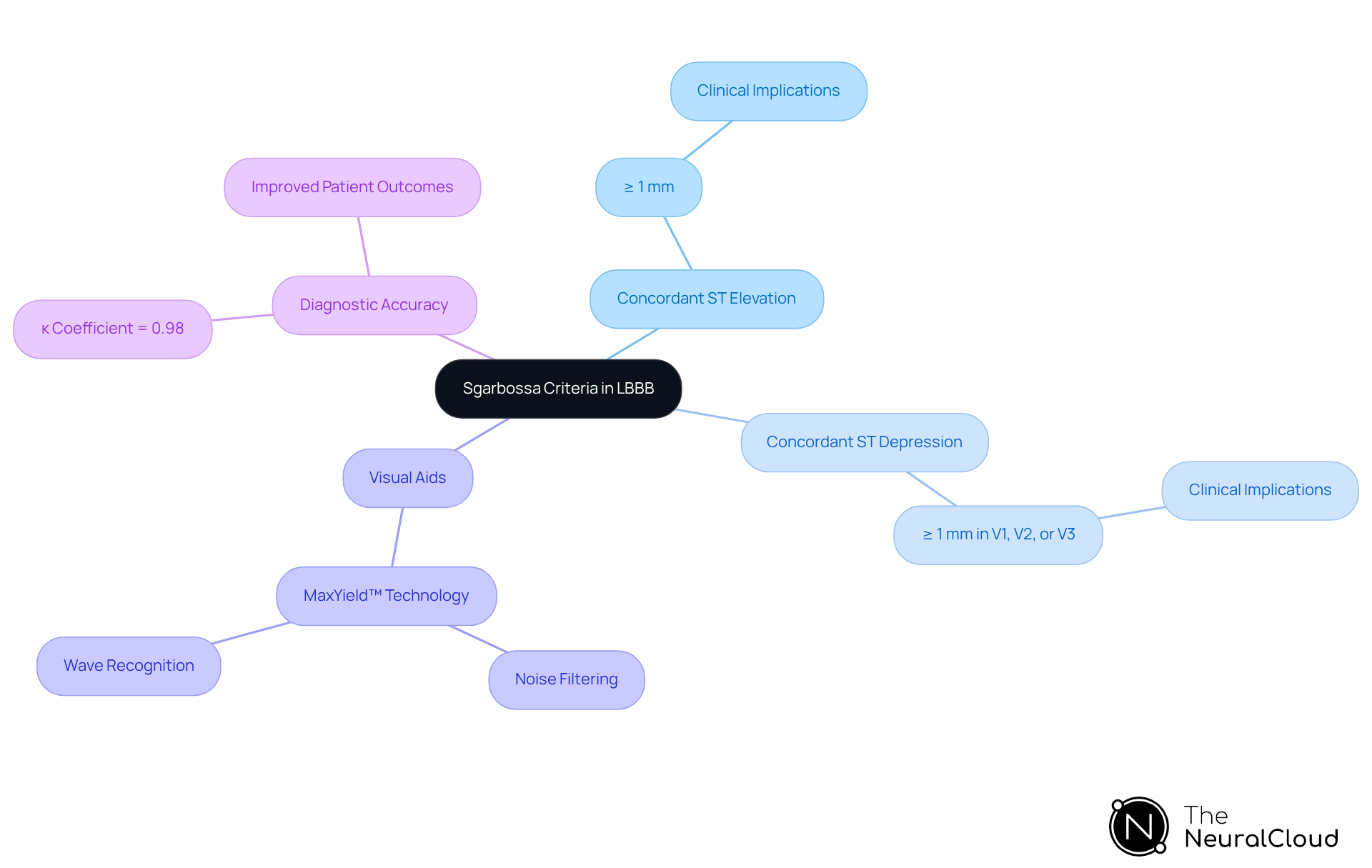
Visual aids are crucial for enhancing the comprehension of ECG readings that align with the Sgarbossa criteria, especially in the context of left bundle branch block (LBBB). The initial standards encompass specific measurements, such as:
- 'Concordant ST elevation ≥ 1 mm in V1, V2, or V3'
- 'Concordant ST depression ≥ 1 mm in V1, V2, or V3'
These measurements are vital for accurate interpretation based on the Sgarbossa criteria. For example, an ECG displaying ST-segment elevation in leads with a positive QRS complex can be annotated to clearly demonstrate how it meets these criteria. Additionally, cases illustrating discordant ST elevation in leads with negative QRS complexes effectively highlight the diagnostic significance of particular guidelines. These visual representations serve as practical references for cardiologists, facilitating more precise interpretations of ECGs in real-world clinical settings.
The effectiveness of the Sgarbossa criteria is supported by studies showing a high diagnostic accuracy, with a κ coefficient of 0.98. Moreover, the integration of MaxYield™, which utilizes advanced algorithms and distinct wave recognition, allows clinicians to swiftly isolate critical ECG waves, even in recordings with significant noise and artifacts. This capability not only enhances the accuracy of ECG interpretation but also underscores the importance of precise interpretation in improving patient outcomes.
In summary, the Sgarbossa criteria addresses the challenges faced in ECG interpretation by providing features that improve clarity and efficiency. By employing advanced technologies, it offers significant advantages to healthcare providers, ultimately leading to better patient care.
Challenges in Applying Sgarbossa Criteria: Navigating Common Pitfalls
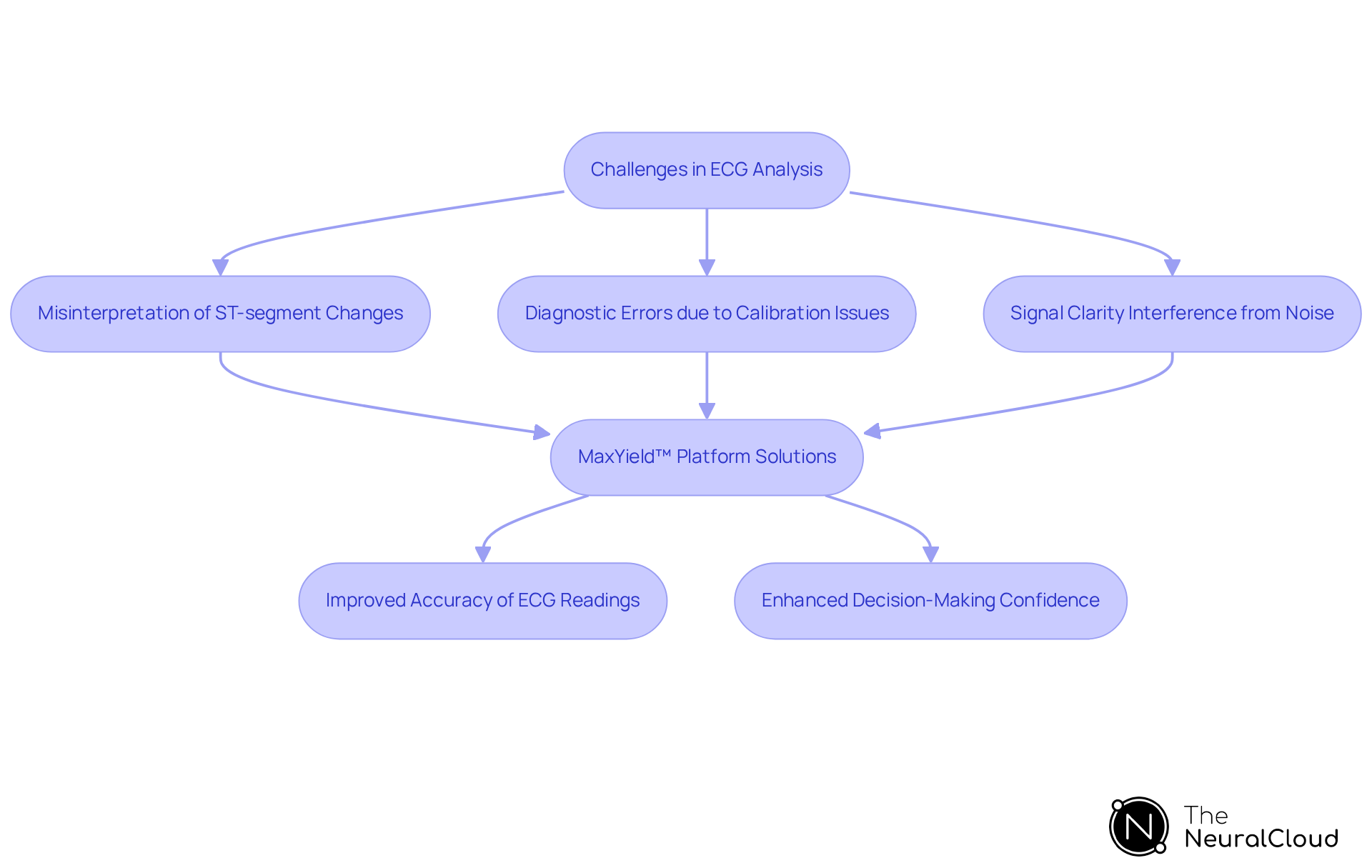
Despite their usefulness, guidelines present various challenges, particularly in the context of noisy ECG recordings. Misinterpretation due to overlapping conditions, such as pericarditis or early repolarization patterns, is a common pitfall. Reliance on specific measurements can result in errors or if noise interferes with signal clarity. Neural Cloud Solutions' technology effectively addresses these challenges by employing advanced algorithms and distinct wave recognition. This allows healthcare professionals to salvage previously obscured sections of lengthy Holter and patch monitor recordings.
The technology enhances the precision of ECG analysis by diminishing noise and signal artifacts that complicate the interpretation process. Furthermore, the MaxYield™ algorithm evolves with each use, continuously improving its accuracy and efficiency. This capability ensures that healthcare specialists can make informed decisions based on clearer data. Therefore, it is essential for practitioners to focus on identifying these pitfalls and utilizing the guidelines wisely, often in combination with the automated and flexible solutions offered by MaxYield™.
In summary, the technology not only improves diagnostic accuracy but also empowers healthcare professionals to navigate the complexities of ECG interpretation with greater confidence and efficiency.
Further Studies on Sgarbossa Criteria: Staying Informed for Better Patient Outcomes
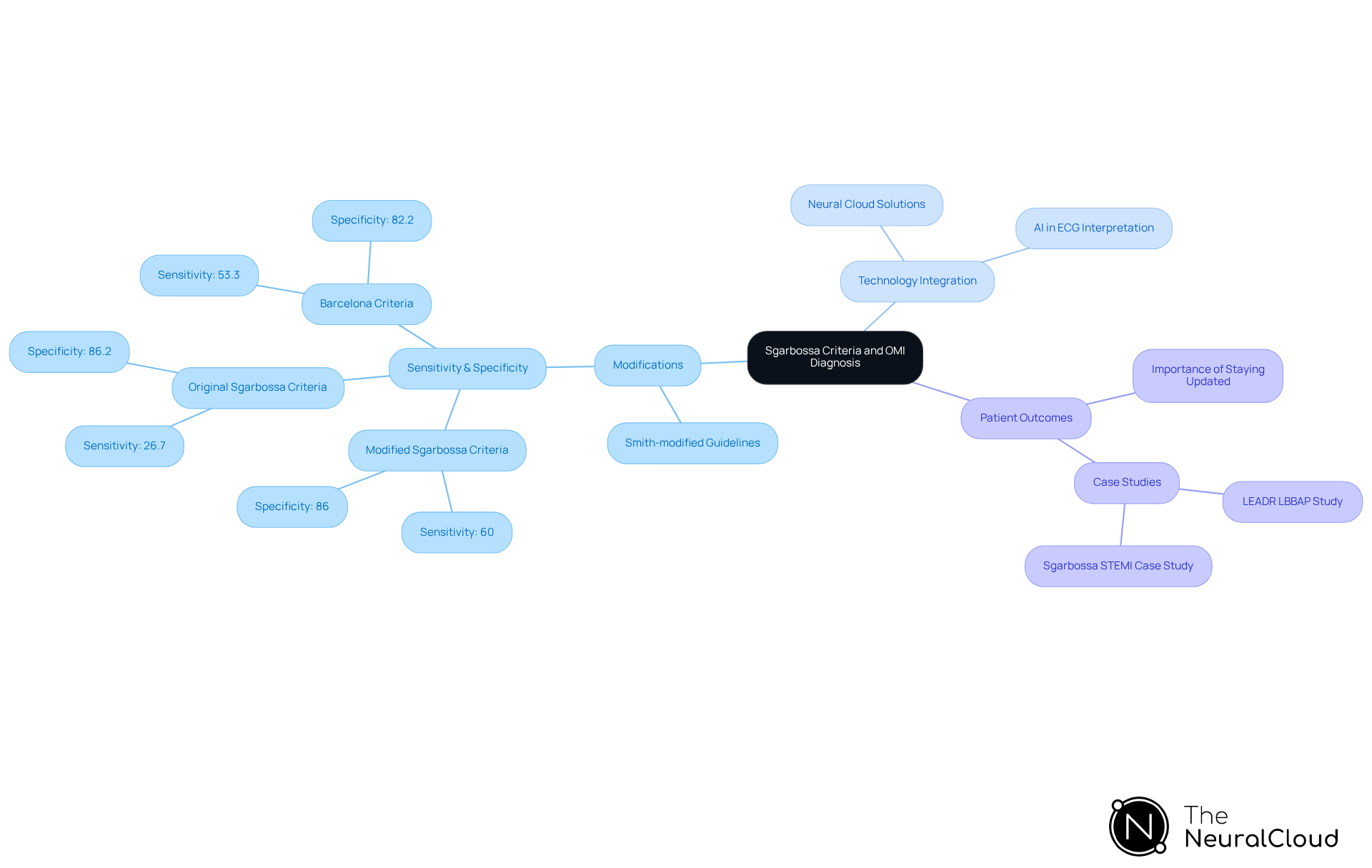
Continuous study of the standards is crucial for improving their application and increasing diagnostic precision for OMI. Recent studies have introduced modifications, including the Smith-modified guidelines, which replace the third absolute standard with a proportional one. This change significantly enhances both specificity and sensitivity for diagnosing OMI in individuals with left bundle branch block (LBBB) based on the criteria. This adaptation is vital, as roughly half of high-risk patients with OMI do not meet conventional STEMI standards, potentially delaying treatment.
The integration of advanced technologies, such as AI algorithms, is being explored to enhance the interpretation of ECGs. The system leverages cutting-edge AI technology and a Continuous Learning Model to transform lengthy and noisy ECG recordings into clean, crisp signals. This automation improves diagnostic efficiency. A study indicated that a new scoring system achieved a sensitivity of 60% and specificity of 86% for the adjusted standards, suggesting a promising direction for future diagnostic tools. Furthermore, the positive predictive values for various standards, including the original criteria (26.7% sensitivity and 86.2% specificity) and the Barcelona guidelines, were notably low in populations with a low prevalence of OMI. This emphasizes the need for ongoing enhancement in diagnostic criteria.
The 2023 European Society of Cardiology guidelines recommend prompt reperfusion therapy for individuals with OMI, underscoring the importance of timely intervention. Case studies highlight the significance of these modifications. One notable instance involved an individual with ventricular pacing, where the failure to utilize the relevant guidelines led to a delay in diagnosis and intervention, resulting in considerable morbidity. Fabrizio Ricci MD, PhD, noted that ongoing ischemia represents ongoing ischemia due to complete or near-complete occlusion of a coronary artery, necessitating immediate reperfusion. This underscores the essential requirement for healthcare practitioners to stay updated on recent studies and changes to the guidelines, ensuring the application of the criteria in clinical practice and ultimately leading to better patient outcomes.
Integrating AI in Sgarbossa Criteria Application: Enhancing Diagnostic Precision
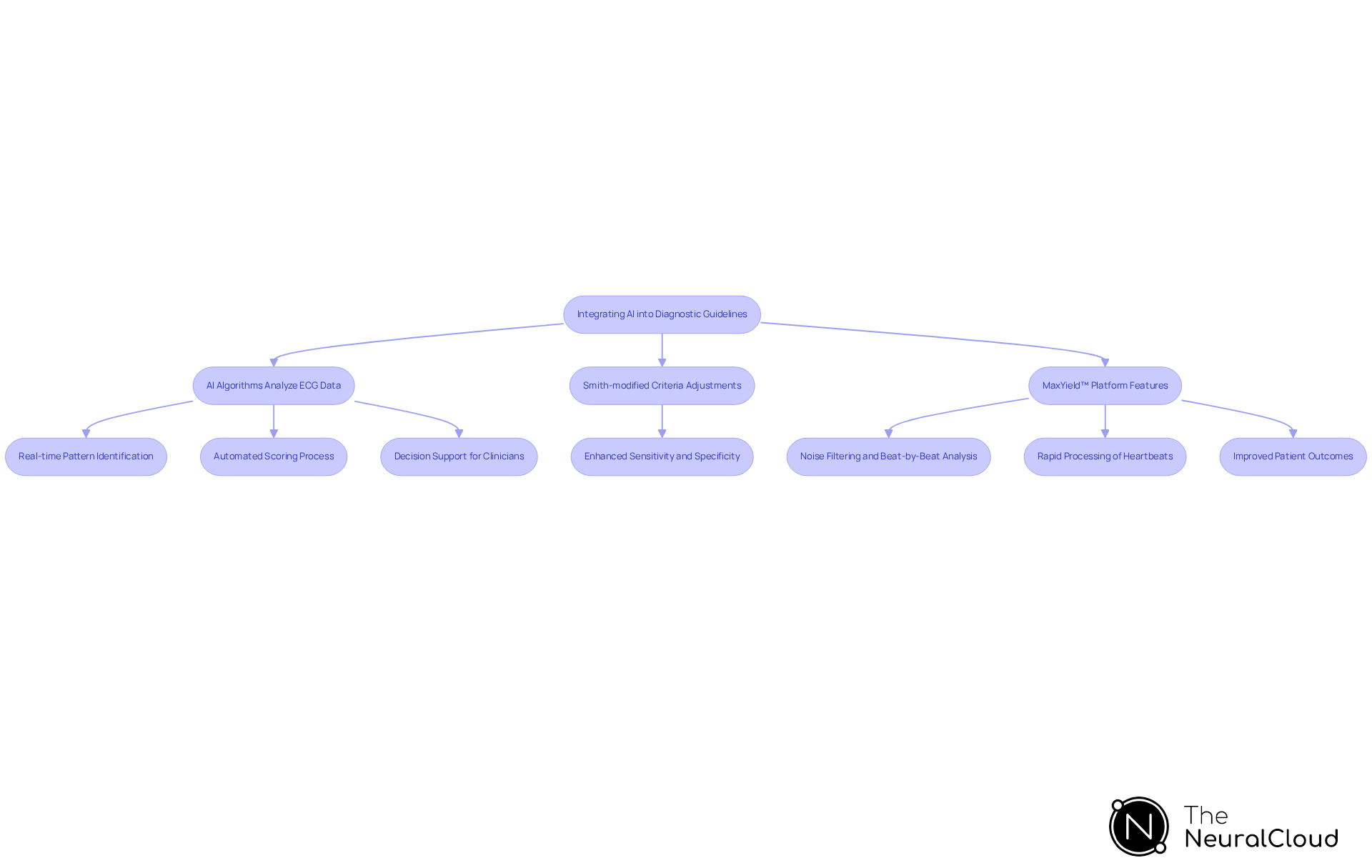
The incorporation of AI technologies into the application of Sgarbossa criteria is poised to significantly enhance diagnostic accuracy, skillfully identifying patterns that may escape even the most trained human interpreters. Notably, the Smith-modified criteria have improved sensitivity and specificity for diagnosing myocardial infarction (MI) by replacing the absolute 5 mm excessive discordant ST elevation standard with an ST segment to S-wave ratio of ≥0.25. By automating the scoring process and reducing human error, AI empowers clinicians to make more informed choices regarding patient care.
This technological advancement aligns seamlessly with health tech developers, who strive to create tools that not only improve diagnostics but also streamline clinical workflows. The solution from Neural Cloud Solutions exemplifies this progress by effectively mapping ECG signals through noise, delivering beat-by-beat analysis while isolating key features in each heartbeat, including P-wave, QRS complex, and T-wave onsets and offsets. With its advanced algorithms, MaxYield™ can process 200,000 heartbeats in under five minutes, significantly reducing false-positive results and bolstering the reliability of diagnoses.
As AI continues to evolve, its role in refining Sgarbossa criteria will be crucial for providing timely and efficient cardiac care. The capabilities of the technology, such as rapid processing and real-time analysis, offer distinct advantages for healthcare professionals, ensuring they can deliver optimal patient outcomes. By integrating these innovations, clinicians can enhance their diagnostic capabilities and improve overall patient care.
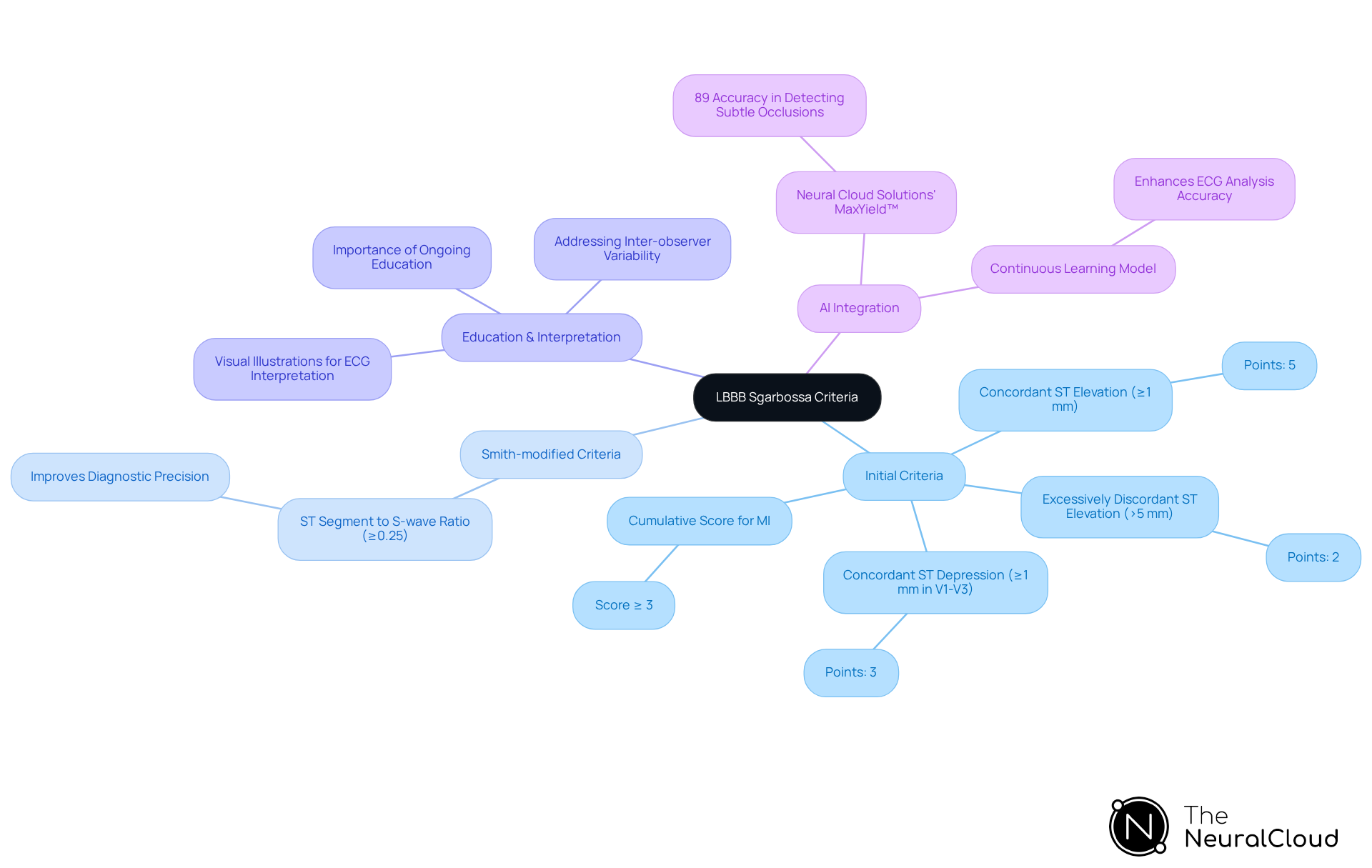
Key Insights on LBBB Sgarbossa Criteria: Essential Takeaways for Cardiologists
The Sgarbossa criteria are essential for identifying acute myocardial infarction (AMI) in individuals with left bundle branch block (LBBB). They address the challenges in ECG analysis through a systematic approach. Key insights include the following:
- The initial criteria serve as a fundamental instrument for diagnosis, featuring a ST elevation of 1 mm or greater earns 5 points, while concordant ST depression of 1 mm or greater in anterior leads earns 3 points. Excessively discordant ST elevation surpassing 5 mm earns 2 points. A cumulative score of 3 or more is considered positive for MI, providing high specificity and modest sensitivity for occlusive myocardial infarction (OMI).
- The Smith-modified criteria significantly enhance diagnostic accuracy by introducing a proportional ST segment to S-wave ratio of ≥0.25, making them a preferred choice in clinical practice.
- Ongoing education and visual illustrations are crucial for the effective application of the criteria. This ensures healthcare professionals can accurately interpret results and address issues such as inter-observer variability.
- The integration of artificial intelligence, particularly through MaxYield™, is revolutionizing the field of ECG interpretation. This Continuous Learning Model enhances ECG analysis accuracy and efficiency. Studies indicate that AI can outperform traditional methods, achieving approximately 89% accuracy in detecting subtle occlusions. This advancement allows for more reliable application of the Sgarbossa criteria in clinical settings.
By leveraging these insights, cardiologists can improve patient care and outcomes, particularly in complex cases involving LBBB. They can also benefit from the resources offered by educational platforms.
Conclusion
The application of the LBBB Sgarbossa criteria is essential for accurately diagnosing acute myocardial infarction (AMI) in patients with left bundle branch block. Challenges in ECG analysis can hinder timely diagnosis, but advanced technologies like Neural Cloud Solutions' MaxYield™ significantly enhance clarity and efficiency. This platform improves diagnostic precision and supports timely interventions, ultimately leading to better patient outcomes.
Key insights from the article highlight the importance of both the original and Smith-modified Sgarbossa criteria. The initial guidelines provide a foundational approach, while the modified standards enhance sensitivity and specificity, addressing the limitations of earlier methods. Furthermore, the role of AI in refining ECG interpretation empowers clinicians to make informed decisions based on clearer data, enhancing overall patient care.
As healthcare continues to evolve, it is crucial for cardiologists and health tech developers to stay informed about the latest advancements and modifications to the Sgarbossa criteria. Embracing these insights and utilizing cutting-edge tools like MaxYield™ enables professionals to navigate the complexities of cardiac diagnostics more effectively, ensuring that patients receive the highest standard of care. By leveraging these advancements, the healthcare community can foster improved outcomes and elevate the quality of cardiac care.
Frequently Asked Questions
What is the MaxYield™ platform and its purpose?
The MaxYield™ platform by Neural Cloud Solutions is designed to enhance ECG analysis, particularly for patients with left bundle branch block (LBBB) who meet the LBBB Sgarbossa criteria. It utilizes advanced AI algorithms and noise filtering methodologies to improve the clarity of ECG signals, enabling rapid and precise data interpretation.
How quickly can the MaxYield™ platform process ECG data?
The MaxYield™ platform can process over 200,000 heartbeats in less than five minutes, providing healthcare professionals with actionable insights to enhance diagnostic efficiency and accuracy.
What are some key features of the MaxYield™ platform?
Key features of the MaxYield™ platform include its device-agnostic nature, advanced noise reduction techniques, continuous learning model, and the ability to significantly increase diagnostic accuracy, achieving a positive predictive accuracy of 80% in identifying cardiovascular diseases.
What are the original Sgarbossa criteria for ECG interpretation in LBBB?
The original Sgarbossa criteria include three components: 1. ST-segment elevation of ≥ 1 mm in leads with a positive QRS complex. 2. ST-segment elevation of ≥ 5 mm in leads with a negative QRS complex. 3. ST-segment depression of ≥ 1 mm in leads V1, V2, or V3. A total score of 3 or more indicates high specificity for diagnosing acute myocardial infarction (AMI) in LBBB patients.
What are the limitations of the original Sgarbossa criteria?
The original Sgarbossa criteria have a relatively low sensitivity, historically around 33%, which has led to the development of newer algorithms, such as the Barcelona standards, that demonstrate improved sensitivity (93%) and specificity (94%) for diagnosing AMI in individuals with LBBB.
What are the Smith-modified Sgarbossa criteria?
The Smith-modified Sgarbossa criteria were developed to improve the sensitivity of diagnosing AMI in patients with LBBB. This modification introduces a scoring system that assesses the proportion of ST elevation relative to the preceding R-wave amplitude, achieving sensitivity levels of up to 91% while maintaining high specificity.
How does the MaxYield™ platform enhance the application of the Sgarbossa criteria?
The MaxYield™ platform integrates advanced noise filtering, artifact handling, and automated labeling technologies, which enhance the clarity of ECG signals. This improvement facilitates a more precise application of the evaluation standards, leading to better diagnostic outcomes in complex cases where physiological variability and signal artifacts may obscure critical information.
List of Sources
- Neural Cloud Solutions: MaxYield™ for Enhanced ECG Analysis in LBBB
- Major AI Health Partnership: MaxYield ECG Tech Powers Next-Gen Smart Ring Through Multi-Year License Deal (https://stocktitan.net/news/AIMLF/aiml-subsidiary-neural-cloud-signs-loi-with-circular-health-to-2oh9lpuw71dy.html)
- linkedin.com (https://linkedin.com/posts/steve-merson-01612160_neural-cloud-solutions-activity-7361061232927272960-qWVE)
- linkedin.com (https://linkedin.com/posts/steve-merson-01612160_neural-cloud-solutions-activity-7366846971073994753-YER0)
- theneuralcloud.com (https://theneuralcloud.com/post/7-key-benefits-of-ecg-ai-readers-for-enhanced-cardiac-diagnostics)
- Original Sgarbossa Criteria: Key Components for ECG Interpretation in LBBB
- New ECG Criteria for Acute Myocardial Infarction in Patients With Left Bundle Branch Block | Journal of the American Heart Association (https://ahajournals.org/doi/10.1161/JAHA.120.017119)
- ahajournals.org (https://ahajournals.org/doi/10.1161/JAHA.121.023275)
- Smith-Modified Sgarbossa Criteria: Advancements in LBBB ECG Assessment
- Sgarbossa Criteria: Diagnosing OMI on ECG (https://powerfulmedical.com/blog/sgarbossa-criteria)
- researchgate.net (https://researchgate.net/publication/325086454_P103_Performance_characteristics_of_the_modified_Sgarbossa_criteria_for_diagnosis_of_acute_coronary_occlusion_in_emergency_department_patients_with_ventricular_paced_rhythm_and_symptoms_of_acute_coron)
- STEMI Equivalents: Hidden Signs of Occlusion (https://powerfulmedical.com/blog/stemi-equivalents)
- litfl.com (https://litfl.com/sgarbossa-criteria-ecg-library)
- cureus.com (https://cureus.com/articles/342502-a-rare-case-of-st-elevation-myocardial-infarction-stemi-in-a-paced-rhythm-meeting-full-sgarbossa-criteria-in-a-61-year-old-male-with-complex-percutaneous-coronary-intervention-and-post-infarction-management-challenges)
- Clinical Applicability of Sgarbossa Criteria: Real-World Insights for Cardiologists
- New Electrocardiographic Algorithm for the Diagnosis of Acute Myocardial Infarction in Patients With Left Bundle Branch Block - PMC (https://pmc.ncbi.nlm.nih.gov/articles/PMC7660719)
- Sgarbossa Criteria: Diagnosing OMI on ECG (https://powerfulmedical.com/blog/sgarbossa-criteria)
- link.springer.com (https://link.springer.com/article/10.1007/s11886-025-02217-8)
- ahajournals.org (https://ahajournals.org/doi/10.1161/JAHA.121.023275)
- journalfeed.org (https://journalfeed.org/article-a-day/2021/modified-sgarbossa-criteria-for-ventricular-paced-rhythms)
- Sensitivity and Specificity of Sgarbossa Criteria: Evaluating Diagnostic Accuracy
- New algorithm effectively diagnoses acute MI in left bundle branch block (https://healio.com/news/cardiology/20200708/new-algorithm-effectively-diagnoses-acute-mi-in-left-bundle-branch-block)
- cureus.com (https://cureus.com/articles/342502-a-rare-case-of-st-elevation-myocardial-infarction-stemi-in-a-paced-rhythm-meeting-full-sgarbossa-criteria-in-a-61-year-old-male-with-complex-percutaneous-coronary-intervention-and-post-infarction-management-challenges)
- litfl.com (https://litfl.com/sgarbossa-criteria-ecg-library)
- pubmed.ncbi.nlm.nih.gov (https://pubmed.ncbi.nlm.nih.gov/37931659)
- ECG Examples: Visualizing Sgarbossa Criteria in LBBB Cases
- New ECG Criteria for Acute Myocardial Infarction in Patients With Left Bundle Branch Block | Journal of the American Heart Association (https://ahajournals.org/doi/10.1161/JAHA.120.017119)
- ecgstampede.com (https://ecgstampede.com/glossary/sgarbossa-criteria)
- STEMI Equivalents: Hidden Signs of Occlusion (https://powerfulmedical.com/blog/stemi-equivalents)
- Sgarbossa Criteria: Diagnosing OMI on ECG (https://powerfulmedical.com/blog/sgarbossa-criteria)
- sciencedirect.com (https://sciencedirect.com/science/article/pii/S0196064424012502)
- Challenges in Applying Sgarbossa Criteria: Navigating Common Pitfalls
- Sgarbossa Criteria: Diagnosing OMI on ECG (https://powerfulmedical.com/blog/sgarbossa-criteria)
- journalfeed.org (https://journalfeed.org/article-a-day/2019/enhancing-sgarbossa-criteria-for-stemi)
- emra.org (https://emra.org/emresident/article/ecg-challenge-july-aug-sept-2024)
- pubmed.ncbi.nlm.nih.gov (https://pubmed.ncbi.nlm.nih.gov/11073474)
- ahajournals.org (https://ahajournals.org/doi/10.1161/JAHA.123.029728)
- Further Studies on Sgarbossa Criteria: Staying Informed for Better Patient Outcomes
- pmc.ncbi.nlm.nih.gov (https://pmc.ncbi.nlm.nih.gov/articles/PMC12046771)
- sciencedirect.com (https://sciencedirect.com/science/article/pii/S0196064424012502)
- internationaljournalofcardiology.com (https://internationaljournalofcardiology.com/article/S0167-5273(23)01631-5/fulltext)
- Late-Breaking Clinical Trials at Heart Rhythm 2025 Showcase Promising Outcomes for Left Bundle Branch Area Pacing in Heart Failure Treatment - HRS (https://hrsonline.org/news/lcbt-showcase-promising-outcomes-left-bundle-branch-area-pacing)
- healthcare-bulletin.co.uk (https://healthcare-bulletin.co.uk/article/comparison-of-barcelona-criteria-and-modified-sgarbossa-criteria-for-the-diagnosis-of-acute-myocardial-infarction-in-patients-with-left-bundle-branch-block-2553)
- Integrating AI in Sgarbossa Criteria Application: Enhancing Diagnostic Precision
- Sgarbossa Criteria: Diagnosing OMI on ECG (https://powerfulmedical.com/blog/sgarbossa-criteria)
- reuters.com (https://reuters.com/business/healthcare-pharmaceuticals/health-rounds-ai-expands-usefulness-common-heart-test-2025-07-18)
- cureus.com (https://cureus.com/articles/376607-investigating-the-efficacy-of-ai-powered-innovations-in-ecg-analysis-and-continuous-heart-monitoring-a-comprehensive-narrative-review)
- infomeddnews.com (https://infomeddnews.com/ai-detection-of-stemi-equivalents-a-breakthrough-in-emergency-cardiac-care)
- acc.org (https://acc.org/About-ACC/Press-Releases/2025/03/29/17/21/AI-Model-Shows-High-Accuracy)
- Key Insights on LBBB Sgarbossa Criteria: Essential Takeaways for Cardiologists
- Sgarbossa Criteria: Diagnosing OMI on ECG (https://powerfulmedical.com/blog/sgarbossa-criteria)
- STEMI Equivalents: Hidden Signs of Occlusion (https://powerfulmedical.com/blog/stemi-equivalents)
- healthcare-bulletin.co.uk (https://healthcare-bulletin.co.uk/article/comparison-of-barcelona-criteria-and-modified-sgarbossa-criteria-for-the-diagnosis-of-acute-myocardial-infarction-in-patients-with-left-bundle-branch-block-2553)
- litfl.com (https://litfl.com/sgarbossa-criteria-ecg-library)