Introduction
Wide complex tachycardia (WCT) poses significant challenges in cardiac care, with the potential to lead to life-threatening complications. Healthcare professionals face the complexities of accurate diagnosis and effective treatment strategies. However, advancements in technology, particularly in ECG analysis, have emerged as transformative solutions. This article explores ten key insights into the latest approaches for managing WCT, emphasizing how innovative tools like the MaxYield™ platform are reshaping clinical practice.
What critical strategies can enhance patient outcomes and streamline decision-making in the context of this intricate condition?
Neural Cloud Solutions: Advanced ECG Analysis for Wide Complex Tachycardia Treatment
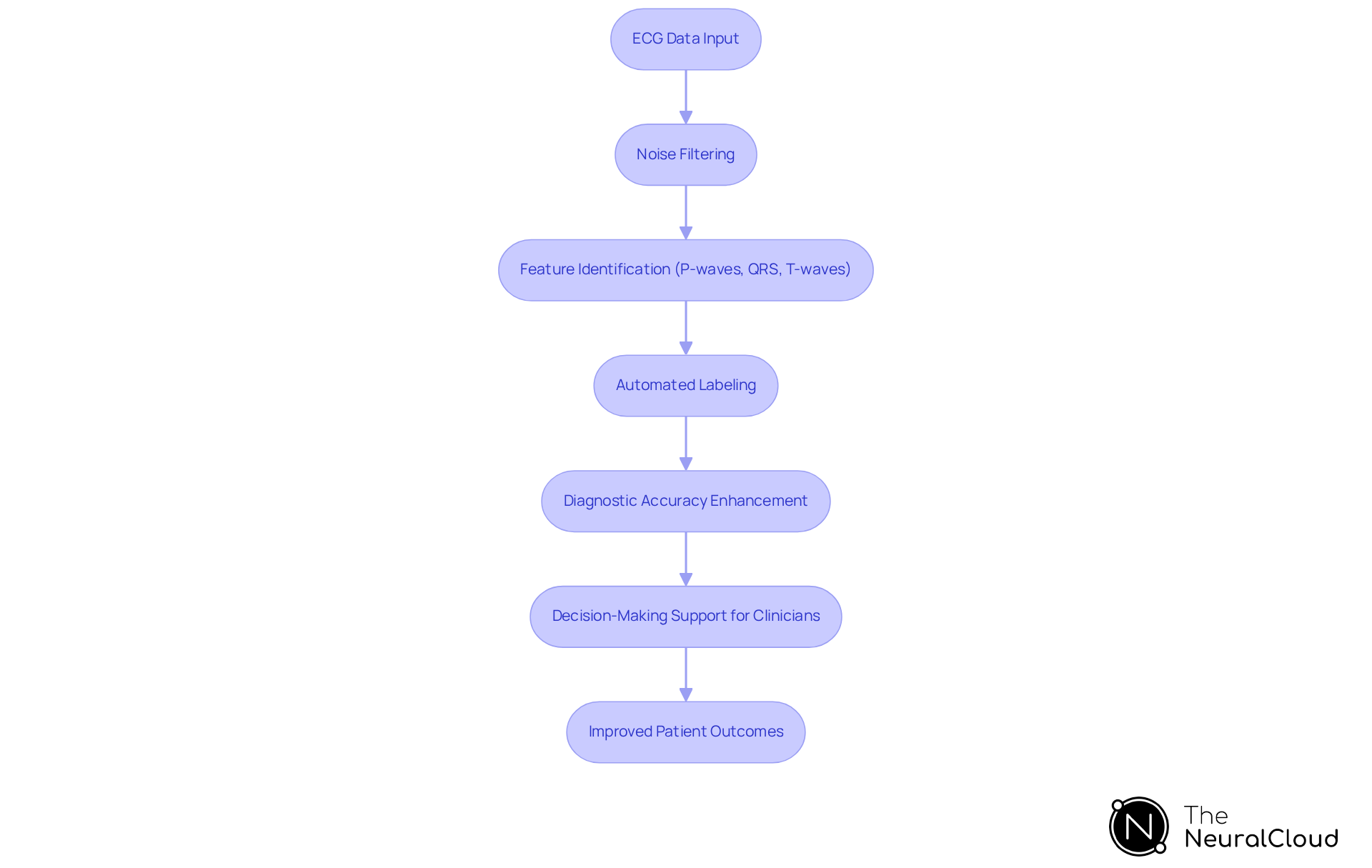
Neural Cloud Solutions' system addresses significant challenges in wide complex tachycardia, particularly in the context of ECG analysis. This innovative platform utilizes machine learning and automation to efficiently identify and label crucial features within ECG data, such as arrhythmias. Remarkably, it achieves this even in recordings plagued by high levels of noise and artifacts. As a result, diagnostic accuracy is notably enhanced, and the decision-making process for clinicians is expedited.
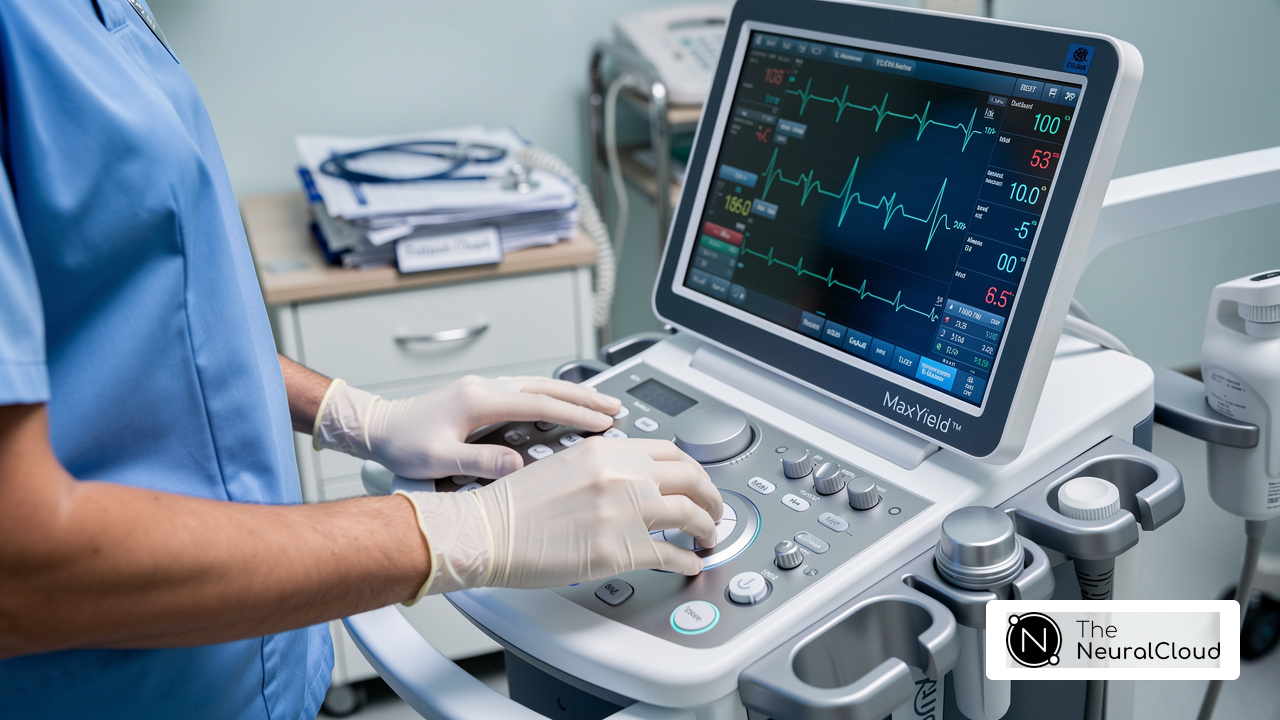
One of the standout features of the MaxYield™ platform is its ability to process over 200,000 heartbeats in under five minutes. This efficiency allows healthcare professionals to concentrate on developing treatment plans, rather than becoming overwhelmed by manual analysis. Furthermore, the platform's continuous learning model ensures that both its accuracy and efficiency improve over time, ultimately contributing to better patient outcomes in critical cases.
Additionally, MaxYield™ excels in salvaging previously obscured sections of lengthy ECG recordings. This capability addresses common challenges in data interpretation, significantly enhancing workflow efficiency for healthcare providers. By streamlining the analysis process, MaxYield™ not only improves the accuracy of ECG evaluations but also fosters a more effective clinical environment, allowing for timely and informed patient care.
Distinguish VT from SVT: Key Principles for Accurate Diagnosis
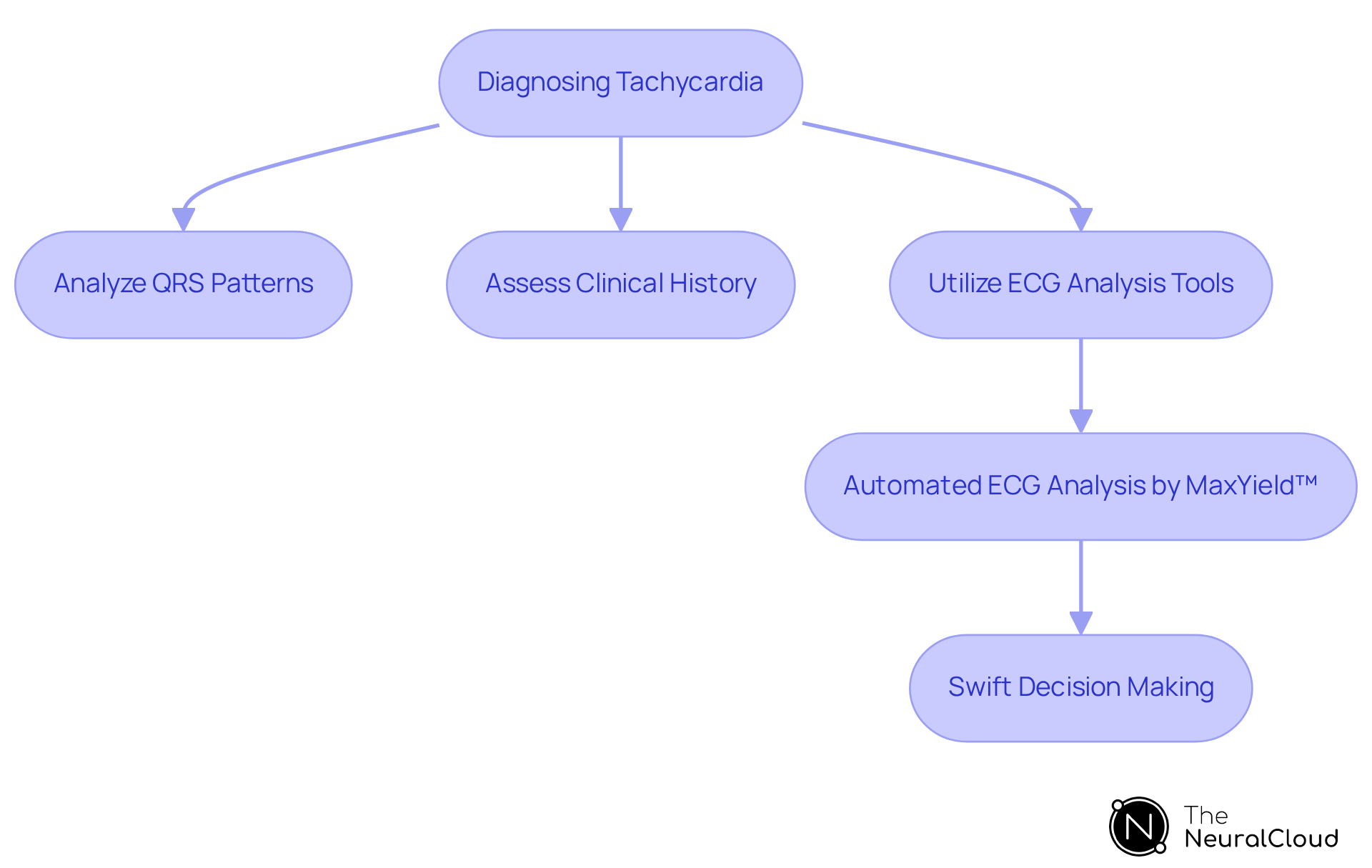
The precise diagnosis of wide-ranging tachycardia requires a clear differentiation between ventricular tachycardia (VT) and supraventricular tachycardia (SVT). A thorough examination involves:
- Analyzing the morphology of QRS patterns
- Assessing the patient's clinical history
- Utilizing advanced diagnostic tools
The technology from this system significantly enhances this process by automating the labeling of critical features, such as:
- P-wave
- T-wave onsets and offsets
This innovative system processes 200,000 heartbeats in under five minutes, enabling clinicians to make swift, informed decisions. Consequently, this leads to improved accuracy and better patient outcomes.
Acute Management Strategies for Wide Complex Tachycardia
The situation necessitates immediate assessment and intervention. Challenges in ECG analysis can hinder timely decision-making, making it crucial to utilize advanced tools. The platform addresses these challenges by offering automated, precise, and scalable ECG analysis. Features of MaxYield™ include:
- Real-time monitoring of cardiac rhythm
This enables clinicians to transform noisy recordings into clear insights, ensuring accurate diagnoses.
Advantages of using MaxYield™ are significant. With the ability to analyze 200,000 heartbeats in under 5 minutes, it aids confident clinical decisions during critical moments. The platform's technology enhances the accuracy of ECG interpretations, which is vital in the acute management of wide complex tachycardia. By streamlining the analysis process, MaxYield™ empowers healthcare professionals to make timely interventions.
In summary, MaxYield™ is an essential tool in the management of wide complex tachycardia, providing features that improve diagnostic capabilities. Its advantages include improved clarity, speed, and reliability in monitoring cardiac rhythms, ultimately leading to better patient outcomes. The integration of such advanced technology into clinical practice can transform the approach to managing tachycardia effectively.
Long-Term Management of Wide Complex Tachycardia Patients
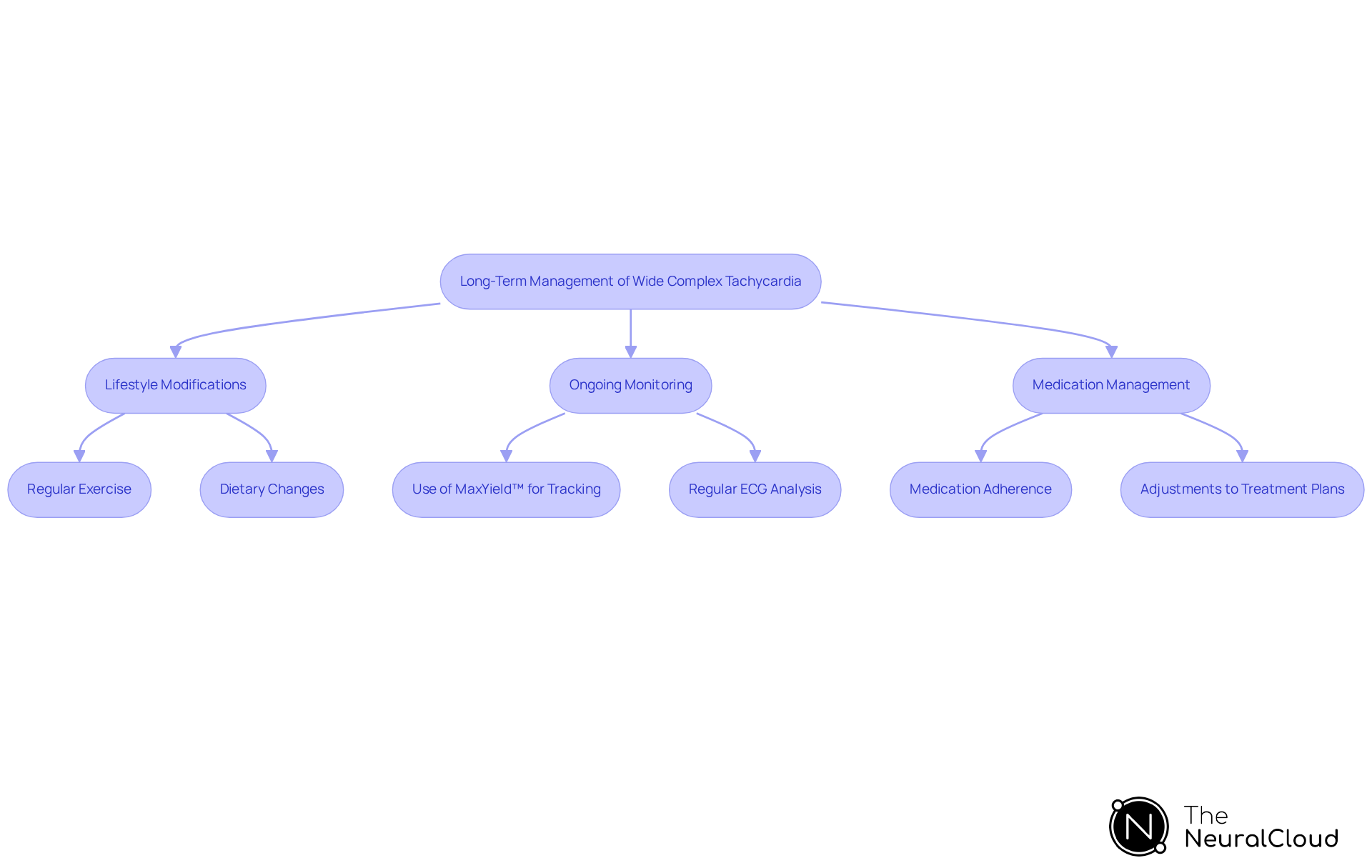
Long-term management of patients with wide complex tachycardia treatment presents challenges that necessitate careful monitoring, lifestyle modifications, and medication management. The system addresses these challenges with advanced features such as sophisticated noise filtering and real-time data analysis. These capabilities significantly enhance decision-making for healthcare professionals. Regular follow-ups using the MaxYield™ system facilitate precise tracking of changes in a patient's cardiac health, allowing for timely adjustments to treatment plans. This proactive approach not only improves patient care but also supports confident clinical decision-making by providing accurate data and ensuring signal clarity.
Etiology of Wide Complex Tachycardia: Understanding Causes for Better Treatment
Effective treatment is necessary as this condition can arise from various etiologies, such as ischemic heart disease, cardiomyopathy, and electrolyte imbalances. The platform addresses the challenges of diagnosis by allowing clinicians to more effectively evaluate patients. This platform features advanced algorithms and real-time monitoring, which enhance the accuracy of the data processed. Specifically, it facilitates beat-by-beat analysis, processing up to 200,000 heartbeats in under 5 minutes. This capability enables the isolation and labeling of key features in each heartbeat, providing clinicians with critical insights. Consequently, healthcare professionals can tailor treatment strategies for patients based on these insights, ultimately enhancing diagnostic yield and supporting confident clinical decision-making.
Essential Diagnostic Maneuvers for Evaluating Wide Complex Tachycardia
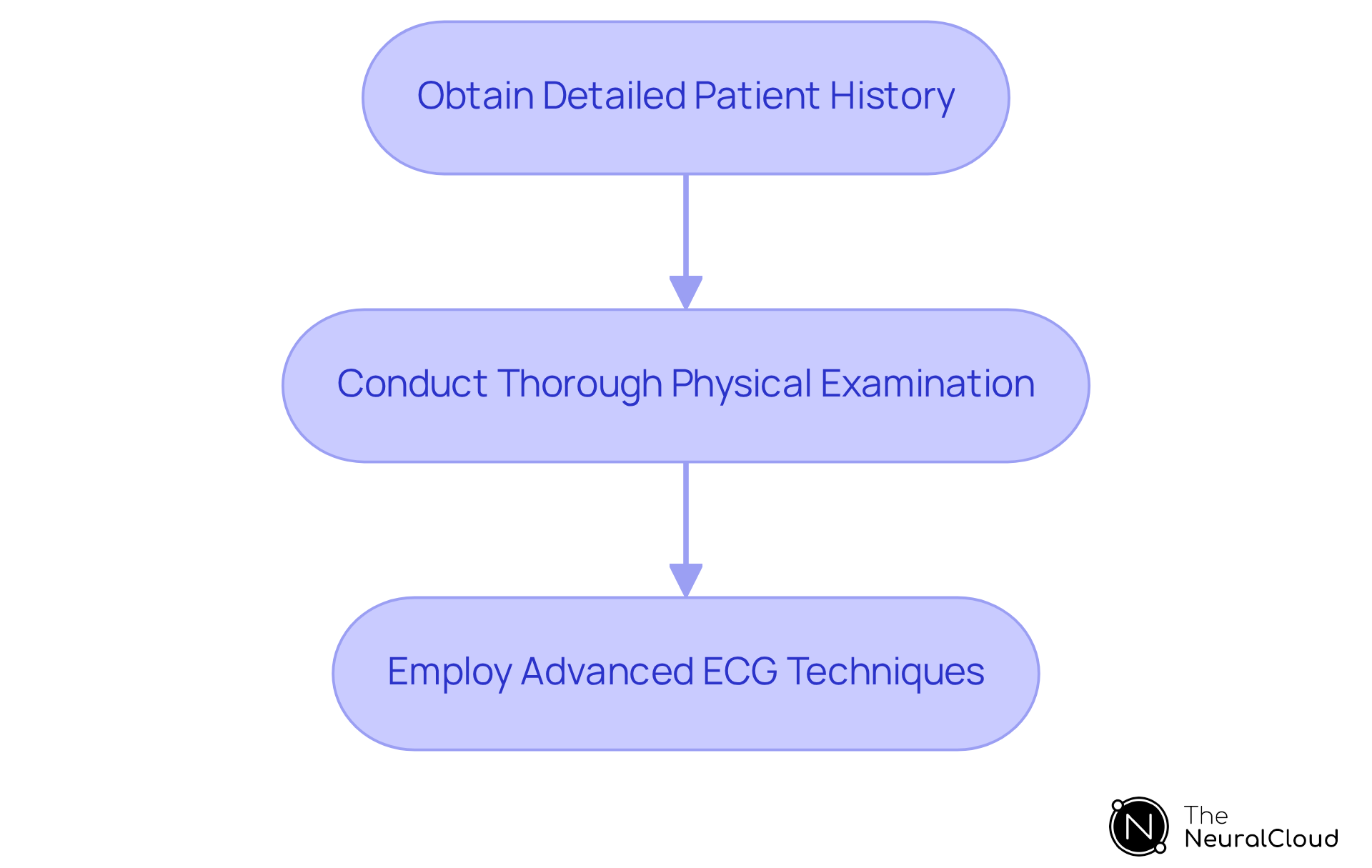
Essential diagnostic maneuvers for evaluating wide complex tachycardia treatment encompass:
- Obtaining a detailed patient history
- Conducting a thorough physical examination
- Employing advanced ECG analysis
These maneuvers are critical in addressing the complexities associated with wide complex tachycardia. The technology enhances this diagnostic process by providing insights derived from ECG data. This capability enables clinicians to make informed decisions swiftly, ultimately improving patient outcomes.
History and Physical Exam: Foundations for Diagnosing Wide Complex Tachycardia
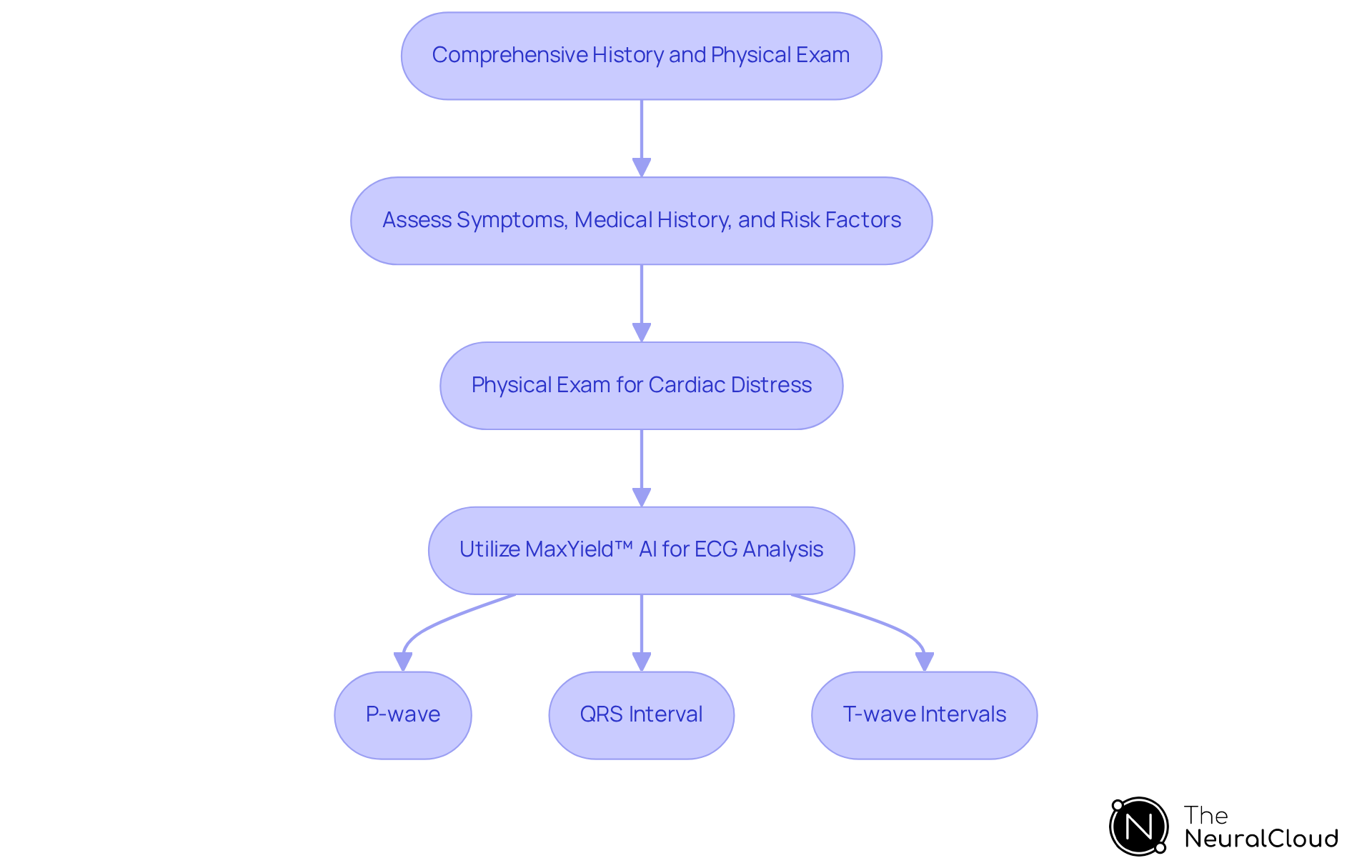
A comprehensive history and physical examination are essential for diagnosing wide complex tachycardia. Clinicians should assess the patient's symptoms, medical history, and risk factors while performing a physical exam to identify signs of arrhythmia.
The technology addresses the challenges in ECG analysis by utilizing advanced AI technology to convert noisy ECG recordings into clear, precise signals. This tool offers beat-by-beat analysis, delivering insights on key features such as:
- T-wave intervals
By incorporating these insights, healthcare professionals can enhance the diagnostic process and gain a comprehensive view of the patient's cardiac health. This ultimately supports treatment decisions and improves outcomes.
Complications of Wide Complex Tachycardia: Risks and Management
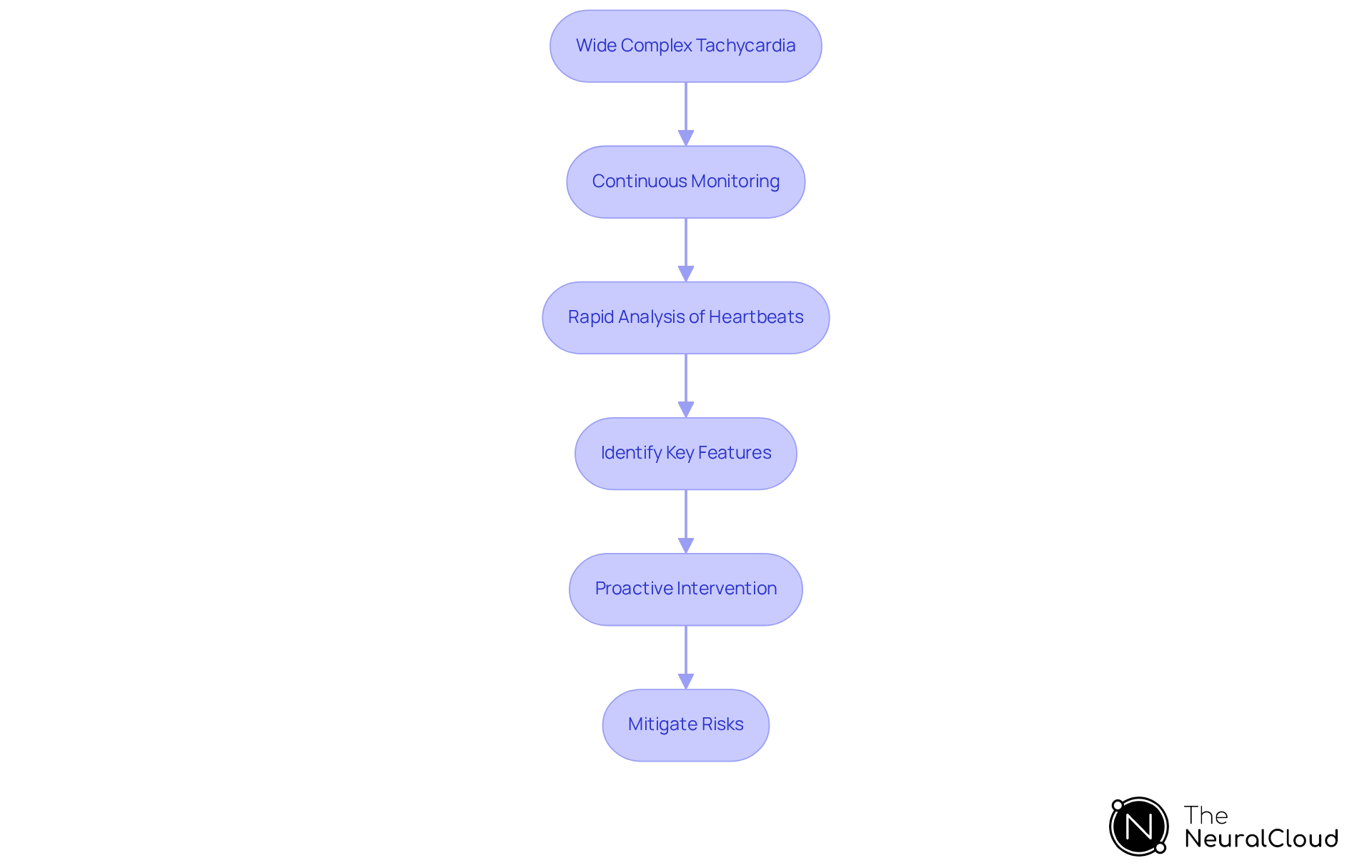
Wide complex tachycardia poses significant challenges, potentially leading to serious complications such as heart failure, stroke, and sudden cardiac arrest. Effective management of this condition necessitates continuous monitoring and timely intervention, especially regarding patient safety. The technology addresses these challenges by providing advanced noise reduction and automation. This technology enables the rapid analysis of 200,000 heartbeats in under 5 minutes.
By isolating and labeling key features in every heartbeat, the MaxYield™ system empowers healthcare providers to identify early signs of complications. This proactive approach allows for timely interventions. The functionality of the platform not only tackles issues like physiological variability and signal artifacts but also bolsters clinical decision-making. By delivering critical insights, the platform supports healthcare professionals in making informed choices regarding patient care.
Prognosis of Wide Complex Tachycardia: What Patients Should Know
The prognosis of wide complex tachycardia presents significant challenges, varying based on the underlying cause and the effectiveness of treatment strategies. Patients must be informed about their condition, including potential risks and the critical importance of adhering to treatment plans.
The platform offers resources, which can assist healthcare professionals in enhancing long-term outcomes. By utilizing this platform, practitioners can improve patient care, leading to better results.

Recent Advances in Wide Complex Tachycardia Treatment: Research Insights
Recent advances in technology present significant challenges in ECG analysis, particularly due to physiological variability and signal artifacts. Innovative solutions are essential to enhance and improve patient monitoring.
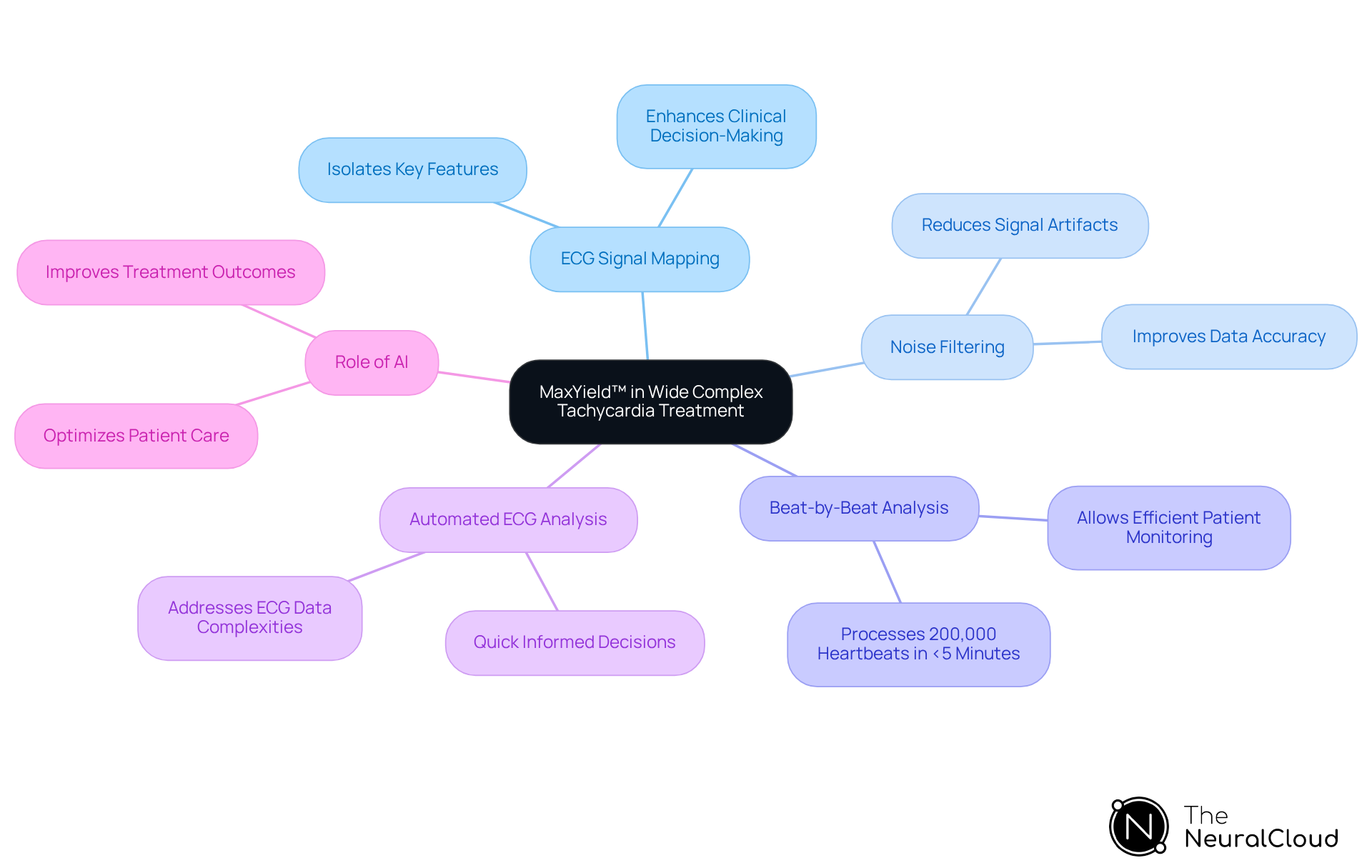
One such solution is the MaxYield™ platform, which offers advanced features for ECG signal mapping. This platform effectively filters noise and isolates key features in every heartbeat. By processing 200,000 heartbeats in less than 5 minutes, MaxYield™ provides beat-by-beat analysis, allowing healthcare professionals to monitor patients more efficiently.
The advantages of using MaxYield™ are substantial. With its advanced analytics, healthcare providers can make informed decisions quickly, addressing the complexities of ECG data with greater accuracy. This integration of technology not only enhances the quality of care but also streamlines workflows in clinical settings.
Staying informed about these advancements, particularly the role of AI in monitoring and management, is crucial for healthcare professionals. By leveraging tools like MaxYield™, practitioners can optimize patient care and significantly improve outcomes.
Conclusion
The management of wide complex tachycardia is undergoing rapid evolution, propelled by technological advancements and a deeper understanding of the condition. The integration of innovative platforms like MaxYield™ has revolutionized ECG analysis, enabling healthcare professionals to diagnose and treat this complex condition with unmatched accuracy and speed. By automating the identification of critical ECG features and enhancing diagnostic clarity, these tools are vital for improving patient outcomes.
Key insights throughout the article emphasize the importance of:
- Distinguishing between ventricular tachycardia (VT) and supraventricular tachycardia (SVT)
- The acute management strategies that utilize real-time monitoring
- The significance of long-term patient management
The capacity to process vast amounts of ECG data swiftly not only streamlines workflows but also empowers clinicians to make informed decisions that can profoundly impact patient care.
As the landscape of wide complex tachycardia treatment continues to progress, embracing these technological advancements is essential. Healthcare providers are encouraged to remain informed about the latest research and innovations to optimize their approaches. By leveraging advanced ECG analysis and adopting a proactive stance in patient management, the medical community can refine treatment strategies, ultimately leading to improved health outcomes for patients facing the challenges of wide complex tachycardia.
Frequently Asked Questions
What is the primary function of Neural Cloud Solutions' ECG analysis system?
The primary function is to efficiently identify and label crucial features within ECG data, such as P-waves, QRS complexes, and T-waves, particularly in the context of wide complex tachycardia treatment.
How does the MaxYield™ platform enhance diagnostic accuracy?
MaxYield™ enhances diagnostic accuracy by utilizing advanced noise filtering and automation to analyze ECG recordings, even those with high levels of noise and artifacts.
What is the processing capability of the MaxYield™ platform?
The MaxYield™ platform can process over 200,000 heartbeats in under five minutes.
How does the MaxYield™ platform improve the workflow for healthcare providers?
It salvages previously obscured sections of lengthy Holter, 1-Lead, and patch monitor recordings, significantly enhancing workflow efficiency and allowing for timely and informed patient care.
What are the key principles for accurately distinguishing between VT and SVT?
The key principles include analyzing the morphology of QRS patterns, assessing the patient's clinical history, and utilizing advanced ECG analysis tools.
How does the MaxYield™ system assist in differentiating VT from SVT?
It automates the labeling of critical ECG characteristics, such as P-waves, QRS intervals, and T-wave onsets and offsets, facilitating accurate diagnosis.
What are the advantages of using the MaxYield™ platform in the acute management of wide complex tachycardia?
Advantages include real-time monitoring of cardiac rhythm, advanced noise reduction capabilities, improved clarity, speed, and reliability in ECG analysis, leading to better patient outcomes.
Why is timely intervention crucial in the management of wide complex tachycardia?
Timely intervention is crucial because challenges in ECG analysis can hinder decision-making, making it essential to utilize advanced tools like MaxYield™ to ensure accurate and swift assessments.