Introduction
The accuracy of electrocardiogram (ECG) readings significantly impacts patient care; however, improper electrode placement continues to be a widespread challenge in clinical environments. The integration of advanced technologies, such as Neural Cloud Solutions' MaxYield™ platform, equips healthcare professionals with tools that enhance the precision of electrode positioning and streamline the entire ECG process.
Despite these innovations, a critical question arises: how can practitioners consistently implement best practices for electrode placement to prevent potentially critical diagnostic errors? This article examines seven key strategies that empower healthcare providers to optimize ECG electrode placement, ultimately leading to improved patient outcomes.
Neural Cloud Solutions: MaxYield™ for Enhanced ECG Electrode Placement Accuracy
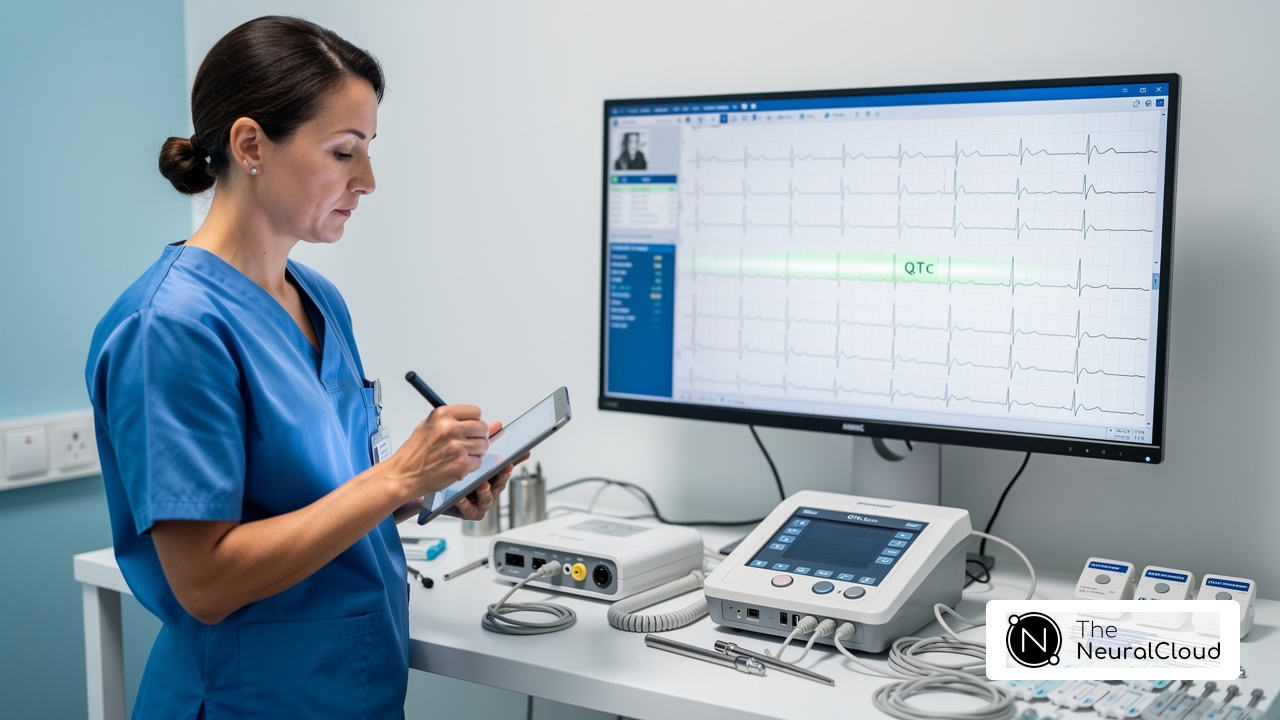
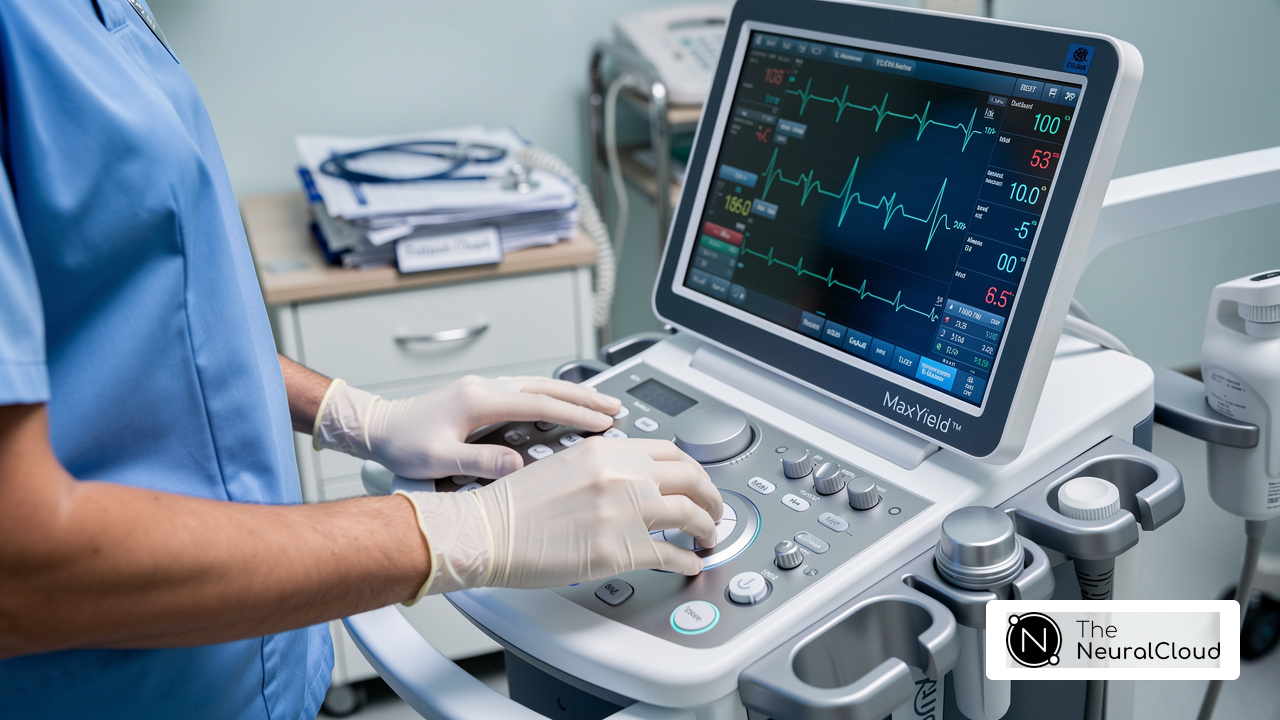
The platform from Neural Cloud Solutions revolutionizes ECG analysis by automating the process, which leads to improved accuracy. This platform employs algorithms that ensure optimal placement, thereby reducing the risk of misalignment that can compromise the precision of readings. One of its key features is the signal enhancement tool, which enhances the clarity of ECG signals. Additionally, it streamlines workflows, enabling healthcare professionals to focus on patient care rather than manual adjustments.
MaxYield™ can analyze 200,000 heartbeats in under five minutes, highlighting its remarkable speed and efficiency. Studies indicate that the precision of ECG readings has significantly improved, with results comparable to traditional techniques. Cardiologists have recognized the integration of AI in ECG analysis as a breakthrough, addressing a primary challenge in digital health—delivering clearer ECG signals in noisy, real-world settings.
This platform exemplifies how technology can enhance diagnostic accuracy, ultimately resulting in faster and more reliable cardiac evaluations. The benefits of MaxYield™ extend beyond technical enhancements; they empower healthcare professionals to provide higher-quality care, ensuring that patients receive accurate and timely assessments.
Understand Proper Electrode Placement Techniques for Accurate ECG Results
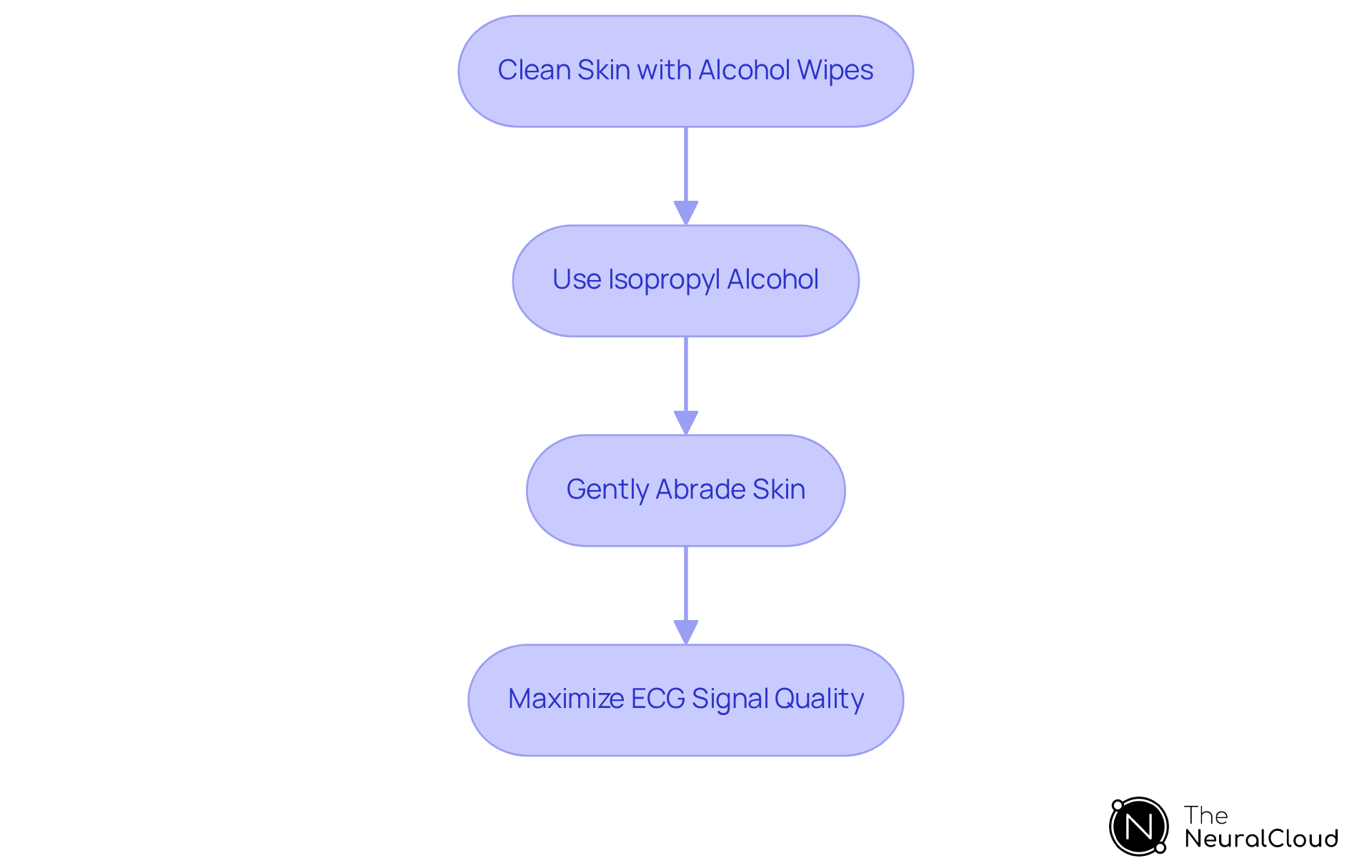
To obtain precise ECG outcomes, it is essential to adhere to established techniques for electrode placement. The process requires specific guidelines for both limb and chest leads. For instance, the placement for limb leads should be done on the wrists and ankles, while chest leads must be positioned according to anatomical landmarks, such as the Angle of Louis and the clavicular method. Healthcare professionals must be familiar with these techniques to ensure accuracy through proper placement.
Recent studies suggest that improper placement can lead to notable diagnostic mistakes, with up to 64% of nurses incorrectly positioning leads and fewer than 20% of cardiologists accurately placing V1 and V2 sensors. This highlights the necessity for ongoing training and adherence to guidelines to improve accuracy.
Successful applications of standard positioning techniques, particularly in clinical environments, have shown enhanced outcomes for patients, emphasizing the significance of training and adherence. By ensuring proper placement, clinicians can minimize artifacts and enhance the reliability of ECG readings, ultimately leading to improved care for patients.
Incorporating advanced solutions like the MaxYield™ platform can further transform ECG analysis. With its capabilities in signal processing, MaxYield™ allows for the rapid isolation of ECG waves even in recordings affected by baseline wander and muscle artifacts. This adaptability not only improves diagnostic yield but also addresses the challenges posed by physiological variability and signal artifacts.
For effective implementation, health tech developers are encouraged to integrate training resources and guidelines that reinforce these best practices. Utilizing the innovative features of MaxYield™, such as automated labeling and neural network models, can significantly enhance ECG data processing and compliance.
Overcome Common Challenges in ECG Electrode Placement
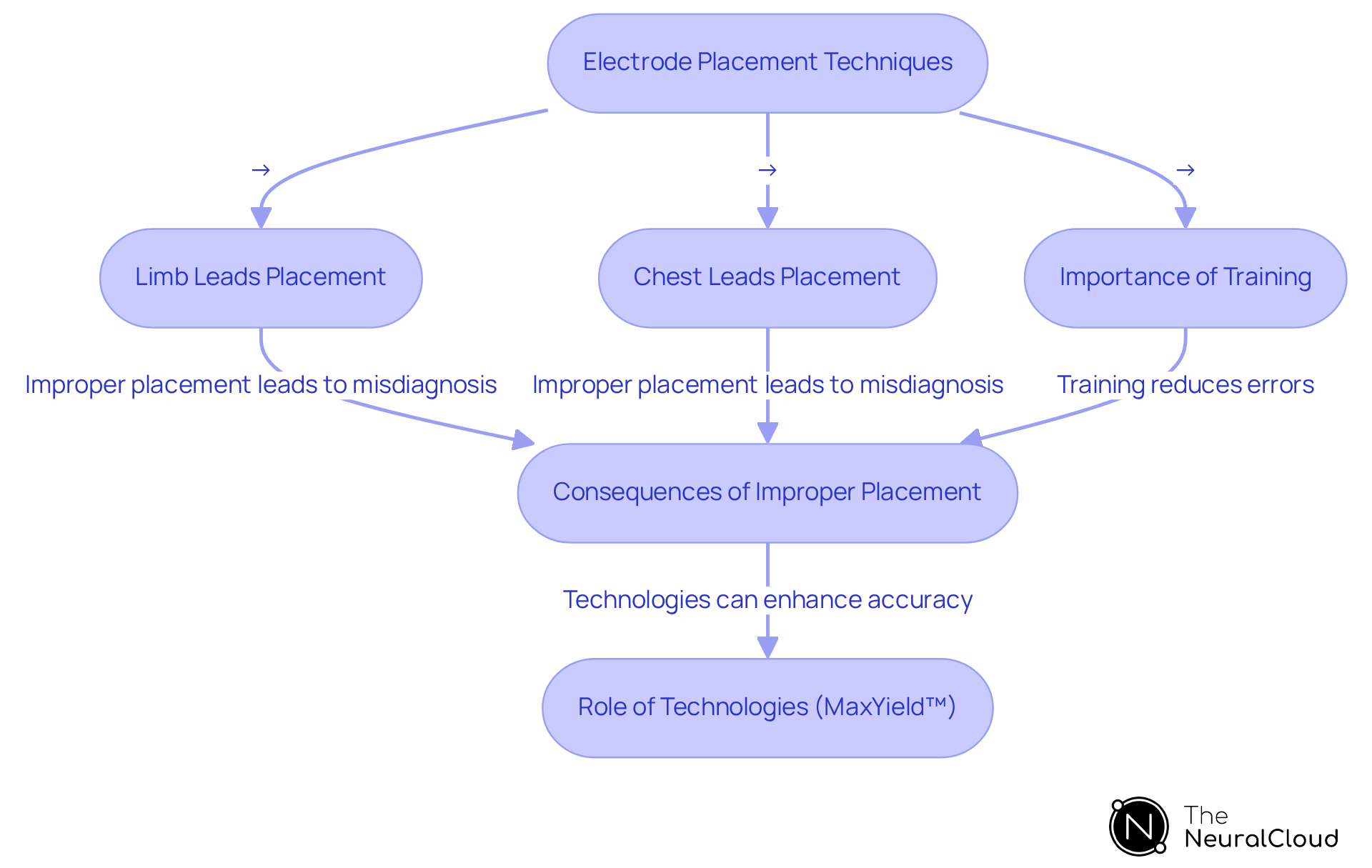
Challenges such as inadequate skin preparation, patient movement, and pad adhesion often hinder efficient electrode placement. To achieve optimal adhesion and signal quality, healthcare professionals must emphasize proper techniques. This process includes cleansing the skin to eliminate oils, sweat, and dead cells, which can interfere with electrical signals. Research shows that proper skin preparation can decrease baseline noise and alarm noise by up to 75%, significantly improving ECG accuracy, which is essential for patient diagnosis.
The use of sticky pads is vital for ensuring proper placement, especially during patient movement. These connectors are engineered to provide strong adhesion, which is critical for dependable readings. Additionally, training staff to manage patient anxiety can help minimize movement, further enhancing the accuracy of ECG results. For patients with sensitive skin, employing gentler preparation techniques and applying lighter pressure during pad placement can prevent irritation while ensuring comfort. It is advisable to prolong the duration of rubbing during skin preparation to reduce discomfort.
Irregular lead placement remains a significant issue, with studies indicating that only 10% of healthcare professionals correctly position all ECG leads. This underscores the necessity for training and strict adherence to established protocols regarding electrode placement. By concentrating on these strategies, healthcare providers can improve the reliability of ECG readings. Moreover, integrating technology with the ECG system can automate the labeling process and enhance data accuracy. The platform's algorithms effectively tackle challenges such as baseline wander and muscle artifacts, ensuring that even recordings with substantial noise are accurately analyzed. Additionally, MaxYield™ can retrieve previously obscured segments of lengthy Holter, 1-Lead, and patch monitor recordings, resulting in better outcomes for patients and more efficient ECG data processing.
Optimize Patient Positioning for Effective ECG Electrode Placement
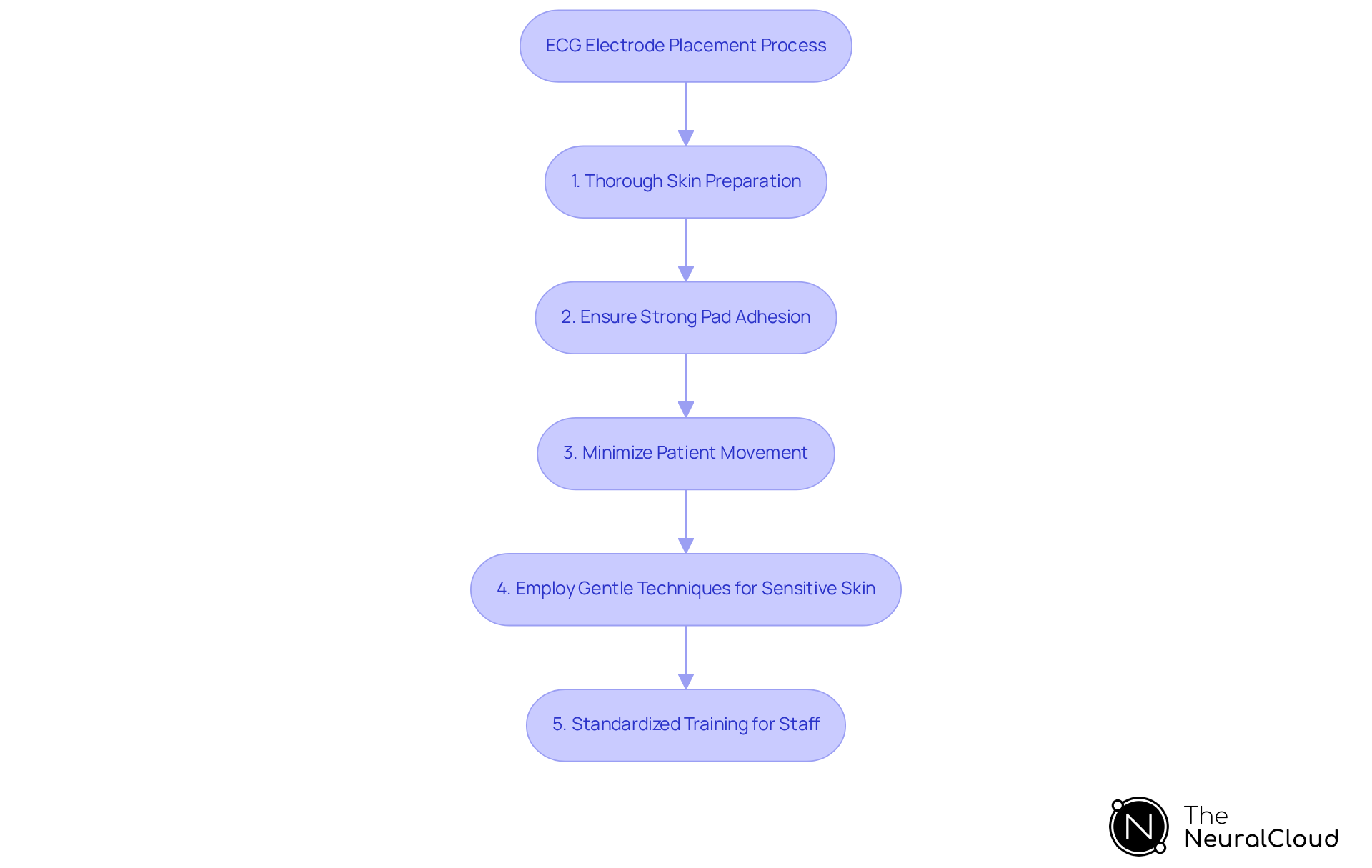
Proper client positioning is essential for achieving optimal ECG results. Ideally, individuals should be positioned supine, as this posture minimizes muscle tension and movement, which can interfere with the clarity of ECG signals. Studies indicate that improper positioning can lead to potential misinterpretations. To further enhance signal quality, it is crucial to ensure that the individual is in a relaxed state, reducing anxiety and cold extremities that may compromise the accuracy of the readings. Healthcare professionals emphasize that a calm individual, with arms comfortably at their sides, contributes to better signal acquisition.
Integrating with Neural Cloud Solutions' technology allows for improved patient monitoring and data extraction. This automation significantly reduces operational costs while enhancing analysis efficiency. The system's AI-powered algorithms ensure smooth signals when analyzing and annotating abnormal electrocardiograms, which is vital for accurate diagnostics. As noted by experts, while supine positioning is preferred, alternative positions like Fowler's may be necessary in acute cases where comfort is a concern.
Ultimately, prioritizing comfort and minimizing distractions are key strategies for improving ECG signal acquisition. Always ensure the patient is in a comfortable position and minimize external distractions to enhance ECG signal quality.
Prepare Skin Properly to Enhance ECG Signal Quality
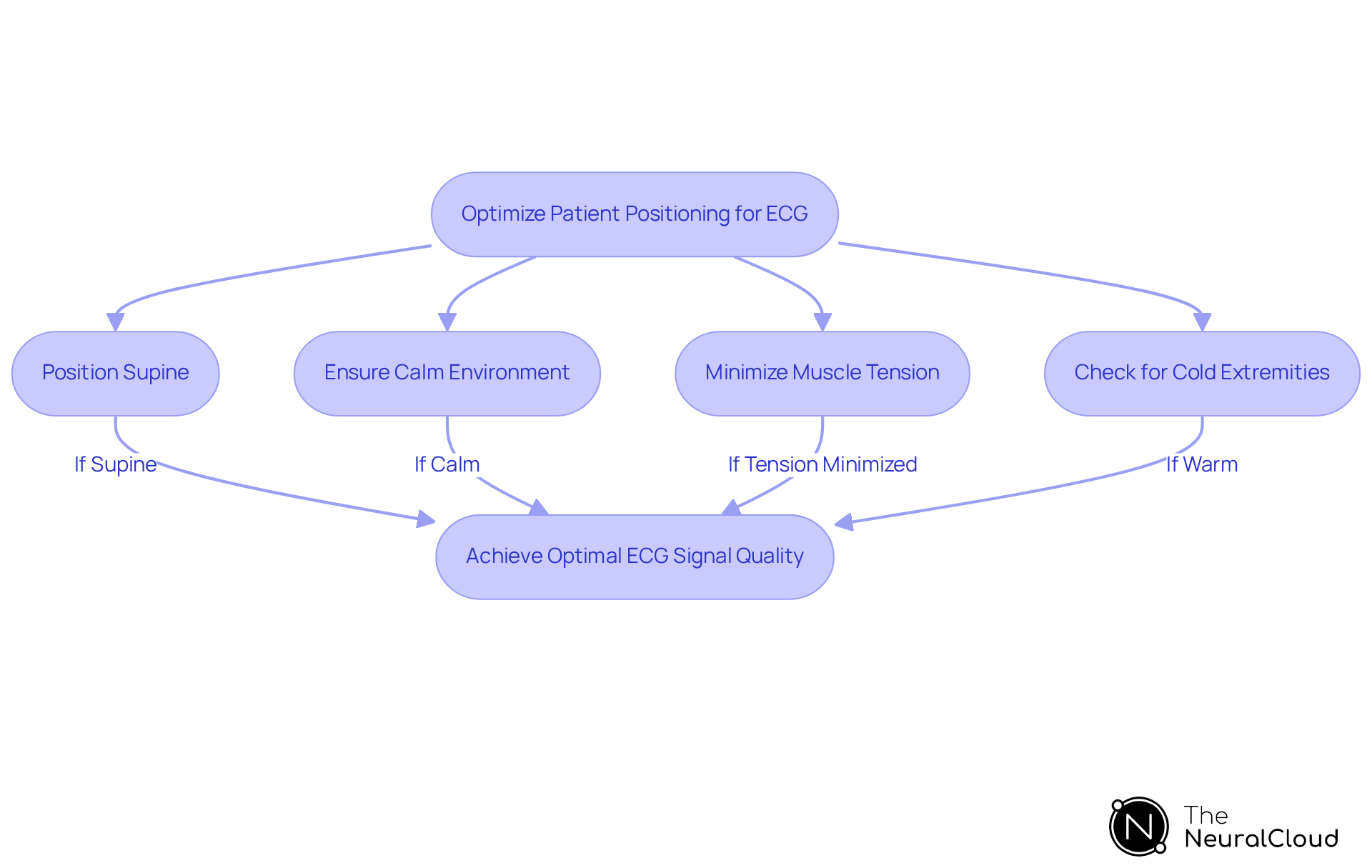
Proper skin preparation is crucial for enhancing ECG signal quality. Cleaning the skin with alcohol wipes effectively removes oils and dirt that can hinder adhesion and signal transmission. Techniques such as using isopropyl alcohol and gently abrading the skin can significantly improve conductivity. Research indicates that proper preparation leads to better electrode adhesion and enhances the reliability of the data collected, ultimately supporting better patient outcomes.
Integrating technology further optimizes this process by automating the labeling of ECG waves and utilizing advanced algorithms. This can salvage previously obscured sections of recordings, ensuring that even in challenging conditions, the signal quality is maximized while reducing costs. This not only improves the accuracy of readings but also streamlines the workflow for healthcare professionals, allowing for more accurate and timely diagnoses.
Select High-Quality Electrodes for Reliable ECG Measurements
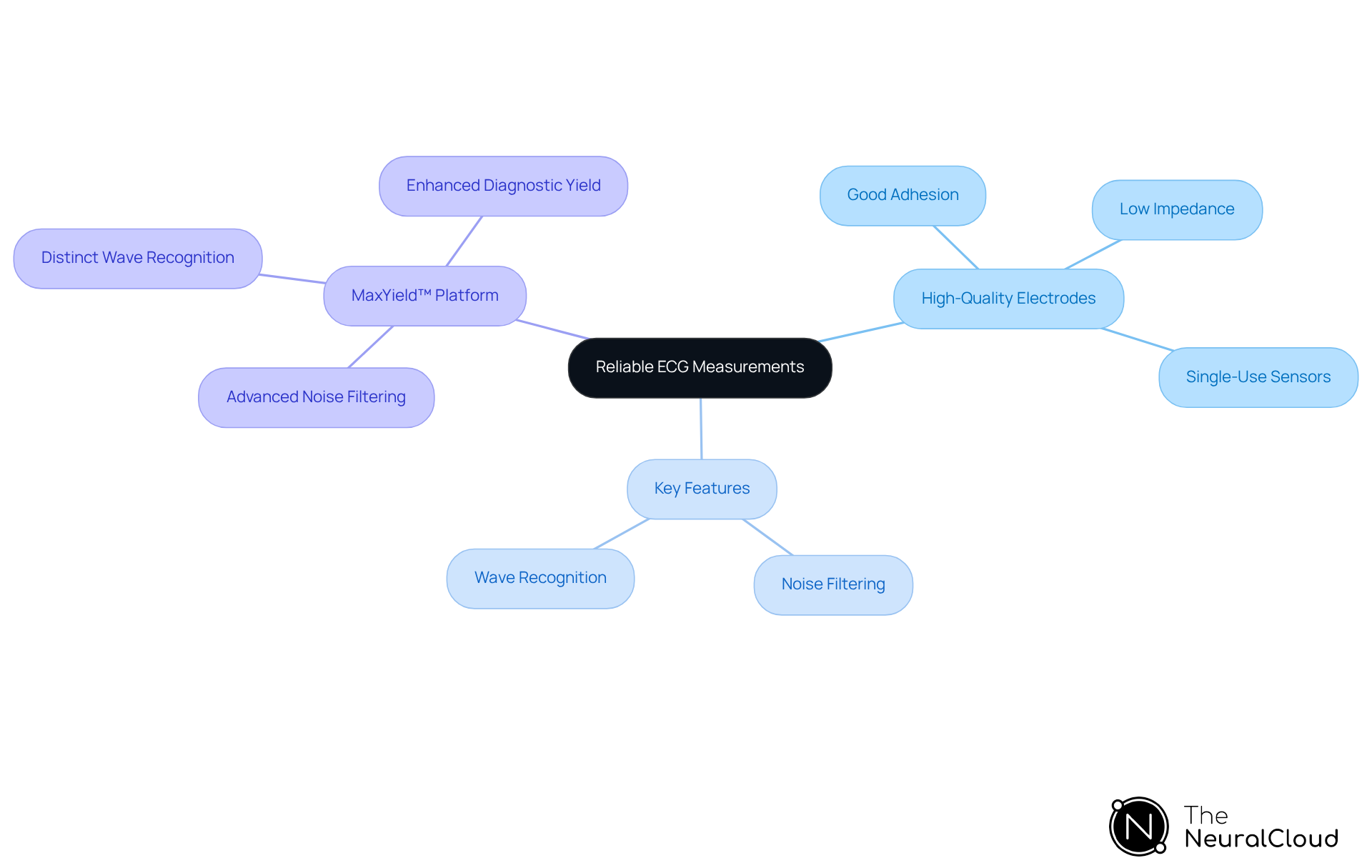
Choosing high-quality electrodes is essential for obtaining reliable ECG measurements, especially when utilizing advanced technologies like Neural Cloud Solutions' MaxYield™ platform. Healthcare professionals should prioritize sensors that ensure accuracy, durability, and compatibility with ECG machines. Single-use, pre-gelled sensors are often preferred due to their convenience and effectiveness. By investing in high-quality electrodes, practitioners can significantly improve the accuracy and reliability of ECG readings, particularly in challenging environments where noise and signal artifacts may obscure critical information.
The MaxYield™ platform offers advanced features and distinct wave recognition capabilities, which enhance the diagnostic yield. These features ensure that even recordings affected by interference can be effectively analyzed. By addressing the challenges of electrode placement, the platform empowers healthcare professionals to obtain reliable ECG measurements, ultimately leading to improved patient outcomes.
Ensure Continuous Training for Healthcare Professionals in ECG Techniques
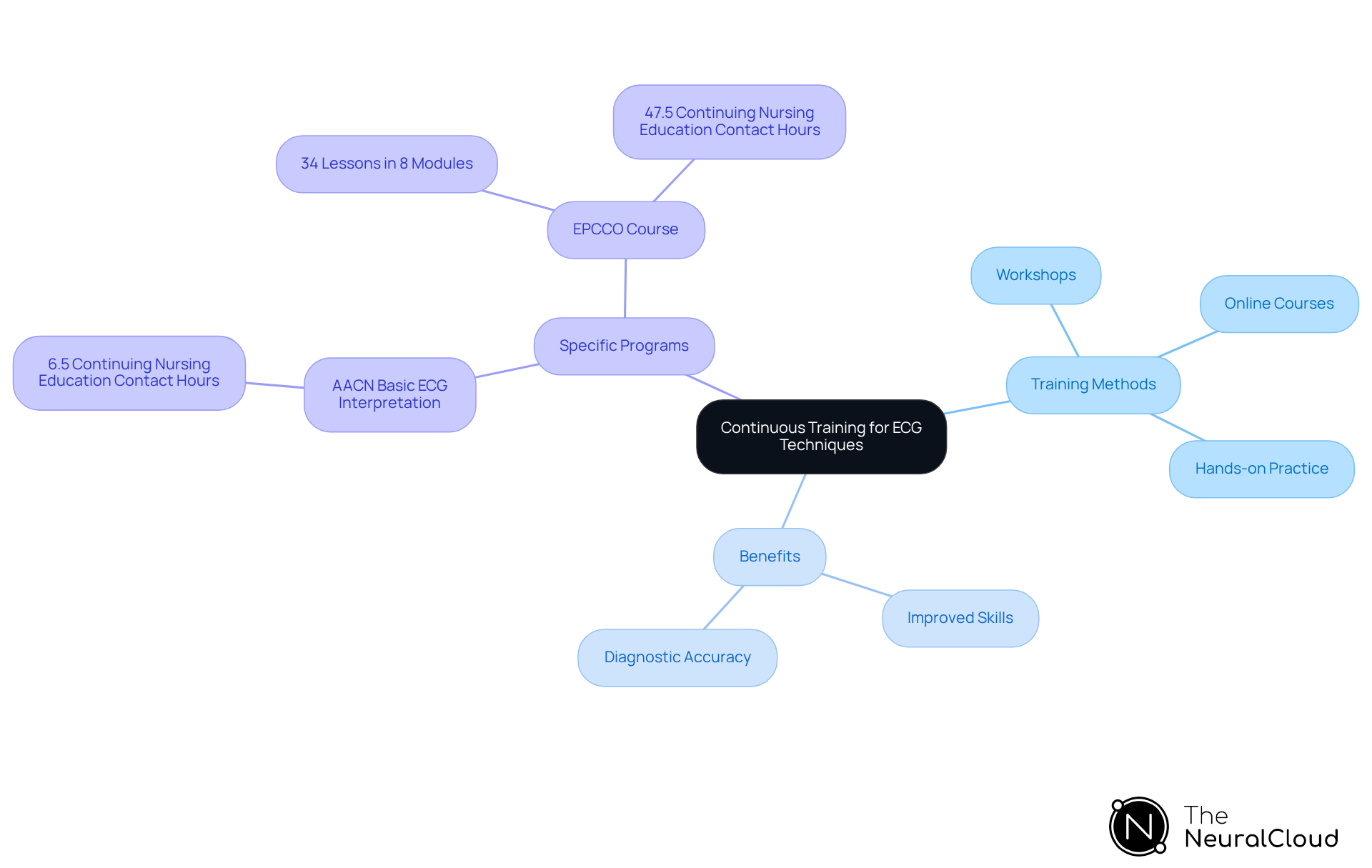
To ensure effective electrocardiogram electrode placement, healthcare professionals must engage in continuous training. Regular workshops, online courses, and hands-on practice help staff stay updated on the latest techniques. This includes the integration of technology with MaxYield™ for improved accuracy. Such continuous education enhances skills and contributes to overall improvements in care and diagnostic accuracy.
Research indicates that structured programs, such as the AACN Basic ECG Interpretation course providing 6.5 continuing nursing education contact hours, can significantly enhance ECG interpretation skills, which are essential for precise assessments. Healthcare instructors emphasize that ongoing training in electrocardiogram electrode placement ultimately results in enhanced outcomes for patients. As Mark Warmbrand, head of AACN’s technology-driven learning initiatives, states, "We keep enriching our E-Learning library with the latest resources and optimize outcomes for those receiving care."
The support of technology, which evolves with each use to enhance accuracy and efficiency, underscores the importance of training in ECG practices. The algorithm's ability to adapt and improve with each application ensures that healthcare professionals are equipped with the most effective tools for ECG analysis. This ultimately benefits patient care, reinforcing the value of ongoing training and education in the healthcare field.
Study Relevant Anatomy for Effective ECG Electrode Placement
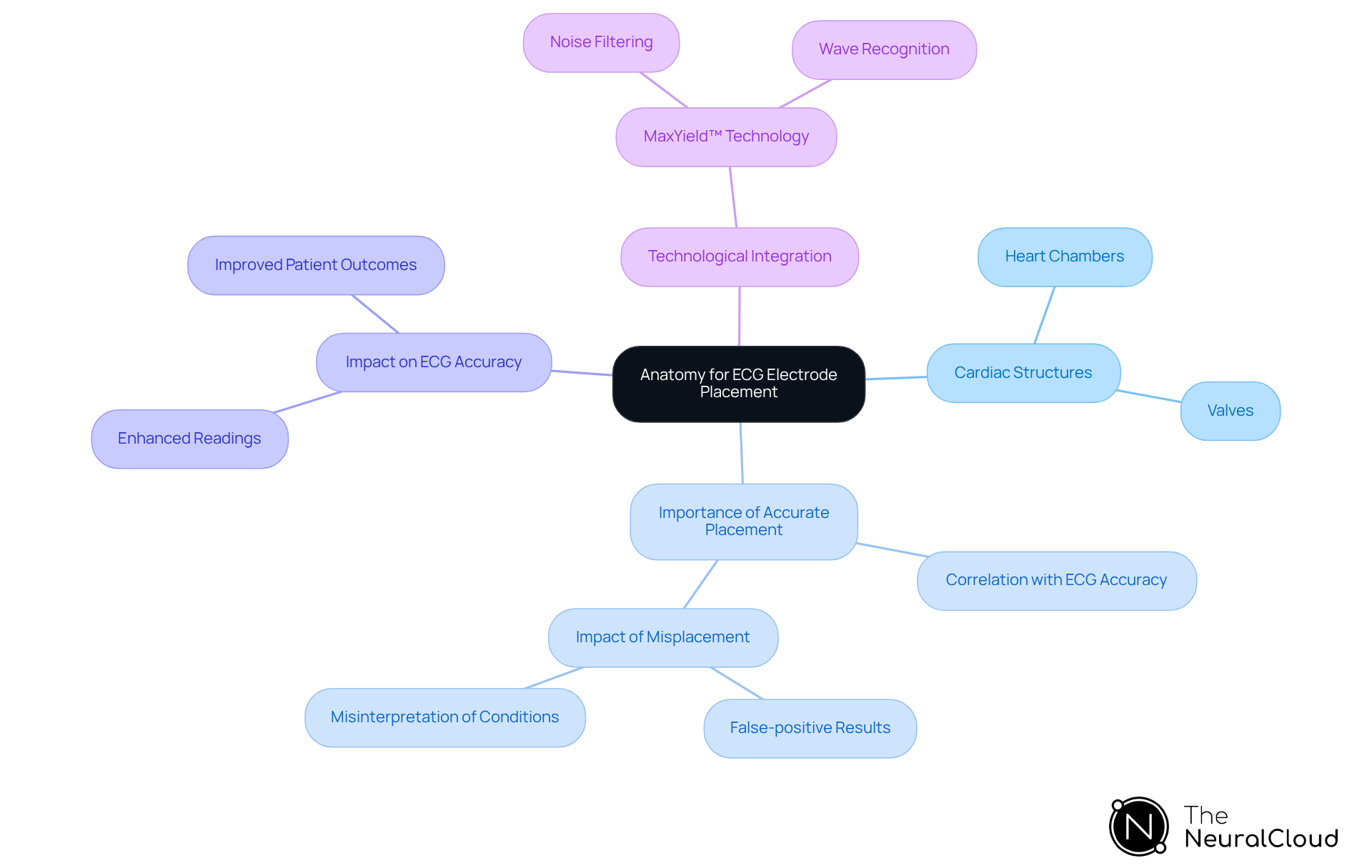
A comprehensive understanding of anatomy is essential for effective ECG electrode placement. Healthcare professionals must become acquainted with the anatomy for key cardiac structures, such as the heart's chambers and valves, to ensure correct sensor positioning. Research shows that awareness of anatomy greatly correlates with accurate electrode placement, which is vital for correct ECG readings, resulting in more dependable readings and improved outcomes for individuals. For instance, studies indicate that incorrect electrode placement can lead to misinterpretation of cardiac conditions, highlighting the necessity for proper training. Anatomists emphasize that accurate identification of anatomical features is crucial for clinicians, as it directly impacts the quality of ECG data and the effectiveness of patient care. By mastering these anatomical details, healthcare providers can enhance their diagnostic accuracy, particularly in relation to patient outcomes, ultimately improving patient care.
Furthermore, integrating technology with ECG systems automates the labeling process, significantly reducing costs while enhancing analysis efficiency. This technology features advanced noise filtering and wave recognition capabilities that allow for the isolation of critical ECG waves. This technology assists in interpreting data affected by noise and artifacts. As a result, healthcare professionals can rely on precise data, directly linking their anatomical knowledge to improved diagnostic outcomes.
Utilize Technology to Optimize ECG Electrode Placement
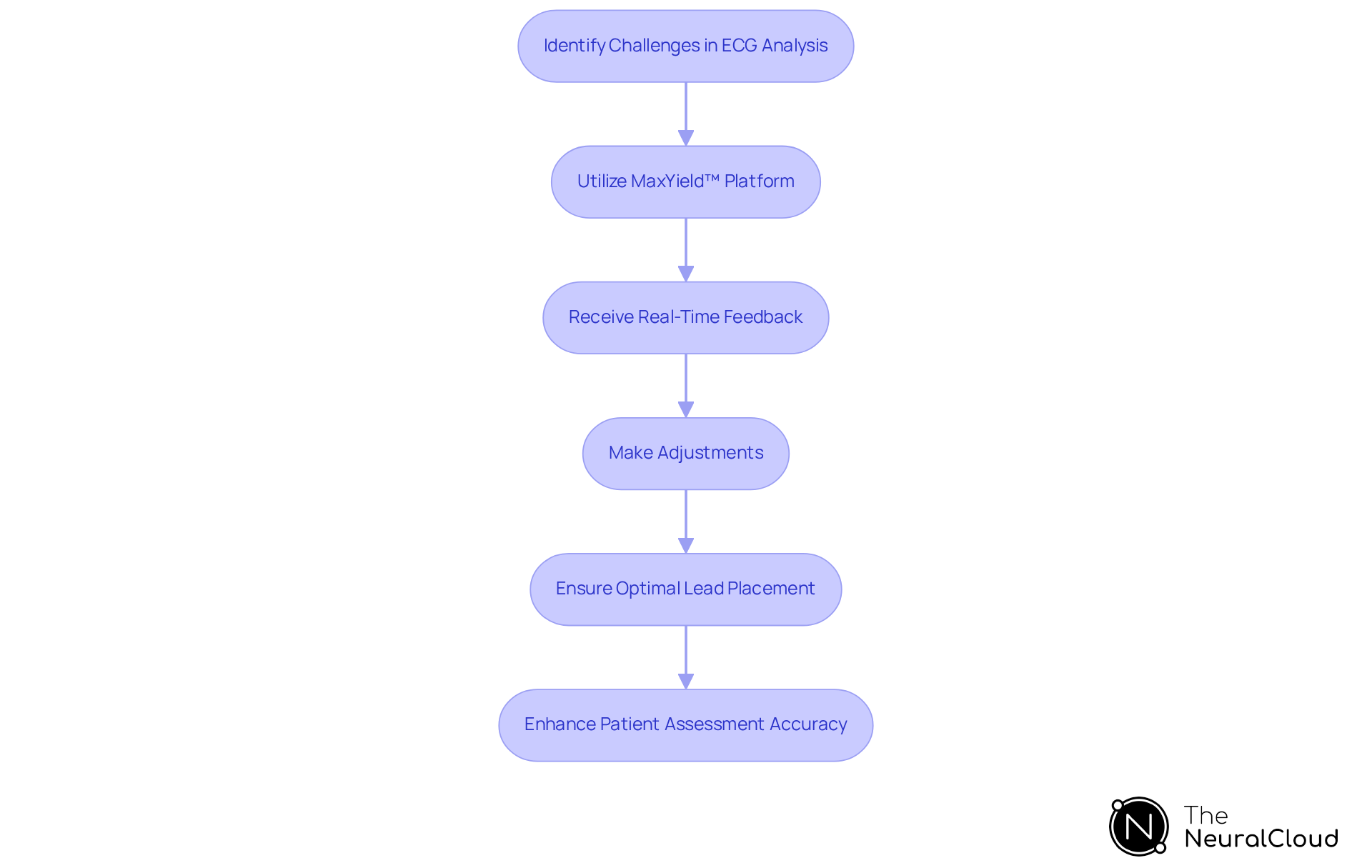
The challenges in ECG analysis often stem from improper electrode placement, which can compromise the accuracy of the results. Utilizing technology, such as MaxYield™, significantly improves the precision of ECG lead positioning. This platform employs gold standard methodologies to provide real-time feedback on both probe positioning and signal quality. Such prompt guidance enables healthcare professionals to make necessary adjustments, ensuring optimal positioning for superior signal acquisition.
The integration of MaxYield™ streamlines the ECG process and enhances patient assessment accuracy. By automating repetitive tasks and processing more data in less time, the platform allows clinicians to focus on critical decision-making. This technology is particularly crucial for the accuracy of electrode placement, as it enhances the probability of precise alignment for other electrodes. This highlights the essential function of technology in attaining dependable ECG outcomes.
As the field of ECG technology continues to evolve, tech developers emphasize that advancements like those offered by MaxYield™ are vital for enhancing accuracy and operational efficiency. Enhanced initial and refresher training should concentrate on identifying landmarks and ensuring proper electrode placement, highlighting the importance of correct positioning, as incorrect arrangements can alter the morphology of the ECG and impact patient treatment.
Implement Post-Placement Verification for Accurate ECG Readings
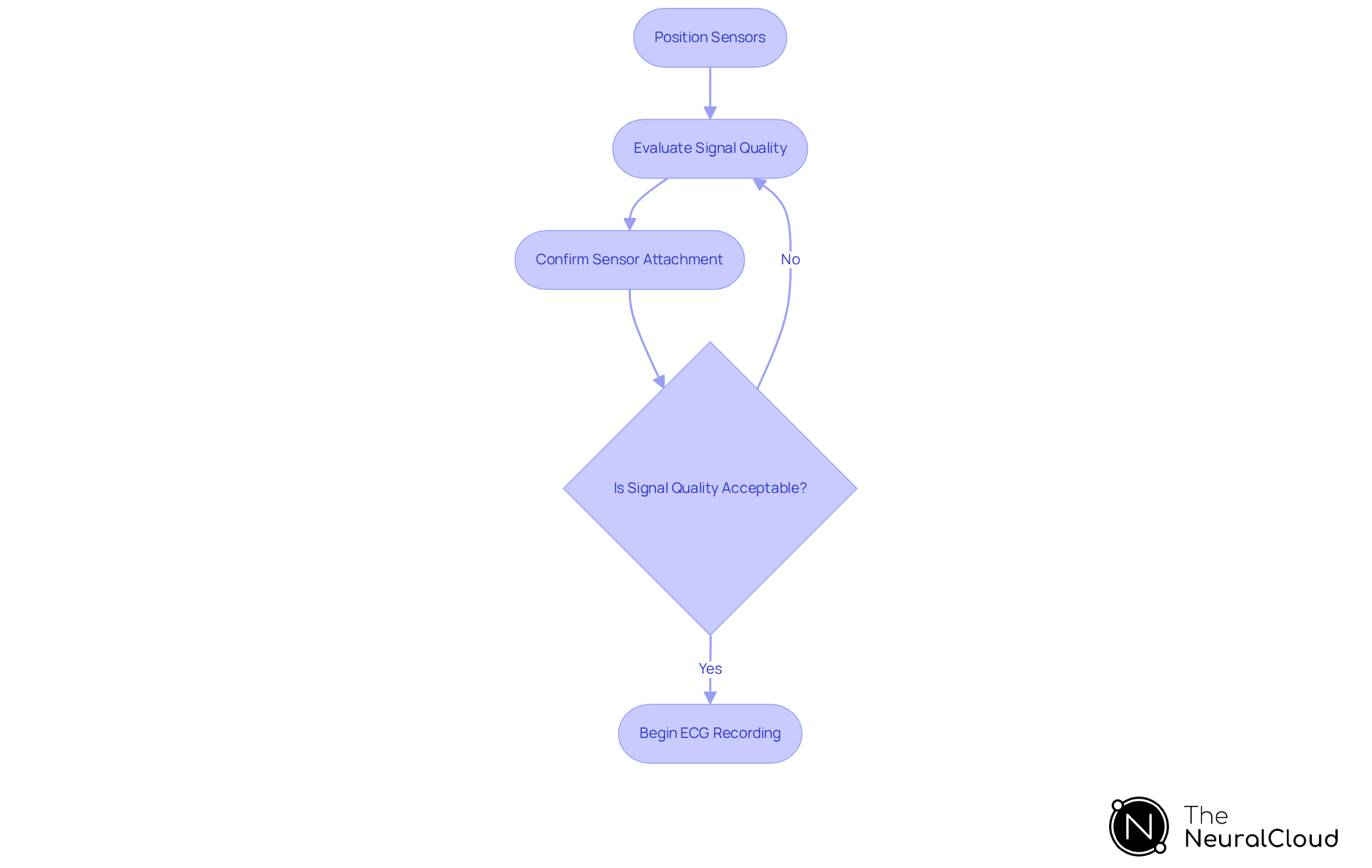
Implementing post-placement verification is essential for ensuring accurate ECG readings. After positioning the sensors, healthcare professionals must evaluate the placement and confirm that the sensors are securely attached. This is critical, as it can identify issues before the ECG recording begins, significantly reducing the likelihood of errors.
Research indicates that effective verification methods can lead to a marked decrease in ECG errors, thereby enhancing the overall quality of the results. Cardiologists emphasize that meticulous verification of electrode placement is vital for obtaining actionable insights from the ECG data, reinforcing the necessity of this critical step in the diagnostic process.
Conclusion
The effective placement of electrocardiogram (ECG) electrodes is crucial for obtaining accurate and reliable cardiac assessments. Integrating advanced technologies, such as Neural Cloud Solutions' MaxYield™ platform, significantly enhances the precision of electrode positioning, ultimately improving patient outcomes. Emphasizing proper techniques, continuous training, and high-quality electrodes contributes to the reliability of ECG readings, ensuring clinicians can make informed decisions based on clear and accurate data.
Key strategies highlighted throughout this discussion include:
- Understanding anatomical landmarks
- Proper skin preparation
- The necessity of post-placement verification
These practices reduce the likelihood of diagnostic errors and empower healthcare providers to deliver higher-quality care. Furthermore, the integration of AI-driven solutions like MaxYield™ streamlines workflows, allowing professionals to focus more on patient care rather than manual adjustments.
As the landscape of ECG technology continues to evolve, the commitment to ongoing education and the adoption of innovative tools will be essential. By prioritizing these strategies and embracing advancements in technology, healthcare professionals can enhance the accuracy and efficacy of ECG assessments, ultimately leading to better patient care and improved clinical outcomes.
Frequently Asked Questions
What is the MaxYield™ platform and how does it enhance ECG analysis?
The MaxYield™ platform from Neural Cloud Solutions automates the electrocardiogram (ECG) electrode placement process, improving accuracy and efficiency. It uses advanced algorithms for optimal electrode placement, reducing misalignment risks and enhancing signal clarity with gold standard noise filtering.
How quickly can MaxYield™ analyze heartbeats?
MaxYield™ can analyze 200,000 heartbeats in under five minutes, showcasing its remarkable speed and efficiency.
What improvements have studies shown regarding electrode placement accuracy with MaxYield™?
Studies indicate that the precision of electrocardiogram electrode placement has significantly improved with automated systems, yielding results comparable to traditional techniques.
Why is proper electrode placement critical for accurate ECG results?
Proper electrode placement is essential as improper placement can lead to diagnostic mistakes. Studies show that up to 64% of nurses incorrectly position leads, which emphasizes the need for ongoing training and adherence to established guidelines.
What are common challenges faced during ECG electrode placement?
Common challenges include inadequate skin preparation, patient movement, and pad adhesion, which can hinder accurate readings. Proper skin cleansing and the use of sticky pads are vital for ensuring effective electrode placement.
How can healthcare professionals improve the reliability of ECG readings?
Healthcare professionals can improve reliability by emphasizing thorough skin preparation, managing patient anxiety to minimize movement, and adhering to standardized training protocols for electrode placement.
What role does the MaxYield™ platform play in addressing ECG analysis challenges?
The MaxYield™ platform enhances ECG analysis by providing advanced noise filtering capabilities, automating the labeling process, and effectively analyzing recordings affected by noise, leading to improved diagnostic yield and patient outcomes.
What should health tech developers consider for effective ECG electrode placement training?
Health tech developers are encouraged to integrate training resources and guidelines that reinforce best practices for electrode placement, utilizing features of MaxYield™ to enhance ECG data processing and compliance.
List of Sources
- Neural Cloud Solutions: MaxYield™ for Enhanced ECG Electrode Placement Accuracy
- morningstar.com (https://morningstar.com/news/accesswire/1034743msn/aiml-subsidiary-neural-cloud-signs-loi-with-circular-health-to-license-maxyieldtm-ecg-signal-processing)
- Assessing the Accuracy of ECG Chest Electrode Placement by EMS and Clinical Personnel Using Two Evaluation Methods | International Journal of Paramedicine (https://internationaljournalofparamedicine.com/index.php/ijop/article/view/2897)
- AIML Hits Key Regulatory Benchmark with 510(k) Filing for MaxYield(TM) Signal Enhancement Platform (https://biospace.com/press-releases/aiml-hits-key-regulatory-benchmark-with-510k-filing-for-maxyieldtm-signal-enhancement-platform)
- Major AI Health Partnership: MaxYield ECG Tech Powers Next-Gen Smart Ring Through Multi-Year License Deal (https://stocktitan.net/news/AIMLF/aiml-subsidiary-neural-cloud-signs-loi-with-circular-health-to-2oh9lpuw71dy.html)
- Accuracy and knowledge in 12-lead ECG placement among nursing students and nurses: a web-based Italian study - PMC (https://pmc.ncbi.nlm.nih.gov/articles/PMC8023103)
- Understand Proper Electrode Placement Techniques for Accurate ECG Results
- Accuracy of ECG chest electrode placements by paramedics: an observational study - PMC (https://pmc.ncbi.nlm.nih.gov/articles/PMC8312365)
- Assessing the Accuracy of ECG Chest Electrode Placement by EMS and Clinical Personnel Using Two Evaluation Methods | International Journal of Paramedicine (https://internationaljournalofparamedicine.com/index.php/ijop/article/view/2897)
- gehealthcare.com (https://gehealthcare.com/insights/article/ecg-lead-misplacement-looking-at-common-issues?srsltid=AfmBOoq_pw2vCyYG0m2nRyXg0XRkyYkLVS6k8xg_QcIqpx7A9UP6FYnz)
- Accuracy and knowledge in 12-lead ECG placement among nursing students and nurses: a web-based Italian study - PMC (https://pmc.ncbi.nlm.nih.gov/articles/PMC8023103)
- Overcome Common Challenges in ECG Electrode Placement
- danleemedical.com (https://danleemedical.com/blog/skin-prep-pads-enhancing-electrode-adhesion-for-reliable-readings)
- ECG Electrode Placement: Risks, Tech, and Growing Demand in 2025- (https://intcomedical.com/news/info/What-You-Need-to-Know-About-ECG-Electrode-Placement-in-2025.html)
- researchgate.net (https://researchgate.net/publication/274396161_Proper_Skin_Preparation_and_Electrode_Placement_Decreases_Alarms_on_a_Telemetry_Unit)
- hssib.org.uk (https://hssib.org.uk/news-events-blog/report-highlights-concerning-variation-in-paramedic-ecg-education-and-training)
- Checking your browser - reCAPTCHA (https://pmc.ncbi.nlm.nih.gov/articles/PMC6932211)
- Optimize Patient Positioning for Effective ECG Electrode Placement
- emtcity.com (https://emtcity.com/topic/18088-patient-positioning-when-obtaining-12-lead)
- strongbytes.ai (https://strongbytes.ai/case_studies/enhancing-data-management-and-analytics)
- Recommendations for the Standardization and Interpretation of the Electrocardiogram | Circulation (https://ahajournals.org/doi/10.1161/circulationaha.106.180200)
- ausmed.com (https://ausmed.com/learn/articles/5-lead-ecg)
- Electrocardiography: Overview, ECG Indications and Contraindications, Preparation (https://emedicine.medscape.com/article/1894014-overview)
- Prepare Skin Properly to Enhance ECG Signal Quality
- Four Ways to Improve the ECG Signal for an MPI Stress Test (https://digirad.com/improve-the-ecg-signal)
- Reducing ECG artifact (https://numed.co.uk/news/reducing-ecg-artifact)
- The impact of skin preparation method on electrocardiogram quality in horses - PMC (https://pmc.ncbi.nlm.nih.gov/articles/PMC10880388)
- Recommendations for the Standardization and Interpretation of the Electrocardiogram | Circulation (https://ahajournals.org/doi/10.1161/circulationaha.106.180200)
- Select High-Quality Electrodes for Reliable ECG Measurements
- mdpi.com (https://mdpi.com/2227-9059/11/6/1526)
- pmc.ncbi.nlm.nih.gov (https://pmc.ncbi.nlm.nih.gov/articles/PMC8402297)
- nahtlos.com (https://nahtlos.com/blogs/articles/best-electrodes-long-term-hrv-ecg)
- alibaba.com (https://alibaba.com/showroom/ecg-electrods-medical.html)
- huskmedical.com (https://huskmedical.com/en/p/skintact-ecg-electrodes-mri-x-ray)
- Ensure Continuous Training for Healthcare Professionals in ECG Techniques
- New ECG Interpretation and Pediatric Critical Care Online Courses Offer Nurses and Clinicians the Latest Knowledge, Tools | Newswise (https://newswise.com/articles/enhanced-ecg-interpretation-and-pediatric-critical-care-online-courses-offer-nurses-and-clinicians-the-newest-knowledge-tools)
- researchgate.net (https://researchgate.net/publication/346113079_Artificial_Intelligence_Machine_Learning_and_Reasoning_in_Health_Informatics-Case_Studies)
- college.mayo.edu (https://college.mayo.edu/about/news/news-archive/transforming-ecg-education-isnt-all-fun-and-games-except-when-it-is)
- Study Relevant Anatomy for Effective ECG Electrode Placement
- Location, location, location: Electrode placement matters (https://ems1.com/medical-monitoring/location-location-location-electrode-placement-matters)
- Electrocardiogram - StatPearls - NCBI Bookshelf (https://ncbi.nlm.nih.gov/books/NBK549803)
- Update to Practice Standards for Electrocardiographic Monitoring in Hospital Settings: A Scientific Statement From the American Heart Association | Circulation (https://ahajournals.org/doi/10.1161/cir.0000000000000527)
- Utilize Technology to Optimize ECG Electrode Placement
- Accuracy of ECG chest electrode placements by paramedics: an observational study - PMC (https://pmc.ncbi.nlm.nih.gov/articles/PMC8312365)
- researchgate.net (https://researchgate.net/publication/346113079_Artificial_Intelligence_Machine_Learning_and_Reasoning_in_Health_Informatics-Case_Studies)
- Implement Post-Placement Verification for Accurate ECG Readings
- researchgate.net (https://researchgate.net/publication/346113079_Artificial_Intelligence_Machine_Learning_and_Reasoning_in_Health_Informatics-Case_Studies)
- STEMI - Electrocardiogram - M3 Curriculum | SAEM (https://saem.org/about-saem/academies-interest-groups-affiliates2/cdem/for-students/online-education/m3-curriculum/group-electrocardiogram-(ecg)-rhythm-recognition/stemi)