Introduction
Atrial fibrillation (AF) affects around 350,000 individuals in Canada, presenting significant challenges for diagnosis and management. Traditional ECG methods have been essential for detecting AF, but their short monitoring times and potential inaccuracies raise important questions about how effective they really are.
As advanced technologies like AI-enhanced ECGs and wearable devices emerge, there's a lot of excitement about their potential to improve AF diagnosis. But do they really offer more reliability than traditional methods?
This article delves into the comparative effectiveness of traditional ECG and innovative technologies, exploring how these advancements could reshape the landscape of cardiac care.
Define Atrial Fibrillation and Traditional ECG Readings
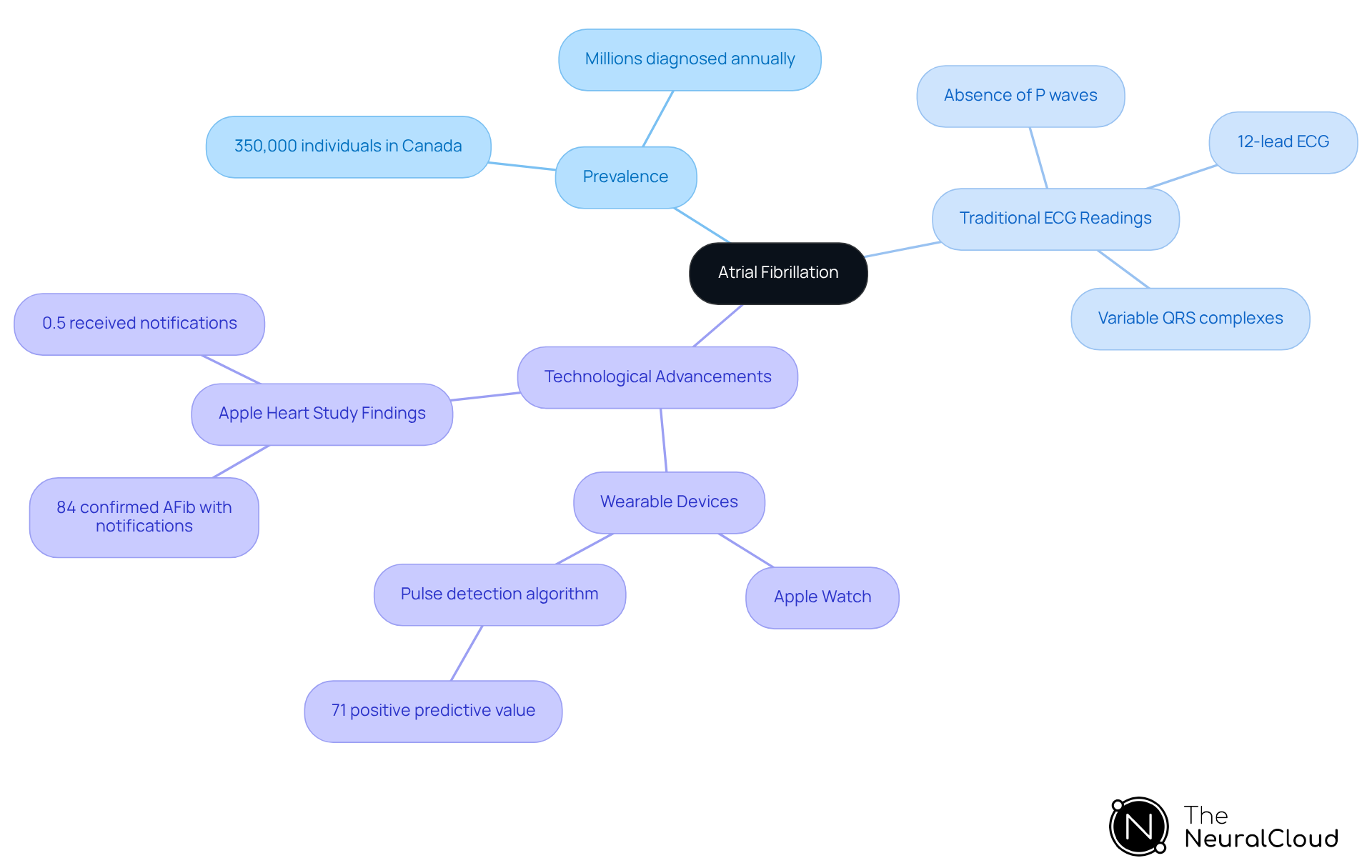
Atrial fibrillation, the most prevalent cardiac arrhythmia, presents significant challenges in effective management and monitoring. This condition arises from abnormal electrical activity in the heart's atria, leading to ineffective blood pumping and increasing the risk of stroke. In Canada, approximately 350,000 individuals are affected by atrial fibrillation, highlighting its widespread impact. Each year, millions are diagnosed, underscoring the urgent need for effective monitoring and management strategies.
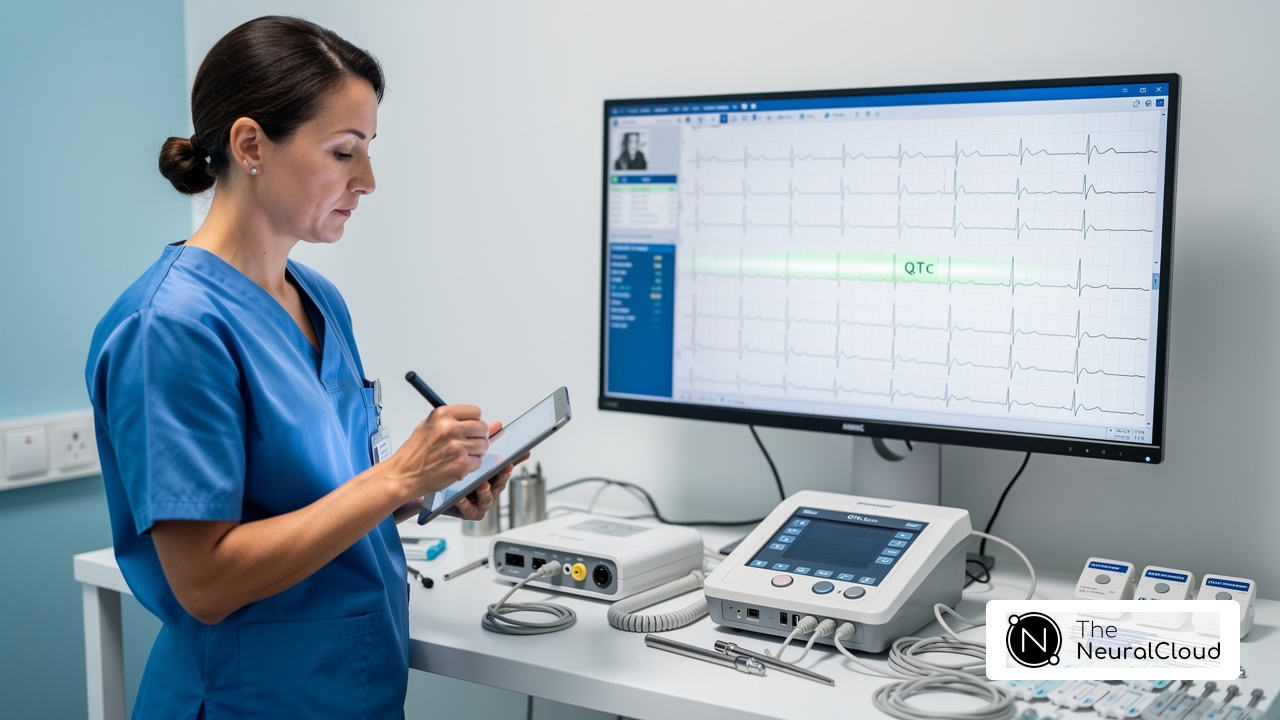
Traditional ECG (electrocardiogram) readings play a crucial role in diagnosing atrial fibrillation, typically utilizing a 12-lead ECG setup. This method captures the heart's electrical activity over a brief period, enabling clinicians to detect the characteristic irregularly irregular rhythm associated with atrial fibrillation. Key indicators on the ECG include:
- The absence of distinct P waves
- The presence of variable QRS complexes
These indicators are critical for confirming the diagnosis.
Recent advancements in wearable devices, such as those studied in the Apple Heart Study, show how mobile applications can enhance atrial fibrillation detection. The research revealed that 84% of participants who received irregular pulse alerts were confirmed to be in atrial fibrillation at the time of notification. This highlights the effectiveness of incorporating digital tools into conventional monitoring practices. As technology advances, integrating these innovative solutions with traditional methods could redefine patient care in cardiology.
Examine Limitations of Traditional ECG in AFib Diagnosis
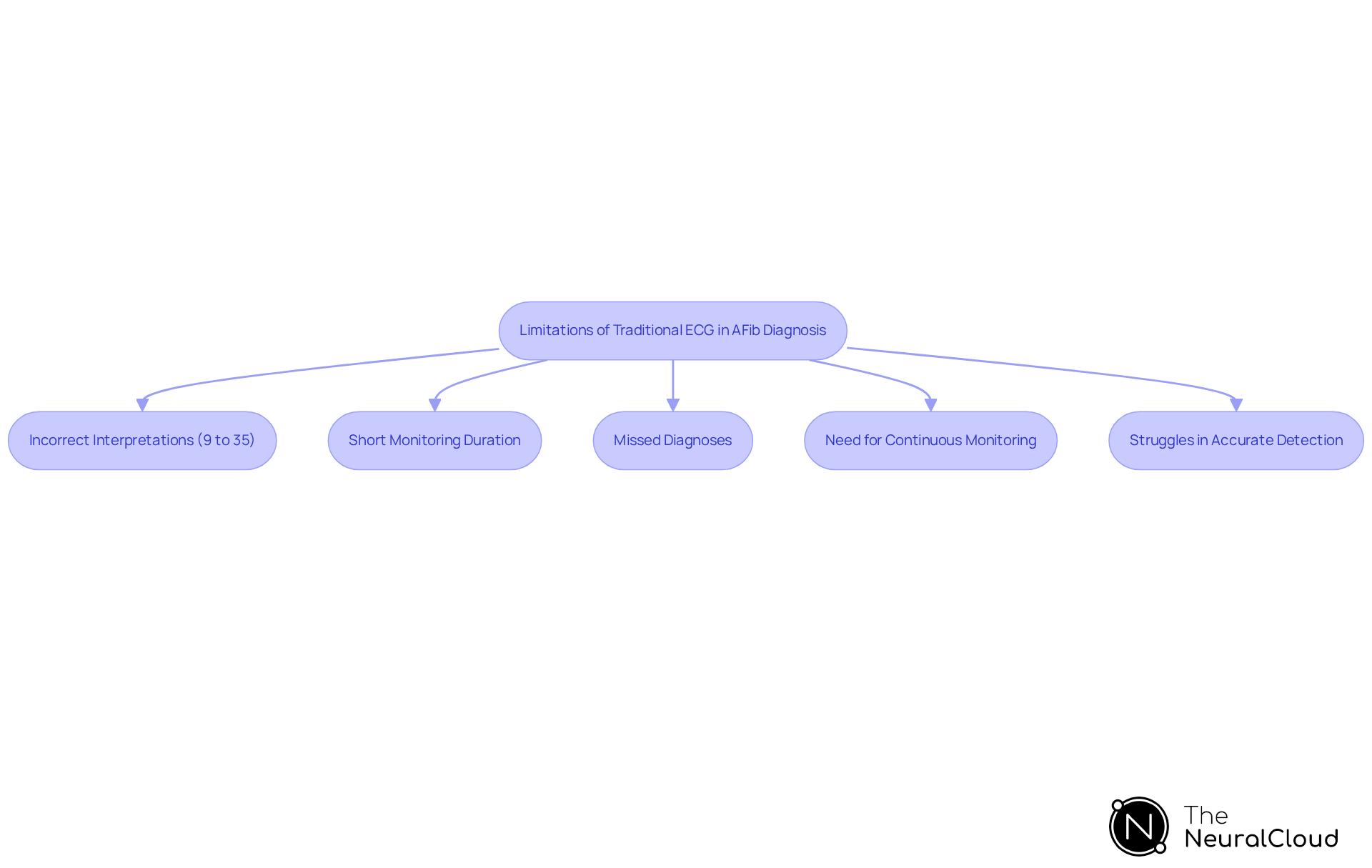
Diagnosing atrial fibrillation presents significant challenges, particularly with conventional ECG methods. A study shows that automated interpretations from conventional ECG machines can be incorrect 9% to 35% of the time, emphasizing this limitation. Additionally, the short monitoring duration - typically just a few minutes - often fails to detect transient arrhythmias. This can lead to missed diagnoses. A study involving 4,297 ECG recordings revealed that 13.2% of computer-based rhythm interpretations required physician revision, highlighting the inaccuracies inherent in conventional methods. Furthermore, the phenomenon of 'fake atrial fibrillation' has emerged, where misinterpretation of test results can lead to unnecessary anxiety and treatment delays.
While traditional ECGs are valuable, expert opinions stress that they cannot replace the need for continuous monitoring and advanced diagnostic tools. The performance of interpretative software has shown greater specificity and sensitivity, yet it still overlooks a considerable number of atrial fibrillation cases. This limitation highlights the urgent need for advanced diagnostic tools that can provide continuous monitoring. Many primary care practitioners struggle to accurately detect AFib on electrocardiograms, underscoring the necessity for improved training and quality control in ECG interpretation.
Integrating advanced innovations, like those from Neural Cloud Solutions Inc., is vital for enhancing diagnostic precision and improving patient outcomes in cardiovascular care.
Explore Innovations in ECG Technology for Enhanced AFib Diagnosis
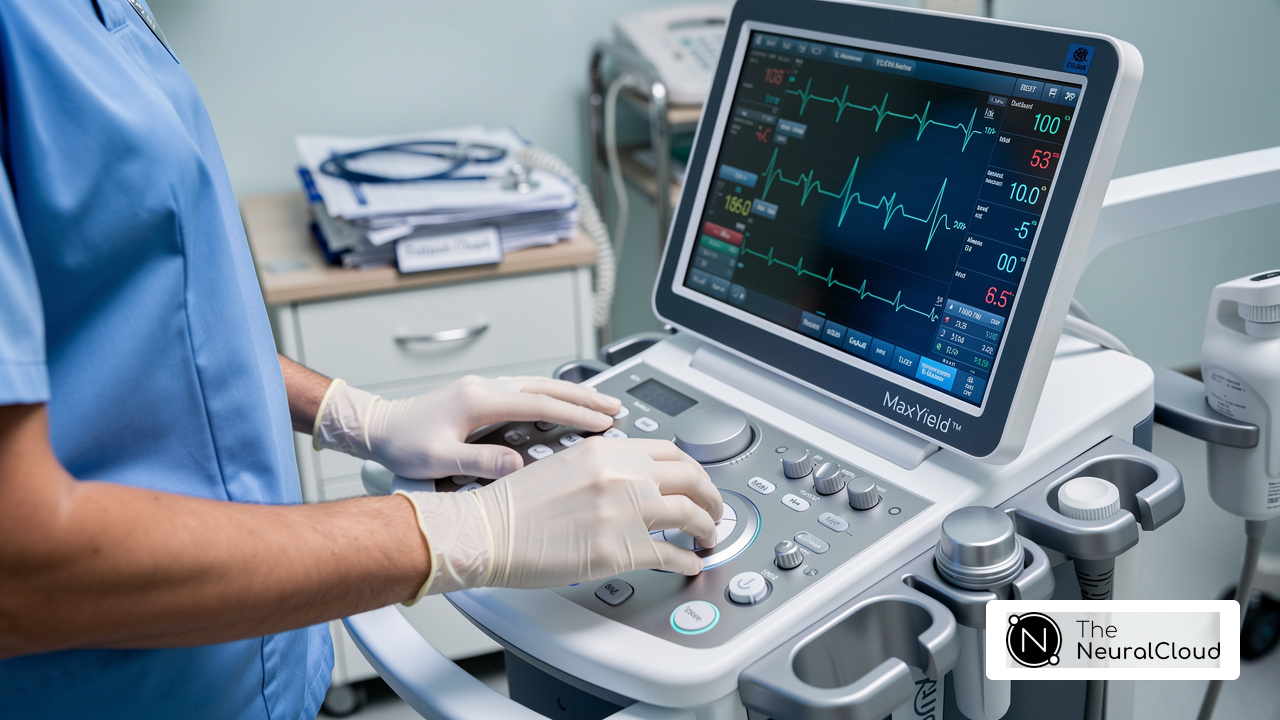
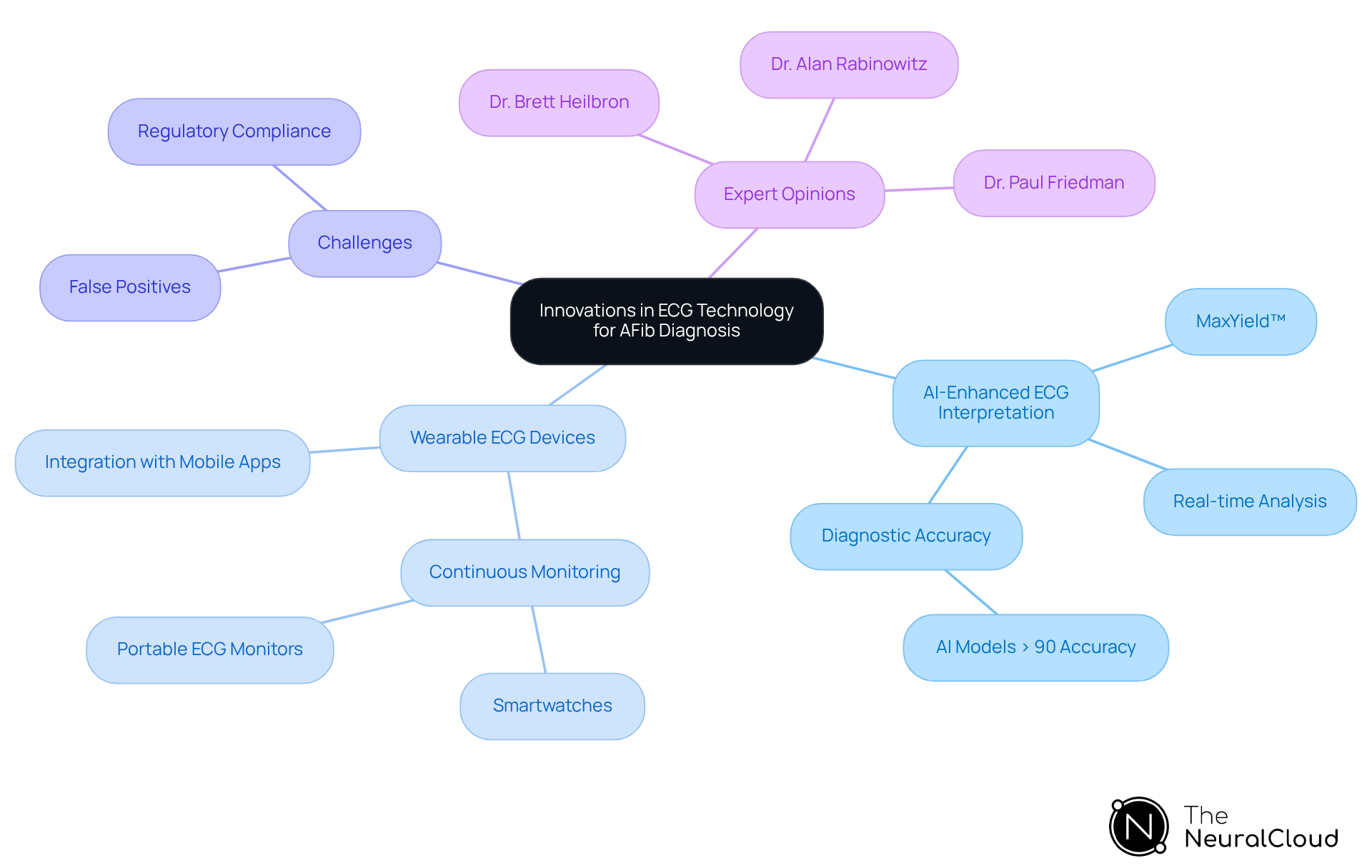
Despite recent advancements in ECG methods, challenges in accurately diagnosing atrial fibrillation (AF) persist. Innovations such as AI-enhanced ECG interpretation and wearable ECG devices have emerged as powerful tools in this field. MaxYield™ is a device-agnostic ECG intelligence layer from Neural Cloud Solutions Inc. It exemplifies progress by transforming lengthy, noisy ECG recordings into clean, crisp signals. AI algorithms analyze ECG data in real-time, identifying subtle patterns that conventional methods may overlook. Studies show that AI models can achieve diagnostic accuracy rates exceeding 90% in detecting AF.
Wearable devices, like smartwatches and portable ECG monitors, enable continuous heart rhythm monitoring, capturing data over extended periods. This capability is particularly beneficial for patients with paroxysmal AF, as it increases the likelihood of detecting irregularities during episodes. Additionally, these devices often integrate with mobile applications, allowing patients to track their heart health and share data with healthcare providers seamlessly. According to experts like Dr. Alan Rabinowitz and Dr. Brett Heilbron, MaxYield™ matches human interpretation in precision and significantly reduces noise, improving the diagnostic process.
Yet, challenges still exist, such as the risk of false positives and the uncertain clinical significance of AF detected by mobile devices. Experts like Dr. Paul Friedman emphasize the importance of understanding these limitations to guide effective treatment. Moreover, while these advancements are promising, integrating mobile health solutions into Canada's healthcare systems requires careful evaluation to ensure compliance and user acceptance. With FDA Class II SaMD clearance-pending status and audit-ready documentation supporting GxP inspections, MaxYield™ is positioned to meet these regulatory challenges effectively.
Evaluate Effectiveness: Traditional ECG vs. Advanced ECG Technologies
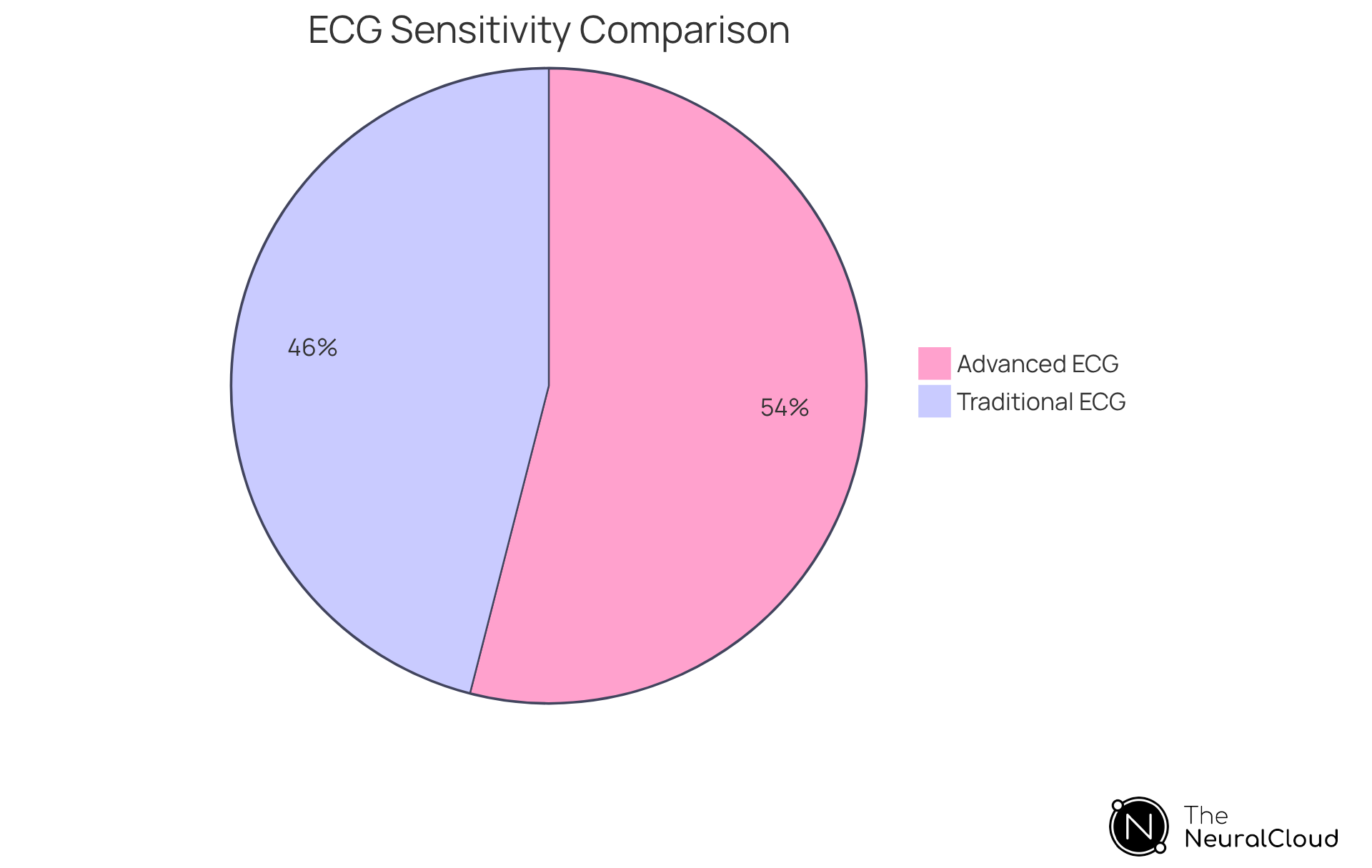
Traditional ECG methods often struggle to accurately diagnose atrial fibrillation, highlighting the need for advanced solutions. Conventional ECGs, while essential in cardiac diagnostics, often exhibit lower sensitivity and specificity, particularly for detecting intermittent AF episodes. In contrast, advanced technologies, including AI-enhanced ECGs like MaxYield from Neural Cloud Solutions Inc. and wearable devices, demonstrate markedly improved performance. For instance, AI algorithms can achieve sensitivity rates as high as 97.4% in detecting AFib, exceeding conventional methods, which typically show a pooled sensitivity of around 83%. Furthermore, wearable ECG devices facilitate continuous monitoring, crucial for capturing transient arrhythmias that traditional ECGs may overlook.
MaxYield’s advanced noise filtering and distinct wave recognition capabilities allow for the rapid isolation of ECG waves from recordings with high levels of noise and artifact. This shift towards advanced ECG methods not only enhances diagnostic accuracy but also empowers patients to take control of their heart health. Dr. Alan Rabinowitz emphasizes that "MaxYield rivals human interpretation in precision, significantly reducing noise and improving clarity in ECG analysis." With its pending FDA Class II SaMD clearance, MaxYield is set to meet regulatory standards, boosting its credibility.
As the cardiac monitoring market is projected to exceed $32 billion by 2033, the shift towards these innovative ECG solutions could redefine patient care and outcomes.
Conclusion
Atrial fibrillation poses significant challenges in cardiac health, demanding innovative diagnostic methods for timely and accurate treatment. The comparison between traditional ECG methods and advanced technologies reveals a significant evolution in how atrial fibrillation is diagnosed and managed. While traditional ECGs have played a foundational role in identifying this arrhythmia, their limitations in sensitivity and accuracy highlight the urgent need for innovative solutions that can enhance patient outcomes.
Key insights from the article illustrate the shortcomings of conventional ECGs, including their inability to capture transient arrhythmias and the potential for misinterpretation. In contrast, advanced technologies such as AI-enhanced ECGs and wearable devices, exemplified by MaxYield from Neural Cloud Solutions Inc., demonstrate superior diagnostic capabilities. These innovations not only improve detection rates but also empower patients through continuous monitoring, ultimately leading to better management of atrial fibrillation.
The move to advanced ECG technologies is essential for improving cardiac care. As the healthcare landscape in Canada adapts to these innovations, it is crucial for clinicians, researchers, and diagnostic facilities to embrace these advancements. By integrating cutting-edge solutions into practice, the potential to significantly improve atrial fibrillation diagnosis and patient care becomes a reality, leading to improved patient outcomes and more effective management of atrial fibrillation.
Frequently Asked Questions
What is atrial fibrillation?
Atrial fibrillation is the most prevalent cardiac arrhythmia, characterized by abnormal electrical activity in the heart's atria, leading to ineffective blood pumping and an increased risk of stroke.
How many individuals in Canada are affected by atrial fibrillation?
Approximately 350,000 individuals in Canada are affected by atrial fibrillation.
What role do traditional ECG readings play in diagnosing atrial fibrillation?
Traditional ECG readings, typically using a 12-lead ECG setup, are crucial for diagnosing atrial fibrillation by capturing the heart's electrical activity and detecting the characteristic irregularly irregular rhythm.
What are the key indicators of atrial fibrillation on an ECG?
The key indicators of atrial fibrillation on an ECG include the absence of distinct P waves and the presence of variable QRS complexes.
How effective are wearable devices in detecting atrial fibrillation?
Recent studies, such as the Apple Heart Study, show that wearable devices can enhance atrial fibrillation detection, with 84% of participants who received irregular pulse alerts being confirmed to be in atrial fibrillation at the time of notification.
What is the potential impact of integrating digital tools with traditional monitoring practices in cardiology?
Integrating innovative digital tools with traditional monitoring practices could redefine patient care in cardiology, improving the effectiveness of atrial fibrillation detection and management.
List of Sources
- Define Atrial Fibrillation and Traditional ECG Readings
- Apple Heart Study demonstrates ability of wearable technology to detect atrial fibrillation (https://med.stanford.edu/news/all-news/2019/03/apple-heart-study-demonstrates-ability-of-wearable-technology.html)
- Heart Rhythm 2025 Features Advances in AI that Enhance Safety of Atrial Fibrillation Treatment - HRS (https://hrsonline.org/news/hr2025-features-advanced-ai-safety-afib-treatment)
- Study demonstrates AI may soon predict occurrence of atrial fibrillation (https://philips.com/a-w/about/news/archive/standard/news/articles/2022/20220722-study-demonstrates-ai-may-soon-predict-occurrence-of-atrial-fibrillation.html)
- AMALFI Randomized Clinical Trial Results Demonstrate Increased Atrial Fibrillation Diagnosis with Home-Based Long-Term Continuous ECG Monitoring Using iRhythm Technologies’ Zio LTCM Service (https://investors.irhythmtech.com/news/news-details/2025/AMALFI-Randomized-Clinical-Trial-Results-Demonstrate-Increased-Atrial-Fibrillation-Diagnosis-with-Home-Based-Long-Term-Continuous-ECG-Monitoring-Using-iRhythm-Technologies-ZioLTCM-Service/default.aspx)
- Examine Limitations of Traditional ECG in AFib Diagnosis
- When and Why AFib is Misdiagnosed | Kardia (https://kardia.com/blog/afib-and-misdiagnosis?srsltid=AfmBOop01RLP1VObX0Qu4vjGJEZCny0s8mb6s-YDL59CZpD5eSjr-te8)
- Computerized Electrocardiogram Rhythm Errors Common, NewYork-Presbyterian/Weill Cornell Study Finds | NYP (https://nyp.org/news/computerized-electrocardiogram-rhythm-errors-common-nyp)
- Accuracy of diagnosing atrial fibrillation on electrocardiogram by primary care practitioners and interpretative diagnostic software: analysis of data from screening for atrial fibrillation in the elderly (SAFE) trial - PMC (https://pmc.ncbi.nlm.nih.gov/articles/PMC1952490)
- Smartwatch Increases AF Diagnosis in Older, High-risk Patients: EQUAL (https://tctmd.com/news/smartwatch-increases-af-diagnosis-older-high-risk-patients-equal)
- Explore Innovations in ECG Technology for Enhanced AFib Diagnosis
- Application of Artificial Intelligence in the Early Detection and Management of Atrial Fibrillation: State-of-the-art Review (https://ecrjournal.com/articles/application-artificial-intelligence-early-detection-and-management-atrial-fibrillation?language_content_entity=en)
- Mayo Clinic study shows AI could enable accurate, inexpensive screening for atrial fibrillation - Mayo Clinic News Network (https://newsnetwork.mayoclinic.org/discussion/mayo-clinic-study-shows-ai-could-enable-accurate-inexpensive-screening-for-atrial-fibrillation)
- Emerging Technologies for Identifying Atrial Fibrillation - PMC (https://pmc.ncbi.nlm.nih.gov/articles/PMC8386822)
- How Innovation and Technology Can Improve Atrial Fibrillation Patient Care - InventUM (https://news.med.miami.edu/how-innovation-and-technology-can-improve-atrial-fibrillation-patient-care)
- New Late-Breaking Study Finds Wearable Electrocardiogram (ECG) Monitoring Patch Can Detect Atrial Fibrillation Earlier and More Efficiently than Routine Care (https://prnewswire.com/news-releases/new-late-breaking-study-finds-wearable-electrocardiogram-ecg-monitoring-patch-can-detect-atrial-fibrillation-earlier-and-more-efficiently-than-routine-care-300611966.html)
- Evaluate Effectiveness: Traditional ECG vs. Advanced ECG Technologies
- Clinical Trial Finds Artificial Intelligence-Guided Procedure for Persistent Atrial Fibrillation Superior to Current Standard of Care - HRS (https://hrsonline.org/news/clinical-trial-finds-ai-guided-afib-procedure-superior)
- Study Shows Promising Results for ECG Technology (https://dicardiology.com/content/study-shows-promising-results-ecg-technology)
- Comparison of diagnostic accuracy of electrocardiogram-based versus photoplethysmography-based smartwatches for atrial fibrillation detection: A Systematic Review and Meta-Analysis - PMC (https://pmc.ncbi.nlm.nih.gov/articles/PMC11981249)