Introduction
Integrating EKG technology with Android systems poses significant challenges that can impact patient care. By exploring best practices for hardware compatibility, software frameworks, and user experience, healthcare providers can fully realize the potential of this integration. Organizations must consider how to ensure compliance while fostering an environment that promotes both technology effectiveness and user proficiency.
Identify Key Components for EKG Integration
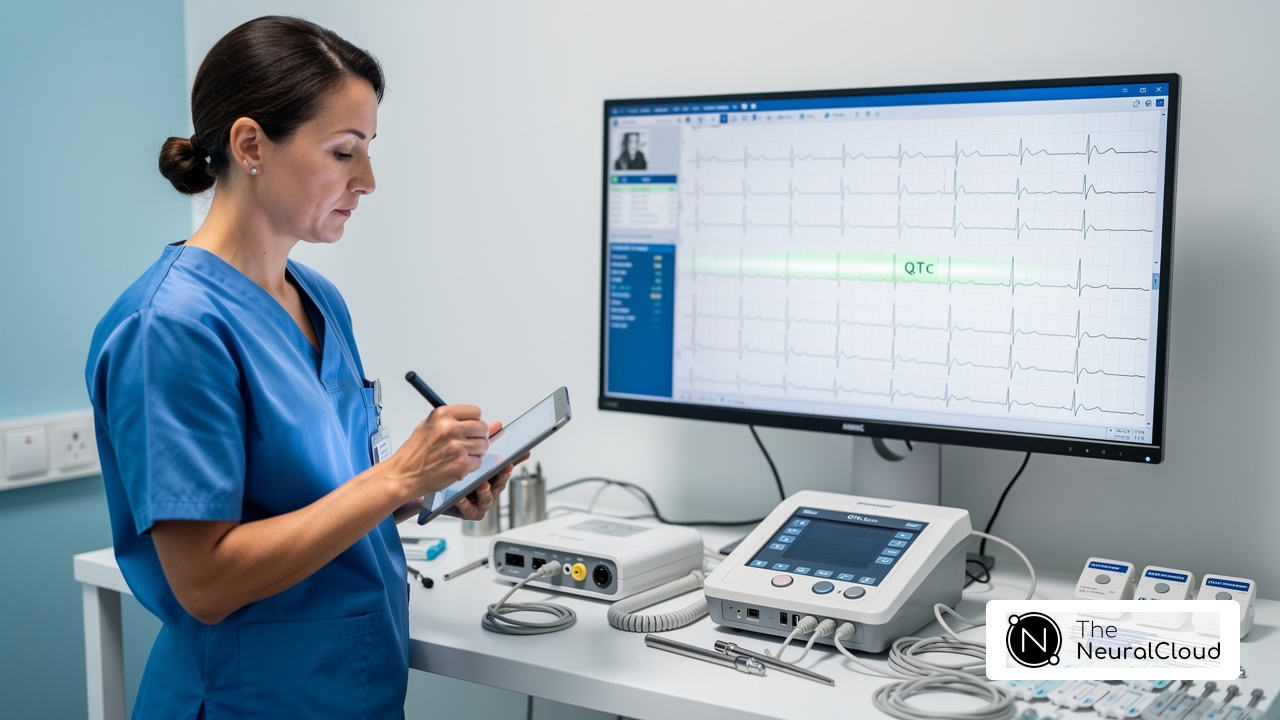
Integrating EKG for Android setups poses several challenges that must be addressed for seamless operation. Key components for successful integration include:
- Hardware Compatibility: It's essential to ensure that EKG devices work with Android systems, focusing on Bluetooth or USB connectivity options that allow for easy data transfer. Approximately 60% of EKG for Android devices support these connectivity methods, enhancing integration capabilities.
- Software Framework: A robust software framework is crucial for real-time data processing and visualization. Leveraging EKG for Android and other SDKs designed for medical applications can significantly boost functionality.
- User Interface Design: An intuitive user interface is vital for healthcare professionals to navigate the application with ease. This should feature clear visualizations of EKG data and straightforward access to patient records, improving usability in clinical settings.
- Data Security Measures: Implementing strict data security protocols is necessary to protect patient information. This includes ensuring compliance with HIPAA regulations and encrypting all transmitted data to guard against breaches.
- Interoperability Standards: It's important that the EKG device can effectively communicate with other healthcare platforms, such as Electronic Health Records (EHRs), by adhering to interoperability standards like HL7 or FHIR. This is key for maintaining comprehensive patient records and facilitating coordinated care.
By addressing these components, developers can significantly enhance clinical workflows and ultimately improve patient outcomes.

Choose Optimal EKG Technology and Tools
Integrating EKG for Android technology into Android systems presents unique challenges that require careful consideration of device and software capabilities. Here are key best practices to consider:
- Assess Device Features: Prioritize EKG devices that provide advanced functionalities such as multi-lead monitoring, real-time information transmission, and integrated algorithms for arrhythmia detection. For instance, AliveCor's KardiaMobile exemplifies portable EKG technology with its user-friendly design and robust capabilities.
- Assess Software Capabilities: Look for software that offers advanced analytics and visualization tools to enhance your EKG data interpretation. Platforms leveraging AI can significantly improve the interpretation of EKG data for Android, offering actionable insights that empower clinicians to make informed decisions quickly.
- Consider User Experience: Opt for tools that emphasize user experience, ensuring medical professionals can operate the system with minimal training. Intuitive interfaces can greatly reduce the learning curve, facilitating smoother adoption and integration into existing workflows.
- Ensure Scalability: Select technologies that can scale according to the medical facility's needs. Cloud-based solutions are especially beneficial, as they can handle rising information loads from a growing patient base, ensuring seamless monitoring and analysis.
- Check for Regulatory Compliance: Verify that the selected technologies adhere to relevant medical regulations and standards, including FDA approval for medical devices and compliance with data privacy laws. This not only ensures patient safety but also builds trust in the technology's reliability.
By following these best practices, healthcare providers can ensure a smoother integration process, ultimately enhancing patient care and operational efficiency.

Provide Comprehensive Training and Support
Integrating EKG for Android technology into platforms presents unique challenges that require comprehensive training and support for healthcare professionals. Here are best practices to implement:
- Develop Tailored Training Programs: Create training programs specifically designed for different user groups, such as cardiologists, nurses, and technicians. This ensures that each group receives relevant information that enhances their proficiency.
- Utilize Hands-On Training: Incorporate hands-on training sessions where users can practice using the EKG equipment in a controlled environment. Hands-on training helps users gain confidence and become familiar with the technology, which is crucial for their proficiency.
- Provide Ongoing Support: Establish a robust framework that includes access to technical assistance, user manuals, and online resources. This guarantees that users can promptly address any problems they face during operation, enabling smoother integration of EKG devices.
- Implement Feedback Mechanisms: Create channels for users to provide feedback on the training process and the EKG setup itself. This feedback can be utilized to continuously improve training materials and support services, ensuring they meet user needs effectively.
- Conduct Regular Refresher Courses: Offer regular refresher courses to keep users updated on new features, best practices, and any changes in regulations or technology. This aids in sustaining a high degree of proficiency among users, ensuring they are well-prepared to use EKG equipment effectively.
By investing in extensive training and support, medical facilities can ensure that their staff is prepared to use EKG equipment effectively, ultimately enhancing patient care.

Ensure Compliance with Healthcare Regulations
Integrating EKG for Android systems into platforms presents significant compliance challenges that healthcare organizations must navigate. Key considerations include:
- Understand Regulatory Requirements: Familiarize yourself with essential regulations such as HIPAA, which governs patient information protection, and FDA guidelines for medical devices. Awareness of local laws is also vital for compliance.
- Conduct Risk Assessments: Regular risk evaluations are necessary to identify potential compliance issues related to information security, patient privacy, and device safety. With the rise of AI, the risk of sensitive patient information being compromised has never been higher. This proactive method is essential, as roughly 90% of medical organizations have revealed sensitive information that could be easily accessed by AI, emphasizing the necessity for vigilance in risk management.
- Implement Information Security Protocols: Establish robust information security measures, including encryption, access controls, and secure transmission methods. These protocols help keep patient information safe and make sure we meet all regulatory standards.
- Maintain Documentation: Thorough documentation of compliance-related activities, such as training records, risk assessments, and device certifications, is essential. This documentation supports audits and regulatory reviews, demonstrating due diligence in compliance efforts.
- Stay Informed on Regulatory Changes: Continuously monitor changes in medical regulations and standards to maintain compliance. Engaging with industry newsletters and participating in relevant training sessions can help organizations stay updated on best practices and regulatory expectations.
By prioritizing compliance, organizations not only protect patient data but also build a foundation of trust essential for successful integration of EKG for Android systems.

Conclusion
Integrating EKG technology with Android systems presents both significant challenges and opportunities for enhancing healthcare delivery. To integrate successfully, it's crucial to ensure that the hardware is compatible, employ a robust software framework, prioritize user-friendly interface design, implement stringent data security measures, and adhere to interoperability standards. By focusing on these areas, developers can create systems that not only function effectively but also significantly improve clinical workflows and patient outcomes.
Throughout the article, key best practices have been highlighted to facilitate this integration process. From selecting the right EKG devices and software tools to providing comprehensive training and support for healthcare professionals, each element plays a vital role in ensuring that EKG systems are seamlessly adopted. Moreover, maintaining compliance with healthcare regulations is paramount to safeguarding patient data and building trust in the technology used.
In the end, integrating EKG systems with Android platforms isn't merely a technical hurdle; it's a vital move towards enhancing patient care. By prioritizing these best practices, healthcare organizations can not only improve their operational efficiency but also transform the landscape of patient care for the better.
Frequently Asked Questions
What are the key components for successful EKG integration with Android setups?
The key components include hardware compatibility, a robust software framework, intuitive user interface design, data security measures, and adherence to interoperability standards.
Why is hardware compatibility important for EKG integration?
Hardware compatibility is essential to ensure that EKG devices can work with Android systems, particularly through Bluetooth or USB connectivity options for easy data transfer.
What percentage of EKG devices for Android support Bluetooth or USB connectivity?
Approximately 60% of EKG for Android devices support Bluetooth or USB connectivity methods.
What role does the software framework play in EKG integration?
A robust software framework is crucial for real-time data processing and visualization, enhancing the functionality of EKG applications.
How important is user interface design for EKG applications?
An intuitive user interface is vital for healthcare professionals, allowing for easy navigation of the application, clear visualizations of EKG data, and straightforward access to patient records.
What data security measures should be implemented for EKG integration?
Strict data security protocols must be implemented to protect patient information, including compliance with HIPAA regulations and encrypting all transmitted data.
Why are interoperability standards important in EKG integration?
Interoperability standards, such as HL7 or FHIR, are important to ensure that EKG devices can effectively communicate with other healthcare platforms, like Electronic Health Records (EHRs), maintaining comprehensive patient records and facilitating coordinated care.
How can addressing these components enhance clinical workflows?
By addressing hardware compatibility, software frameworks, user interface design, data security, and interoperability, developers can significantly enhance clinical workflows and ultimately improve patient outcomes.
List of Sources
- Identify Key Components for EKG Integration
- FDA clears 12-lead, cable-free home ECG monitoring system (https://cardiovascularbusiness.com/topics/cardiac-imaging/electrocardiography-ecg/fda-clears-12-lead-cable-free-home-ecg-monitoring-system)
- Mobile ECG Devices Market Size, Share | Forecast [2026-2034] (https://fortunebusinessinsights.com/mobile-ecg-devices-market-109626)
- delveinsight.com (https://delveinsight.com/report-store/cardiac-monitoring-devices-market)
- HeartBeam Receives FDA Clearance for First-Ever, Cable-Free Synthesized 12-Lead ECG for At-Home Arrhythmia Assessment (https://ir.heartbeam.com/news-events/press-releases/detail/107/heartbeam-receives-fda-clearance-for-first-ever-cable-free)
- snsinsider.com (https://snsinsider.com/reports/mobile-ecg-devices-market-7183)
- Choose Optimal EKG Technology and Tools
- ECG market keeps evolving thanks to AI, home monitoring and Epic integration (https://cardiovascularbusiness.com/topics/cardiac-imaging/electrocardiography-ecg/ecg-market-keeps-evolving-thanks-ai-home-monitoring-and-epic-integration)
- coherentmarketinsights.com (https://coherentmarketinsights.com/industry-reports/global-mobile-ecg-devices-market)
- cloudester.com (https://cloudester.com/case-studies/custom-software-ecg-analysis-enhancing-efficiency)
- mddionline.com (https://mddionline.com/business/6-important-quotes-from-medtech-leaders)
- Provide Comprehensive Training and Support
- 65 Quotes About Workplace Learning & Development (https://growthengineering.co.uk/65-quotes-about-workplace-learning)
- 18 of Our Favorite Quotes About the Power of Training & Development - Abilitie (https://abilitie.com/blog/2018-7-6-18-of-our-favorite-quotes-about-the-power-of-training-development)
- Training Inspiration Meets eLearning: 15+ Quotes About Training & Insights (https://elmlearning.com/blog/quotes-about-training)
- chicomm.com (https://chicomm.com/blog/30-inspirational-quotes-for-healthcare-workers)
- Ensure Compliance with Healthcare Regulations
- accountablehq.com (https://accountablehq.com/post/cardiology-practice-security-monitoring-protect-patient-data-and-stay-hipaa-compliant)
- varonis.com (https://varonis.com/blog/healthcare-data-security-report)
- cobalt.io (https://cobalt.io/blog/healthcare-data-breach-statistics)
- mddionline.com (https://mddionline.com/digital-health/what-s-next-for-the-iphone-ecg-following-regulatory-clearance-)
- pmc.ncbi.nlm.nih.gov (https://pmc.ncbi.nlm.nih.gov/articles/PMC12563691)