Introduction
As the landscape of cardiology evolves, healthcare professionals face significant challenges in ECG analysis that demand attention. Cutting-edge technologies promise to enhance patient care and outcomes, but with so many advancements emerging, clinicians must carefully evaluate which technologies will genuinely enhance patient experiences and outcomes. This article delves into the comparative analysis of current and future cardiology machines, exploring their features, benefits, and the implications for patient care in Canada. Grasping the latest innovations, including AI diagnostics and wearable devices, is vital for enhancing treatment efficacy.
Overview of Current Cardiology Technologies
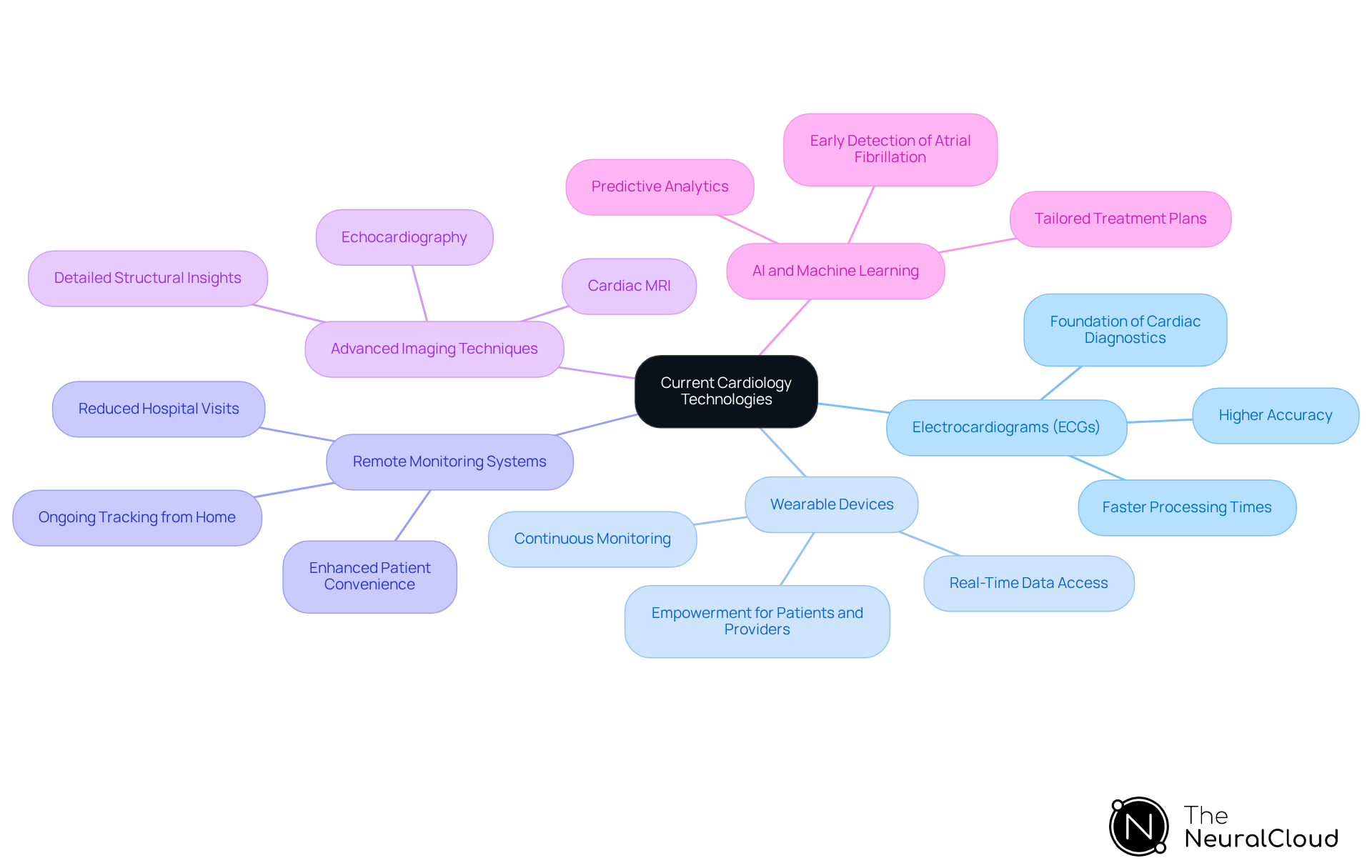
Despite the rapid advancements in heart medicine, challenges in ECG analysis persist, impacting timely patient care. The area is undergoing swift progress, especially with the incorporation of AI-powered innovations that improve diagnostic abilities and care for individuals. Key current technologies in cardiology include:
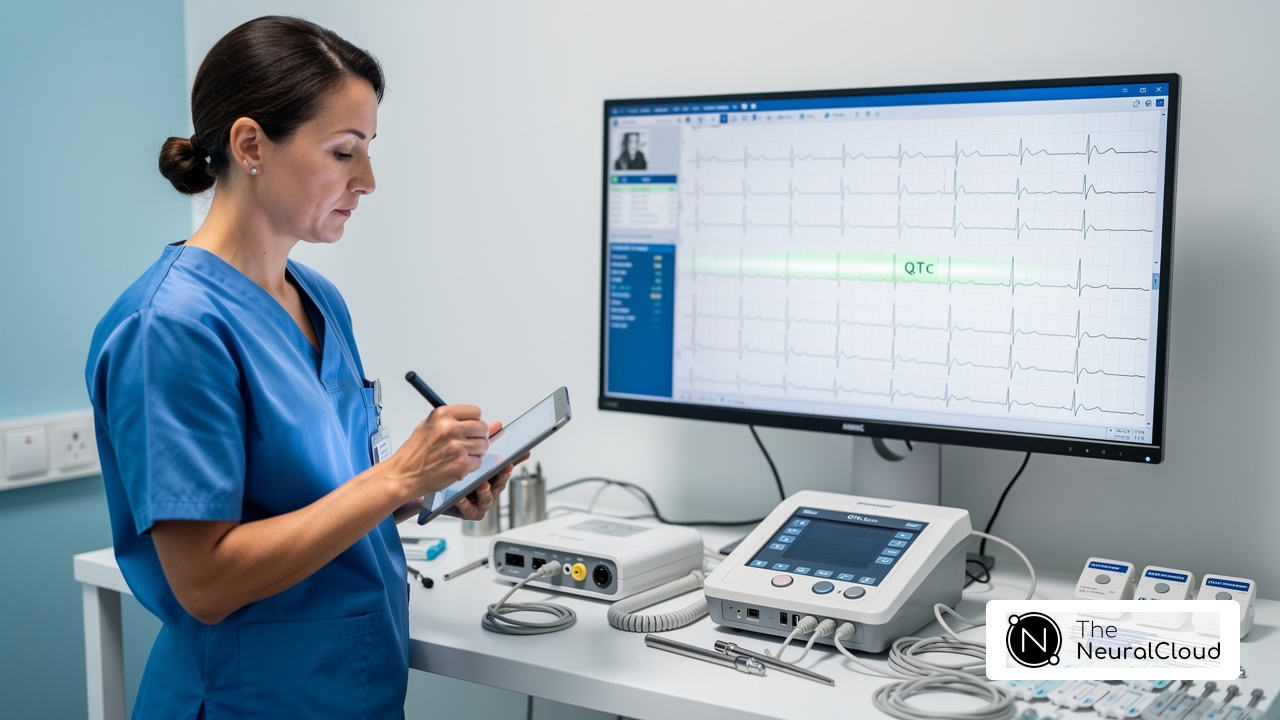
- Electrocardiograms (ECGs): Serving as the foundation of cardiac diagnostics, modern ECG machines have evolved to deliver higher accuracy and faster processing times, crucial for timely interventions.
- Wearable Devices: Smartwatches and fitness trackers now enable continuous heart rate and rhythm monitoring, providing real-time data that empowers both individuals and healthcare providers to make informed decisions.
- Remote Monitoring Systems: These systems facilitate ongoing tracking of patients' cardiac health from home, significantly reducing the need for frequent hospital visits and enhancing patient convenience.
- Advanced Imaging Techniques: Technologies like echocardiography and cardiac MRI provide detailed insights into the heart's structure and function, assisting in accurate diagnosis and planning.
- AI and Machine Learning: The integration of AI in heart medicine is transforming diagnostics, allowing for predictive analytics and tailored treatment plans based on extensive datasets. For example, AI algorithms are now able to analyze ECGs and predict atrial fibrillation, which can result in earlier interventions and enhanced outcomes for individuals.
These advancements create opportunities for future innovations, making it essential for healthcare professionals to remain knowledgeable about their capabilities and limitations. Understanding these technologies is crucial for healthcare professionals to leverage their full potential in improving patient outcomes.
Key Innovations in Cardiology: Features and Benefits
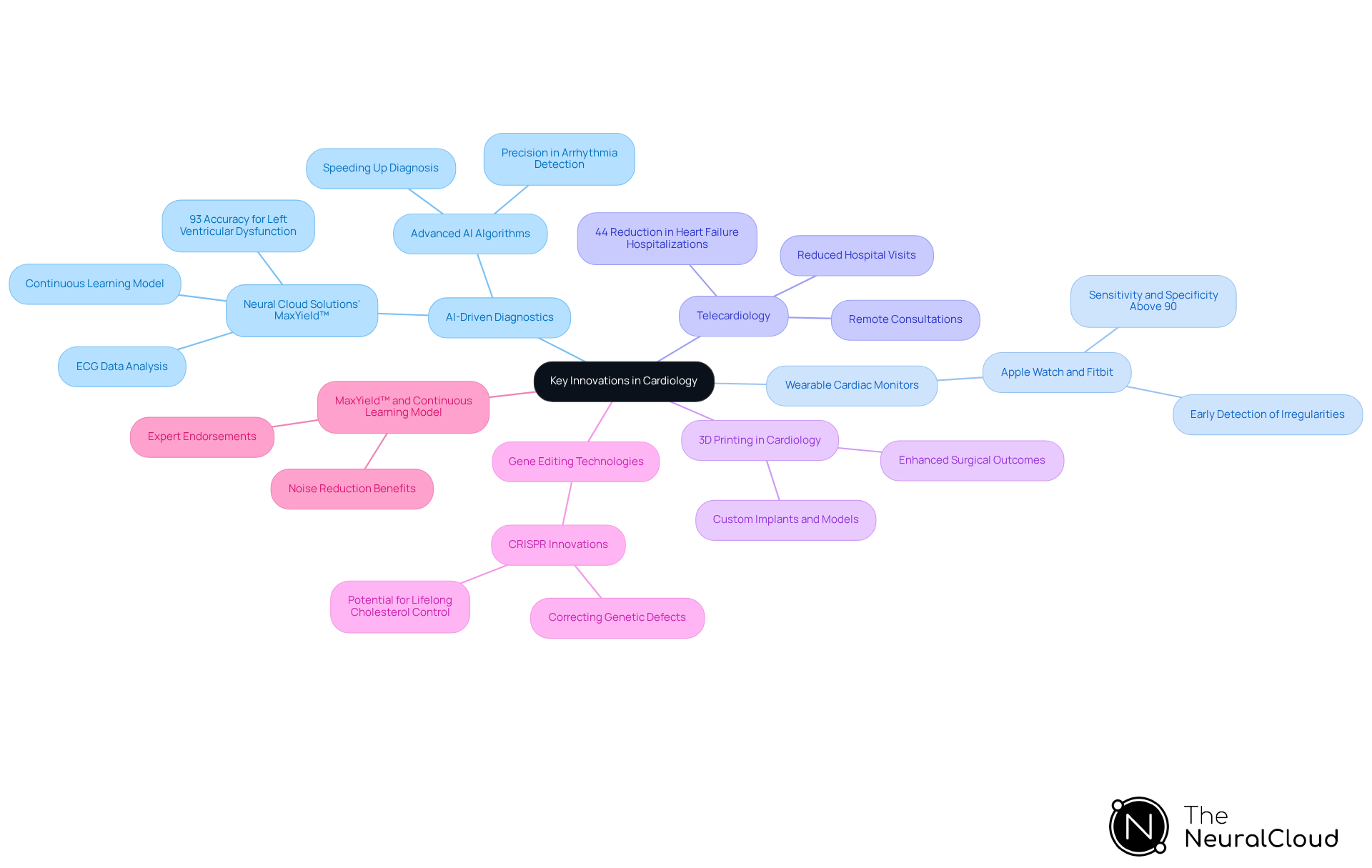
Healthcare professionals face significant challenges in accurately diagnosing cardiac conditions, often leading to delays in treatment and adverse outcomes. Recent innovations in cardiology machine technology have introduced groundbreaking features that significantly improve care for individuals. Key innovations include:
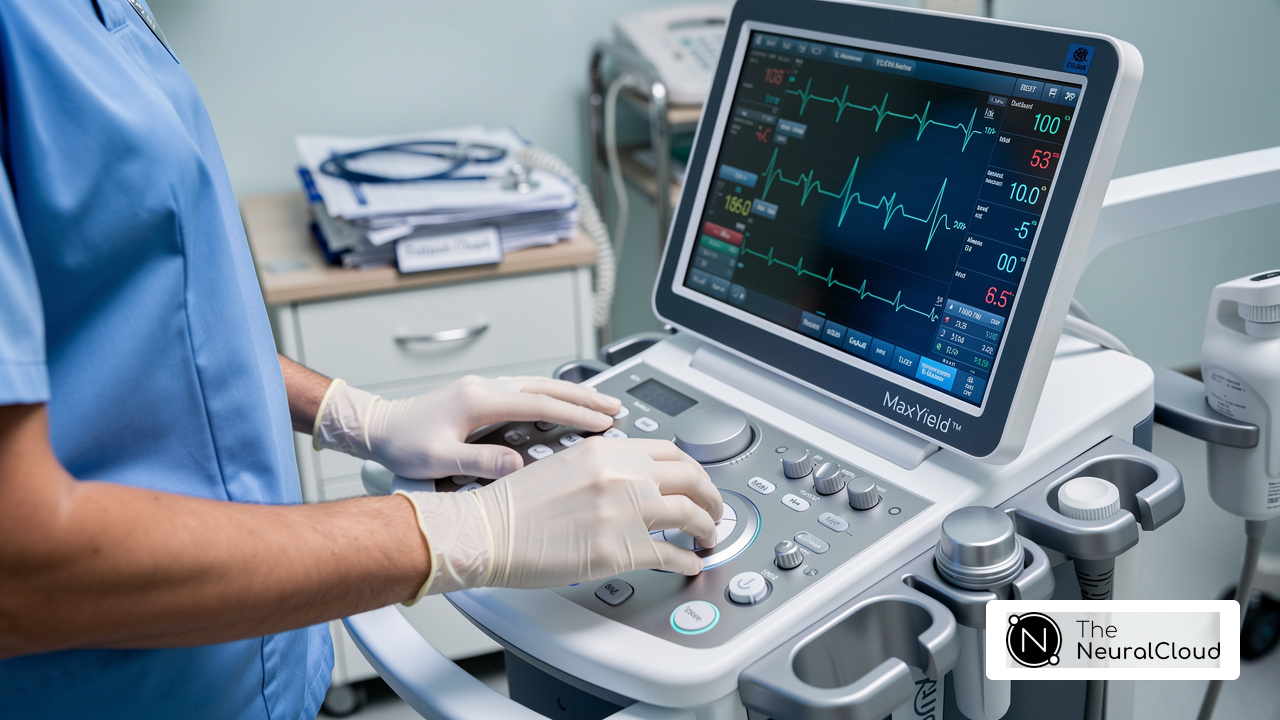
- AI-Driven Diagnostics: Advanced AI algorithms, such as those utilized in Neural Cloud Solutions' MaxYield™, are now capable of analyzing ECG data with remarkable precision, detecting arrhythmias and other cardiac conditions. This tech speeds up diagnosis and boosts treatment outcomes, making a real difference in patient care. AI-assisted screening tools identify individuals at risk of left ventricular dysfunction with a 93% accuracy rate. Regulatory compliance details, including FDA Class II SaMD clearance-pending status, further enhance the credibility of these advancements.
- Wearable Cardiac Monitors: Devices such as the Apple Watch and Fitbit have integrated sophisticated heart monitoring features, enabling early detection of irregularities. These wearables achieve sensitivities and specificities at or above 90% for detecting atrial fibrillation, empowering individuals to take proactive control of their health. This capability is crucial, as the cardiology machine plays a vital role in addressing heart disease, which claims nearly 950,000 lives annually in the United States.
- Telecardiology: The rise of remote consultations and monitoring using a cardiology machine has transformed healthcare, allowing individuals to receive medical attention from the comfort of their homes while ensuring high standards of oversight. This approach is particularly beneficial in managing chronic conditions, as it facilitates timely interventions and reduces hospital visits. In fact, the use of a cardiology machine for remote hemodynamic monitoring has been validated to reduce heart failure hospitalizations by approximately 44% compared to usual care.
- 3D Printing in Cardiology: The cardiology machine utilizing 3D printing technology for producing custom implants and models has transformed personalized care plans. This innovation enhances surgical outcomes and patient satisfaction by incorporating a cardiology machine that allows for tailored solutions to meet individual anatomical needs.
- Gene Editing Technologies: Innovations like CRISPR are being explored for their potential to correct genetic defects that lead to heart disease. This represents a paradigm shift in treatment approaches, with the possibility of offering one-time solutions for lifelong cholesterol control and other genetic conditions. The Tsimane study illustrates the impact of lifestyle on coronary artery disease risk, suggesting that adopting healthy habits could reduce risk by up to 90%.
- MaxYield™ and Continuous Learning Model: Neural Cloud Solutions' MaxYield™ converts extensive and noisy ECG recordings into clear, sharp signals, utilizing advanced AI methods for clarity and speed in ambulatory ECG waveform analysis. The Continuous Learning Model ensures that the algorithm evolves with each use, continuously improving accuracy and efficiency. Expert endorsements from Dr. Alan Rabinowitz, Dr. Brett Heilbron, and Dr. Marc W. Deyell emphasize MaxYield’s precision rivaling human interpretation and its significant noise reduction benefits.
These innovations not only enhance the diagnostic capabilities of the cardiology machine but also improve individual involvement and results. As these innovations continue to evolve, they promise to redefine the standards of care in cardiology, ultimately saving lives and enhancing patient well-being.
Comparative Analysis of Technology Integration and Patient Outcomes
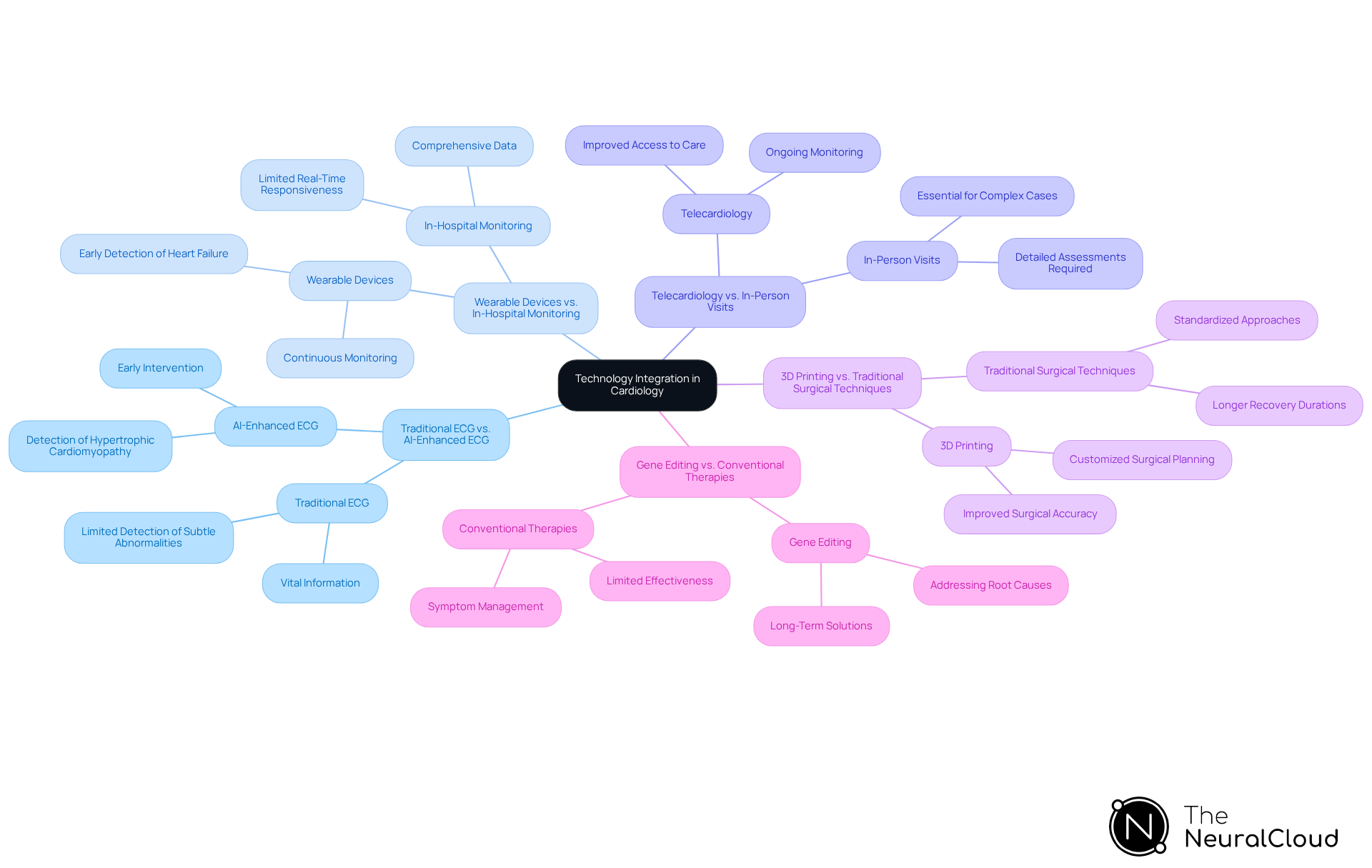
The integration of advanced technologies in cardiology presents both challenges and opportunities for improving patient outcomes. A comparative analysis reveals:
- Traditional ECG vs. AI-Enhanced ECG: While traditional ECGs offer vital information, AI-enhanced ECGs can spot subtle abnormalities that might slip past human eyes. This capability leads to earlier interventions, enhancing outcomes for individuals. For instance, studies indicate that AI-ECG algorithms can flag cases of hypertrophic cardiomyopathy (HCM) that traditional methods might miss, facilitating timely treatment and reducing the risk of adverse events.
- Wearable Devices vs. In-Hospital Monitoring: Wearable devices enable continuous monitoring, allowing for timely interventions outside clinical settings. Research shows that these devices can detect early signs of worsening heart failure, potentially days to weeks before hospitalization is necessary. In contrast, in-hospital monitoring provides comprehensive data but may not capture real-time changes in an individual's condition, limiting responsiveness.
- Telecardiology vs. In-Person Visits: Telecardiology improves access to care, especially for individuals in remote areas. It allows for ongoing monitoring and consultations without the need for travel. However, in-person visits remain essential for complex cases that require hands-on examination and detailed assessments.
- 3D Printing vs. Traditional Surgical Techniques: The emergence of 3D printing in heart medicine enables customized surgical planning, improving surgical accuracy and possibly shortening recovery durations compared to conventional approaches. This innovation supports tailored strategies for individual anatomies, enhancing surgical outcomes.
- Gene Editing vs. Conventional Therapies: Gene editing presents the potential to address the root causes of genetic heart diseases, offering more effective long-term solutions compared to conventional therapies that primarily manage symptoms. This shift towards precision medicine could revolutionize treatment approaches in heart care.
This analysis highlights how choosing the right technology can make a real difference based on individual patient needs and clinical situations, ultimately leading to better patient outcomes and quality of life.
Future Trends in Cardiology Innovations
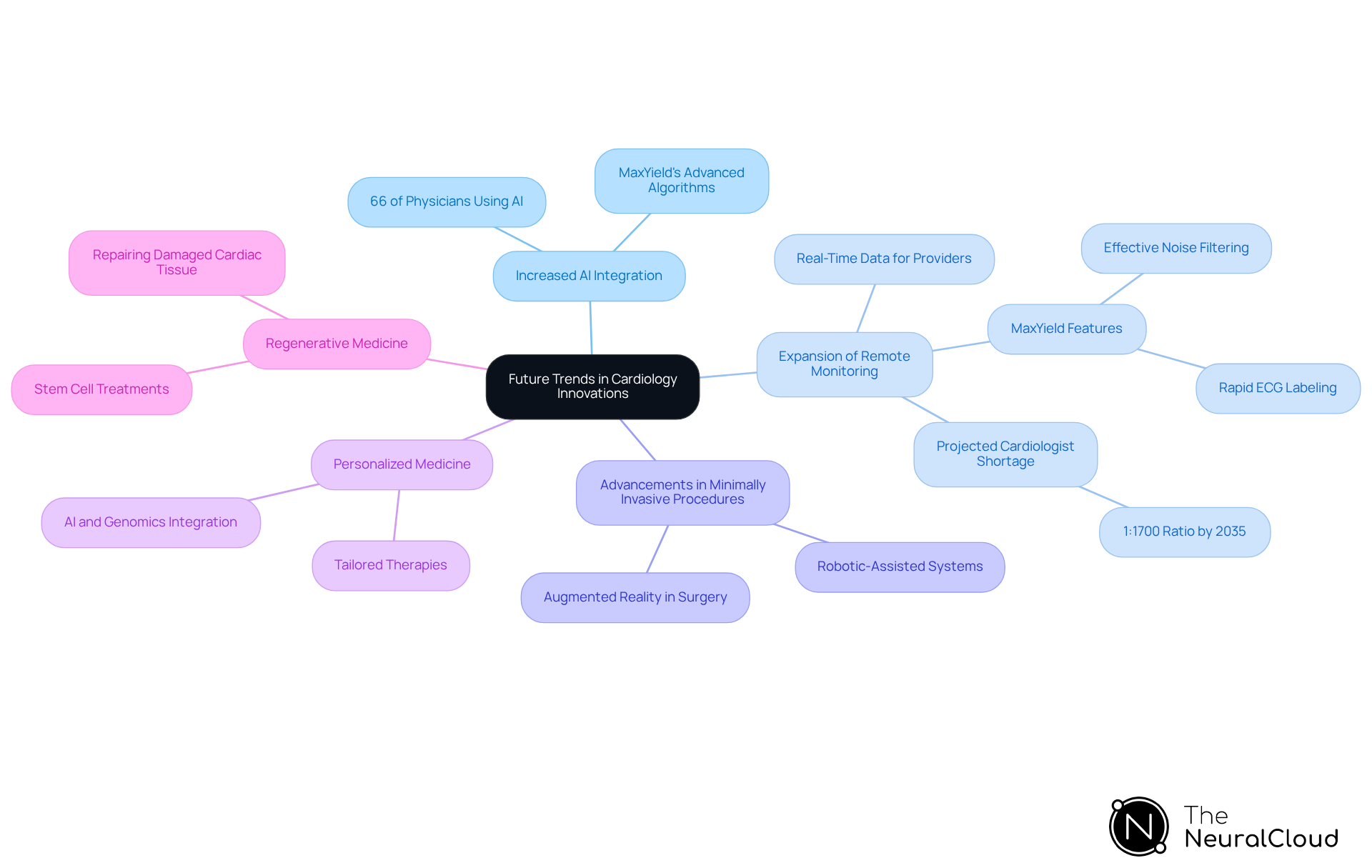
The landscape of heart medicine is on the brink of significant transformation, driven by technological advancements that promise to reshape patient care. Key trends to watch include:
- Increased AI Integration: Recent reports show that more than 66% of physicians are now using healthcare AI in their practices. This marks a significant rise in adoption, according to the American Medical Association. Neural Cloud Solutions Inc. is at the forefront of this trend with MaxYield, which employs advanced algorithms that evolve with each use, enhancing diagnostic yield and accuracy.
- Expansion of Remote Monitoring: The trend towards remote individual monitoring is expected to grow, with more devices capable of providing real-time data to healthcare providers. This shift enhances individual engagement and outcomes, allowing for timely interventions and improved management of cardiovascular conditions. Notably, the ratio of cardiovascular individuals per cardiologist is projected to worsen, increasing from 1 for every 1,087 individuals to 1 for every 1,700 individuals by 2035. This highlights the necessity for efficient remote monitoring solutions. MaxYield offers several key features:
- Rapid labeling of ECG waveforms
- Effective noise filtering
These capabilities enable clinicians to analyze more data in less time, establishing MaxYield as an essential tool in this evolving landscape.
- Advancements in Minimally Invasive Procedures: Innovations in surgical techniques and tools will continue to minimize patient trauma and recovery times, making procedures safer and more efficient. Technologies such as robotic-assisted systems and augmented reality are enhancing precision in cardiovascular interventions.
- Personalized Medicine: Personalized medicine is gaining traction, focusing on therapies tailored to each patient's genetic profile and lifestyle. This shift aims to improve treatment effectiveness and minimize side effects. Expert forecasts for 2026 emphasize the integration of AI and genomics in care strategies as essential for personalized support. Neural Cloud Solutions Inc. supports this shift with its continuous learning model in MaxYield, which enhances ECG analysis accuracy and efficiency through AI-driven automation.
- Regenerative Medicine: Research into regenerative therapies, including stem cell treatments, may offer new avenues for repairing damaged cardiac tissue, potentially revolutionizing treatment for heart failure. Case studies are emerging that illustrate the impact of these advancements on patient outcomes.
These trends indicate a future where cardiology is increasingly data-driven, patient-centered, and focused on innovative solutions to complex health challenges. As Dr. Alan Rabinowitz notes, "MaxYield’s precision rivals human interpretation, making it a game-changer in ECG analysis." As these trends unfold, the role of platforms like MaxYield will be crucial in navigating the complexities of modern cardiology.
Conclusion
The rapid evolution of cardiology technologies presents both challenges and opportunities in patient care. Innovations like AI-driven diagnostics, wearable devices, and telecardiology are becoming more common. They improve healthcare delivery efficiency and empower patients to actively manage their heart health.
Throughout this article, we've highlighted key advancements, including the transformative impact of AI in ECG analysis, the convenience of remote monitoring, and the personalization of treatment through innovative technologies like 3D printing and gene editing. Each of these innovations plays a crucial role in addressing the challenges faced by healthcare professionals and patients alike, ultimately leading to improved outcomes and quality of life for individuals with cardiac conditions.
As the cardiology field continues to advance, healthcare providers, researchers, and device manufacturers need to keep up with these emerging technologies and understand how they impact patient care. Embracing these innovations will enhance diagnostic capabilities and pave the way for a future where heart disease management is more effective, personalized, and accessible. By embracing these advancements, healthcare providers can redefine the standards of care, ensuring that patients achieve optimal outcomes in their cardiac health journey.
Frequently Asked Questions
What are the main technologies currently used in cardiology?
Key technologies in cardiology include Electrocardiograms (ECGs), wearable devices, remote monitoring systems, advanced imaging techniques, and AI and machine learning.
How have ECG machines evolved in recent years?
Modern ECG machines have improved to deliver higher accuracy and faster processing times, which are crucial for timely interventions in cardiac diagnostics.
What role do wearable devices play in cardiac health monitoring?
Wearable devices like smartwatches and fitness trackers enable continuous heart rate and rhythm monitoring, providing real-time data that helps individuals and healthcare providers make informed decisions.
What are remote monitoring systems and their benefits?
Remote monitoring systems allow for ongoing tracking of patients' cardiac health from home, significantly reducing the need for frequent hospital visits and enhancing patient convenience.
How do advanced imaging techniques contribute to cardiology?
Technologies such as echocardiography and cardiac MRI provide detailed insights into the heart's structure and function, assisting in accurate diagnosis and treatment planning.
In what ways is AI transforming cardiology?
AI and machine learning are transforming diagnostics by enabling predictive analytics and tailored treatment plans based on extensive datasets, such as analyzing ECGs to predict atrial fibrillation for earlier interventions.
Why is it important for healthcare professionals to understand current cardiology technologies?
Understanding these technologies is crucial for healthcare professionals to leverage their full potential in improving patient outcomes and to stay informed about their capabilities and limitations.
List of Sources
- Overview of Current Cardiology Technologies
- 2026: The year our toolbox expands in cardiology (https://healio.com/news/cardiology/20260122/2026-the-year-our-toolbox-expands-in-cardiology)
- Cardiology Innovations 2026: AI, CRISPR & Heart Health (https://topdoctormagazine.com/chronic-care/cardiology-innovations-2026)
- Emerging Cardiology Technologies Transforming Senior Heart Care in 2026 (https://allseniors.org/articles/emerging-cardiology-technologies-transforming-senior-heart-care-in-2026)
- Innovations in cardiology take center stage (https://med.uth.edu/blog/2026/02/24/innovations-in-cardiology-take-center-stage)
- Year in Review: Evidence Around AI in Cardiology Grows (https://tctmd.com/news/year-review-evidence-around-ai-cardiology-grows)
- Key Innovations in Cardiology: Features and Benefits
- Cardiology Innovations 2026: AI, CRISPR & Heart Health (https://topdoctormagazine.com/chronic-care/cardiology-innovations-2026)
- Innovations in cardiology take center stage (https://med.uth.edu/blog/2026/02/24/innovations-in-cardiology-take-center-stage)
- Comparative Analysis of Technology Integration and Patient Outcomes
- Smartwatches could predict risk of hospitalization due to heart failure: Toronto study (https://temertymedicine.utoronto.ca/news/smartwatches-could-predict-risk-hospitalization-due-heart-failure-toronto-study)
- Three New Studies Show Viz.ai’s Cardio Suite Speeds Detection of Cardiac Disease and Improves Patient Follow-Up (https://viz.ai/news/three-new-studies-show-viz-ais-cardio-suite-speeds-detection-of-cardiac-disease-and-improves-patient-follow-up)
- pmc.ncbi.nlm.nih.gov (https://pmc.ncbi.nlm.nih.gov/articles/PMC11522764)
- AI-Enhanced ECG Analysis Shows Strong Accuracy in Detecting Hypertrophic Cardiomyopathy (https://consultqd.clevelandclinic.org/ai-enhanced-ecg-analysis-shows-strong-accuracy-in-detecting-hypertrophic-cardiomyopathy)
- Future Trends in Cardiology Innovations
- Innovations in cardiology take center stage (https://med.uth.edu/blog/2026/02/24/innovations-in-cardiology-take-center-stage)
- Cardiology Innovations 2026: AI, CRISPR & Heart Health (https://topdoctormagazine.com/chronic-care/cardiology-innovations-2026)
- 9 Independent Cardiology Trends for 2026 (https://cardioone.com/9-independent-cardiology-trends-for-2026-heres-what-will-shape-the-future-of-private-practice)
- Evolutionary trends and innovations in cardiovascular intervention - PMC (https://pmc.ncbi.nlm.nih.gov/articles/PMC11098563)
- Cardiology Updates Leading Into 2026 | Passaic, New Jersey | Apex Heart and Vascular Center (https://apexheartandvascular.com/cardiology-updates-leading-into-2026)