Introduction
As healthcare technology evolves, developers face the pressing challenge of mastering electrocardiogram (EKG) intricacies to enhance patient care. With the rise of AI technologies, developers have a unique opportunity to leverage best practices for accurate EKG interpretation and integration, but they must first navigate the complexities of the healthcare landscape. Developers often struggle to keep pace with the rapid advancements in EKG technology and interpretation methods. This gap can lead to tools that fail to meet the needs of healthcare professionals and ultimately compromise patient care.
Understand Normal EKG Characteristics and Values
Understanding the normal characteristics of an electrocardiogram is essential, yet many health tech creators struggle with accurately interpreting EKG values. Key values include:
- Heart Rate: Normal resting heart rates range from 60 to 99 beats per minute (bpm), with tachycardia defined as a heart rate exceeding 100 bpm.
- P Wave: The duration should be less than 120 milliseconds, indicating proper atrial depolarization. Normal P wave amplitude is less than 2.5 mm.
- PR Interval: This interval should last between 120 to 200 milliseconds, reflecting the time taken for electrical impulses to travel from the atria to the ventricles.
- QRS Complex: The duration should be less than 120 milliseconds, representing ventricular depolarization. A standard QRS complex duration is under 120 milliseconds.
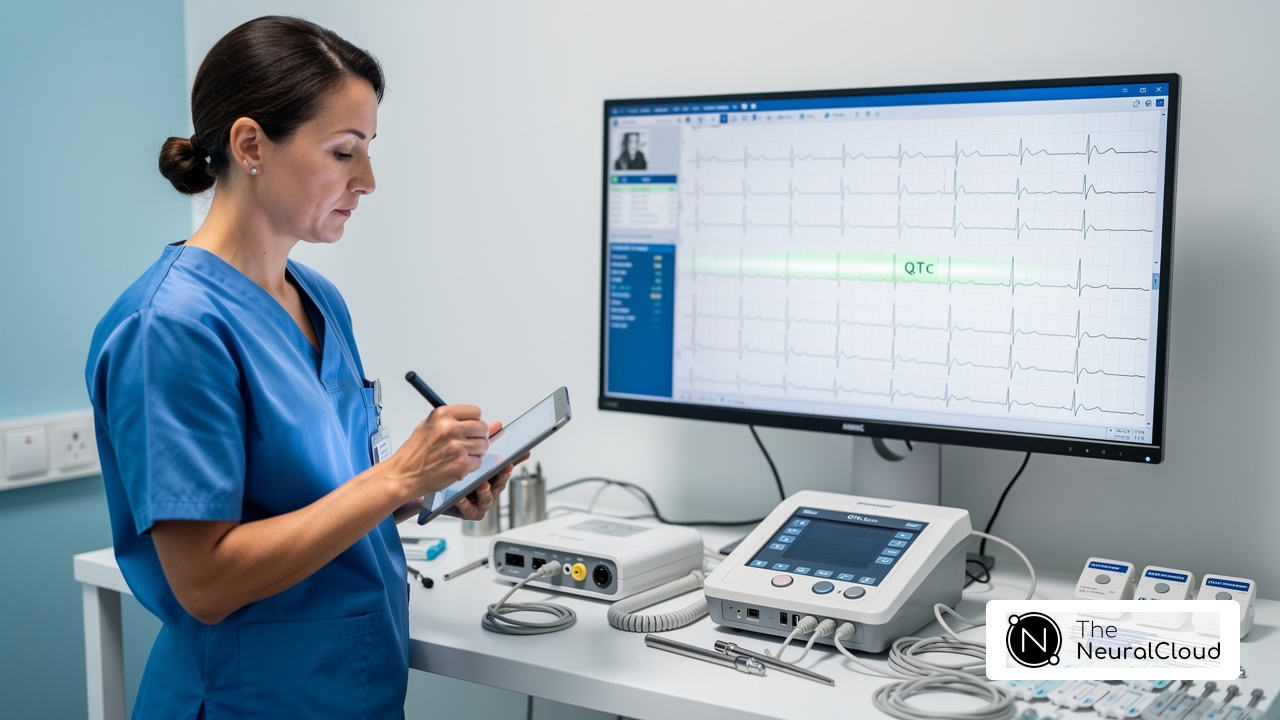
- QT Interval: This should be less than 440 milliseconds in men and 460 milliseconds in women, indicating the time for ventricular depolarization and repolarization. For a heart rate of 70 bpm, the QT interval should be less than or equal to 0.40 seconds.
When programmers understand these EKG values, they can develop algorithms that accurately spot deviations, leading to quicker interventions and better care for patients. For instance, a developer might implement a feature that alerts clinicians when an individual's heart rate exceeds 100 bpm, indicating potential tachycardia, thus facilitating prompt clinical action. Grasping these metrics not only enhances algorithm accuracy but also plays a pivotal role in ensuring timely and effective patient care.

Leverage AI-Driven Technologies for Enhanced Signal Clarity
Despite advancements in technology, noise in EKG values continues to challenge diagnostic accuracy and patient outcomes. AI-driven technologies are essential for enhancing the clarity of EKG values, which significantly impacts diagnostic accuracy and outcomes for individuals. Here are best practices for health tech developers to consider:
- Implement Noise Reduction Algorithms: Leverage machine learning techniques, such as convolutional neural networks (CNNs), to effectively differentiate between noise and genuine cardiac signals. Training these algorithms on extensive datasets can enhance their ability to filter out artifacts, resulting in clearer EKG values.
- Utilize Advanced Signal Processing Techniques: Employ methods like wavelet transforms to improve signal quality by isolating relevant features from background noise. This approach is particularly beneficial for wearable devices, where signal integrity may be compromised due to movement or external interference.
- Integrate Real-Time Analysis Capabilities: Develop systems that offer real-time feedback on signal quality, enabling clinicians to make immediate adjustments as needed. Continuous monitoring combined with adaptive algorithms that learn from incoming data can significantly enhance the reliability of EKG values.
Ultimately, these enhancements can lead to more accurate diagnoses and better patient care, transforming the landscape of cardiac health monitoring.

Implement Effective Integration Strategies for EKG Tools
Integrating new EKG tools into existing healthcare systems presents significant challenges that developers must address to maximize their impact:
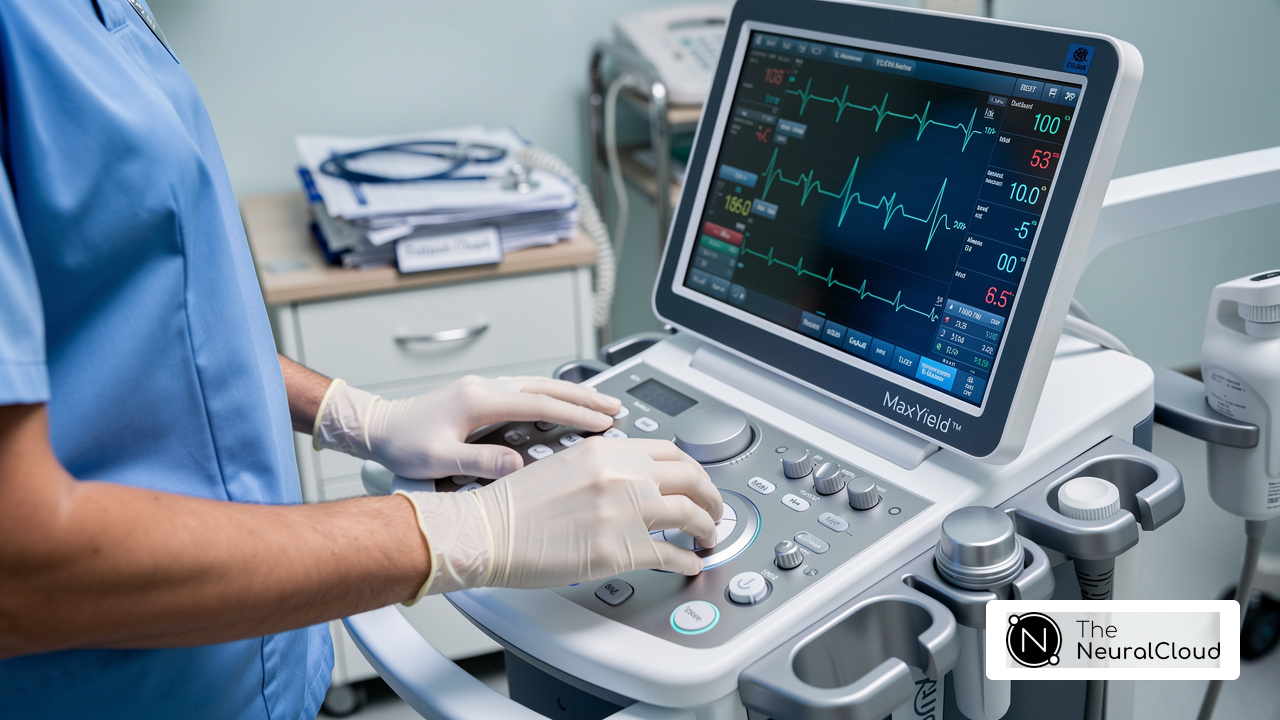
- Ensure Compatibility with Existing Systems: Assess current healthcare IT systems to ensure seamless integration of new EKG tools. This includes guaranteeing compatibility with electronic health records (EHRs) and other diagnostic instruments. It's crucial, as 73% of physicians report that inadequate system integration is a major barrier to improving care with digital resources. MaxYield is a device-agnostic ECG intelligence layer that integrates easily through API, SDK, or CDK, eliminating the need for hardware changes. This approach simplifies the enhancement of existing systems while ensuring compliance with FDA Class II SaMD clearance-pending status.
- User-Centric Design: Develop interfaces that are intuitive and easy to navigate for healthcare professionals. User testing to gather feedback and make adjustments before deployment can greatly improve satisfaction and adoption rates. The clean data sets provided by MaxYield allow for clearer visualizations, which can be further enhanced through Insight360, a customizable visualization application that transforms ECG data into interactive dashboards and clinical-ready reports.
- Provide Comprehensive Training: Offer training sessions for healthcare providers to familiarize them with the new resources. This can include hands-on workshops and online tutorials covering both technical aspects and clinical applications. Interestingly, 68% of physicians spend over an hour daily searching for essential patient information, highlighting the need for effective training to streamline workflows. Expert endorsements from Dr. Alan Rabinowitz, Dr. Brett Heilbron, and Dr. Marc W. Deyell emphasize that MaxYield’s precision competes with human interpretation, ensuring healthcare professionals are well-prepared to utilize these advanced resources effectively.
By implementing these strategies, developers can not only improve the integration of EKG values technology but also significantly enhance patient care outcomes.

Ensure Continuous Education and Training for Users
To maximize the effectiveness of EKG tools, continuous education and training for healthcare professionals is essential:
- Develop Ongoing Training Programs: These programs may consist of webinars, workshops, and online courses specifically designed for healthcare providers, highlighting MaxYield™'s device-agnostic ECG intelligence layer that integrates seamlessly via API, SDK, or CDK. Regular updates will ensure that the training reflects new features and advancements in EKG technology, particularly in relation to EKG values.
- Utilize Simulation-Based Learning: Incorporate simulation-based training that allows users to practice interpreting EKGs in a risk-free environment. Studies show that this approach boosts learning retention and helps build confidence for real-world applications, with some research indicating a 36% increase in learner performance compared to traditional methods. This method can be particularly beneficial in Canadian contexts, where healthcare professionals can simulate scenarios relevant to local practices.
- Feedback Mechanisms: Establish channels for users to provide feedback on the tools and training programs. This feedback can be invaluable for making iterative improvements and ensuring that the training remains relevant and effective. Engaging with experts like Dr. Alan Rabinowitz, Dr. Brett Heilbron, and Dr. Marc W. Deyell can further validate the training's effectiveness, as they endorse MaxYield™ for its precision rivaling human interpretation and noise reduction benefits.
By implementing these practices, developers can foster a culture of continuous education, equipping healthcare professionals to effectively use EKG technologies for better outcomes. In Canada, ongoing training programs have demonstrated an improvement in adherence to desired practices, with educational meetings likely enhancing outcomes for individuals, potentially leading to better EKG values by an adjusted risk difference of 3.30%. This dedication to ongoing education not only empowers healthcare providers but also significantly enhances patient care in cardiovascular health, supported by regulatory compliance details such as FDA Class II SaMD clearance-pending status and audit-ready documentation for GxP inspections.

Conclusion
Many developers struggle to fully understand EKG values, which can hinder their ability to enhance patient care and diagnostic accuracy. By understanding normal EKG characteristics, developers can create algorithms that identify deviations and enable timely clinical interventions. This knowledge helps developers use technology more effectively, ensuring that healthcare professionals can respond swiftly to potential cardiac issues.
The article highlights several best practices:
- Implementing AI-driven technologies to enhance signal clarity.
- Developing effective integration strategies for EKG tools.
- Ensuring continuous education for healthcare providers.
By utilizing noise reduction algorithms and advanced signal processing techniques, developers can significantly improve the reliability of EKG readings. Furthermore, ensuring compatibility with existing healthcare systems and providing comprehensive training are essential steps in maximizing the impact of EKG technologies.
Ongoing education and training for healthcare professionals are crucial for fostering excellence in cardiovascular care. By prioritizing these best practices, health tech developers can improve the integration and functionality of EKG tools and contribute to better patient outcomes across Canada. By embracing these strategies, health tech developers can significantly elevate the standard of cardiovascular care in Canada.
Frequently Asked Questions
What are the normal characteristics of an electrocardiogram (EKG)?
Normal characteristics of an EKG include a resting heart rate of 60 to 99 beats per minute (bpm), a P wave duration of less than 120 milliseconds, a PR interval of 120 to 200 milliseconds, a QRS complex duration of less than 120 milliseconds, and a QT interval of less than 440 milliseconds for men and 460 milliseconds for women.
What is considered tachycardia in terms of heart rate?
Tachycardia is defined as a heart rate exceeding 100 beats per minute (bpm).
What is the significance of the P wave in an EKG?
The P wave indicates proper atrial depolarization, with a normal duration of less than 120 milliseconds and an amplitude of less than 2.5 mm.
How long should the PR interval last in a normal EKG?
The PR interval should last between 120 to 200 milliseconds, reflecting the time taken for electrical impulses to travel from the atria to the ventricles.
What does the QRS complex represent in an EKG?
The QRS complex represents ventricular depolarization, with a normal duration of less than 120 milliseconds.
What are the normal QT interval values for men and women?
The QT interval should be less than 440 milliseconds in men and less than 460 milliseconds in women. For a heart rate of 70 bpm, the QT interval should be less than or equal to 0.40 seconds.
How can understanding EKG values improve patient care?
By understanding EKG values, programmers can develop algorithms that accurately identify deviations, leading to quicker interventions and better patient care. For example, an alert feature can notify clinicians when a heart rate exceeds 100 bpm, indicating potential tachycardia and facilitating prompt clinical action.
List of Sources
- Understand Normal EKG Characteristics and Values
- Study examines link between heart rate, onset of illness | Alberta Health Services (https://albertahealthservices.ca/news/Page12994.aspx)
- Your heart rate is more uneven than you think. This is what it says about your health (https://bbc.com/future/article/20260506-heart-rate-variability-can-say-a-lot-about-your-health-and-heres-how-to-track-it)
- Normal Electrocardiography (ECG) Intervals: Normal Electrocardiography Intervals (https://emedicine.medscape.com/article/2172196-overview)
- ECG Learning Center - An introduction to clinical electrocardiography (https://ecg.utah.edu/lesson/3)
- Electrocardiogram - StatPearls - NCBI Bookshelf (https://ncbi.nlm.nih.gov/books/NBK549803)
- Leverage AI-Driven Technologies for Enhanced Signal Clarity
- HeartBeam Presents Positive Results on its Artificial Intelligence Capabilities for Detecting Arrhythmias (https://dicardiology.com/content/heartbeam-presents-positive-results-its-artificial-intelligence-capabilities-detecting)
- AI could be the best defence against heart disease and a breakthrough for Heart Health (https://weforum.org/stories/2026/02/ai-defence-heart-disease)
- AI-ECG Momentum and Rising Competition Reshape Diagnostic Cardiology in 2026 (https://signifyresearch.net/insights/diagnostic-cardiology-market-bouncing-into-2026)
- AI-powered electrocardiogram detects early signs of heart failure (https://utsouthwestern.edu/newsroom/articles/year-2026/may-ai-powered-electrocardiogram.html)
- Implement Effective Integration Strategies for EKG Tools
- Canadian doctors go digital but hit a wall with system integration (https://benefitsandpensionsmonitor.com/benefits/group-health/canadian-doctors-go-digital-but-hit-a-wall-with-system-integration/388498)
- The Daily — Survey on the Use of Digital Technologies by Health Care Providers, 2025 (https://www150.statcan.gc.ca/n1/daily-quotidien/260330/dq260330b-eng.htm)
- Roundup: Access to cardiac AI holds promise to save more lives (https://healthcareitnews.com/news/roundup-access-cardiac-ai-holds-promise-save-more-lives)
- Why ECG integration in the EMR is a critical healthcare technology solution (https://gehealthcare.com/en-us/insights/article/why-ecg-integration-in-the-emr-is-a-critical-healthcare-technology-solution?srsltid=AfmBOoo6oRSdtsXnjGwnep6i_N9mCo03yT_yfL5hLwgDSYCAaf7eSxUJ)
- Healthcare Providers Face Digital Sharing Barriers | Statistics Canada | Statistique Canada posted on the topic | LinkedIn (https://linkedin.com/posts/statcan_in-2024-almost-four-in-five-health-care-activity-7444428619260682240-BO-3)
- Ensure Continuous Education and Training for Users
- Mastering EKG Training: Essential Skills for Healthcare Providers (https://americanmedicalcompliance.com/general/mastering-ekg-training-essential-skills-for-healthcare-providers)
- Simulation-based learning benefits and challenges for eLearning (https://neovation.com/learn/90-simulation-based-learning-benefits-and-challenges-for-elearning)
- Continuing education meetings and workshops: effects on professional practice and healthcare outcomes - PMC (https://pmc.ncbi.nlm.nih.gov/articles/PMC8441047)
- The Future of EKG Technician Careers and Training Importance (https://elitemedacademy.com/the-future-of-ekg-technician-careers-and-training-importance)
- Electrocardiogram Certification Greenwood Indiana — NPS (https://npscerts.com/ekg-certification-greenwood-indiana?srsltid=AfmBOorzIuJENPx8K9qszdoZsnjpnYW6vVpBE6NYloIk-efqyl00KraA)