Introduction
Understanding the nuances of ST segment elevation is crucial for healthcare professionals, as it serves as a key indicator in the diagnosis of acute myocardial infarction (AMI). Recognizing the ST segment elevation criteria can significantly impact patient outcomes, leading to timely interventions that save lives.
However, clinicians face challenges in differentiating between various causes of this elevation, which can range from benign conditions to life-threatening pathologies. To navigate this critical aspect of cardiac care effectively, healthcare professionals must ensure accurate ECG analysis.
Define ST Segment Elevation and Its Clinical Significance
ST portion uplift is defined by an upward shift of the ST segment in the ECG tracing, usually assessed from the baseline. This increase is clinically important as it often suggests acute myocardial infarction (AMI), particularly in relation to the criteria for ST-segment elevation myocardial infarction (STEMI). Identifying the elevation is essential for healthcare providers, as it can lead to prompt treatment choices, including the necessity for reperfusion therapy. The elevation of 0.1 mV in two adjacent leads, fulfilling the criteria, indicates severe obstruction in coronary arteries that necessitates prompt medical intervention.
For instance, studies have shown that timely interventions can significantly reduce mortality rates. Each 10-minute delay in treatment increases the risk of adverse outcomes, emphasizing the critical nature of swift action. Understanding this concept is essential for cardiologists and healthcare technicians to ensure accurate diagnosis and effective patient management, particularly in high-risk populations where factors such as hypertension and diabetes are prevalent, especially when applying the criteria.
Furthermore, the clinical significance of the elevation is underscored by its role in directing treatment protocols. For example, there is a recommendation for a target FMC-to-device time of under 90 minutes for PCI-capable hospitals. This highlights the need for healthcare systems to prioritize rapid response.
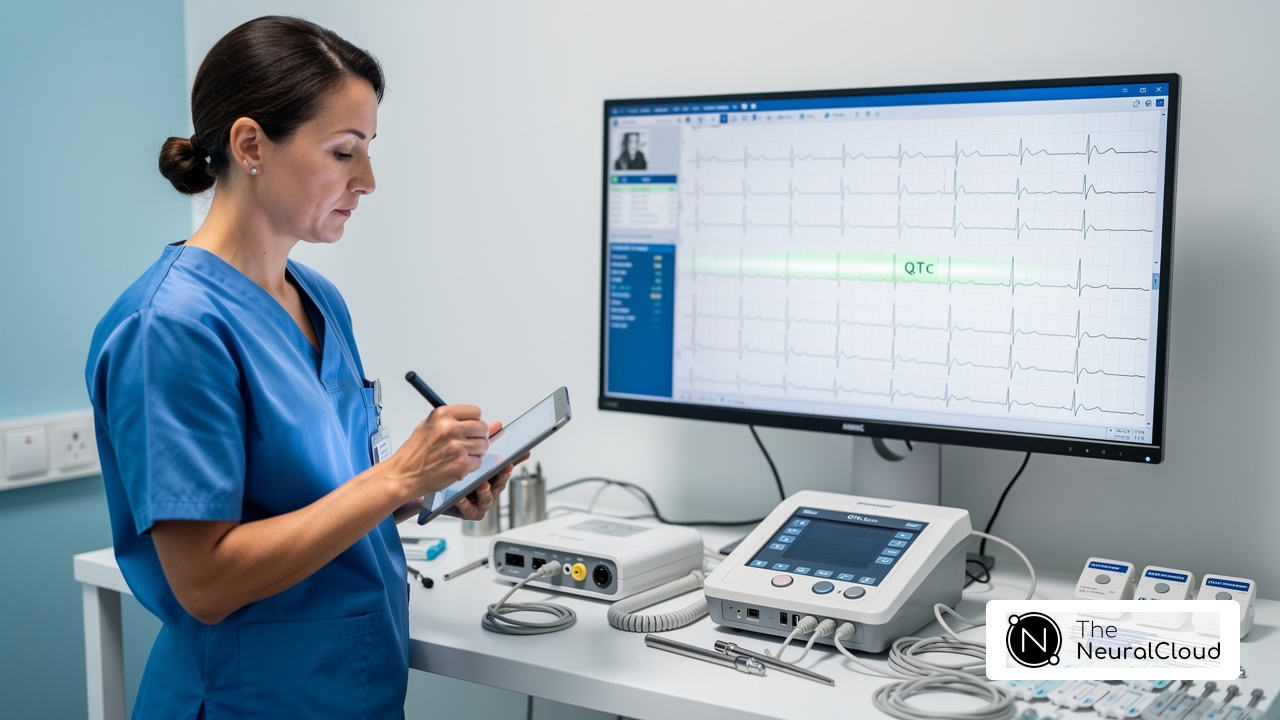
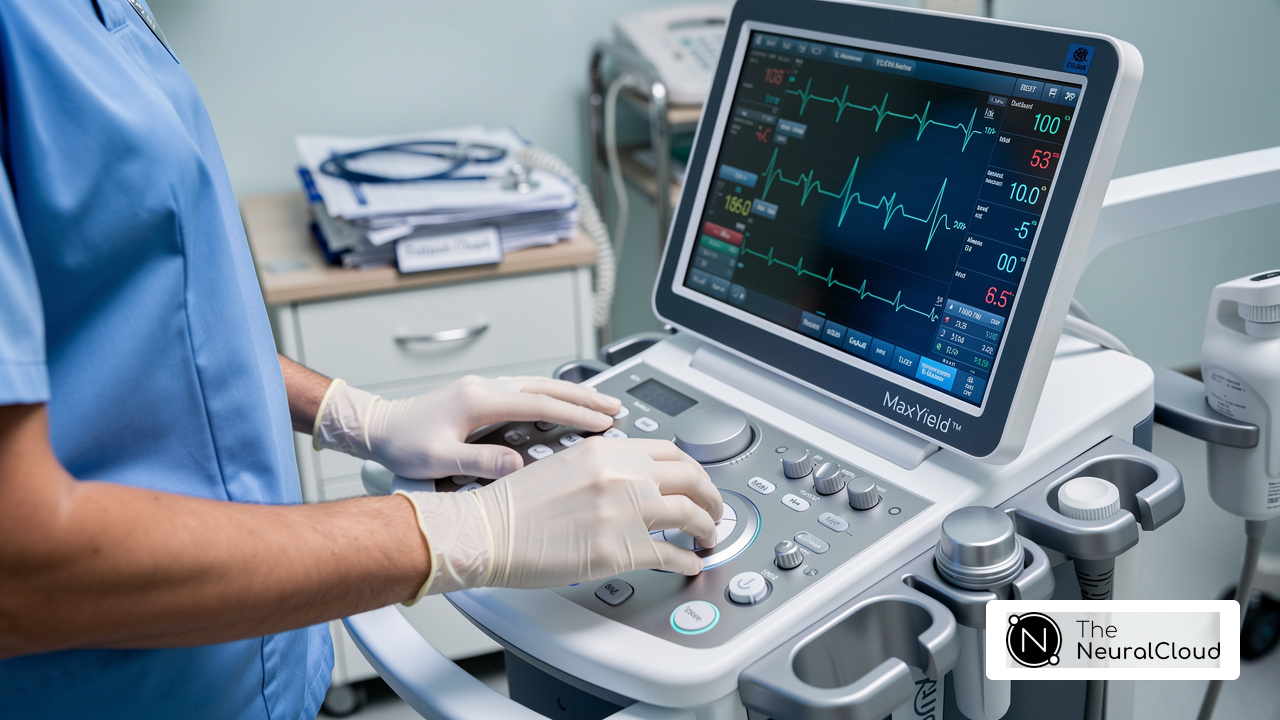
With the integration of technology, the accuracy of ECG analysis is significantly enhanced. MaxYield™ employs advanced noise filtering and distinct wave recognition to rapidly isolate ECG waves, even in recordings affected by baseline wander, movement, and muscle artifacts. This capability is essential for recovering previously hidden segments of extensive Holter, 1-Lead, and patch monitor recordings, ensuring that critical information is not overlooked.
Importantly, MaxYield™ evolves with each use, continuously improving its accuracy and efficiency. This is vital given that approximately 38% of people with acute coronary syndrome are diagnosed with a STEMI, equating to over 280,000 cases annually in the U.S. The Cleveland Clinic emphasizes that "among heart attacks, STEMI is the most critical," highlighting the urgency of timely intervention.

Outline ST Segment Elevation Criteria in ECG Interpretation
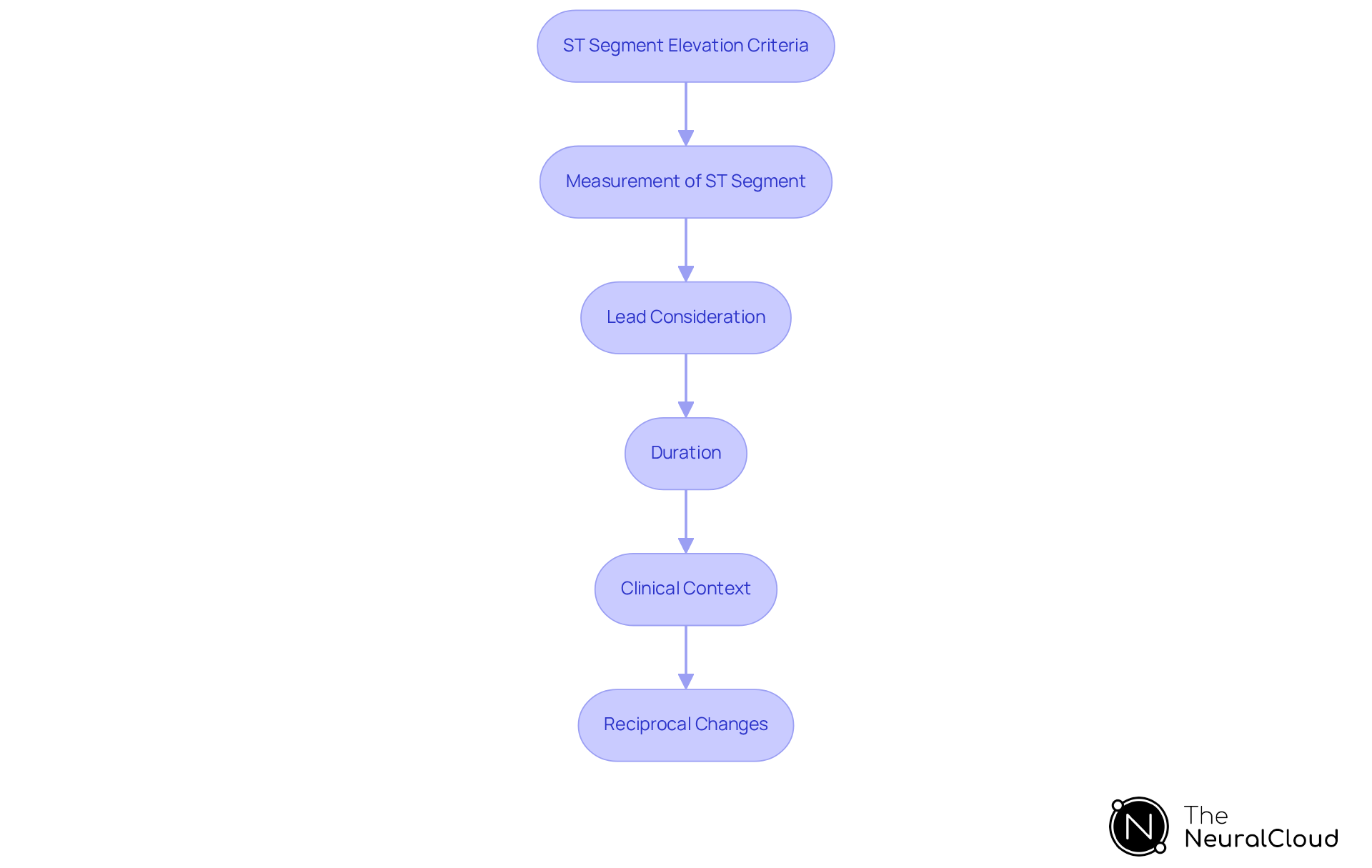
The criteria for diagnosing ST segment elevation in ECG interpretation are critical for accurate assessment and encompass several key points:
- Measurement of ST Segment: The ST segment must be raised by at least 1 mm (0.1 mV) in two or more adjacent leads. This measurement is crucial for confirming the diagnosis associated with STEMI.
- Lead Consideration: Specific leads are essential for identifying infarction locations. For instance, leads V1-V3 are particularly significant for anterior wall infarctions, while leads II, III, and aVF are vital for inferior STEMIs.
- Duration: The elevation should be persistent. This duration is important to distinguish it from transient changes that may occur due to other conditions.
- Clinical Context: Interpretation must consider the patient's clinical presentation, including symptoms such as acute chest pain or dyspnea, which are common indicators of ACS.
- Reciprocal Changes: The presence of reciprocal ST wave depression in leads opposite to the elevated leads can further confirm the diagnosis, enhancing the reliability of the ECG interpretation.
By adhering to the criteria and utilizing the features of the MaxYield™ platform, healthcare professionals can significantly improve diagnostic accuracy. The platform offers automated waveform labeling, beat-by-beat tabulation in CSV format, and adaptive algorithms that improve the clarity of ECG signals, even in the presence of noise. Furthermore, the neural network models for complex signal processing help unlock actionable insights, ultimately leading to better patient outcomes in cases of suspected myocardial infarction.
Identify Causes of ST Segment Elevation: Differentiating Pathologies
can arise from various pathologies, including:
- Acute Myocardial Infarction: This is the most critical cause, particularly ST-Elevation Myocardial Infarction (STEMI), characterized by a total blockage of a coronary artery. Studies indicate that approximately 10-36% of patients presenting with ST-segment rise do not have acute coronary occlusion upon angiography. This highlights the need for careful evaluation.
- Pericarditis: This inflammatory condition can lead to widespread elevation across various leads, typically showing upward concavity of the ST waves and often lacking reciprocal changes. Distinguishing pericarditis from AMI is clinically significant due to its different management strategies.
- Early Repolarization: A harmless variant often seen in younger individuals, is marked by a concave upward ST curve. Recognizing this pattern is essential to avoid unnecessary interventions in asymptomatic patients.
- Brugada Syndrome: This genetic disorder can result in ST elevation in the right precordial leads and is frequently linked to arrhythmias. Its identification is crucial, as it may require specific management to prevent life-threatening arrhythmias.
- Post-Myocardial Infarction: A complication following a heart attack, can present with persistent ST elevation. This condition often lacks the symptoms of AMI, making accurate diagnosis vital for appropriate treatment.
Understanding these causes is essential for clinicians to differentiate between benign conditions and those that fulfill the criteria, guiding appropriate management strategies. For example, the use of specific criteria have been demonstrated to enhance diagnosis in instances of left bundle branch block. This improvement increases the capability to effectively detect occlusion of the heart muscle. This nuanced understanding is particularly essential in intricate clinical situations where symptoms might coincide, such as during the COVID-19 pandemic, where the prothrombotic condition complicates the diagnosis of acute myocardial events.
Discuss Management Strategies for ST Segment Elevation Myocardial Infarction
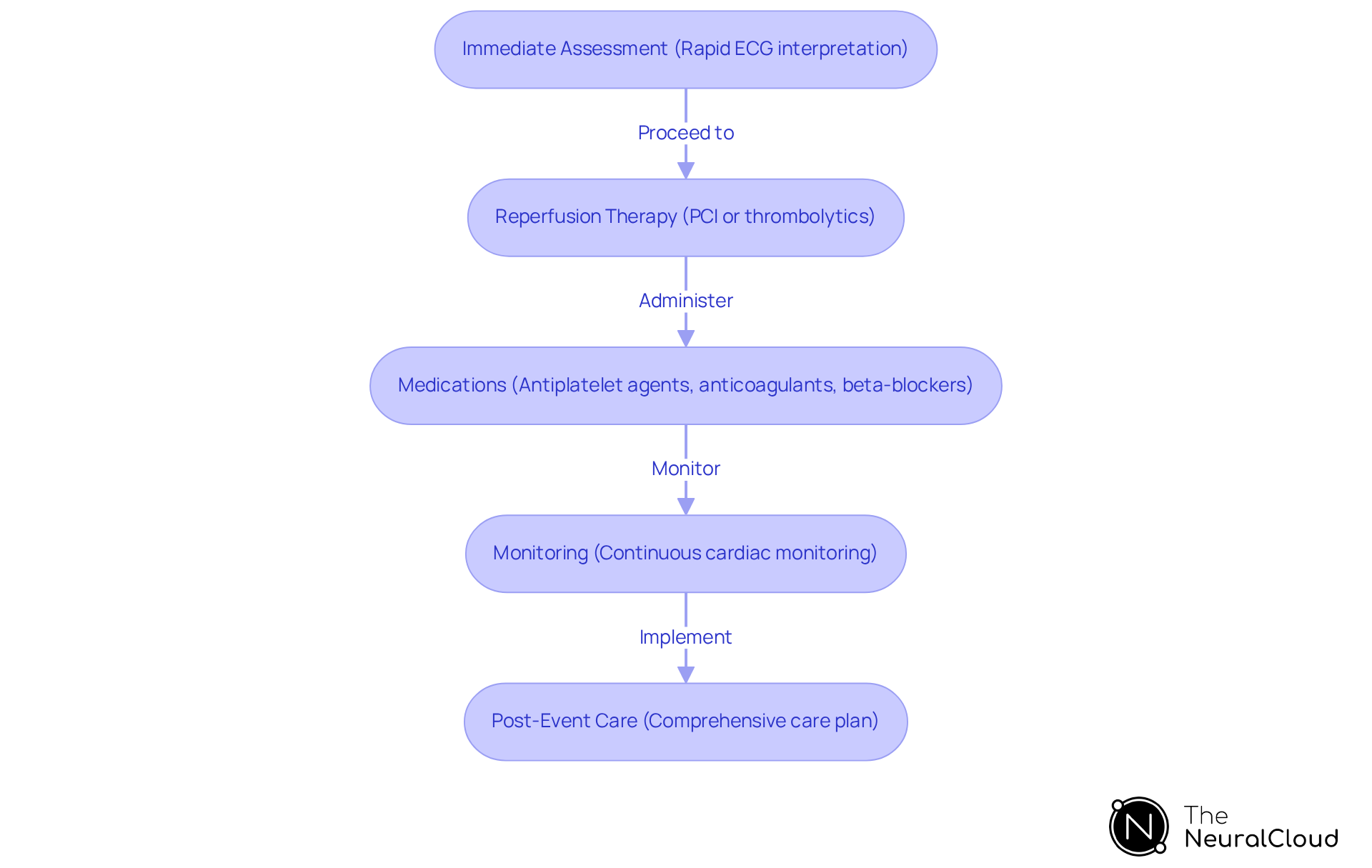
Management strategies for ST segment elevation myocardial infarction (STEMI) involve several critical components. First, immediate assessment is essential, requiring rapid ECG interpretation and clinical evaluation to confirm the criteria for a STEMI diagnosis. This process is significantly enhanced by technology, which automates labeling and employs algorithms for accurate analysis.
Next, treatment should be initiated promptly, either through percutaneous coronary intervention (PCI) or thrombolytics, ideally within the first few hours of symptom onset, in accordance with the guidelines. The software supports this by streamlining workflow and processing data efficiently, ensuring timely interventions.
In terms of medications, healthcare professionals administer antiplatelet agents such as aspirin and clopidogrel, along with anticoagulants and beta-blockers. These medications are crucial for managing symptoms and preventing further clot formation. The ECG insights provided by MaxYield™ enhance this process through advanced noise filtering and wave recognition capabilities, which are essential for meeting the standards.
Monitoring is another vital aspect, as monitoring systems help detect arrhythmias and other complications. The solutions from Neural Cloud Solutions make this monitoring more effective, ensuring better patient oversight.
Finally, post-event care involves implementing a comprehensive plan that adheres to the best practices, which includes lifestyle modifications, cardiac rehabilitation, and follow-up appointments to monitor recovery. The insights derived from the data inform these strategies, contributing to improved outcomes.
By employing these strategies, healthcare professionals can significantly enhance patient care and reduce mortality associated with STEMI. The integration of AI-driven automation and continuous learning models in ECG analysis offers substantial benefits, making the technology an invaluable tool in modern cardiac care.
Conclusion
Understanding ST segment elevation is pivotal in ECG analysis, serving as a critical indicator for acute myocardial infarction, particularly STEMI. Recognizing the criteria for ST segment elevation aids in accurate diagnosis and facilitates timely interventions that can significantly impact patient outcomes. The importance of swift action in these scenarios cannot be overstated; every moment can mean the difference between life and death.
This article explores various aspects of ST segment elevation, including its clinical significance, diagnostic criteria, and the diverse causes that may contribute to its manifestation. Key points include:
- The necessity of measuring elevation in adjacent leads
- The relevance of lead selection
- The importance of considering reciprocal changes and clinical context
Additionally, it highlights advanced tools like Neural Cloud Solutions' MaxYield™ platform, which enhances ECG analysis and improves diagnostic accuracy, thus streamlining management strategies for conditions such as STEMI.
In a broader context, the insights presented emphasize the need for healthcare professionals to remain vigilant and well-informed about the intricacies of ST segment elevation. By fostering a comprehensive understanding and utilizing advanced technologies, medical practitioners can significantly enhance their diagnostic capabilities and treatment efficacy. Ultimately, prioritizing mastery of ST segment elevation criteria is essential for improving patient care and outcomes in the face of potentially life-threatening cardiac events.
Frequently Asked Questions
What is ST segment elevation?
ST segment elevation is defined as an upward shift of the ST segment in an ECG tracing, assessed from the baseline. It is clinically significant as it often indicates acute myocardial infarction (AMI), particularly in the context of ST-segment elevation myocardial infarction (STEMI).
Why is identifying ST segment elevation important for healthcare providers?
Identifying ST segment elevation is crucial for healthcare providers as it can lead to prompt treatment decisions, including the need for reperfusion therapy, which is essential for managing severe coronary artery obstructions.
What criteria define ST segment elevation?
The criteria for ST segment elevation typically require a rise of at least 1 mm (0.1 mV) in two adjacent leads, indicating severe obstruction in coronary arteries that necessitates immediate medical intervention.
How does timely recognition of ST segment elevation affect patient outcomes?
Timely recognition and intervention in STEMI cases can significantly reduce mortality rates. Each 10-minute delay in treatment increases the risk of adverse outcomes, emphasizing the importance of swift action.
What is the recommended target time for treatment in PCI-capable hospitals?
The recommendation is for a target FMC-to-device time of under 90 minutes for PCI-capable hospitals, highlighting the need for rapid response strategies in managing STEMI patients.
How does the MaxYield™ platform enhance ECG analysis?
The MaxYield™ platform enhances ECG analysis by employing advanced noise filtering and distinct wave recognition to rapidly isolate ECG waves, even in recordings affected by baseline wander, movement, and muscle artifacts.
Why is continuous improvement of the MaxYield™ platform important?
Continuous improvement of the MaxYield™ platform is vital as it enhances accuracy and efficiency in recognizing ST changes, which is crucial given that approximately 38% of individuals with acute coronary syndrome are diagnosed with a STEMI.
What percentage of heart attacks are typically STEMIs, and why is this significant?
Approximately 38% of heart attacks are STEMIs, equating to over 280,000 cases annually in the U.S. This is significant because STEMIs are typically more severe, highlighting the urgency of timely intervention.
List of Sources
- Define ST Segment Elevation and Its Clinical Significance
- academic.oup.com (https://academic.oup.com/eurheartj/article/35/15/979/645659)
- link.springer.com (https://link.springer.com/article/10.1007/s11845-025-03965-w)
- What Is a STEMI? (https://my.clevelandclinic.org/health/diseases/22068-stemi-heart-attack)
- ahajournals.org (https://ahajournals.org/doi/10.1161/CIRCINTERVENTIONS.122.012810)
- Outline ST Segment Elevation Criteria in ECG Interpretation
- trial.medpath.com (https://trial.medpath.com/news/bf23083efcb3c61f/powerful-medical-s-ai-driven-ecg-model-for-stemi-detection-receives-fda-breakthrough-designation)
- STEMI ECG Criteria: ST-Elevation Thresholds (https://powerfulmedical.com/blog/stemi-ecg-criteria)
- Prevalence of ECGs Exceeding Thresholds for ST‐Segment–Elevation Myocardial Infarction in Apparently Healthy Individuals: The Role of Ethnicity | Journal of the American Heart Association (https://ahajournals.org/doi/10.1161/JAHA.119.015477)
- Acute ST-Segment Elevation Myocardial Infarction (STEMI) - StatPearls - NCBI Bookshelf (https://ncbi.nlm.nih.gov/books/NBK532281)
- STEMI - Electrocardiogram - M3 Curriculum | SAEM (https://saem.org/about-saem/academies-interest-groups-affiliates2/cdem/for-students/online-education/m3-curriculum/group-electrocardiogram-(ecg)-rhythm-recognition/stemi)
- Identify Causes of ST Segment Elevation: Differentiating Pathologies
- STEMI Mimics: ECG Impostors of Heart Attack (https://powerfulmedical.com/blog/stemi-mimics)
- pmc.ncbi.nlm.nih.gov (https://pmc.ncbi.nlm.nih.gov/articles/PMC7365122)
- sciencedirect.com (https://sciencedirect.com/science/article/pii/S0196064424012502)
- Know the Differential for ST Segment Elevation: It's More Than Just ACS - Manual of Medicine (https://manualofmedicine.com/topics/cardiology/know-the-differential-for-st-segment-elevation-its-more-than-just-acs)
- wikidoc.org (https://wikidoc.org/index.php/ST_interval)
- Discuss Management Strategies for ST Segment Elevation Myocardial Infarction
- pmc.ncbi.nlm.nih.gov (https://pmc.ncbi.nlm.nih.gov/articles/PMC8128486)
- SCAI Expert Consensus Statement on the Management of Patients With STEMI Referred for Primary PCI (https://jscai.org/article/S2772-9303(24)01740-X/fulltext)
- citoday.com (https://citoday.com/news/scai-expert-consensus-statement-addresses-managing-patients-with-stemi)
- pmc.ncbi.nlm.nih.gov (https://pmc.ncbi.nlm.nih.gov/articles/PMC6490756)
- uptodate.com (https://uptodate.com/contents/overview-of-the-acute-management-of-st-elevation-myocardial-infarction)