Introduction
Understanding the intricacies of electrocardiograms (ECGs) is essential for health tech developers striving to create innovative diagnostic tools. The challenge lies in navigating the complexities of ECG interpretation amidst noise and artifacts. By mastering the normal levels of key ECG parameters, developers can enhance the accuracy and reliability of their analysis applications. This ultimately leads to improved patient outcomes. However, the pressing question remains: how can technology bridge the gap between traditional methods and the need for precise, real-time cardiac assessments?
Clarify ECG Fundamentals and Normal Levels
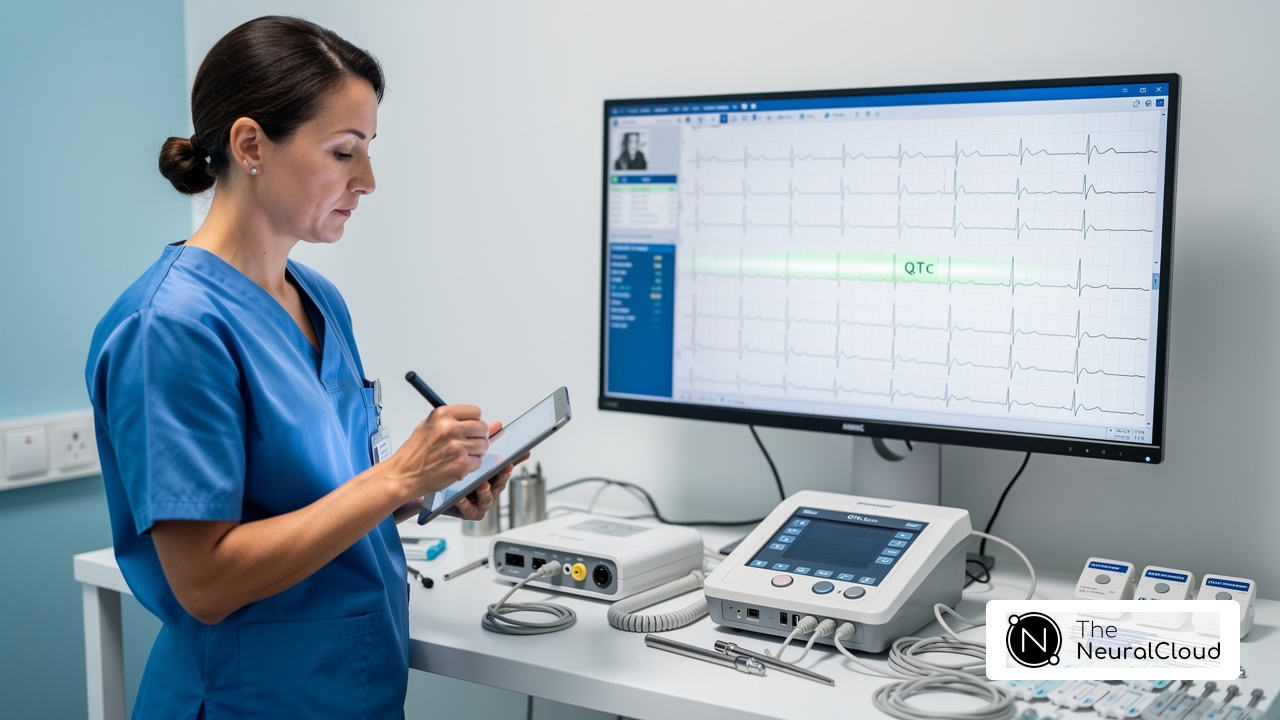
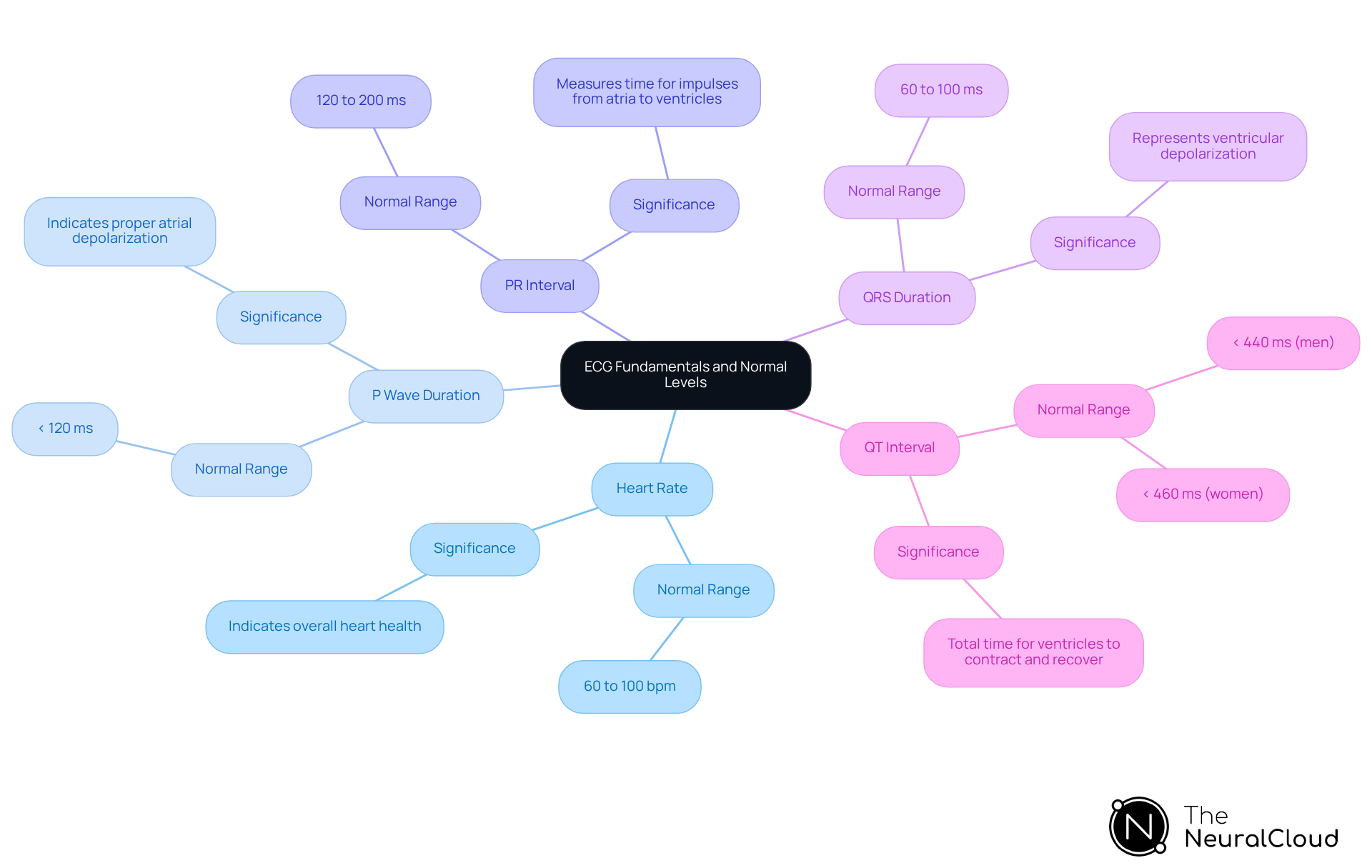
An electrocardiogram (ECG) graphically represents the heart's electrical activity over time, comprising several key components that reflect different phases of the cardiac cycle. Understanding these elements and their typical ranges is vital for creating ECG tools, particularly when incorporating cutting-edge technologies such as Neural Cloud Solutions' platform.
- Heart Rate: The normal range typically ranges from 60 to 100 beats per minute (bpm).
- P Wave Duration: This should be less than 120 milliseconds (ms), indicating proper atrial depolarization.
- PR Interval: The normal range is 120 to 200 ms, which measures the time taken for electrical impulses to travel from the atria to the ventricles.
- QRS Duration: This should fall between 60 to 100 ms, representing the time for ventricular depolarization.
- QT Interval: The normal corrected QT (QTc) interval is less than 440 ms for men and less than 460 ms for women, reflecting the total time for the ventricles to contract and recover.
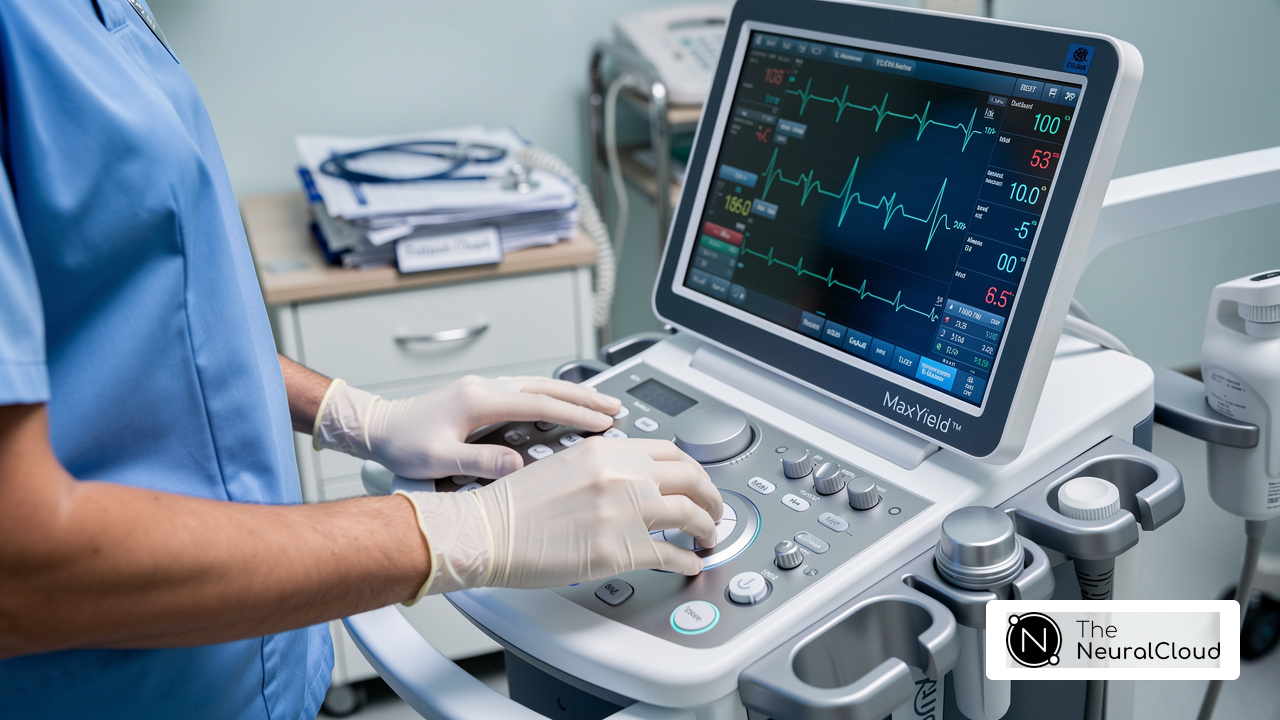
These parameters are critical indicators that may indicate underlying heart conditions. However, AI systems can struggle with noise, which is where the technology excels. By rapidly isolating ECG waves from recordings affected by baseline wander, movement, and muscle artifact, MaxYield™ enhances the accuracy and efficiency of ECG analysis. As noted by experts, the ECG serves as a foundational tool for discussions about cardiovascular well-being with healthcare providers, but it does not guarantee perfect cardiovascular health. Moreover, conditions such as elevated blood pressure or early-stage cardiovascular disease may not be visible on an ECG, highlighting the necessity for thorough evaluations. Managing risk factors such as diet, exercise, and stress is crucial for long-term heart health. By utilizing these insights and the AI system, which evolves with each use to enhance diagnostic yield, developers can significantly improve the dependability of ECG evaluation tools, ultimately benefiting patient outcomes.
Analyze Key ECG Waveforms: P-Wave, QRS Complex, and T-Wave
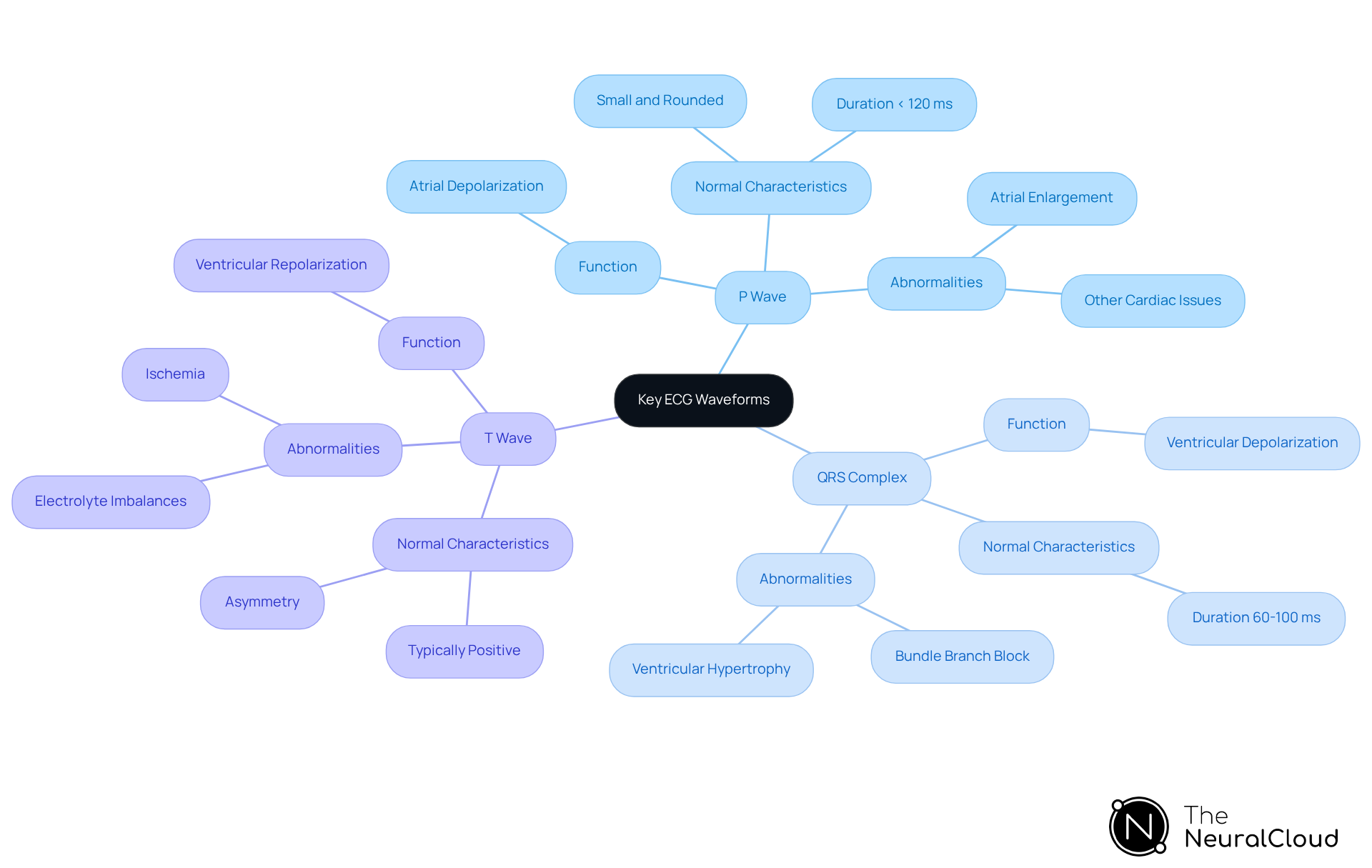
The three primary waveforms in an ECG—P-Wave, QRS Complex, and T-Wave—each play a crucial role in cardiac function:
- P-Wave: This waveform represents atrial depolarization, indicating the onset of atrial contraction. A normal P-Wave is typically small and rounded, lasting less than 120 ms. Abnormalities can signal conditions such as atrial enlargement or other cardiac issues. With this innovative tool, developers can improve diagnostics, enhancing the accuracy of atrial assessments and transforming noisy recordings into clear insights.
- QRS Complex: Reflecting ventricular depolarization, the QRS Complex indicates the electrical activation of the ventricles. Its duration should range from 60 to 100 ms. Abnormalities like bundle branch block or ventricular hypertrophy, which are critical for clinicians to identify. The system enables continuous evaluation, allowing for quick identification of QRS irregularities, thereby enhancing patient outcomes through prompt intervention.
- T-Wave: This waveform signifies ventricular repolarization, the recovery phase of the ventricles post-contraction. Typically positive in most leads, the T-Wave should exhibit asymmetry. Changes in the T-Wave can indicate various conditions, including ischemia or electrolyte imbalances, which are vital for patient management. By employing MaxGain™, developers can ensure that evaluation is accurate and effective, aiding healthcare professionals in making informed choices.
Understanding these waveforms is essential for developers aiming to create algorithms that improve patient care. By incorporating tools like MaxYield™, developers can enhance clinical outcomes by flagging potential abnormalities for further assessment. This underscores the value of ECG analysis in clinical settings.
Understand the Clinical Significance of ECG Measurements
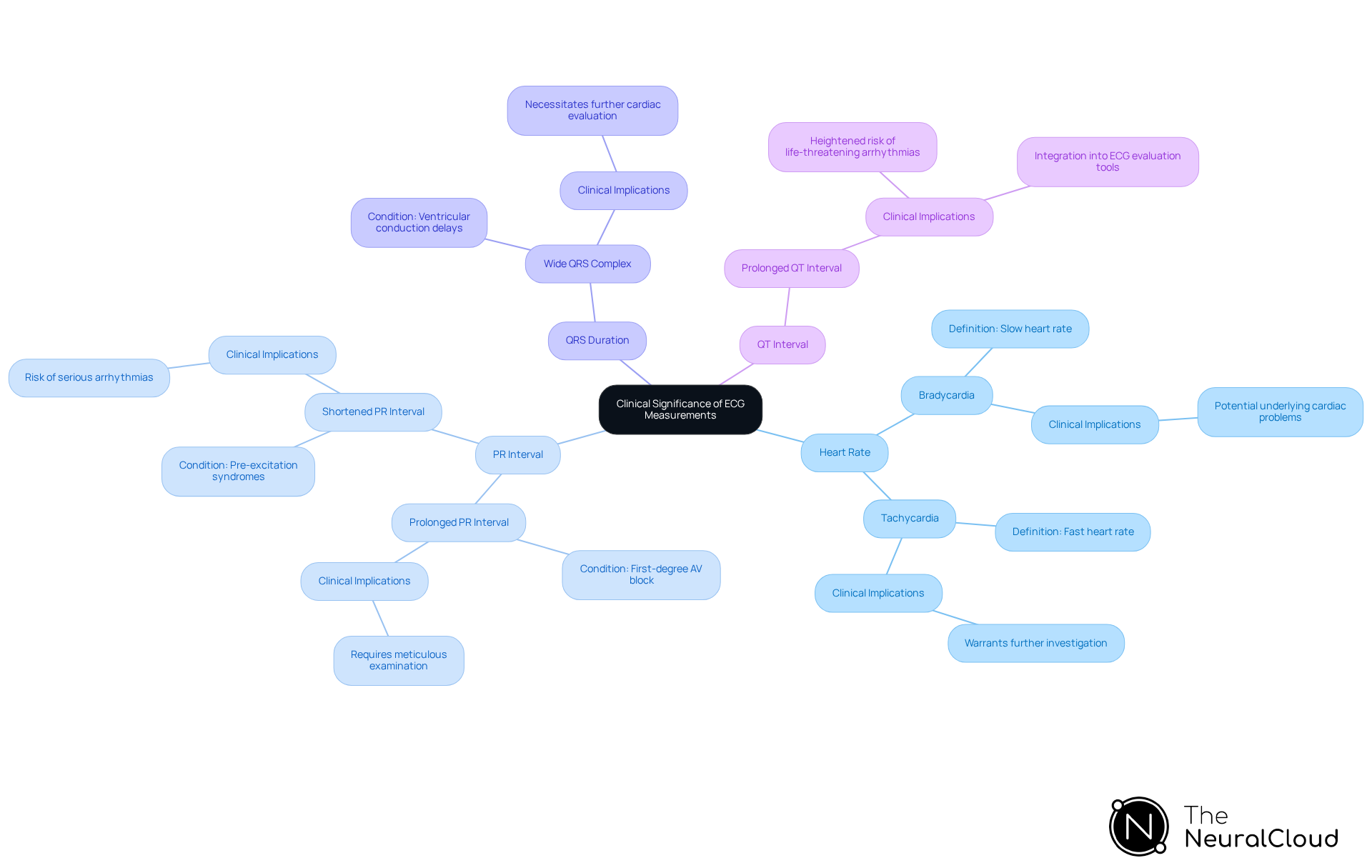
Each measurement in an ECG is essential for determining if the readings indicate an abnormality, which has significant implications that can guide diagnosis and treatment.
- Deviations from the normal range can indicate bradycardia (slow heart rate) or tachycardia (fast heart rate), both of which may warrant further investigation. The standard pulse rate generally varies from 60 to 100 beats per minute. Irregularities in this range can indicate underlying conditions if the normal rate is not observed.
- The PR interval is crucial for assessing atrioventricular (AV) conduction. A prolonged PR interval may suggest first-degree atrioventricular block, while a shortened interval could indicate pre-excitation syndromes, which can lead to serious arrhythmias. Recent studies underscore the frequency of first-degree atrioventricular block in ECG readings, stressing the necessity for meticulous examination of this interval.
- A wide QRS complex can indicate ventricular conduction delays or bundle branch blocks, necessitating further cardiac evaluation. Understanding the QRS complex is essential for identifying potential conduction abnormalities that could impact patient management and help determine if the rhythm is maintained.
- QT intervals are linked to a heightened risk of life-threatening arrhythmias. Therefore, it is essential for developers to integrate QT evaluation into their tools. Typical QT durations should be 420 milliseconds or less at a rate of 60 bpm, as deviations from this range may affect the heart's function and have significant consequences.
By incorporating these clinical insights into their products, developers can significantly enhance the diagnostic abilities of their products, ultimately improving patient outcomes. Real-world instances of ECG evaluation tools showcase their effectiveness in identifying irregularities and enabling prompt interventions.
Explore the Role of AI in ECG Analysis
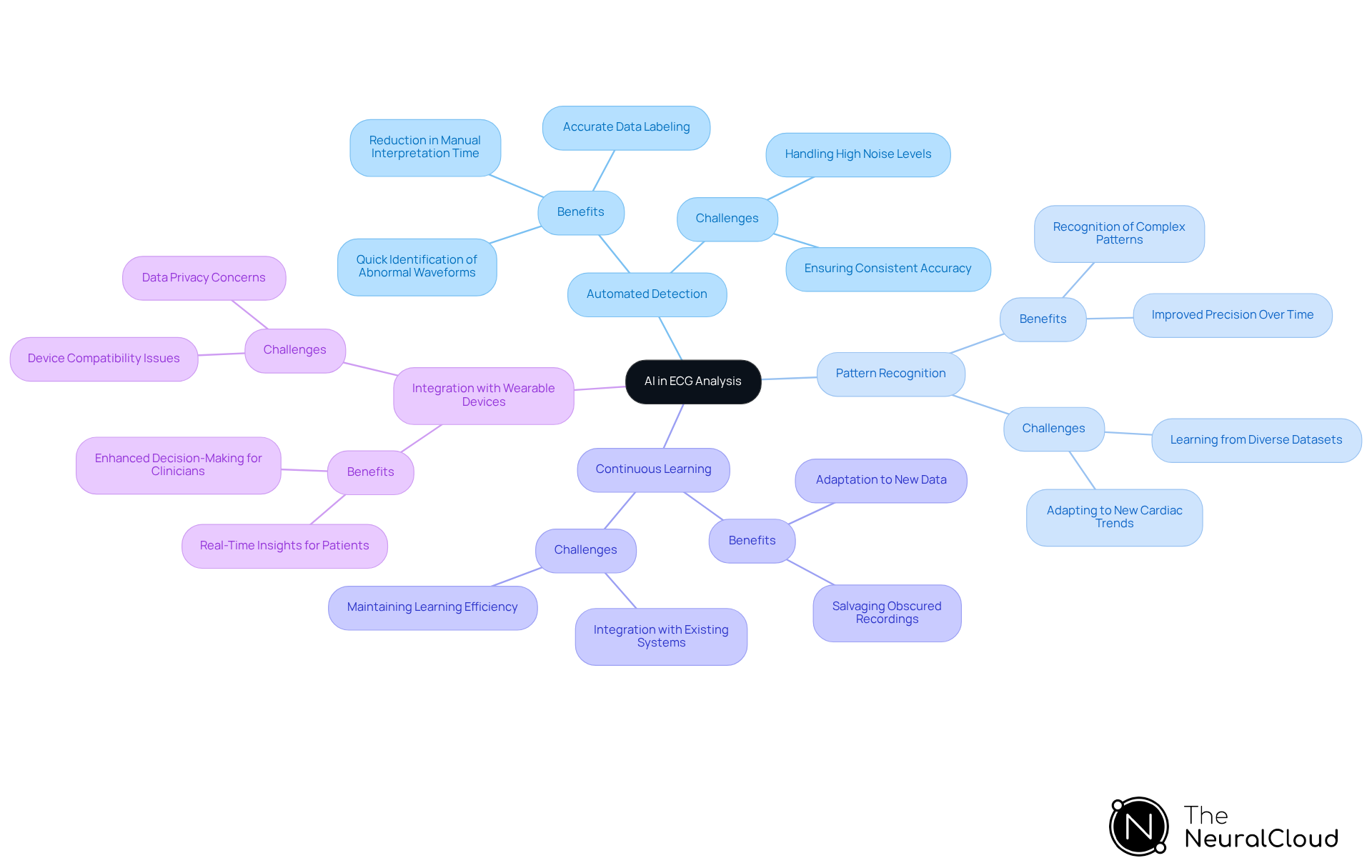
Artificial Intelligence (AI) is transforming ECG evaluation by automating the interpretation process and improving the accuracy to maintain the quality of patient assessments. The challenges in ECG analysis, including noise interference and the potential for human error, are being addressed through innovative solutions. Key applications of AI in ECG analysis include:
- Automated Detection: AI algorithms can quickly identify abnormal waveforms and patterns, significantly reducing the time required for manual interpretation. This system enhances the process by identifying and labeling critical data, even in recordings with high levels of noise and artifact, to ensure the information is accurately represented.
- Pattern Recognition: Machine learning models learn from vast datasets to recognize abnormalities that may be missed by human analysts. With each use, the technology evolves, improving in isolating ECG waves to achieve an accurate interpretation from recordings affected by baseline wander, movement, and muscle artifact.
- Continuous Learning: AI systems continuously improve their accuracy by learning from new data and adapting to emerging trends in cardiac health. This technology exemplifies its capabilities by salvaging previously obscured sections of lengthy Holter, 1-Lead, and patch monitor recordings, ultimately helping to maintain the integrity of data for maximum diagnostic yield over time.
- Integration with Wearable Devices: AI enhances the examination of data gathered from wearable devices, providing real-time insights for patients and healthcare providers. By utilizing advanced techniques, developers can create more effective and dependable ECG evaluation tools that ensure the accuracy of readings, assisting clinicians in making informed choices.
By leveraging AI and advanced noise filtering technologies like adaptive filtering, developers can create more efficient and reliable ECG analysis tools to ensure accurate readings. This support empowers clinicians to make informed decisions, ultimately improving patient care.
Conclusion
Understanding the normal levels of ECG readings is essential for health tech developers aiming to create effective diagnostic tools. By mastering the fundamentals of electrocardiograms, including key parameters like heart rate, P wave duration, PR interval, QRS duration, and QT interval, developers can significantly enhance the accuracy and reliability of ECG analysis. This knowledge not only aids in the design of innovative solutions but also empowers healthcare providers to engage in meaningful discussions about cardiovascular health with their patients.
The article underscores the importance of each ECG measurement in identifying potential cardiac issues. It highlights how advancements in technology, such as the MaxYield™ platform, can mitigate challenges like noise and artifacts, leading to clearer interpretations of ECG data. Furthermore, the integration of AI in ECG analysis is transforming the landscape by automating detection, improving pattern recognition, and ensuring continuous learning to maintain ECG normal levels. These innovations are crucial for facilitating timely interventions and improving patient outcomes.
In a broader context, the insights shared in this article emphasize the critical role that accurate ECG interpretation plays in modern healthcare. As developers continue to innovate and refine their tools, the focus should remain on enhancing diagnostic capabilities and ultimately contributing to better patient care. By prioritizing the understanding of ECG normal levels and their clinical significance, health tech developers can make a substantial impact in the fight against cardiovascular diseases, ensuring that technology serves as a powerful ally in promoting heart health.
Frequently Asked Questions
What is an electrocardiogram (ECG)?
An electrocardiogram (ECG) is a graphical representation of the heart's electrical activity over time, showing various components that reflect different phases of the cardiac cycle.
What are the normal heart rate levels for adults?
The normal heart rate for adults typically ranges from 60 to 100 beats per minute (bpm).
What is the normal duration for a P Wave?
The normal duration for a P Wave should be less than 120 milliseconds (ms), indicating proper atrial depolarization.
What is the normal range for the PR Interval?
The normal range for the PR Interval is 120 to 200 ms, measuring the time taken for electrical impulses to travel from the atria to the ventricles.
What is the acceptable duration for the QRS complex?
The acceptable duration for the QRS complex should fall between 60 to 100 ms, representing the time for ventricular depolarization.
What are the normal QT interval values for men and women?
The normal corrected QT (QTc) interval is less than 440 ms for men and less than 460 ms for women, reflecting the total time for the ventricles to contract and recover.
Why is understanding ECG parameters important?
Understanding ECG parameters is vital for identifying deviations that may indicate underlying cardiac issues and for creating efficient ECG analysis tools.
What challenges does traditional ECG interpretation face?
Traditional ECG interpretation can struggle with noise and artifacts, which may affect the accuracy of the readings.
How does the MaxYield™ platform improve ECG analysis?
The MaxYield™ platform enhances ECG analysis by rapidly isolating ECG waves from recordings affected by baseline wander, movement, and muscle artifact, improving accuracy and efficiency.
Does a normal ECG guarantee perfect cardiovascular health?
No, a normal ECG serves as a foundational tool for discussions about cardiovascular well-being but does not guarantee perfect cardiovascular health, as conditions like elevated blood pressure or early-stage cardiovascular disease may not be visible on an ECG.
What factors are crucial for long-term heart health?
Managing risk factors such as diet, exercise, and stress is crucial for long-term heart health.
List of Sources
- Clarify ECG Fundamentals and Normal Levels
- theknowhow.ae (https://theknowhow.ae/memorable-cardiology-quotes)
- researchgate.net (https://researchgate.net/publication/346113079_Artificial_Intelligence_Machine_Learning_and_Reasoning_in_Health_Informatics-Case_Studies)
- avicennacardiology.com (https://avicennacardiology.com/blog/understanding-a-normal-ecg)
- STEMI - Electrocardiogram - M3 Curriculum | SAEM (https://saem.org/about-saem/academies-interest-groups-affiliates2/cdem/for-students/online-education/m3-curriculum/group-electrocardiogram-(ecg)-rhythm-recognition/stemi)
- parade.com (https://parade.com/1187612/michelle-parkerton/quotes-about-heart-disease)
- Analyze Key ECG Waveforms: P-Wave, QRS Complex, and T-Wave
- scribd.com (https://scribd.com/document/862713553/Case-Study1)
- pmc.ncbi.nlm.nih.gov (https://pmc.ncbi.nlm.nih.gov/articles/PMC8556537)
- researchgate.net (https://researchgate.net/publication/346113079_Artificial_Intelligence_Machine_Learning_and_Reasoning_in_Health_Informatics-Case_Studies)
- Understand the Clinical Significance of ECG Measurements
- Normal Electrocardiography (ECG) Intervals: Normal Electrocardiography Intervals (https://emedicine.medscape.com/article/2172196-overview)
- medicine.yale.edu (https://medicine.yale.edu/news-article/new-ai-tool-identifies-risk-of-future-heart-failure)
- mdpi.com (https://mdpi.com/2673-3846/2/4/39)