Introduction
In the fast-paced world of healthcare technology, the need for effective medical applications is more pressing than ever. Clinicians and healthcare providers are looking to enhance patient care. Understanding the essential features of a medicine scanner app is crucial. Let’s explore ten essential features that can streamline ECG analysis and improve diagnostic accuracy and patient outcomes. With so many options available, how can healthcare professionals choose the right tools for their needs?
Neural Cloud Solutions: AI-Driven ECG Workflow Enhancement
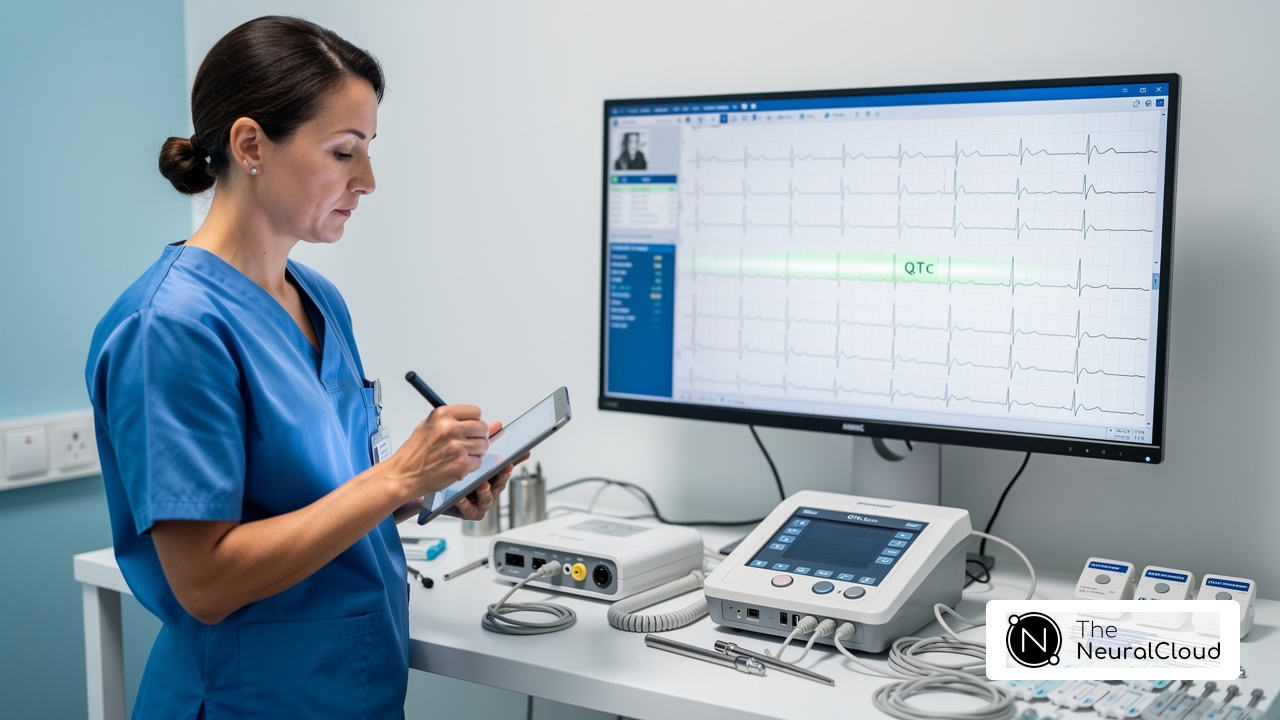
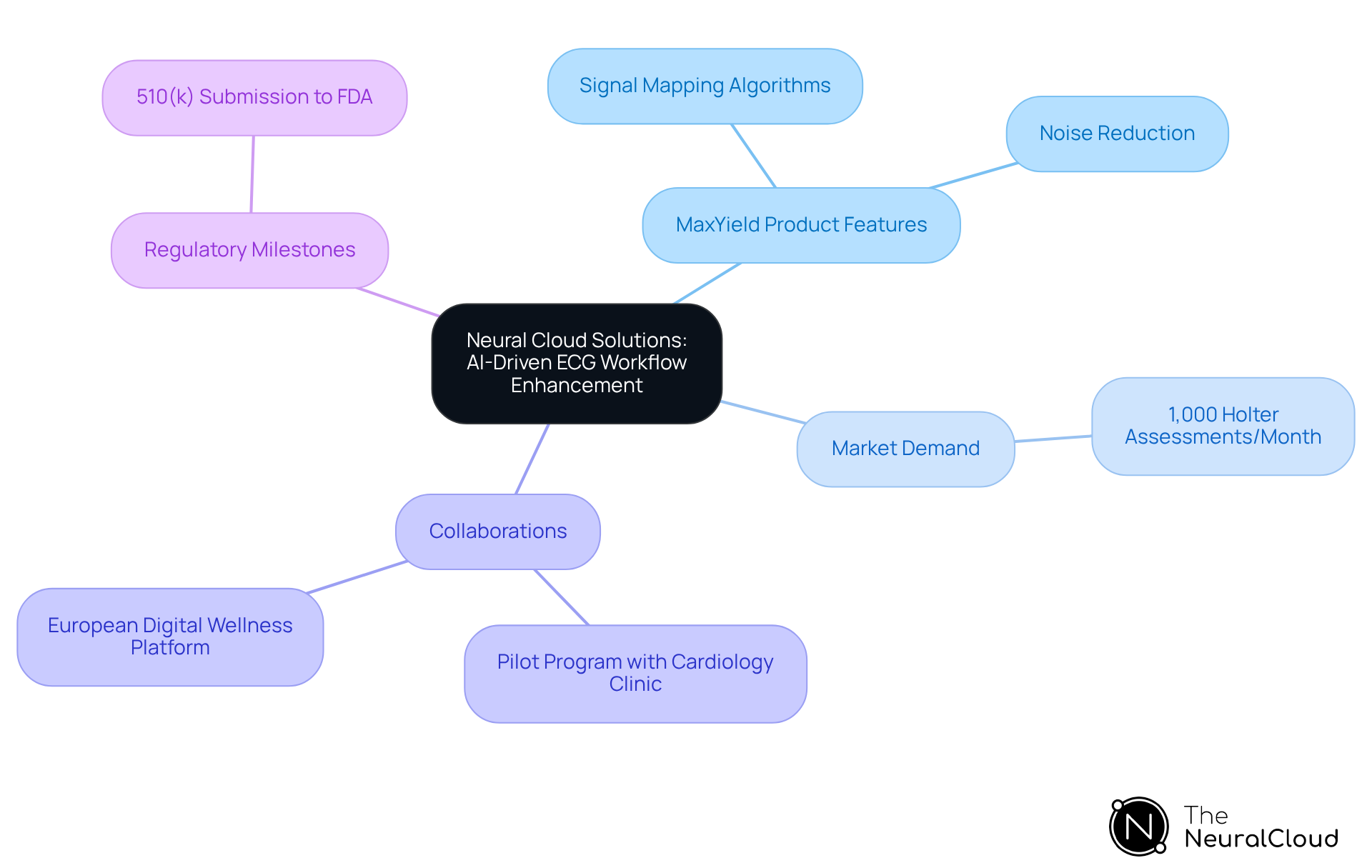
Medical professionals often struggle with noisy ECG signals that hinder accurate diagnosis, making advanced solutions essential. Neural Cloud Solutions Inc. enhances ECG workflows through its flagship product, MaxYield, which utilizes patented signal mapping algorithms to clean and isolate noisy ECG signals. This innovation empowers medical professionals to obtain precise and actionable insights, enhancing cardiovascular diagnostics.
In Canada, the demand for efficient ECG analysis is underscored by the fact that a multi-location cardiology network conducts over 1,000 Holter assessments each month. Neural Cloud Solutions Inc. is actively addressing this need through collaborations, such as a pilot program with a full-service cardiology clinic aimed at modernizing Holter ECG reporting workflows. This initiative is expected to enhance accuracy and efficiency in ECG analysis, pending regulatory clearance from Health Canada.
Additionally, integrating MaxYield with wearable ECG technology and Insight360 will transform remote heart monitoring, providing clearer data for healthcare providers. A recent collaboration with a European digital wellness platform aims to enhance patient outcomes by supplying medical providers with clearer ECG data, facilitating better detection of cardiac abnormalities. This aligns with current trends in AI-driven ECG technologies, which emphasize the importance of real-time tracking and preventive cardiology.
Neural Cloud Solutions Inc. has submitted a 510(k) premarket notification to the FDA for the MaxYield platform, marking a significant regulatory milestone that enhances the credibility of their product in the market. Expert endorsements from Dr. Alan Rabinowitz, Dr. Brett Heilbron, and Dr. Marc W. Deyell highlight MaxYield’s precision rivaling human interpretation and its exceptional noise reduction benefits.
As cardiovascular care evolves, the need for innovative solutions that streamline ECG workflows and enhance diagnostics becomes increasingly vital.
Intuitive User Interface for Seamless Interaction
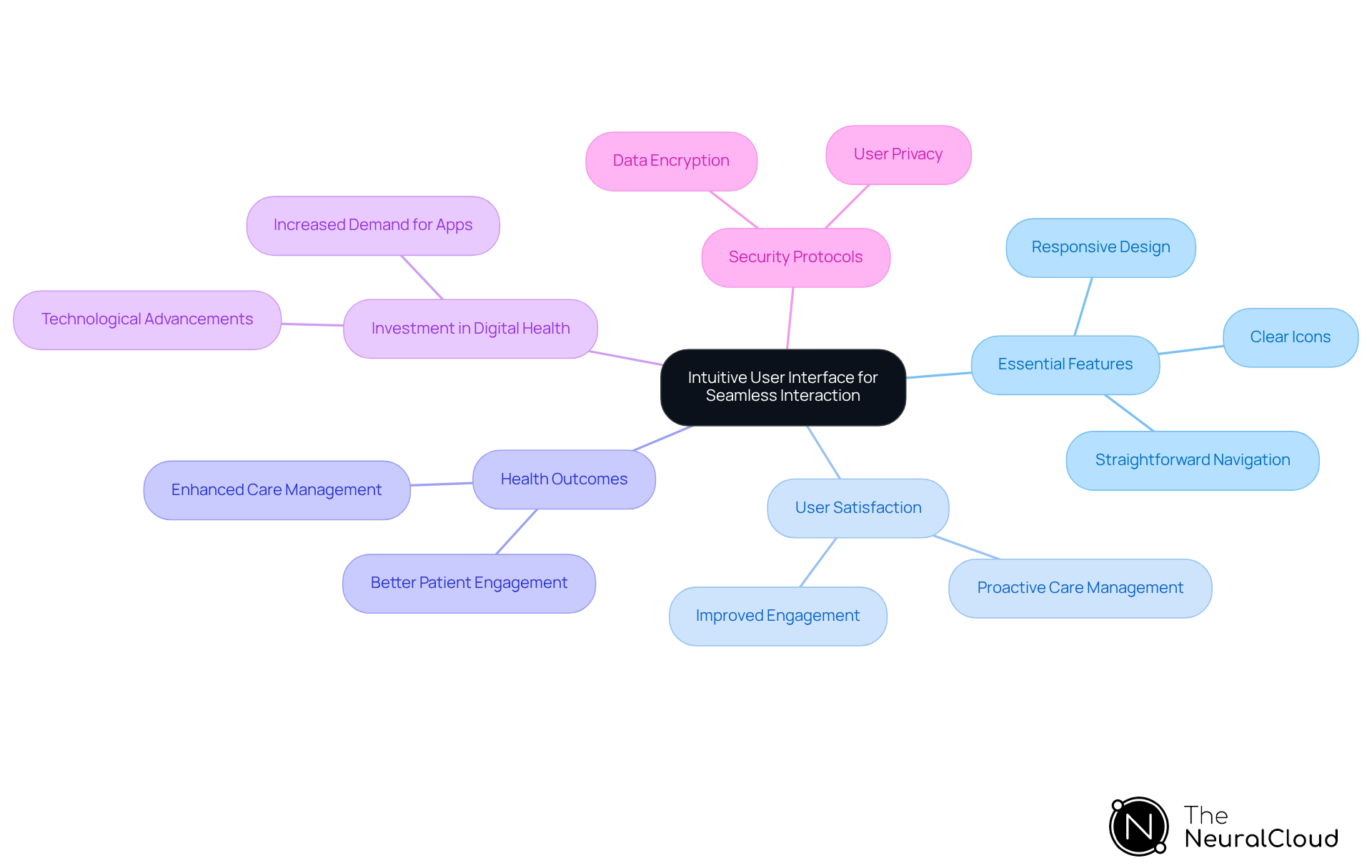
Navigating complex functionalities in medical applications can often be a daunting task for healthcare professionals. An intuitive user interface (UI) is essential, allowing users to navigate effortlessly through these complexities. Clear icons, straightforward navigation paths, and responsive design are essential features that allow medical professionals to access vital information quickly. This enhances their workflow efficiency. In Canada, user-friendly design is increasingly important, especially considering that nearly 49% of adults in the U.S. have invested in medical apps in the past year, highlighting the demand for effective and accessible solutions.
Case studies demonstrate that apps prioritizing intuitive UI not only improve user satisfaction but also lead to better health outcomes by facilitating proactive engagement in care management. Moreover, as the medical sector progresses, particularly with rapid investment and innovation in digital health due to the pandemic, incorporating intuitive design principles is crucial. This ensures applications meet the needs of both users and providers, ultimately transforming medical delivery. Furthermore, strong security protocols must be prioritized in medical application design to safeguard sensitive information and uphold user trust.
Strong Data Security and Compliance Measures
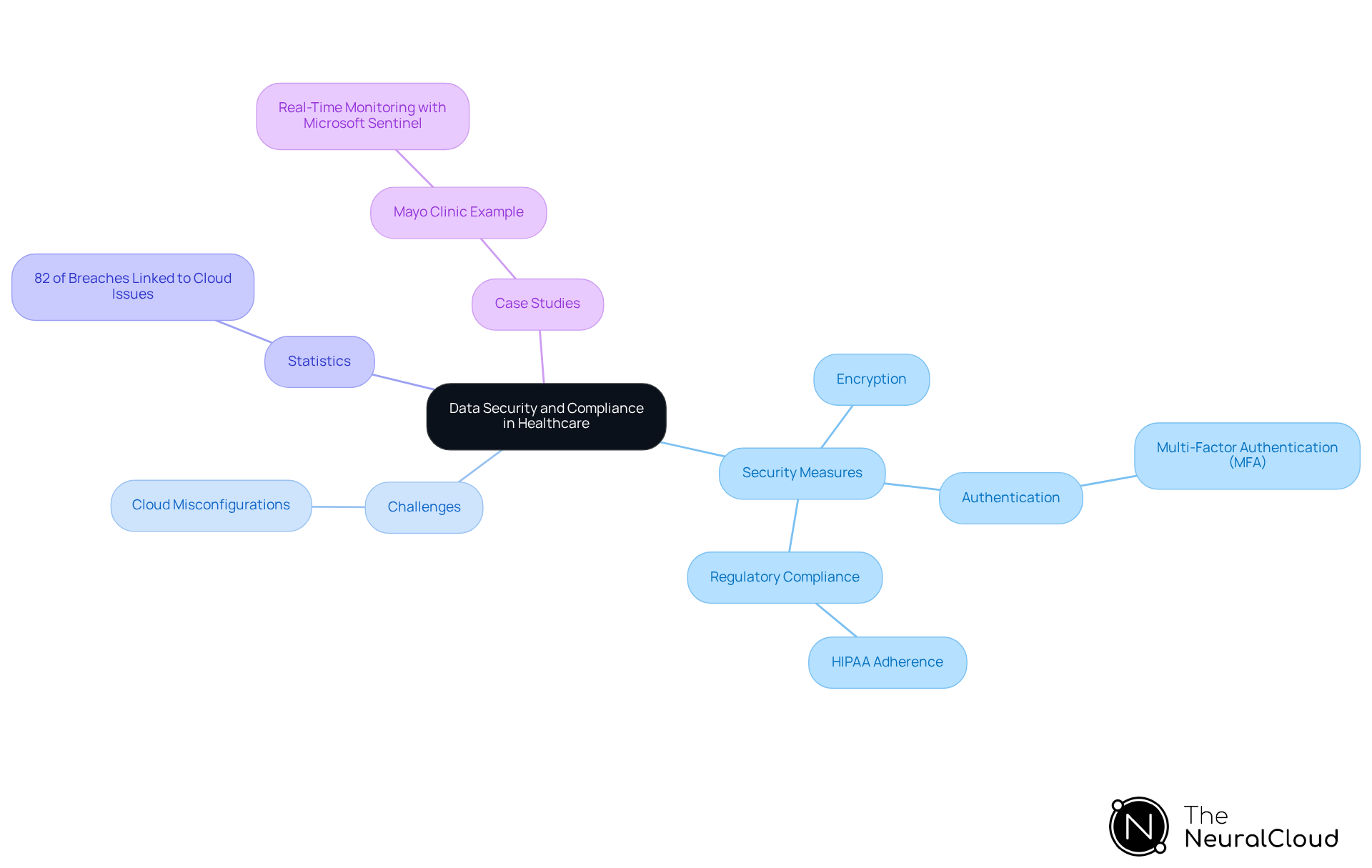
In Canada, the healthcare sector grapples with significant challenges in safeguarding sensitive medical information. Implementing robust information security measures is essential, including:
- Strong encryption protocols
- Secure authentication methods
- Strict adherence to regulations such as HIPAA
These measures are essential for protecting sensitive information from unauthorized access and breaches. They help providers maintain trust and meet their legal obligations.
Recent statistics reveal that healthcare providers are confronted with a significant challenge, as 82% of medical data breaches in Canada in 2023 are linked to cloud misconfigurations. This reality calls for a renewed focus on robust cybersecurity practices to protect patient data and maintain trust. Experts emphasize that cybersecurity goes beyond IT; it’s closely linked to patient care and the integrity of operations. Medical organizations must prioritize continuous monitoring and regular risk assessments to identify vulnerabilities within their systems.
Case studies from Canadian medical institutions demonstrate the effectiveness of these security measures. For instance, the Mayo Clinic's incorporation of Microsoft Sentinel SIEM for real-time monitoring enabled them to neutralize a phishing attack within 15 minutes, potentially safeguarding 1.2 million medical records from exposure. While this example is from a U.S. institution, it illustrates proactive strategies that can be adapted within the Canadian context, where cyber threats are increasingly sophisticated and prevalent.
Moreover, organizations are encouraged to adopt multi-factor authentication (MFA) as a standard practice to further enhance security. MFA should be mandatory across all systems to reduce the risk of unauthorized access. By investing in comprehensive information security measures, medical applications can not only safeguard patient details but also ensure adherence to regulatory standards, ultimately promoting a safer medical environment.
Real-Time Data Processing for Immediate Insights
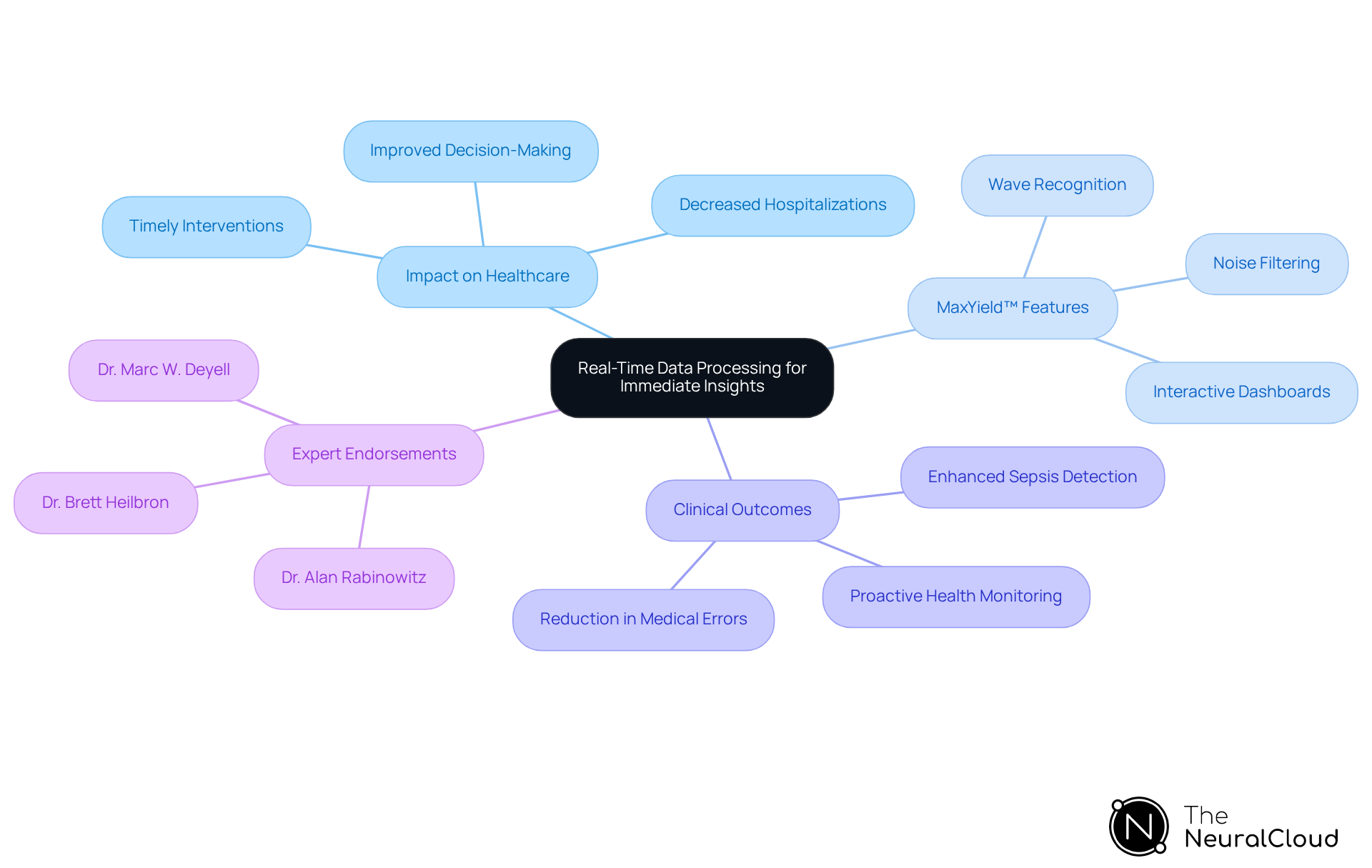
Healthcare professionals often face delays in accessing critical ECG data, which can hinder timely interventions. Real-time information processing capabilities empower healthcare applications to provide immediate insights from ECG readings, significantly enhancing clinical decision-making. This feature allows clinicians to act quickly with the latest information, which is crucial in critical situations. For example, research shows that remote patient monitoring programs can decrease hospitalizations and fatalities among heart-failure patients by up to 30%, highlighting the effectiveness of prompt information access in enhancing patient outcomes.
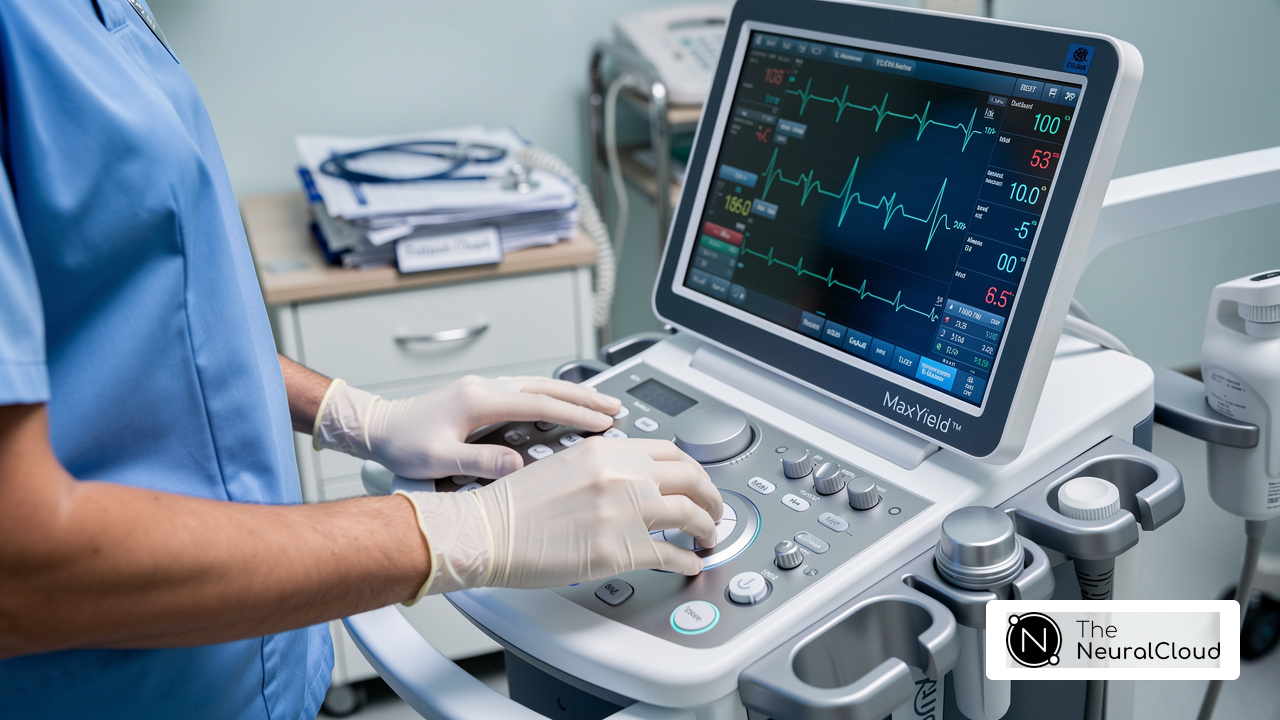
Neural Cloud Solutions' MaxYield™ platform exemplifies this advancement, mapping ECG signals through noise to isolate and label key features in every heartbeat. With the ability to analyze 200,000 heartbeats in less than 5 minutes, MaxYield™ provides detailed insights that enable healthcare providers to quickly identify cardiac events and make informed decisions. In Canada, the integration of real-time information processing in ECG applications has shown promising results. The Medical University of South Carolina's use of real-time analytics has enhanced sepsis detection rates by up to 32%, illustrating how prompt information access can result in timely interventions. Such advancements are essential in managing conditions like congestive heart failure (CHF), where timely monitoring can alert medical providers to potential emergencies before they escalate.
Furthermore, the advantages of real-time information processing reach beyond immediate healthcare. Improved decision-making abilities, supported by real-time information, have been demonstrated to decrease medical mistakes by as much as 30%, enabling medical teams to oversee individuals continuously and react swiftly to health concerns. This proactive approach not only enhances patient safety but also streamlines workflows, making it an essential feature for any modern medicine scanner app focused on ECG analysis. With MaxYield™'s advanced noise filtering and wave recognition, medical applications can ensure that clinicians have access to clean signals and clear information, ultimately enhancing the quality of care. Additionally, MaxYield™ is currently pending FDA Class II SaMD clearance, with audit-ready documentation supporting GxP inspections, further solidifying its reliability. Expert endorsements from Dr. Alan Rabinowitz, Dr. Brett Heilbron, and Dr. Marc W. Deyell emphasize MaxYield™'s precision rivaling human interpretation and its noise reduction benefits. Moreover, the Insight360 tool converts MaxYield’s clean ECG information into interactive dashboards and clinical-ready reports, offering a comprehensive overview for medical professionals. With MaxYield™, healthcare providers can ensure timely interventions, ultimately improving patient outcomes and safety.
Seamless Integration with Existing Healthcare Systems
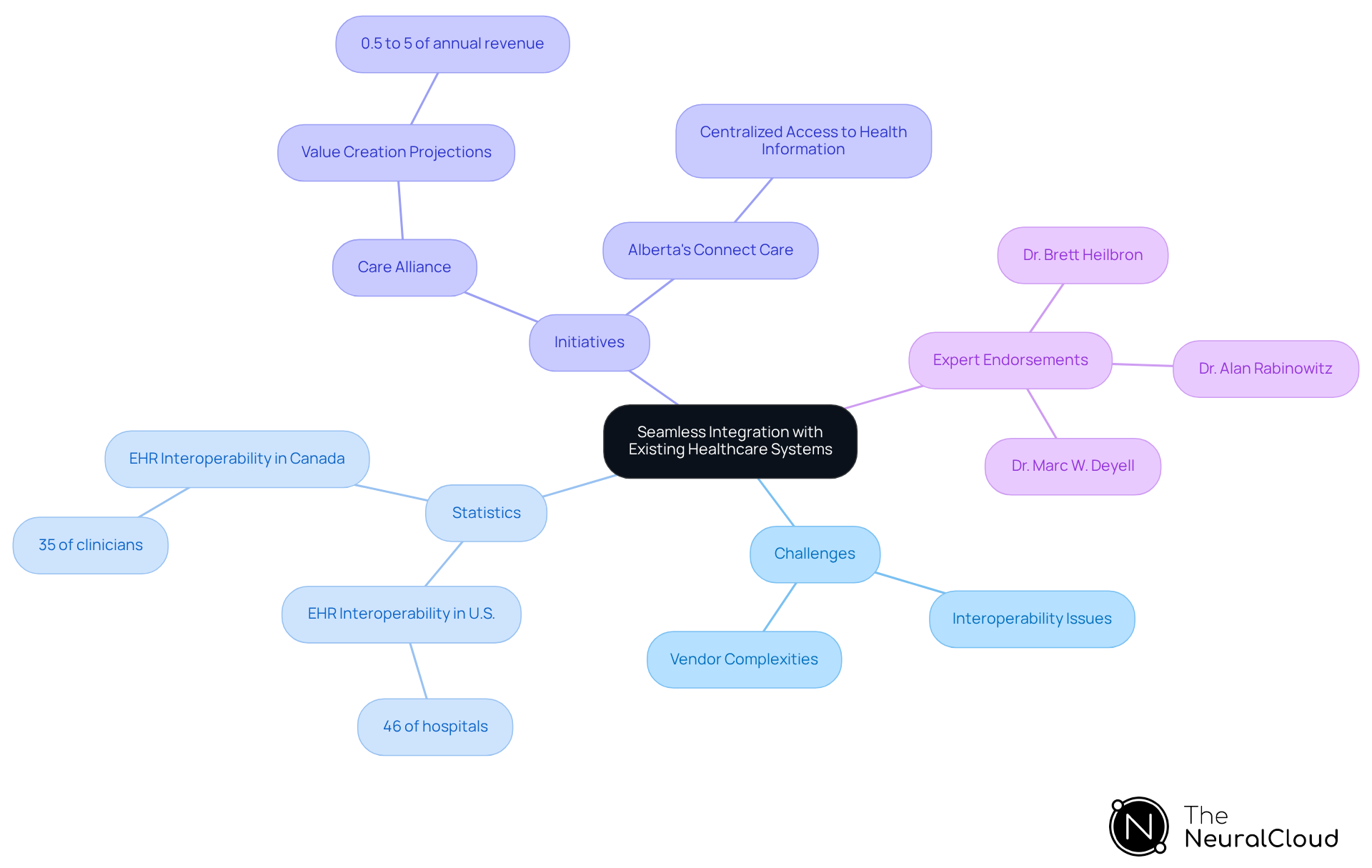
Healthcare applications face significant challenges in integrating with existing systems, impacting clinical workflows and data exchange. This integration is essential for medical providers to leverage new technologies like MaxYield without extensive system overhauls. In Canada, healthcare applications struggle to integrate with EHR systems due to interoperability issues and the complexities of managing multiple vendors. For instance, only 46% of U.S. hospitals have attained basic EHR interoperability, reflecting similar challenges in Canada, where only 35% of clinicians can exchange health information outside their practice.
Seamless integration is crucial, as highlighted by initiatives like the Care Alliance, which seeks to align with health systems' specific goals to maximize value. Participating health systems could see a value creation of 0.5% to 5% of their 2024 annual revenue over a 7-14 year period, underscoring the financial incentives for improving integration.
Moreover, case studies illustrate the impact of effective integration strategies. For example, Alberta's Connect Care initiative has successfully consolidated clinical information across provincial health services, providing physicians with comprehensive medical histories and centralized access to health information. These initiatives show that effective integration of medical applications with EHR systems can greatly enhance care coordination and patient outcomes, leading to a more efficient healthcare system. Additionally, experts like Dr. Alan Rabinowitz, Dr. Brett Heilbron, and Dr. Marc W. Deyell endorse MaxYield for its precision, which rivals human interpretation, and its ability to reduce noise. Furthermore, regulatory compliance details, such as FDA Class II SaMD clearance-pending status, reinforce the trustworthiness of MaxYield in the medical technology field.
Customizable Reporting Features for Tailored Outputs
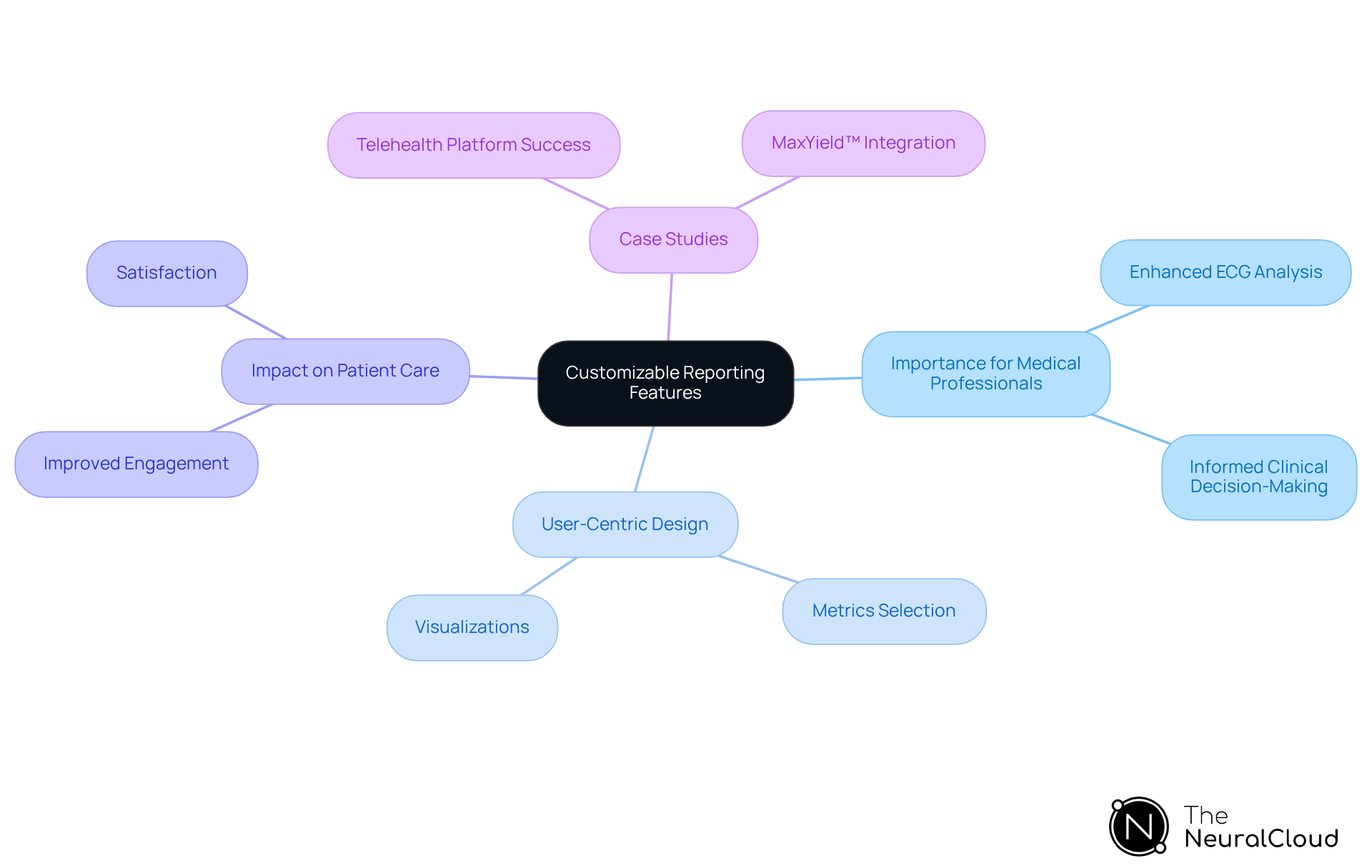
Customizable reporting features are crucial for medical professionals striving to enhance ECG analysis and patient care. These features allow users to generate tailored reports that align with their specific needs. By selecting metrics, formats, and visualizations that best represent the data, healthcare professionals can gain clearer insights, supporting informed clinical decision-making. In Canada, the demand for such features is underscored by the growing trend of medical applications that prioritize user-centric design. A recent study highlighted that 85% of medical organizations recognize the importance of customizable reporting tools in improving operational efficiency and care outcomes.
Case studies from Canadian healthcare apps illustrate the effectiveness of these features. For instance, a prominent telehealth platform introduced customizable dashboards that enabled clinicians to visualize patient information in real-time, resulting in a 30% increase in timely interventions. Furthermore, incorporating customizable reporting features has been shown to enhance communication among care teams, ultimately leading to improved engagement and satisfaction for patients receiving care.
MaxYield™ from Neural Cloud Solutions Inc. changes the game in ECG analysis by identifying and tagging key information, even when recordings are noisy or contain artifacts. This advanced platform quickly isolates ECG waves from recordings affected by baseline wander, movement, and muscle artifact, salvaging previously obscured sections of lengthy Holter, 1-Lead, and patch monitor recordings. The integration of customizable reporting features via Insight360 transforms MaxYield’s clean ECG data into interactive dashboards and clinical-ready reports, promoting better communication among care teams and ultimately resulting in enhanced engagement and satisfaction for patients.
As healthcare evolves, the integration of customizable reporting will be pivotal in maximizing the effectiveness of ECG monitoring and analysis. With MaxYield’s adaptive algorithm, the accuracy and efficiency of ECG interpretation will continuously improve, further supporting clinical workflows and diagnostic accuracy. Regulatory compliance details, including FDA Class II SaMD clearance-pending status, ensure that these tools meet the highest standards. Expert endorsements from Dr. Alan Rabinowitz, Dr. Brett Heilbron, and Dr. Marc W. Deyell emphasize MaxYield’s precision, rivaling human interpretation and its noise reduction benefits.
Advanced Analytics for In-Depth Patient Insights
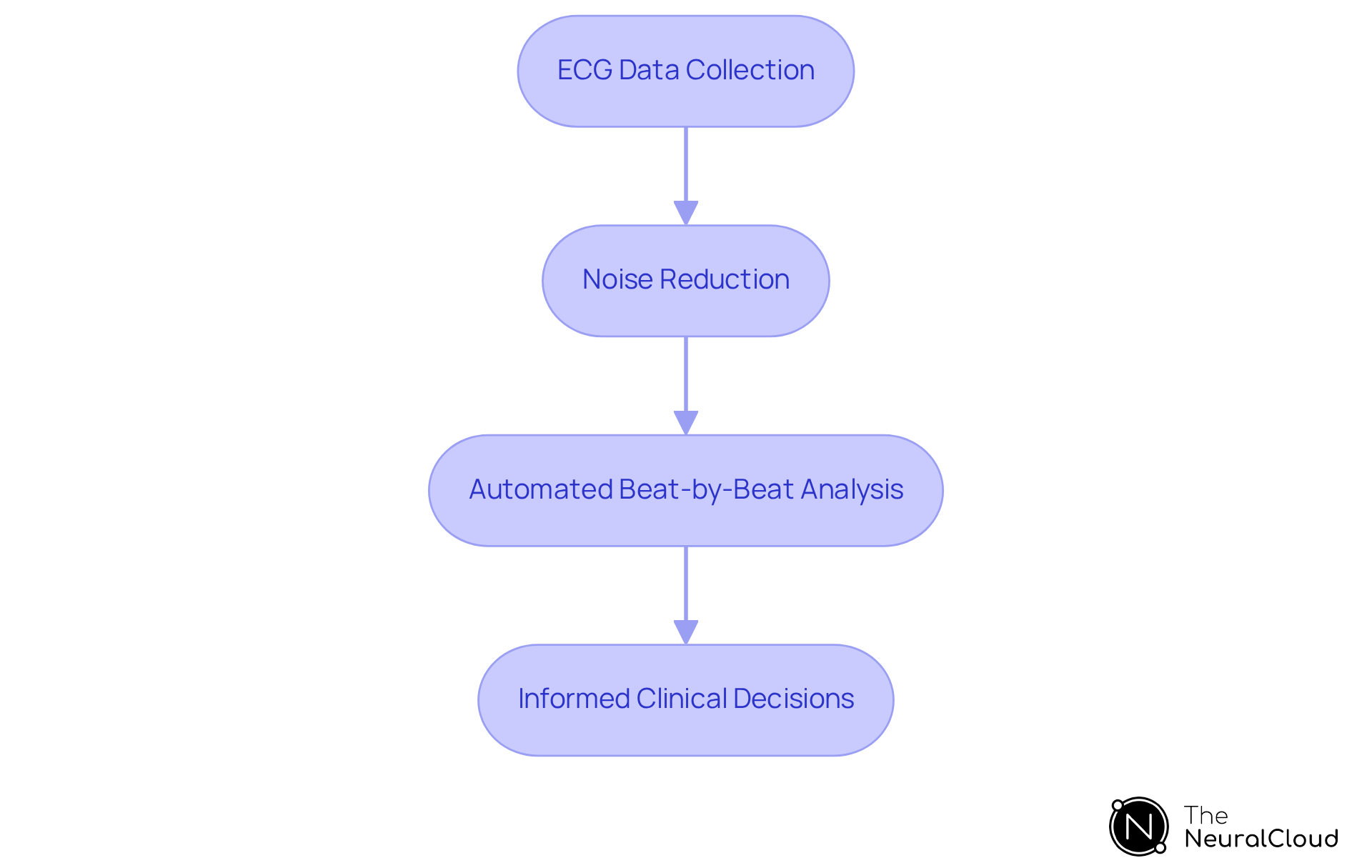
Clinicians face significant challenges in ECG analysis due to noise and complexity, which can obscure vital insights. Advanced analytics capabilities through Neural Cloud Solutions' MaxYield platform empower healthcare applications to conduct thorough analyses of individual data, revealing trends and patterns that may not be readily visible. This approach helps clinicians make informed, data-driven decisions, improving outcomes and enabling personalized care.
MaxYield's automated ECG analysis turns noisy recordings into clear insights. It delivers beat-by-beat analysis of 200,000 heartbeats in under five minutes, supporting clinicians in making confident clinical decisions that ultimately lead to improved patient outcomes. Experts like Dr. Alan Rabinowitz and Dr. Brett Heilbron emphasize that MaxYield's precision rivals human interpretation, while its advanced noise reduction capabilities enhance diagnostic yield.
Additionally, the platform is pending FDA Class II SaMD clearance, ensuring regulatory compliance and audit-ready documentation for GxP inspections. Incorporating MaxYield and Insight360 into your workflow optimizes processes and clarifies ECG data. This ensures medical professionals can make confident clinical decisions, ultimately enhancing patient care.
Multi-Device Compatibility for Enhanced Accessibility
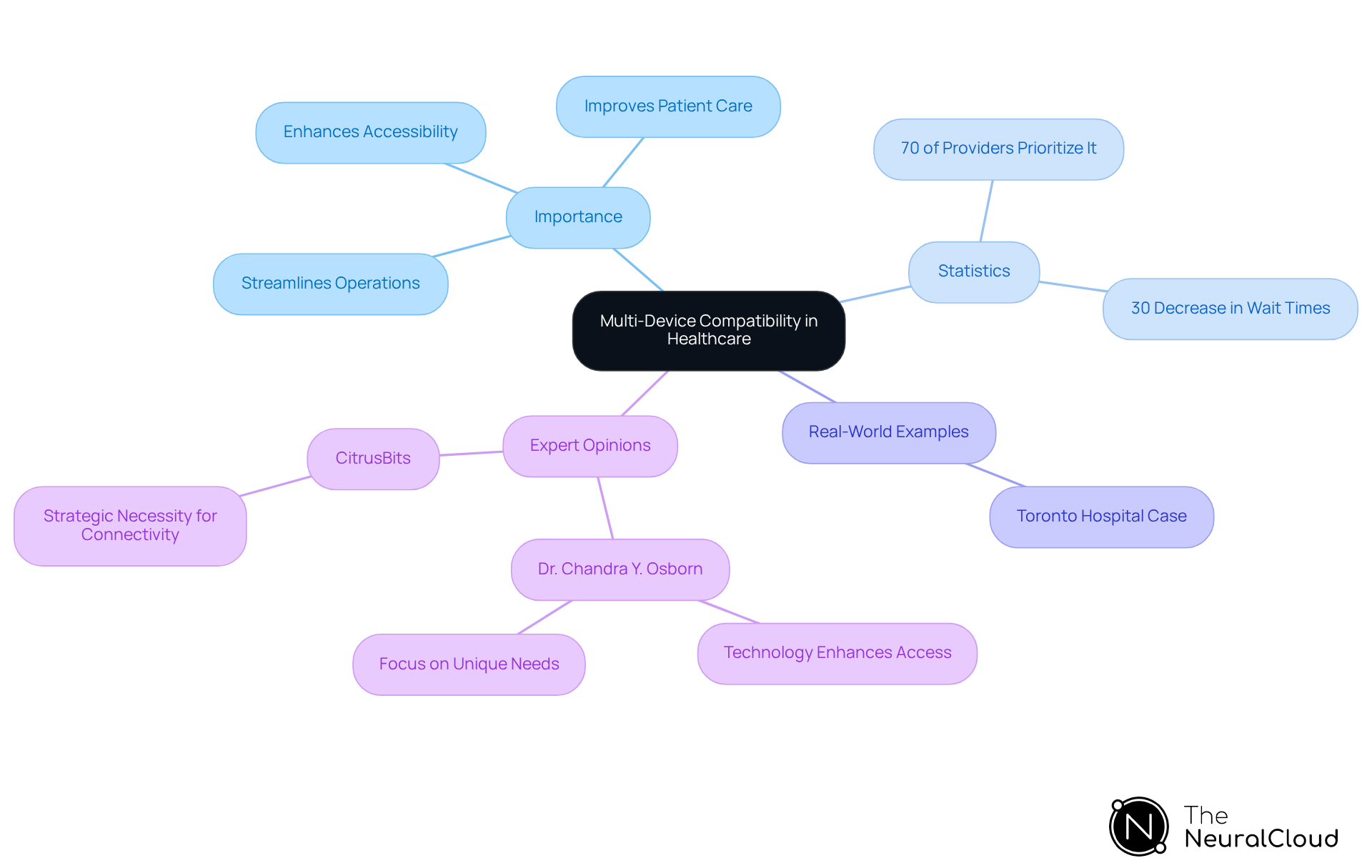
In the fast-paced world of healthcare, the ability to access medical applications across multiple devices is crucial for effective patient care. Multi-device compatibility is essential for medical applications, enabling users to access the app seamlessly across smartphones, tablets, and desktops. This flexibility means that medical professionals can use the app in various settings - clinics, hospitals, or even on the go - greatly improving accessibility and convenience. In Canada, the growing trend toward integrated medical solutions highlights the need for compatibility that allows real-time data sharing and monitoring.
Recent statistics show that over 70% of medical providers in Canada prioritize applications that support multi-device functionality, acknowledging its effect on enhancing care quality and operational efficiency. As stated in a report by the Canadian Technology Association, successful implementations of multi-device compatible medical applications have streamlined workflows and reduced administrative burdens, ultimately leading to improved outcomes for individuals. For example, the introduction of a multi-device compatible application in a Toronto-based hospital led to a 30% decrease in patient wait times and enhanced communication among medical teams.
Without multi-device compatibility, healthcare professionals may struggle to access critical patient data in real-time, leading to delays in care. By adopting multi-device compatible applications, healthcare providers can significantly enhance patient care and streamline their operations. Dr. Chandra Y. Osborn, Chief Experience Officer, emphasizes, "Technology has the potential to enhance medical access, strengthen engagement, and help reduce disparities - but only when it is designed around the real needs of the individuals it serves." This highlights the essential importance of multi-device compatibility in contemporary medical services.
Ultimately, embracing multi-device compatibility is not just about convenience; it's about transforming the way healthcare is delivered.
Comprehensive User Training and Support Features
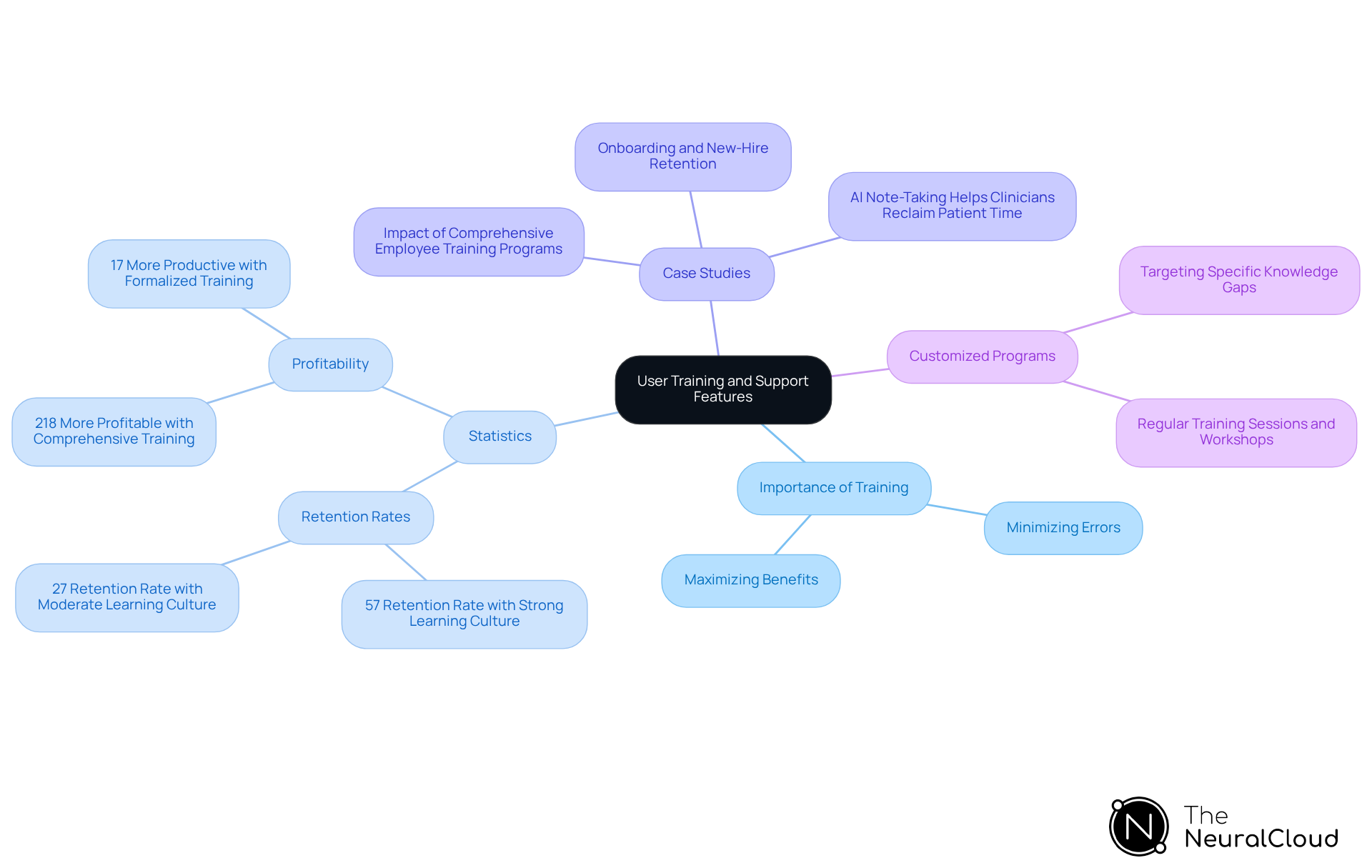
In the realm of ECG technology, effective user training and support are essential for successful implementation. Thorough training sessions, detailed user manuals, and ongoing support empower medical professionals to utilize these technologies proficiently, minimizing errors and maximizing application benefits.
Statistics show that organizations needing less than four hours of education for new providers often frustrate clinicians. Comprehensive EHR training boosts providers' confidence and readiness to engage with the system, leading to improved care outcomes.
Case studies illustrate the impact of effective training on user satisfaction and operational efficiency. Organizations that invest in employee training report a notable increase in retention rates, achieving a 57% retention rate compared to 27% for those with moderate learning cultures. Furthermore, companies with comprehensive training programs are 218% more profitable and 17% more productive than those without formalized training.
For ECG technology, customized training programs that target specific knowledge gaps help align medical teams with the technology's use cases and capabilities. Regular training sessions and workshops can assist medical teams in exploring the full potential of new tools, ultimately enhancing the quality of care provided to patients. Additionally, with MaxYield's advanced noise filtering and distinct wave recognition capabilities, users can confidently interpret ECG data, even in challenging conditions with high levels of noise and artifact. This not only enhances diagnostic accuracy but also streamlines workflow efficiency by automating repetitive tasks, ensuring compliance with regulatory standards such as FDA Class II SaMD clearance-pending status.
Feedback Mechanisms for Continuous Improvement
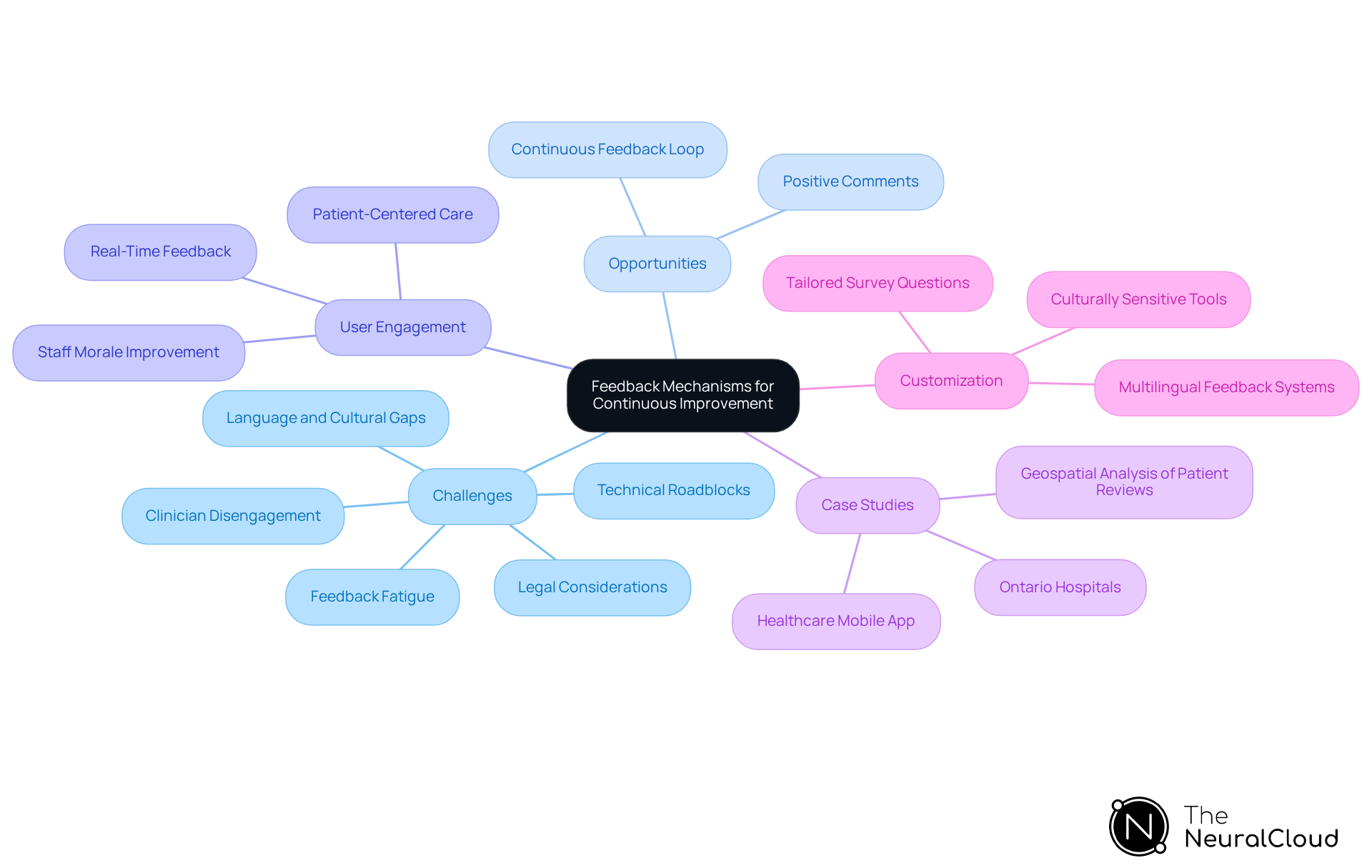
The integration of feedback systems in medical applications presents both challenges and opportunities for healthcare professionals. Feedback systems allow users to share experiences and suggest improvements. This continuous feedback loop is vital for developers, enabling them to refine features, address user concerns, and boost overall satisfaction. Studies in Canada show that practices using digital feedback systems can receive up to 68% positive comments, highlighting the effectiveness of these mechanisms in fostering user engagement and loyalty.
Case studies demonstrate the transformative potential of feedback systems. For example, a healthcare mobile application designed with real-time feedback features greatly boosted staff morale in emergency departments. This established a positive feedback loop that improved care quality. Furthermore, an examination of over 122,000 reviews from Ontario hospitals indicated a significant rise in positive sentiments during the COVID-19 pandemic. This implies that prompt responses to feedback can enhance experiences for individuals receiving care.
Moreover, the significance of customizing feedback collection methods to various client populations cannot be overstated. Ensuring accessibility and cultural sensitivity in feedback tools is essential for capturing a comprehensive view of individual experiences. By prioritizing these mechanisms, healthcare developers can create applications that meet regulatory compliance and adapt to the evolving needs of both professionals and patients.
Conclusion
In the fast-evolving world of healthcare, the integration of advanced features in medical scanner apps is essential for improving efficiency and accuracy. Key elements include:
- Real-time data processing
- Intuitive user interfaces
- Robust data security
These features significantly improve patient outcomes and streamline clinical workflows. Neural Cloud Solutions Inc. shows us how its MaxYield platform can truly transform ECG analysis with technology, making it more precise and user-friendly.
Throughout the article, we highlighted features such as seamless integration with existing healthcare systems, customizable reporting, and advanced analytics as vital components for modern medical applications. These features not only enhance the user experience but also empower healthcare professionals to make informed decisions quickly, ultimately leading to better patient care. The importance of comprehensive user training and feedback mechanisms further underscores the need for continuous improvement in healthcare technology.
As the healthcare landscape evolves, embracing these must-have features will be essential for organizations aiming to provide high-quality care. By prioritizing user-centric design and leveraging innovative technologies, medical professionals can ensure they are equipped to meet the challenges of today’s healthcare environment. The call to action is clear: by investing in the right tools and training, healthcare organizations can significantly elevate the quality of care they provide to patients across Canada.
Frequently Asked Questions
What is MaxYield and how does it enhance ECG workflows?
MaxYield is the flagship product of Neural Cloud Solutions Inc. that utilizes patented signal mapping algorithms to clean and isolate noisy ECG signals, enabling medical professionals to obtain precise and actionable insights for enhanced cardiovascular diagnostics.
Why is there a demand for efficient ECG analysis in Canada?
In Canada, a multi-location cardiology network conducts over 1,000 Holter assessments each month, highlighting the need for efficient ECG analysis to improve diagnostic accuracy and workflow efficiency.
What initiatives is Neural Cloud Solutions Inc. undertaking to improve ECG reporting workflows?
Neural Cloud Solutions Inc. is collaborating with a full-service cardiology clinic on a pilot program aimed at modernizing Holter ECG reporting workflows, which is expected to enhance accuracy and efficiency pending regulatory clearance from Health Canada.
How does MaxYield integrate with wearable ECG technology and Insight360?
The integration of MaxYield with wearable ECG technology and Insight360 aims to transform remote heart monitoring by providing clearer data for healthcare providers, facilitating better detection of cardiac abnormalities.
What regulatory milestone has Neural Cloud Solutions Inc. achieved for the MaxYield platform?
Neural Cloud Solutions Inc. has submitted a 510(k) premarket notification to the FDA for the MaxYield platform, marking a significant regulatory milestone that enhances the product's credibility in the market.
What expert endorsements support the effectiveness of MaxYield?
Experts such as Dr. Alan Rabinowitz, Dr. Brett Heilbron, and Dr. Marc W. Deyell endorse MaxYield, highlighting its precision that rivals human interpretation and its exceptional noise reduction benefits.
Why is an intuitive user interface important in medical applications?
An intuitive user interface is essential for healthcare professionals to navigate complex functionalities easily, enhancing workflow efficiency and allowing quick access to vital information.
What are key features of an intuitive user interface in medical applications?
Key features include clear icons, straightforward navigation paths, and responsive design, which collectively improve user satisfaction and health outcomes by facilitating proactive engagement in care management.
What security measures are essential for safeguarding sensitive medical information in Canada?
Essential security measures include strong encryption protocols, secure authentication methods, and strict adherence to regulations such as HIPAA to protect sensitive information from unauthorized access and breaches.
What recent statistics highlight the challenges of data security in the Canadian healthcare sector?
In 2023, 82% of medical data breaches in Canada were linked to cloud misconfigurations, emphasizing the need for robust cybersecurity practices to protect patient data.
How can medical organizations enhance their cybersecurity practices?
Medical organizations are encouraged to prioritize continuous monitoring, regular risk assessments, and adopt multi-factor authentication (MFA) as a standard practice to reduce the risk of unauthorized access and safeguard patient details.
List of Sources
- Neural Cloud Solutions: AI-Driven ECG Workflow Enhancement
- aimlhealth (https://aiml-innovations.com/press-release/aiml-subsidiary-neuralcloud-solutions-commencing-pilot-with-canadian-cardiology-clinic-to-advance-ai-powered-ecg-reporting)
- AIML Hits Key Regulatory Benchmark with 510(k) Filing for MaxYield(TM) Signal Enhancement Platform (https://biospace.com/press-releases/aiml-hits-key-regulatory-benchmark-with-510k-filing-for-maxyieldtm-signal-enhancement-platform)
- AIML Subsidiary Neural Cloud Signs LOI with Circular Health to License MaxYield(TM) ECG Signal Processing (https://ca.finance.yahoo.com/news/aiml-subsidiary-neural-cloud-signs-110000964.html)
- AI/ML Innovations Inc. (CVE:AIML) | (https://webdisclosure.com/article/aiml-innovations-inc-cve-aiml-neural-cloud-partners-with-european-digital-cardiac-platform-zbaBa97okBk)
- Movesense and NeuralCloud to Pilot AI-Powered ECG and Holter Reporting — Movesense (https://movesense.com/news/2026/02/movesense-and-neuralcloud-to-pilot-ai-powered-ecg-and-holter-reporting)
- Intuitive User Interface for Seamless Interaction
- How UI/UX Design Improves Patient Experience in Healthcare App (https://onedatasoftware.com/blog/ux-ui-design-for-healthcare-solutions)
- Healthcare UI Design Trends for 2023 (https://emergobyul.com/news/ui-design-trends-healthcare-and-medical-apps)
- The Importance of UX Design for Healthcare Applications (https://kandasoft.com/blog/the-importance-of-ux-design-for-healthcare-applications)
- Explore How User Interface Design Can Improve Healthcare Apps (https://mirrahealthcare.com/insights/how-uiux-design-can-improve-patient-engagement-in-healthcare-apps)
- Designing User-Centric Healthcare Apps: Best Practices (https://easternpeak.com/blog/designing-user-centric-healthcare-apps)
- Strong Data Security and Compliance Measures
- Cyber Security in Healthcare: Protecting Canada's Most Sensitive Data (https://linkedin.com/pulse/cyber-security-healthcare-protecting-canadas-most-data-brett-gallant-rv1de)
- Canadian health data security is critical in changing political climate (https://eurekalert.org/news-releases/1092181)
- How Cloud Impacts HIPAA Compliance in Healthcare | Censinet (https://censinet.com/perspectives/cloud-impacts-hipaa-compliance-healthcare)
- Healthcare Data Breach Statistics (https://hipaajournal.com/healthcare-data-breach-statistics)
- Healthcare Cybersecurity Statistics 2026: Breaches & HIPAA Risk (https://deepstrike.io/blog/healthcare-cybersecurity-statistics)
- Real-Time Data Processing for Immediate Insights
- With Minutes Between Life and Death, Continuous Remote ECG Monitoring Saves Lives (https://dicardiology.com/content/minutes-between-life-and-death-continuous-remote-ecg-monitoring-saves-lives)
- Real-Time Healthcare Analytics: How Leveraging It Improves Patient Care (https://striim.com/blog/real-time-healthcare-analytics-improves-patient-care)
- Role of Real-Time Data in Healthcare (https://news-medical.net/health/Role-of-Real-Time-Data-in-Healthcare.aspx)
- From Home to Hospital - The Power of Connecting Cardiology Through Integrated ECG (https://gehealthcare.com/en-us/insights/article/from-home-to-hospital-the-power-of-connecting-cardiology-through-integrated-ecg?srsltid=AfmBOortHa-8dS525A_vdrMuEUxHcjvjW9hXtYY_5--gZHvEwIruaKBT)
- The Significance of Real-Time Data in Healthcare – EMOTII (https://adohscientific.com/the-significance-of-real-time-data-in-healthcare)
- Seamless Integration with Existing Healthcare Systems
- Why Canada’s health records remain fragmented (https://policyoptions.irpp.org/2026/05/canada-health-records-fragmentation)
- Electronic Health Records Statistics By Healthcare, Data, Management (2026) (https://media.market.us/electronic-health-records-statistics)
- Canada’s Electronic Health Record Gap: Patients Deserve Better (https://cdhowe.org/publication/canadas-electronic-health-record-gap-patients-deserve-better)
- Hidden challenges of integrating healthcare technology at scale (https://gehealthcare.com/en-us/insights/article/hidden-challenges-of-integrating-healthcare-technology-at-scale?srsltid=AfmBOopuVtK8gFvYfSd-GInaYTWsqiBbUGnMWgXRVt4vk_RDAtLUWsqD)
- Harmony Healthcare IT Innovations Support Canadian Priority for Connected Health Services - Healthcare Data Management Software & Services | Harmony Healthcare IT (https://harmonyhit.com/harmony-healthcare-it-innovations-support-canadian-priority-for-connected-health-services)
- Customizable Reporting Features for Tailored Outputs
- Best Healthcare Reporting Tools (https://explo.co/blog/healthcare-reporting-tools)
- Health plans missing opportunities for data and AI (https://healthcarefinancenews.com/news/health-plans-missing-opportunities-data-and-ai)
- Digital Health Tools Are Reshaping Healthcare in the United States (https://prnewswire.com/news-releases/digital-health-tools-are-reshaping-healthcare-in-the-united-states-302804213.html)
- First-ever tailored reporting guidance to improve patient care and outcomes (https://news-medical.net/news/20190117/First-ever-tailored-reporting-guidance-to-improve-patient-care-and-outcomes.aspx)
- Custom Healthcare Software Market Size, Trends, Growth Report 2033 (https://databridgemarketresearch.com/reports/global-custom-healthcare-software-market?srsltid=AfmBOoouFDFpHvHYDWNYNh-vkAXaxGUiM-TYY2e0l7dFgBUug-_bHPke)
- Advanced Analytics for In-Depth Patient Insights
- Data Analytics in Healthcare: Transforming Patient Care Delivery (https://park.edu/blog/data-analytics-in-healthcare-transforming-patient-care-delivery)
- Laying the digital and analytical foundations for Canada’s future health care system - PMC (https://pmc.ncbi.nlm.nih.gov/articles/PMC5760252)
- The Impact of Big Data Analytics in Healthcare: Improving Patient Outcomes and Efficiency (https://inovalon.com/blog/big-data-analytics-in-healthcare-patient-outcomes)
- 10 Ways Data Science and Analytics Are Reshaping the Healthcare Industry - Canadian College of Healthcare and Pharmaceutics (https://cchap.ca/10-ways-data-science-and-analytics-are-reshaping-the-healthcare-industry)
- Transforming patient outcomes: How predictive analytics is revolutionising healthcare (https://innovationnewsnetwork.com/transforming-patient-outcomes-how-predictive-analytics-is-revolutionising-healthcare/62313)
- Multi-Device Compatibility for Enhanced Accessibility
- HL7 launches device interoperability implementation community (https://healthcareitnews.com/news/hl7-launches-device-interoperability-implementation-community)
- New standards will help advance medical device connectivity (https://healthcarefinancenews.com/news/new-standards-will-help-advance-medical-device-connectivity)
- How medical technology is bridging the accessibility gap - MedTech Europe (https://medtecheurope.org/resource-library/how-medical-technology-is-bridging-the-accessibility-gap)
- Medical Device Connectivity in Healthcare Systems (https://citrusbits.com/medical-device-connectivity-healthcare-interoperability)
- The Role of Technology in Addressing Health Equity, Accessibility and Digital Literacy Among Diverse Patient Populations (https://adherehealth.com/news-the-role-of-technology-in-addressing-health-equity-accessibility-and-digital-literacy-among-diverse-patient-populations)
- Comprehensive User Training and Support Features
- EHR training is biggest predictor of user satisfaction, experts say (https://healthcareitnews.com/news/ehr-training-biggest-predictor-user-satisfaction-experts-say)
- 39 Statistics that Prove the Value of Employee Training (https://lorman.com/blog/post/39-statistics-that-prove-the-value-of-employee-training?srsltid=AfmBOop4i_i8vTgeg4lbLqWa8mwNsAxCgLkorxTKuxdFYI5ln2FjwNp8)
- Three reasons why you need an EHR user training plan (https://ehrinpractice.com/three-reasons-ehr-user-training-plan.html)
- How to boost new technology use in healthcare with training and continuous learning - Connected Health (https://connected-health.com.au/insight/how-to-boost-new-technology-use-in-healthcare-with-training-and-continuous-learning)
- Best Practices for EHR Implementation Training (https://impact-advisors.com/article/best-practices-for-ehr-implementation-training)
- Feedback Mechanisms for Continuous Improvement
- Healthcare App Development: Cost, HIPAA & ROI – NIX United (https://nix-united.com/blog/healthcare-application-development-best-practices-trends-principles)
- Building Effective Patient Feedback Frameworks (https://fullscript.com/blog/patient-feedback-systems)
- From patient voices to policy: Data analytics reveals patterns in Ontario’s hospital feedback - PMC (https://pmc.ncbi.nlm.nih.gov/articles/PMC12875584)
- Embracing AI and Real-Time Feedback to Improve Patient and Staff Experience (https://vital.io/resources/blog/embracing-ai-and-real-time-feedback-to-improve-patient-and-staff-experience)
- The Role of Patient Feedback Software in Enhancing Care Quality (https://certifyhealth.com/blog/why-every-practice-needs-patient-feedback-software-for-better-experiences)