Introduction
The increasing prevalence of hyperkalemia, particularly among vulnerable populations such as those with chronic kidney disease and the elderly, underscores the urgent need for innovative diagnostic and management solutions. This article explores the transformative capabilities of Neural Cloud Solutions' MaxYield™ platform, which utilizes advanced AI technology to enhance EKG analysis for elevated potassium levels. As healthcare developers examine these advancements, critical questions emerge: How can these tools be integrated into existing clinical workflows, and what challenges persist in ensuring timely and accurate detection of hyperkalemia?
MaxYield™ addresses the challenges faced in ECG analysis by providing features that improve the detection of elevated potassium levels. By leveraging sophisticated algorithms, the platform enhances the accuracy of EKG readings, allowing healthcare professionals to identify hyperkalemia more effectively. This advancement not only streamlines the diagnostic process but also supports timely interventions, ultimately benefiting patient outcomes.
The advantages of the MaxYield™ platform extend beyond improved accuracy. It facilitates seamless integration into clinical workflows, minimizing disruptions while maximizing efficiency. Healthcare professionals can rely on its intuitive interface, which is designed to accommodate both technical and non-technical users. As a result, the platform serves as a valuable tool in the fight against hyperkalemia, empowering healthcare providers to deliver better care to their patients.
Neural Cloud Solutions: MaxYield™ for Enhanced Hyperkalemia EKG Analysis
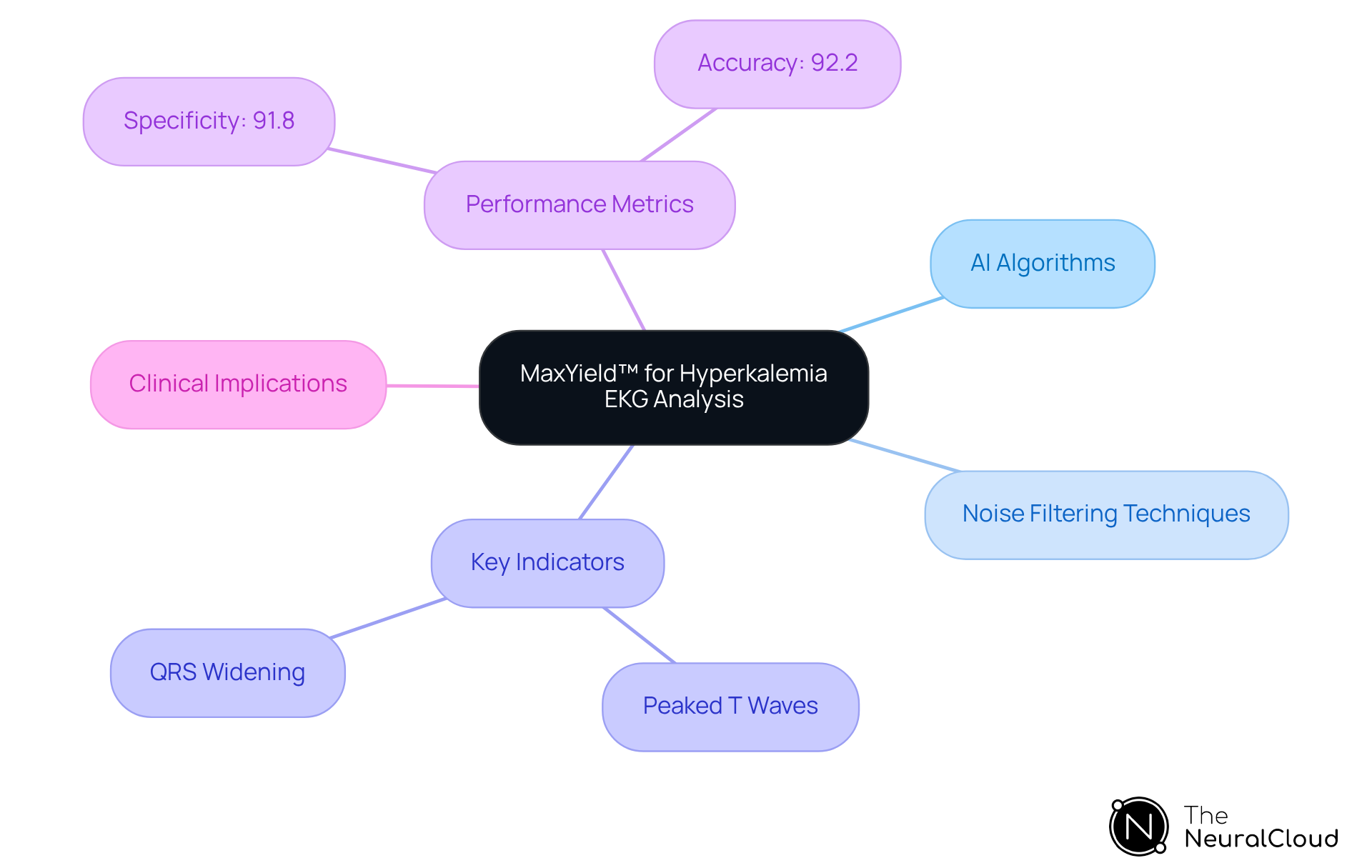
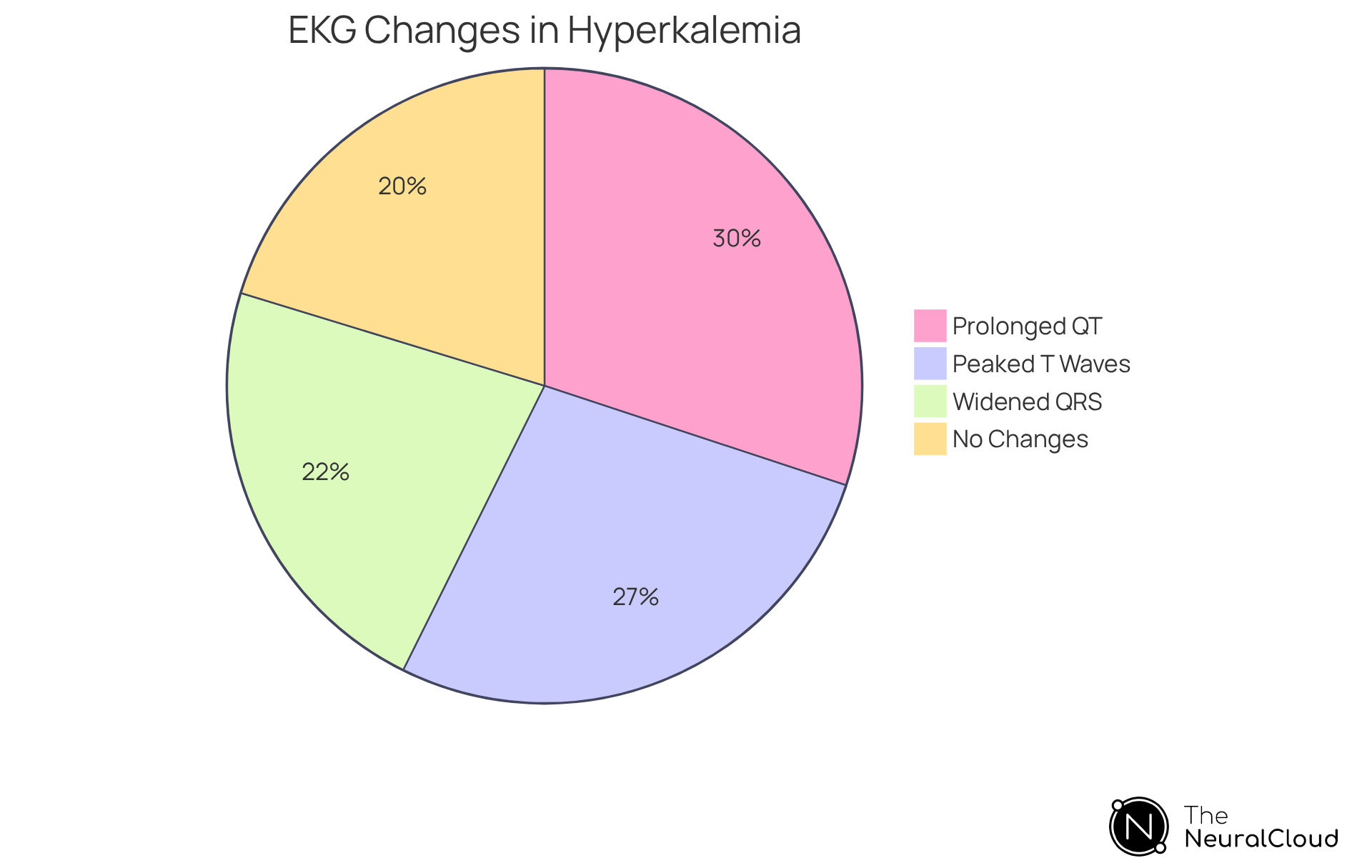
Neural Cloud Solutions' MaxYield™ platform is at the forefront of revolutionizing EKG analysis for elevated potassium levels by utilizing advanced algorithms and machine learning. This cutting-edge technology is capable of efficiently processing over 200,000 heartbeats in less than five minutes. Such remarkable efficiency empowers healthcare professionals to quickly identify key indicators of elevated potassium levels on the hyperkalemia EKG, including:
These indicators are essential for accurate diagnosis. The AI-ECG model demonstrates a specificity of 91.8% for serum potassium levels ≥6.5 mmol/l, underscoring its effectiveness in clinical settings. By significantly improving diagnostic accuracy through advanced noise reduction and artifact management, MaxYield™ allows clinicians to make informed decisions with confidence, ultimately leading to improved outcomes in managing elevated potassium levels.
Additionally, the sensitivity of 92.2% compared to 87.2% in identifying major ECG abnormalities, showcasing its superiority over traditional methods. The platform's seamless integration into clinical workflows further emphasizes its value, addressing the urgent need for rapid and accurate diagnostic tools in managing electrolyte imbalances.
As AI technology continues to advance, its role in enhancing EKG analysis for elevated potassium levels is expected to expand, paving the way for more effective care strategies. As noted by Chien-Chou Chen, AI-ECG for mineral forecasting may aid in early detection and reveal more serious cardiac conditions in individuals with ongoing high potassium.
Key ECG Findings in Hyperkalemia: Understanding the Diagnostic Indicators
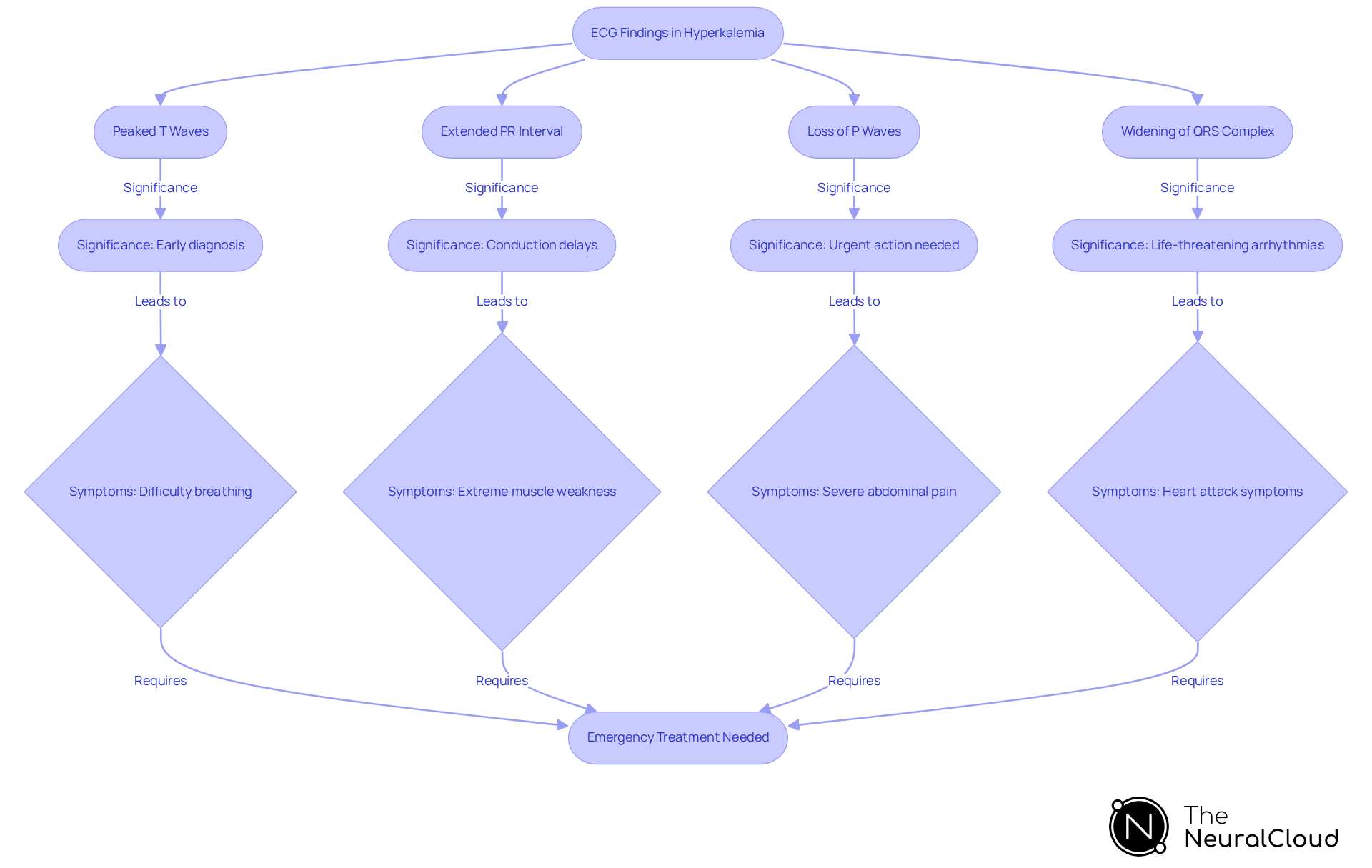
Key ECG findings in hyperkalemia include:
- Tall T waves: Often the earliest sign of elevated potassium levels, these tall, tented T waves are critical for early diagnosis.
- Conduction delays: This observation suggests conduction delays caused by high electrolyte concentrations, which are often evident on an EKG, complicating management. Studies indicate that approximately 18.4% of severely hyperkalemic patients exhibit this alteration.
- QRS widening: A notable sign of hyperkalemia, this alteration typically arises when potassium concentrations surpass 6.5 mEq/L, indicating a need for prompt action.
- Sine wave pattern: This crucial indication on the EKG can lead to life-threatening arrhythmias if potassium concentrations are not addressed promptly. Potassium levels exceeding 9.0 mmol/L can cause a sine wave appearance on the EKG, highlighting the urgency of managing elevated potassium.
In addition to these ECG alterations, it is essential to recognize that symptoms necessitate emergency treatment. Symptoms such as muscle weakness, palpitations, and heart attack symptoms should be identified. Recognizing these changes and their related symptoms is crucial for prompt intervention, as they provide insights that can guide treatment choices and enhance outcomes. Furthermore, patient education plays a significant role in preventing hyperkalemia; individuals should be advised to limit potassium intake and consult healthcare providers for personalized dietary recommendations.
Physiology of Hyperkalemia: Impact on Cardiac Function and EKG Interpretation
Hyperkalemia significantly affects cardiac function by altering the resting membrane potential of cardiac cells, leading to increased depolarization. This physiological change can result in arrhythmias, which are reflected in specific EKG findings. As potassium levels rise, the heart's electrical activity becomes more unstable, increasing the risk of arrhythmias.
Notably, 71% of individuals with potassium concentrations exceeding 6.5 mmol/L exhibit EKG changes, with 43% showing multiple alterations. Common manifestations on a standard EKG include:
- Peaked T waves
- Widened QRS complexes
These changes complicate the interpretation of cardiac rhythms. For instance, in severe cases of elevated potassium levels, such as a patient with a potassium measurement of 9.0 mmol/L, typical EKG findings included a brief sine wave pattern, indicating critical instability.
Understanding these physiological impacts is essential for healthcare providers, particularly in identifying arrhythmias, and for the development of effective monitoring solutions, especially in emergency settings where timely interventions are crucial. Experts emphasize the importance of examining every aspect of the EKG, including heart rate and rhythm, to assess the effects of elevated potassium levels and guide appropriate treatment strategies.
Management Protocols for Hyperkalemia: Essential Strategies for Healthcare Developers
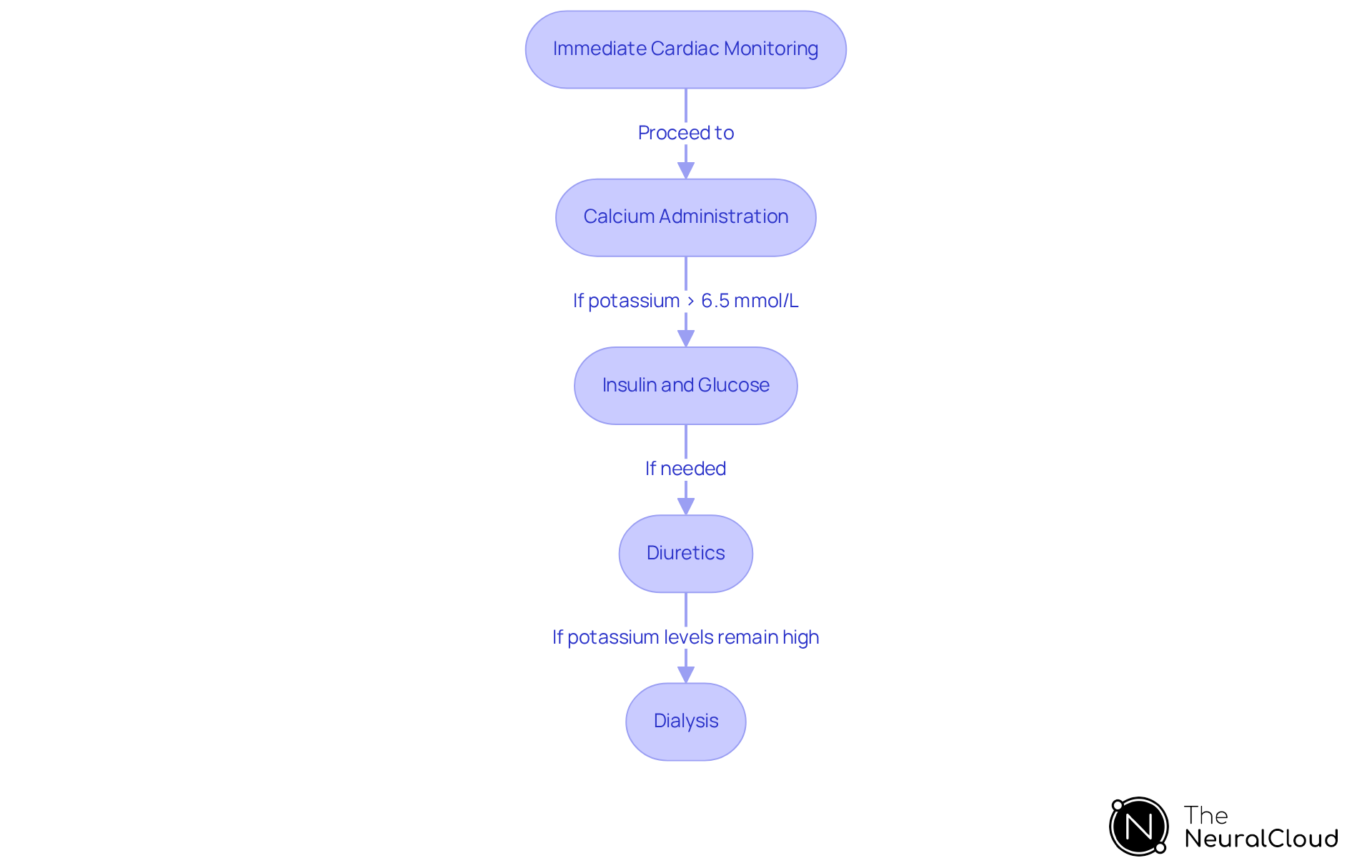
encompass several critical interventions:
- Immediate Cardiac Monitoring: monitoring is essential for the early detection of arrhythmias, especially in patients with severe hyperkalemia. Neural Cloud Solutions' technology that swiftly labels P, QRS, and T wave onsets, offsets, and time-series intervals. This beat-by-beat tabulation in CSV format integrates seamlessly into existing workflows, facilitating regular reassessments of potassium levels alongside electrolyte measurements, as recommended by the guidelines.
- Calcium Administration: administration is vital for stabilizing cardiac membranes when serum potassium levels exceed 6.5 mmol/L. This intervention is crucial for preventing life-threatening arrhythmias that can be identified on a cardiac monitor.
- Insulin and Glucose: The combination of insulin and glucose effectively shifts potassium back into cells, thereby lowering serum concentrations. This method is particularly advantageous in acute settings requiring rapid intervention.
- Diuretics: Loop diuretics assist in the removal of certain electrolytes, providing an alternative approach to managing elevated potassium levels. Their application should be customized to the patient's overall clinical picture and renal function.
- Dialysis: In cases of severely elevated potassium levels, dialysis may be necessary to remove excess potassium from the bloodstream. By leveraging MaxYield™'s capabilities, developers can ensure that their tools support these management protocols, enabling healthcare providers to respond promptly to elevated potassium levels.
Integrating these strategies into healthcare solutions can significantly enhance the quality of care, ultimately improving outcomes for patients. The urgency of these interventions is underscored by the statistic that 10.6% of patients with severe potassium elevation died during their ED visit, highlighting the critical nature of timely management and the pivotal role MaxYield™ can play in addressing this urgent need.
Diagnosis and Testing for Hyperkalemia: Best Practices for Accurate Assessment
Best practices for diagnosing hyperkalemia include:
- EKG Testing: An EKG should be the first test performed in suspected cases of hyperkalemia. This non-invasive diagnostic instrument is essential for detecting distinctive alterations like peaked T waves, which can be identified on a tracing and signify elevated concentrations of potassium. The technology improves this process by employing advanced noise filtering and unique wave recognition, enabling clearer detection of these essential changes even in recordings with substantial noise. This advancement surpasses conventional methods that may struggle with elevated noise conditions.
- Serum Potassium Measurement: Verify increased concentrations through blood tests. Hyperkalemia is characterized by surpassing 5.0 mEq/L. Precise measurement is crucial for effective management.
- Repeat Testing: Regular monitoring of potassium content is essential, especially in patients with risk factors such as renal failure or those on medications that can elevate potassium content. Continuous monitoring, supported by MaxYield™, can facilitate timely interventions by rapidly isolating ECG waves from recordings affected by baseline wander and muscle artifact, which traditional methods may overlook.
- Clinical Correlation: Always correlate findings with clinical symptoms and laboratory results for accurate diagnosis. Signs of hyperkalemia can be subtle or resemble other conditions, making thorough evaluation essential for successful treatment.
Research insights suggest that alterations in the EKG can result from high potassium concentrations, even at reduced amounts, emphasizing the significance of EKG in early identification. Moreover, the association between EKG findings and serum mineral concentrations highlights the necessity for unified testing procedures to improve diagnostic precision. This process is greatly enhanced by the integration of the latest technology.
Treatment Options for Hyperkalemia: Insights for Healthcare Application Development
include:
- Calcium Salts: Administered to stabilize and protect against arrhythmias, calcium salts are crucial in the management of acute hyperkalemia. Their swift response can significantly reduce the risk of life-threatening cardiac incidents associated with hyperkalemia, as indicated by clinical studies.
- The combination of insulin and glucose effectively drives potassium back into cells, which is crucial in addressing hyperkalemia by lowering serum concentrations. Insulin facilitates cellular absorption of essential minerals, while glucose is provided to prevent hypoglycemia, making this approach vital in urgent situations.
- Sodium bicarbonate can assist in decreasing serum potassium levels, which is important for managing conditions related to hyperkalemia, by promoting its redistribution into cells and adding an additional layer of treatment for elevated levels.
- Newer agents like patiromer, which exchanges potassium for calcium and primarily acts in the distal colon, along with sodium zirconium cyclosilicate, have demonstrated effectiveness in the chronic management of hyperkalemia. These medications bind to electrolytes in the digestive system, allowing for safer long-term management, especially for individuals on RAAS inhibitors.
In severe cases of hyperkalemia, the evidence indicates that dialysis remains the most effective treatment. It is essential for patients who do not respond to other treatments or have significant renal impairment.
Healthcare application developers should focus on integrating these treatment options into their platforms, ensuring that clinicians have access to comprehensive resources.
Role of ECG Monitoring in Hyperkalemia Management: Implications for Developers
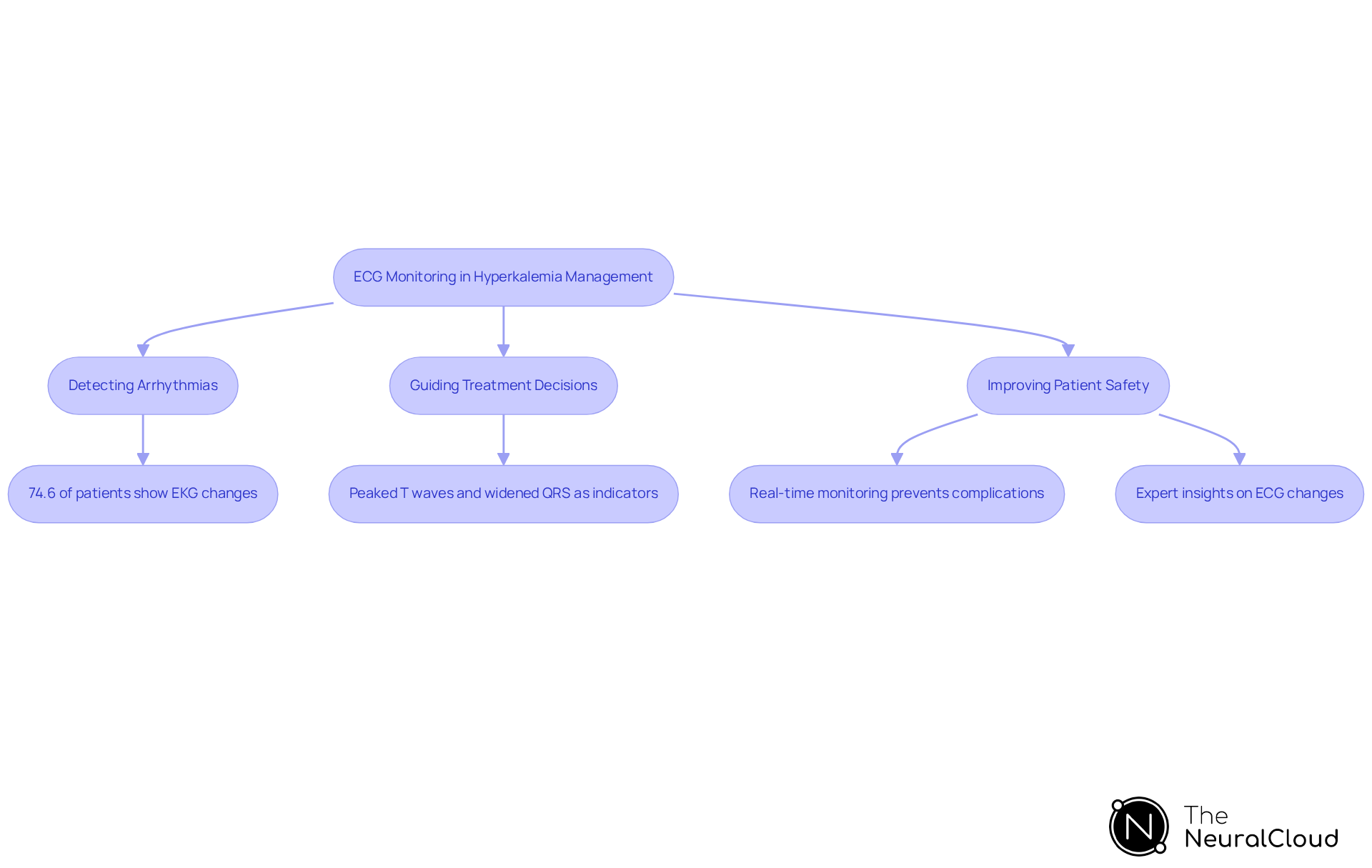
Monitoring is essential in the management of hyperkalemia due to several key factors:
- Continuous ECG monitoring allows for the early identification of life-threatening arrhythmias linked to elevated potassium levels. Research shows that changes occur in approximately 74.6% of hyperkalemic patients, highlighting the critical need for vigilant monitoring.
- ECG changes in the monitoring provide clinicians with insights into the severity of elevated potassium levels and the effectiveness of ongoing treatment. Notably, T-wave changes and observed in a hyperkalemic patient serve as crucial indicators that can direct timely medical interventions.
- Real-time monitoring plays a vital role in preventing complications by facilitating immediate intervention. Studies indicate that the prompt recognition of changes in the ECG can significantly lower in-hospital mortality rates, underscoring the importance of enhancing monitoring features in healthcare applications.
- Expert Insights: Experts assert that the nature of ECG changes is a more reliable predictor of clinical outcomes than serum potassium levels alone. This perspective reinforces the imperative for developers to create tools that accurately interpret these ECG changes, thereby supporting informed clinical decisions.
Continuous monitoring has proven effective in enhancing detection rates of arrhythmias, including those related to hyperkalemia. Studies reveal that the accuracy in recognizing elevated potassium levels varies between 28% and 36%, emphasizing the necessity of integrating advanced algorithms to boost detection accuracy in clinical environments.
Epidemiology of Hyperkalemia: Understanding Prevalence and Risk Factors
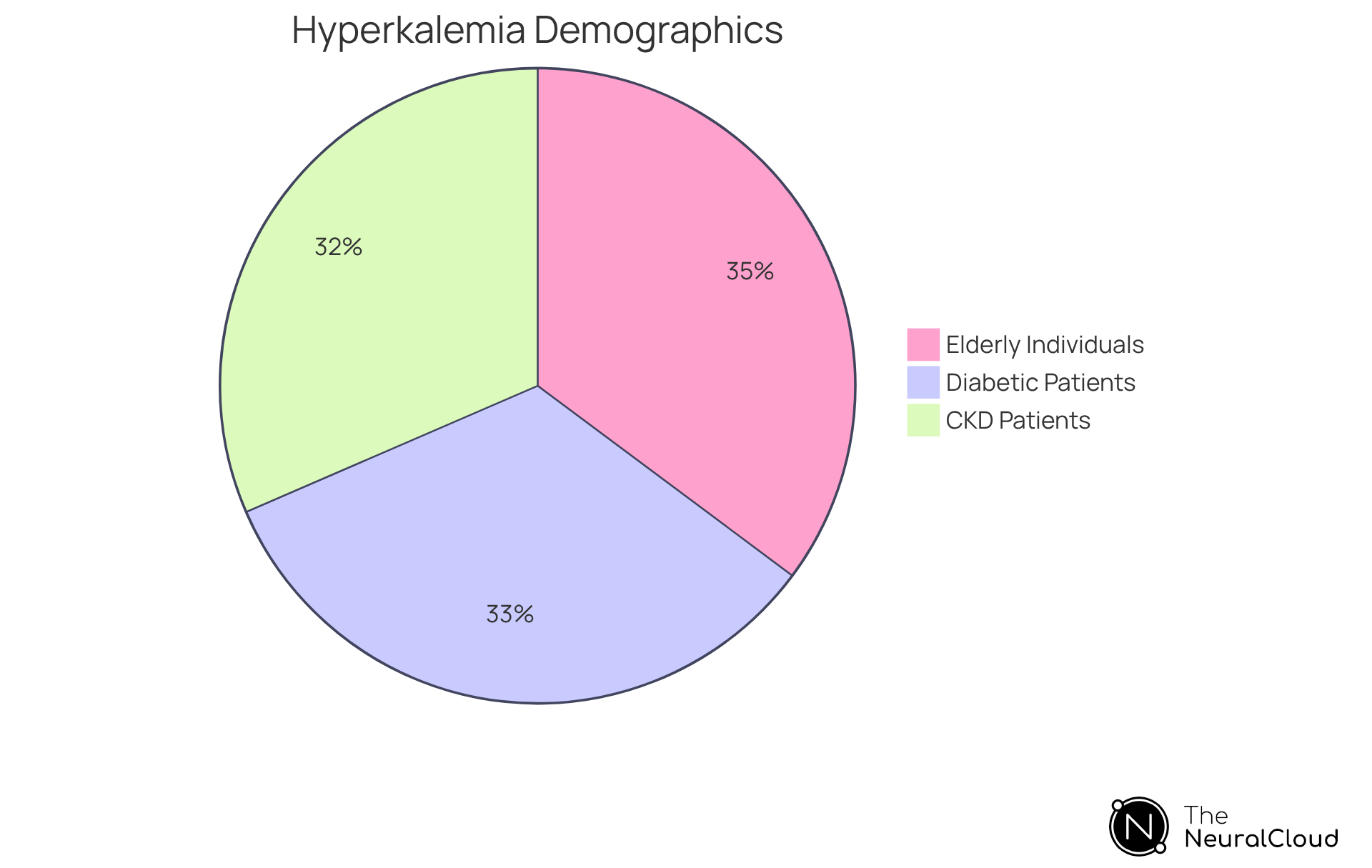
Hyperkalemia poses a significant concern across various demographics, particularly among:
- Patients with chronic kidney disease: In this group, the prevalence of hyperkalemia can reach as high as 31.5%. This statistic underscores the critical need for early intervention. Studies indicate that the highest incidence rates are observed in patients with a urinary albumin-creatinine ratio (UACR) ≥3,500, with rates reaching up to 19.1 events per 100 person-years.
- Individuals with diabetes: Approximately 1 in 3 adults with diabetes will encounter kidney disease, which increases their risk of elevated mineral levels due to impaired metabolism. This complication can significantly affect their overall health management.
- Elderly Individuals: Age-related declines in renal function render older adults more susceptible to increased concentrations of potassium. Consequently, dietary management is necessary. The Mediterranean diet may offer potential advantages for CKD patients, which is relevant when discussing nutritional factors for managing hyperkalemia, particularly in relation to the potassium intake.
Patients on certain medications, such as ACE inhibitors and potassium-sparing diuretics, can experience hyperkalemia, which may be reflected in their lab results. This highlights the importance of conducting medication reviews in at-risk populations. Furthermore, in managing hyperkalemia, a proactive approach is a consideration that developers should prioritize when creating health tech solutions.
Developers must consider these demographics when designing applications aimed at managing high potassium levels, ensuring that their solutions are tailored to meet the specific needs of these vulnerable groups. Additionally, the complexities surrounding treatment adherence should be acknowledged, as implementation and adherence can present technical challenges.
Patient Education on Hyperkalemia: Key Information for Effective Communication
Patient education on hyperkalemia is essential for patients and encompasses several key components:
- Understanding Hyperkalemia: It is important for patients to understand that hyperkalemia is characterized by elevated potassium levels, which can lead to serious cardiac complications. Many individuals may not show symptoms, highlighting the need for routine blood tests for detection. The prevalence of hyperkalemia is noted to be up to 10% among individuals with kidney disease who are not undergoing kidney replacement therapy, emphasizing the necessity for awareness.
- Dietary Education: Educating patients about dietary restrictions is crucial. A low-sodium diet, limited to under 2,000 milligrams daily, can significantly reduce serum potassium levels. Patients should be informed about high-potassium foods, such as bananas, oranges, and certain dairy products, while being encouraged to include low-potassium alternatives like refined grains and specific vegetables. Research indicates that dietary restrictions can lower potassium levels, although adherence can be challenging due to dietary complexities. A case study illustrates the importance of dietary management to prevent elevated potassium levels while allowing for regular activity.
- Medication Awareness: Patients must be informed about medications that can increase potassium levels, including certain diuretics and RAAS inhibitors. Understanding the importance of medication management is vital for effectively managing elevated potassium levels.
- Monitoring Symptoms: Guidance on recognizing symptoms, such as muscle weakness, palpitations, and fatigue, is essential for patients. Monitoring is particularly important for those with chronic kidney disease or other risk factors. Effective communication strategies, such as encouraging patients to ask about their lab results and treatment options, empower them to take an active role in their health management.
- Effective User Communication: Developers should integrate educational tools to enhance user understanding. Providing clear and accessible information about high potassium levels, dietary restrictions, and symptom recognition can boost patient engagement and adherence to management strategies. Fostering open communication between patients and healthcare providers creates a supportive environment for addressing concerns and treatment plans.
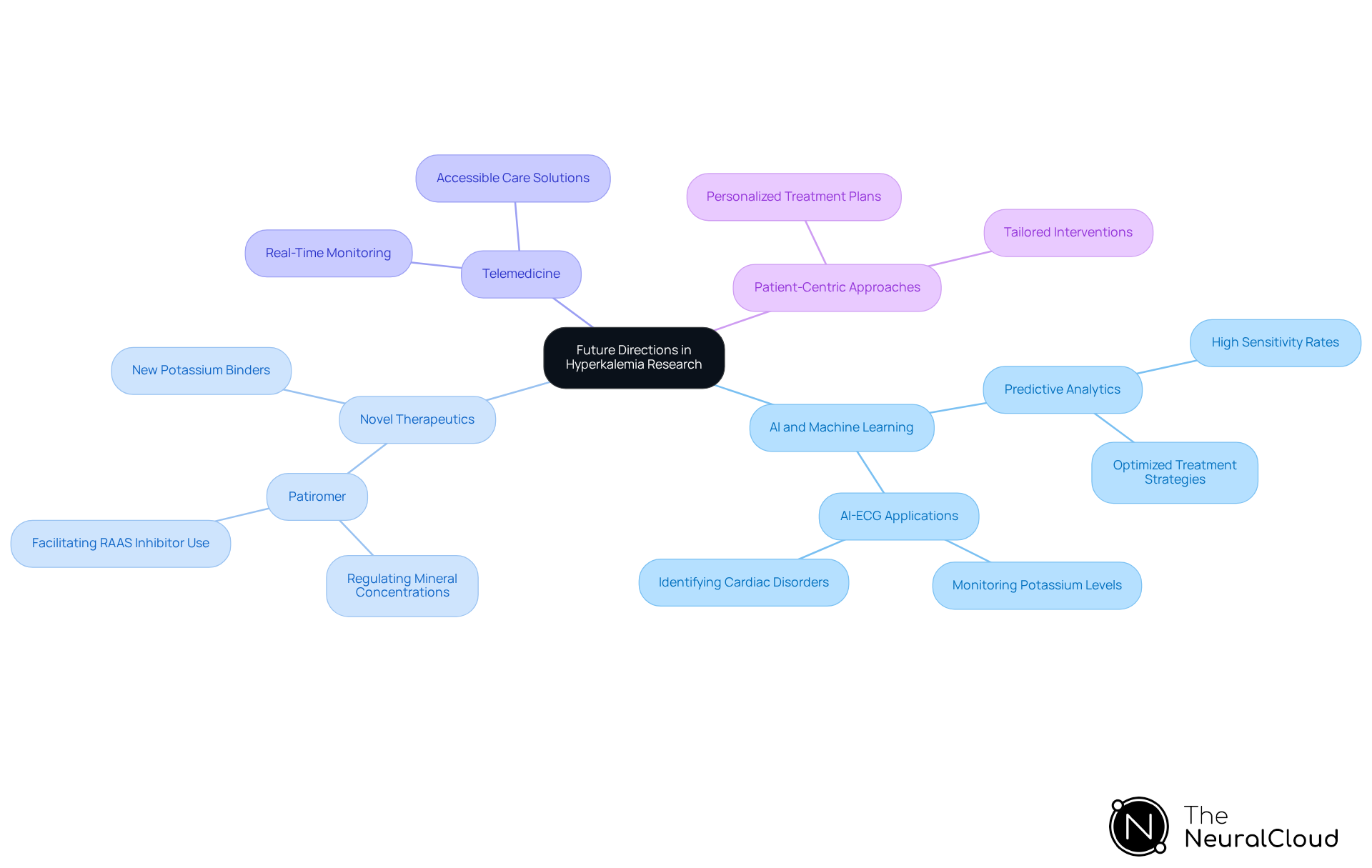
Future Directions in Hyperkalemia Research: Innovations for Healthcare Developers
Future avenues in hyperkalemia research are set to significantly influence patient care and clinical practices. Key areas of focus include:
- AI and Machine Learning: Ongoing advancements in technology for hyperkalemia detection and management. AI algorithms demonstrate high precision in recognizing severe potassium imbalance, with sensitivity rates reaching 86.7%. This technology not only aids in early detection but also improves treatment outcomes, potentially reducing adverse outcomes associated with dyskalemia.
- Novel Therapeutics: Research into new binders for potassium and medications, such as patiromer, is actively progressing. These treatments aim to improve patient outcomes by effectively regulating mineral concentrations, particularly in individuals with chronic kidney disease, who are at increased risk for hyperkalemia. The PROMISE project, for example, is investigating the potential of patiromer to facilitate optimal use of RAAS inhibitors, thus enhancing kidney health and addressing elevated potassium ions that often impede effective treatment.
- Telemedicine: The integration of telehealth solutions for monitoring and managing hyperkalemia is anticipated to expand. This method will provide individuals with more accessible care, enabling real-time monitoring of potassium levels and prompt interventions, which is essential for those with chronic conditions.
- Personalized Medicine: Future research will likely emphasize personalized treatment plans tailored to individual risk factors and responses to therapy. This shift towards patient-focused care is crucial for improving outcomes in potassium imbalance management, as it allows for more tailored interventions based on individual patient needs.
Developers should remain informed about these trends to enhance their applications and contribute to the evolving landscape of healthcare technology as reflected in ongoing research.
Conclusion
The advancements in hyperkalemia EKG analysis, particularly through Neural Cloud Solutions' MaxYield™ platform, underscore the transformative potential of integrating artificial intelligence into healthcare technology. This innovative approach streamlines the detection of critical EKG features associated with elevated potassium levels, thereby enhancing the overall accuracy and efficiency of diagnosis. By automating the identification of key indicators such as peaked T waves and widened QRS complexes, healthcare professionals can make timely and informed decisions that significantly improve patient outcomes.
Essential insights into the physiological effects of hyperkalemia on cardiac function, the importance of continuous ECG monitoring, and various management protocols are crucial for addressing this condition. The exploration of key diagnostic indicators highlights the necessity for accurate assessment methods, including initial EKG assessments and serum potassium measurements. Furthermore, the discussion on patient education emphasizes the need for individuals to understand their condition and engage actively in their management, particularly regarding dietary modifications and medication awareness.
As the landscape of hyperkalemia management evolves, it is vital for healthcare developers to remain attuned to emerging research and innovative technologies. The integration of AI and machine learning, coupled with patient-centric approaches, promises to enhance the effectiveness of treatment strategies and monitoring systems. By prioritizing these advancements, developers can play a pivotal role in improving care for patients with elevated potassium levels, ultimately leading to better health outcomes and a more robust healthcare system.
Frequently Asked Questions
What is MaxYield™ and how does it enhance hyperkalemia EKG analysis?
MaxYield™ is a platform developed by Neural Cloud Solutions that utilizes advanced AI algorithms and superior noise filtering techniques to automate the detection and labeling of critical EKG features related to hyperkalemia, processing over 200,000 heartbeats in less than five minutes for quick identification of elevated potassium levels.
What are the key indicators of elevated potassium levels on a hyperkalemia EKG?
Key indicators include peaked T waves and widening of the QRS complex, which are essential for timely intervention in cases of hyperkalemia.
How effective is the AI-ECG model in detecting hyperkalemia EKG?
The AI-ECG model demonstrates a specificity of 91.8% for serum potassium levels ≥6.5 mmol/l, indicating its effectiveness in accurately detecting hyperkalemia.
What improvements does MaxYield™ offer over traditional methods?
MaxYield™ achieves a higher accuracy of 92.2% in identifying major ECG abnormalities compared to 87.2% with traditional methods, and it enhances the clarity of hyperkalemia EKG signals through advanced noise reduction and artifact management.
What are the common ECG findings associated with hyperkalemia?
Common ECG findings include peaked T waves, extended PR intervals, loss of P waves, and widening of the QRS complex. These alterations can indicate severe hyperkalemia and require prompt action.
What symptoms are associated with elevated potassium levels that require emergency treatment?
Symptoms that necessitate emergency treatment include difficulty breathing, extreme muscle weakness, severe abdominal pain, and signs of a heart attack.
How does hyperkalemia affect cardiac function and EKG interpretation?
Hyperkalemia alters the resting membrane potential of cardiac cells, leading to increased depolarization, heightened excitability, and conduction abnormalities, which complicate EKG interpretation and increase the risk of arrhythmias.
What dietary recommendations are important for preventing hyperkalemia?
Individuals should limit high-potassium foods and consult healthcare providers for personalized dietary recommendations to help prevent hyperkalemia.
List of Sources
- Neural Cloud Solutions: MaxYield™ for Enhanced Hyperkalemia EKG Analysis
- pmc.ncbi.nlm.nih.gov (https://pmc.ncbi.nlm.nih.gov/articles/PMC10145690)
- gehealthcare.com (https://gehealthcare.com/insights/article/ai-and-ecg-interpretation-insights-and-trends-for-today's-cardiologists?srsltid=AfmBOopoPwmgfPiIcxDBOGUdzUGRuypI02OAJDce3yWS1pQ1jbcQzLyh)
- pmc.ncbi.nlm.nih.gov (https://pmc.ncbi.nlm.nih.gov/articles/PMC12032525)
- medrxiv.org (https://medrxiv.org/content/10.1101/2025.01.09.25320300v1.full-text)
- nature.com (https://nature.com/articles/s41746-021-00550-0)
- Key ECG Findings in Hyperkalemia: Understanding the Diagnostic Indicators
- scirp.org (https://scirp.org/journal/paperinformation?paperid=18741)
- pmc.ncbi.nlm.nih.gov (https://pmc.ncbi.nlm.nih.gov/articles/PMC9137132)
- Hyperkalemia (https://my.clevelandclinic.org/health/diseases/15184-hyperkalemia-high-blood-potassium)
- Hyperkalaemia (https://litfl.com/hyperkalaemia-ecg-library)
- Physiology of Hyperkalemia: Impact on Cardiac Function and EKG Interpretation
- EM Cases | ECG Cases 10: hyperkalemia (https://emergencymedicinecases.com/ecg-cases-10-hyperkalemia-the-great-imitator)
- Hyperkalaemia (https://litfl.com/hyperkalaemia-ecg-library)
- Hyperkalemia ECG Changes: Peaked T Waves (https://powerfulmedical.com/blog/hyperkalemia-ecg-critical-changes)
- ECG frequency changes in potassium disorders: a narrative review - PMC (https://pmc.ncbi.nlm.nih.gov/articles/PMC9301030)
- Management Protocols for Hyperkalemia: Essential Strategies for Healthcare Developers
- nysora.com (https://nysora.com/education-news/hyperkalemia-management-time-for-a-re-evaluation)
- pmc.ncbi.nlm.nih.gov (https://pmc.ncbi.nlm.nih.gov/articles/PMC12032525)
- Real-World Management of Hyperkalemia in the Emergency Department: An Electronic Medical Record Analysis - Advances in Therapy (https://link.springer.com/article/10.1007/s12325-021-02017-w)
- Diagnosis and Testing for Hyperkalemia: Best Practices for Accurate Assessment
- Hyperkalemia ECG Changes: Peaked T Waves (https://powerfulmedical.com/blog/hyperkalemia-ecg-critical-changes)
- researchgate.net (https://researchgate.net/publication/293807985_Hyperkalemia_in_heart_failure_patients_current_challenges_and_future_prospects)
- Electrocardiogram - StatPearls - NCBI Bookshelf (https://ncbi.nlm.nih.gov/books/NBK549803)
- Hyperkalaemia (https://litfl.com/hyperkalaemia-ecg-library)
- nysora.com (https://nysora.com/education-news/hyperkalemia-management-time-for-a-re-evaluation)
- Treatment Options for Hyperkalemia: Insights for Healthcare Application Development
- Current and future treatment options for managing hyperkalemia - PMC (https://pmc.ncbi.nlm.nih.gov/articles/PMC6340903)
- Hyperkalemia Treatment & Management: Approach Considerations, Initial Emergency Management, Pharmacologic Therapy and Dialysis (https://emedicine.medscape.com/article/240903-treatment)
- Role of ECG Monitoring in Hyperkalemia Management: Implications for Developers
- Hyperkalemia ECG Changes: Peaked T Waves (https://powerfulmedical.com/blog/hyperkalemia-ecg-critical-changes)
- Real-World Management of Hyperkalemia in the Emergency Department: An Electronic Medical Record Analysis - Advances in Therapy (https://link.springer.com/article/10.1007/s12325-021-02017-w)
- pmc.ncbi.nlm.nih.gov (https://pmc.ncbi.nlm.nih.gov/articles/PMC9137132)
- ccforum.biomedcentral.com (https://ccforum.biomedcentral.com/articles/10.1186/cc11872)
- Epidemiology of Hyperkalemia: Understanding Prevalence and Risk Factors
- docwirenews.com (https://docwirenews.com/post/hyperkalemia-and-suboptimal-raasi-dosing-associated-with-negative-outcomes)
- pmc.ncbi.nlm.nih.gov (https://pmc.ncbi.nlm.nih.gov/articles/PMC9742042)
- medicalnewstoday.com (https://medicalnewstoday.com/articles/diabetic-nephropathy-hyperkalemia)
- renalandurologynews.com (https://renalandurologynews.com/reports/hyperkalemia-common-in-stages-2-5-ckd)
- sciencedirect.com (https://sciencedirect.com/science/article/pii/S2590059524000906)
- Patient Education on Hyperkalemia: Key Information for Effective Communication
- researchgate.net (https://researchgate.net/publication/373313983_New_Insights_Into_Dietary_Approaches_to_Potassium_Management_in_Chronic_Kidney_Disease)
- pmc.ncbi.nlm.nih.gov (https://pmc.ncbi.nlm.nih.gov/articles/PMC7406842)
- kidney.org (https://kidney.org/news-stories/living-high-potassium-hyperkalemia-stories-and-advice)
- Hyperkalemia Treatment & Management: Approach Considerations, Initial Emergency Management, Pharmacologic Therapy and Dialysis (https://emedicine.medscape.com/article/240903-treatment)
- verywellhealth.com (https://verywellhealth.com/diet-for-managing-hyperkalemia-4138591)
- Future Directions in Hyperkalemia Research: Innovations for Healthcare Developers
- pmc.ncbi.nlm.nih.gov (https://pmc.ncbi.nlm.nih.gov/articles/PMC12032525)
- nature.com (https://nature.com/articles/s41746-021-00550-0)
- pmc.ncbi.nlm.nih.gov (https://pmc.ncbi.nlm.nih.gov/articles/PMC10145690)
- umcgresearch.org (https://umcgresearch.org/w/novel-research-consortium-aims-to-optimize-chronic-kidney-disease-treatment-by-focusing-on-correction-of-hyperkalemia)
- medinform.jmir.org (https://medinform.jmir.org/2022/6/e34724)