Introduction
As the prevalence of atrial fibrillation (AFib) rises, developers face increasing pressure to enhance ECG analysis for better cardiac care. This tutorial offers a comprehensive step-by-step guide to mastering ECG analysis, focusing on the identification of AFib features and the implementation of AI-driven tools like MaxYield and Insight360. The demand for accurate and timely detection is growing, and developers must rise to this challenge to ensure that their algorithms not only meet current demands but also pave the way for future advancements in cardiac care.
Clarify ECG Fundamentals and Atrial Fibrillation
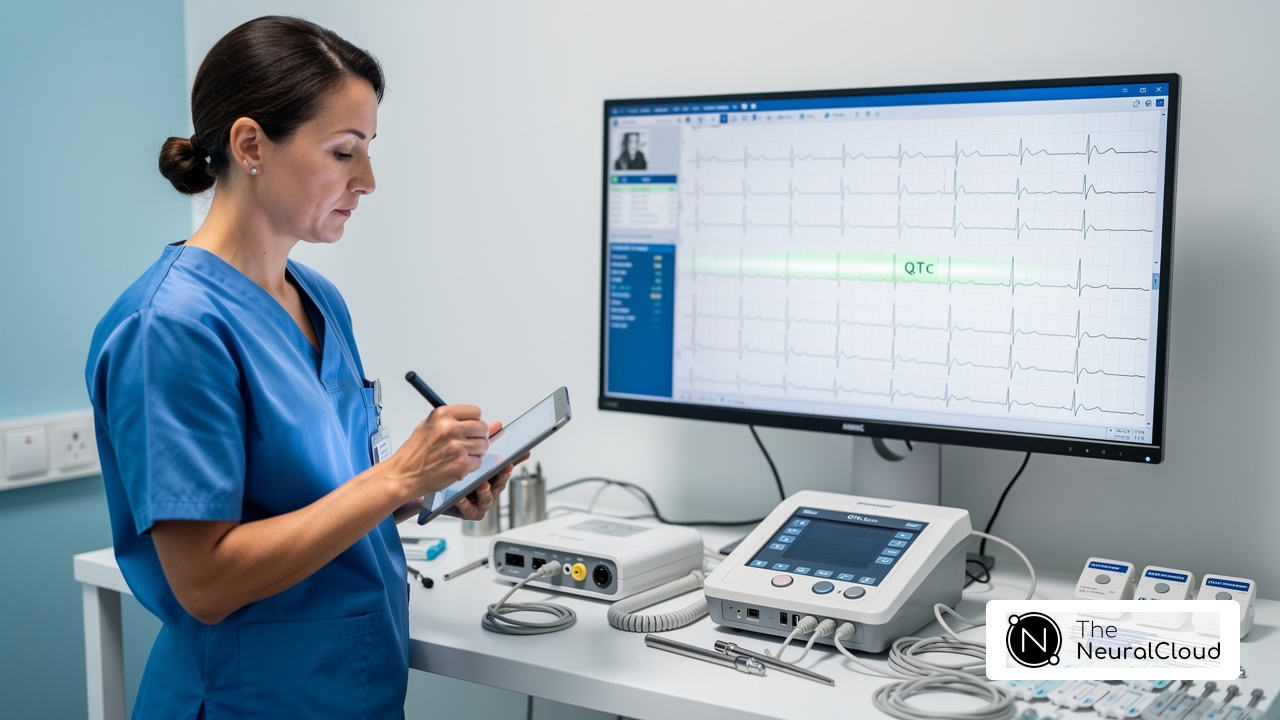
Understanding the complexities of electrocardiography (ECG) is crucial for health tech developers aiming to enhance cardiac care. ECG serves as a vital diagnostic tool that captures the heart's electrical activity over time. The ECG waveform comprises several critical components: the P wave, QRS complex, and T wave, each corresponding to distinct phases of the cardiac cycle. Atrial fibrillation, a common arrhythmia, is characterized by rapid and irregular atrial contractions. In atrial fibrillation, the absence of P waves and the irregular spacing of QRS complexes indicate a lack of coordinated atrial activity. This understanding is essential for developing algorithms capable of accurately detecting atrial fibrillation from ECG with afib data.
In Canada, about 500,000 individuals are affected by AFib, and estimates rise to nearly 1 million when considering paroxysmal and silent forms. The incidence of AF is about 28 per 1,000 person-years, and it accounts for 2-3% of healthcare costs in the region. Current treatment methods for AFib often fall short, with less than 50% effectiveness in rhythm control medications. This gap in effective treatment highlights the urgent need for advanced detection technologies.
Neural Cloud Solutions Inc.'s platform plays a pivotal role in transforming remote patient monitoring by ensuring hospital-grade ECG accuracy from consumer-grade devices. By employing advanced noise filtering and unique wave recognition, the system improves ECG analysis efficiency, enabling the swift isolation of crucial information even in recordings with high levels of noise and artifact. This capability is vital for accurately spotting AFib and enhancing patient outcomes using ECG with AFib.
Moreover, the customizable visualization and reporting tool, Insight360, transforms the clean ECG data from the company into interactive dashboards and clinical-ready reports, further enhancing the usability of the data. Expert endorsements from Dr. Alan Rabinowitz, Dr. Brett Heilbron, and Dr. Marc W. Deyell emphasize MaxYield’s precision, rivaling human interpretation and significantly reducing noise-related errors. Additionally, the platform is currently pending FDA Class II SaMD clearance, ensuring compliance with regulatory standards. Case studies from the University of Miami's Center for Atrial Fibrillation illustrate the importance of personalized care and advanced diagnostic tools in managing atrial fibrillation. Their comprehensive approach, which includes clinical trials and innovative mapping techniques, has demonstrated improved patient outcomes and reduced hospitalizations. As the landscape of atrial fibrillation management evolves, leveraging advanced ECG with afib technology will be key to improving patient outcomes.

Identify ECG Features of Atrial Fibrillation
Accurately identifying atrial fibrillation (AFib) on an ECG presents significant challenges for developers. To effectively detect AFib, several key features must be recognized:
- Absence of P Waves: In atrial fibrillation, P waves are usually missing due to disordered electrical activity in the atria, which disrupts normal conduction.
- Irregularly Irregular QRS Complexes: The QRS complexes occur at inconsistent intervals, indicating an irregular ventricular response, a hallmark of atrial fibrillation.
- Variable Ventricular Rate: The heart rate can vary significantly, often ranging from 100 to 175 beats per minute, reflecting the erratic nature of atrial activity.
- No Isolated Baseline: The baseline may appear undulating or chaotic, mirroring the erratic atrial activity that characterizes atrial fibrillation.
Grasping these features is crucial for creating algorithms that can effectively spot AFib in real-time ECG with AFib data. For instance, the STROKESTOP II study with 28,712 patients found a new AF detection rate of 2.6%, underscoring the need for precise identification of these ECG features. Similarly, the SEARCH-AF study in Canada, using single-lead handheld ECGs, reported a new AF detection rate of 1.5%, further highlighting the necessity for effective detection methods. Expert insights suggest that leveraging AI technology can enhance the accuracy of AF detection, particularly in resource-constrained environments. Integrating these ECG features into algorithms is essential for improving the accuracy of ECG with AFib detection and enhancing patient outcomes.

Implement AI-Driven ECG Analysis with MaxYield
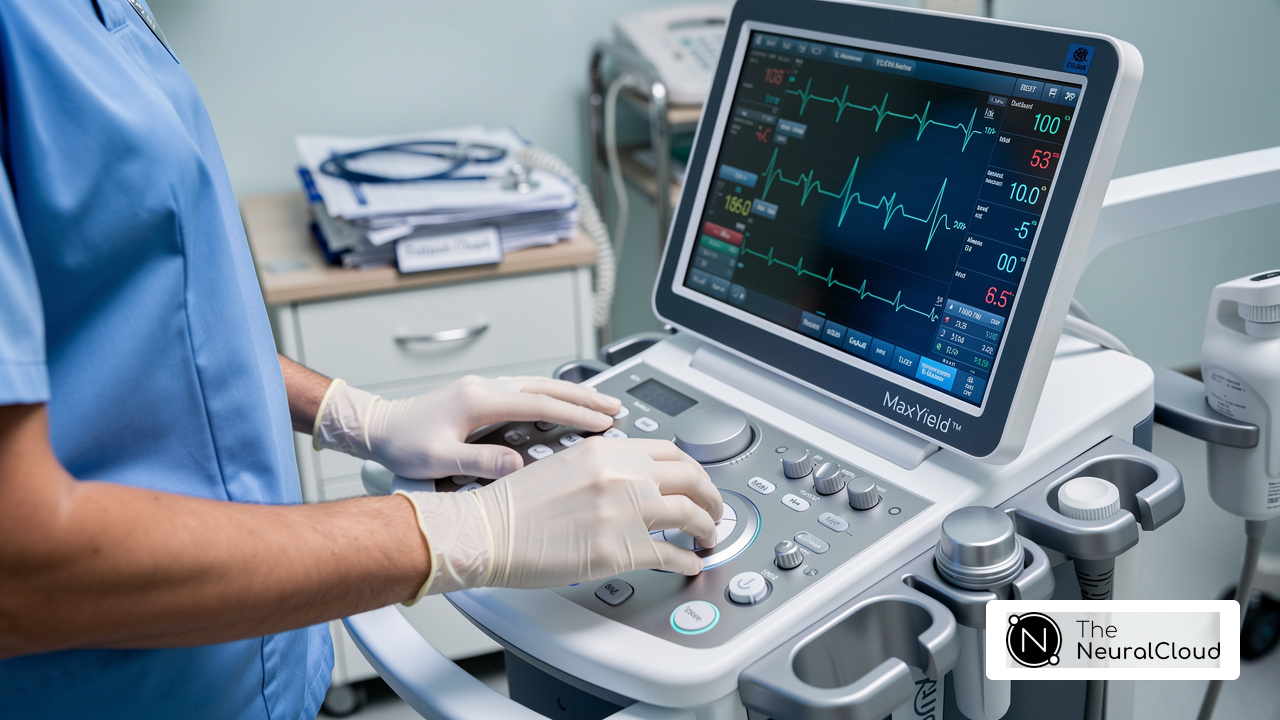
ECG analysis presents numerous challenges, including data complexity and the risk of misinterpretation, which can hinder effective patient care. To implement AI-driven ECG analysis using the MaxYield™ platform, follow these steps:
- Integrate the API: Start by incorporating the API into your existing ECG workflow. This device-agnostic ECG intelligence layer enables smooth information processing from various ECG devices, improving operational efficiency without necessitating hardware modifications.
- Input Raw ECG Information: Ensure that raw ECG information is input into the MaxYield™ system. The platform's device-agnostic nature allows it to accept data from Holter monitors, wearable devices, and other ECG technologies.
- Signal Cleaning: Utilize patented signal mapping algorithms to refine the ECG information. This step is crucial because it helps filter out noise in the ECG with AFib, thereby improving the clarity of the signals and making diagnostics more accurate.
- Feature Extraction: The system automatically extracts key features from the ECG information, including P, QRS, and T wave onsets and offsets, streamlining the analysis process.
- Real-Time Analysis: Implement real-time analysis capabilities to provide immediate feedback on detected arrhythmias, including atrial fibrillation (AFib). This feature significantly enhances the speed and accuracy of cardiac diagnostics, with precision rivaling human interpretation.
For additional insights, consider utilizing Insight360, the customizable visualization and reporting tool that converts clean ECG information into interactive dashboards and clinical-ready reports. Additionally, Neural Cloud Solutions Inc. is committed to regulatory compliance, with FDA Class II SaMD clearance-pending status and audit-ready documentation supporting GxP inspections. By adopting the MaxYield™ platform, healthcare professionals can enhance their diagnostic capabilities, ultimately leading to improved patient outcomes.

Interpret and Visualize ECG Data Using Insight360
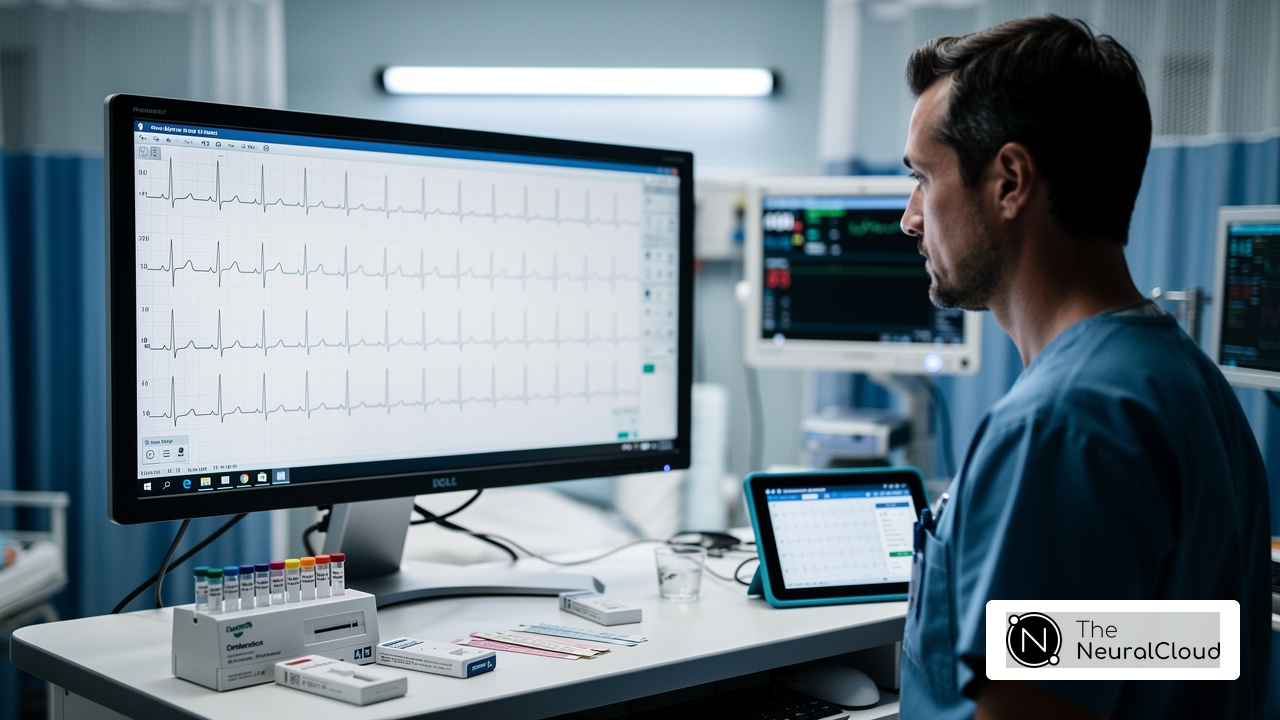
Interpreting and visualizing ECG information can be challenging for healthcare professionals, often leading to diagnostic errors. Here’s how Insight360 can help:
- Information Import: Start by importing the processed ECG information from MaxYield into Insight360, ensuring compatibility with the tool's outputs.
- Customizable Dashboards: Create dashboards designed to showcase key ECG metrics and trends, enabling personalized visualization that meets specific user requirements.
- Graphical Representation: Utilize diverse graphical formats, such as line graphs for heart rate trends and scatter plots for detailed waveform analysis, to enhance understanding.
- Export Options: You can easily generate clinical-ready reports with the export functionality, making it simple to share insights with your colleagues while staying compliant with regulatory standards, including the pending FDA Class II SaMD clearance.
- Interactive Features: Implement interactive elements that allow users to explore specific information points for deeper insights, thereby supporting informed clinical decision-making.
In Canada, the use of ECG visualization tools has experienced a notable increase, with studies showing that over 60% of healthcare facilities are adopting advanced visualization technologies to enhance diagnostic accuracy. Case studies illustrate the effectiveness of Insight360 in interpreting and visualizing ECG information, highlighting its role in improving clinical workflows and decision-making processes. Expert insights from Dr. Alan Rabinowitz, Dr. Brett Heilbron, and Dr. Marc W. Deyell emphasize that visualizing ECG data not only aids in immediate patient assessments but also contributes to long-term cardiovascular health management strategies, highlighting MaxYield’s precision and noise reduction benefits. The integration of Insight360 not only simplifies ECG interpretation but also empowers healthcare professionals to make informed decisions that enhance patient care.

Conclusion
Health tech developers face significant challenges in mastering ECG analysis, especially regarding atrial fibrillation. By understanding the intricacies of ECG waveforms and the specific characteristics of AFib, developers can create more effective algorithms that enhance detection and treatment. By integrating advanced technologies like those from Neural Cloud Solutions Inc., MaxYield, and Insight360, developers can enhance ECG analysis, empowering healthcare professionals to achieve hospital-grade accuracy in ECG interpretation, ultimately leading to better patient outcomes.
Key insights from the article highlight the importance of recognizing ECG features associated with AFib, such as:
- The absence of P waves
- Irregular QRS complexes
The implementation of AI-driven analysis through the MaxYield platform streamlines the ECG workflow, allowing for real-time analysis and improved diagnostic precision. Additionally, the visualization capabilities of Insight360 facilitate a deeper understanding of ECG data, enabling clinicians to make informed decisions that enhance patient care.
As the landscape of cardiac diagnostics continues to evolve, embracing these innovations not only enhances ECG analysis but also paves the way for improved cardiovascular health management across Canada. By prioritizing innovation and accuracy in ECG interpretation, health tech developers can significantly impact patient care and outcomes.
Frequently Asked Questions
What is the significance of electrocardiography (ECG) in cardiac care?
ECG is a vital diagnostic tool that captures the heart's electrical activity over time, helping health tech developers enhance cardiac care.
What are the main components of an ECG waveform?
The ECG waveform comprises several critical components: the P wave, QRS complex, and T wave, each corresponding to distinct phases of the cardiac cycle.
What characterizes atrial fibrillation (AFib)?
Atrial fibrillation is characterized by rapid and irregular atrial contractions, the absence of P waves, and irregular spacing of QRS complexes, indicating a lack of coordinated atrial activity.
How prevalent is atrial fibrillation in Canada?
Approximately 500,000 individuals in Canada are affected by AFib, with estimates rising to nearly 1 million when considering paroxysmal and silent forms.
What is the incidence rate of atrial fibrillation in Canada?
The incidence of atrial fibrillation is about 28 per 1,000 person-years, and it accounts for 2-3% of healthcare costs in the region.
What are the limitations of current treatment methods for AFib?
Current treatment methods for AFib often fall short, with less than 50% effectiveness in rhythm control medications.
How does Neural Cloud Solutions Inc. contribute to ECG analysis?
Neural Cloud Solutions Inc.'s platform ensures hospital-grade ECG accuracy from consumer-grade devices by employing advanced noise filtering and unique wave recognition, improving ECG analysis efficiency.
What is the role of Insight360 in ECG data visualization?
Insight360 transforms clean ECG data into interactive dashboards and clinical-ready reports, enhancing the usability of the data.
What endorsements support the effectiveness of MaxYield's platform?
Expert endorsements from Dr. Alan Rabinowitz, Dr. Brett Heilbron, and Dr. Marc W. Deyell emphasize MaxYield’s precision, rivaling human interpretation and significantly reducing noise-related errors.
What is the regulatory status of Neural Cloud Solutions Inc.'s platform?
The platform is currently pending FDA Class II SaMD clearance, ensuring compliance with regulatory standards.
How do case studies from the University of Miami's Center for Atrial Fibrillation demonstrate the importance of advanced diagnostic tools?
The case studies illustrate the importance of personalized care and advanced diagnostic tools in managing atrial fibrillation, showing improved patient outcomes and reduced hospitalizations.
List of Sources
- Clarify ECG Fundamentals and Atrial Fibrillation
- UM’s AFib Center Delivers Advanced Care and Innovative Research to Treat Irregular Heart Rhythms - InventUM (https://news.med.miami.edu/ums-afib-center-delivers-advanced-care-and-innovative-research-to-treat-irregular-heart-rhythms)
- Better measurement, better care for atrial fibrillation - News - PHRI (https://phri.ca/better-measurement-better-care-for-atrial-fibrillation)
- One moment, please... (https://ccs.ca/guideline/2020-atrial-fibrillation/chapter-2-epidemiology)
- libin.ucalgary.ca (https://libin.ucalgary.ca/news/ucalgary-research-may-lead-new-guidelines-treating-atrial-fibrillation)
- Atrial Fibrillation News and Events for Patients from StopAfib.org (https://stopafib.org/afib-news-events)
- Identify ECG Features of Atrial Fibrillation
- AI model uses ECG data to identify new cases of AFib (https://cardiovascularbusiness.com/topics/clinical/heart-rhythm/ai-model-uses-ecg-data-identify-new-cases-afib)
- New Technologies for Detection and Management of Atrial Fibrillation - PMC (https://pmc.ncbi.nlm.nih.gov/articles/PMC8260036)
- Normal ECG? Artificial Intelligence Disagrees, Spots Signs of A-fib (https://tctmd.com/news/normal-ecg-artificial-intelligence-disagrees-spots-signs-fib)
- Advances in detection of erratic heart rhythm (https://cordis.europa.eu/article/id/442633-advances-in-detection-of-erratic-heart-rhythm)
- Study Published in JAMA Cardiology Finds Zio by iRhythm Proactively Identifies Atrial Fibrillation, Increases Detection Tenfold (https://investors.irhythmtech.com/news/news-details/2021/Study-Published-in-JAMA-Cardiology-Finds-Zio-by-iRhythm-Proactively-Identifies-Atrial-Fibrillation-Increases-Detection-Tenfold/default.aspx)
- Implement AI-Driven ECG Analysis with MaxYield
- MaxYield-ECG (https://theneuralcloud.com/maxyield-ecg)
- AI/ML Innovations gets patent protection for AI ECG analysis (https://stocktitan.net/news/AIMLF/ai-ml-innovations-inc-announces-grant-of-u-s-patent-expanding-fnv7v9w3umza.html)
- businessresearchinsights.com (https://businessresearchinsights.com/market-reports/ai-ecg-analysis-market-115488)
- AI-ECG Finds STEMI Faster, Cuts False-Positive Cath Lab Activations (https://tctmd.com/news/ai-ecg-finds-stemi-faster-cuts-false-positive-cath-lab-activations)
- AI/ML Innovations Inc. Announces Grant of U.S. Patent Expanding Protection for AI-Driven ECG Analysis (https://ca.finance.yahoo.com/news/ai-ml-innovations-inc-announces-110000544.html)
- Interpret and Visualize ECG Data Using Insight360
- Research study makes heart screening faster, more accessible using AI (https://hospitalnews.com/research-study-makes-heart-screening-faster-more-accessible-using-ai)
- Breakthrough in heart health: A new approach to interpreting ECG data using large language models (https://eurekalert.org/news-releases/1073406)
- New AI approach set to revolutionize ECG data interpretation in heart disease diagnosis (https://news-medical.net/news/20250219/New-AI-approach-set-to-revolutionize-ECG-data-interpretation-in-heart-disease-diagnosis.aspx)
- New AI model protects patient privacy in ECG data (https://news-medical.net/news/20260616/New-AI-model-protects-patient-privacy-in-ECG-data.aspx)
- AIML Subsidiary NeuralCloud Collaborates with Movesense to Expand Bundled ECG Solutions for Clinical and Wellness Markets (https://ca.finance.yahoo.com/news/aiml-subsidiary-neuralcloud-collaborates-movesense-123000869.html)