Introduction
Despite advancements in health technology, many developers face challenges in interpreting normal ECGs effectively. Mastering the characteristics of a normal ECG, including key waveforms and their clinical significance, allows developers to enhance diagnostic accuracy. This, in turn, leads to improved patient outcomes. However, despite these advancements, many developers struggle to translate intricate cardiac signals into actionable insights. By exploring best practices for ECG interpretation, developers can gain insights to elevate their ECG evaluation systems.
Understand Characteristics of Normal ECG
Understanding the components of a normal ECG interpretation is essential for accurate cardiac assessment. A normal ECG interpretation is characterized by a consistent pattern of specific signals: the P wave, QRS complex, and T wave. Each component plays a crucial role in cardiac function:
- P Wave: Represents atrial depolarization.
- QRS Complex: Indicates ventricular depolarization.
- T Wave: Reflects ventricular repolarization.
Let’s explore the key characteristics that define a normal ECG:
- Heart Rate: Ranges from 60 to 100 beats per minute, indicating a healthy rhythm.
- Rhythm: Regular rhythm originating from the sinoatrial node, known as sinus rhythm.
- Intervals:
- PR interval: 120-200 ms (3-5 small squares).
- QRS duration: Less than 0.12 seconds (80-100 ms).
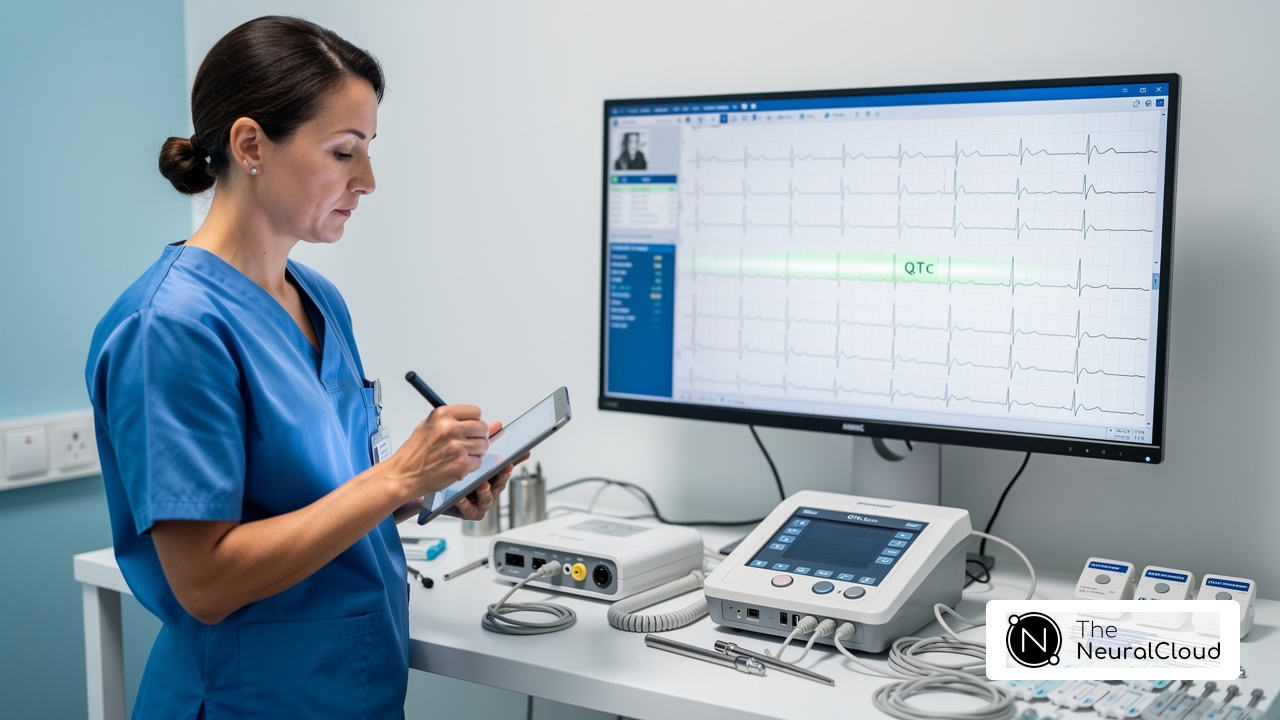
- QT interval: Corrected QT should be ≤ 440 ms for men and ≤ 460 ms for women.
For developers, grasping these parameters is vital to ensure their ECG evaluation tools can effectively spot deviations from normal ECG interpretation.
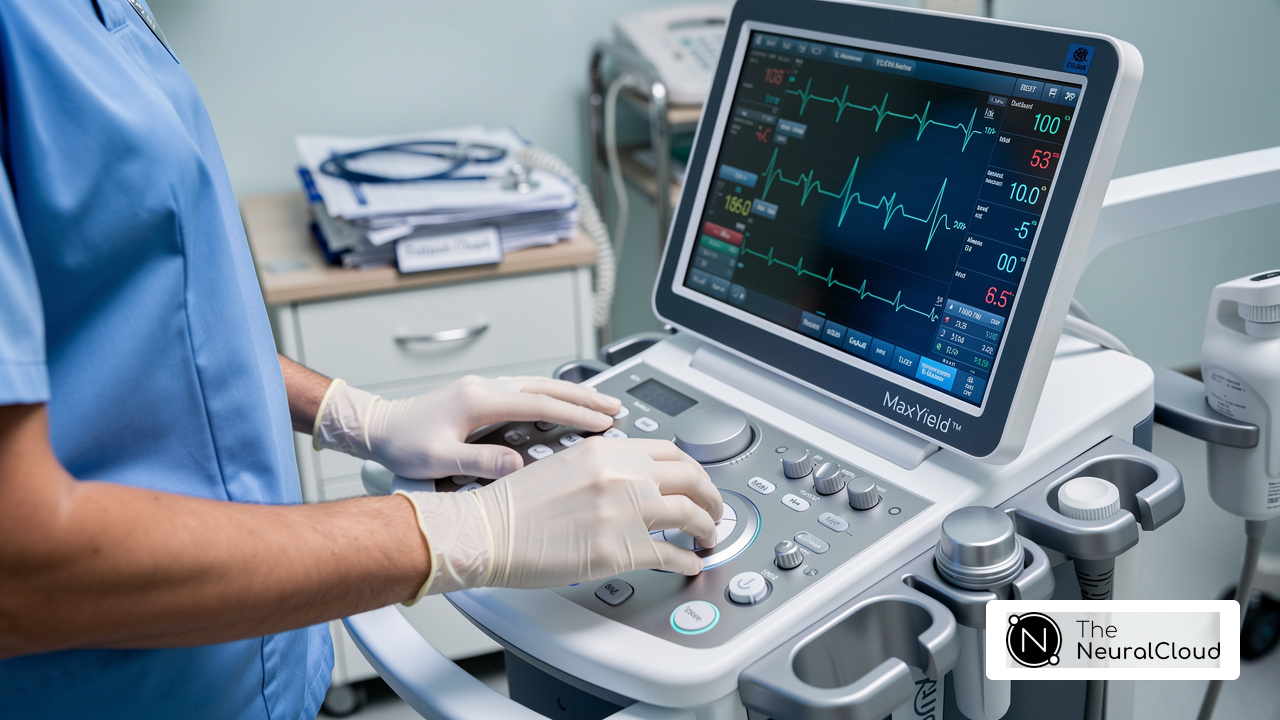
Benefits of Automated Labeling with MaxYield™:
- Saves time by reducing manual input.
- Improves precision in recognizing signal patterns.
- Enhances resource efficiency in ECG examination.
Neural Cloud Solutions’ ECG analysis tools demonstrate how accurate signal interpretation can distinguish between normal and abnormal patterns, leading to better patient outcomes.

Implement Accurate ECG Measurements
Accurate ECG measurements are essential for effective patient care, yet achieving this can be challenging without proper techniques. To ensure optimal ECG accuracy, developers should prioritize the following best practices:
- Electrode Placement: Correct placement of electrodes is crucial. Following standardized guidelines minimizes artifacts. Limb leads should be positioned on the arms and legs, while chest leads must be accurately placed across the thorax to avoid misinterpretations.
- Skin Preparation: Proper skin preparation enhances electrode contact. Cleaning the skin to remove oils and dirt is essential, and applying conductive gel can significantly improve signal transmission. Techniques like using alcohol wipes followed by gentle abrasion with a gauze pad can further enhance the quality of the ECG signal.
- Calibration of Equipment: Regular calibration of ECG machines is vital for accurate readings. This includes verifying gain settings and confirming that the equipment is functioning correctly, which helps maintain the integrity of the data collected.
- Signal Quality Monitoring: Real-time monitoring of signal quality is crucial for detecting and correcting issues such as noise or interference during recording. This proactive approach can prevent misdiagnoses caused by poor signal quality.
By adhering to these practices, developers can significantly enhance the reliability of ECG data, leading to more accurate diagnoses and improved patient outcomes. Ultimately, these best practices not only enhance data reliability but also play a crucial role in ensuring patient safety and effective treatment decisions. Experts in health technology agree that focusing on skin preparation and electrode placement is vital for normal ECG interpretation.

Analyze Key ECG Waveforms and Their Clinical Significance
Understanding key ECG waveforms is essential for normal ECG interpretation, accurate cardiac assessment, and timely intervention. Key ECG waveforms include:
- P Wave: If there are abnormalities in the P wave, it might indicate issues like atrial enlargement or conduction problems, which are crucial for diagnosing conditions like atrial fibrillation and other arrhythmias. With the integration of Neural Cloud Solutions' MaxYield™, developers can enhance the automated labeling of these signals, improving diagnostic efficiency.
- QRS Complex: Representing ventricular depolarization, the QRS complex is vital for assessing cardiac function. When the QRS duration exceeds 120 milliseconds, it can signal serious conditions like bundle branch block or left ventricular hypertrophy, which can lead to significant clinical consequences. Current research highlights that prolonged QRS duration is associated with an increased risk of adverse cardiovascular events, emphasizing the importance of normal ECG interpretation for accurate measurement in ECG analysis. MaxYield™'s advanced noise filtering capabilities allow for the isolation of QRS complexes even in recordings with significant artifacts, thereby enhancing the reliability of these measurements. Moreover, the CHA2DS2Vasc score is utilized to evaluate stroke risk in individuals with atrial fibrillation, further highlighting the significance of tracking QRS duration and other patterns.
- T Wave: If the T wave is inverted or flattened, it may suggest ischemia or electrolyte imbalances. Recognizing these changes is vital for timely intervention in acute cardiac conditions and is crucial for normal ECG interpretation. The MaxYield™ platform's ability to salvage previously obscured sections of recordings ensures that T wave abnormalities are not overlooked, facilitating prompt clinical responses.
- QT Interval: Prolongation of the QT interval is associated with an increased risk of arrhythmias, particularly torsades de pointes. This monitoring is especially important for patients taking specific medications or those diagnosed with congenital long QT syndrome, as it can prevent serious complications. Neural Cloud Solutions' continuous learning model enhances the analysis of the QT interval, adapting to physiological variability and improving accuracy over time.
Grasping these signal patterns allows developers to refine their algorithms to identify potential clinical concerns, thus enhancing diagnostic precision. For instance, integrating AI to analyze waveform morphology can facilitate the early detection of conditions like atrial fibrillation or myocardial infarction. Real-world instances, like the situation of electrical alternans caused by substantial pericardial effusion, show that accurate QRS complex evaluation, supported by MaxYield™, can result in timely interventions, greatly influencing patient outcomes. By leveraging advanced analysis tools like MaxYield™, healthcare professionals can significantly enhance patient care and outcomes.

Leverage AI-Driven Technologies for Enhanced ECG Workflows
The integration of AI-driven technologies in ECG analysis presents both challenges and opportunities for healthcare professionals. To effectively harness these technologies, developers should adopt the following strategies:
- Data Preprocessing: Employ AI algorithms to preprocess ECG data, significantly enhancing signal quality by filtering out noise and artifacts. Noise and artifacts in ECG data can result in inaccurate normal ECG interpretations, complicating patient diagnosis. This step is crucial for making sure that normal ECG interpretation evaluations and interpretations are spot on.
- Automated Interpretation: Integrate machine learning models capable of analyzing ECG waveforms and delivering preliminary interpretations. Neural Cloud Solutions' MaxYield™ tool exemplifies this approach, rapidly labeling P, QRS, and T Wave onsets, offsets, and time-series intervals in a CSV format that facilitates easy ingestion into current workflows. By achieving diagnostic accuracy rates of up to 73.5% in normal ECG interpretation, automated systems can significantly enhance patient care and outcomes, alleviating the workload on healthcare professionals and accelerating diagnostic processes.
- Integration with Existing Systems: Ensure that AI solutions, such as those developed by Neural Cloud Solutions, are designed for seamless integration with current ECG systems and workflows. This facilitates smooth transitions and minimizes disruptions in clinical settings, enhancing overall efficiency.
- Continuous Learning: Develop AI systems that continuously learn from new data, allowing them to adapt to evolving clinical practices and diverse patient populations. Neural Cloud's neural network models can extract key features from signals recorded from sensors, supporting the discovery of new digital biomarkers. This adaptability is crucial for maintaining high diagnostic accuracy over time.
In the words of Dr. Zaiqing Nie, the lead researcher on the ECG-LM model, 'The potential of automated ECG interpretation to make ECG evaluation quicker and more accessible is significant.' Addressing these challenges while leveraging AI's capabilities can lead to a new era of precision in patient care and normal ECG interpretation. Additionally, it is vital to consider the legal and regulatory aspects of AI-based diagnoses, as these factors play a critical role in the successful integration of AI technologies in healthcare.

Conclusion
Many health tech developers face challenges in accurately interpreting ECGs, which is crucial for enhancing patient care. By mastering the characteristics and clinical significance of ECG waveforms, developers can create tools that not only identify normal patterns but also detect deviations that may indicate serious health issues. A strong understanding of ECG fundamentals, along with advanced technologies, improves diagnostic accuracy and patient outcomes.
The article has highlighted several key practices that are vital for accurate ECG interpretation. These include:
- Understanding the normal ECG characteristics
- Implementing precise measurement techniques
- Analyzing key waveforms
- Leveraging AI-driven technologies
Each of these elements plays a crucial role in ensuring that ECG evaluations are both reliable and efficient, ultimately supporting timely clinical interventions.
Integrating best practices in ECG interpretation and adopting AI technologies can significantly advance healthcare. Developers are encouraged to prioritize these strategies to enhance the accuracy of ECG assessments and contribute to improved patient safety and care. Embracing these advancements is not just beneficial; it is essential for ensuring timely and accurate cardiac care.
Frequently Asked Questions
What are the main components of a normal ECG?
A normal ECG consists of three main components: the P wave, which represents atrial depolarization; the QRS complex, indicating ventricular depolarization; and the T wave, reflecting ventricular repolarization.
What is the normal heart rate range indicated by an ECG?
The normal heart rate range indicated by an ECG is between 60 to 100 beats per minute, which signifies a healthy rhythm.
What does a regular rhythm in an ECG signify?
A regular rhythm in an ECG signifies that it originates from the sinoatrial node, known as sinus rhythm.
What are the normal intervals measured in an ECG?
The normal intervals in an ECG are as follows: PR interval should be 120-200 ms (3-5 small squares), QRS duration should be less than 0.12 seconds (80-100 ms), and the corrected QT interval should be ≤ 440 ms for men and ≤ 460 ms for women.
Why is it important for developers to understand normal ECG parameters?
It is important for developers to understand normal ECG parameters to ensure that their ECG evaluation tools can effectively identify deviations from normal ECG interpretations.
What are the benefits of using MaxYield™ for ECG labeling?
The benefits of using MaxYield™ for ECG labeling include saving time by reducing manual input, improving precision in recognizing signal patterns, and enhancing resource efficiency in ECG examinations.
How do Neural Cloud Solutions’ ECG analysis tools contribute to patient outcomes?
Neural Cloud Solutions’ ECG analysis tools contribute to better patient outcomes by demonstrating accurate signal interpretation that can distinguish between normal and abnormal ECG patterns.
List of Sources
- Understand Characteristics of Normal ECG
- ECG Learning Center - An introduction to clinical electrocardiography (https://ecg.utah.edu/lesson/3)
- ECGlibrary.com: Normal adult 12-lead ECG (https://ecglibrary.com/norm.php)
- The Normal ECG | Normal 12-lead ECG | Geeky Medics (https://geekymedics.com/the-normal-ecg)
- Normal Electrocardiography (ECG) Intervals: Normal Electrocardiography Intervals (https://emedicine.medscape.com/article/2172196-overview)
- ECG Case Studies | Interpretation & Answers | Geeky Medics (https://geekymedics.com/ecg-case-studies)
- Implement Accurate ECG Measurements
- Skin-conforming electrodes improve comfort in long-term heart monitoring (https://news-medical.net/news/20260420/Skin-conforming-electrodes-improve-comfort-in-long-term-heart-monitoring.aspx)
- Location, location, location: Electrode placement matters (https://ems1.com/medical-monitoring/location-location-location-electrode-placement-matters)
- ECG Lead positioning (https://litfl.com/ecg-lead-positioning)
- 12-Lead ECG Electrode Placement: Best Practices- (https://intcomedical.com/news/info/12-lead-ecg-electrode-placement-best-practices-for-clinical-accuracy-in-healthcare.html)
- Analyze Key ECG Waveforms and Their Clinical Significance
- empr.com (https://empr.com/home/news/drug-news/depression-anxiety-tied-to-ecg-wave-abnormalities)
- QRS Interval (https://litfl.com/qrs-interval-ecg-library)
- ECG Case Studies | Interpretation & Answers | Geeky Medics (https://geekymedics.com/ecg-case-studies)
- Leverage AI-Driven Technologies for Enhanced ECG Workflows
- Movesense and NeuralCloud to Pilot AI-Powered ECG and Holter Reporting — Movesense (https://movesense.com/news/2026/02/movesense-and-neuralcloud-to-pilot-ai-powered-ecg-and-holter-reporting)
- Artificial intelligence in ECG diagnostics - where are we now? (https://escardio.org/communities/councils/cardiology-practice/education/cardiopractice/artificial-intelligence-in-ecg-diagnostics-where-are-we-now)
- New AI approach set to revolutionize ECG data interpretation in heart disease diagnosis (https://news-medical.net/news/20250219/New-AI-approach-set-to-revolutionize-ECG-data-interpretation-in-heart-disease-diagnosis.aspx)
- Platform Advances AI-Driven ECG Analysis (https://healthmanagement.org/c/digital-transformation/News/platform-advances-ai-driven-ecg-analysis)
- AI ECG Interpretation Rivals Cardiologists (https://powerfulmedical.com/blog/how-is-ai-transforming-ecg-interpretation)