Introduction
Interpreting ECG changes in hyperkalemia presents significant challenges for healthcare professionals, as these alterations can indicate life-threatening conditions. Let’s explore ten essential mnemonics that can help clinicians recognize these critical ECG changes associated with elevated potassium levels. By mastering these memory aids, healthcare providers can enhance their diagnostic efficiency and improve patient outcomes. However, ensuring the effective use of these mnemonics could be the difference between accurate diagnoses and potentially fatal errors.
Neural Cloud Solutions: Transforming ECG Analysis with MaxYield™
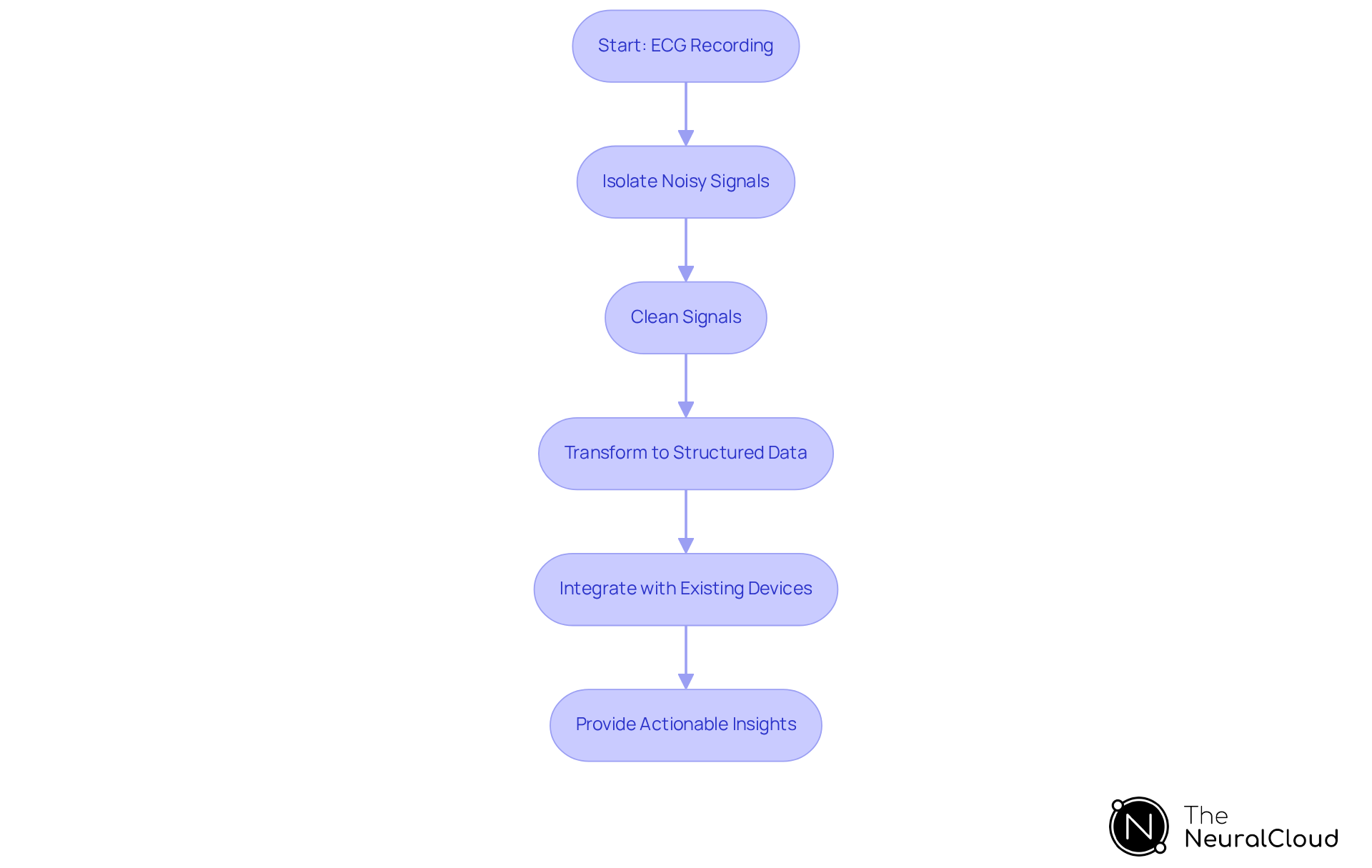
Inaccurate ECG readings due to noisy signals pose significant challenges for healthcare professionals, making reliable analysis essential for effective patient management. Neural Cloud Solutions Inc. is at the forefront of transforming ECG analysis with its innovative product, MaxYield™. This cutting-edge AI-driven platform significantly enhances ECG workflows by isolating and cleaning noisy signals, resulting in high-fidelity cardiac data essential for accurate diagnosis and management of conditions such as hyperkalemia, which can be remembered using the hyperkalemia ECG changes mnemonic. MaxYield™ works smoothly with existing devices, turning raw ECG recordings into reliable, structured data for clinicians. The platform employs patented signal mapping algorithms, ensuring that medical professionals receive precise, actionable insights that markedly improve the speed and accuracy of ECG data analysis.
In 2026, the integration of MaxYield™ into various healthcare settings is expected to bolster the efficiency of cardiac diagnostics, particularly in Canada, where the demand for advanced ECG analysis tools is on the rise. The global ECG Interpretation AI market, valued at $1.8 billion in 2025, is projected to reach $7.6 billion by 2034, reflecting a compound annual growth rate (CAGR) of 17.3%. This growth is fueled by the rising occurrence of cardiovascular diseases and the necessity for prompt, precise cardiac evaluations, tackling the main challenge of requiring near-clinical vitals to manage individuals at home.
Recent case studies illustrate the effectiveness of MaxYield™ in real-world applications. For instance, a collaboration with a European digital health platform aims to enhance remote cardiac monitoring capabilities, providing cleaner, machine-readable ECG data that supports better clinical decision-making. This partnership is anticipated to enhance outcomes for individuals by allowing healthcare providers to monitor cardiovascular signals more effectively and decrease diagnostic delays and unnecessary referrals.
Neural Cloud Solutions Inc.'s commitment to advancing ECG analysis not only addresses the immediate needs of healthcare professionals but also positions the company as a key player in the evolving landscape of digital cardiology. As the demand for precise cardiac evaluations grows, MaxYield™ stands to revolutionize ECG analysis, ensuring better patient outcomes in the process.
Mnemonic 'MACHINE': Remembering Causes of Hyperkalemia
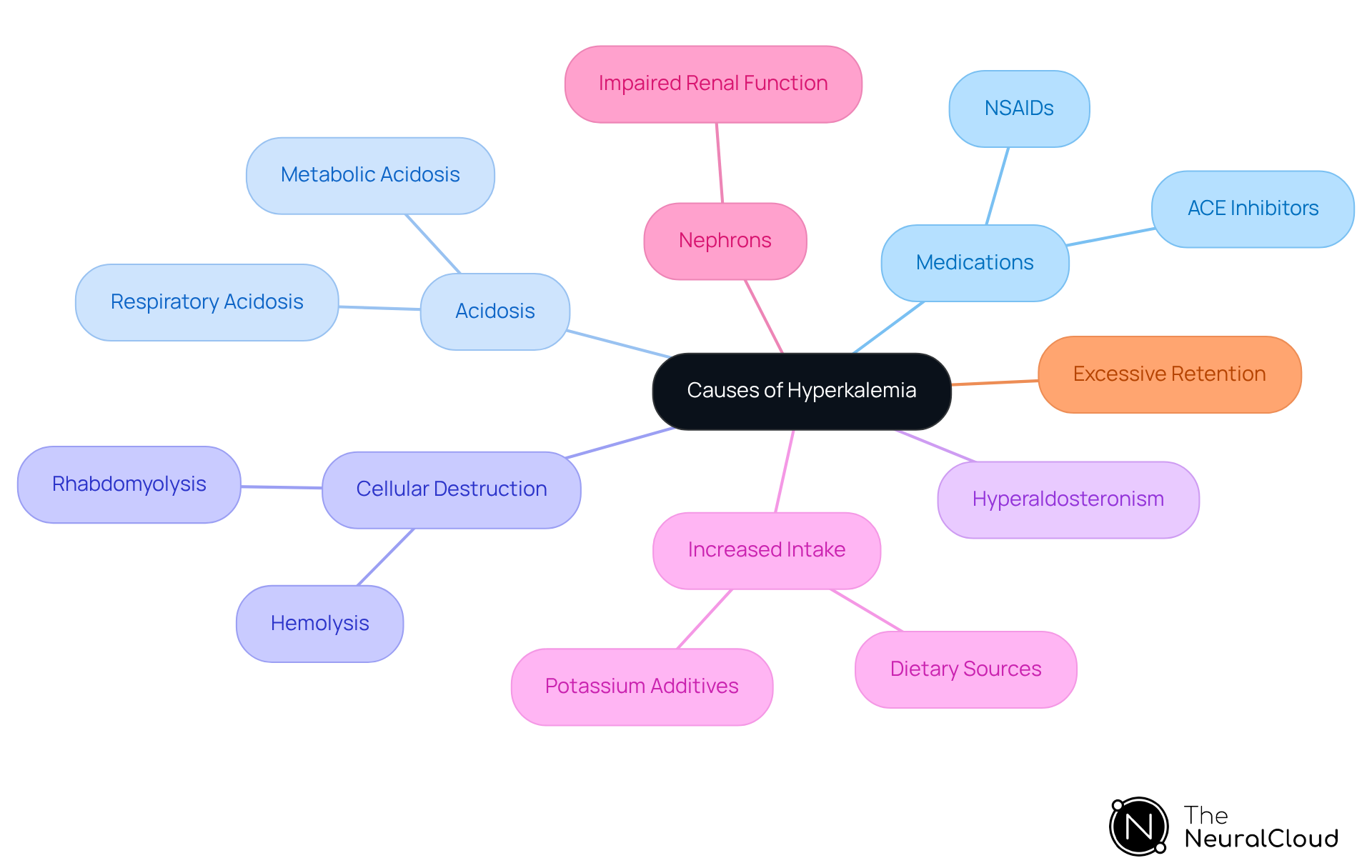
Understanding the causes of hyperkalemia is crucial for effective patient care in healthcare settings. The mnemonic 'MACHINE' serves as an essential tool for healthcare professionals to remember the key causes of hyperkalemia:
- Medications (e.g., ACE inhibitors, NSAIDs)
- Acidois (metabolic or respiratory)
- Cellular destruction (e.g., hemolysis, rhabdomyolysis)
- Hyperaldosteronism
- Increased intake of potassium
- Nephrons (impaired renal function)
- Excessive potassium retention.
Using this mnemonic makes it easier to spot potential causes, helping healthcare professionals make quicker clinical decisions. It's important to understand these factors, especially since elevated potassium levels occur in about 8.9-9.3% of people with chronic kidney disease or heart failure. Additionally, hyperkalemia can lead to serious health complications, including life-threatening arrhythmias. By employing the 'MACHINE' mnemonic, healthcare providers can enhance their diagnostic efficiency and improve outcomes for individuals, particularly when using the hyperkalemia ECG changes mnemonic. It is also essential for individuals to inform healthcare professionals about all medications they are taking, as some can elevate potassium levels.
Mnemonic 'Peaked T-Waves Can Quickly Die': Identifying ECG Changes
Recognizing the hyperkalemia ECG changes mnemonic is vital for timely intervention and ensuring patient safety. The mnemonic 'Peaked T-Waves Can Quickly Die' succinctly captures the essential ECG changes associated with hyperkalemia:
- Peaked T-waves: This is the earliest and most recognizable change, indicating elevated potassium levels. In fact, peaked T waves were observed in 36.2% of patients with elevated potassium levels, making them a critical marker for diagnosis. Identifying this shift early is crucial, as it can result in prompt interventions that avert serious complications.
- Can: This highlights the potential for rapid progression to severe complications, including life-threatening arrhythmias. In severe cases, the QRS complex can widen, and T waves may merge with QRS complexes, creating a sine-wave pattern that requires immediate attention. Comprehending these manifestations is essential for clinicians to evaluate the severity of elevated potassium levels.
- Quickly: This underscores the urgency of recognizing these changes, as misinterpretation can lead to delays in life-saving interventions. Emergency physicians often show high specificity in ECG interpretation, but their sensitivity for diagnosing elevated potassium levels remains limited. This limitation can result in missed diagnoses, emphasizing the need for heightened awareness.
- Die: A stark reminder of the life-threatening nature of untreated high potassium levels, which can lead to cardiac arrest if not promptly managed. The statistic that only 1.4% of individuals experienced adverse outcomes highlights the critical importance of accurate and timely diagnosis.
Delays in recognizing these changes can lead to severe complications, including cardiac arrest. This hyperkalemia ECG changes mnemonic serves as a handy tool for clinicians, helping them quickly identify the ECG signs of elevated potassium levels and enabling timely interventions that can improve patient outcomes. To enhance diagnostic accuracy, clinicians are encouraged to utilize MaxYield™, which offers automated, precise ECG analysis, and to consider the insights provided by Insight360 for comprehensive reporting. For further guidance, contacting Neural Cloud Solutions Inc. for personalized walkthroughs of MaxYield and Insight360 is recommended. Utilizing MaxYield™ can significantly enhance diagnostic accuracy, ultimately saving lives in critical situations.

Mnemonic 'Sine-Wave Patterns': Recognizing Severe Hyperkalemia on ECG
The sine-wave pattern in ECG readings signals a severe potassium elevation, posing a significant risk to patient safety. This pattern appears when potassium levels rise above 7.0 mEq/L, which significantly increases the risk of cardiac arrest. Recognizing this pattern is crucial for healthcare providers, as failure to recognize sine-wave patterns can lead to delayed interventions, increasing the risk of fatal outcomes.
Case studies highlight the urgency of identifying sine-wave patterns in clinical settings. For example, one report recorded a patient in Toronto with severe potassium elevation who displayed this ECG alteration shortly before undergoing cardiac arrest. This case underscores the critical need for timely ECG monitoring and intervention in patients with severe potassium elevation.
Experts warn that sine-wave patterns can change quickly, so it's crucial to monitor patients closely and act fast. This understanding is essential for enhancing outcomes for individuals, especially in emergency and acute care environments where prompt identification of elevated potassium levels can be life-saving.
To improve the detection and management of elevated potassium levels, health tech developers should consider integrating real-time ECG monitoring capabilities into their systems. Utilizing MaxYield™, a device-agnostic ECG intelligence layer from Neural Cloud Solutions Inc., can significantly improve the accuracy of ECG analysis. MaxYield™ employs advanced noise filtering and distinct wave recognition to isolate critical data, even in recordings with high levels of noise and artifact. This capability ensures that sine-wave patterns are accurately identified, allowing for timely interventions. As Dr. Alan Rabinowitz notes, "MaxYield™ rivals human interpretation in precision, making it an invaluable tool in clinical settings." Developers are encouraged to explore how integrating MaxYield™ with their systems can lead to better patient outcomes. Additionally, it is important to note that MaxYield™ is currently pending FDA Class II SaMD clearance, ensuring compliance with regulatory standards.

Mnemonic 'Brugada Phenocopies': Distinguishing Hyperkalemia from STEMI
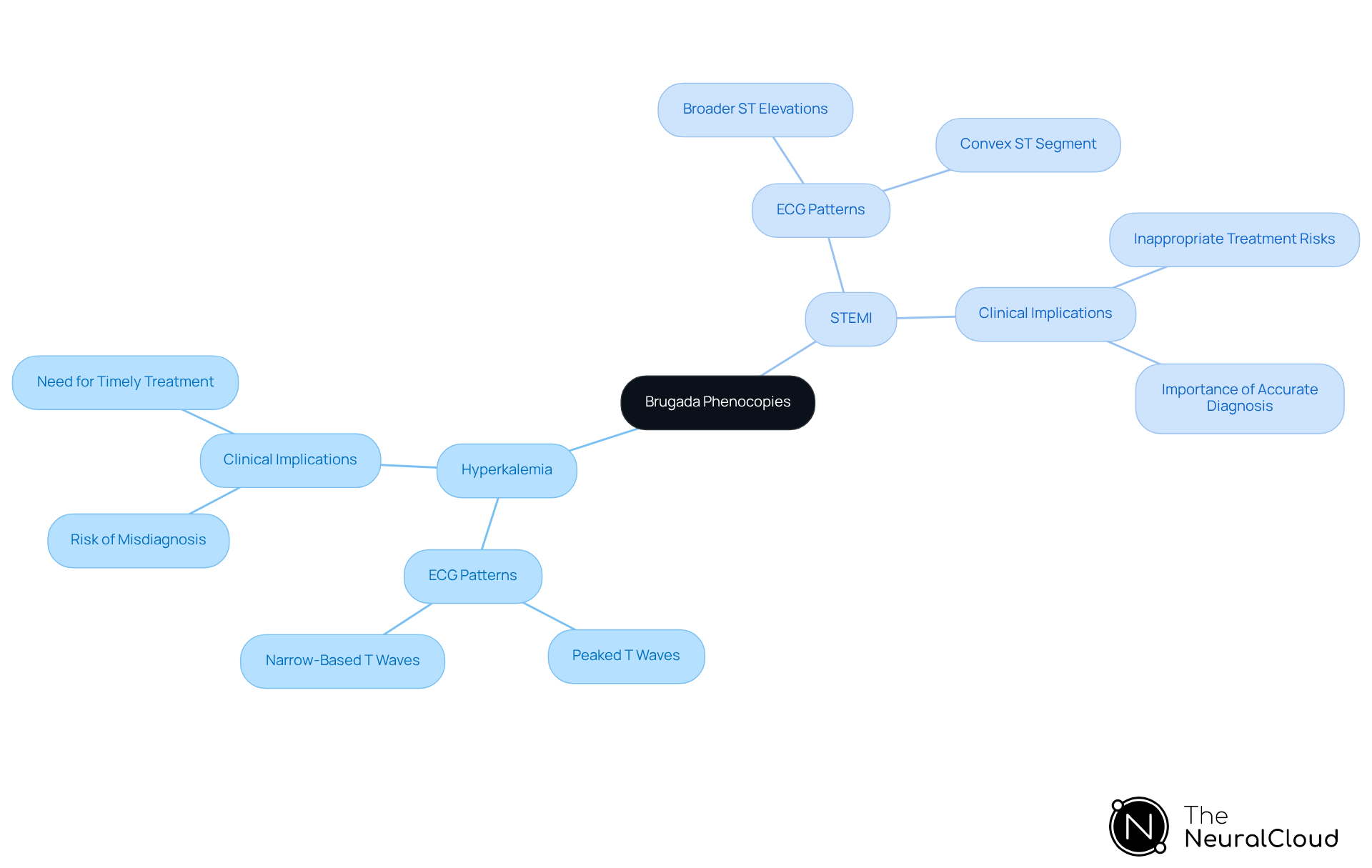
Accurate ECG interpretation is critical, especially when distinguishing between conditions like hyperkalemia and STEMI, which can present similarly on an ECG, and utilizing the hyperkalemia ECG changes mnemonic can aid in this process. The mnemonic 'Brugada Phenocopies' serves as a crucial tool for clinicians to differentiate elevated potassium levels from ST-Elevation Myocardial Infarction (STEMI). Misdiagnosing hyperkalemia as STEMI can lead to inappropriate treatment and worsen patient outcomes. Hyperkalemia can often mimic the ST-segment elevation characteristic of STEMI, yet there are distinct features that set them apart:
- Brugada Phenocopies: This term refers to ECG patterns that resemble Brugada syndrome, frequently induced by hyperkalemia.
- Distinguishing Features: In instances of elevated potassium levels, T waves are usually peaked and narrow-based, contrasting with the broader, more convex ST elevations observed in STEMI.
The hyperkalemia ECG changes mnemonic assists clinicians in making accurate diagnoses and selecting the appropriate treatment options. By accurately distinguishing between these conditions, clinicians can provide timely and effective interventions, improving patient safety and care quality.
Mnemonic 'Hyperacute T Waves': Key ECG Change in Hyperkalemia
Hyperacute T Waves present a critical challenge in ECG analysis, particularly in relation to elevated potassium levels. These T waves are characterized by their tall, pointed appearance and serve as one of the initial indicators of elevated potassium levels. Recognizing hyperacute T waves is vital for healthcare providers, as it allows for early intervention in cases of elevated potassium levels and reinforces the hyperkalemia ECG changes mnemonic to prevent more severe ECG changes.
In clinical practice, hyperacute T waves can be observed in multiple leads, especially in the anterior chest leads. Their recognition is essential for distinguishing between elevated potassium levels and other conditions like myocardial ischemia. In fact, ECG alterations due to elevated potassium levels were noted in 32% of clinical encounters, underscoring the need for vigilant monitoring.
Case studies have shown that prompt identification of these T wave alterations can lead to effective treatment strategies, including the administration of calcium and other measures to stabilize cardiac function.
With the integration of MaxYield™, healthcare professionals can leverage advanced AI-driven ECG analysis, enhancing clarity and diagnostic yield. Insight360, a customizable visualization tool, transforms MaxYield’s clean ECG data into interactive dashboards and clinical-ready reports.
Experts like Dr. Alan Rabinowitz, Dr. Brett Heilbron, and Dr. Marc W. Deyell emphasize that MaxYield™ offers precision that competes with human interpretation, effectively reducing noise for better identification of hyperacute T waves. Additionally, it is important to note that MaxYield™ is currently pending FDA Class II SaMD clearance, ensuring compliance with regulatory standards.
The ability to accurately identify hyperacute T waves can significantly impact patient outcomes and treatment efficacy.

Mnemonic 'T-Wave Inversion': Recognizing Hyperkalemia on ECG
T-wave inversion serves as a critical indicator of elevated potassium levels, which is an important aspect of the hyperkalemia ECG changes mnemonic, posing significant challenges in ECG interpretation. The hyperkalemia ECG changes mnemonic indicates that when potassium levels increase, T waves can invert, showing changes in how the heart repolarizes. These irregularities complicate the diagnosis and management of patients with elevated potassium levels. In a study of 256 adult admissions with elevated potassium levels, 32% exhibited notable ECG changes, underscoring the importance of recognizing T-wave inversion for timely intervention.
In severe cases, the hyperkalemia ECG changes mnemonic suggests that T waves can initially appear tall and peaked before broadening and ultimately inverting across multiple leads. The typical serum potassium concentration in individuals with chronic high potassium was determined to be 7.05 mEq/L, in contrast to 6.8 mEq/L in those with acute high potassium, emphasizing the necessity for careful monitoring in individuals with raised potassium levels.
Case studies show that the dynamic nature of T-wave inversions complicates ECG interpretation, especially in individuals with comorbidities. For example, studies show that individuals with chronic hyperkalemia do not display fewer ECG variations than those with acute hyperkalemia, highlighting the need for advanced ECG interpretation technologies like MaxYield™ to improve diagnostic precision. MaxYield™'s ability to filter noise and recognize distinct waveforms allows for the salvage of previously obscured sections of lengthy Holter and patch monitor recordings, ensuring that critical data is not lost in the noise.
Experts agree that spotting T-wave inversions early, which can be recalled with the hyperkalemia ECG changes mnemonic, can truly save lives, as these changes may precede severe cardiac disturbances, including life-threatening arrhythmias. Dr. Alan Rabinowitz notes that MaxYield™'s precision rivals human interpretation, making it an invaluable tool in emergency settings where rapid diagnosis is essential. The integration of sophisticated algorithms for detecting T-wave inversion morphologies is crucial for improving patient outcomes. Furthermore, it is important to note that MaxYield™ is currently pending FDA Class II SaMD clearance, ensuring compliance with regulatory standards. Thus, leveraging advanced technologies like MaxYield™ is essential for enhancing diagnostic accuracy and improving patient care.

Mnemonic 'QRS Widening': Understanding Hyperkalemia Progression on ECG
The widening of the QRS complex is a critical indicator of rising potassium levels, which is highlighted in the hyperkalemia ECG changes mnemonic and demands immediate clinical attention. The hyperkalemia ECG changes mnemonic highlights that as potassium levels increase, the QRS complex widens. This widening indicates delayed ventricular depolarization and correlates directly with the severity of elevated potassium levels, which is a key point in the hyperkalemia ECG changes mnemonic, as it increases the risk of life-threatening arrhythmias. Studies show that the hyperkalemia ECG changes mnemonic indicates QRS widening typically occurs at potassium levels of 6.5 mEq/L or higher, with significant clinical implications. In cases of significant potassium elevation, the QRS complex can exceed 120 milliseconds, which is an important point in the hyperkalemia ECG changes mnemonic that clinicians must monitor closely.
It's vital to intervene quickly because ignoring QRS widening, which is part of the hyperkalemia ECG changes mnemonic, can lead to serious heart issues, including complete heart block and ventricular fibrillation. A retrospective analysis revealed that 1.7% of patients with chronic kidney disease experienced preventable hospitalizations due to unrecognized high potassium levels. This underscores the necessity for increased awareness and proactive ECG monitoring. Clinicians must stay alert for QRS widening, as it acts as a crucial sign requiring prompt action to reduce the risks linked to elevated potassium levels, which can be recalled using the hyperkalemia ECG changes mnemonic.
MaxYield's advanced AI-driven ECG analysis provides healthcare professionals with automated insights. These insights enhance clarity and diagnostic yield, ensuring timely interventions. Expert endorsements from Dr. Alan Rabinowitz, Dr. Brett Heilbron, and Dr. Marc W. Deyell highlight MaxYield’s accuracy, which is comparable to human analysis, along with its noise reduction advantages. This establishes it as an essential resource in the battle against elevated potassium levels. Additionally, MaxYield is compliant with FDA Class II SaMD clearance-pending status, and Insight360 serves as a customizable visualization tool that transforms clean ECG data into interactive dashboards and clinical-ready reports.

Mnemonic 'P-R Interval Prolongation': Identifying ECG Changes in Hyperkalemia
The hyperkalemia ECG changes mnemonic highlights the critical ECG alteration known as 'P-R Interval Prolongation,' which is linked to rising potassium levels and poses significant challenges for clinicians. The hyperkalemia ECG changes mnemonic indicates that as potassium levels rise, the PR interval often prolongs. This change indicates impaired conduction through the atrioventricular node. This alteration frequently appears alongside other ECG abnormalities, signaling a deteriorating condition due to elevated potassium levels, which can be recalled with the hyperkalemia ECG changes mnemonic. Recognizing PR interval prolongation is crucial for clinicians. It helps assess the severity of the condition and guides management strategies.
Research in Canada shows that many individuals with elevated potassium levels exhibit this ECG alteration. This finding underscores its importance in medical practice. For instance, a meta-analysis revealed that 66% of patients with mildly elevated potassium levels (6.5-7 mmol/L) displayed ECG abnormalities, including PR interval prolongation. Furthermore, experts like Dr. Alan Rabinowitz, Dr. Brett Heilbron, and Dr. Marc W. Deyell emphasize that as potassium levels rise, the PR interval's prolongation becomes more pronounced, necessitating immediate clinical attention.
They highlight that MaxYield's advanced AI-driven ECG analysis provides automated insights that are as accurate as human interpretation, boosting clarity and diagnostic yield. Additionally, MaxYield is currently pending FDA Class II SaMD clearance, ensuring compliance with regulatory standards. The integration of Insight360, a customizable visualization and reporting tool, transforms MaxYield’s clean ECG data into interactive dashboards and clinical-ready reports.
Case studies demonstrate the variability of ECG alterations in elevated potassium levels, reinforcing the need for careful monitoring and prompt intervention to prevent negative outcomes. With MaxYield, healthcare professionals can confidently navigate the complexities of ECG analysis, ensuring timely and effective patient care.

Mnemonic 'Cardiac Arrest': Consequences of Ignoring Hyperkalemia ECG Changes
The hyperkalemia ECG changes mnemonic highlights the critical consequences of ignoring ECG variations linked to elevated potassium levels. Untreated elevated potassium levels can escalate to life-threatening complications, including cardiac arrest. It's important for clinicians to stay alert to ECG changes and understand the urgency of timely intervention to prevent fatal outcomes. The hyperkalemia ECG changes mnemonic serves as a crucial reminder of the need for prompt diagnosis and management of elevated potassium levels, as ignoring these changes can lead to serious outcomes, including increased cardiac arrest rates.
In Canada, particularly in urban areas like Toronto and Calgary, untreated high potassium levels have been associated with significant mortality, underscoring the urgent need for healthcare professionals to prioritize ECG monitoring and intervention strategies. Case studies show that patients experiencing cardiac arrest due to hyperkalemia often present with atypical ECG findings, highlighting the importance of maintaining a high degree of clinical suspicion. Ignoring these ECG changes can result in preventable deaths, so healthcare providers must act quickly and decisively.
With MaxYield™, clinicians can use advanced AI to turn long, noisy ECG recordings into clear signals, improving the clarity and speed of ECG analysis. Expert endorsements from Dr. Alan Rabinowitz, Dr. Brett Heilbron, and Dr. Marc W. Deyell emphasize that MaxYield™ rivals human interpretation in precision and significantly reduces noise, making it an invaluable tool in the timely diagnosis and management of hyperkalemia-related ECG changes.
For those interested, we invite you to contact Neural Cloud Solutions Inc. for free trials or personalized walkthroughs of MaxYield and Insight360.

Conclusion
Recognizing hyperkalemia ECG changes is a challenge that healthcare professionals must overcome to enhance patient care effectively. The article emphasizes the importance of memory aids, such as 'MACHINE' for identifying causes and various ECG change mnemonics, which serve as vital tools in clinical settings. By mastering these mnemonics, clinicians can improve their diagnostic efficiency and ensure timely interventions, ultimately leading to better patient outcomes.
Key insights discussed include the significance of recognizing specific ECG changes associated with hyperkalemia, such as:
- Peaked T-waves
- Sine-wave patterns
- QRS widening
Each mnemonic provides a structured approach to identifying these critical changes, which can prevent life-threatening complications like cardiac arrest. The integration of advanced technologies like MaxYield™ from Neural Cloud Solutions Inc. further enhances the accuracy of ECG analysis, allowing healthcare providers to make informed decisions swiftly.
In light of the rising prevalence of cardiovascular diseases and the increasing demand for precise cardiac evaluations in Canada, it is imperative for healthcare professionals to prioritize the use of these mnemonics and advanced ECG analysis tools. By embracing these strategies, they not only elevate clinical practice but also play a crucial role in safeguarding patients against the risks of hyperkalemia.
Frequently Asked Questions
What is MaxYield™ and how does it enhance ECG analysis?
MaxYield™ is an innovative AI-driven platform developed by Neural Cloud Solutions Inc. that enhances ECG workflows by isolating and cleaning noisy signals, resulting in high-fidelity cardiac data essential for accurate diagnosis and management of conditions such as hyperkalemia.
How does MaxYield™ integrate with existing devices?
MaxYield™ works smoothly with existing devices, transforming raw ECG recordings into reliable, structured data for clinicians, thereby improving the speed and accuracy of ECG data analysis.
What are the expected benefits of MaxYield™ in healthcare settings by 2026?
By 2026, the integration of MaxYield™ into various healthcare settings is expected to bolster the efficiency of cardiac diagnostics in Canada, addressing the rising demand for advanced ECG analysis tools.
What is the projected growth of the global ECG Interpretation AI market?
The global ECG Interpretation AI market, valued at $1.8 billion in 2025, is projected to reach $7.6 billion by 2034, reflecting a compound annual growth rate (CAGR) of 17.3%, driven by the increasing occurrence of cardiovascular diseases.
What is the mnemonic 'MACHINE' used for in healthcare?
The mnemonic 'MACHINE' helps healthcare professionals remember the key causes of hyperkalemia, which include Medications, Acidosis, Cellular destruction, Hyperaldosteronism, Increased intake of potassium, Nephrons (impaired renal function), and Excessive potassium retention.
Why is recognizing the ECG changes associated with hyperkalemia important?
Recognizing the ECG changes associated with hyperkalemia is vital for timely intervention, as these changes can indicate elevated potassium levels that may lead to serious health complications, including life-threatening arrhythmias.
What does the mnemonic 'Peaked T-Waves Can Quickly Die' signify?
The mnemonic 'Peaked T-Waves Can Quickly Die' captures the essential ECG changes associated with hyperkalemia, emphasizing the urgency of recognizing peaked T-waves, the potential for rapid progression to severe complications, and the life-threatening nature of untreated high potassium levels.
How can MaxYield™ improve diagnostic accuracy for hyperkalemia?
MaxYield™ offers automated, precise ECG analysis that enhances diagnostic accuracy, enabling clinicians to quickly identify ECG signs of elevated potassium levels and facilitating timely interventions that can improve patient outcomes.
List of Sources
- Neural Cloud Solutions: Transforming ECG Analysis with MaxYield™
- ECG Interpretation AI Market Research Report 2034 (https://dataintelo.com/report/ecg-interpretation-ai-market)
- medicalgorithmics.com (https://medicalgorithmics.com/medicalgorithmics-receives-approval-for-commercialization-in-canada-for-the-latest-generation-of-deeprhythmai-artificial-intelligence-algorithms)
- Remote heart monitoring gets cleaner ECG data under Europe deal (https://stocktitan.net/news/AIMLF/neural-cloud-signs-reseller-agreement-with-european-digital-cardiac-odr4kyyg9lzi.html)
- Movesense and NeuralCloud to Pilot AI-Powered ECG and Holter Reporting — Movesense (https://movesense.com/news/2026/02/movesense-and-neuralcloud-to-pilot-ai-powered-ecg-and-holter-reporting)
- Neural Cloud Signs Reseller Agreement with European Digital Cardiac Monitoring Platform | Mediabistro (https://mediabistro.com/media-news/neural-cloud-signs-reseller-agreement-with-european-digital-cardiac-monitoring-platform)
- Mnemonic 'MACHINE': Remembering Causes of Hyperkalemia
- Hyperkalemia - Causes Nursing Mnemonic (MACHINE) - NURSING.com (https://academy.nursing.com/lesson/hyperkalemia-causes-nursing-mnemonic-machine)
- High Potassium (hyperkalemia) (https://kidney.org/kidney-topics/hyperkalemia-high-potassium)
- A Patient's Guide to Hyperkalemia (https://health.usnews.com/conditions/hyperkalemia)
- News : Emergency Medicine News (https://ovid.com/jnls/em-news/fulltext/10.1097/01.eem.0000758760.12428.35~news-a-novel-mnemonic-for-reversible-causes-of-acls)
- Prevalence and economic burden of hyperkalemia in the United States Medicare population (https://tandfonline.com/doi/full/10.1080/03007995.2020.1775072)
- Mnemonic 'Peaked T-Waves Can Quickly Die': Identifying ECG Changes
- Why T Waves Peak in Hyperkalemia (https://ecglectures.com/blog/peaked-t-waves-in-hyperkalemia)
- Hyperkalemia ECG Changes: Peaked T Waves (https://powerfulmedical.com/blog/hyperkalemia-ecg-critical-changes)
- Electrocardiographic Abnormalities in Patients with Hyperkalemia: A Retrospective Study in an Emergency Department in Colombia - PMC (https://pmc.ncbi.nlm.nih.gov/articles/PMC11215665)
- Mnemonic 'Sine-Wave Patterns': Recognizing Severe Hyperkalemia on ECG
- ECG Case 151: Hyperkalemia with Sine Wave Pattern - Manual of Medicine (https://manualofmedicine.com/ecgs/ecg-interpretations/ecg-case-151-hyperkalemia-sine-wave-pattern)
- Electrocardiographic manifestations of severe hyperkalemia (https://sciencedirect.com/science/article/abs/pii/S0022073618304473)
- Sliding with the sines − fatal hyperkalemia: A case report - PMC (https://pmc.ncbi.nlm.nih.gov/articles/PMC8326152)
- Sine-wave pattern in a case of severe hyperkalemia and end-stage renal failure from a hospital in a rural area: A case report and narrative review | Intisari Sains Medis (https://isainsmedis.id/index.php/ism/article/view/2020)
- ECG frequency changes in potassium disorders: a narrative review - PMC (https://pmc.ncbi.nlm.nih.gov/articles/PMC9301030)
- Mnemonic 'Brugada Phenocopies': Distinguishing Hyperkalemia from STEMI
- A concealed arrhythmia: Brugada phenocopy as a cardiac manifestation of hyperkalaemia in diabetic ketoacidosis (https://bjcardio.co.uk/2025/07/a-concealed-arrhythmia-brugada-phenocopy-as-a-cardiac-manifestation-of-hyperkalaemia-in-diabetic-ketoacidosis)
- Not All ST Elevation Is STEMI: Brugada Phenocopy Induced by Hyperkalemia (https://cureus.com/articles/142453-not-all-st-elevation-is-stemi-brugada-phenocopy-induced-by-hyperkalemia)
- Hyperkalemia ECG Changes: Peaked T Waves (https://powerfulmedical.com/blog/hyperkalemia-ecg-critical-changes)
- Mnemonic 'Hyperacute T Waves': Key ECG Change in Hyperkalemia
- Hyperkalemia-Peaked T waves and ECG Recognition - Medcram Blog (https://blog.medcram.com/cme-courses/hyperkalemia-peaked-t-waves-and-ecg-recognition)
- ECG Diagnosis: Hyperacute T Waves - PMC (https://pmc.ncbi.nlm.nih.gov/articles/PMC4500486)
- Changes in ECG in Acute versus Chronic Hyperkalemia | Docwire News (https://docwirenews.com/post/changes-in-ecg-in-acute-versus-chronic-hyperkalemia)
- Hyperkalemia ECG Changes: Peaked T Waves (https://powerfulmedical.com/blog/hyperkalemia-ecg-critical-changes)
- ECG frequency changes in potassium disorders: a narrative review - PMC (https://pmc.ncbi.nlm.nih.gov/articles/PMC9301030)
- Mnemonic 'T-Wave Inversion': Recognizing Hyperkalemia on ECG
- Changes in ECG in Acute versus Chronic Hyperkalemia | Docwire News (https://docwirenews.com/post/changes-in-ecg-in-acute-versus-chronic-hyperkalemia)
- The impact of hyperkalemia on T wave inversion morphology (https://eureka.patsnap.com/report-the-impact-of-hyperkalemia-on-t-wave-inversion-morphology)
- Hyperkalemia-Peaked T waves and ECG Recognition - Medcram Blog (https://blog.medcram.com/cme-courses/hyperkalemia-peaked-t-waves-and-ecg-recognition)
- Hyperkalemia ECG Changes: Peaked T Waves (https://powerfulmedical.com/blog/hyperkalemia-ecg-critical-changes)
- Mnemonic 'QRS Widening': Understanding Hyperkalemia Progression on ECG
- Hyperkalemia ECG Review (https://healio.com/cardiology/learn-the-heart/ecg-review/ecg-topic-reviews-and-criteria/hyperkalemia-review)
- Hyperkalemia Updates (https://medpagetoday.com/resource-centers/hyperkalemia-updates/clinical-essentials)
- Hyperkalemia | SAEM (https://saem.org/about-saem/academies-interest-groups-affiliates2/cdem/for-students/online-education/m4-curriculum/group-m4-endocrine-electrolytes/hyperkalemia)
- ECG frequency changes in potassium disorders: a narrative review - PMC (https://pmc.ncbi.nlm.nih.gov/articles/PMC9301030)
- Changes in ECG in Acute versus Chronic Hyperkalemia | Docwire News (https://docwirenews.com/post/changes-in-ecg-in-acute-versus-chronic-hyperkalemia)
- Mnemonic 'P-R Interval Prolongation': Identifying ECG Changes in Hyperkalemia
- ECG frequency changes in potassium disorders: a narrative review - PMC (https://pmc.ncbi.nlm.nih.gov/articles/PMC9301030)
- Hyperkalemia Cardiac Arrest: Recognition & Emergency Treatment - ACLS (https://affordableacls.com/blog/hyperkalemia-induced-cardiac-arrest-recognition-and-emergency-treatment)
- Using ECG for the Diagnosis of Hyperkalemia - Hyperkalemia Updates (https://medpagetoday.com/resource-centers/hyperkalemia-updates/using-ecg-diagnosis-hyperkalemia/4284)
- Hyperkalemia ECG Changes: Peaked T Waves (https://powerfulmedical.com/blog/hyperkalemia-ecg-critical-changes)
- Mnemonic 'Cardiac Arrest': Consequences of Ignoring Hyperkalemia ECG Changes
- Hyperkalemia-related mortality trends in cardiac arrest: a 1999–2020 analysis in the United States - PMC (https://pmc.ncbi.nlm.nih.gov/articles/PMC12578036)
- Hyperkalemia Cardiac Arrest: Recognition & Emergency Treatment - ACLS (https://affordableacls.com/blog/hyperkalemia-induced-cardiac-arrest-recognition-and-emergency-treatment)
- Hyperkalemia ECG Changes: Peaked T Waves (https://powerfulmedical.com/blog/hyperkalemia-ecg-critical-changes)
- Mortality Risk After Acute Severe Hyperkalemia | Docwire News (https://docwirenews.com/post/mortality-risk-after-acute-severe-hyperkalemia)
- Sinus arrest consequence of moderate hyperkalemia: a case report - PMC (https://pmc.ncbi.nlm.nih.gov/articles/PMC12202298)