Introduction
As health tech developers strive to improve diagnostic accuracy, understanding ST-Elevation Myocardial Infarction (STEMI) becomes essential. With the rise of advanced technologies like Neural Cloud Solutions Inc.'s MaxYield™, the landscape of cardiac diagnostics is evolving, offering unprecedented opportunities for innovation. But how can developers effectively integrate essential STEMI elevation criteria into their systems for timely and accurate diagnoses? In this article, we’ll dive into ten critical criteria that every health tech developer should know, highlighting the intersection of technology and clinical practice in the fight against heart disease.
Neural Cloud Solutions: Transforming STEMI Diagnosis with MaxYield™ Technology
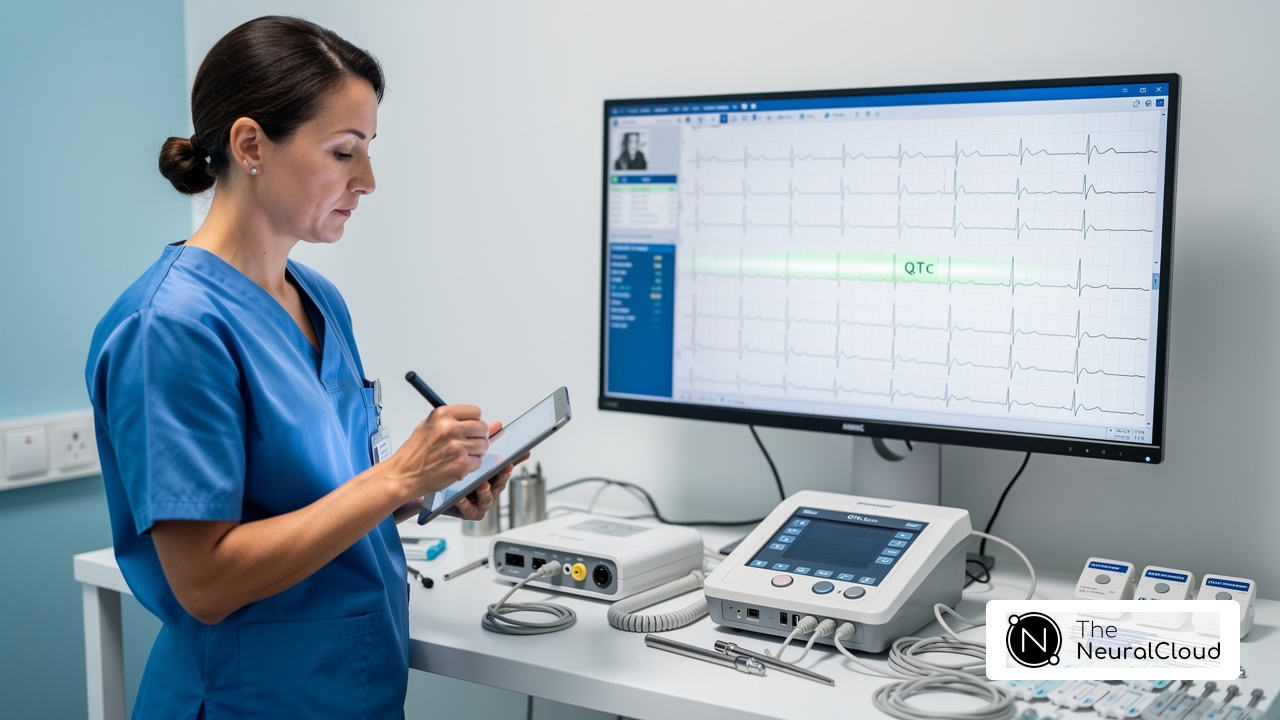
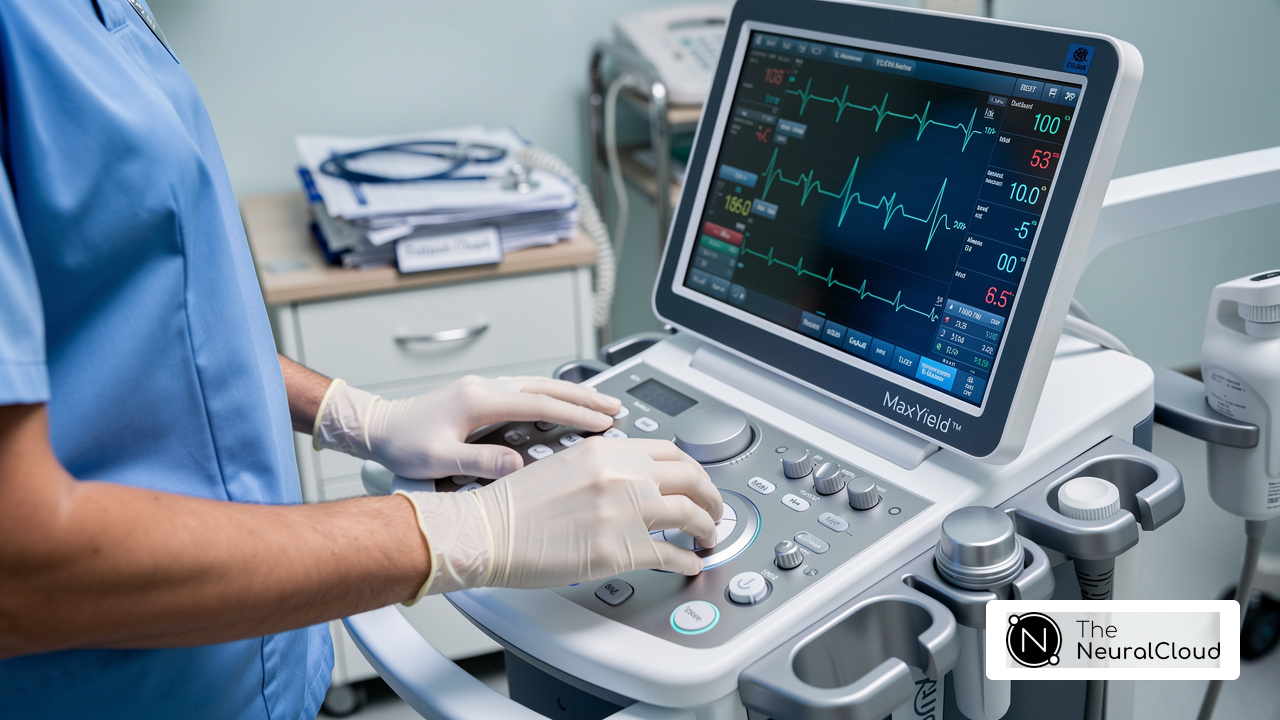
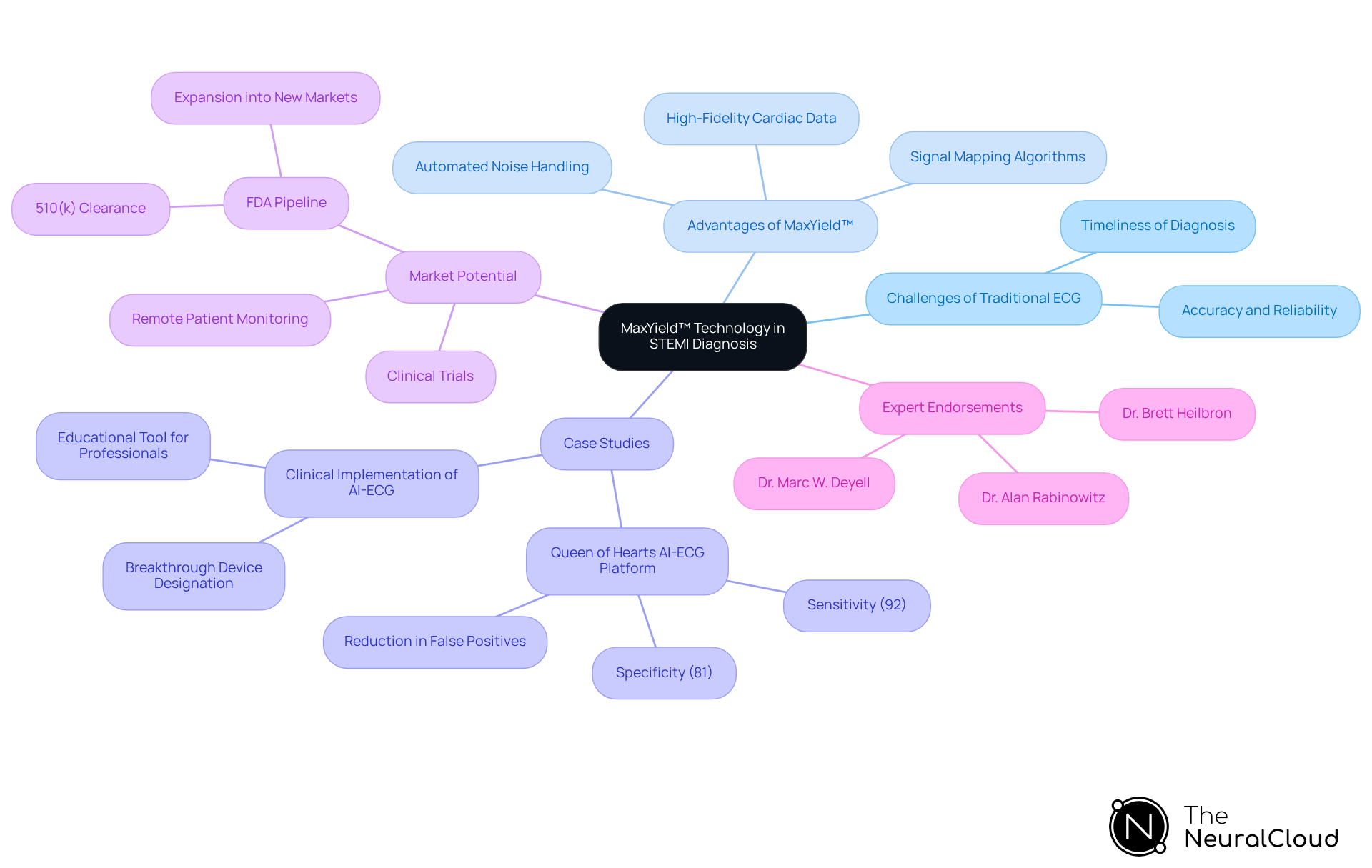
Traditional ECG analysis often faces challenges in accuracy and reliability, which can hinder timely heart attack diagnosis. Neural Cloud Solutions Inc. is leading the way in transforming heart attack diagnosis through its flagship product, MaxYield™. MaxYield™ uses patented signal mapping algorithms to improve how ECG data is processed, effectively isolating and cleaning noisy signals to deliver high-fidelity cardiac data. These advancements are crucial for health tech developers looking to integrate AI-driven solutions, ensuring accurate and timely heart attack diagnoses.
Recent case studies underscore the efficacy of AI-driven ECG technologies in Canada. For instance, the Queen of Hearts AI-ECG platform demonstrated superior sensitivity (92%) and specificity (81%) in detecting the stemi elevation criteria compared to traditional methods, significantly reducing false-positive activations. This highlights the potential of AI to enhance diagnostic accuracy and streamline clinical workflows.
Furthermore, the incorporation of this system into current healthcare frameworks is set to enhance the quality of ECG data collected, thus promoting improved outcomes for individuals. As the technology progresses through the FDA 510(k) pipeline, it is expected to expand into medically relevant markets, particularly in Remote Patient Monitoring and Clinical Trials, addressing the critical need for consistent, clean data across devices.
With the commercial launch targeted for September 2025, MaxYield™ is set to provide deeper biometric insights and enhance measurement precision, allowing healthcare professionals to focus on higher-value analytics. This establishes Neural Cloud Solutions Inc. as a leader in the field, driving innovation in cardiac diagnostics and empowering health tech developers to provide superior solutions in care. Expert endorsements from Dr. Alan Rabinowitz, Dr. Brett Heilbron, and Dr. Marc W. Deyell emphasize MaxYield’s precision rivaling human interpretation and its noise reduction benefits, further solidifying its role in transforming remote patient monitoring. As MaxYield™ continues to evolve, it promises to redefine standards in cardiac diagnostics, ultimately enhancing patient care and outcomes.
Classic STEMI Patterns: Identifying Key Elevation Criteria
Timely and accurate detection of myocardial infarction patterns is essential for effective patient care. Classic myocardial infarction patterns meet the stemi elevation criteria, which are characterized by ST-segment elevation of at least 1 mm in two adjacent leads on a 12-lead ECG. This elevation can manifest in various morphologies, including concave, convex, or straight shapes. Detecting these patterns accurately is vital for timely intervention. Misinterpretation can cause delays in treatment. In Canada, about 80% of suspected myocardial infarction cases are confirmed through ECG. This highlights the need for developers to equip their diagnostic tools to identify these critical stemi elevation criteria. Additionally, reciprocal alterations on the ECG can raise the likelihood of a myocardial infarction diagnosis. Therefore, it is essential for health tech developers to integrate these features into their systems.
Neural Cloud Solutions Inc.'s MaxYield platform improves this process by automating ECG analysis. It filters noise and accurately identifies key waveforms, supporting confident clinical decision-making. The integration of Insight360 as a customizable visualization tool turns MaxYield’s clean ECG data into interactive dashboards and clinical-ready reports. As Dr. Alan Rabinowitz notes, MaxYield's precision rivals human interpretation, making it a vital tool for developers.
As cardiovascular diagnostics evolve, it is crucial to stay updated on the latest criteria and expert recommendations. This includes the need for serial ECG monitoring and understanding regulatory compliance details, such as FDA Class II SaMD clearance-pending status, to optimize patient outcomes.

ECG Findings: Critical Criteria for STEMI Diagnosis
Accurate ECG analysis is critical for diagnosing myocardial infarctions, yet many systems struggle to identify key changes in real-time. Key ECG findings crucial for diagnosing myocardial infarction include:
Developers should focus on creating systems that can recognize these changes quickly, enhancing the speed and accuracy of diagnosis. Neural Cloud Solutions Inc.'s MaxYield™ platform exemplifies this capability, offering automated ECG analysis that maps signals through noise, isolating and labeling key features in every heartbeat. This advanced AI-driven solution analyzes 200,000 heartbeats in under 5 minutes. It significantly enhances the detection of acute coronary occlusions that may not meet the classic STEMI elevation criteria.
The Queen of Hearts AI ECG model has shown nearly double the sensitivity compared to standard care, validated in over 15 peer-reviewed studies involving more than 40,000 individuals. This showcases its effectiveness in clinical settings, particularly in the Canadian healthcare context.
In the United States, individuals are impacted by heart attacks every 40 seconds, underscoring the urgency for rapid and accurate diagnosis. The Queen of Hearts platform supported the detection of over 120,000 heart attacks in 2025 across more than 150 hospital deployments worldwide, contributing to reduced treatment times in over 50% of detected cases.
Experts agree that health tech developers should prioritize these crucial ECG findings. As noted by Dr. Alan Rabinowitz, Dr. Brett Heilbron, and Dr. Marc W. Deyell, the ability to accurately identify these changes can significantly impact patient outcomes, particularly in emergency settings. The continuous study and confirmation of AI models such as Queen of Hearts, together with the features of MaxYield™, emphasize the potential for technology to revolutionize heart attack diagnosis and enhance clinical decision-making in Canadian healthcare. The integration of advanced AI technologies like MaxYield™ could redefine how healthcare professionals approach heart attack diagnosis, ultimately saving lives.

Reciprocal Changes: Understanding Their Role in STEMI Diagnosis
Accurate diagnosis of myocardial infarction is critical, yet challenges persist in ECG analysis when applying the STEMI elevation criteria. Mutual alterations, marked by ST-segment depression in leads opposite the infarction location, are essential for verifying myocardial infarction diagnoses. These changes show how much damage has occurred and offer important prognostic insights. In fact, approximately 77% of patients with acute coronary artery occlusion exhibit these reciprocal changes, underscoring their significance in clinical assessments.
Experts emphasize that the presence of reciprocal change is strong confirmatory evidence for the STEMI elevation criteria, boasting a positive predictive value exceeding 90%. This highlights the necessity for health tech developers to ensure their diagnostic tools can accurately identify these changes, as they play a crucial role in guiding treatment decisions.
Utilizing an advanced automated ECG analysis platform from Neural Cloud Solutions Inc. can significantly enhance this process. The system maps ECG signals through noise, isolating and labeling key features in every heartbeat, which aids in the accurate identification of reciprocal changes. With the ability to analyze 200,000 heartbeats in under 5 minutes, this system offers beat-by-beat insights that support confident clinical decisions. Experts like Dr. Alan Rabinowitz and Dr. Brett Heilbron emphasize that MaxYield™ rivals human interpretation in precision while effectively reducing noise, making it an invaluable tool for developers aiming to improve diagnostic accuracy.
For instance, hospitals in Canada have seen firsthand how recognizing these reciprocal changes can impact patient outcomes. A recent case concerning a 57-year-old woman with a background of hypertension and diabetes illustrated how the recognition of reciprocal alterations in her ECG resulted in a prompt diagnosis of subtle inferior myocardial infarction, leading to effective intervention and recovery.
Statistics indicate that the occurrence of incorrect activations in heart attack cases can reach up to 38.21%, especially among less experienced practitioners. Misdiagnosis can lead to serious consequences, particularly for less experienced practitioners. This integration can significantly reduce the risk of misdiagnosis and enhance patient outcomes. As the landscape of cardiovascular care evolves, staying informed about the STEMI elevation criteria will empower developers to create more effective and reliable healthcare solutions. Additionally, Insight360, a customizable visualization and reporting tool, transforms MaxYield’s clean ECG data into interactive dashboards and clinical-ready reports, further enhancing the usability of the platform. By leveraging advanced technology, developers can significantly enhance diagnostic precision and ultimately improve patient care.

STEMI Mimics: Recognizing Impostors in Myocardial Infarction
Acute myocardial infarction can often be confused with other conditions, leading to significant challenges in ECG analysis. Common mimics that can present with ST-segment elevation on ECG, relevant to the STEMI elevation criteria, include:
- Pericarditis
- Early repolarization
- Hyperkalemia
- Myocarditis
- Takotsubo cardiomyopathy
A recent study highlighted that among 586 CODE activations, 83 cases (10.5%) were recognized as mimics, underscoring the prevalence of these conditions in clinical settings. Misdiagnosing a patient can lead to harmful consequences and wasted resources, making it crucial for developers to ensure their diagnostic tools can distinguish these mimics from genuine cases.
According to the STEMI elevation criteria, the most frequent diagnosis among STEMI mimics was non-cardiac pain (53%), followed by:
- Pericarditis (24%)
- Arrhythmia (10%)
- Myocarditis (7%)
- Takotsubo cardiomyopathy (6%)
By integrating advanced algorithms like those in Neural Cloud Solutions Inc.'s product, which excels in noise reduction and artifact handling, developers can enhance diagnostic accuracy. With MaxYield™, healthcare professionals can automate ECG signal labeling and analysis using advanced AI technology, ultimately improving outcomes for patients and optimizing resource allocation in healthcare facilities.

Timely Intervention: Criteria for Acute STEMI Treatment
Timely intervention in acute STEMI treatment depends on the stemi elevation criteria that healthcare professionals must recognize. The stemi elevation criteria include:
- The presence of chest pain lasting more than 20 minutes
- ST-segment elevation in two contiguous leads
- Elevated cardiac biomarkers
In Canada, the 2025 guidelines reinforce these criteria, emphasizing the need for rapid identification and treatment initiation to improve outcomes for individuals.
Recent case studies demonstrate the effectiveness of the stemi elevation criteria in clinical settings. Adhering to established protocols significantly speeds up diagnosis and treatment. For instance, incorporating high-sensitivity cardiac troponin testing into clinical pathways enables more effective risk evaluation in individuals presenting with acute coronary syndromes, leading to prompt interventions.
Expert opinions highlight the importance of the stemi elevation criteria in the context of evolving guidelines. The 2025 American College of Cardiology and American Heart Association guidelines stress the necessity of recognizing ST-segment elevation patterns and other ECG changes that fulfill the stemi elevation criteria associated with acute coronary occlusion myocardial infarction. This comprehensive approach aims to standardize treatment protocols across Canadian healthcare facilities, ensuring that health tech developers focus on integrating these criteria into their systems for optimal care.
As cardiovascular care evolves, developers must stay informed about the stemi elevation criteria and their implications for the treatment of acute STEMI. This knowledge is essential for enhancing healthcare delivery and patient outcomes. Utilizing advanced tools such as MaxYield™, which automates ECG analysis and minimizes noise, can greatly improve the precision of recognizing the stemi elevation criteria. The system maps ECG signals, isolating key features in every heartbeat and delivering beat-by-beat analysis of 200,000 heartbeats in under five minutes. This capability helps make timely clinical decisions and supports efficient workflows in health tech development.
Expert endorsements from Dr. Alan Rabinowitz, Dr. Brett Heilbron, and Dr. Marc W. Deyell highlight MaxYield’s precision, rivaling human interpretation, and its noise reduction benefits, making it an invaluable asset in the acute care setting. Furthermore, with FDA Class II SaMD clearance-pending status and audit-ready documentation supporting GxP inspections, integrating MaxYield™ into your platform can ensure compliance and enhance the overall quality of cardiac care.

Patient History and Clinical Presentation: Essential Criteria for STEMI
Accurate diagnosis of ST-elevation myocardial infarction hinges on a thorough medical history, especially in relation to the STEMI elevation criteria, yet many patients present with incomplete information. A comprehensive medical history includes:
- Documenting previous cardiac events
- Identifying risk factors such as hypertension and hyperlipidemia
- Detailing symptom descriptions
In Canada, approximately 60% of individuals with myocardial infarction present with hypertension as a significant risk factor, underscoring the need for thorough evaluations. Developers should focus on creating tools that effectively capture this information, as it supports precise diagnosis and treatment planning.
Recent findings reveal that 70% of STEMI cases occur in individuals without prior cardiovascular disease, which underscores the importance of understanding the STEMI elevation criteria in each person's unique history. Additionally, the average age of first myocardial infarction is 65.1 for men and 72 for women, emphasizing the necessity for age-appropriate screening and intervention strategies.
Features that enable detailed analysis of medical histories can boost diagnostic accuracy and lead to better outcomes. For example, the AIR-STEMI trial demonstrated that timely intervention significantly lowers mortality rates, emphasizing the need for health tech solutions that facilitate swift evaluations based on STEMI elevation criteria. By concentrating on these aspects, developers can contribute to more effective STEMI management that meets the STEMI elevation criteria and ultimately enhance patient care.
For instance, Neural Cloud Solutions Inc. showcases this by effectively mapping ECG signals through noise, isolating and labeling key features in every heartbeat. With its capability to provide beat-by-beat analysis of 200,000 heartbeats in under 5 minutes, this system aids developers in creating tools that enhance diagnostic accuracy. Furthermore, the platform is pending FDA Class II SaMD clearance, ensuring compliance with regulatory standards. The Insight360 tool further transforms MaxYield’s clean ECG data into interactive dashboards and clinical-ready reports, offering a comprehensive view of individual data. As Dr. Alan Rabinowitz notes, "MaxYield™ rivals human interpretation in its precision, making it an invaluable asset for clinicians."
By prioritizing comprehensive medical history analysis, developers can pave the way for more effective interventions and improved patient outcomes.

Advanced Imaging Techniques: Enhancing STEMI Evaluation Criteria
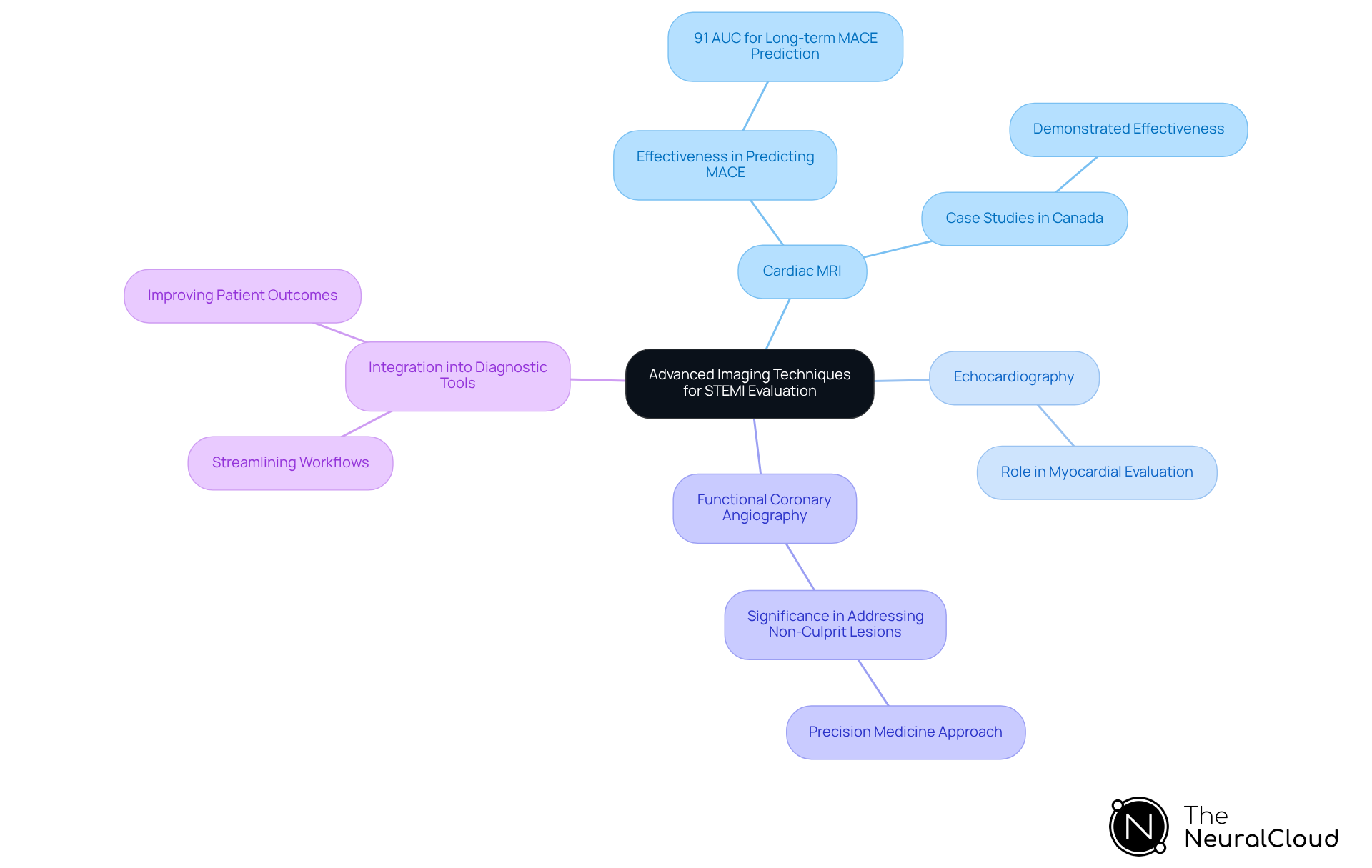
Evaluating myocardial viability and function in acute myocardial infarction presents significant challenges for healthcare professionals. Advanced imaging methods, such as cardiac MRI and echocardiography, are essential in addressing these challenges. For instance, a study found that cardiac MRI is more effective in forecasting severe cardiovascular incidents, achieving a 91 percent area under the curve (AUC) for long-term major adverse cardiovascular events (MACE) prediction in individuals meeting the stemi elevation criteria, compared to conventional techniques. This positions it as a crucial asset in clinical practice.
Integrating imaging data into diagnostic tools streamlines workflows. This leads to improved patient outcomes. Developers should prioritize these advanced techniques to ensure their solutions meet the evolving needs of cardiovascular care, particularly in the context of heart attack evaluation. Recent case studies in Canada, such as those demonstrating the effectiveness of cardiac MRI in predicting heart events, showcase successful implementations of these technologies in real-world applications.
Furthermore, the AIR trial underscored the significance of functional coronary angiography in addressing non-culprit lesions, further stressing the necessity for advanced imaging in the thorough evaluation of myocardial infarction. Health tech developers can leverage these insights to create robust diagnostic solutions. These solutions should align with clinical standards and address safety concerns, particularly for patients with non-MRI-conditional devices.
Pathophysiology of STEMI: Understanding the Underlying Mechanisms
Understanding the complexities of ST-Elevation Myocardial Infarction is crucial for developing effective diagnostic tools that adhere to the stemi elevation criteria. This condition primarily arises from the rupture of an atherosclerotic plaque, leading to thrombus formation and complete blockage of a coronary artery. Recognizing this pathophysiological process is vital for health tech developers, as it directly influences how diagnostic tools are designed and function in evaluating the severity and implications of stemi elevation criteria.
In Canada, myocardial infarction is a prevalent cardiovascular disorder, affecting approximately 3.8% of individuals under 60 years and 9.5% of those over 60 years. Grasping the subtleties of this heart condition's pathophysiology not only assists in creating more precise diagnostic instruments but also improves the overall care of individuals facing this issue.
Recent advancements in the classification of myocardial infarction, including the introduction of a new universal definition, aim to improve diagnostic consistency and understanding of the stemi elevation criteria. This updated framework categorizes myocardial infarction into primary, secondary, and procedure-related types, addressing previous limitations in clinical practice.
Expert opinions highlight the importance of understanding the underlying mechanisms of heart attacks, particularly in relation to the stemi elevation criteria, as this knowledge can lead to improved diagnostic accuracy and treatment strategies. For instance, the AIR-STEMI trial demonstrated that functional coronary angiography could significantly reduce the risk of adverse outcomes in individuals with multivessel disease, emphasizing the need for precise diagnostic approaches.
By integrating these insights into the development of diagnostic tools, health tech developers can contribute to more effective cardiovascular care, ultimately improving patient outcomes in the face of this critical public health concern. Additionally, with the integration of an automated ECG analysis platform by Neural Cloud Solutions Inc., developers can leverage advanced AI-driven insights to enhance their diagnostic capabilities. The system maps ECG signals through noise, isolating and labeling key features in every heartbeat, thus transforming noisy recordings into detailed insights. This platform delivers beat-by-beat analysis, outputting an analysis of 200,000 heartbeats in less than 5 minutes, which is crucial for timely clinical decision-making. Furthermore, Insight360 functions as a customizable visualization and reporting tool that enhances MaxYield, transforming clean ECG data into interactive dashboards and clinical-ready reports. By incorporating MaxYield™ and Insight360 into their platforms, developers can ensure that they are prepared to emphasize potentially significant ECG data, ultimately enhancing outcomes in the context of heart attack diagnostics.

Prognostic Factors: Key Considerations Following STEMI
In the realm of cardiac care, accurate ECG analysis is paramount, yet many healthcare professionals face significant challenges in interpreting this vital data. Key prognostic factors following ST-elevation myocardial infarction, as defined by stemi elevation criteria, include age, comorbidities, and the extent of myocardial damage. Recent findings indicate that individuals with cardiogenic shock (CS) experience significantly higher in-hospital mortality rates, with 52% for those with CS compared to 11.76% for those without. Additionally, patients with COVID-19 and STEMI have a 67% higher one-year mortality rate compared to those without COVID-19 (45% vs. 27%). The left ventricular ejection fraction (LVEF) has been identified as a critical predictor, with a cut-off of 42.5% correlating with increased mortality risk.
It's essential for developers to create tools that effectively analyze these factors according to stemi elevation criteria, enabling comprehensive risk assessments and guiding post-STEMI management strategies. The integration of an automated ECG analysis platform by Neural Cloud Solutions Inc. offers an enhanced approach to ECG data interpretation. This platform provides beat-by-beat analysis of 200,000 heartbeats in under 5 minutes and incorporates automated noise reduction, assisting clinicians in making informed decisions based on clean, reliable data.
Expert endorsements from Dr. Alan Rabinowitz, Dr. Brett Heilbron, and Dr. Marc W. Deyell emphasize that this product rivals human interpretation in precision, making it an invaluable tool in the Canadian healthcare landscape. Furthermore, timely intervention is vital; prolonged transfer times can negatively impact outcomes, emphasizing the necessity for accurate data analysis in post-STEMI management based on the stemi elevation criteria. Additionally, MaxYield™ is pending FDA Class II SaMD clearance, ensuring compliance with regulatory standards, which further enhances its credibility in clinical settings.

Conclusion
For health tech developers, grasping the nuances of STEMI elevation criteria is crucial for advancing cardiac diagnostics. Using advanced technologies like MaxYield™ from Neural Cloud Solutions Inc., developers can greatly enhance ECG analysis accuracy and reliability, ultimately leading to better patient outcomes. The integration of AI-driven solutions streamlines the diagnostic process and empowers healthcare professionals to make informed decisions swiftly.
We've highlighted key insights throughout this article, including:
- The importance of classic STEMI patterns
- The role of reciprocal changes
- The necessity of recognizing STEMI mimics
Each of these elements is vital for ensuring timely and accurate diagnoses, which are essential for effective treatment. Additionally, the emphasis on patient history and advanced imaging techniques underscores the multifaceted approach required to tackle the complexities of myocardial infarction.
As cardiovascular care evolves, developers must stay updated on the latest guidelines and technological advancements. By prioritizing the integration of comprehensive diagnostic criteria and innovative tools like MaxYield™, health tech developers can contribute to a future where timely interventions and improved patient care are the standard. By embracing these innovations, developers not only enhance diagnostic accuracy but also play a pivotal role in saving lives during acute myocardial infarction.
Frequently Asked Questions
What is MaxYield™ technology and how does it improve ECG analysis?
MaxYield™ technology, developed by Neural Cloud Solutions Inc., uses patented signal mapping algorithms to enhance ECG data processing. It effectively isolates and cleans noisy signals, delivering high-fidelity cardiac data crucial for accurate heart attack diagnoses.
What are the benefits of using AI-driven ECG technologies in Canada?
AI-driven ECG technologies, such as the Queen of Hearts AI-ECG platform, have demonstrated superior sensitivity (92%) and specificity (81%) in detecting STEMI elevation criteria compared to traditional methods. This significantly reduces false-positive activations and enhances diagnostic accuracy, streamlining clinical workflows.
How does MaxYield™ contribute to remote patient monitoring and clinical trials?
MaxYield™ is expected to enhance the quality of ECG data collected, promoting improved patient outcomes. As it progresses through the FDA 510(k) pipeline, it aims to address the need for consistent, clean data across devices in remote patient monitoring and clinical trials.
When is the commercial launch of MaxYield™ expected?
The commercial launch of MaxYield™ is targeted for September 2025.
What are the classic STEMI elevation criteria that need to be identified for effective patient care?
Classic STEMI elevation criteria include ST-segment elevation of at least 1 mm in two adjacent leads on a 12-lead ECG, which can appear in various morphologies. Accurate detection of these patterns is essential for timely intervention in myocardial infarction cases.
How does MaxYield™ automate ECG analysis?
MaxYield™ automates ECG analysis by filtering noise and accurately identifying key waveforms, which supports confident clinical decision-making. It can analyze 200,000 heartbeats in under 5 minutes, significantly enhancing the detection of acute coronary occlusions.
What are the critical ECG findings for diagnosing myocardial infarctions?
Key ECG findings crucial for diagnosing myocardial infarctions include STEMI elevation criteria, T-wave inversion, and the presence of Q waves. Developers should focus on creating systems that can quickly recognize these changes to enhance diagnosis speed and accuracy.
What expert endorsements support the effectiveness of MaxYield™?
Experts such as Dr. Alan Rabinowitz, Dr. Brett Heilbron, and Dr. Marc W. Deyell endorse MaxYield™ for its precision, which rivals human interpretation, and its benefits in noise reduction, emphasizing its role in transforming remote patient monitoring and cardiac diagnostics.
List of Sources
- Neural Cloud Solutions: Transforming STEMI Diagnosis with MaxYield™ Technology
- Major AI Health Partnership: MaxYield ECG Tech Powers Next-Gen Smart Ring Through Multi-Year License Deal (https://stocktitan.net/news/AIMLF/aiml-subsidiary-neural-cloud-signs-loi-with-circular-health-to-2oh9lpuw71dy.html)
- Neural Cloud Signs Reseller Agreement with European Digital Cardiac Monitoring Platform (https://ca.finance.yahoo.com/news/neural-cloud-signs-reseller-agreement-110000272.html)
- Neural Cloud Enters Distribution Agreement with Intelimed to Expand into Latin America (https://aiml-innovations.com/press-release/neural-cloud-enters-distribution-agreement-with-intelimed-to-expand-into-latin-america)
- FDA Clears First AI-ECG Model for Acute MI Detection (https://tctmd.com/news/fda-clears-first-ai-ecg-model-acute-mi-detection)
- AI-ECG Finds STEMI Faster, Cuts False-Positive Cath Lab Activations (https://tctmd.com/news/ai-ecg-finds-stemi-faster-cuts-false-positive-cath-lab-activations)
- Classic STEMI Patterns: Identifying Key Elevation Criteria
- STEMI - Electrocardiogram - M3 Curriculum | SAEM (https://saem.org/about-saem/academies-interest-groups-affiliates2/cdem/for-students/online-education/m3-curriculum/group-electrocardiogram-(ecg)-rhythm-recognition/stemi)
- Acute ST-Segment Elevation Myocardial Infarction (STEMI) - StatPearls - NCBI Bookshelf (https://ncbi.nlm.nih.gov/books/NBK532281)
- Understanding STEMI vs NSTEMI: ECG Interpretation Guide (https://tricog.com/understanding-stemi-vs-nstemi-in-ecg-interpretation?srsltid=AU7gw4X3yS6mNBLQuYjSL-mhutm4NPXiWgwwpd7N1lQpTieDrH9Htnz4)
- STEMI ECG Criteria: ST-Elevation Thresholds (https://powerfulmedical.com/blog/stemi-ecg-criteria)
- OMI: Replacing the STEMI misnomer (https://litfl.com/omi-replacing-the-stemi-misnomer)
- ECG Findings: Critical Criteria for STEMI Diagnosis
- FDA De Novo Authorization for Queen of Hearts (https://powerfulmedical.com/blog/powerful-medical-receives-fda-de-novo-authorization-for-pmcardio-queen-of-hearts-its-ai-ecg-model-for-detecting-acute-heart-attacks)
- Queen of Hearts: AI ECG for STEMI & OMI (https://powerfulmedical.com/pmcardio-stemi)
- AI-Based ECG Analysis Significantly Improves STEMI Detection, Reduces False Activations - American College of Cardiology (https://acc.org/latest-in-cardiology/articles/2025/10/24/16/56/tues-554pm-ai-tct-2025)
- Powerful Medical’s AI heart attack detection model secures FDA approval (https://medicaldevice-network.com/news/powerful-medical-ai-heart-attack-detection-model-secures-fda-approval)
- AI-ECG Finds STEMI Faster, Cuts False-Positive Cath Lab Activations (https://tctmd.com/news/ai-ecg-finds-stemi-faster-cuts-false-positive-cath-lab-activations)
- Reciprocal Changes: Understanding Their Role in STEMI Diagnosis
- Reciprocal Change Supports STEMI Dx | Patient Care Online (https://patientcareonline.com/view/reciprocal-change-supports-stemi-dx)
- New global definition of myocardial infarction aims to improve diagnosis, treatment and patient understanding (https://escardio.org/news/press/press-releases/new-global-definition-of-myocardial-infarction-aims-to-improve-diagnosis-treatment-and-patient-understanding)
- False ST-segment Elevation MI Score: A Simple Diagnostic Score to Predict False ST-segment Elevation MI Activation (https://japscjournal.com/articles/false-st-segment-elevation-mi-score-simple-diagnostic-score-predict-false-st-segment?language_content_entity=en)
- Reciprocal Changes in Acute Myocardial Ischemia: From Myth to Mastery (https://medicusofhouston.com/reciprocal-change)
- STEMI Mimics: Recognizing Impostors in Myocardial Infarction
- 32 False alarms: code stemi activation’s by stemi mimics – a primary PCI centre experience (https://heart.bmj.com/content/104/Suppl_7/A24)
- Temporal Trends in Incidence and Outcomes of Acute Myocardial Infarction in a Canadian Province: A 23-Year Analysis (https://sciencedirect.com/science/article/pii/S2589790X26003215)
- Hospitalized Heart Attacks | CIHI (https://cihi.ca/en/indicators/hospitalized-heart-attacks)
- academic.oup.com (https://academic.oup.com/eurjpc/article/31/Supplement_1/zwae175.082/7692567)
- Timely Intervention: Criteria for Acute STEMI Treatment
- New guidelines for diagnosis and management of acute coronary… (https://insightplus.mja.com.au/2026/8/new-guidelines-for-diagnosis-and-management-of-acute-coronary-syndromes)
- New in Clinical Guidance | ACC/AHA ACS Guideline, More - American College of Cardiology (https://acc.org/latest-in-cardiology/articles/2025/04/01/01/new-in-clinical-guidance)
- New Guideline on Acute Coronary Syndromes: Key Takeaways (https://consultqd.clevelandclinic.org/new-guideline-on-acute-coronary-syndromes-key-takeaways-for-cardiologists)
- 2025 ACC/AHA/ACEP/NAEMSP/SCAI Guideline for the Management of Patients With Acute Coronary Syndromes (https://professional.heart.org/en/science-news/2025-guideline-for-the-management-of-patients-with-acute-coronary-syndromes)
- Patient History and Clinical Presentation: Essential Criteria for STEMI
- Research Data Reveal Trends in Cardiovascular Risk Factors and Preventive Medication Use Prior to Heart Attacks│American College of Cardiology's Scientific Session (ACC.24) | Minneapolis Heart Institute Foundation (https://mplsheart.org/news/research-data-reveal-trends-cardiovascular-risk-factors-prevention-medication)
- Positive data revealed for patients with a heart attack and multivessel disease (https://escardio.org/news/press/press-releases/positive-data-revealed-for-patients-with-a-heart-attack-and-multivessel-disease)
- Acute ST-Segment Elevation Myocardial Infarction (STEMI) - StatPearls - NCBI Bookshelf (https://ncbi.nlm.nih.gov/books/NBK532281)
- Acute MI Patients Without Standard CVD Risk Factors at Higher Risk of Death (https://tctmd.com/news/acute-mi-patients-without-standard-cvd-risk-factors-higher-risk-death)
- Advanced Imaging Techniques: Enhancing STEMI Evaluation Criteria
- Positive data revealed for patients with a heart attack and multivessel disease (https://escardio.org/news/press/press-releases/positive-data-revealed-for-patients-with-a-heart-attack-and-multivessel-disease)
- Cardiac MRI predicts degree of heart dysfunction after STEMI | 2 Minute Medicine (https://2minutemedicine.com/cardiac-mri-predicts-degree-of-heart-dysfunction-after-stemi)
- Can Cardiac MRI-Based AI Enhance Long-Term Risk Stratification in Acute STEMI Cases? | Diagnostic Imaging (https://diagnosticimaging.com/view/cardiac-mri-based-ai-long-term-risk-stratification-acute-stemi-)
- AIR-STEMI, PRESC1SE-MI and TARGET CTA Highlight Critical Care Cardiology Science - American College of Cardiology (https://acc.org/latest-in-cardiology/articles/2026/08/24/12/30/sat-11am-combo-ccc-esc-2026)
- Latest News | Society for Cardiovascular Magnetic Resonance (https://scmr.org/publications/latest-news)
- Pathophysiology of STEMI: Understanding the Underlying Mechanisms
- New global definition of myocardial infarction aims to improve diagnosis, treatment and patient understanding (https://escardio.org/news/press/press-releases/new-global-definition-of-myocardial-infarction-aims-to-improve-diagnosis-treatment-and-patient-understanding)
- New Stemi-DTU Data Provides Deeper Insight Into Patient Outcomes | SCAI (https://scai.org/media-center/news-and-articles/new-stemi-dtu-data-provides-deeper-insight-patient-outcomes)
- AIR-STEMI, PRESC1SE-MI and TARGET CTA Highlight Critical Care Cardiology Science - American College of Cardiology (https://acc.org/latest-in-cardiology/articles/2026/08/24/12/30/sat-11am-combo-ccc-esc-2026)
- Prognostic Factors: Key Considerations Following STEMI
- COVID-19 and Severe Heart Attack Increase Mortality by 25% After One Year, More than Double Pre-Pandemic Rates | SCAI (https://scai.org/media-center/news-and-articles/covid-19-and-severe-heart-attack-increase-mortality-25-after-one)
- Factors Associated with Mortality Risk in Patients with Cardiogenic Shock Post-ST-Elevation Myocardial Infarction: Insights from a Regional Centre in Northwest Romania - PMC (https://pmc.ncbi.nlm.nih.gov/articles/PMC12029066)