Introduction
Personal EKG monitors have emerged as pivotal tools in health technology, empowering individuals to take charge of their cardiovascular health. These devices, particularly with advancements like Neural Cloud Solutions' MaxYield™ platform, provide unparalleled accuracy and real-time insights, transforming the monitoring and management of heart conditions.
However, as users navigate this evolving landscape, questions arise regarding the limitations of these devices and their effective integration into daily health routines. Exploring these insights reveals not only the potential of personal EKG monitors but also the challenges that lie ahead for both users and developers.
Neural Cloud Solutions: MaxYield™ Platform for Enhanced ECG Analysis
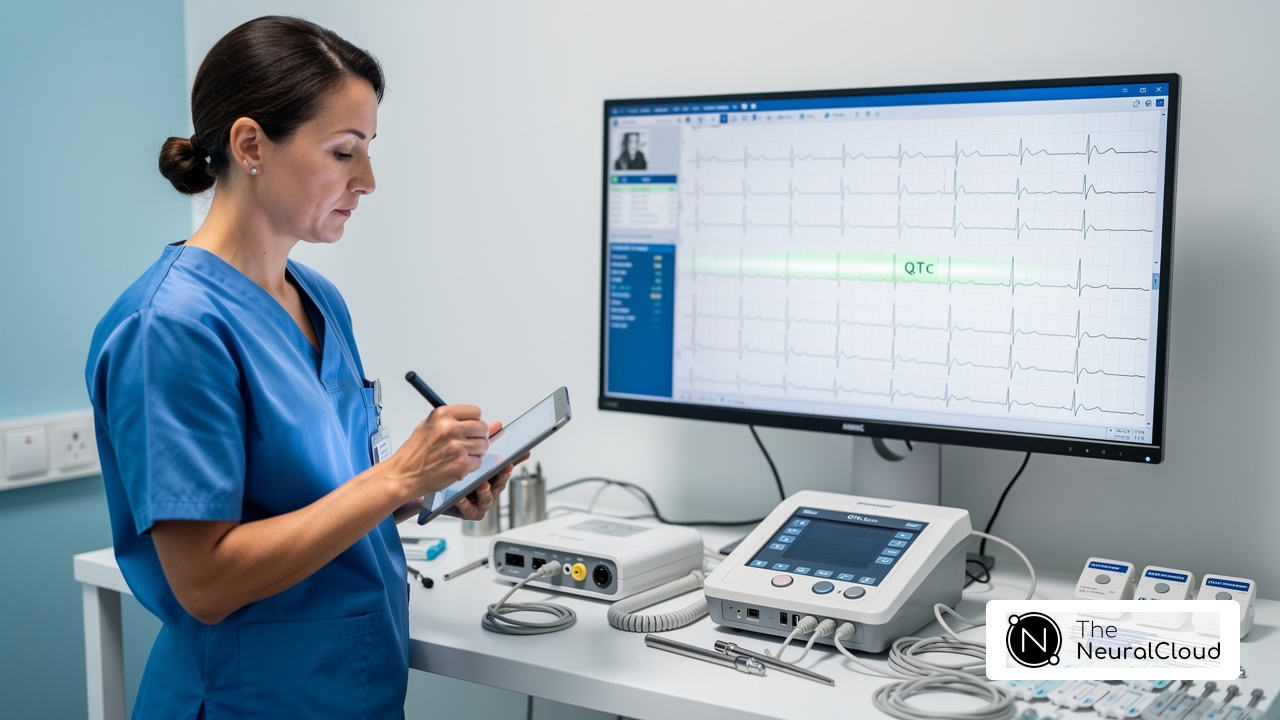
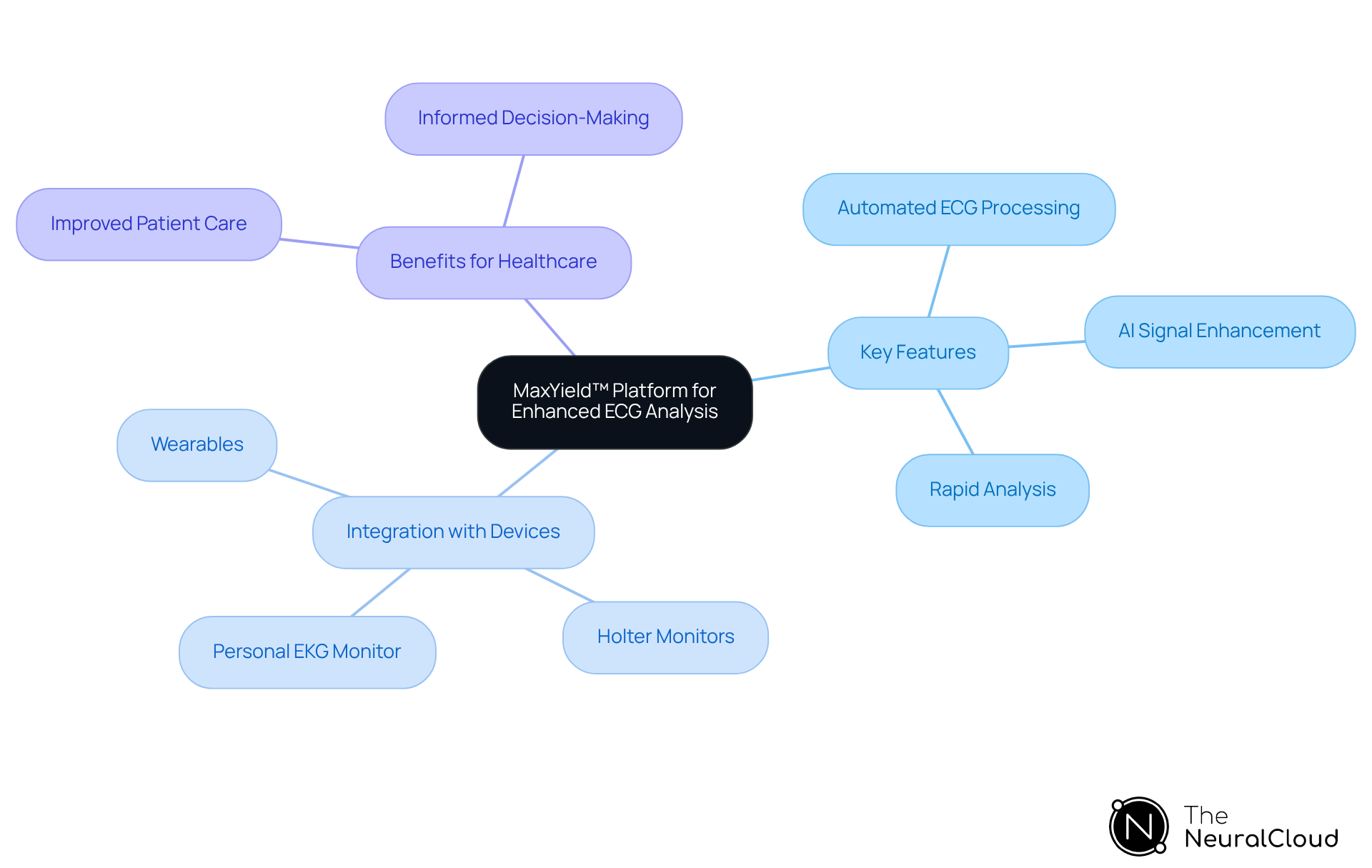
Neural Cloud Solutions' platform revolutionizes healthcare technology by providing advanced noise filtering. This platform can analyze over 200,000 heartbeats in under five minutes, which identifies key features such as P-waves, QRS complexes, and T-wave intervals. By utilizing advanced AI algorithms, the system enhances the clarity of ECG signals, effectively addressing challenges such as physiological variability and signal artifacts. This makes it an essential tool for clinicians and researchers.
The platform's ability to integrate with various devices, including:
- wearables
- smartphones
ensures that clinicians can access accurate and reliable cardiac insights efficiently. This integration streamlines workflows and overcomes inefficiencies in data collection, ultimately improving patient care. By automating complex processes and enhancing signal clarity, the platform empowers healthcare providers to make informed decisions based on real-time data.
Wearable ECG Devices: Key to Early Detection of Heart Issues
A wearable ECG device is essential for the user, allowing users to continuously monitor their cardiac health. These devices can identify irregularities such as atrial fibrillation (AFib) and other arrhythmias, facilitating early intervention. However, the technology often faces challenges due to lengthy and noisy recordings.
Neural Cloud Solutions' platform addresses these challenges by transforming complex ECG data into clean, crisp signals. This advanced AI technology enables real-time analysis, providing users with immediate feedback regarding their heart condition. The integration of AI empowers individuals to take charge of their health while supporting healthcare providers in making informed decisions based on accurate and reliable data.
Testimonials from users highlight the effectiveness of wearable ECG devices in improving health outcomes. This improvement not only benefits personal wellness management but also significantly influences clinical practices regarding the use of a personal EKG monitor. By leveraging technology, both patients and healthcare professionals can experience a more effective approach to cardiac health.
Accuracy of Personal EKG Monitors: What You Need to Know
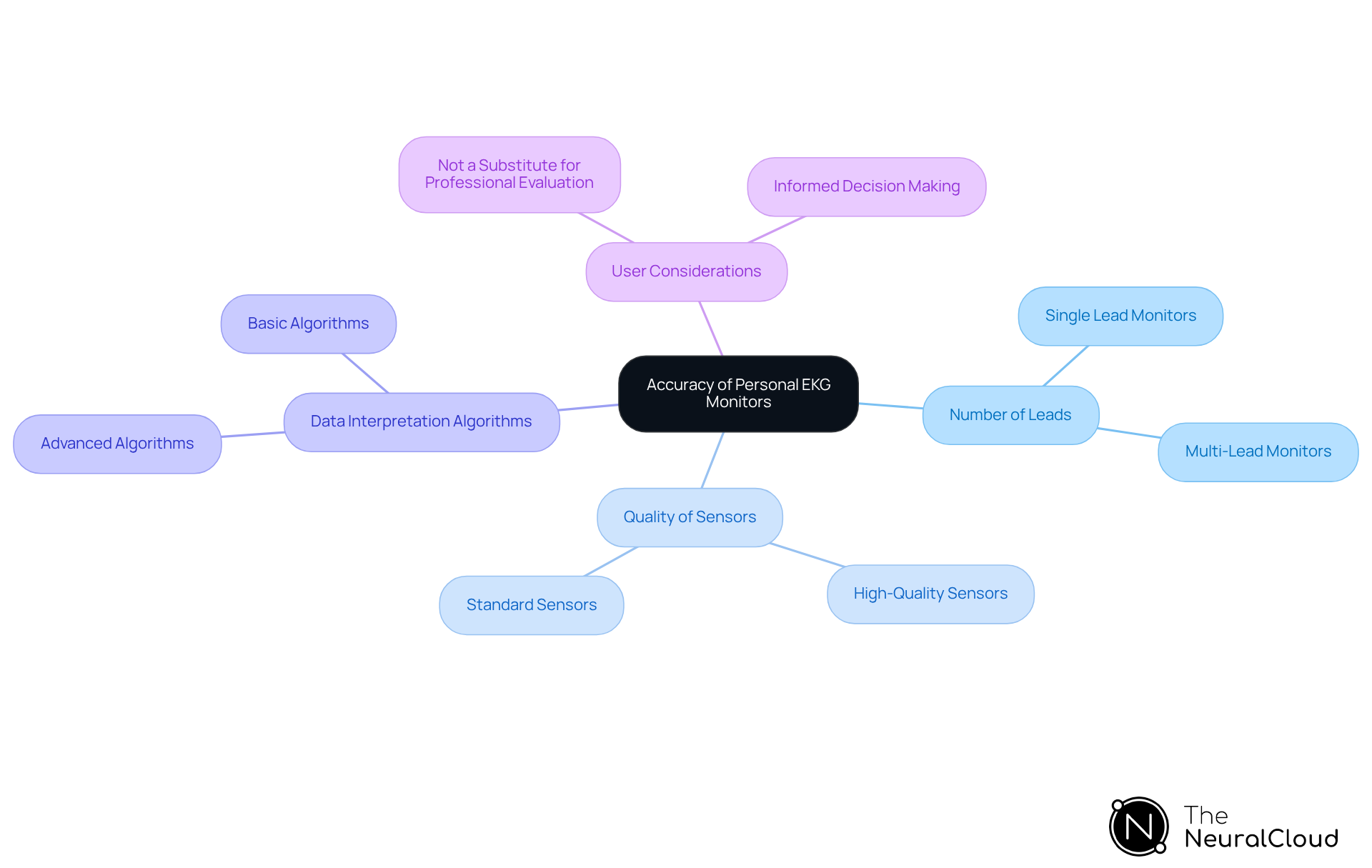
The accuracy of personal EKG monitors can vary significantly across different devices. Some models, such as the KardiaMobile 6L, provide reliable readings, while others may not meet the same standards. Several factors influence this accuracy, including:
- The number of leads
- The quality of sensors
- The algorithms utilized for data analysis
Users should recognize that a personal EKG monitor can provide useful information; however, it should not serve as a substitute for evaluations conducted by healthcare professionals. Understanding these nuances enables users to make informed decisions regarding their health monitoring.
Limitations of Personal EKG Monitors: Understanding the Drawbacks
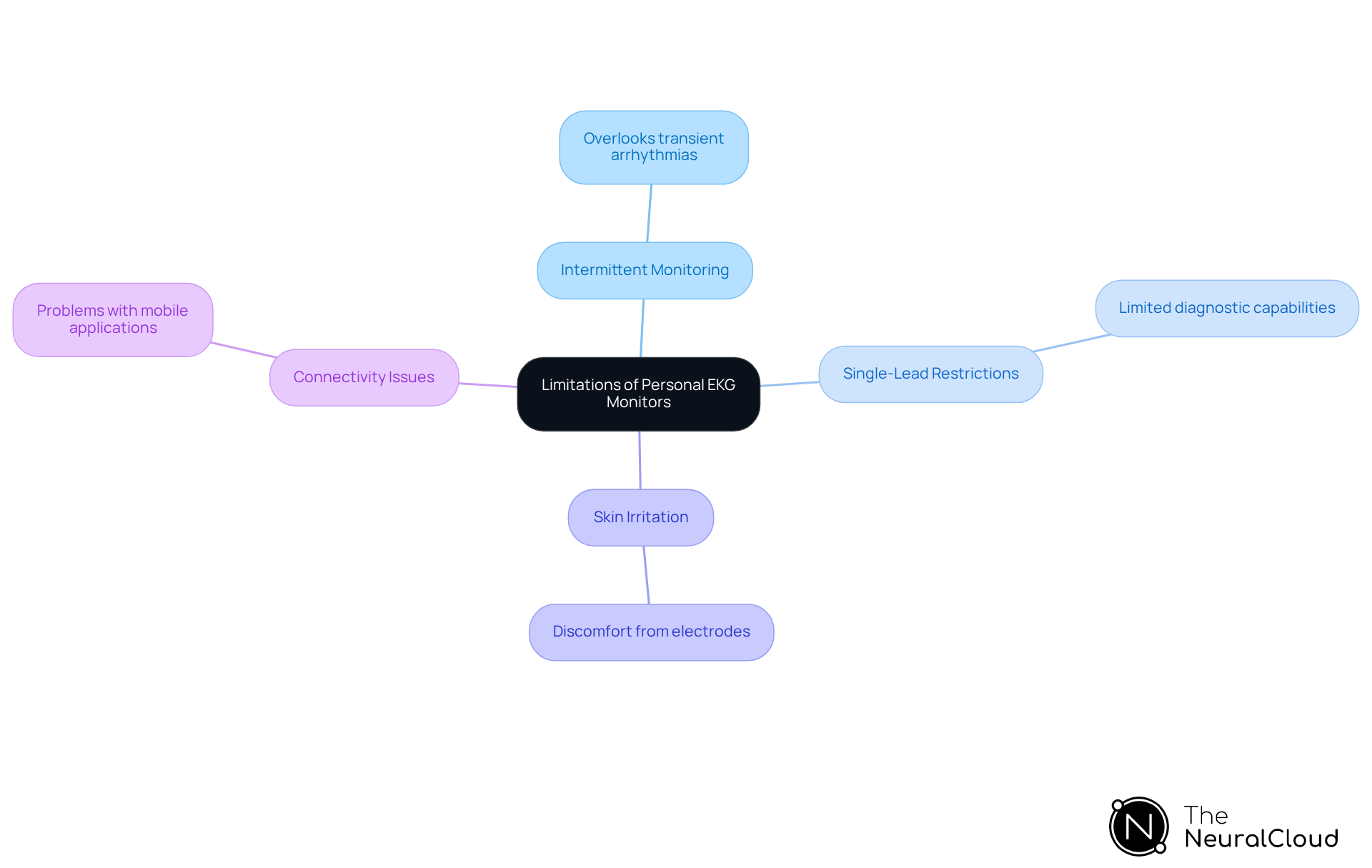
Despite their advantages, a personal EKG monitor has notable limitations. They often provide limited data, which may overlook transient arrhythmias that occur between readings. Additionally, many devices are single-lead, which can restrict their diagnostic capabilities when compared to multi-lead systems used in clinical settings. Users may also encounter difficulties or face challenges with mobile applications. Recognizing these limitations is essential for users aiming to effectively integrate these devices into their health management routines.
AI Integration in Personal EKG Monitors: Enhancing Functionality
The integration of AI in personal EKG monitors effectively addresses significant challenges in healthcare, especially through platforms such as Neural Cloud Solutions' offerings. This tool features advanced algorithms, which enhance its functionality by enabling real-time examination of ECG information. By isolating and labeling key features in every heartbeat, the system identifies patterns and anomalies that may indicate potential heart issues. This leads to more accurate readings and quicker responses to irregularities, ultimately improving patient outcomes.
Furthermore, the predictive capabilities of the system are enhanced as it processes data from various devices, learning from user data over time. This personalization offers tailored insights, making the technology not just a monitoring tool but a proactive health management solution. As AI technology evolves, its role in personal health monitoring is anticipated to expand, offering even greater benefits to users and improving clinical decision-making.
In summary, the integration of AI in personal EKG monitors enhances the accuracy of readings and facilitates timely interventions, making it an essential tool for healthcare professionals. The adaptability of the system ensures that it remains at the forefront of technological advancements in cardiac care.
User Experience with Personal EKG Monitors: Ease of Use and Accessibility
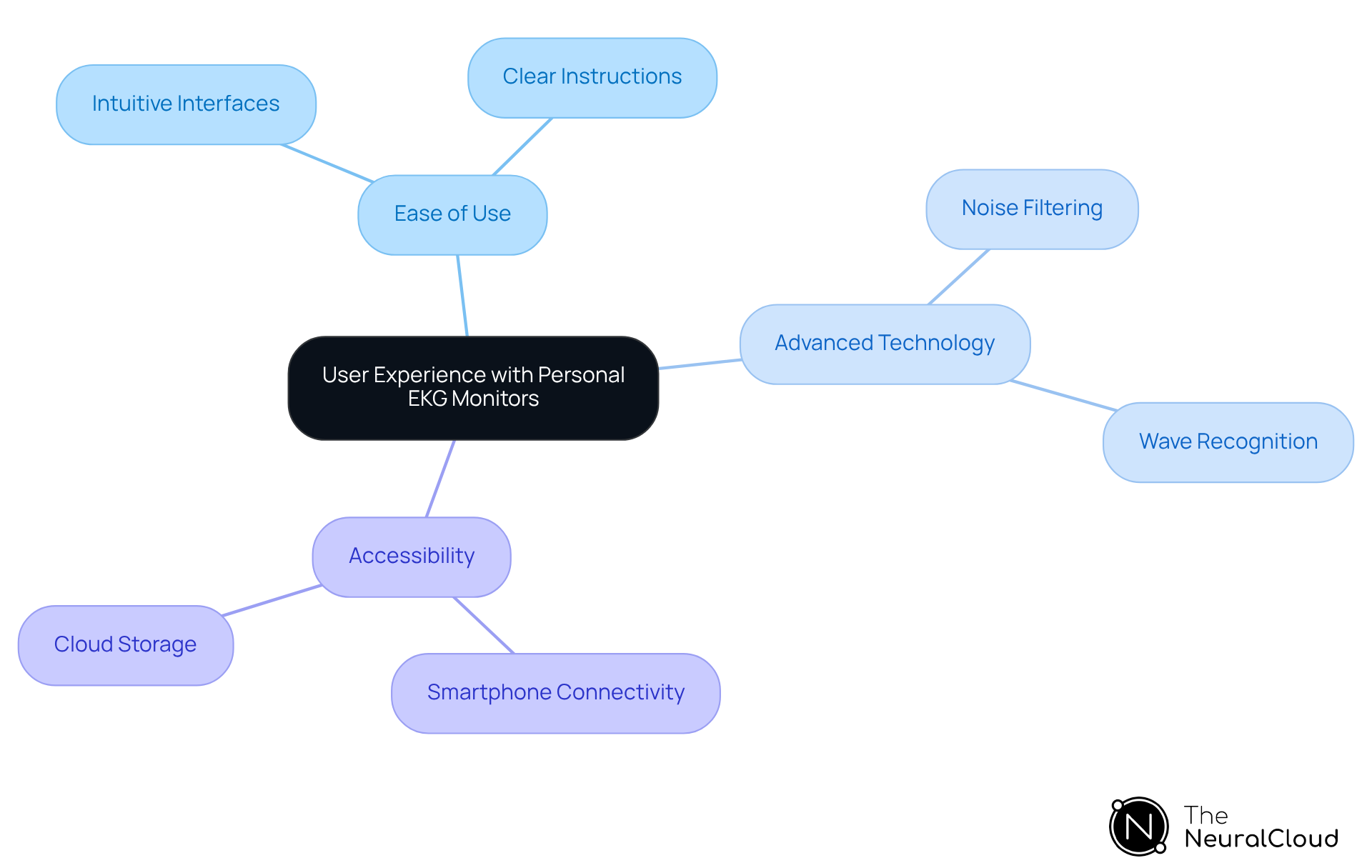
When it comes to user experience, ease of use is paramount. Devices that are easy to use, with intuitive interfaces and clear instructions, are more likely to be adopted by users. Many modern personal EKG monitors are designed to be portable and user-friendly, enabling individuals to conduct tests or monitor their heart health while traveling.
The integration of advanced technologies enhances the efficacy of these devices. Sophisticated noise filtering and distinct wave recognition enable users to achieve more accurate readings, even in challenging conditions. The continuous learning model of personal EKG monitors not only improves the accuracy of readings but also enhances diagnostic capabilities over time.
Accessibility options, such as smartphone connectivity and cloud information storage, further improve the user experience. These features allow individuals to monitor their heart condition over time and share information with healthcare providers effortlessly.
In summary, the platform addresses the challenges in user experience by offering user-friendly devices, such as a personal EKG monitor, equipped with advanced features. This results in improved accuracy and convenience for users, ultimately benefiting healthcare professionals by providing valuable data.
Personal EKG Monitors in Lifestyle Management: Aiding Heart Health
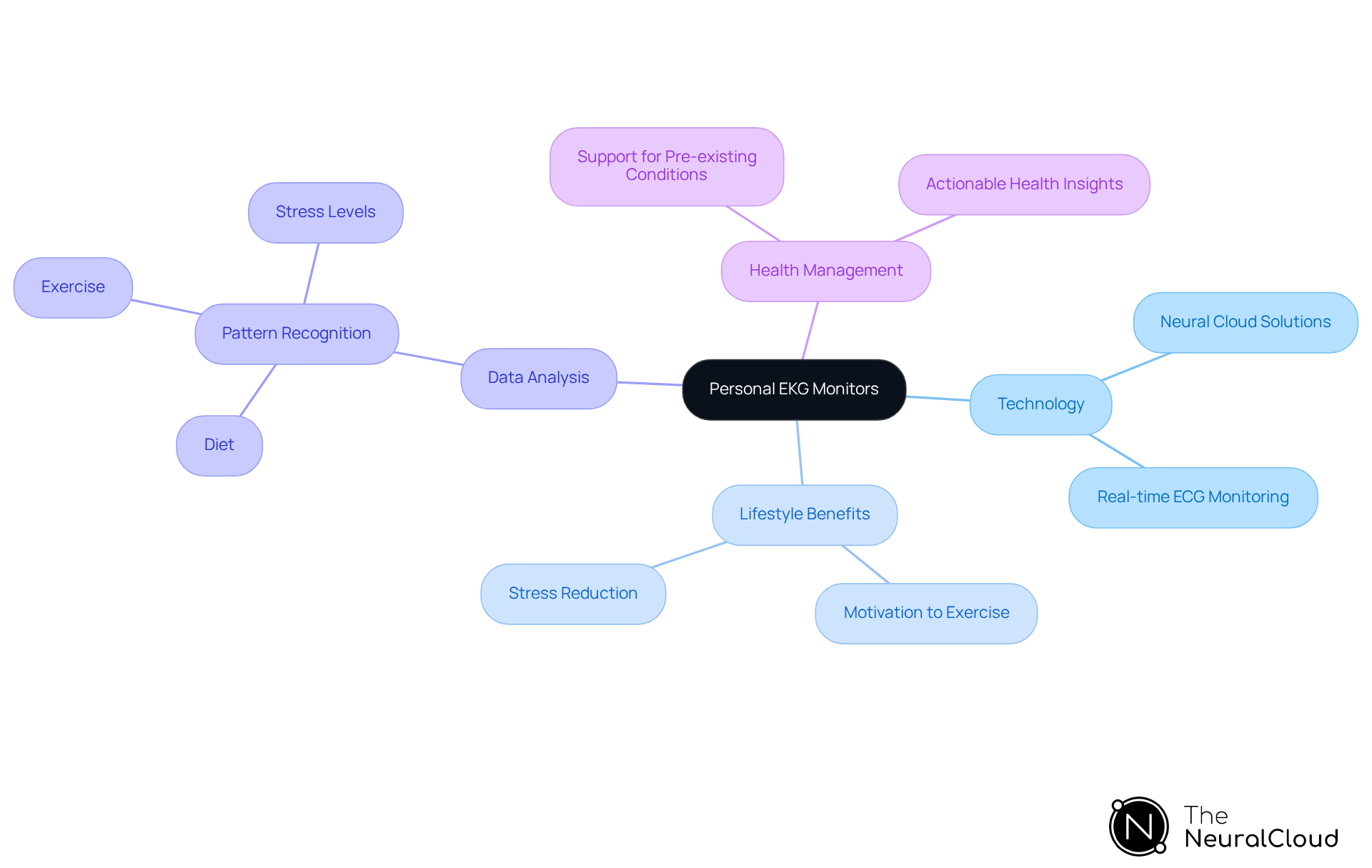
Personal EKG Monitors serve as essential tools in lifestyle management, providing users with real-time insights into their heart health. These devices leverage advanced technologies, such as artificial intelligence, to efficiently mark onsets, offsets, and time-series intervals. This capability allows users to analyze extensive information in a shorter timeframe.
By consistently monitoring their ECG, individuals can uncover patterns linked to their lifestyle choices, including diet, exercise, and stress levels. This data can motivate users to make positive changes, such as increasing physical activity or reducing stress, ultimately leading to improved heart health. Moreover, these monitors serve as valuable resources for individuals with pre-existing conditions, helping them manage their health more effectively while providing actionable insights through sophisticated neural network models.
Regulatory Considerations for Personal EKG Monitors: Ensuring Safety
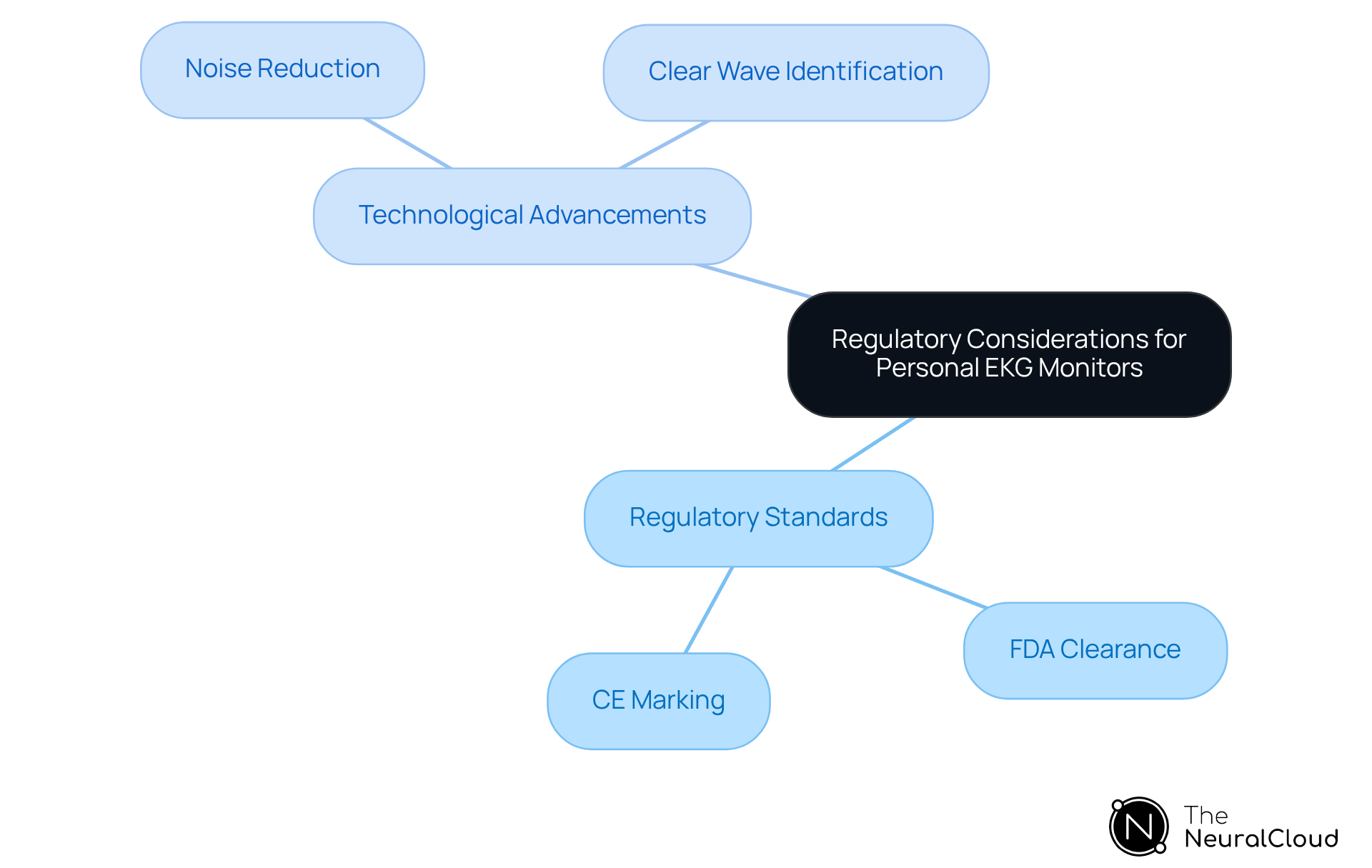
When selecting a personal EKG monitor, it is crucial to consider regulatory compliance. Devices that have received FDA clearance or CE marking have undergone rigorous testing to ensure their safety and efficacy. Users should prioritize devices, such as a wearable ECG device, that meet these standards, as this compliance provides assurance that the device has been evaluated for performance and reliability. Understanding the regulatory environment can help users navigate the complexities of personal wellness monitoring, enabling them to make informed decisions about the devices they choose.
Integrating cutting-edge technologies that excel in signal processing and clear wave identification significantly enhances the reliability of ECG information. This advancement aids in adhering to evolving medical technology standards. By isolating critical data from noisy recordings, the system not only improves accuracy but also ensures compliance with regulatory requirements. Ultimately, this contributes to safer and more effective heart monitoring solutions.
Future Trends in Personal EKG Monitoring Technology: What to Expect
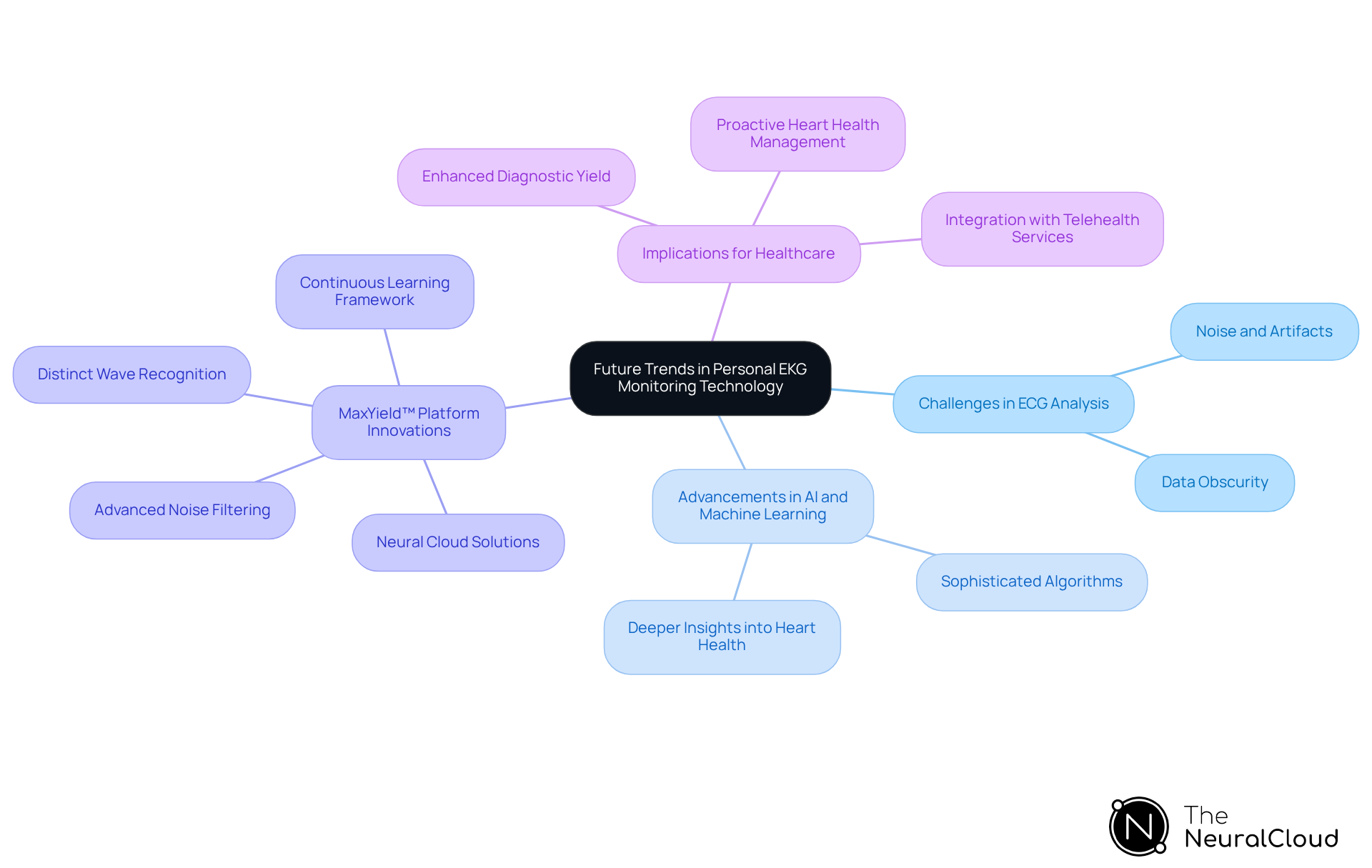
The future of personal EKG monitor technology is promising, with several trends expected to shape its evolution. One significant challenge in ECG analysis is the presence of noise, which can obscure critical data. However, advancements in AI and machine learning are leading to more sophisticated algorithms capable of providing deeper insights into heart health.
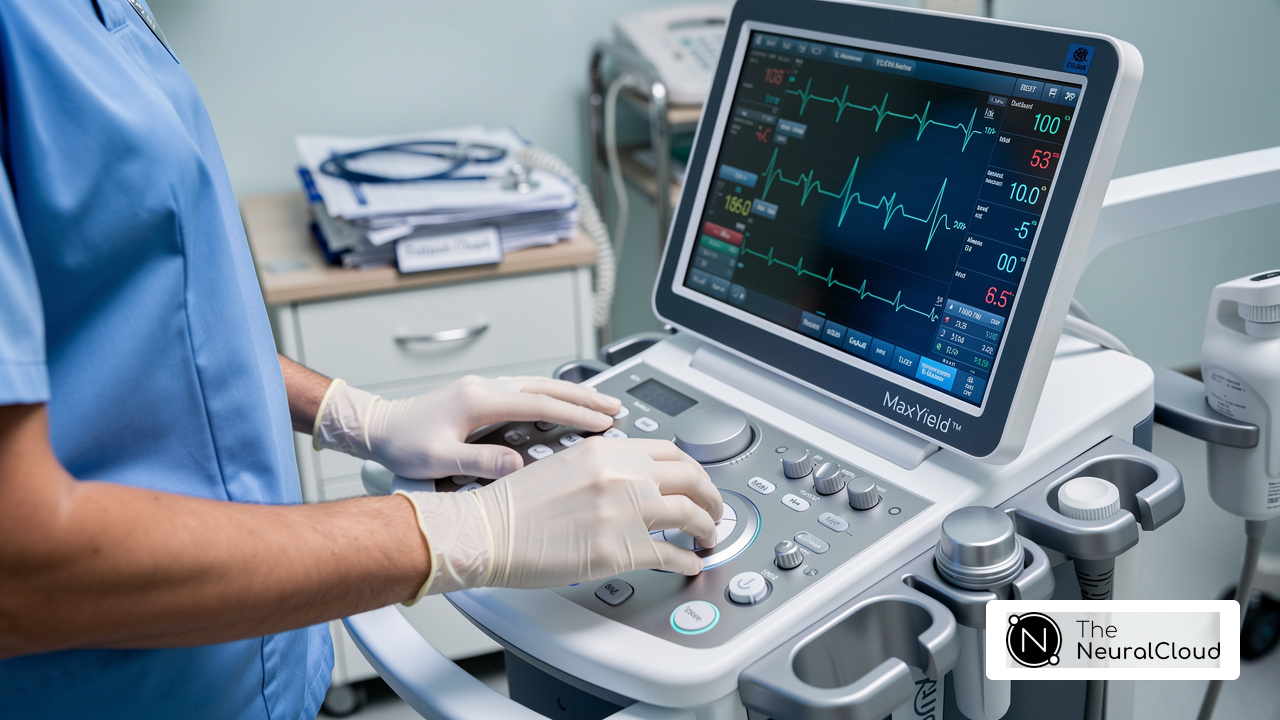
A prime example of this evolution is the MaxYield™ platform, which utilizes 'Neural Cloud Solutions' technology. This innovative approach employs advanced algorithms and distinct wave recognition to enhance ECG analysis. By enabling the quick separation of essential information, even in recordings with high levels of noise, MaxYield™ significantly enhances diagnostic yield. As a result, healthcare professionals can rely on more accurate data for their assessments.
Moreover, the ongoing learning framework of MaxYield™ ensures that its precision and effectiveness will progress with every application. This adaptability allows the platform to adjust to new information and continuously improve ECG analysis over time. The integration of wearable technology with telehealth services further enhances the accessibility of cardiac monitoring, facilitating remote monitoring and remote consultations with healthcare providers.
As technology continues to advance, personal EKG monitors are expected to become more accurate, user-friendly, and integral to heart health management. This evolution not only supports healthcare professionals in delivering better patient care but also empowers individuals to take a proactive approach to their heart health.
Impact of Personal EKG Monitors on Heart Health: A Comprehensive Overview
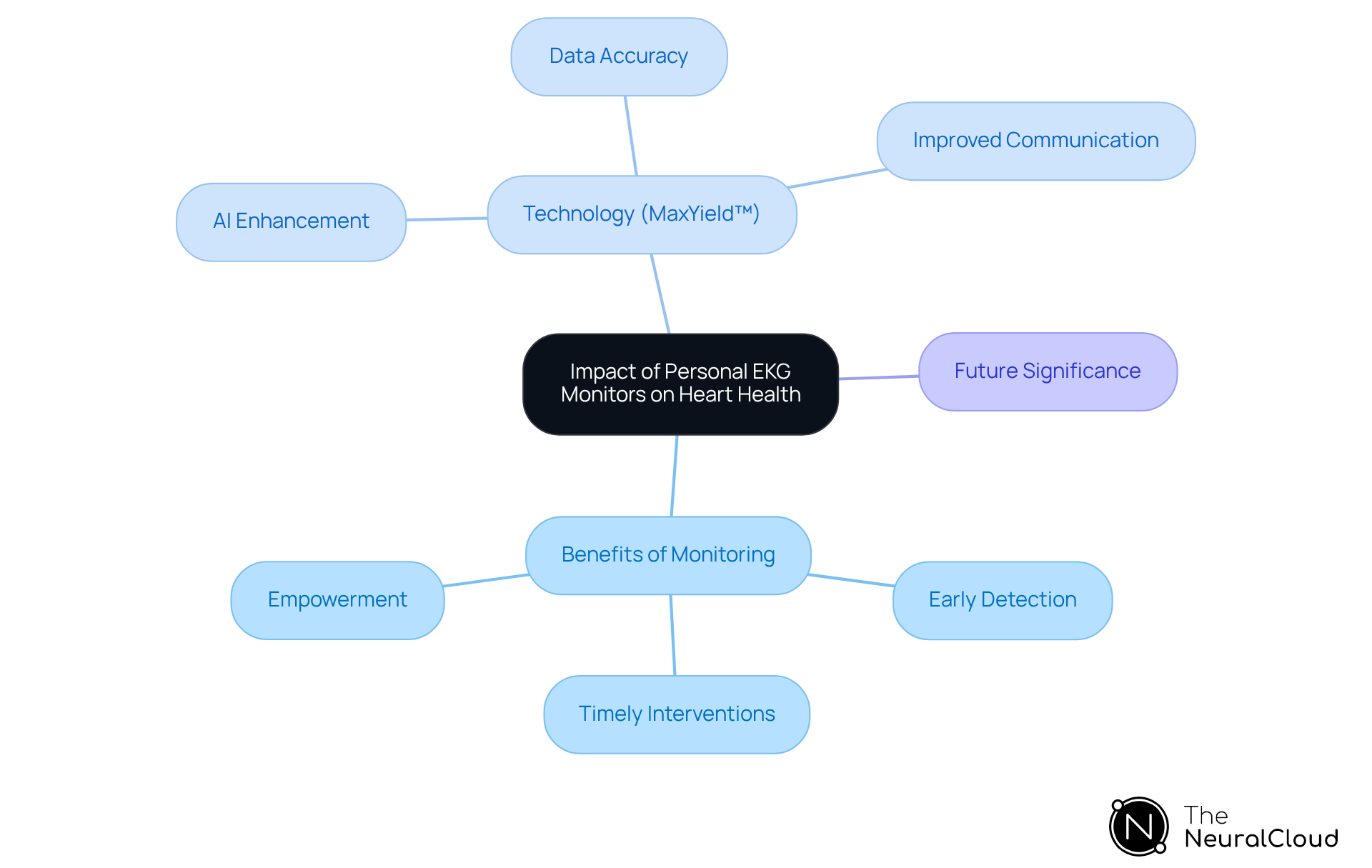
significantly improve heart wellness by empowering individuals to actively manage their health. These devices facilitate regular monitoring, allowing for the detection of irregularities, which leads to timely interventions and improved outcomes.
The integration of Neural Cloud Solutions' technology revolutionizes cardiovascular monitoring. By transforming noisy ECG recordings into clean, crisp signals, it enhances the clarity and speed of ambulatory ECG waveform analysis. This not only increases the accuracy of the data collected but also fosters better communication between patients and healthcare professionals, promoting collaborative strategies for effective cardiovascular management.
As personal EKG monitors evolve, their significance in enhancing heart health will increasingly solidify their role as essential tools in modern healthcare. Health tech developers should consider leveraging such technologies to improve patient outcomes, ensuring that the benefits of these innovations are accessible to a broader audience.
Conclusion
Personal EKG monitors signify a transformative advancement in cardiovascular health management, enabling individuals to proactively monitor their heart health. By integrating cutting-edge technologies such as Neural Cloud Solutions' MaxYield™ platform, these devices enhance the accuracy and clarity of ECG analysis. This empowerment allows users and healthcare providers to make informed decisions based on real-time data.
Key insights emerged regarding the capabilities of personal EKG monitors, particularly their role in the early detection of heart issues:
- Accuracy is paramount, and users should be aware of certain limitations.
- The integration of AI significantly impacts the effectiveness of these devices.
- User experience and accessibility are crucial for promoting widespread adoption.
- Regulatory considerations ensure safety and reliability in their use.
As the landscape of personal EKG monitoring evolves, it is evident that these devices are essential tools in modern healthcare. They not only facilitate improved heart health management but also encourage individuals to adopt healthier lifestyles. Embracing advancements in personal EKG technology is vital for both health tech developers and users, paving the way for enhanced cardiovascular outcomes and a proactive approach to heart health.
Frequently Asked Questions
What is the MaxYield™ platform by Neural Cloud Solutions?
The MaxYield™ platform is a revolutionary tool for ECG analysis that automates the processing of ECG signals using advanced noise filtering methodologies. It can analyze over 200,000 heartbeats in under five minutes, providing detailed beat-by-beat analysis.
How does the MaxYield™ platform enhance ECG signal clarity?
The platform utilizes advanced AI algorithms to improve the clarity of ECG signals, effectively addressing challenges such as physiological variability and signal artifacts.
What types of devices can the MaxYield™ platform integrate with?
The MaxYield™ platform can integrate with various devices, including wearables, Holter monitors, and personal EKG monitors, allowing clinicians to access accurate cardiac insights efficiently.
How does the MaxYield™ platform improve patient care?
By automating complex processes and enhancing signal clarity, the platform streamlines workflows and enables healthcare professionals to make informed decisions based on real-time data, ultimately improving patient care.
Why are personal EKG monitors important for heart health?
Personal EKG monitors are crucial for the early detection of heart issues as they allow continuous monitoring of cardiac health and can identify irregularities like atrial fibrillation (AFib) and other arrhythmias, facilitating timely medical intervention.
What challenges does ECG analysis face, and how does MaxYield™ address them?
ECG analysis often faces challenges due to lengthy and noisy recordings. MaxYield™ transforms complex ECG data into clean signals and enables real-time analysis, providing users with immediate feedback regarding their heart condition.
How accurate are personal EKG monitors?
The accuracy of personal EKG monitors can vary significantly among devices. Some models, like the KardiaMobile 6L, provide clinical-grade accuracy, while others may not meet the same standards. Factors influencing accuracy include the number of leads, quality of sensors, and algorithms used for data interpretation.
Should personal EKG monitors replace professional medical evaluations?
While personal EKG monitors can provide valuable insights, they should not serve as a substitute for comprehensive evaluations conducted by healthcare professionals. Users should understand these nuances to make informed decisions regarding their heart health monitoring.