Introduction
The landscape of ECG analysis is evolving rapidly, driven by advancements in technology and the increasing complexity of cardiac diagnostics. Among the pivotal frameworks guiding this evolution are the Scarbossa criteria, essential guidelines for identifying acute myocardial infarction, particularly in patients with left bundle branch block. This article explores ten key insights that illuminate the significance of these criteria, detailing how they enhance diagnostic accuracy and decision-making in cardiology. As the integration of artificial intelligence and advanced analytical tools reshapes the field, it becomes crucial for clinicians to navigate the challenges posed by these innovations while ensuring optimal patient outcomes.
Neural Cloud Solutions' MaxYield™: Transforming ECG Analysis with Advanced AI
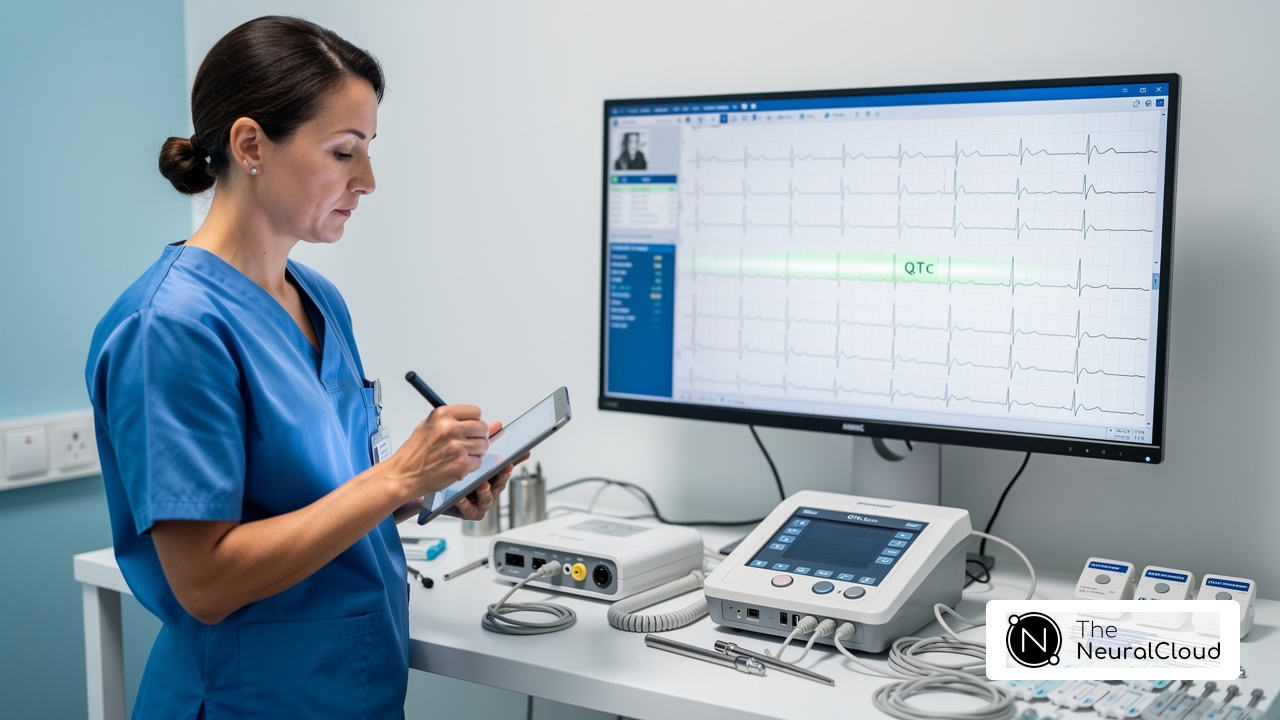
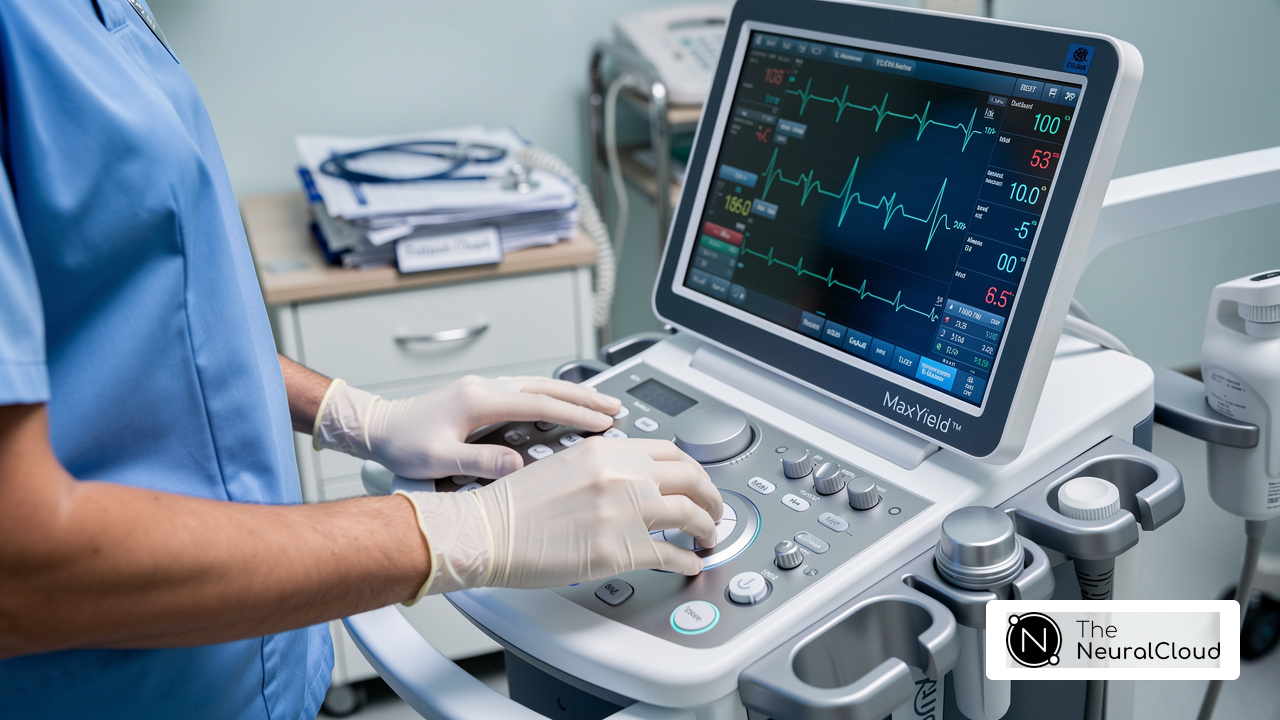
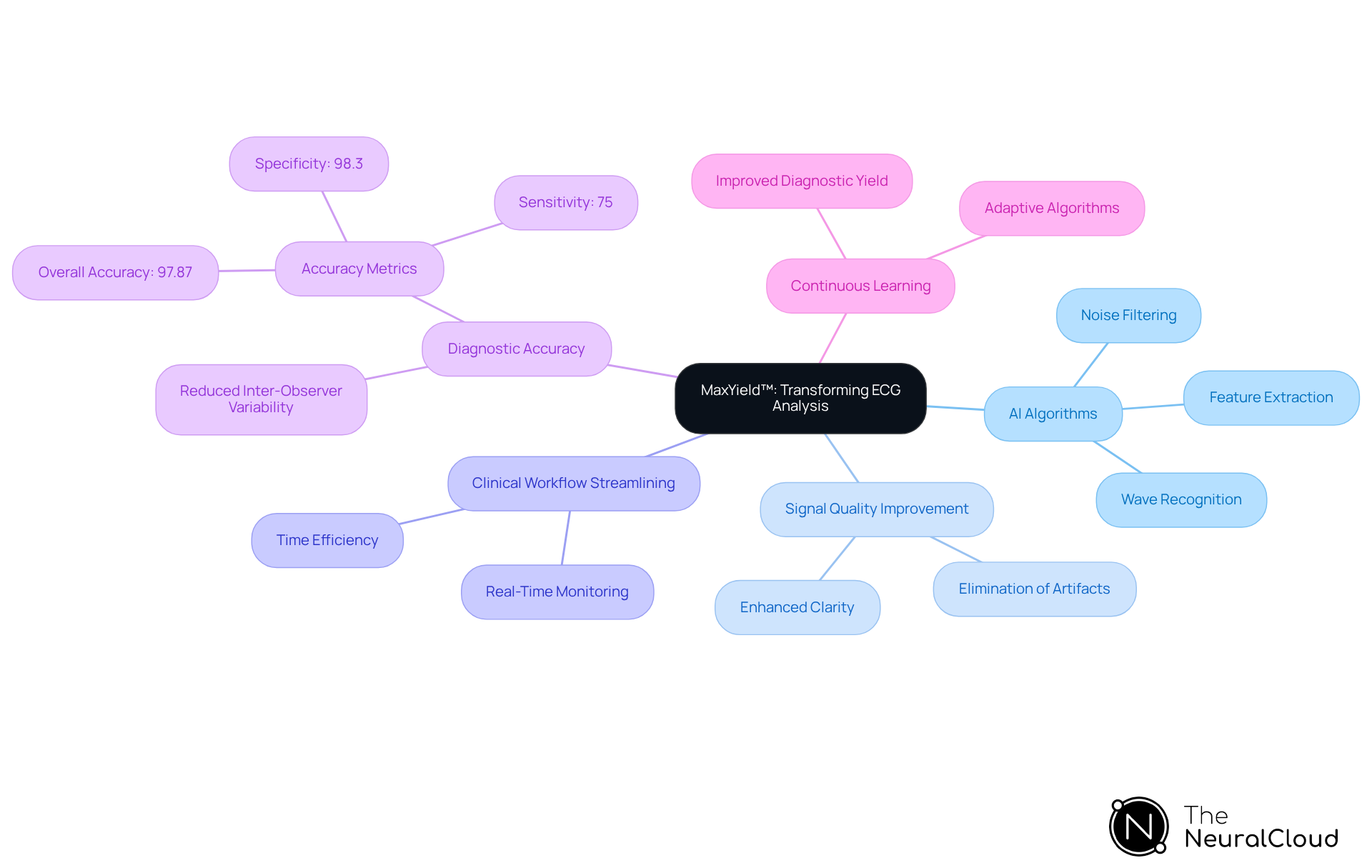
Neural Cloud Solutions' platform employs advanced AI to revolutionize ECG analysis, significantly improving the clarity and reliability of cardiac data. This system can process over 200,000 heartbeats in less than five minutes, enabling healthcare professionals to focus on patient care rather than time-consuming manual data interpretation. This innovative technology not only streamlines ECG analysis but also ensures that clinicians receive accurate and actionable insights, fundamentally transforming diagnostics across various healthcare settings.
The integration of AI in ECG diagnostics has proven to enhance signal quality by effectively eliminating noise and artifacts, thus facilitating the extraction of features that might otherwise be overlooked. The system utilizes sophisticated noise filtering and distinct wave recognition to recover previously obscured segments of lengthy Holter, 1-Lead, and patch monitor recordings. This functionality is crucial for addressing challenges such as physiological variability and signal distortion, which can hinder precise evaluation. Moreover, the continuous learning model of the system improves its diagnostic yield over time, adapting to enhance accuracy and efficiency. Research indicates that AI algorithms can achieve an improvement in ECG screening, with a specificity of 98.3%. These advancements highlight the platform's capability to deliver reliable cardiac assessments, essential for timely medical interventions.
Expert cardiologists have recognized the substantial benefits of AI integration, emphasizing its contribution to improved diagnostic accuracy and reduced inter-observer variability. The platform exemplifies this transition towards more standardized and efficient ECG interpretation, in line with the increasing trend of AI integration in clinical practice. As the field of ECG analysis continues to advance, Neural Cloud Solutions remains at the forefront, empowering healthcare providers to offer optimal care through innovative technology.
Understanding the Scarbossa Criteria: Key Principles for ECG Interpretation
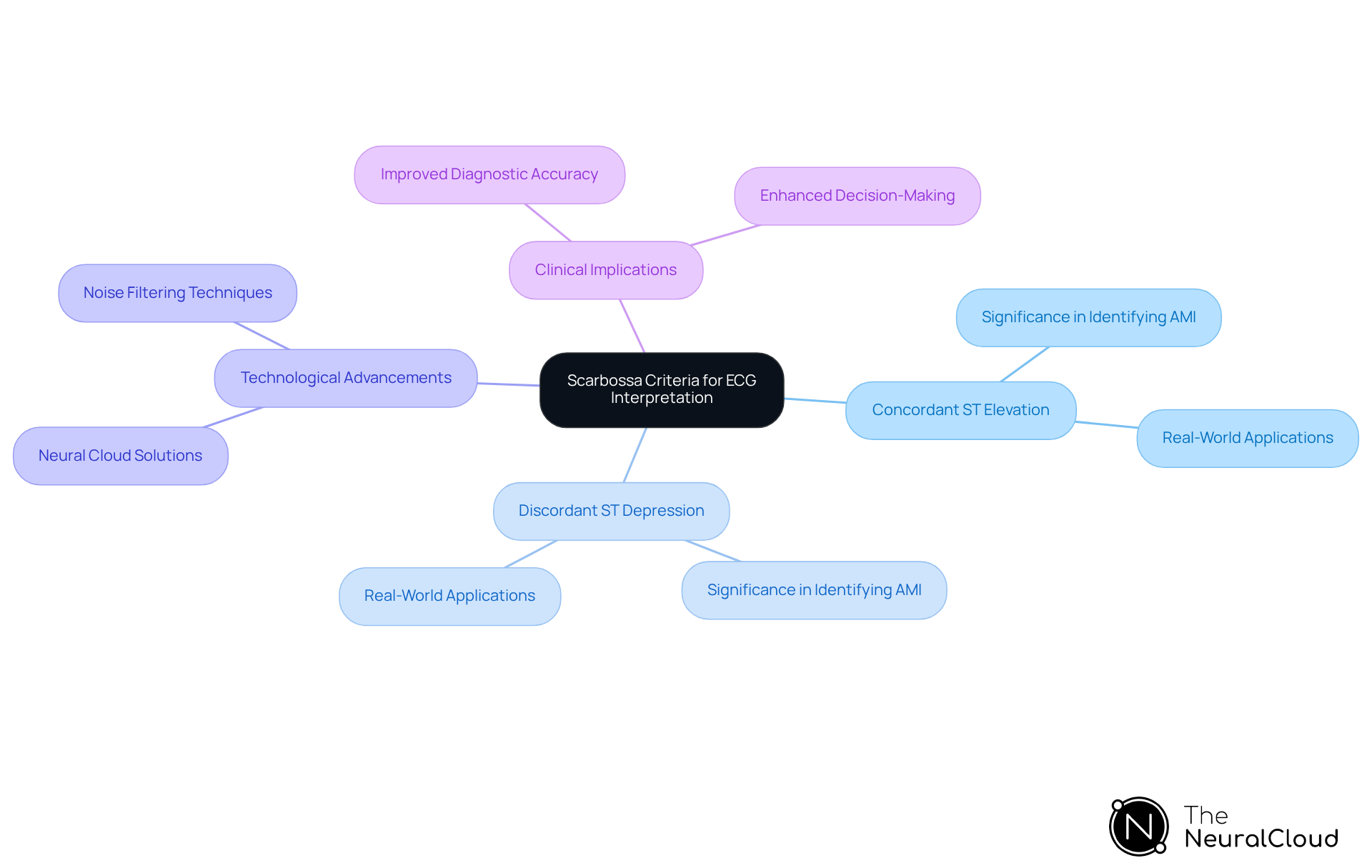
The identification of acute myocardial infarction (AMI) in individuals presenting with left bundle branch block (LBBB) relies heavily on the Scarbossa criteria as essential guidelines. These criteria emphasize specific ECG patterns, including concordant ST elevation and excessive discordance, which are pivotal in distinguishing true ischemic changes from benign variants. Mastery of these principles is crucial for clinicians, as precise interpretation can lead to interventions that significantly enhance outcomes for patients.
Current guidelines emphasize the significance of the Scarbossa criteria in the diagnosis of AMI. Cardiologists stress that recognizing these specific ECG patterns is vital, especially in cases where traditional signs of myocardial infarction may be obscured by LBBB. For example, a study demonstrated that applying the Scarbossa criteria effectively identified AMI in patients who otherwise presented with ambiguous ECG findings, showcasing their real-world applicability.
In clinical practice, the use of the Scarbossa criteria not only aids diagnosis but also facilitates better decision-making in acute cardiac care. The integration of advanced technologies, such as Neural Cloud Solutions' platform, can significantly enhance this process by addressing challenges like noise interference. The system employs advanced noise filtering and distinct wave recognition to isolate critical ECG data, ensuring that the application of the Scarbossa criteria is accurate and efficient.
As healthcare professionals continue to refine their skills in ECG interpretation, the integration of these criteria with clinical experience will be essential in improving the management of patients with suspected myocardial infarction.
Noise Reduction Techniques: Enhancing ECG Signal Clarity for Accurate Analysis
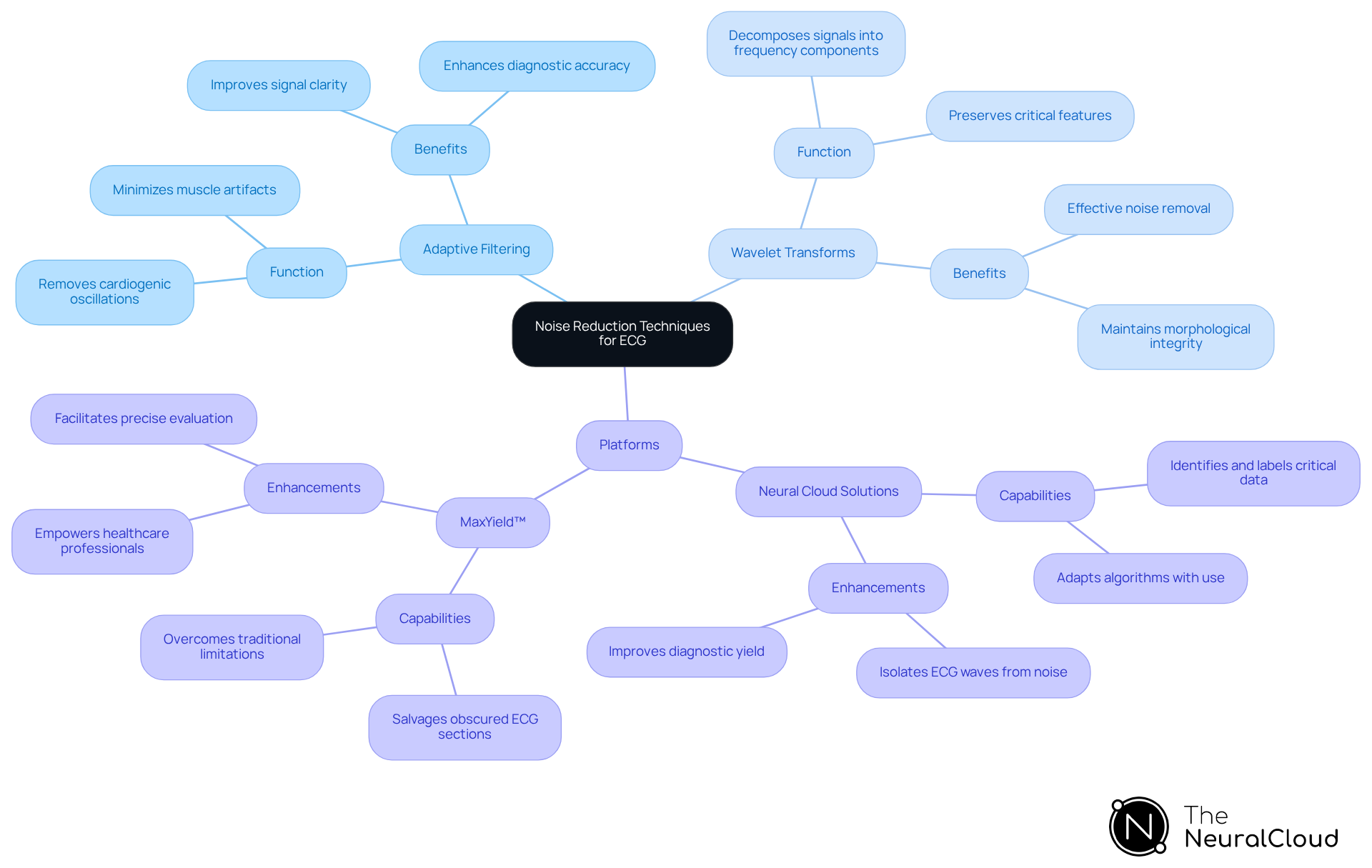
Noise reduction techniques, such as filtering and wavelet transforms, are essential for enhancing the clarity of ECG signals. These methods effectively minimize artifacts caused by muscle contractions and electrical interference, ensuring that the true cardiac signals are preserved. The Neural Cloud Solutions platform takes this a step further by employing advanced algorithms that not only identify and label critical data but also adaptively evolve with each use. This approach rapidly improves recordings affected by baseline wander, movement, and muscle artifact, significantly enhancing signal quality.
Furthermore, the technology can salvage previously obscured sections of lengthy recordings, overcoming traditional ECG interpretation limitations that rely on preset algorithms and pattern recognition. Such clarity is crucial for precise evaluation and interpretation, especially when applying the Scarbossa Criteria, as even subtle changes in the ECG can indicate significant cardiac events. The ability of MaxYield™ to enhance not only signal clarity but also empowers healthcare professionals with more reliable data for patient care.
Automated Waveform Labeling: Streamlining ECG Analysis with Precision
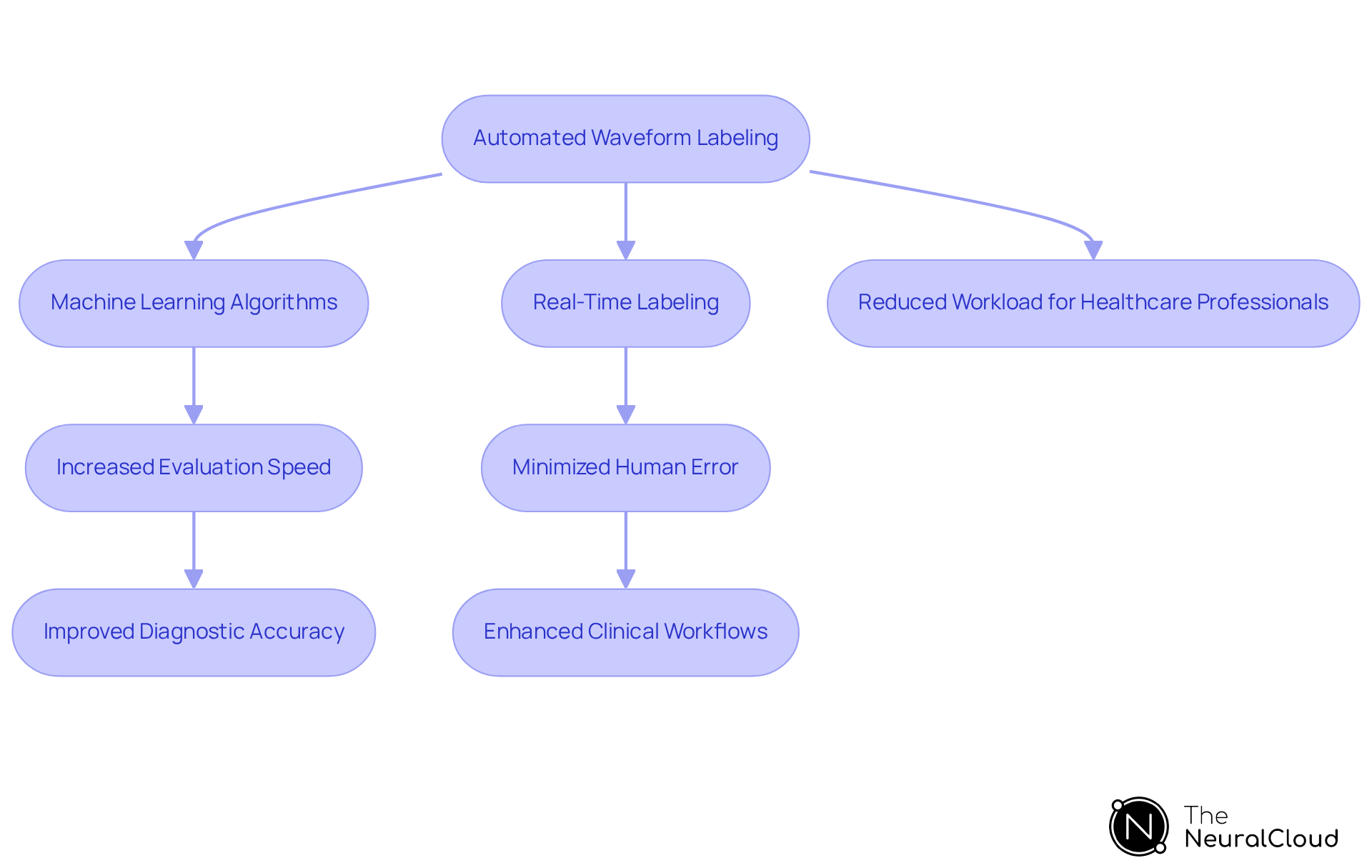
represents a significant advancement in ECG evaluation, facilitating the precise identification of waveforms. Leveraging machine learning algorithms, platforms like MaxYield™ from Neural Cloud Solutions can label these waveforms in real-time, significantly alleviating the workload for healthcare professionals. This automation accelerates the evaluation process and minimizes the potential for human error, leading to more reliable diagnostic outcomes.
In 2025, the incorporation of technology has yielded notable improvements. Studies indicate that diagnostic accuracy has increased. For instance, MaxYield™ offers rapid analysis, enabling the review of 200,000 heartbeats in under 5 minutes, showcasing its efficiency.
A convolutional neural network (CNN) has demonstrated an impressive accuracy of 99.15% for diagnosing normal rhythm and atrial fibrillation, highlighting the effectiveness of these technologies in clinical settings. Healthcare experts have noted that advancements in machine learning could significantly enhance clinical workflows, promoting faster decision-making and improved patient care.
As one expert remarked, 'Machine learning applied to ECG analysis is a sensitive screening test that can help identify arrhythmias.' This underscores the growing consensus regarding the importance of technology in improving the accuracy and efficiency of ECG waveform identification.
Wearable Technology in ECG Monitoring: Advancements and Applications
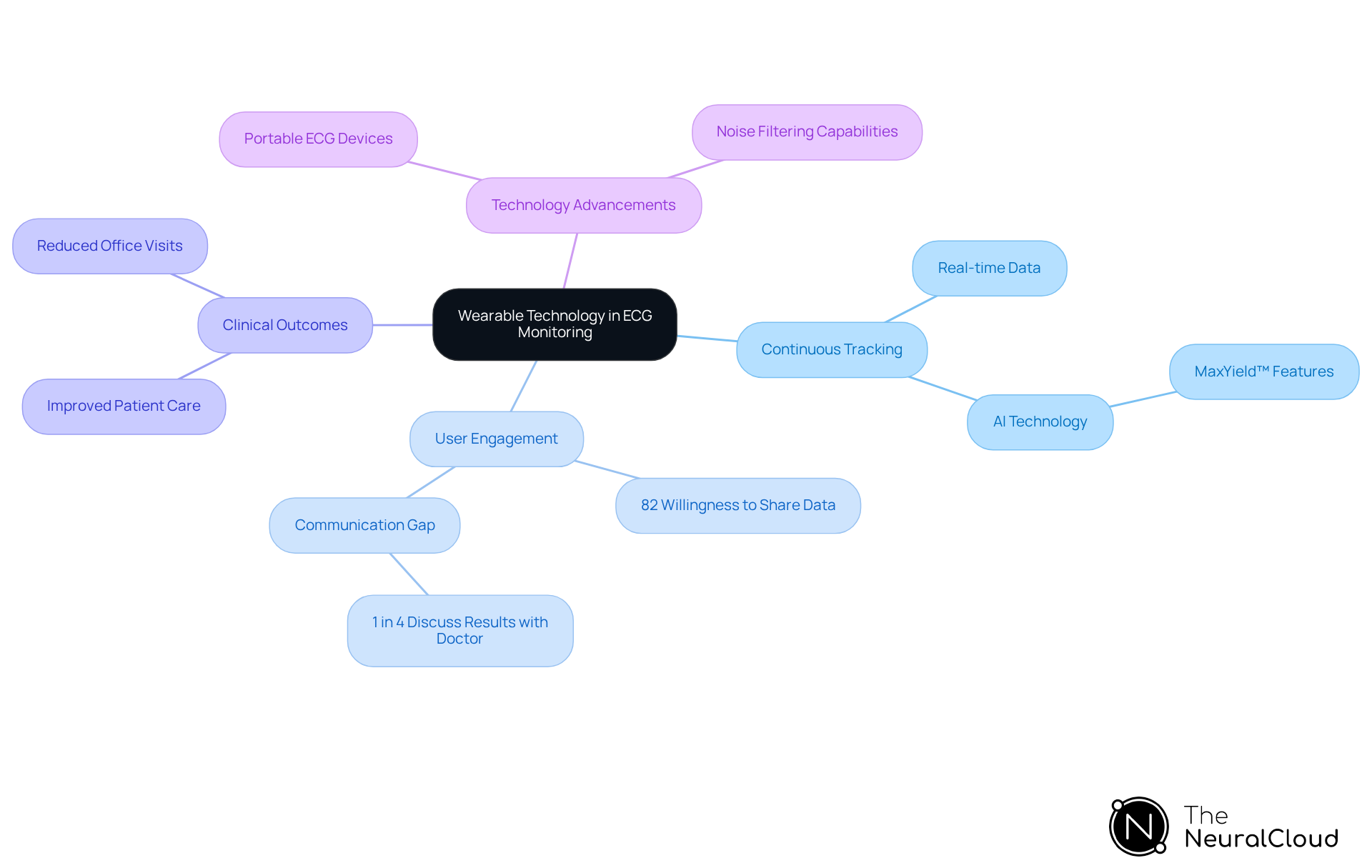
Wearable technology has fundamentally transformed ECG monitoring by enabling individuals to record their heart activity in real-time, yielding critical data for clinicians. This capability not only aids in the early detection of cardiac issues but also significantly boosts patient outcomes. For instance, a study indicated that 82% of wearable device users are willing to share their health data with clinicians, underscoring the potential for improved clinical care and monitoring. However, only 1 in 4 Americans who use a device to monitor their heart health discuss the results with their doctor, highlighting a gap in communication that needs to be addressed.
Moreover, advancements in wearable technology, especially when combined with various AI solutions, have demonstrated potential in enhancing ECG analysis. AI technology converts extensive and chaotic ECG recordings into clear, precise signals, utilizing advanced algorithms for clarity and speed in ambulatory ECG waveform evaluation. Its advanced noise filtering and distinct wave recognition capabilities allow for the rapid isolation of ECG waves from recordings affected by baseline wander, movement, and muscle artifact. This ensures that previously obscured sections of lengthy Holter, 1-Lead, and patch monitor recordings can be salvaged, thus enhancing the quality of care by allowing data to be sent directly to physicians and reducing the need for office visits.
As these technologies advance, they are becoming essential instruments in contemporary ECG evaluation, connecting the divide between individual awareness and clinical intervention. Health tech developers should concentrate on enhancing user engagement strategies to ensure that individuals not only utilize these devices but also effectively communicate their findings with healthcare providers.
Beat-by-Beat Analysis: Improving Diagnostic Accuracy in ECG Interpretation
Beat-by-beat evaluation allows clinicians to examine each heartbeat individually, offering a comprehensive view of cardiac health. This detailed approach proves particularly beneficial when applying the Scarbossa Criteria, as it aids in identifying subtle changes in the ECG that may signal ischemic events. Notably, research shows that AI models like DeepRhythmAI have achieved a significant improvement in diagnostic accuracy compared to traditional methods. By employing this meticulous examination, healthcare providers can enhance patient outcomes and ensure high-quality care.
Cardiologists have noted that such thorough evaluations not only support the diagnostic process but also streamline patient management, leading to more efficient decision-making in healthcare management. As the field of cardiology evolves in 2025, the integration of advanced technologies is set to revolutionize patient care and safety for patients.
Clinical Implications of the Scarbossa Criteria: Enhancing Decision-Making in Cardiology
In emergency medicine, the Scarbossa criteria are essential for the timely diagnosis of cardiac conditions. By utilizing these criteria, clinicians can improve their decision-making processes regarding patient care, determining when further testing or immediate intervention is necessary. This organized approach not only enhances the diagnostic accuracy but also significantly influences outcomes for individuals in critical situations. Emergency medicine professionals emphasize the importance of a systematic review of cardiac findings, as abnormalities can prompt urgent interventions that alter treatment trajectories. Real-world applications of the Scarbossa criteria have demonstrated improvements in patient management, allowing healthcare providers to act swiftly and effectively.
The integration of Neural Cloud Solutions' technology further enhances this process by automating repetitive tasks, streamlining workflows, and addressing challenges such as data inconsistencies and signal artifacts. This ensures clinicians have access to clean and reliable data for decision-making, which is crucial in high-pressure environments. Moreover, it is essential to recognize the potential gender disparities, as women often experience different symptoms and may be misdiagnosed. Addressing these disparities is vital for optimizing care and ensuring that critical cardiac conditions are managed promptly.
Challenges in ECG Analysis: Navigating the Scarbossa Criteria in Practice
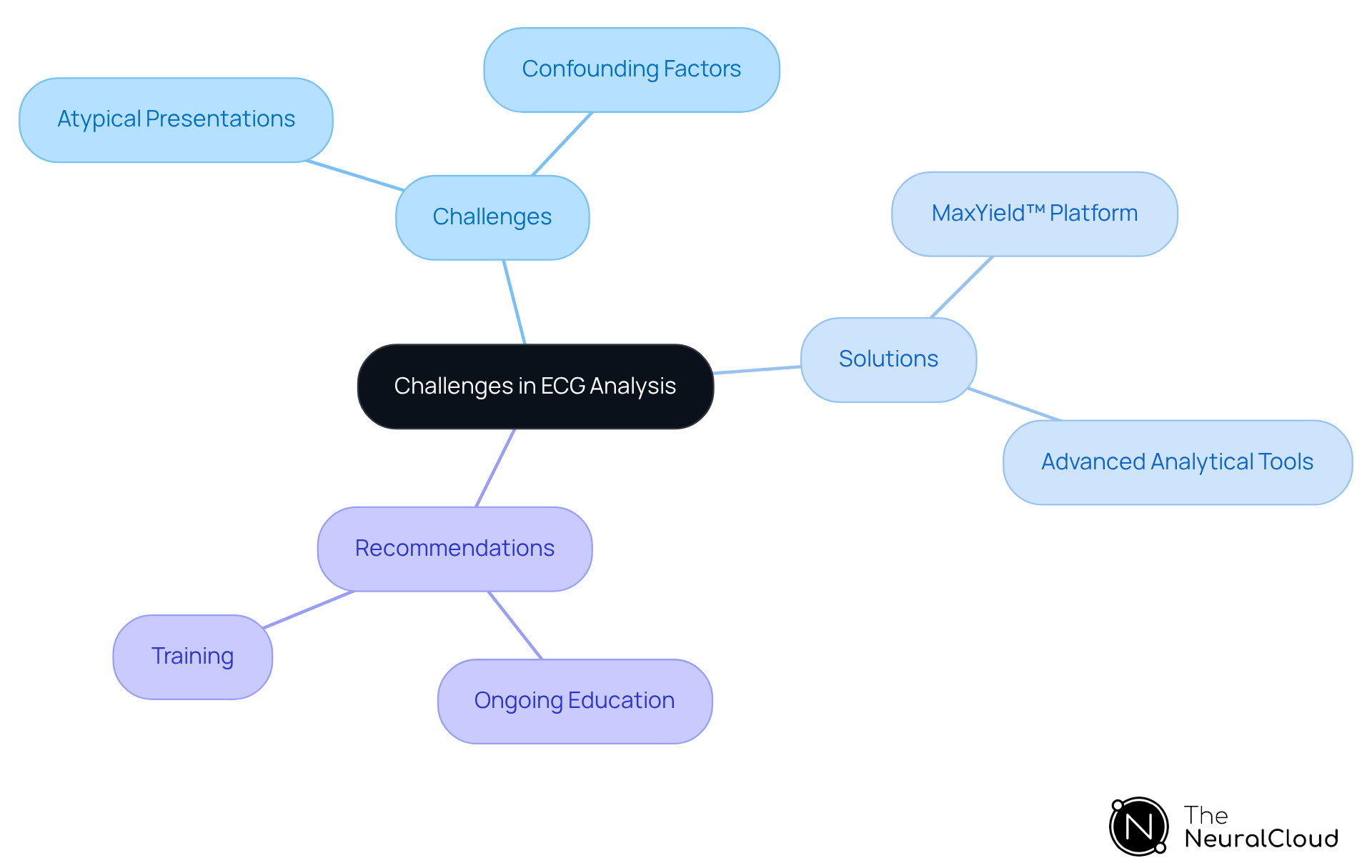
Navigating the Scarbossa Criteria in practice can present challenges, particularly in patients showing atypical presentations or confounding factors, including pre-existing conditions. Clinicians must remain vigilant in recognizing these complexities to prevent misinterpretation of ECG results.
The Scarbossa Criteria addresses these challenges by providing guidelines that enhance the precision of ECG evaluation.
Ongoing education and training, combined with the application of such tools, can significantly improve the accuracy of ECG interpretation, ultimately benefiting healthcare professionals in their practice.
Future Trends in ECG Analysis: Innovations Influencing the Scarbossa Criteria
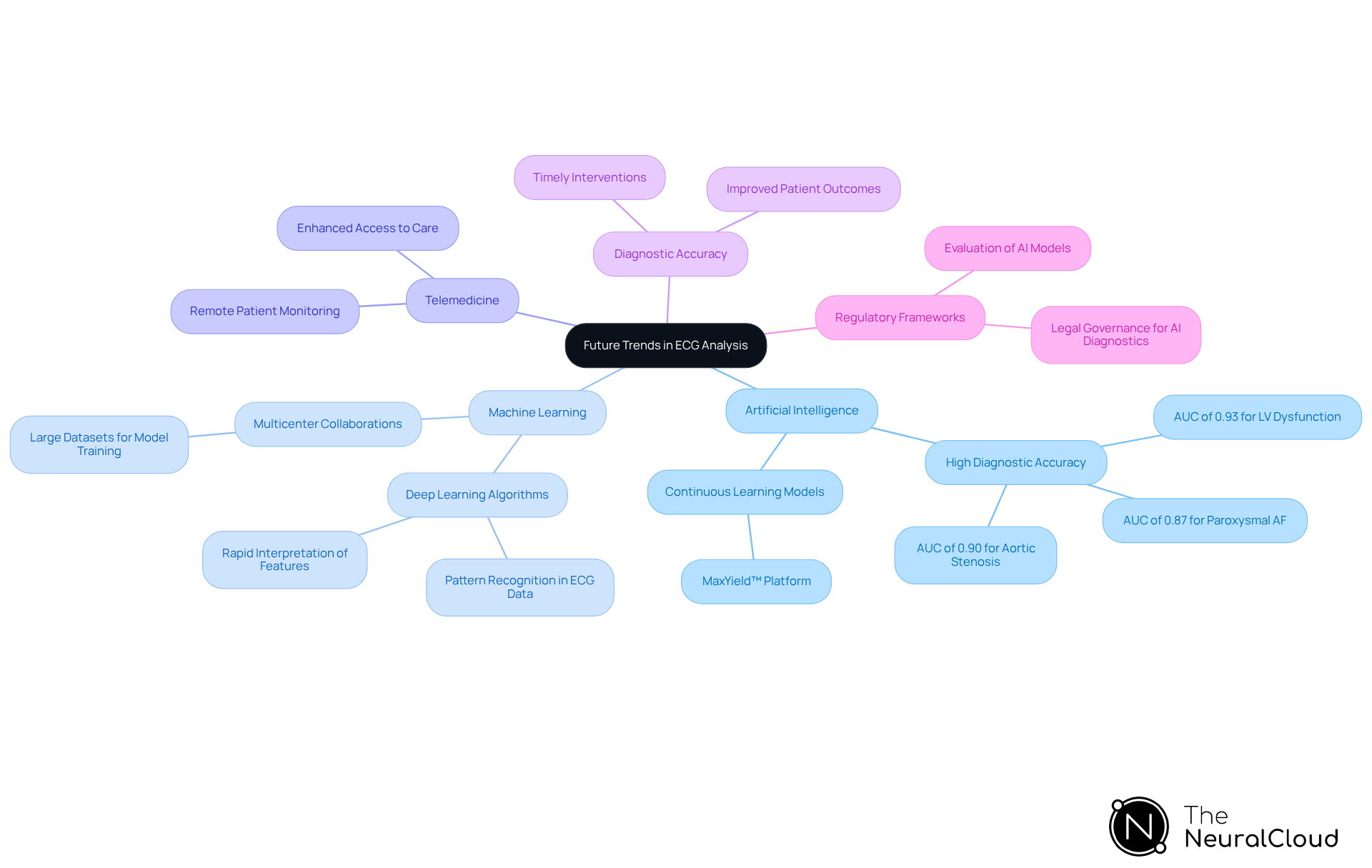
The future of ECG evaluation is poised for significant transformation through advancements in technology, machine learning, and artificial intelligence. These technologies promise to enhance the application of the Scarbossa Criteria, enabling healthcare professionals to conduct assessments and treatments of patients. The platform from Neural Cloud Solutions exemplifies this evolution, featuring a system that allows the algorithm to improve with each use, thereby increasing accuracy over time.
AI algorithms have shown remarkable accuracy in detecting various cardiac conditions, with models achieving an area under the curve (AUC) of 0.93 for identifying left ventricular dysfunction and 0.87 for detecting paroxysmal atrial fibrillation. These capabilities not only streamline ECG interpretation but also facilitate timely interventions, ultimately benefiting patient care. Wearable technology complements these advancements by enabling clinicians to monitor patients' ECGs remotely, enhancing access to care and fostering ongoing patient engagement.
As innovations become more prevalent, healthcare providers will need to adapt their practices to fully leverage these tools, leading to improved patient outcomes. Thought leaders in cardiology emphasize that these innovations can significantly enhance decision-making in clinical settings. With the approach of 2025, the influence of AI on ECG interpretation is expected to expand, revolutionizing the diagnosis and management of cardiac conditions.
Furthermore, establishing legal and regulatory frameworks to govern AI-based diagnoses will be crucial in ensuring the safe and effective implementation of these technologies.
The Impact of the Scarbossa Criteria: A Comprehensive Overview for ECG Analysis
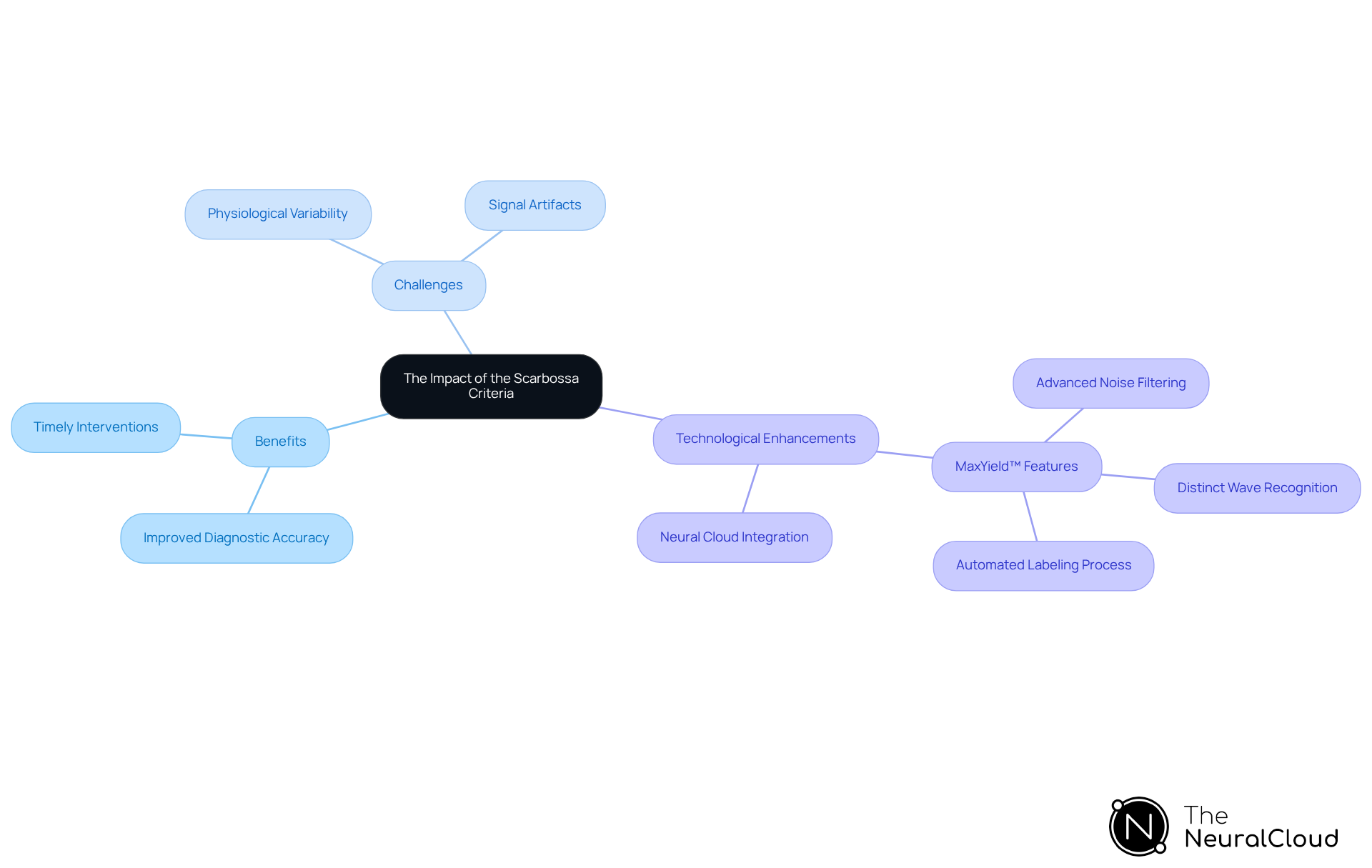
The Scarbossa Criteria play a significant role in ECG analysis by offering a structured method for identifying abnormalities, particularly in complex cases. This structured approach enhances diagnostic accuracy and facilitates clinical decision-making, ultimately improving patient outcomes. However, challenges persist in ECG interpretation, such as physiological variability and signal noise. Here, the Scarbossa Criteria emerge as a valuable tool.
MaxYield™ features advanced noise filtering and distinct wave recognition, which greatly enhance the effectiveness of ECG analysis. By automating the labeling process, the platform not only streamlines workflow but also evolves through its continuous learning model. This adaptability allows it to address the challenges faced by healthcare professionals in interpreting ECG data.
The integration of MaxYield™ platform with the Scarbossa Criteria creates a powerful synergy that solidifies their importance in modern cardiology. As technology continues to advance, the collaboration between innovative tools and established criteria will further enhance diagnostic capabilities, ultimately benefiting patient care.
In summary, the Scarbossa Criteria offer healthcare professionals a robust solution that improves diagnostic precision. By leveraging its features, clinicians can achieve more accurate diagnoses, leading to better patient outcomes.
Conclusion
The Scarbossa Criteria form a crucial framework for the accurate diagnosis of myocardial infarction, particularly in patients with left bundle branch block. This structured approach not only boosts diagnostic precision but also enables timely medical interventions that can greatly enhance patient outcomes. As advanced technologies like Neural Cloud Solutions' MaxYield™ platform continue to develop, the synergy between these innovative tools and established guidelines becomes increasingly vital in modern cardiology.
Key insights throughout the article underscore the necessity of mastering the Scarbossa Criteria in clinical practice, alongside the role of advanced AI technologies in overcoming traditional ECG analysis challenges. Innovations such as automated waveform labeling and noise reduction techniques improve the clarity and reliability of cardiac signals, ultimately leading to enhanced diagnostic accuracy. Moreover, the focus on continuous learning models within AI platforms highlights their ability to adapt and evolve, ensuring that healthcare professionals are equipped with optimal tools for patient care.
Looking ahead, it is evident that the landscape of ECG analysis is poised for transformative advancements. As AI and machine learning technologies gain momentum, they hold the potential to revolutionize how clinicians interpret ECG data and make critical decisions in acute cardiac care. Embracing these innovations will be essential for healthcare providers seeking to improve patient outcomes and streamline clinical workflows. By prioritizing the integration of the Scarbossa Criteria with cutting-edge technologies, the medical community can foster a more accurate, efficient, and responsive approach to cardiac diagnostics.
Frequently Asked Questions
What is MaxYield™ by Neural Cloud Solutions?
MaxYield™ is a platform that employs advanced AI algorithms to revolutionize ECG evaluation, significantly improving the clarity and reliability of cardiac signals.
How quickly can MaxYield™ process ECG data?
The system can process over 200,000 heartbeats in less than five minutes, allowing healthcare professionals to focus on critical decision-making instead of time-consuming manual data interpretation.
What are the benefits of integrating AI in ECG diagnostics?
The integration of AI enhances signal quality by eliminating noise and artifacts, facilitating the extraction of important features that may be overlooked. This leads to improved diagnostic accuracy and efficiency.
What is the accuracy rate of the AI algorithms used in ECG screening?
Research indicates that AI algorithms can achieve an impressive accuracy rate of 97.87% in ECG screening, with a specificity of 98.3%.
How does MaxYield™ help in addressing challenges in ECG analysis?
MaxYield™ utilizes sophisticated noise filtering and distinct wave recognition to recover obscured segments of lengthy Holter, 1-Lead, and patch monitor recordings, which helps in overcoming physiological variability and signal artifacts.
What are the Scarbossa Criteria and why are they important?
The Scarbossa Criteria are essential guidelines for identifying acute myocardial infarction (AMI) in patients with left bundle branch block (LBBB). They emphasize key ECG features that help distinguish true ischemic changes from benign variants, crucial for timely interventions.
How does the integration of advanced technologies improve the application of the Scarbossa Criteria?
Advanced technologies, such as Neural Cloud Solutions' platform, enhance the application of the Scarbossa Criteria by addressing challenges like noise and artifacts in ECG recordings, ensuring accurate and efficient interpretation.
What noise reduction techniques are employed by Neural Cloud Solutions?
The platform employs adaptive filtering and wavelet transforms to minimize artifacts caused by muscle contractions and electrical interference, preserving true cardiac signals for better analysis.
How does MaxYield™ enhance the clarity of ECG signals?
MaxYield™ rapidly isolates ECG waves from recordings affected by baseline wander, movement, and muscle artifact, significantly improving diagnostic yield and enabling precise evaluation.
What role does the MaxYield™ platform play in improving patient care?
By enhancing ECG analysis and providing reliable data, MaxYield™ empowers healthcare professionals to make better-informed decisions in patient care, particularly in identifying significant cardiac events.
List of Sources
- Neural Cloud Solutions' MaxYield™: Transforming ECG Analysis with Advanced AI
- allstatesmed.com (https://allstatesmed.com/blogs/medical-equipment-reviews-sales-repair-service/the-impact-of-artificial-intelligence-on-ecg-diagnostics?srsltid=AfmBOoqUvHlQCI-TE8thixf0b3MnffYOE3yv4E4ObxU6js7U7Y-2miCV)
- Checking your browser - reCAPTCHA (https://pmc.ncbi.nlm.nih.gov/articles/PMC10145690)
- escardio.org (https://escardio.org/Councils/Council-for-Cardiology-Practice-(CCP)/Cardiopractice/artificial-intelligence-in-ecg-diagnostics-where-are-we-now)
- mdpi.com (https://mdpi.com/2075-4418/15/4/477)
- Understanding the Scarbossa Criteria: Key Principles for ECG Interpretation
- New Guideline on Acute Coronary Syndromes: Key Takeaways (https://consultqd.clevelandclinic.org/new-guideline-on-acute-coronary-syndromes-key-takeaways-for-cardiologists)
- acc.org (https://acc.org/Latest-in-Cardiology/Articles/2025/04/01/01/New-in-Clinical-Guidance)
- 2025 ACC/AHA/ACEP/NAEMSP/SCAI Guideline for the Management of Patients With Acute Coronary Syndromes (https://professional.heart.org/en/science-news/2025-guideline-for-the-management-of-patients-with-acute-coronary-syndromes)
- AHA, ACC Update Guidelines for Acute Coronary Syndrome Management | AJMC (https://ajmc.com/view/aha-acc-update-guidelines-for-acute-coronary-syndrome-management)
- 2025 ACC/AHA/ACEP/NAEMSP/SCAI Guideline for the Management of Patients With Acute Coronary Syndromes: A Report of the American College of Cardiology/American Heart Association Joint Committee on Clinical Practice Guidelines | Circulation (https://ahajournals.org/doi/10.1161/CIR.0000000000001309)
- Noise Reduction Techniques: Enhancing ECG Signal Clarity for Accurate Analysis
- researchgate.net (https://researchgate.net/publication/383255917_Noise_Reduction_Techniques_in_ECG_Signal)
- nature.com (https://nature.com/articles/s41598-025-09663-y)
- link.springer.com (https://link.springer.com/article/10.1007/s44163-025-00292-y)
- mdpi.com (https://mdpi.com/2624-6120/6/2/26)
- nature.com (https://nature.com/articles/s41598-025-18910-1)
- Automated Waveform Labeling: Streamlining ECG Analysis with Precision
- biomedical-engineering-online.biomedcentral.com (https://biomedical-engineering-online.biomedcentral.com/articles/10.1186/s12938-025-01349-w)
- pmc.ncbi.nlm.nih.gov (https://pmc.ncbi.nlm.nih.gov/articles/PMC11988324)
- journals.plos.org (https://journals.plos.org/plosone/article?id=10.1371/journal.pone.0325358)
- pmc.ncbi.nlm.nih.gov (https://pmc.ncbi.nlm.nih.gov/articles/PMC7225435)
- sciencedirect.com (https://sciencedirect.com/science/article/pii/S1936878X2100365X)
- Wearable Technology in ECG Monitoring: Advancements and Applications
- acc.org (https://acc.org/About-ACC/Press-Releases/2025/03/20/09/58/A-Smarter-Way-to-Track-Heart-Health-with-Your-Smartwatch)
- health.osu.edu (https://health.osu.edu/health/heart-and-vascular/using-smart-watch-to-monitor-health)
- pmc.ncbi.nlm.nih.gov (https://pmc.ncbi.nlm.nih.gov/articles/PMC8826148)
- columbiacardiology.org (https://columbiacardiology.org/news/feeling-pressure-smartwatches-and-wearables-expanding-hypertension-monitoring)
- pmc.ncbi.nlm.nih.gov (https://pmc.ncbi.nlm.nih.gov/articles/PMC10248745)
- Beat-by-Beat Analysis: Improving Diagnostic Accuracy in ECG Interpretation
- sca-aware.org (https://sca-aware.org/sca-news/ai-is-better-than-humans-at-analyzing-long-term-ecg-recordings)
- AI proves better than humans at analyzing long-term ECG recordings in large international study (https://medicalxpress.com/news/2025-02-ai-humans-term-ecg-large.html)
- sciencedaily.com (https://sciencedaily.com/releases/2025/02/250210132546.htm)
- nature.com (https://nature.com/articles/s41591-025-03516-x)
- ir.heartbeam.com (https://ir.heartbeam.com/news-events/press-releases/detail/100/heartbeam-reports-second-quarter-2025-results)
- Clinical Implications of the Scarbossa Criteria: Enhancing Decision-Making in Cardiology
- nwths.com (https://nwths.com/about/news/get-with-the-guidelines-stemi-receiving-center-2025)
- rsna.org (https://rsna.org/news/2025/october/cardiac-abnormalities-on-chest-ct)
- abcnews.go.com (https://abcnews.go.com/Health/doctors-rethink-decades-routine-beta-blocker-patients-after/story?id=125112970)
- sydney.edu.au (https://sydney.edu.au/news-opinion/news/2025/10/06/gender-gap-in-heart-attack-care-wont-close-for-a-decade-without-urgent-action-study-warns.html)
- tctmd.com (https://tctmd.com/news/type-2-mi-diagnoses-rise-best-course-action-unknown)
- Future Trends in ECG Analysis: Innovations Influencing the Scarbossa Criteria
- escardio.org (https://escardio.org/Councils/Council-for-Cardiology-Practice-(CCP)/Cardiopractice/artificial-intelligence-in-ecg-diagnostics-where-are-we-now)
- acc.org (https://acc.org/Latest-in-Cardiology/Articles/2025/03/24/16/30/mon-1pm-ai-combo-acc-2025)
- medicaleconomics.com (https://medicaleconomics.com/view/cms-sets-medicare-payment-for-ai-enabled-ecg-analysis-boosting-viz-ai-s-hcm-detection-tool)
- The Impact of the Scarbossa Criteria: A Comprehensive Overview for ECG Analysis
- Bundle Branch Blocks (LBBB, LAFB, RBBB, Trifascicular Block) : Emergency Care BC (https://emergencycarebc.ca/clinical_resource/clinical-summary/bundle-branch-blocks-lbbb-lafb-rbbb-trifascicular-block)