Introduction
Detecting atrial fibrillation (AFib) presents a significant challenge for healthcare professionals due to its irregular heart rhythms and potential complications. Mastering the detection of AFib through EKG analysis is essential for timely intervention and improved patient outcomes.
Let’s explore five straightforward steps that can help enhance EKG atrial fibrillation detection, addressing common pitfalls and integrating advanced technologies to streamline the monitoring process.
So, how can healthcare providers ensure accuracy and efficiency in EKG readings? What tools are essential for overcoming the common hurdles in AFib detection?
Understand EKG Basics and Atrial Fibrillation
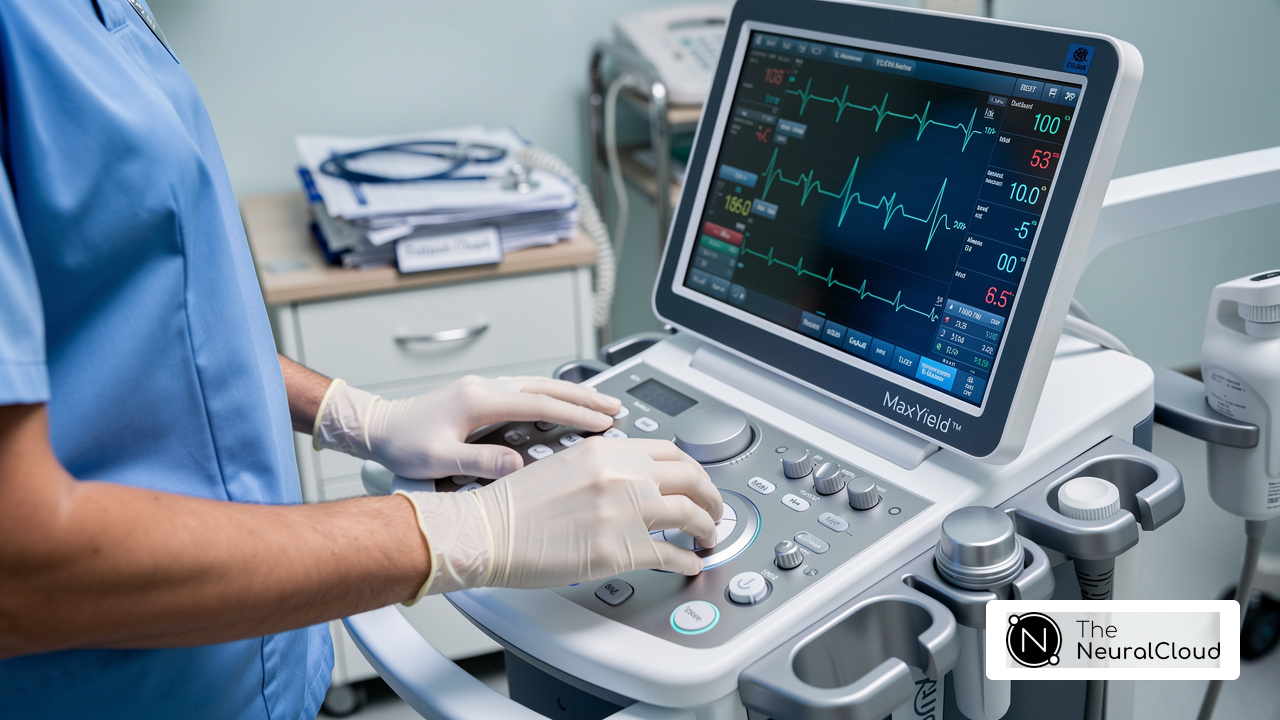
Detecting atrial fibrillation presents significant challenges due to its complex nature and potential for serious complications such as stroke and heart failure. Atrial fibrillation is characterized by an irregular and often rapid heart rhythm, making accurate diagnosis difficult. MaxYield™ automates EKG analysis, turning noisy recordings into clear insights, which significantly boosts the accuracy of EKG atrial fibrillation detection.
Key Features of Atrial Fibrillation:
- Irregularly Irregular Rhythm: The heart rate is inconsistent, with varying intervals between beats, making it difficult to predict the timing of the next heartbeat.
- Absence of P Waves: In atrial fibrillation, the P wave, which signifies atrial depolarization, is generally missing. Instead, fibrillatory waves may be observed, indicating chaotic atrial activity.
- Variable Ventricular Rate: The ventricular response can fluctuate significantly, often resulting in a rapid heart rate that may exceed 100 beats per minute.
- Chaotic Baseline: The EKG may show a wavy baseline because of the irregular electrical activity in the atria, which is a characteristic of atrial fibrillation.
MaxYield™ excels in isolating and labeling key features in every heartbeat, even in recordings with high levels of noise and artifact. Its capability to swiftly evaluate 200,000 heartbeats in under 5 minutes enables prompt diagnosis and management of EKG atrial fibrillation. Recognizing these features is essential for timely intervention and improved patient care in atrial fibrillation cases.

Gather Necessary Tools and Technologies
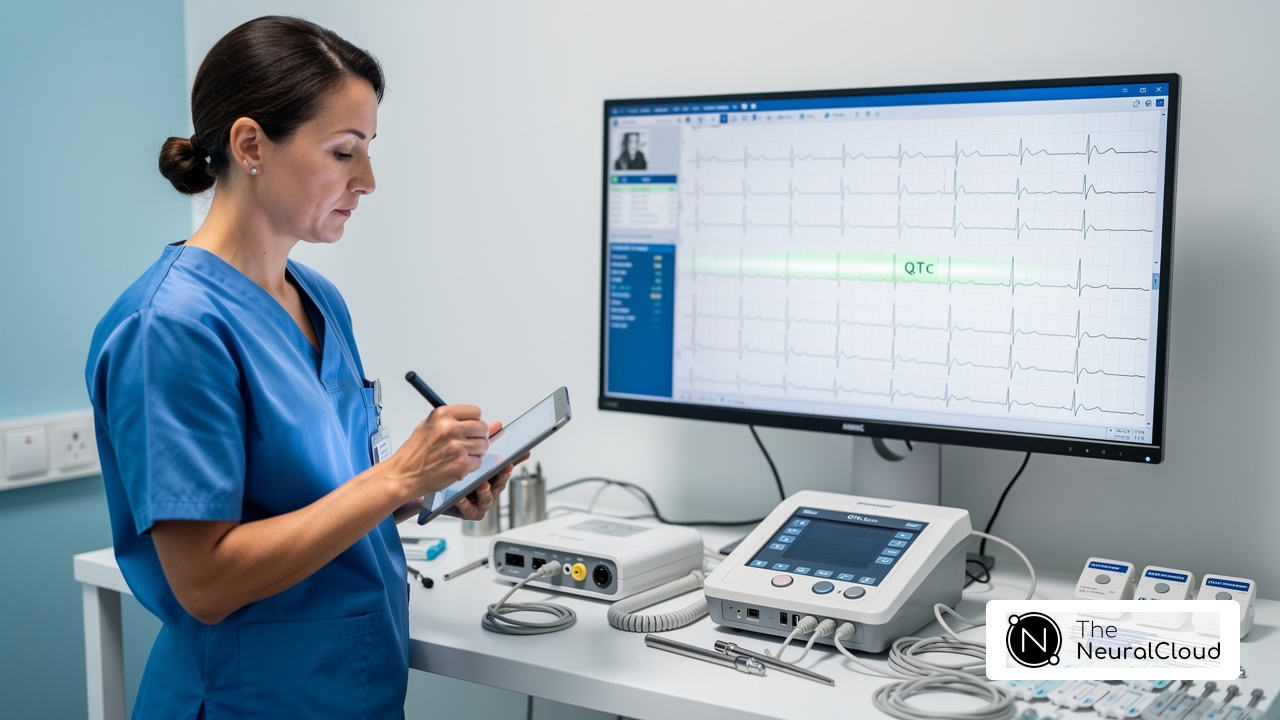
Monitoring EKG atrial fibrillation effectively requires a comprehensive set of tools and technologies. Here’s a list of crucial items:
Essential Tools:
- EKG Machine: A dependable EKG machine is vital for accurately capturing heart rhythms. Ensure it is properly calibrated and functioning optimally, as accurate calibration can improve detection rates of EKG atrial fibrillation by up to 30%.
- Conductors: Utilize high-quality conductors that adhere securely to the skin to guarantee accurate signal transmission. Always verify expiration dates and maintain appropriate storage conditions, as the quality of these components significantly impacts the reliability of EKG readings.
- Lead Wires: Confirm that you have the appropriate lead wires that are compatible with your EKG machine.
- Patient Preparation Supplies: This includes skin preparation solutions, gauze, and razors for hair removal if necessary, to ensure optimal electrode contact.
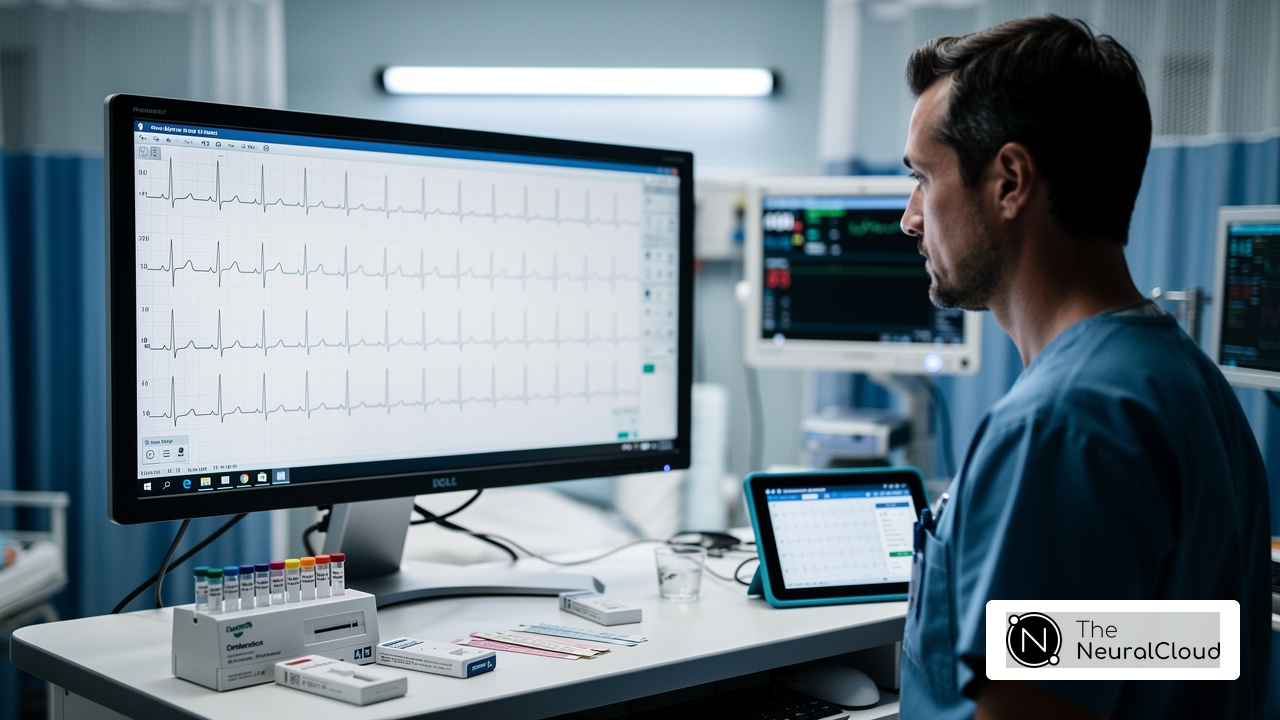
- Software for Data Analysis: Implement software capable of analyzing EKG data and assisting in identifying patterns of atrial fibrillation, such as Neural Cloud Solutions’ MaxYield. MaxYield enhances data processing and visualization, ensuring clean PPG data and hospital-grade accuracy from consumer-grade patches. It addresses the 'garbage-in/garbage-out' issue by providing reliable inputs, which can lead to a 25% increase in the accuracy of AFib detection.
By utilizing these essential tools, healthcare professionals can enhance their ability to accurately detect EKG atrial fibrillation, leading to better patient outcomes.

Set Up EKG Devices and Integrate with Workflows
Setting up EKG devices correctly is crucial for accurate monitoring of EKG atrial fibrillation, yet many face challenges in achieving this. Follow these steps to ensure proper setup:
Step-by-Step Setup:
- Prepare the Patient: Ensure the patient is comfortable and explain the procedure. Position them supine to minimize muscle tension, which can affect readings.
- Clean the Skin: Use a skin prep solution to clean the areas where sensors will be positioned. This enhances adhesion of the conductor and improves signal quality, crucial for precise readings.
- Apply Sensors: Place the sensors according to standard 12-lead placement guidelines. Ensure they are securely attached to the skin to prevent movement artifacts.
- Connect Lead Wires: Attach the lead wires to the electrodes, ensuring they connect to the correct ports on the EKG machine. Proper connections are vital for accurate data transmission.
- Configure the EKG Machine: Set the machine to the appropriate settings for the patient type (adult or pediatric) and ensure it is ready to record. This step is critical for capturing the correct data.
- Integrate with Workflow: If utilizing software such as MaxYield, ensure that the EKG data can be seamlessly transferred to the analysis platform for real-time monitoring and reporting. MaxYield™ rapidly labels P, QRS, & T Wave onsets, offsets, & time-series intervals, enabling users to analyze more data in less time. This automation not only enhances workflow efficiency but also minimizes delays in diagnosis, as highlighted by studies emphasizing the importance of clinician feedback to manufacturers of ECG devices.
Following these steps helps you set up your EKG atrial fibrillation detection, boosting both accuracy and efficiency in monitoring patients. It's also important to consider how integrating EKG devices with existing workflows can be challenging due to compliance and user adoption issues, affecting monitoring effectiveness.

Analyze EKG Data for Atrial Fibrillation Detection
Analysis Steps:
- Review the EKG strip: Identifying the absence of P waves and an irregularly irregular rhythm are key indicators of EKG atrial fibrillation.
- Measure the Ventricular Rate: Count the number of QRS complexes within a 10-second interval and multiply by six to determine the heart rate. A rapid ventricular rate, typically between 110 and 160 beats per minute, may suggest EKG atrial fibrillation.
- Assess the Baseline: Look for a chaotic baseline, which may reveal fine fibrillatory waves, further confirming the presence of EKG atrial fibrillation.
- Use Software Tools: Leverage advanced software like MaxYield™ to enhance your analysis. This tool effectively isolates noise and clarifies signals, aiding in the detection of EKG atrial fibrillation. It employs gold standard methodologies, including advanced noise filtering and adaptive algorithms, ensuring accurate results even in recordings with high levels of noise and artifact.
- Document Findings: It's crucial to document your observations and any patterns identified during the analysis. Accurate documentation is essential for better clinical decisions and future reference. Focus on maintaining a heart rate of less than 100 beats per minute, which is critical in managing EKG atrial fibrillation, especially in patients with a history of hypertension.
By following these steps and using MaxYield™ from Neural Cloud Solutions, you can analyze EKG atrial fibrillation data for detection, leading to timely and accurate diagnoses.

Troubleshoot Common EKG Monitoring Issues
Troubleshoot Common EKG Monitoring Issues
Even with careful setup, EKG monitoring can still face challenges that impact accuracy and patient care. Here are common problems and how to troubleshoot them:
- Poor Signal Quality: Unclear EKG traces often result from improper lead placement. Ensure that the conductive pads are securely attached and consider reapplying them if necessary. Using high-quality electrodes can significantly enhance signal transmission, reducing noise and artifacts. The MaxYield™ platform improves signal clarity with advanced noise filtering and wave recognition, helping to recover previously obscured recording sections.
- Interference from Movement: Patient movement can introduce artifacts into the EKG signal. To mitigate this, ensure the patient is comfortable and explain the importance of remaining still during the recording. When patients are comfortable, they tend to move less, which helps keep those readings accurate. MaxYield™'s adaptive algorithm evolves with each use, enhancing its ability to isolate ECG waves affected by movement artifacts.
- Expired Electrodes: Always confirm the expiration dates of the devices before use. Expired electrodes can lead to poor signal quality, compromising the accuracy of the EKG interpretation. Using fresh and moist gel is crucial for optimal performance.
- Loose Connections: Inspect all lead wires and connections to ensure they are secure. Loose connections can result in incomplete data, leading to misinterpretations. Regular checks can prevent these issues during monitoring.
- Software Glitches: If using software for analysis, ensure it is updated and functioning correctly. Restart the software if issues persist, as outdated software can lead to inaccuracies in EKG interpretation. Be aware that AC interference can distort ECG traces, so monitor for common sources of interference, such as electrical wires and equipment in the room.
By addressing these challenges, healthcare professionals can ensure more accurate interpretations of EKGs for atrial fibrillation, leading to better patient care.

Conclusion
Many healthcare professionals struggle with the complexities of ECG analysis, which can lead to misdiagnosis and delayed treatment. By understanding the key characteristics of atrial fibrillation and using the right tools, healthcare professionals can significantly improve diagnostic accuracy. The integration of advanced technologies like MaxYield™ streamlines the process, making it easier to identify irregular heart rhythms quickly and efficiently.
Key insights include:
- Recognizing the irregularly irregular rhythm
- The absence of P waves
- The chaotic baseline that signifies atrial fibrillation
Proper setup of EKG devices, including patient preparation and ensuring high-quality connections, is essential to avoid common pitfalls that can compromise data accuracy. Additionally, leveraging software tools for analysis can significantly enhance the detection process, allowing for timely interventions.
By adopting these advanced strategies and technologies, healthcare professionals can ensure that atrial fibrillation is not only identified but effectively managed, ultimately improving patient outcomes.
Frequently Asked Questions
What is atrial fibrillation and why is it challenging to detect?
Atrial fibrillation is characterized by an irregular and often rapid heart rhythm, which presents significant challenges in detection due to its complex nature and potential serious complications, such as stroke and heart failure.
What are the key features of atrial fibrillation?
The key features of atrial fibrillation include an irregularly irregular rhythm, absence of P waves, variable ventricular rate, and a chaotic baseline on the EKG.
How does MaxYield™ enhance EKG analysis for atrial fibrillation?
MaxYield™ automates EKG analysis by isolating and labeling key features in every heartbeat, even in noisy recordings, and can evaluate 200,000 heartbeats in under 5 minutes, significantly boosting the accuracy of atrial fibrillation detection.
What essential tools are needed for monitoring EKG atrial fibrillation?
Essential tools include a dependable EKG machine, high-quality conductors, appropriate lead wires, patient preparation supplies, and software for data analysis like MaxYield.
How does proper calibration of an EKG machine impact detection rates?
Proper calibration of an EKG machine can improve detection rates of EKG atrial fibrillation by up to 30%.
Why are high-quality conductors important in EKG monitoring?
High-quality conductors ensure accurate signal transmission by adhering securely to the skin, which significantly impacts the reliability of EKG readings.
What role does software like MaxYield play in EKG data analysis?
Software like MaxYield enhances data processing and visualization, leading to hospital-grade accuracy from consumer-grade patches and addressing the 'garbage-in/garbage-out' issue, resulting in a 25% increase in the accuracy of atrial fibrillation detection.
List of Sources
- Understand EKG Basics and Atrial Fibrillation
- New Estimates Suggest Atrial Fibrillation 3 Times More Common Than Thought | AJMC (https://ajmc.com/view/new-estimates-suggest-atrial-fibrillation-3-times-more-common-than-thought)
- About Atrial Fibrillation (https://cdc.gov/heart-disease/about/atrial-fibrillation.html)
- acc.org (https://acc.org/latest-in-cardiology/articles/2024/11/13/21/17/mon-1133am-combo-afib-aha-2024)
- Atrial fibrillation estimated to affect about 1 in 22 Americans (https://nhlbi.nih.gov/news/2024/atrial-fibrillation-estimated-affect-about-1-22-americans)
- Facts and Statistics About Atrial Fibrillation (https://healthline.com/health/living-with-atrial-fibrillation/facts-statistics-infographic)
- Gather Necessary Tools and Technologies
- 37 Quotes on Health Care and Health Tech from 2016 (https://medium.com/@r_scott_munro/37-quotes-on-health-care-and-health-tech-from-2016-e34576edfc1f)
- 12 Best Quotes on the Future of Healthcare (https://modmed.com/resources/blog/12-best-quotes-on-the-future-of-healthcare)
- Set Up EKG Devices and Integrate with Workflows
- pmc.ncbi.nlm.nih.gov (https://pmc.ncbi.nlm.nih.gov/articles/PMC12532542)
- Checking your browser - reCAPTCHA (https://pmc.ncbi.nlm.nih.gov/articles/PMC12137353)
- Frontiers | The most common errors in automatic ECG interpretation (https://frontiersin.org/journals/physiology/articles/10.3389/fphys.2025.1590170/full)
- ECG market keeps evolving thanks to AI, home monitoring and Epic integration (https://cardiovascularbusiness.com/topics/cardiac-imaging/electrocardiography-ecg/ecg-market-keeps-evolving-thanks-ai-home-monitoring-and-epic-integration)
- Accuracy of Physicians’ Electrocardiogram Interpretation (https://jamanetwork.com/journals/jamainternalmedicine/fullarticle/2771093)
- Analyze EKG Data for Atrial Fibrillation Detection
- osmosis.org (https://osmosis.org/learn/Case_study_-Atrial_fibrillation(Afib):_Nursing)
- Atrial Fibrillation (https://litfl.com/atrial-fibrillation-ecg-library)
- Troubleshoot Common EKG Monitoring Issues
- Checking your browser - reCAPTCHA (https://pmc.ncbi.nlm.nih.gov/articles/PMC12137353)
- ECG Case Studies | Interpretation & Answers | Geeky Medics (https://geekymedics.com/ecg-case-studies)
- chicomm.com (https://chicomm.com/blog/30-inspirational-quotes-for-healthcare-workers)
- Reducing ECG artifact (https://numed.co.uk/news/reducing-ecg-artifact)