Introduction
Accurate interpretation of electrocardiogram (ECG) values is crucial, yet variations can lead to significant challenges in cardiac health management. We will explore the key characteristics and measurements that define a normal ECG, emphasizing their role in diagnosing conditions and monitoring patient health. Understanding these variations is key to ensuring timely interventions that can significantly impact patient outcomes. Given the variations influenced by age, gender, and individual health conditions, how can healthcare professionals ensure accurate interpretations that facilitate timely interventions?
Define Normal ECG: Key Characteristics and Measurements
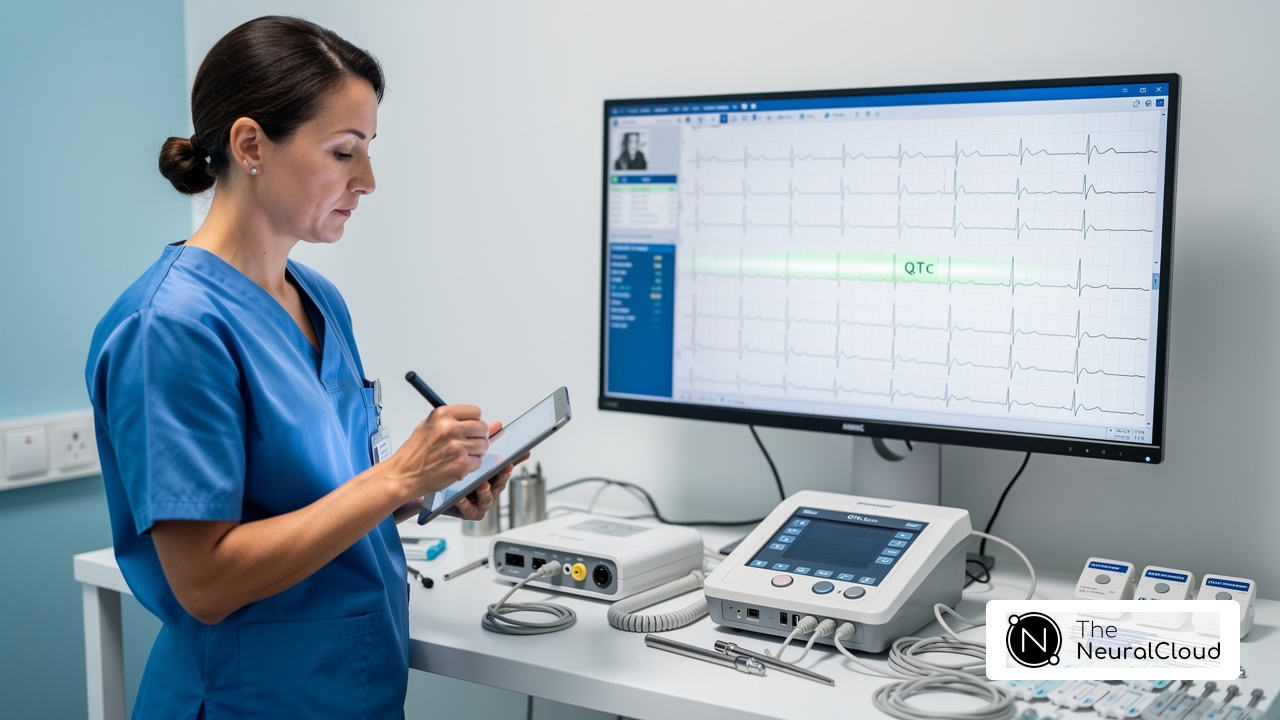
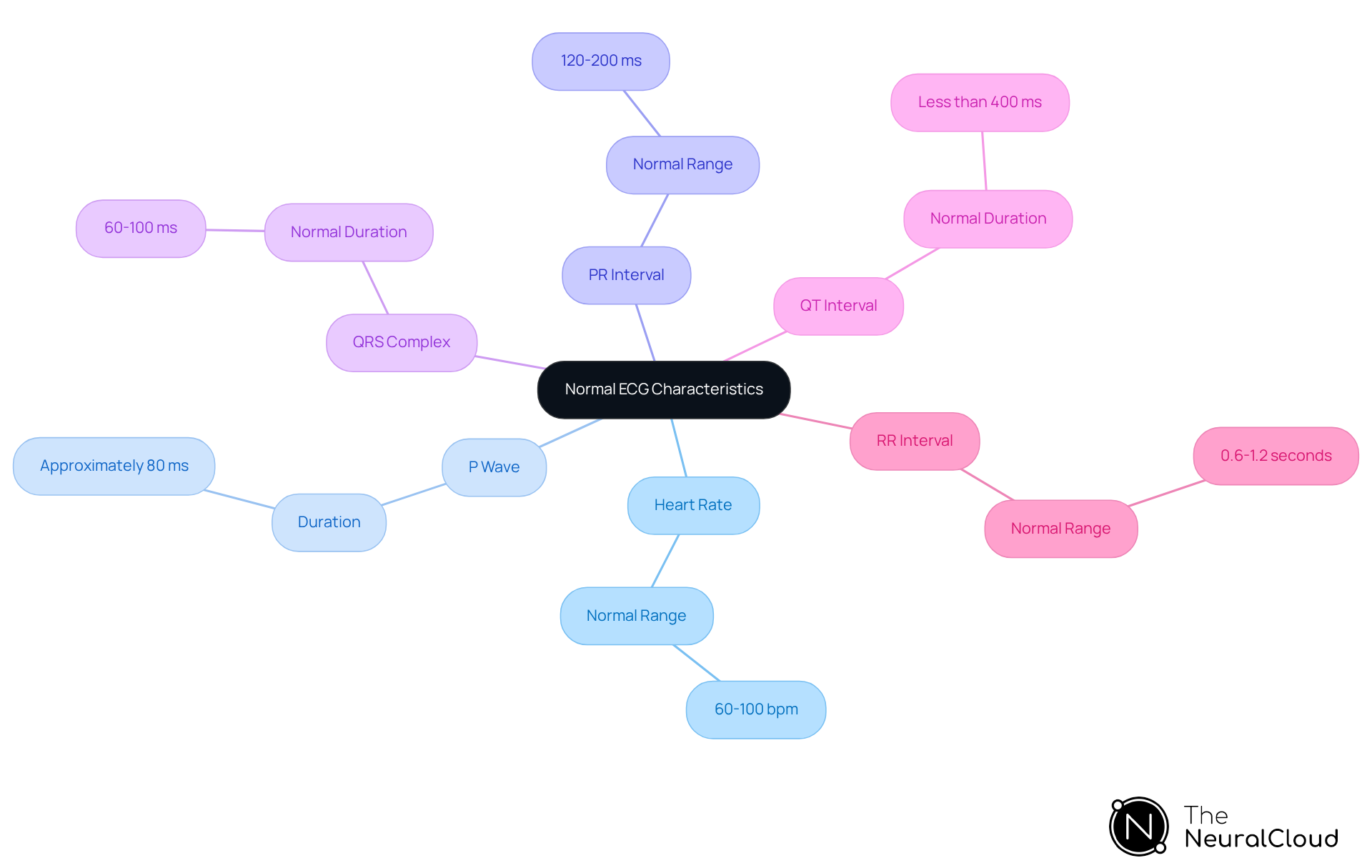
Traditional ECG analysis faces challenges that can hinder accurate cardiac assessments. Neural Cloud Solutions Inc.'s innovative technology transforms this process. Key characteristics of a standard electrocardiogram (ECG) include:
- Heart Rate: Typically ranges from 60 to 100 beats per minute (bpm).
- P Wave: Represents atrial depolarization, lasting approximately 80 milliseconds.
- PR Interval: The duration from the onset of the P wave to the start of the QRS complex, which should be between 120 to 200 milliseconds.
- QRS Complex: Indicates ventricular depolarization, with a duration of 60 to 100 milliseconds.
- QT Interval: Reflects the time taken for ventricular depolarization and repolarization, generally less than 400 milliseconds in adults, though it varies with overall heart rate.
- RR Interval: The time between successive R waves, typically ranging from 0.6 to 1.2 seconds.
Understanding these measurements is crucial for evaluating heart health and diagnosing issues like arrhythmias or ischemia. Thanks to hospital-grade accuracy from consumer devices, healthcare professionals can interpret ECG results with confidence, leading to timely interventions. In Canada, it is essential for effective cardiovascular care to know what is normal range of ECG. The advanced AI-driven ECG analysis from Neural Cloud Solutions Inc. addresses physiological variability and signal artifacts, overcoming traditional limitations. This capability enhances clinical decision-making and supports continuous monitoring, all without the high costs of clinical-grade hardware. The company is also awaiting FDA Class II SaMD clearance, which will ensure compliance with regulatory standards. Expert endorsements from Dr. Alan Rabinowitz, Dr. Brett Heilbron, and Dr. Marc W. Deyell highlight the precision of the product, rivaling human interpretation and offering substantial noise reduction advantages. Additionally, the integration of Insight360 as a customizable visualization tool transforms the ECG data into interactive dashboards, enhancing the overall user experience.
Contextual Importance of Normal ECG Readings in Cardiac Health
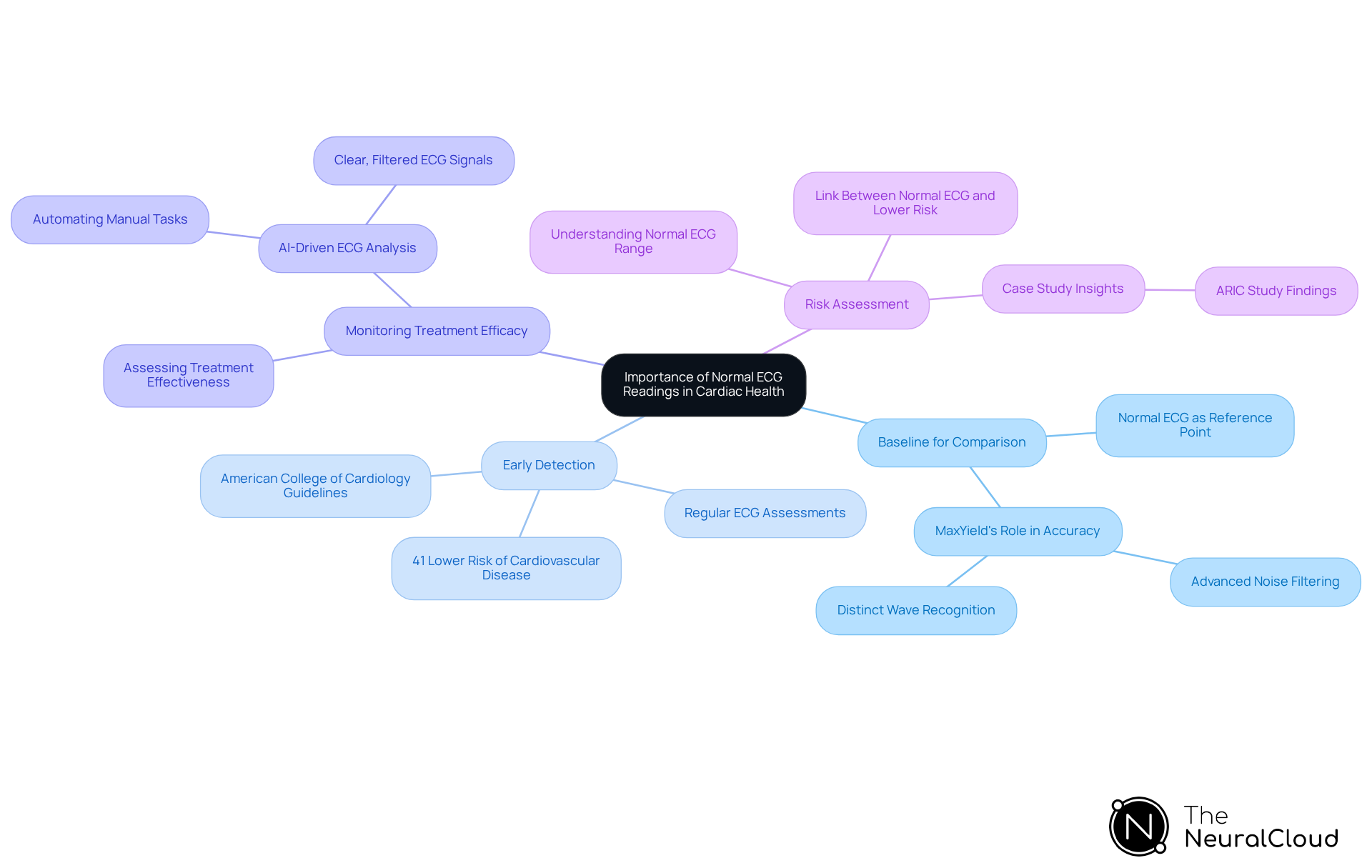
Identifying abnormalities in heart function can be challenging without accurate ECG readings, making normal ECG readings crucial for effective patient care.
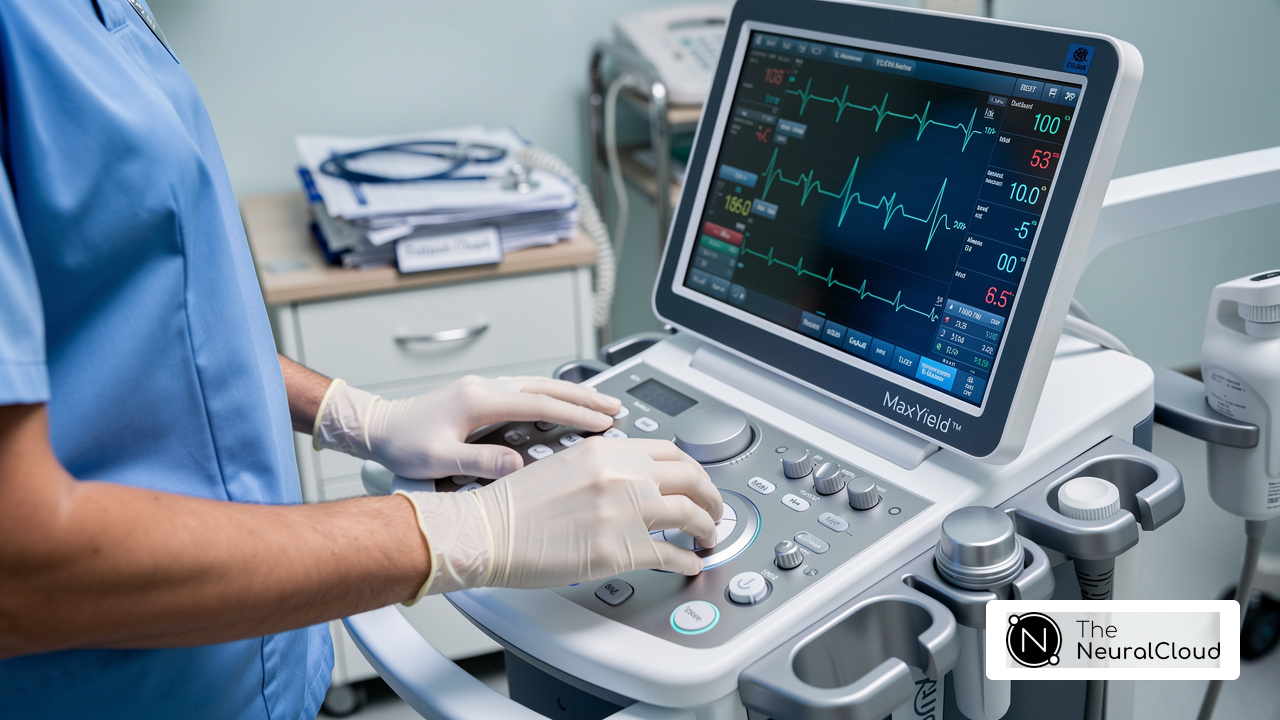
- Baseline for Comparison: Normal ECG readings serve as a reference point for identifying abnormalities in heart function. With the integration of MaxYield, a device-agnostic ECG intelligence layer from Neural Cloud Solutions Inc., the accuracy of these readings is significantly enhanced through advanced noise filtering and distinct wave recognition. This allows for clearer comparisons, ultimately improving diagnostic precision.
- Early Detection: Regular ECG assessments facilitate the early identification of heart issues, allowing for timely interventions that can significantly improve patient outcomes. Research shows that maintaining a normal ECG is associated with a 41% lower risk of cardiovascular disease. The American College of Cardiology emphasizes that early detection through regular ECG monitoring can effectively reduce the risk of severe cardiac events. Additionally, the continuous learning model of MaxYield evolves with each use, enhancing diagnostic yield and aiding early detection efforts. It is also important to note that the company is currently pending FDA Class II SaMD clearance, ensuring compliance with regulatory standards.
- Monitoring Treatment Efficacy: ECGs are essential for assessing the effectiveness of treatments for various heart conditions, ensuring that patients receive appropriate care tailored to their needs. Advanced technologies, like AI-driven ECG analysis, enhance this oversight process by automating manual tasks and delivering clear, filtered ECG signals for precise interpretation.
- Risk Assessment: Understanding what is normal range of ECG is essential for healthcare providers to assess the risk of cardiovascular diseases in patients, guiding preventive measures. Research has well-documented the link between what is normal range of ECG and a lower risk of cardiovascular disease, emphasizing its role in risk stratification. A case study from the ARIC study highlighted that individuals who maintained a normal ECG status had significantly lower rates of cardiovascular events compared to those with inconsistent readings.
In summary, normal ECG readings are essential for preserving cardiac health and improving patient outcomes through proactive oversight and timely intervention. MaxYield's precision not only enhances ECG analysis but also plays a pivotal role in reducing the risk of cardiovascular diseases, ultimately saving lives.
Historical Development of ECG Technology and Interpretation
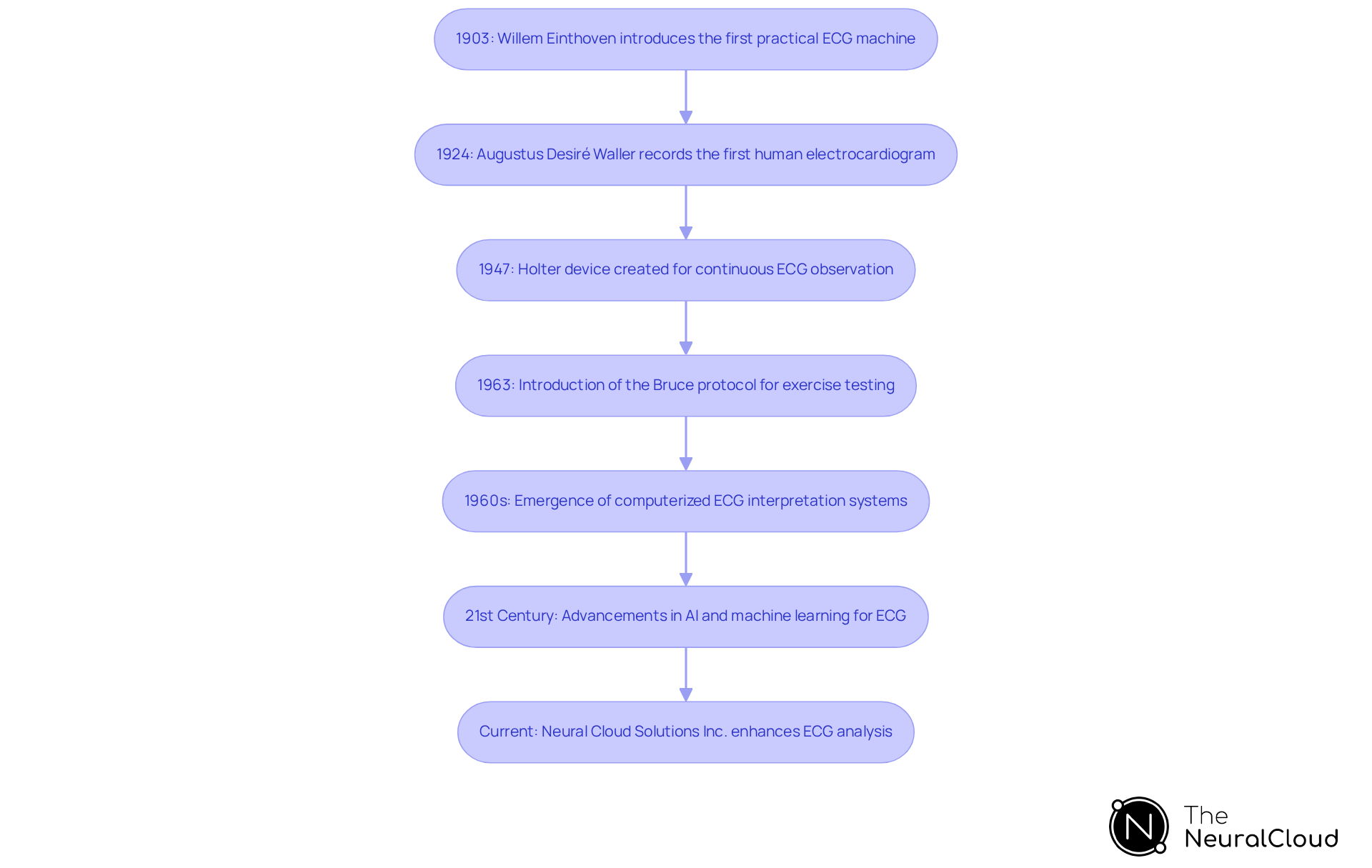
The evolution of the electrocardiogram (ECG) reflects a journey marked by innovation and the quest for improved cardiac diagnostics. The ECG has a storied history that began in the early 20th century, marked by several pivotal milestones:
- 1903: Willem Einthoven introduced the first practical ECG machine, enabling the recording of the heart's electrical activity and laying the foundation for modern cardiac diagnostics.
- 1924: Augustus Desiré Waller recorded the first human electrocardiogram using a capillary electrometer, a significant milestone in ECG history.
- 1947: The Holter device was created by Norman 'Jeff' Holter, enabling continuous ECG observation and significantly improving the capacity to diagnose heart conditions over prolonged durations.
- 1963: The introduction of the multistage treadmill exercise test, known as the Bruce protocol, further advanced heart evaluation by integrating exercise with ECG observation.
- 1960s: Computerized ECG interpretation systems emerged, improving the accuracy and speed of ECG analysis, which became crucial for timely clinical decision-making.
- 21st Century: Recent advancements in artificial intelligence and machine learning have revolutionized ECG interpretation, enabling the development of portable and wearable devices for continuous monitoring of cardiac activity, thus enhancing diagnostic capabilities.
Despite these advancements, traditional ECG analysis often struggles with noise and lengthy recordings, complicating timely diagnoses. Significantly, Neural Cloud Solutions Inc. has been leading this revolution with their advanced technology, which converts lengthy and noisy ECG recordings into clean, crisp signals. This ECG intelligence layer works with any device, easily connecting through API, SDK, or CDK, so you won’t need to change your hardware. It optimizes ECG data processing through automation and advanced AI for healthcare professionals. Furthermore, the company is currently awaiting FDA Class II SaMD clearance, ensuring compliance with regulatory standards. Expert endorsements from Dr. Alan Rabinowitz, Dr. Brett Heilbron, and Dr. Marc W. Deyell highlight the precision of the product rivaling human interpretation and its noise reduction advantages.
These advancements have made ECG a fundamental tool in heart care. They empower healthcare providers to diagnose and manage heart conditions more effectively. As technology continues to advance, the potential for enhanced ECG analysis will redefine how healthcare providers approach heart health management.
Variations in Normal ECG: Influencing Factors and Individual Differences
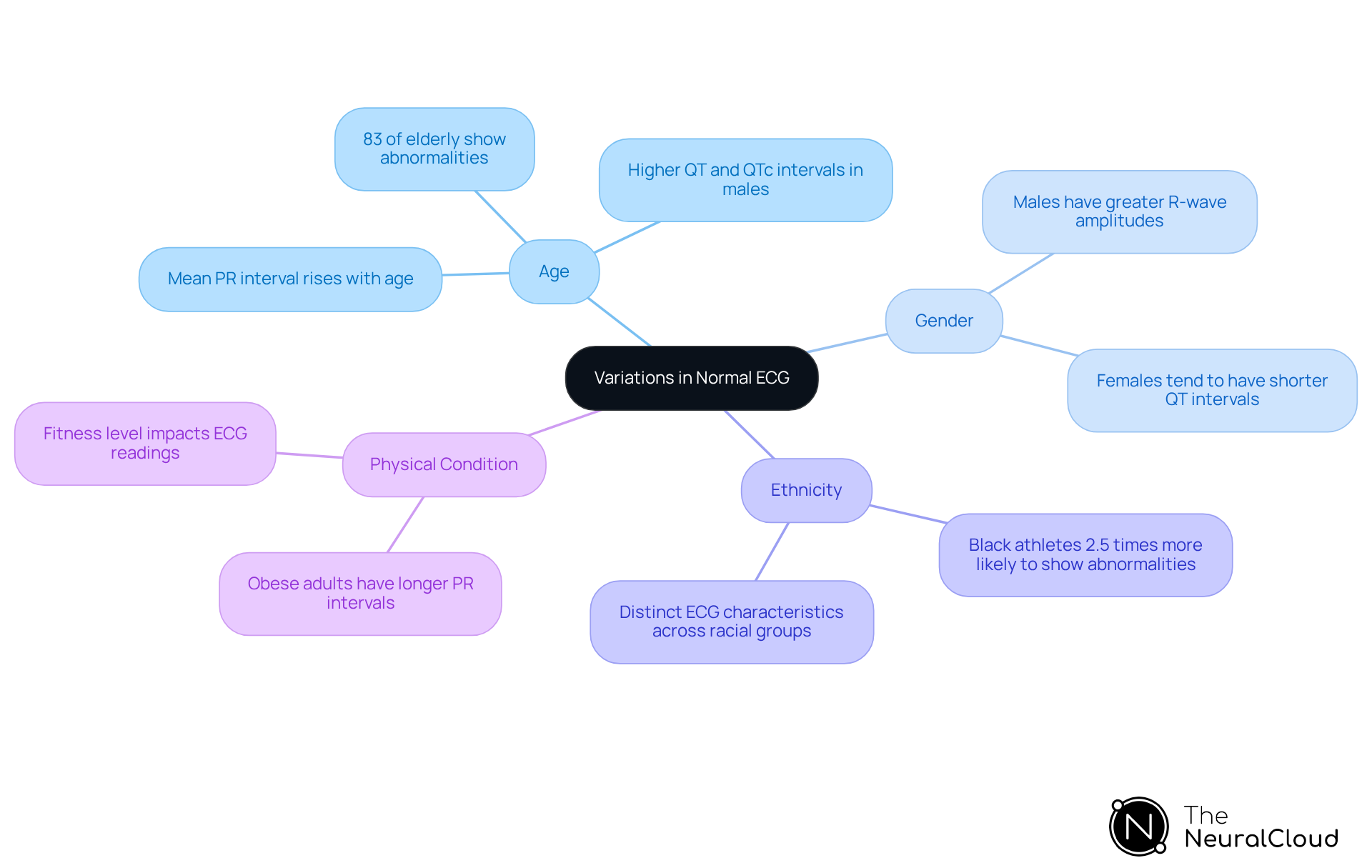
Interpreting ECG readings can be challenging due to significant variations influenced by age, gender, ethnicity, and physical condition. Normal ECG readings can vary significantly based on several factors:
- Age: ECG parameters are known to change with age, necessitating different norms for children, adults, and the elderly. For instance, studies indicate that the mean PR interval consistently rises with age, with males exhibiting higher mean durations for both QT and QTc intervals compared to females. In a study involving elderly subjects, 83% exhibited significant electrocardiographic abnormalities, highlighting the need for age-specific reference ranges.
- Gender: Research has shown that men and women may display distinct ECG characteristics. Males often have greater R-wave amplitudes in the left precordial leads, while females tend to have shorter QT intervals. This gender disparity is crucial for accurate ECG interpretation and diagnosis.
- Ethnicity: Variations in ECG norms across racial and ethnic groups have been documented, emphasizing the necessity for tailored reference values. For example, Black athletes are 2.5 times more likely to exhibit abnormal ECGs suggestive of pathology compared to their white counterparts. This underscores the importance of considering ethnicity when evaluating ECG results.
- Physical Condition: Factors such as fitness level, body mass index (BMI), and the presence of comorbidities can significantly influence ECG readings. Studies have shown that obese adults tend to have longer PR intervals and QRS durations compared to normal-weight individuals, which can affect clinical assessments.
Understanding what is normal range of ECG variations is crucial for healthcare providers. It enables accurate interpretation of ECG results and supports personalized care, ensuring effective and equitable diagnostic approaches. With the integration of Neural Cloud Solutions' MaxYield™, healthcare professionals can enhance their ECG analysis by overcoming inefficiencies, physiological variability, and signal artifacts. MaxYield™ employs advanced noise filtering and distinct wave recognition, allowing for more accurate interpretations of ECG data. As Dr. Alan Rabinowitz notes, "MaxYield™ rivals human interpretation in precision, significantly reducing noise and improving diagnostic yield." This capability is essential for clinicians aiming to provide the best care possible. By leveraging MaxYield™, healthcare professionals can ensure more accurate ECG interpretations, ultimately leading to improved patient outcomes.
Conclusion
Misunderstanding normal ECG values can lead to serious consequences in cardiac health management. This article has explored the critical characteristics of a standard ECG, emphasizing the importance of accurate readings for diagnosing heart conditions. Using advanced technologies from Neural Cloud Solutions Inc. helps healthcare professionals interpret ECG data more effectively, which can lead to better patient outcomes and quicker interventions.
Key insights discussed include:
- The significance of normal ECG readings as a baseline for comparison
- Their role in early detection of heart issues
- Their utility in monitoring treatment efficacy
Additionally, the historical development of ECG technology highlights the evolution of diagnostic capabilities, underscoring the importance of adapting to individual variations influenced by age, gender, and physical condition. The integration of MaxYield™ further enhances the accuracy of ECG interpretations, ensuring that healthcare providers can deliver personalized care.
Given these insights, clinicians, researchers, and diagnostic facilities must prioritize understanding and using normal ECG ranges in their practices. Embracing innovative solutions and understanding the factors influencing ECG readings can significantly enhance cardiac health outcomes and advance heart care in Canada.
Frequently Asked Questions
What are the key characteristics of a normal ECG?
The key characteristics of a normal ECG include the following measurements: - Heart Rate: 60 to 100 beats per minute (bpm) - P Wave: Lasts approximately 80 milliseconds, representing atrial depolarization - PR Interval: Duration from the onset of the P wave to the start of the QRS complex, between 120 to 200 milliseconds - QRS Complex: Indicates ventricular depolarization, lasting 60 to 100 milliseconds - QT Interval: Time for ventricular depolarization and repolarization, generally less than 400 milliseconds in adults - RR Interval: Time between successive R waves, typically ranging from 0.6 to 1.2 seconds
Why is understanding ECG measurements important?
Understanding ECG measurements is crucial for evaluating heart health and diagnosing issues such as arrhythmias or ischemia. Accurate interpretation of these measurements allows healthcare professionals to make timely interventions.
How does Neural Cloud Solutions Inc. enhance ECG analysis?
Neural Cloud Solutions Inc. enhances ECG analysis through advanced AI-driven technology that addresses physiological variability and signal artifacts, overcoming traditional limitations. This technology provides hospital-grade accuracy, enabling healthcare professionals to interpret ECG results with confidence.
What is the significance of the FDA Class II SaMD clearance for Neural Cloud Solutions Inc.?
The FDA Class II SaMD clearance is significant as it ensures that Neural Cloud Solutions Inc.'s technology complies with regulatory standards, which is essential for the safety and effectiveness of their ECG analysis solutions.
Who are some experts endorsing Neural Cloud Solutions Inc.'s ECG technology?
Experts endorsing Neural Cloud Solutions Inc.'s ECG technology include Dr. Alan Rabinowitz, Dr. Brett Heilbron, and Dr. Marc W. Deyell, who highlight the precision of the product and its advantages over human interpretation, particularly in noise reduction.
How does Insight360 improve the user experience with ECG data?
Insight360 improves the user experience by serving as a customizable visualization tool that transforms ECG data into interactive dashboards, enhancing the overall interpretation and analysis of the data.
List of Sources
- Define Normal ECG: Key Characteristics and Measurements
- Electrocardiogram (https://heartandstroke.ca/heart-disease/tests/electrocardiogram)
- Normal Electrocardiography (ECG) Intervals: Normal Electrocardiography Intervals (https://emedicine.medscape.com/article/2172196-overview)
- Basic ECG Interpretation | Department of Emergency Medicine | Saint John (https://emsj.ca/medical-student-clinical-pearl-basic-ecg-interpretation)
- Real-world heart rate norms in the Health eHeart study - PMC (https://pmc.ncbi.nlm.nih.gov/articles/PMC6592896)
- Contextual Importance of Normal ECG Readings in Cardiac Health
- Spotlight on early detection of 3 heart diseases using ECG-AI - Mayo Clinic News Network (https://newsnetwork.mayoclinic.org/discussion/spotlight-on-early-detection-of-3-heart-diseases-using-ecg-ai)
- Normal Electrocardiography (ECG) Intervals: Normal Electrocardiography Intervals (https://emedicine.medscape.com/article/2172196-overview)
- Checking your browser - reCAPTCHA (https://pmc.ncbi.nlm.nih.gov/articles/PMC5283845)
- Electrocardiogram - StatPearls - NCBI Bookshelf (https://ncbi.nlm.nih.gov/books/NBK549803)
- The risk factors and prevention of cardiovascular disease: the importance of electrocardiogram in the diagnosis and treatment of acute coronary syndrome - PMC (https://pmc.ncbi.nlm.nih.gov/articles/PMC4982493)
- Historical Development of ECG Technology and Interpretation
- Evolution of ECG Technology: From Analog to Digital - Norav Medical (https://noravmedical.com/evolution-of-ecg-technology-from-analog-to-digital)
- The Interesting History of EKGs (https://info.nhanow.com/blog/the-interesting-history-of-ekgs)
- Flashback: The First ECG | Pfizer (https://pfizer.com/news/articles/flashback_the_first_ecg)
- History of the Electrocardiogram (https://litfl.com/history-of-the-electrocardiogram)
- Variations in Normal ECG: Influencing Factors and Individual Differences
- Race, Sex and Age Disparities in the Performance of ECG Deep Learning Models Predicting Heart Failure (https://medrxiv.org/content/10.1101/2023.05.19.23290257v1.full-text)
- Age-Related Electrocardiographic Changes in
Apparently Healthy Adult Nigerians! | Iris Publishers (https://irispublishers.com/ojcrr/fulltext/age-related-electrocardiographic-changes-in-apparently-healthy-adult-nigerians.ID.000563.php)
- ECGs Ordered After One in Five Annual Health Exams (https://tctmd.com/news/ecgs-ordered-after-one-five-annual-health-exams)
- The Impact of Ethnicity on Cardiac Adaptation (https://ecrjournal.com/articles/impact-ethnicity-cardiac-adaptation?language_content_entity=en)
- Factors Influencing Electrocardiogram Pattern in Children and Adolescents: A Systematic Review for Future Research (https://jcardcritcare.org/factors-influencing-electrocardiogram-pattern-in-children-and-adolescents-a-systematic-review-for-future-research)