Introduction
Atrial fibrillation with rapid ventricular response (RVR) presents significant challenges for both patients and healthcare providers, characterized by chaotic heart rhythms that can lead to serious complications. The rise of advanced technologies, particularly Neural Cloud Solutions' MaxYield™ platform, offers a promising solution by revolutionizing ECG analysis. This platform enables rapid and precise detection of atrial fibrillation, addressing the pressing needs of healthcare professionals. However, as the prevalence of atrial fibrillation continues to increase, a critical question arises: how can healthcare professionals effectively leverage these innovations to enhance patient outcomes and mitigate the risks associated with RVR?
Neural Cloud Solutions' MaxYield™: Transforming ECG Analysis for Atrial Fibrillation
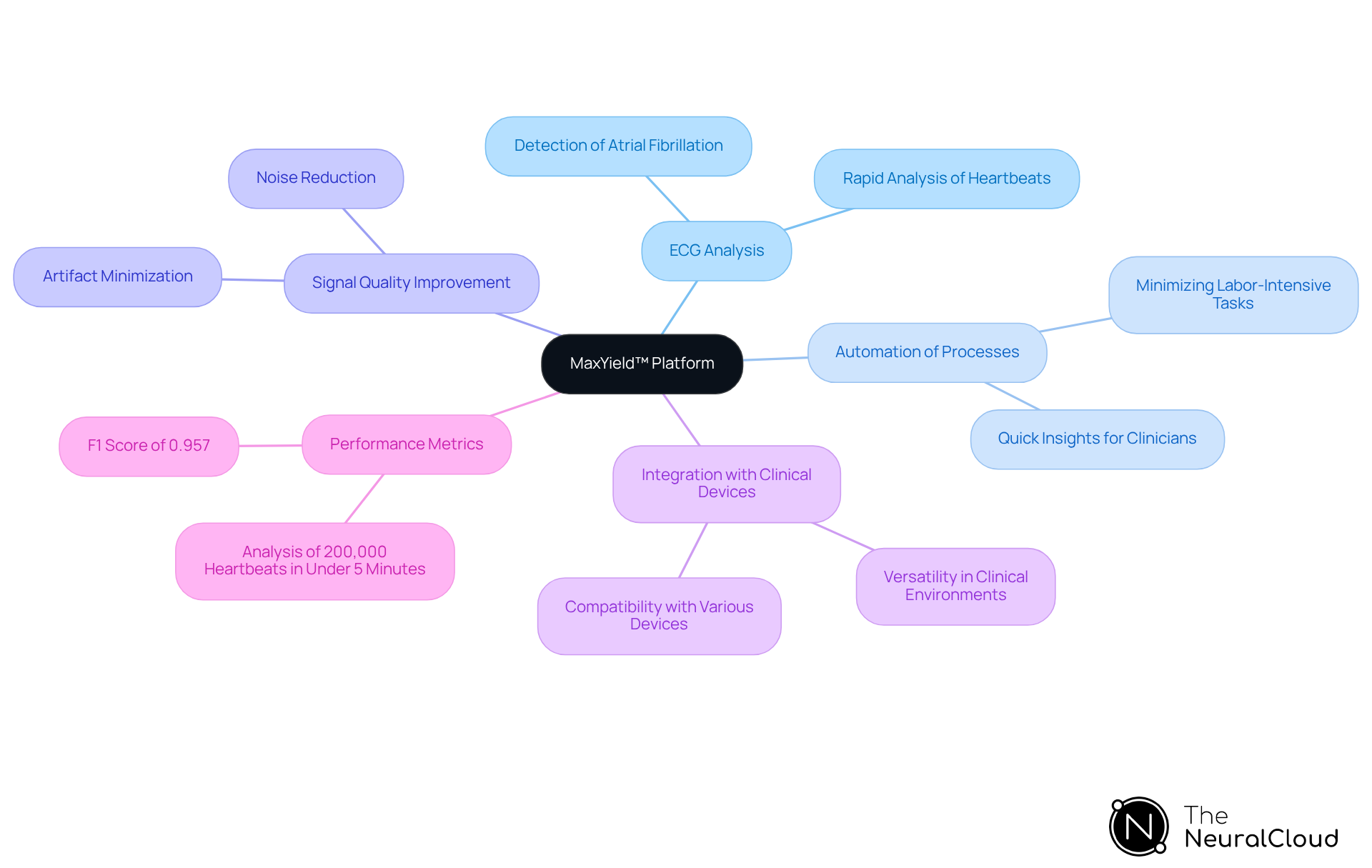
Neural Cloud Solutions' MaxYield™ addresses significant challenges in atrial fibrillation, particularly in the detection and labeling of signals related to heart rhythm with rapid ventricular response. By automating these processes, the platform utilizes advanced algorithms to analyze over 200,000 heartbeats in under five minutes. This rapid analysis provides healthcare professionals with quick and accurate insights, which are essential for effective patient management.
One of the key features of the platform is its ability to effectively tackle common issues in ECG analysis, such as misinterpretation of signals. By minimizing these challenges, the technology allows clinicians to focus on critical decision-making rather than spending excessive time on labor-intensive data processing. This shift not only enhances efficiency but also improves the quality of patient care.
The platform's integration capabilities with various devices further enhance its versatility in clinical environments. This makes MaxYield™ an indispensable tool for cardiologists and healthcare technicians alike. With an impressive F1 score of 0.957 for rhythm detection, the platform exemplifies the anticipated advancements in cardiac monitoring in 2025, significantly improving the clarity and accuracy of ECG signals.
As interest in AI-driven solutions grows, the platform emerges as a key player in enhancing the detection of atrial fibrillation with rapid ventricular response. This capability ultimately leads to better patient outcomes, reinforcing the importance of innovative technology in modern healthcare.
Understanding Atrial Fibrillation with Rapid Ventricular Response (RVR)
Atrial fibrillation (AF) is characterized by irregular and often rapid heartbeats, resulting from chaotic electrical signals within the heart. When AF occurs, the ventricles beat excessively fast, typically surpassing 100 beats per minute. This condition can lead to serious complications, including stroke and heart failure. Understanding the dynamics of atrial fibrillation is essential for effective management.
Neural Cloud Solutions' MaxYield™ addresses the challenges in ECG analysis by enhancing efficiency through advanced algorithms and distinct wave recognition. This platform allows for the rapid isolation of ECG waves from recordings that may be affected by baseline wander, movement, and muscle artifacts. By integrating with MaxYield™, healthcare providers can automate the labeling process, significantly reducing costs and overcoming inefficiencies associated with traditional ECG interpretation methods.
As the algorithm evolves with each use, it continuously enhances its accuracy and efficiency. This ensures that critical data is identified and salvaged, even from previously obscured sections of lengthy Holter, 1-Lead, and patch monitor recordings. The platform effectively tackles various ECG artifacts, further improving its diagnostic capabilities.
In summary, the MaxYield™ platform not only streamlines the process but also empowers healthcare professionals with precise and actionable insights. By improving the clarity and reliability of ECG readings, it ultimately contributes to better patient outcomes and more efficient healthcare delivery.
Key Symptoms of Atrial Fibrillation with RVR
Common symptoms of atrial fibrillation with RVR include:
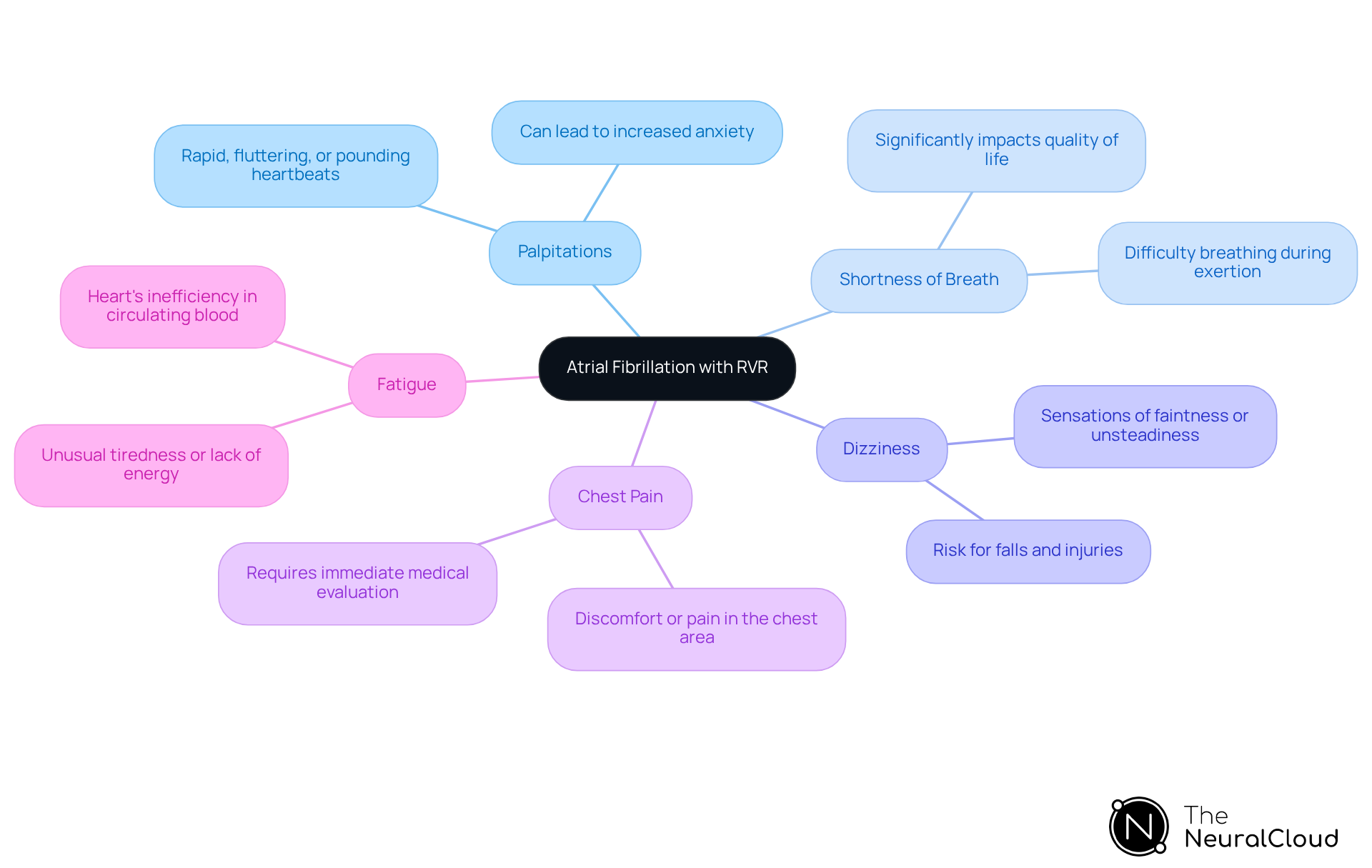
- Palpitations: Patients frequently report a rapid or pounding heartbeats, which can be alarming and may lead to increased anxiety.
- Shortness of breath: Many individuals experience difficulty breathing, especially during physical exertion, which can significantly impact their quality of life.
- Dizziness or lightheadedness: Sensations of faintness or unsteadiness are common, particularly during episodes of quick pulse rates, presenting risks for falls and injuries.
- Chest pain: Discomfort or pain in the chest area may occur, necessitating immediate medical evaluation to rule out other serious conditions.
- Fatigue: General tiredness is often noted, as the heart's inefficiency in circulating blood can lead to general exhaustion.
Early recognition, particularly of symptoms, is crucial for healthcare providers to initiate appropriate interventions. Atrial fibrillation is projected to affect 12.1 million individuals in the U.S. by 2030, underscoring the importance of awareness. Moreover, studies indicate that in 70 to 80 percent of cases, a single ablation procedure can significantly reduce AFib symptoms, emphasizing the need for effective treatment strategies. Understanding patient experiences with these symptoms can guide healthcare professionals in tailoring interventions and improving outcomes.
Common Causes of Atrial Fibrillation with RVR
Various factors can initiate atrial fibrillation with rapid ventricular response, each contributing to the condition. Key triggers include:
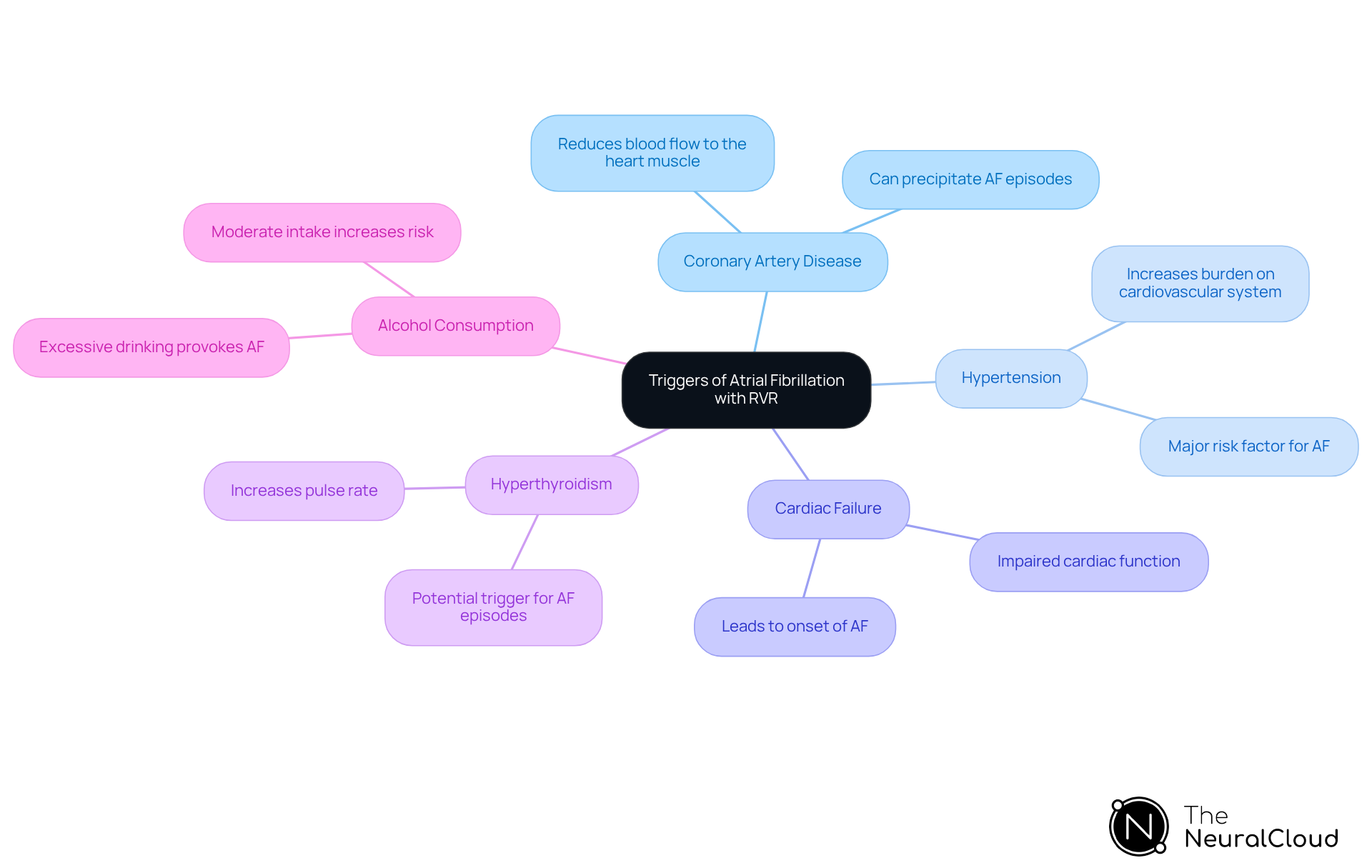
- Coronary artery disease: This condition reduces blood flow to the heart muscle, which can precipitate AF episodes.
- Hypertension: High blood pressure raises the burden on the cardiovascular system, rendering it a major risk factor for developing AF.
- Cardiac failure: Impaired cardiac function can lead to the onset of atrial fibrillation, particularly in patients with chronic cardiac conditions.
- Hyperthyroidism: An overactive thyroid can increase pulse rate, potentially triggering AF episodes.
- Alcohol consumption: Research indicates that even moderate intake can increase the risk of episodes.
As noted by the Cleveland Clinic, 'Atrial fibrillation is a form of arrhythmia.' Early recognition is essential for effective management with rapid ventricular response. Statistics indicate that an estimated 2 million people in the U.S. have A-fib, underscoring the significance of recognizing its triggers. Implementation of lifestyle changes and medical interventions can mitigate these risks, as unmanaged AF can lead to severe complications such as stroke and heart failure. Professional guidance can assist in reducing these hazards.
Identifying Risk Factors for Atrial Fibrillation with RVR
Key risk factors for developing atrial fibrillation with rapid ventricular response (RVR) include:
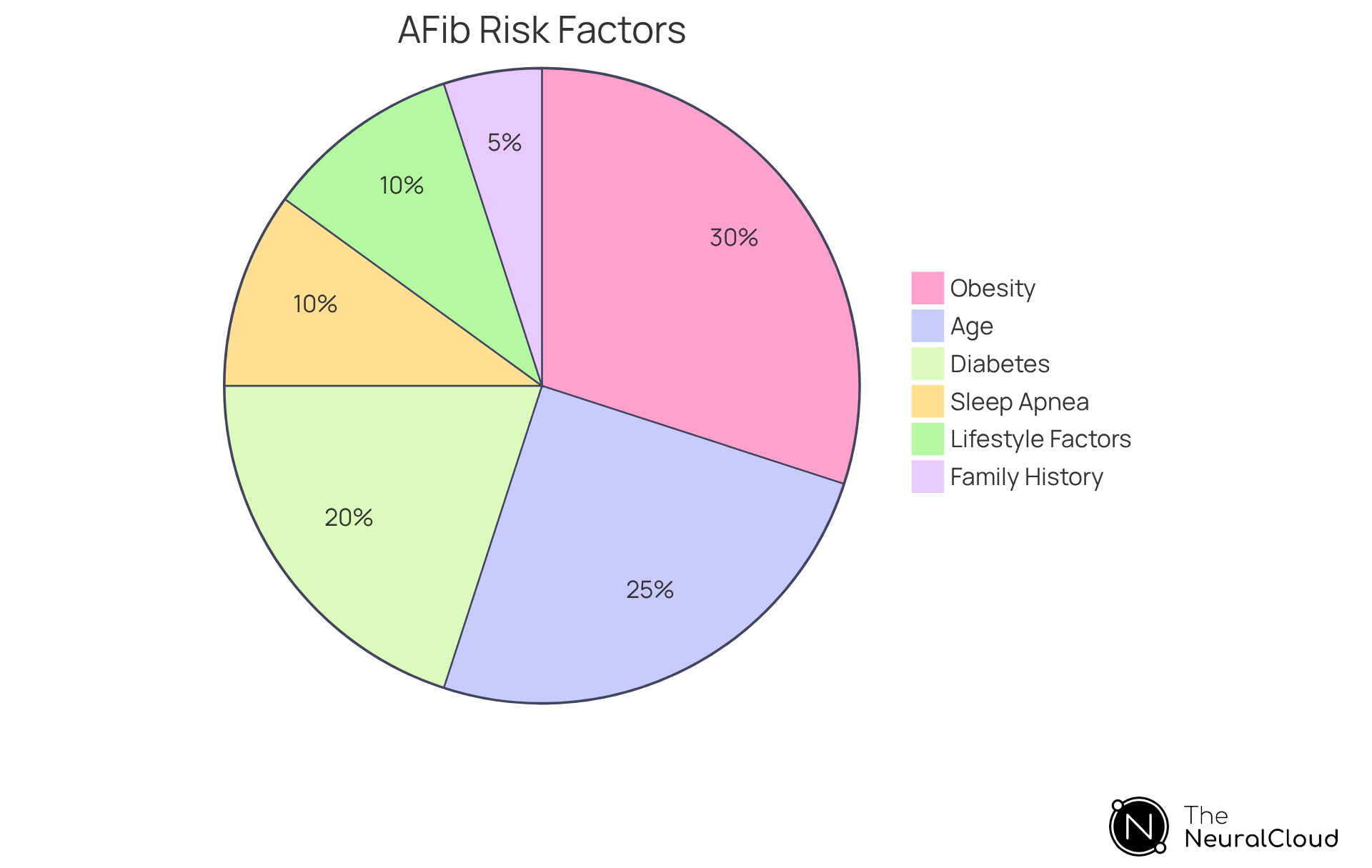
- Age: The likelihood of developing AFib significantly increases with age, particularly for individuals over 65. Nearly 1 in 10 people over the age of 80 are affected.
- Obesity: Excess weight places additional strain on the heart, contributing to the development of AFib. Approximately 30% of patients with AFib are classified as obese, highlighting the need for weight management.
- Diabetes: This condition is closely associated with cardiovascular disease. Studies indicate that compared to those without diabetes, individuals with diabetes have a higher risk of developing AFib.
- Sleep Apnea: Disrupted breathing during sleep is a significant contributor to AFib, leading to increased strain on the heart and irregular rhythms.
- Family History: A genetic predisposition can increase the likelihood of AFib, particularly in individuals with a family history of heart disease.
- Lifestyle Factors: Excessive alcohol or caffeine consumption can trigger episodes, further complicating the condition.
Comprehending these risk factors is essential for implementing focused interventions and lifestyle changes to manage atrial fibrillation with rapid ventricular response. For example, adopting a heart-healthy diet and engaging in regular physical activity can greatly lower the chance of AFib, especially in individuals who are overweight or have diabetes. Studies emphasize that addressing these factors through lifestyle modifications can reduce the occurrence of AFib-related complications, such as stroke.
Potential Complications of Atrial Fibrillation with RVR
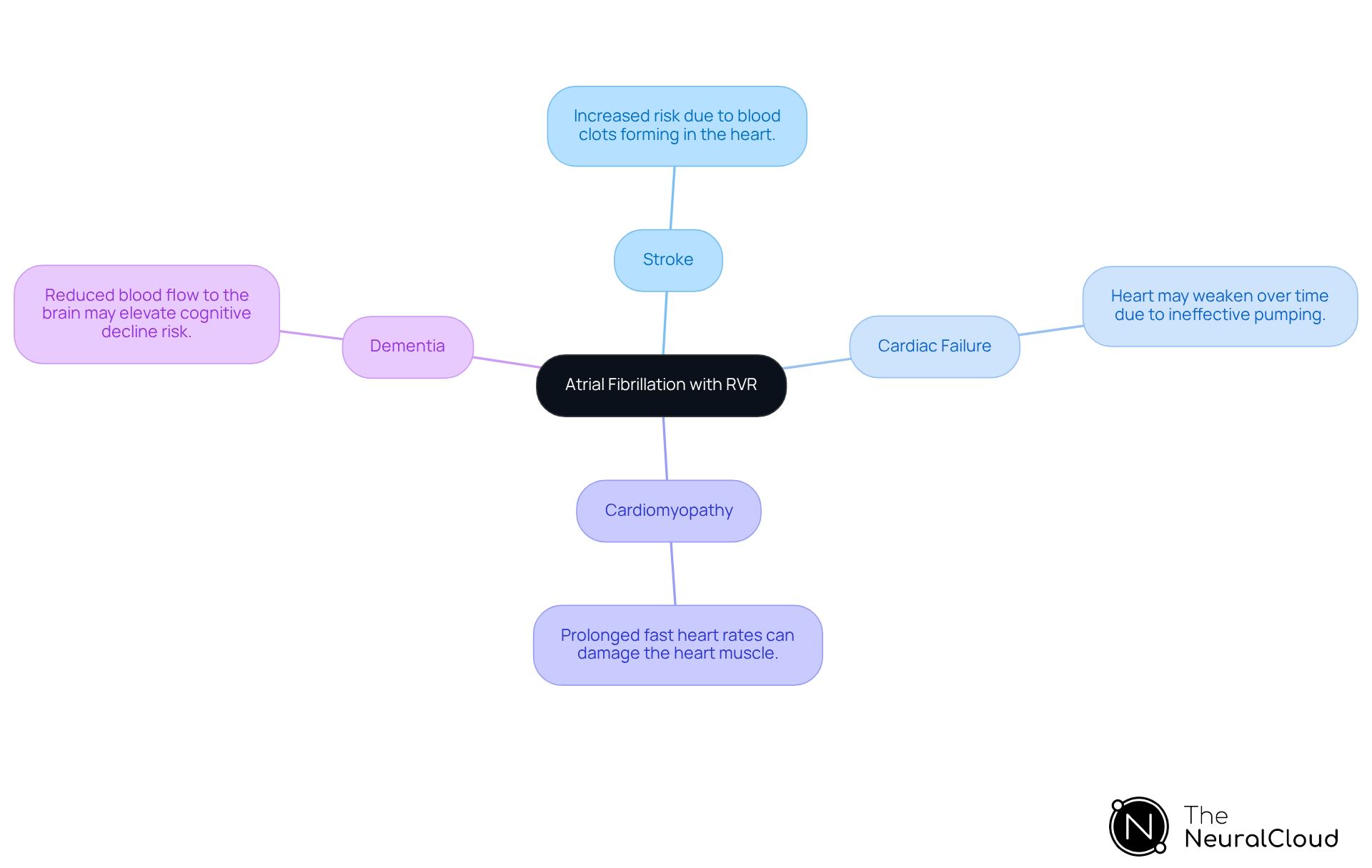
may result in several complications. These include:
- Stroke: There is an increased risk.
- Heart failure: Over time, the heart may weaken due to ineffective pumping.
- Cardiomyopathy: Prolonged fast heart rates can result in damage to the heart muscle.
- Dementia: Atrial fibrillation may elevate the risk of cognitive decline.
Understanding these complications is vital for patient management.
Diagnostic Approaches for Atrial Fibrillation with RVR
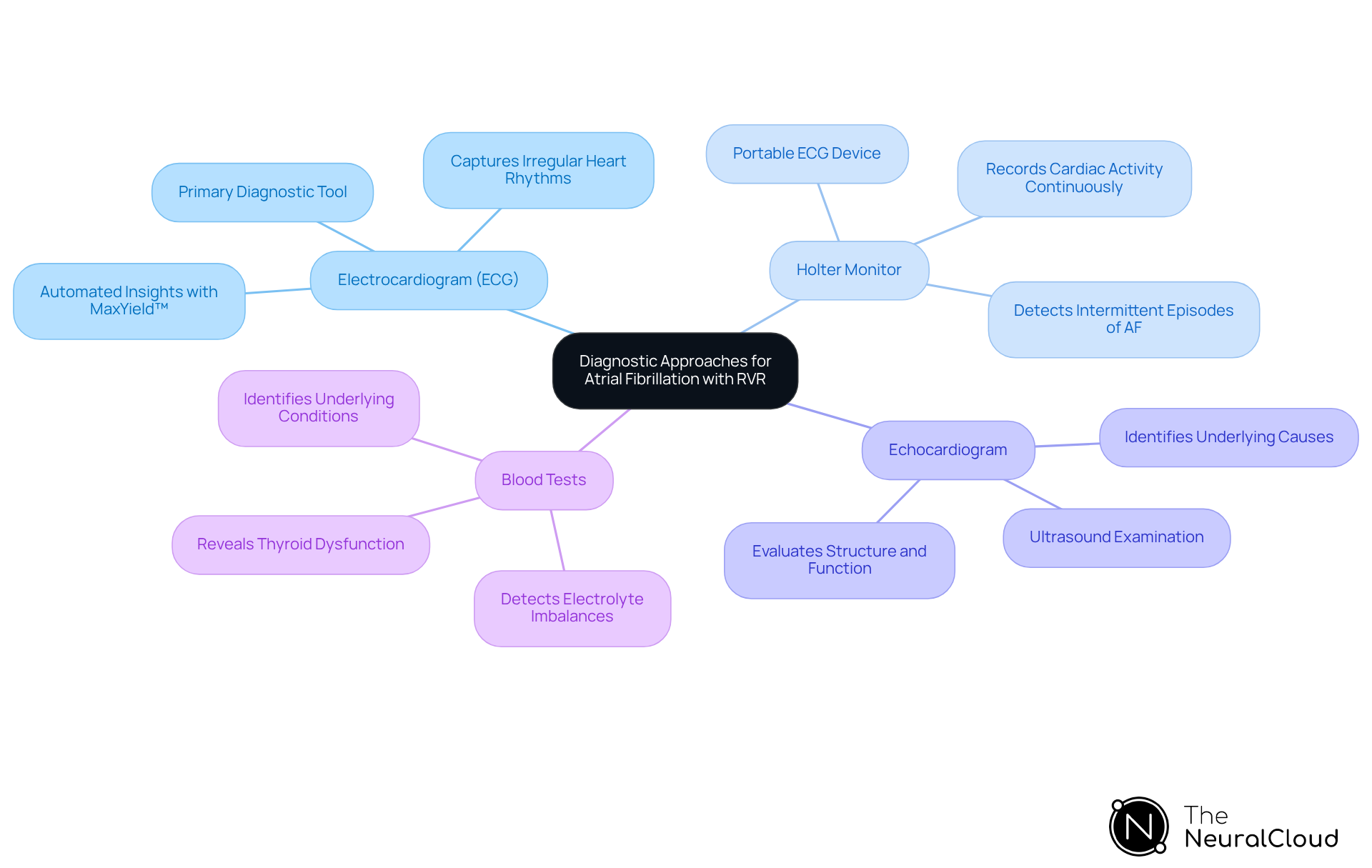
Essential diagnostic approaches for RVR are crucial for accurate identification and effective management of this condition. Key tools include:
- ECG: The primary diagnostic tool for atrial fibrillation, the ECG effectively captures the irregular heart rhythms characteristic of the condition. With the integration of Neural Cloud Solutions' technology, ECG analysis is revolutionized. This platform provides clinicians with advanced analytics. The ECG delivers prompt insights into the heart's electrical activity, enabling swift identification of AF. Angela Ryan Lee, MD, FACC, notes that 'A-fib is the most prevalent rhythm disorder of the heart,' impacting over 2.7 million individuals in the United States.
- Holter Monitor: A portable ECG device that records cardiac activity continuously over 24 to 48 hours, the Holter monitor is particularly useful for detecting intermittent episodes of AF that may not be present during a standard ECG. Real-world applications have demonstrated its effectiveness in capturing transient arrhythmias, thereby enhancing diagnostic accuracy. The adaptability of the Holter monitor further supports healthcare professionals in analyzing this data effectively.
- Echocardiogram: This ultrasound examination evaluates the structure and function of the heart, providing valuable information about potential underlying causes of AF, such as valve abnormalities or left atrial enlargement.
- Blood Tests: Conducted to identify underlying conditions, these tests can reveal issues like thyroid dysfunction or electrolyte imbalances, which may contribute to the development of AF.
These are crucial not only for confirming the presence of AF but also for guiding treatment decisions. It is important to note that AF can often be asymptomatic, making regular checkups vital for early detection. Furthermore, the incorporation of technology with these diagnostic instruments improves overall patient care, emphasizing the significance of timely intervention.
Effective Treatment Options for Atrial Fibrillation with RVR
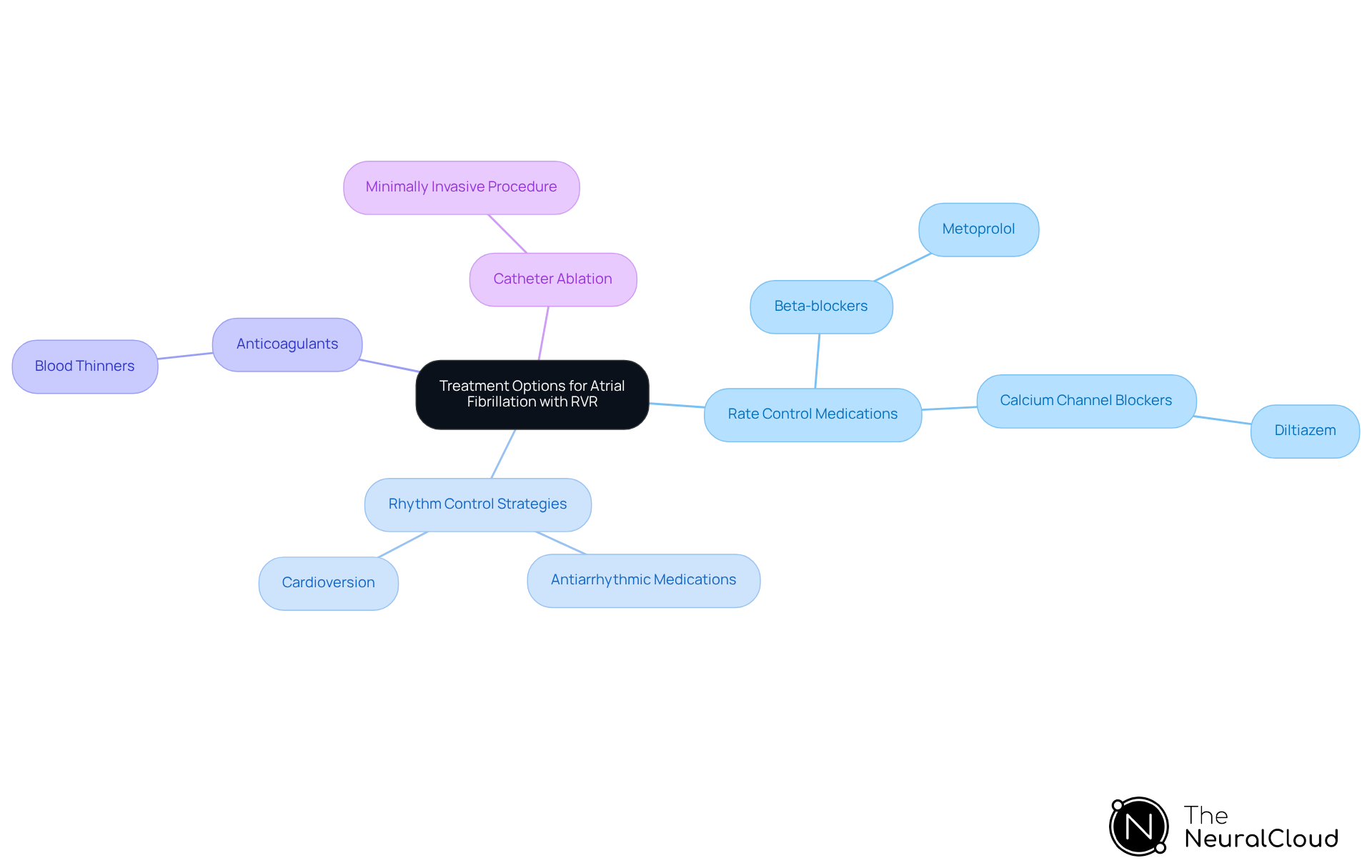
Effective treatment options for atrial fibrillation with rapid ventricular response encompass a multifaceted approach aimed at managing symptoms and preventing complications. Key strategies include:
- Rate Control Medications: Beta-blockers, such as metoprolol, and calcium channel blockers, like diltiazem, are commonly prescribed to effectively slow the heart rate, alleviating symptoms associated with AF. As Dr. Caldwell Esselstyn noted, "addressing underlying health issues is crucial," highlighting the importance of addressing underlying health issues through lifestyle changes.
- Rhythm Control Strategies: These involve the use of antiarrhythmic medications and procedures like cardioversion, which aim to restore normal rhythm, providing patients with enhanced quality of life. Current trends emphasize the importance of rhythm control in enhancing patient outcomes.
- Anticoagulation Therapy: Anticoagulants are essential in preventing blood clots, a significant concern for individuals with AF. Given that cardiovascular illness is the primary cause of mortality worldwide, effective anticoagulation is essential in managing AF patients.
- Catheter Ablation: This targets and eliminates the specific tissue responsible for AF, offering a potential long-term solution for symptom control.
These treatment approaches are essential in tackling the complexities of atrial fibrillation, ensuring that patients receive thorough care customized to their needs. Furthermore, preserving emotional well-being is crucial, as negative emotional states can negatively impact cardiovascular health, further highlighting the necessity for a comprehensive approach to AF care.
Preventive Strategies for Atrial Fibrillation with RVR
Preventive strategies for managing RVR involve several key factors and techniques.
Maintaining a healthy weight is essential, as an increased body mass index (BMI) is linked to higher AF recurrence rates, particularly in individuals with a BMI over 30 kg/m². Each five-unit increase in BMI correlates with a 13% increase in the likelihood of AF recurrence post-ablation. Regular exercise and a balanced diet can effectively manage weight and enhance overall cardiovascular health.
Controlling hypertension, diabetes, and obstructive sleep apnea (OSA) is crucial. Research indicates that untreated OSA can lead to elevated AF recurrence rates. Conversely, managing these conditions can significantly improve outcomes post-ablation. Higher HbA1c levels at the time of AF ablation are associated with increased recurrence rates, highlighting the importance of glycemic control.
Avoiding Triggers: Limiting excessive alcohol consumption, caffeine intake, and managing stress levels is vital. Ongoing alcohol use, particularly among heavy drinkers, has been linked to increased AF recurrence.
Routine monitoring allows for timely adjustments in treatment and lifestyle. Engaging in a systematic and organized approach to AF oversight, which includes regular discussions with healthcare professionals, enhances the efficiency of risk factor adjustments.
Implementing these strategies can significantly reduce the likelihood of developing complications, as various studies underscore the importance of thorough oversight of contributing factors. For example, the ARREST-AF study revealed that the risk factor oversight group exhibited notably better outcomes regarding arrhythmia-free survival and a reduced need for anti-arrhythmic drugs compared to the control group. Furthermore, patient involvement and a cohesive team strategy are essential for modifying lifestyle factors such as obesity, physical inactivity, and hypertension, ultimately leading to improved health outcomes. As John L. Fitzgerald noted, "Patient engagement is key to halt and reverse the progression of AF."
Lifestyle Management for Atrial Fibrillation with RVR
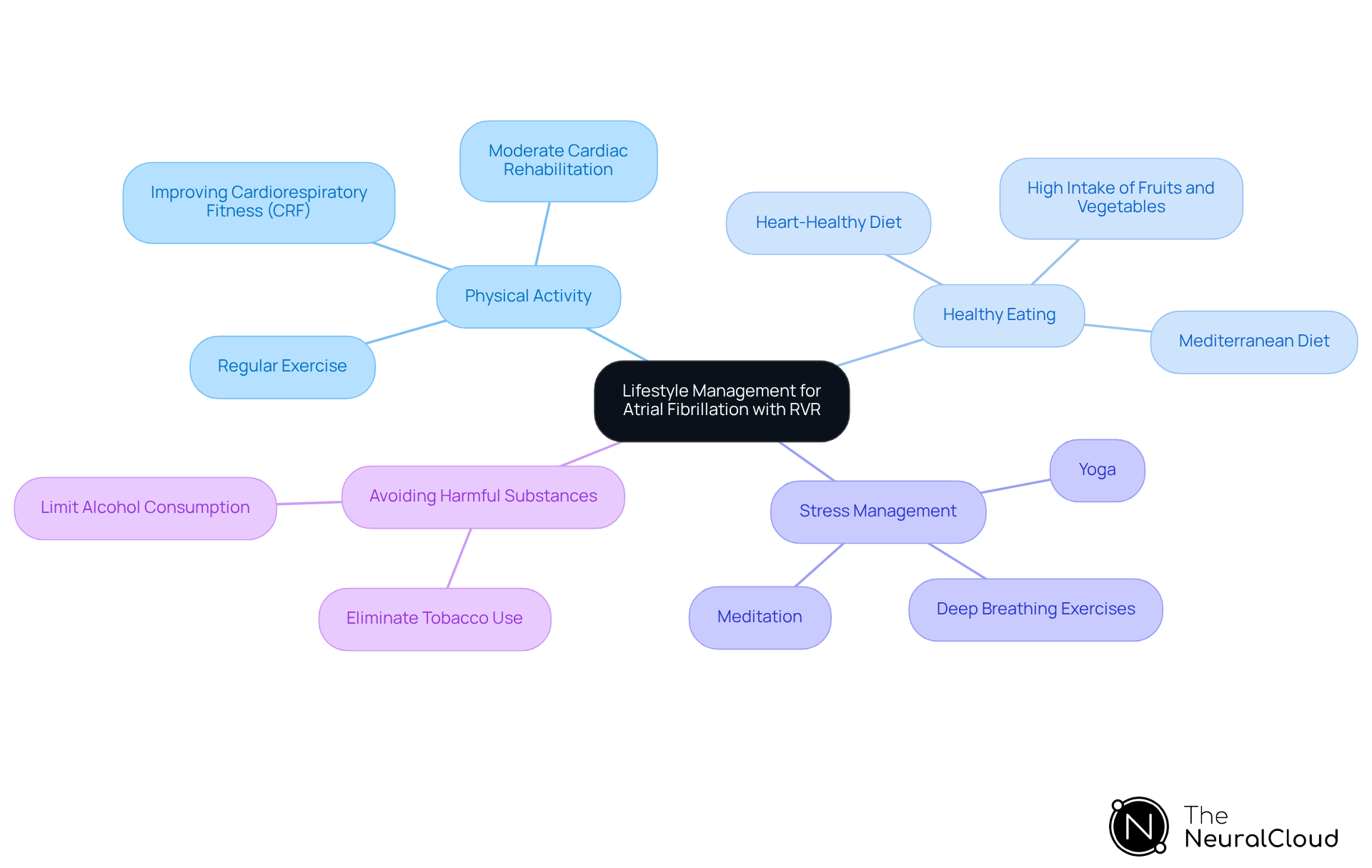
Effective lifestyle management for atrial fibrillation with rapid ventricular response encompasses several key strategies.
- Regular physical activity is essential. Engaging in moderate exercise enhances fitness and alleviates AF symptoms. Research indicates that improvements in cardiorespiratory fitness (CRF) can lead to better health outcomes, with each 1 MET increase associated with a 15% decrease in all-cause mortality. This highlights the necessity of incorporating exercise into daily routines.
- Nutrition is another critical component. A diet rich in fruits, vegetables, and whole grains, while low in saturated fats, supports heart health. Studies emphasize that adhering to specific dietary patterns, such as the Mediterranean diet, can lower the risk of cardiovascular diseases (CVD) and improve overall health outcomes. For example, individuals with a high intake of fruits and vegetables have demonstrated a reduced risk of AF symptoms.
- Stress management also plays a vital role. Practices like yoga, meditation, and deep breathing exercises effectively mitigate stress, a known trigger for AF episodes. By integrating these techniques, patients can enhance their emotional well-being and potentially decrease the frequency of AF occurrences.
- Avoidance of harmful substances is equally important. Both tobacco use and excessive alcohol intake are associated with worsened AF symptoms. Eliminating these substances can lead to improved heart rhythm stability and overall health.
Implementing these lifestyle changes not only aids in managing atrial fibrillation with rapid ventricular response but also contributes to an enhanced quality of life. Real-world examples show that patients who adopt these strategies often experience a significant reduction in AF symptoms, reinforcing the critical role of healthy living in overall wellness.
Conclusion
Neural Cloud Solutions' MaxYield™ platform represents a significant advancement in managing atrial fibrillation with rapid ventricular response (RVR). This innovative tool automates ECG analysis and employs sophisticated AI algorithms, enhancing the speed and accuracy of diagnosing this complex condition. As healthcare professionals increasingly adopt AI-driven solutions, the role of such technology in improving patient outcomes becomes paramount.
The article explores key insights, including:
- Critical symptoms of atrial fibrillation with RVR
- Common causes
- Risk factors
- Potential complications
Understanding these elements is essential for effective diagnosis and treatment. Furthermore, the discussion emphasizes the necessity for lifestyle modifications and preventive strategies that can significantly reduce the risk of developing atrial fibrillation while improving overall cardiovascular health.
In conclusion, addressing atrial fibrillation with rapid ventricular response necessitates a comprehensive approach that integrates advanced technology, timely diagnosis, and personalized patient care. Encouraging individuals to adopt healthier lifestyles and remain vigilant about their cardiovascular health can lead to improved outcomes. As the landscape of cardiac care evolves, embracing these advancements and strategies will be vital in effectively managing atrial fibrillation and enhancing the quality of life for those affected.
Frequently Asked Questions
What is the MaxYield™ platform by Neural Cloud Solutions?
The MaxYield™ platform is an advanced ECG analysis tool that automates the detection and labeling of signals related to atrial fibrillation with rapid ventricular response, analyzing over 200,000 heartbeats in under five minutes.
How does MaxYield™ improve ECG analysis?
MaxYield™ enhances ECG analysis by using advanced AI algorithms to minimize noise and signal artifacts, allowing healthcare professionals to focus on critical decision-making and improving the overall quality of patient care.
What is the significance of the F1 score of 0.957 for MaxYield™?
The F1 score of 0.957 indicates the platform's high accuracy in rhythm detection, showcasing its effectiveness in improving the clarity and reliability of ECG signals.
How does MaxYield™ integrate with clinical environments?
The platform integrates with various devices, making it a versatile tool for cardiologists and healthcare technicians, thus enhancing its utility in clinical settings.
What is atrial fibrillation with rapid ventricular response (RVR)?
Atrial fibrillation with RVR is characterized by irregular and often rapid heartbeats, with ventricular rates typically exceeding 100 beats per minute, which can lead to decreased cardiac output and increased risk of complications.
What are common symptoms of atrial fibrillation with RVR?
Common symptoms include palpitations, shortness of breath, dizziness or lightheadedness, chest pain, and fatigue.
Why is it important to recognize symptoms of atrial fibrillation with RVR?
Recognizing these symptoms is crucial for healthcare providers to initiate appropriate interventions, as timely diagnosis and management are essential for improving patient outcomes.
What are the implications of the projected increase in atrial fibrillation cases in the U.S.?
With projections indicating that 12.1 million individuals in the U.S. will be affected by atrial fibrillation by 2030, timely diagnosis and effective treatment strategies are essential for managing this growing health concern.
List of Sources
- Neural Cloud Solutions' MaxYield™: Transforming ECG Analysis for Atrial Fibrillation
- sciencedirect.com (https://sciencedirect.com/science/article/pii/S0022073623002698)
- pmc.ncbi.nlm.nih.gov (https://pmc.ncbi.nlm.nih.gov/articles/PMC10145690)
- reuters.com (https://reuters.com/business/healthcare-pharmaceuticals/health-rounds-ai-expands-usefulness-common-heart-test-2025-07-18)
- investors.irhythmtech.com (https://investors.irhythmtech.com/news/news-details/2025/iRhythm-Launches-Zio-Long-Term-Continuous-Monitoring-Service-in-Japan-as-the-Zio-ECG-Recording-and-Analysis-System-Advancing-AI-Powered-Arrhythmia-Detection/default.aspx)
- The Latest AI News and Breakthroughs That Matter Most | News (https://crescendo.ai/news/latest-ai-news-and-updates)
- Understanding Atrial Fibrillation with Rapid Ventricular Response (RVR)
- New Estimates Suggest Atrial Fibrillation 3 Times More Common Than Thought | AJMC (https://ajmc.com/view/new-estimates-suggest-atrial-fibrillation-3-times-more-common-than-thought)
- A-fib with RVR: Symptoms, diagnosis, and treatments (https://medicalnewstoday.com/articles/316488)
- ucsf.edu (https://ucsf.edu/news/2024/09/428416/how-many-people-have-fib-three-times-more-we-thought)
- Key Symptoms of Atrial Fibrillation with RVR
- AFib’s on the Rise. A New Approach May Help Treat It. (https://dartmouth-hitchcock.org/stories/article/afibs-rise-new-approach-may-help-treat-it)
- goodreads.com (https://goodreads.com/quotes/tag/atrial-fibrillation)
- hcplive.com (https://hcplive.com/view/etripamil-nasal-spray-outperforms-placebo-for-afib-with-rapid-ventricular-rate)
- pinterest.com (https://pinterest.com/pin/dont-let-anyone-especially-your-doctor-tell-you-that--827817975281093897)
- Common Causes of Atrial Fibrillation with RVR
- Atrial Fibrillation - StatPearls - NCBI Bookshelf (https://ncbi.nlm.nih.gov/books/NBK526072)
- What is A-fib with RVR? (https://my.clevelandclinic.org/health/diseases/24578-atrial-fibrillation-with-rvr)
- Atrial fibrillation - Symptoms and causes (https://mayoclinic.org/diseases-conditions/atrial-fibrillation/symptoms-causes/syc-20350624)
- hopkinsmedicine.org (https://hopkinsmedicine.org/health/conditions-and-diseases/atrial-fibrillation)
- Identifying Risk Factors for Atrial Fibrillation with RVR
- Atrial fibrillation - Symptoms and causes (https://mayoclinic.org/diseases-conditions/atrial-fibrillation/symptoms-causes/syc-20350624)
- hopkinsmedicine.org (https://hopkinsmedicine.org/health/conditions-and-diseases/5-things-you-should-know-about-atrial-fibrillation)
- What is A-fib with RVR? (https://my.clevelandclinic.org/health/diseases/24578-atrial-fibrillation-with-rvr)
- Atrial Fibrillation - StatPearls - NCBI Bookshelf (https://ncbi.nlm.nih.gov/books/NBK526072)
- Potential Complications of Atrial Fibrillation with RVR
- A-fib with RVR: Symptoms, diagnosis, and treatments (https://medicalnewstoday.com/articles/316488)
- ncbi.nlm.nih.gov (https://ncbi.nlm.nih.gov/books/NBK535439)
- Atrial fibrillation - Symptoms and causes (https://mayoclinic.org/diseases-conditions/atrial-fibrillation/symptoms-causes/syc-20350624)
- uspharmacist.com (https://uspharmacist.com/article/new-data-show-rising-heart-failure-rates-in-the-us)
- Checking your browser - reCAPTCHA (https://pmc.ncbi.nlm.nih.gov/articles/PMC10864030)
- Diagnostic Approaches for Atrial Fibrillation with RVR
- A-fib with RVR: Symptoms, diagnosis, and treatments (https://medicalnewstoday.com/articles/316488)
- Effective Treatment Options for Atrial Fibrillation with RVR
- parade.com (https://parade.com/1187612/michelle-parkerton/quotes-about-heart-disease)
- Preventive Strategies for Atrial Fibrillation with RVR
- Lifestyle & risk factor changes improved AFib symptoms, not burden, over standard care (https://newsroom.heart.org/news/lifestyle-risk-factor-changes-improved-afib-symptoms-not-burden-over-standard-care)
- mdpi.com (https://mdpi.com/2077-0383/11/9/2660)
- Lifestyle Management for Atrial Fibrillation with RVR
- sciencedirect.com (https://sciencedirect.com/science/article/pii/S003306202100133X)