Introduction
The rising prevalence of coronary artery disease underscores the urgent need for effective diagnostic tools to identify conditions like Wellens Syndrome. This condition is characterized by specific symptoms, including severe chest pain and transient ST-segment changes, which pose significant risks if not promptly recognized and managed.
Failure to recognize Wellens Syndrome can lead to severe complications, highlighting the need for improved diagnostic tools. Without effective diagnostic tools, healthcare professionals may struggle to provide timely interventions, risking patient outcomes.
Severe Chest Pain: A Hallmark of Wellens Syndrome
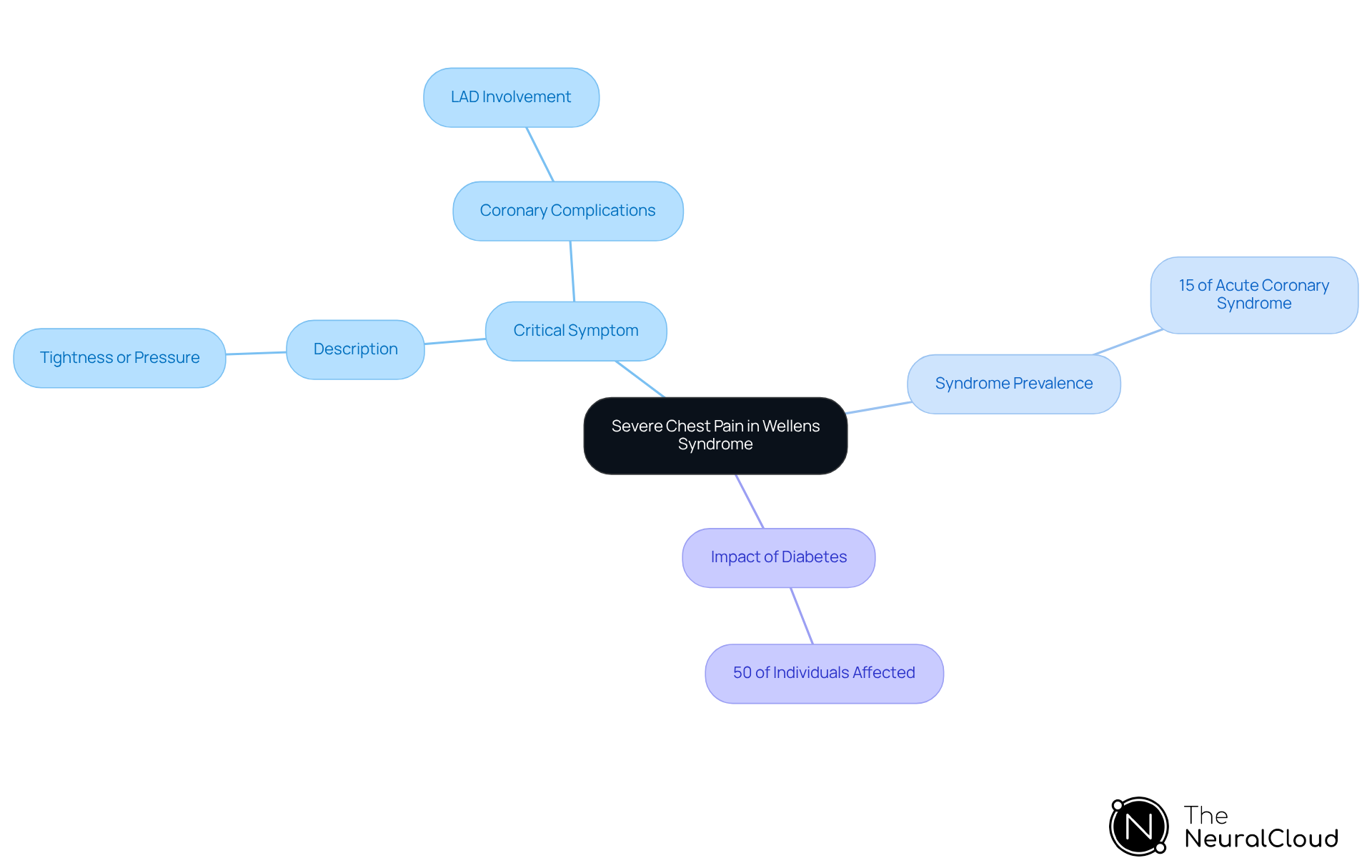
Intense chest pain, often described as tightness or pressure, is a critical symptom that can indicate serious coronary artery complications, particularly involving the left anterior descending artery (LAD). This symptom is a key sign that something serious might be happening with the coronary arteries. In a study conducted at Ahmed Gasim Teaching Hospital, it was found that a specific syndrome complicated 15% of individuals with acute coronary syndrome, with many experiencing this hallmark symptom. For health tech developers, grasping the nuances of this symptom is vital. It can help create diagnostic tools that alert medical professionals to urgent situations.
Additionally, diabetes affects 50% of individuals with this syndrome, emphasizing the need for thorough risk evaluations in diagnostic approaches. By focusing on these critical symptoms and their implications, developers can enhance the accuracy and responsiveness of cardiac diagnostics, ultimately saving lives.
Transient ST-Segment Changes: Recognizing the Warning Signs
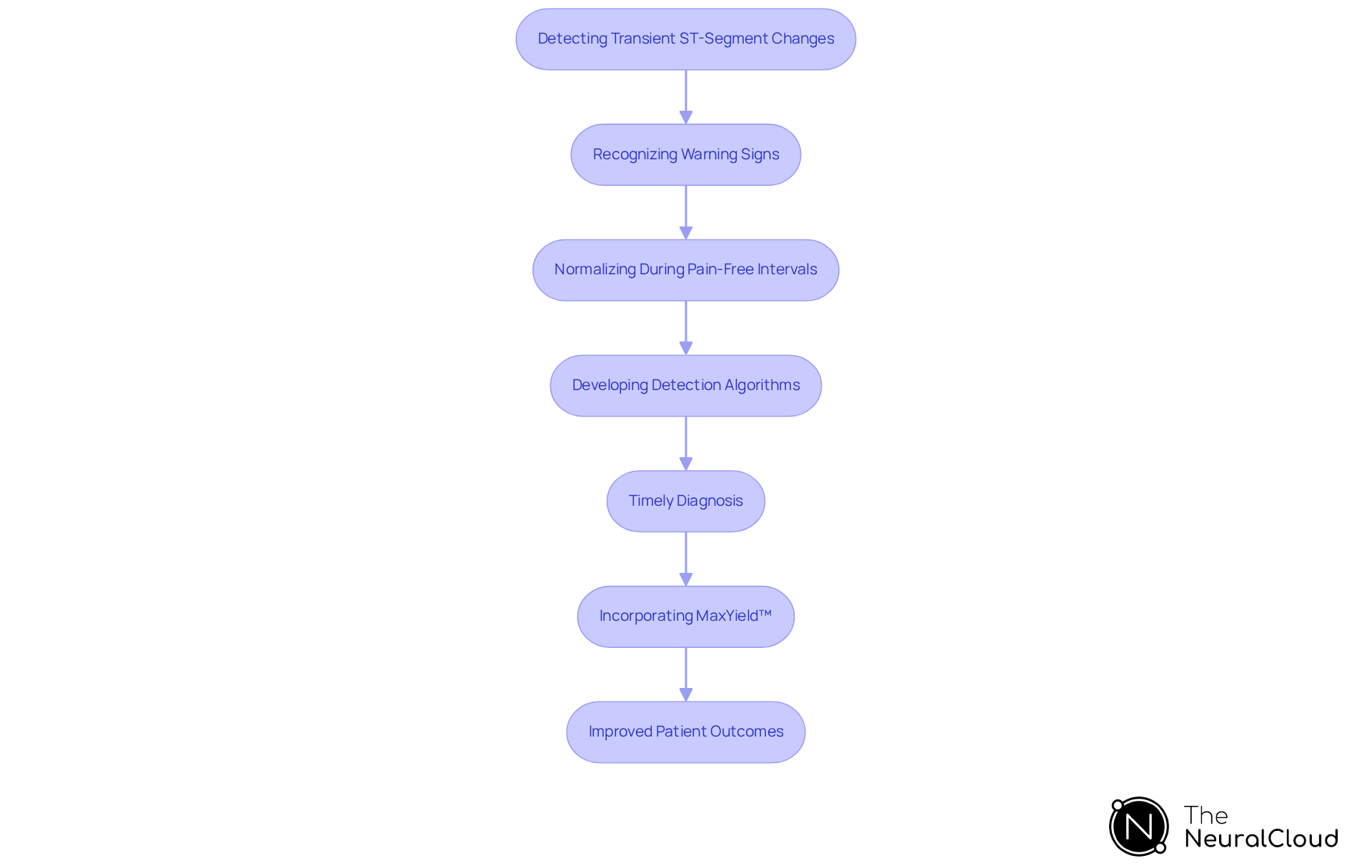
Detecting transient ST-segment alterations during chest pain remains a significant challenge for healthcare professionals. These changes can normalize during pain-free intervals, highlighting their critical role in accurate diagnosis. Health tech developers should prioritize creating algorithms capable of detecting these transient alterations in real-time, thereby improving the precision of ECG interpretations. Acknowledging that 14-18% of individuals with unstable angina display these characteristic patterns emphasizes the need for advanced detection methods.
Furthermore, the mean time from the onset of Wellens Syndrome to anterior wall myocardial infarction is approximately 8.5 days, underscoring the urgency for timely diagnosis and intervention. Focusing on these temporary ST-segment alterations allows developers to play a vital role in enhancing cardiovascular care outcomes.
Leveraging the capabilities of MaxYield™ from Neural Cloud Solutions Inc., which automates ECG analysis, reduces noise, and delivers beat-by-beat analysis of 200,000 heartbeats in less than 5 minutes, can significantly enhance the detection of these critical changes. As Dr. Alan Rabinowitz notes, "MaxYield™ rivals human interpretation in precision, making it an invaluable tool for health tech developers aiming to improve diagnostic accuracy."
Incorporating MaxYield™ into ECG analysis platforms can be a game-changer for healthcare professionals, ensuring timely and accurate diagnoses that ultimately save lives.
Recurrent Episodes of Angina: Understanding the Pattern
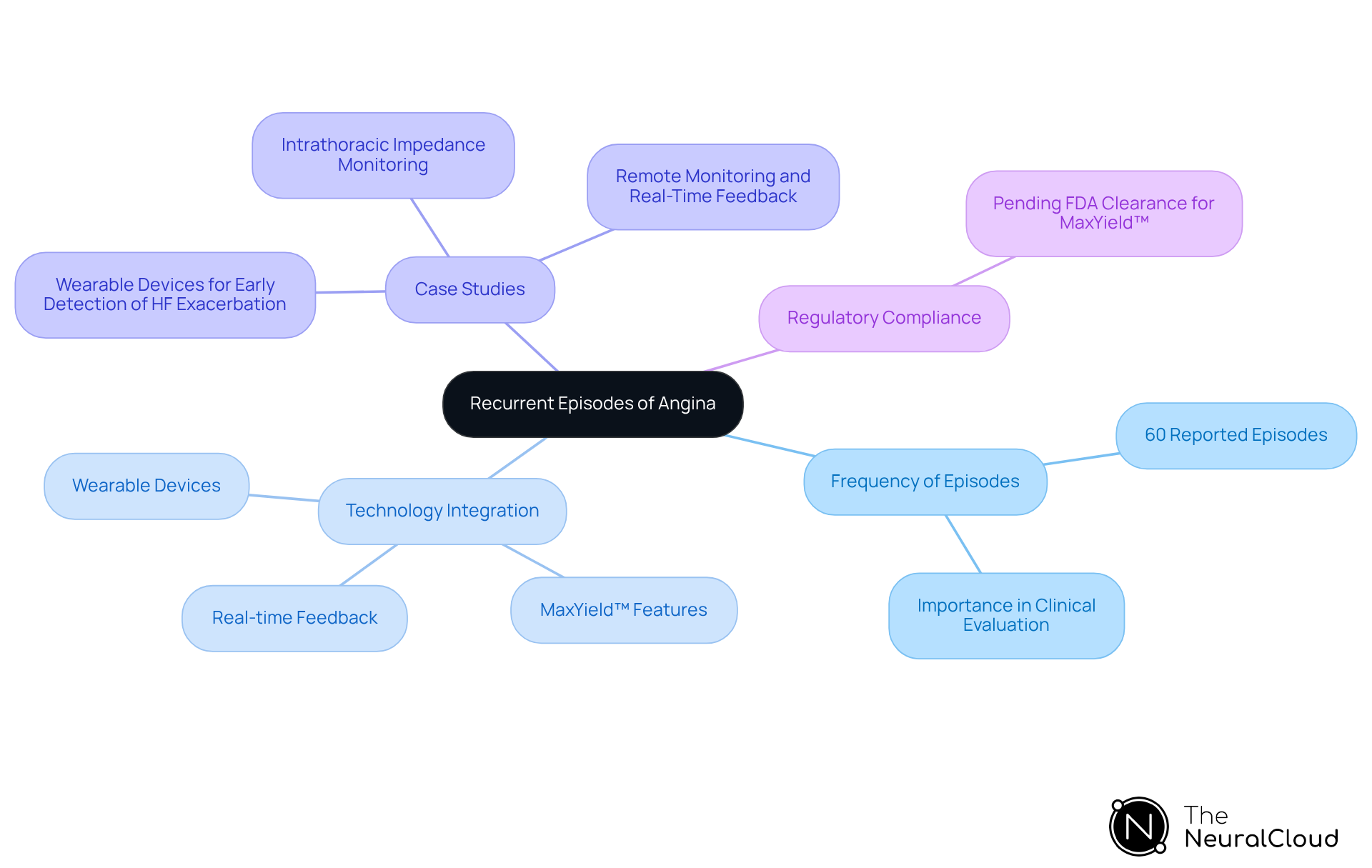
Managing repeated angina episodes is crucial for preventing worsening coronary artery disease. Recent studies suggest that around 60% of individuals with this condition report these episodes, highlighting their frequency and importance in clinical evaluation. These episodes often occur during physical activity and ease with rest, emphasizing the importance of timely monitoring.
For health tech developers, incorporating features that track the frequency and duration of angina episodes into wearable health devices can significantly improve management of individuals. Using advanced platforms like MaxYield™ from Neural Cloud Solutions Inc. automates ECG analysis and filters out noise, giving healthcare providers clearer insights into cardiac events. MaxYield™ rapidly isolates ECG waves from recordings, even in the presence of noise and artifacts, allowing for precise tracking of patterns and informed decisions regarding treatment adjustments. Case studies have shown that continuous monitoring can lead to earlier interventions, potentially reducing the risk of severe complications associated with wellens syndrome symptoms.
Furthermore, progress in wearable technology, along with MaxYield™'s features, has shown the capacity to deliver real-time feedback on angina episodes, which is essential for proactive management of individuals. This capability improves care strategies and helps healthcare professionals provide personalized care tailored to each individual's needs. Additionally, it is important to note that MaxYield™ is currently pending FDA Class II SaMD clearance, ensuring compliance with regulatory standards and enhancing its credibility in clinical settings.
Abnormal Heart Rhythms: The Role of ECG Monitoring
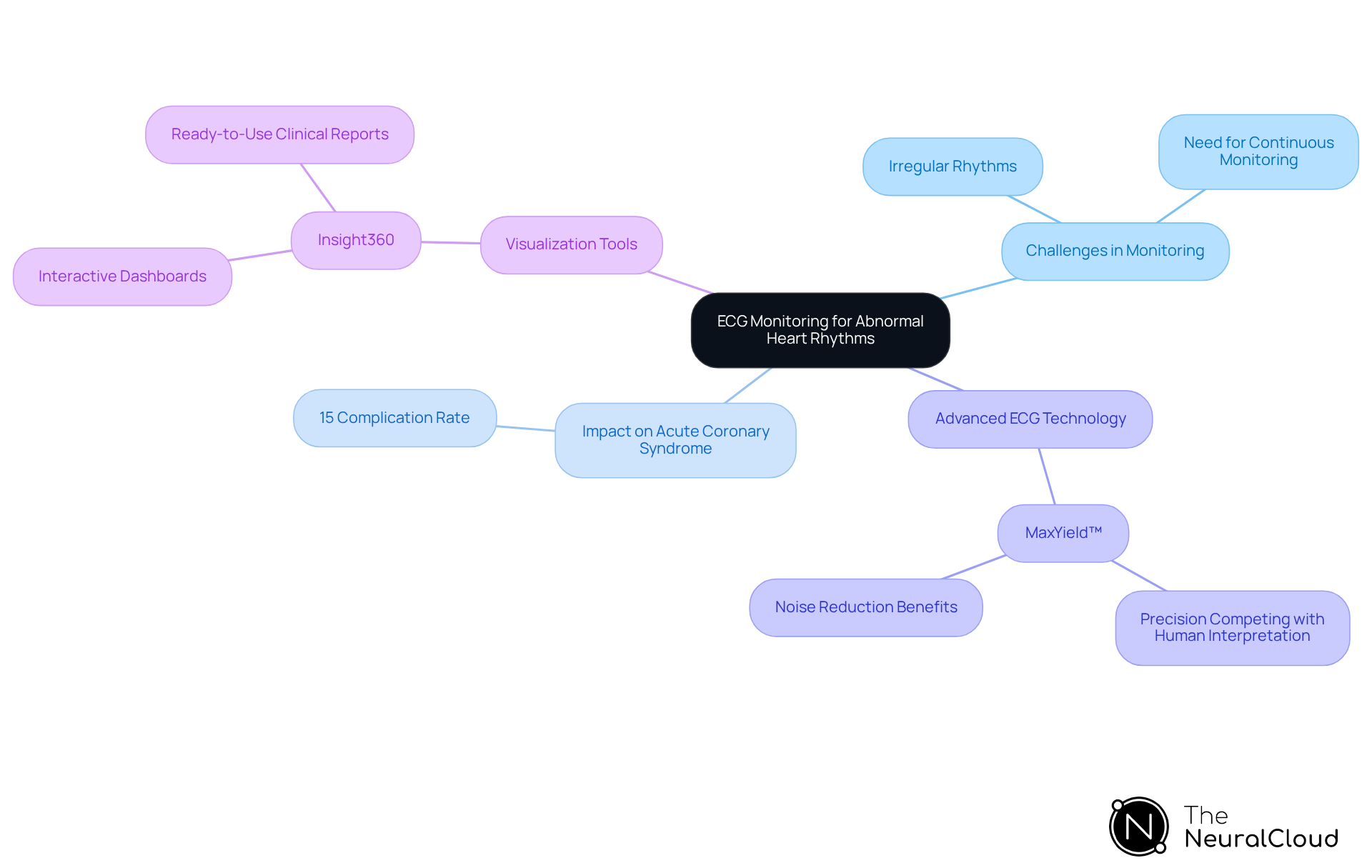
Patients with specific heart conditions often face challenges in monitoring irregular heart rhythms, which can indicate serious cardiac issues. These arrhythmias may indicate serious cardiac conditions that require immediate attention. Recent studies suggest that this condition complicates around 15% of acute coronary syndrome cases, with a significant occurrence of non-ST elevation myocardial infarction (NSTEMI) among those affected. Health tech developers must focus on features that enable continuous monitoring and create alert systems for abnormal rhythms, thereby significantly enhancing safety and enabling timely clinical responses.
The integration of advanced ECG intelligence, such as that offered by MaxYield™, which is currently pending FDA Class II SaMD clearance, can further improve the accuracy of rhythm detection and analysis. Experts like Dr. Alan Rabinowitz, Dr. Brett Heilbron, and Dr. Marc W. Deyell highlight that MaxYield™ offers precision that competes with human interpretation and its noise reduction benefits. This ensures that healthcare professionals can act swiftly in critical situations.
Moreover, Insight360 is a customizable visualization tool that converts MaxYield™'s clean ECG data into interactive dashboards and ready-to-use clinical reports, further enhancing clinical decision-making.
Syncope or Near-Syncope: Recognizing Serious Symptoms
The occurrence of syncope in patients with this condition signals a critical need for enhanced monitoring and diagnostic solutions. Syncope or near-syncope events often indicate significant cardiac compromise, typically due to reduced cerebral blood flow during angina episodes. Symptoms like blurred vision, dizziness, or weakness require immediate medical attention. It's crucial for developers to focus on features that monitor blood pressure and heart rate variability, as these can serve as vital indicators for potential syncope events. Continuous ECG monitoring is essential for detecting these episodes, allowing timely interventions that can prevent severe outcomes such as myocardial infarction.
Case studies reveal that individuals experiencing syncope frequently have underlying cardiovascular disorders, underscoring the necessity for advanced diagnostic tools that can alert healthcare providers to these risks. MaxYield automates ECG analysis, providing healthcare professionals with beat-by-beat insights to accurately identify cardiac events. With the capability to analyze over 200,000 heartbeats in less than five minutes, MaxYield enhances clinical decision-making by mapping ECG signals through noise. Furthermore, it is important to note that MaxYield is currently pending FDA Class II SaMD clearance, ensuring compliance with regulatory standards.
Expert endorsements from Dr. Alan Rabinowitz, Dr. Brett Heilbron, and Dr. Marc W. Deyell highlight MaxYield’s precision, rivaling human interpretation while significantly reducing noise. By concentrating on these attributes, health technology solutions can greatly improve safety and care quality in managing this condition. Exploring MaxYield could be the key to transforming how healthcare professionals manage cardiac events and improve patient outcomes. For those interested in exploring MaxYield further, Neural Cloud Solutions Inc. invites you to contact us for free trials and personalized walkthroughs to demonstrate its capabilities.
Diminished Peripheral Pulses: A Clinical Indicator
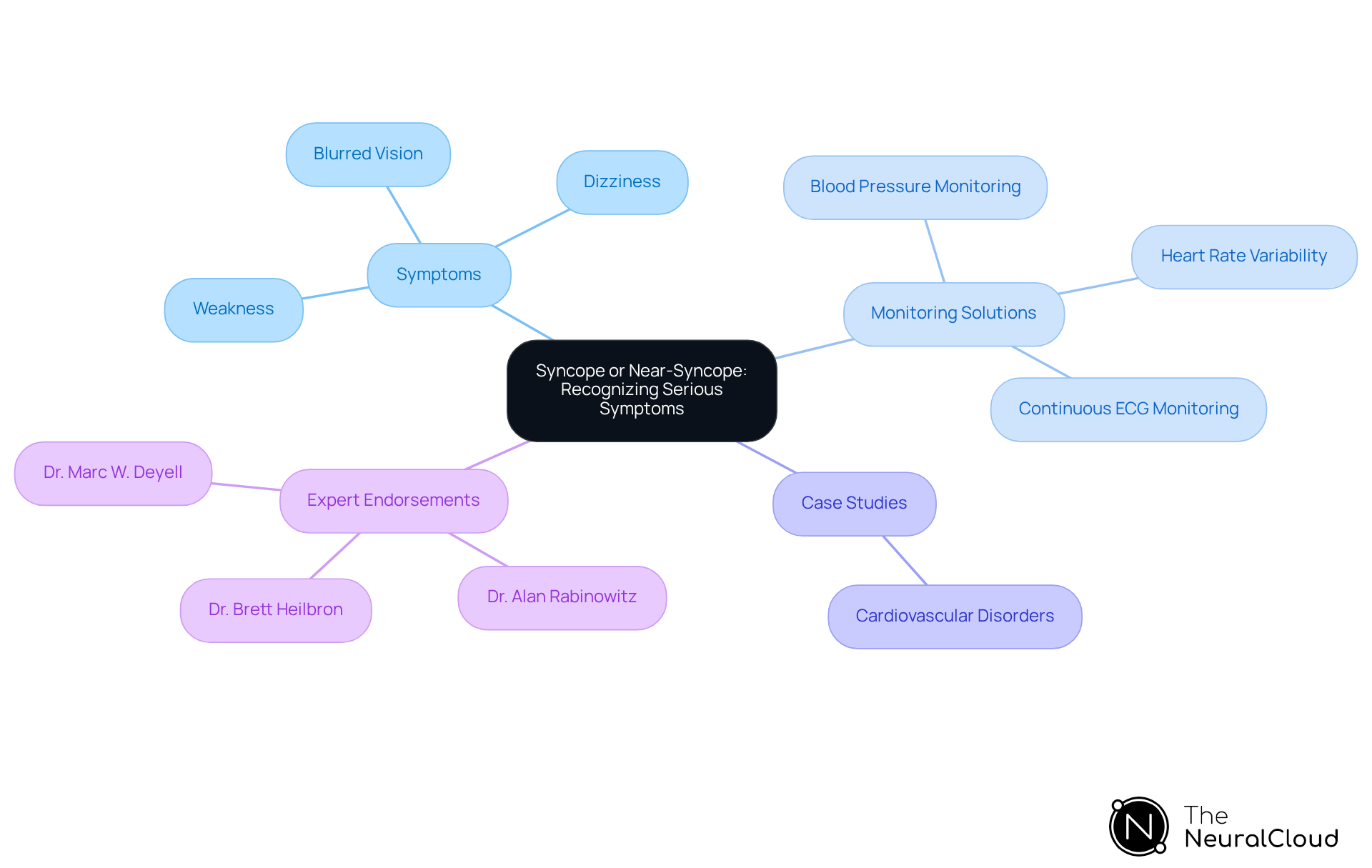
Impaired blood circulation, often indicated by reduced peripheral pulses, poses significant challenges in diagnosing coronary artery disease. This symptom can be assessed through simple physical exams or by using advanced health monitoring devices powered by MaxYield. Research shows that individuals exhibiting Wellens Syndrome symptoms face a higher risk of heart attacks within a week, highlighting the need to recognize these clinical signs. Developers should focus on creating tools that facilitate the assessment of peripheral circulation, providing clinicians with valuable data for timely interventions.
Case studies reveal that individuals with diminished peripheral pulses often have critical occlusions in the left anterior descending artery. This condition often leads to delayed diagnosis and treatment, risking patient outcomes. By leveraging MaxYield, clinicians can make timely interventions that significantly enhance patient care. Using MaxYield's automated ECG analysis platform ensures hospital-grade precision, even from consumer-grade devices. This capability decreases error variance and supports confident clinical decisions, transforming remote individual monitoring. As Dr. Alan Rabinowitz emphasizes, MaxYield's precision rivals human interpretation, making it an invaluable tool for clinicians.
Furthermore, with FDA Class II SaMD clearance-pending status and audit-ready documentation supporting GxP inspections, developers can trust in the regulatory compliance of solutions that integrate MaxYield. Integrating MaxYield into clinical practice not only streamlines ECG analysis but also empowers clinicians to act swiftly, ultimately saving lives.
History of Coronary Artery Disease: A Risk Factor
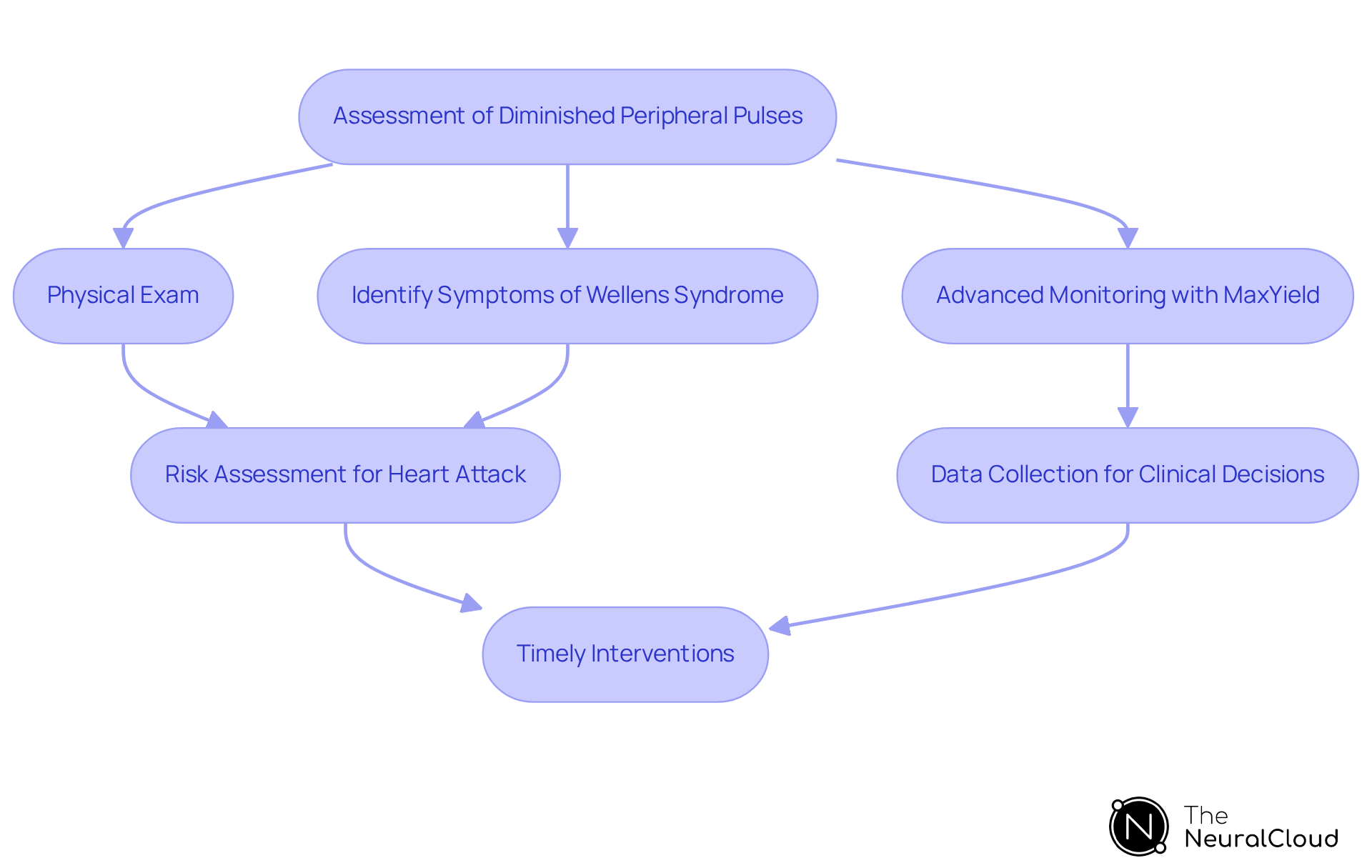
Understanding the link between coronary artery disease and specific ECG patterns is crucial for effective diagnosis and treatment. A history of coronary artery disease increases the risk of developing specific ECG patterns that indicate critical stenosis of the left anterior descending (LAD) artery. In a recent study involving 2,127 individuals with acute coronary syndrome, 200 were identified with a specific syndrome, representing 9.4% of the group. Notably, individuals with this condition showed a reduced occurrence of prior coronary heart disease compared to those without it, suggesting that this syndrome may arise in people with newly developed cardiovascular problems. This unexpected finding complicates the diagnosis and management of patients with newly developed cardiovascular issues.
Integrating medical history features into health tech systems can improve risk assessment and management strategies. For instance, a case study from Toronto highlighted a 40-year-old male with a history of hypertension and diabetes who presented with chest pain. His ECG alterations raised suspicion for a specific cardiac condition, leading to prompt intervention that prevented a potential myocardial infarction. This shows just how important medical history is for spotting and managing the condition.
Health tech creators should focus on functionalities that enable healthcare professionals to easily access and analyze medical histories, facilitating more informed choices and timely interventions for individuals at risk of the condition. Additionally, it is essential to ensure that these systems comply with regulatory standards, including FDA Class II SaMD clearance-pending status, to enhance credibility and support GxP inspections. By prioritizing medical history integration, healthcare professionals can significantly improve patient care and outcomes.
Fatigue and Weakness: Subtle Yet Significant Symptoms
Fatigue and weakness in patients with specific heart conditions often go unnoticed, yet they signal a critical decline in cardiac output. These symptoms are critical, as they can lead to more severe cardiac events if not addressed. In fact, studies indicate that individuals exhibiting Wellens Syndrome symptoms often have normal or slightly elevated cardiac biomarkers, yet they remain at high risk for myocardial infarction without prompt treatment.
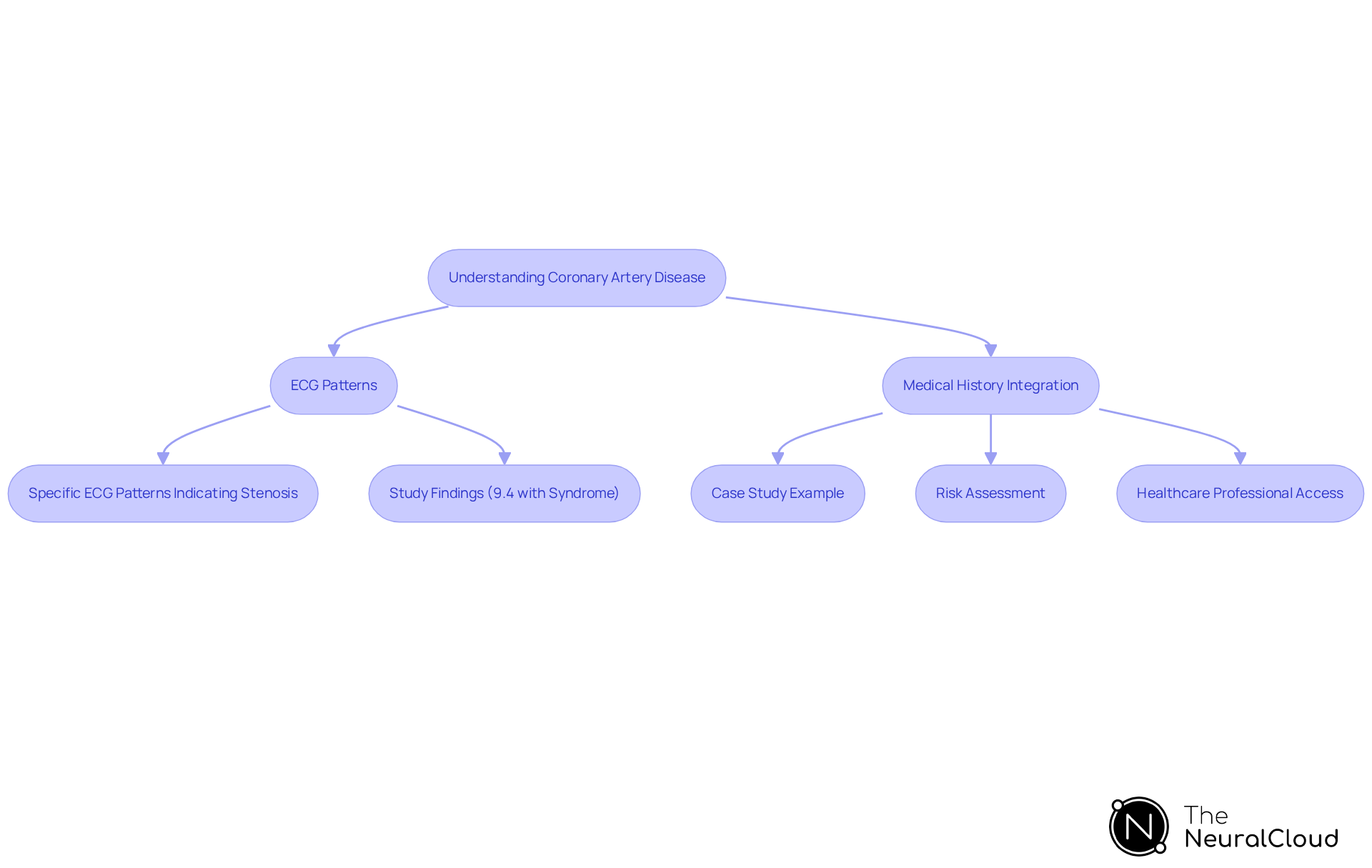
Developers should prioritize creating monitoring tools that track energy levels and physical activity, providing insights into a person's cardiac health. By concentrating on these subtle yet essential symptoms, health tech solutions can enable early detection and intervention, ultimately enhancing outcomes for individuals.
Integrating MaxYield™, an automated ECG analysis platform from Neural Cloud Solutions Inc., can transform noisy ECG recordings into detailed insights, enabling beat-by-beat analysis that highlights significant cardiac events. This platform boosts diagnostic accuracy by reducing noise and helps clinicians make informed decisions.
Furthermore, with its FDA Class II SaMD clearance-pending status and audit-ready documentation, MaxYield™ ensures compliance with regulatory standards. Additionally, Insight360 serves as a customizable visualization and reporting tool that complements MaxYield™, providing interactive dashboards and clinical-ready reports to enhance the overall analysis process.
Decreased Exercise Tolerance: A Warning Sign
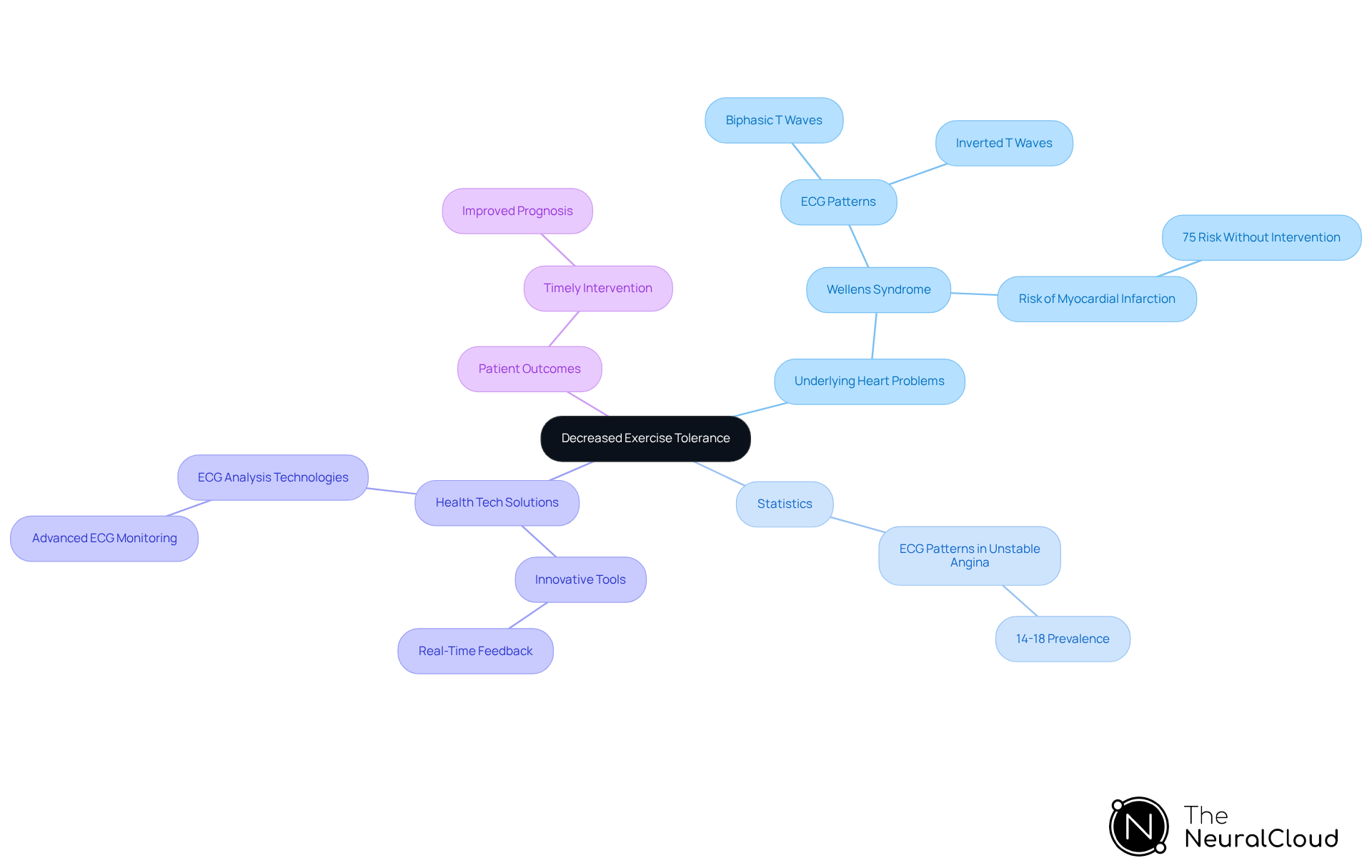
Reduced exercise tolerance often signals underlying heart problems, making timely intervention crucial. Patients frequently report increased difficulty in performing physical activities that were once manageable, highlighting the need for timely intervention. Studies show that 75% of individuals with this condition may develop acute anterior wall myocardial infarction within weeks without proper intervention, highlighting the urgent need to address exercise limitations.
Health tech developers should prioritize creating innovative tools that assess exercise capacity and provide real-time feedback to both individuals and healthcare providers. For example, a case study showed that individuals with this specific condition often appear pain-free but may have reduced exercise tolerance due to severe narrowing of the left anterior descending artery. This shows just how crucial it is to monitor exercise capacity in a thorough diagnostic process.
Moreover, comprehending the statistics related to reduced exercise tolerance in individuals with this condition can inform the creation of focused interventions. Roughly 14% to 18% of individuals admitted for unstable angina display the distinctive ECG patterns associated with this condition, which can be related to their exercise restrictions. By utilizing advanced ECG analysis technologies, developers can improve the identification of these individuals, facilitating timely and effective treatment strategies. Understanding these statistics can lead to more effective interventions and improved patient outcomes.
Timely Intervention: The Key to Managing Wellens Syndrome
Recognizing the urgency of timely intervention is critical in preventing severe complications like myocardial infarction. Early recognition of symptoms and swift action can significantly enhance outcomes for individuals. Statistics show that early intervention significantly lowers the risk of acute anterior wall myocardial infarction associated with this syndrome. For instance, individuals with this specific condition who undergo timely coronary intervention demonstrate improved long-term results, including fewer complications such as arrhythmias and heart failure.
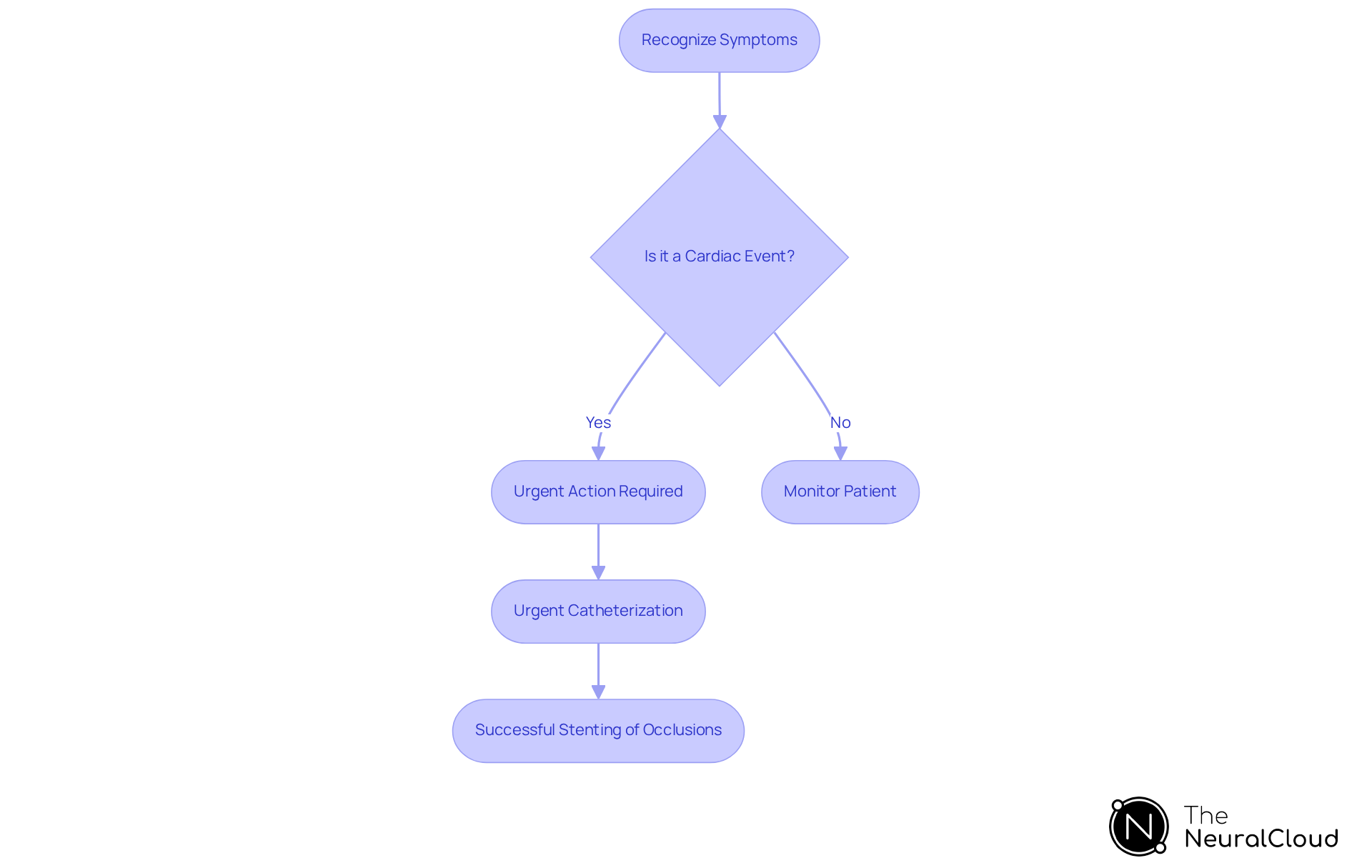
Case studies illustrate the effectiveness of timely intervention strategies, including:
- Rapid recognition of symptoms
- Urgent catheterization
- Successful stenting of occlusions
In one notable case, an individual exhibiting mid-sternal chest pain was swiftly recognized as having a specific heart condition based on particular ECG patterns. This led to urgent catheterization, revealing a 95% occlusion of the proximal LAD, which was successfully stented. Such instances highlight the importance of healthcare providers maintaining a high level of suspicion for this condition, especially in individuals with risk factors like hypertension and diabetes.
It's essential for developers to focus on features that enable quick communication between patients and healthcare providers, ensuring that urgent cases receive immediate attention. By integrating tools like MaxYield™ from Neural Cloud Solutions Inc., which is currently pending FDA Class II SaMD clearance, health tech solutions can enhance the speed and accuracy of ECG analysis. MaxYield™ automates the labeling of ECG features, reduces noise, and provides detailed insights crucial for identifying cardiac events. Expert endorsements from Dr. Alan Rabinowitz, Dr. Brett Heilbron, and Dr. Marc W. Deyell emphasize that MaxYield™'s precision rivals human interpretation, making it an invaluable asset in clinical settings.
Furthermore, acknowledging the crucial function of nurses in detecting the condition and enabling timely intervention is important. By leveraging MaxYield™'s capabilities, health tech solutions can play a pivotal role in improving the management of wellens syndrome symptoms and ultimately saving lives. By embracing advanced tools like MaxYield™, healthcare professionals can significantly improve patient outcomes and save lives.
Conclusion
The complexities of Wellens Syndrome pose significant challenges for health tech developers focused on improving cardiac care. This article has highlighted ten critical symptoms that serve as vital indicators of this condition, emphasizing the importance of timely diagnosis and intervention. Recognizing these symptoms allows developers to leverage platforms like MaxYield™, which automates ECG analysis and enhances diagnostic accuracy, enabling healthcare professionals to act swiftly in critical situations.
Key insights discussed include:
- Severe chest pain
- Transient ST-segment changes
- Recurrent angina episodes
- Abnormal heart rhythms
Each symptom presents unique challenges and opportunities for health tech advancements, particularly through tools like MaxYield™ from Neural Cloud Solutions Inc.
It's clear that timely intervention is crucial for patient outcomes. By leveraging advanced technologies and focusing on the nuances of Wellens Syndrome, health tech developers can play a pivotal role in transforming cardiac care. By prioritizing these advancements, developers can ensure that patients receive timely and effective treatment, ultimately saving lives and enhancing the quality of care in Canada.
Frequently Asked Questions
What is Wellens Syndrome and what symptom is it primarily associated with?
Wellens Syndrome is characterized by severe chest pain, often described as tightness or pressure, which indicates serious coronary artery complications, particularly involving the left anterior descending artery (LAD).
How prevalent is Wellens Syndrome among individuals with acute coronary syndrome?
A study conducted at Ahmed Gasim Teaching Hospital found that Wellens Syndrome complicated 15% of individuals with acute coronary syndrome, with many experiencing severe chest pain as a hallmark symptom.
Why is it important for health tech developers to understand the symptoms of Wellens Syndrome?
Understanding the nuances of symptoms like severe chest pain is vital for health tech developers as it can aid in creating diagnostic tools that alert medical professionals to urgent situations, ultimately saving lives.
What role do transient ST-segment changes play in diagnosing cardiac conditions?
Transient ST-segment changes during chest pain are significant for accurate diagnosis, as they can normalize during pain-free intervals. These changes are observed in 14-18% of individuals with unstable angina, highlighting the need for advanced detection methods.
What is the average time from the onset of Wellens Syndrome to myocardial infarction?
The mean time from the onset of Wellens Syndrome to anterior wall myocardial infarction is approximately 8.5 days, underscoring the urgency for timely diagnosis and intervention.
How can MaxYield™ from Neural Cloud Solutions Inc. enhance ECG analysis?
MaxYield™ automates ECG analysis, reduces noise, and delivers beat-by-beat analysis of 200,000 heartbeats in less than 5 minutes, significantly improving the detection of critical changes and rivaling human interpretation in precision.
What is the significance of recurrent episodes of angina in managing coronary artery disease?
Managing recurrent angina episodes is crucial for preventing worsening coronary artery disease, as around 60% of individuals with this condition report these episodes, which often occur during physical activity and ease with rest.
How can wearable health devices improve the management of angina episodes?
Incorporating features that track the frequency and duration of angina episodes into wearable health devices can significantly improve management, allowing for timely monitoring and informed treatment decisions.
What is the current status of MaxYield™ regarding regulatory compliance?
MaxYield™ is currently pending FDA Class II SaMD clearance, ensuring compliance with regulatory standards and enhancing its credibility in clinical settings.
List of Sources
- Severe Chest Pain: A Hallmark of Wellens Syndrome
- Wellens Syndrome: prevalence, risk factors and coronary angiographic variation. A cross-sectional study - BMC Cardiovascular Disorders (https://link.springer.com/article/10.1186/s12872-024-03752-y)
- Wellens’ Syndrome: Hidden in Plain Sight - PCNA (https://pcna.net/news/wellens-syndrome-hidden-in-plain-sight)
- Transient ST-Segment Changes: Recognizing the Warning Signs
- Two EKG Patterns You Must Know Before Your EM Rotation: Wellens and Brugada - Emergency Medicine Residents' Association (https://emra.org/news/wellens-and-brugada)
- Wellens Syndrome: Background, Pathophysiology, Etiology (https://emedicine.medscape.com/article/1512230-overview)
- Wellens Syndrome - StatPearls - NCBI Bookshelf (https://ncbi.nlm.nih.gov/books/NBK482490)
- Wellens Syndrome: The Forgotten Diagnosis | ACOEP RSO (https://acoep-rso.org/the-fast-track/wellens-syndrome-the-forgotten-diagnosis)
- Recurrent Episodes of Angina: Understanding the Pattern
- Wearable heart sound devices transform cardiovascular disease monitoring (https://news-medical.net/news/20241224/Wearable-heart-sound-devices-transform-cardiovascular-disease-monitoring.aspx)
- pmc.ncbi.nlm.nih.gov (https://pmc.ncbi.nlm.nih.gov/articles/PMC11522764)
- Abnormal Heart Rhythms: The Role of ECG Monitoring
- Wellens Syndrome: prevalence, risk factors and coronary angiographic variation. A cross-sectional study - BMC Cardiovascular Disorders (https://link.springer.com/article/10.1186/s12872-024-03752-y)
- Wellens Syndrome Important to Consider in Chest Pain: Key Points - American College of Cardiology (https://acc.org/latest-in-cardiology/ten-points-to-remember/2023/01/20/17/59/wellens-syndrome)
- Syncope or Near-Syncope: Recognizing Serious Symptoms
- Syncope - StatPearls - NCBI Bookshelf (https://ncbi.nlm.nih.gov/books/NBK442006)
- Wellens’ Syndrome: Hidden in Plain Sight - PCNA (https://pcna.net/news/wellens-syndrome-hidden-in-plain-sight)
- Wellens Syndrome Important to Consider in Chest Pain: Key Points - American College of Cardiology (https://acc.org/latest-in-cardiology/ten-points-to-remember/2023/01/20/17/59/wellens-syndrome)
- Wellens Syndrome: prevalence, risk factors and coronary angiographic variation. A cross-sectional study - BMC Cardiovascular Disorders (https://link.springer.com/article/10.1186/s12872-024-03752-y)
- Recognizing Wellens Syndrome in Emergency Medical Care – A Case Report (https://amjcaserep.com/abstract/full/idArt/950353)
- Diminished Peripheral Pulses: A Clinical Indicator
- Wellens' Syndrome – Report of two cases - PMC (https://pmc.ncbi.nlm.nih.gov/articles/PMC4882207)
- Wellens’ Syndrome: Hidden in Plain Sight - PCNA (https://pcna.net/news/wellens-syndrome-hidden-in-plain-sight)
- Peripheral artery disease and risk of cardiovascular events in patients with coronary artery disease: Insights from the Heart and Soul Study - PMC (https://pmc.ncbi.nlm.nih.gov/articles/PMC4207208)
- New wearable medical device aims to redefine cardiovascular monitoring (https://news.engineering.utoronto.ca/new-wearable-medical-device-aims-to-redefine-cardiovascular-monitoring)
- Peripheral Case Studies (https://reflowmedical.com/peripheral-case-studies)
- History of Coronary Artery Disease: A Risk Factor
- Wellens’ syndrome: incidence, characteristics, and long-term clinical outcomes - BMC Cardiovascular Disorders (https://link.springer.com/article/10.1186/s12872-022-02560-6)
- Wellens’ Syndrome: Hidden in Plain Sight - PCNA (https://pcna.net/news/wellens-syndrome-hidden-in-plain-sight)
- Wellens Syndrome Important to Consider in Chest Pain: Key Points - American College of Cardiology (https://acc.org/latest-in-cardiology/ten-points-to-remember/2023/01/20/17/59/wellens-syndrome)
- Fatigue and Weakness: Subtle Yet Significant Symptoms
- What Your Health Tracker Can Say About Your Heart Health (https://hopkinsmedicine.org/health/expert-qa/what-your-health-tracker-can-say-about-your-heart-health)
- Wellens Syndrome: The Forgotten Diagnosis | ACOEP RSO (https://acoep-rso.org/the-fast-track/wellens-syndrome-the-forgotten-diagnosis)
- Tired All the Time? It Could Be Your Heart-Related Fatigue (https://cardiovascularcare.us/heart-related-fatigue)
- Wellens’ Syndrome: Hidden in Plain Sight - PCNA (https://pcna.net/news/wellens-syndrome-hidden-in-plain-sight)
- Decreased Exercise Tolerance: A Warning Sign
- Wellens’ Syndrome: Hidden in Plain Sight - PCNA (https://pcna.net/news/wellens-syndrome-hidden-in-plain-sight)
- Wellens Syndrome - StatPearls - NCBI Bookshelf (https://ncbi.nlm.nih.gov/books/NBK482490)
- Wellens Syndrome: The Forgotten Diagnosis | ACOEP RSO (https://acoep-rso.org/the-fast-track/wellens-syndrome-the-forgotten-diagnosis)
- Wellens Syndrome Important to Consider in Chest Pain: Key Points - American College of Cardiology (https://acc.org/latest-in-cardiology/ten-points-to-remember/2023/01/20/17/59/wellens-syndrome)
- Timely Intervention: The Key to Managing Wellens Syndrome
- Wellens’ Syndrome: Hidden in Plain Sight - PCNA (https://pcna.net/news/wellens-syndrome-hidden-in-plain-sight)
- Wellens' Syndrome: ECG Signs & Criteria (https://powerfulmedical.com/blog/wellens-syndrome)
- Characteristics of Wellens’ Syndrome in the Current PCI Era: A Single‐Center Retrospective Study (https://onlinelibrary.wiley.com/doi/10.1155/2023/8865553)
- “Wellens Syndrome” an Underdiagnosed and Potentially Catastrophic Entity. Regarding a Case (https://irispublishers.com/ojcrr/fulltext/Wellens-Syndrome-an-Underdiagnosed-and-Potentially-Catastrophic-Entity-Regarding-a-Case.ID.000679.php)