Introduction
The landscape of cardiac health monitoring is evolving rapidly, particularly regarding the critical role of electrocardiogram (ECG) ST segment elevation as an indicator of myocardial infarction. Healthcare professionals face significant challenges in accurately interpreting these signals. In this context, the integration of advanced technologies, such as Neural Cloud Solutions' MaxYield™ platform, emerges as a game-changer.
This article explores seven pivotal insights into the significance of ST segment elevation, detailing how innovative tools and training can enhance diagnostic accuracy and ultimately improve patient outcomes. Moreover, it addresses the challenges developers encounter in harnessing these advancements and discusses how they can ensure that healthcare providers are equipped to respond effectively to cardiac emergencies.
Neural Cloud Solutions: MaxYield™ for Enhanced ECG Signal Clarity
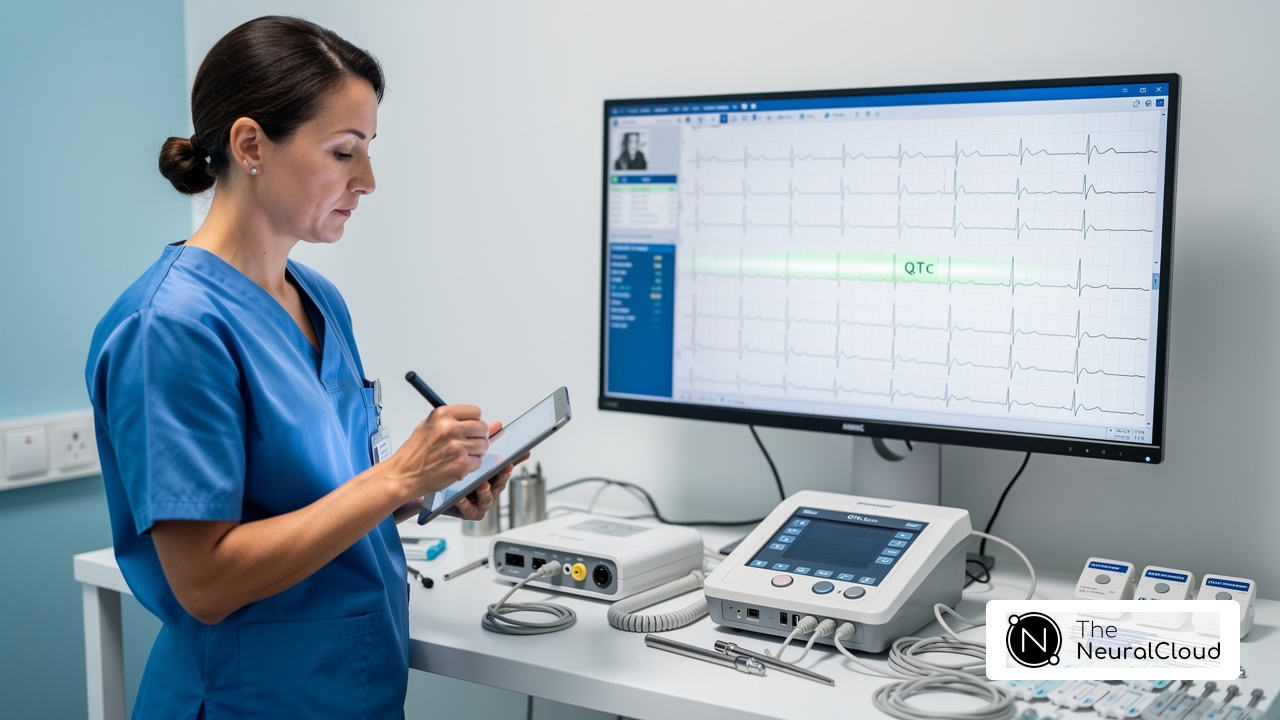
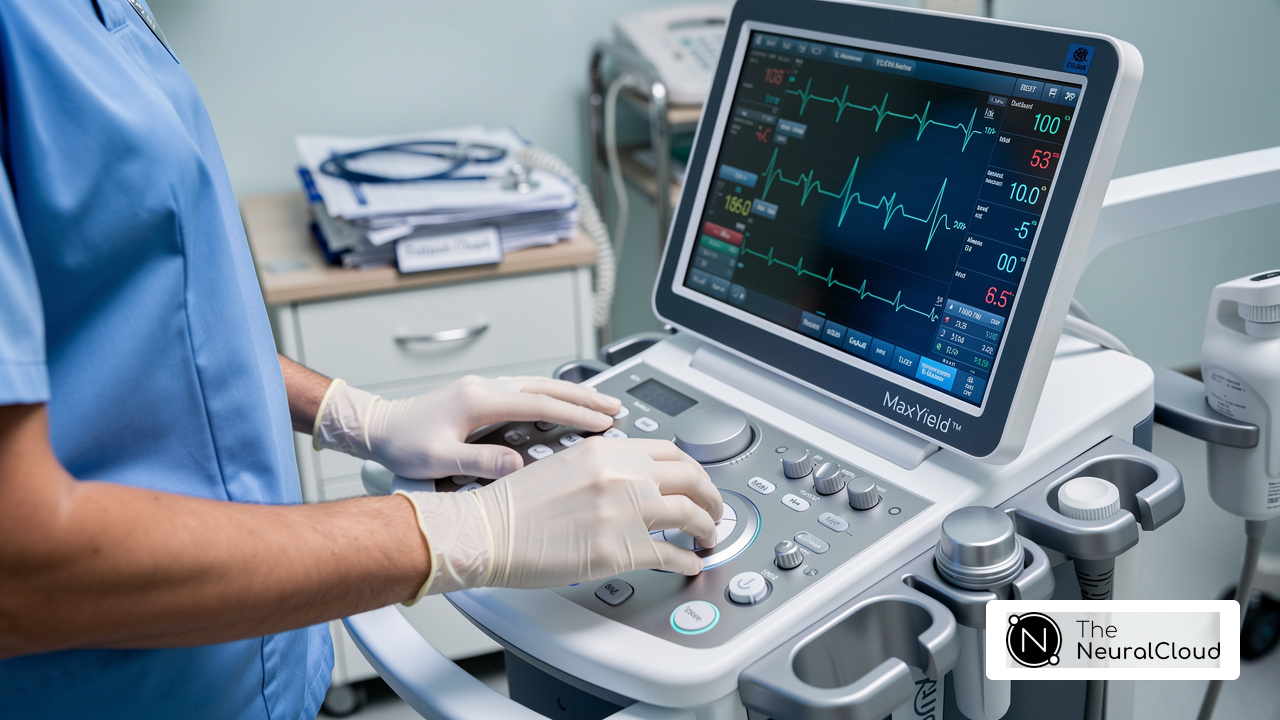
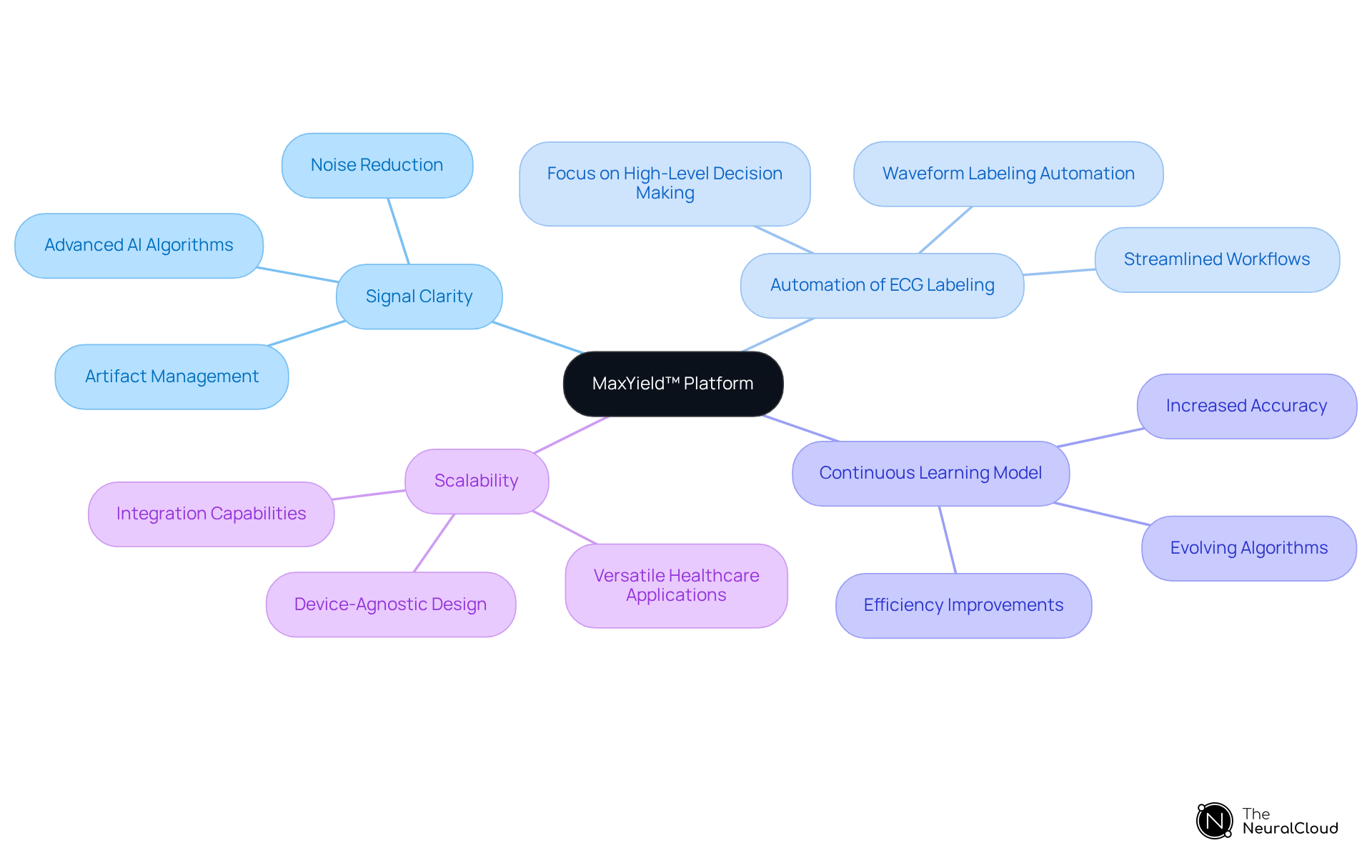
The 'Neural Cloud Solutions' is revolutionizing healthcare by employing advanced technology and tackle critical challenges such as noise and distortion. This innovative platform processes over 200,000 heartbeats in under five minutes, providing a solution that effectively isolates key features, including P-waves, QRS complexes, and T-wave intervals.
One of the standout features of MaxYield™ is its automation of ECG analysis. This empowers healthcare professionals to focus on patient care, alleviating the burden of manual tasks. As a result, workflows are streamlined, and diagnostic accuracy is significantly improved, enabling clinicians to confidently identify issues and enhance patient outcomes.
Additionally, the platform's continuous learning model ensures that its algorithms evolve over time, further enhancing accuracy and efficiency. The integration of this cutting-edge technology into clinical settings exemplifies the latest advancements in ECG signal clarity, illustrating how AI can transform traditional practices into efficient, data-driven processes.
MaxYield™ is designed to be scalable and device-agnostic, making it a versatile solution suitable for various healthcare applications. This adaptability underscores its potential to address the diverse needs of the healthcare sector, ultimately contributing to improved patient care.
Understanding ST Segment Elevation: Key Indicators of Myocardial Infarction
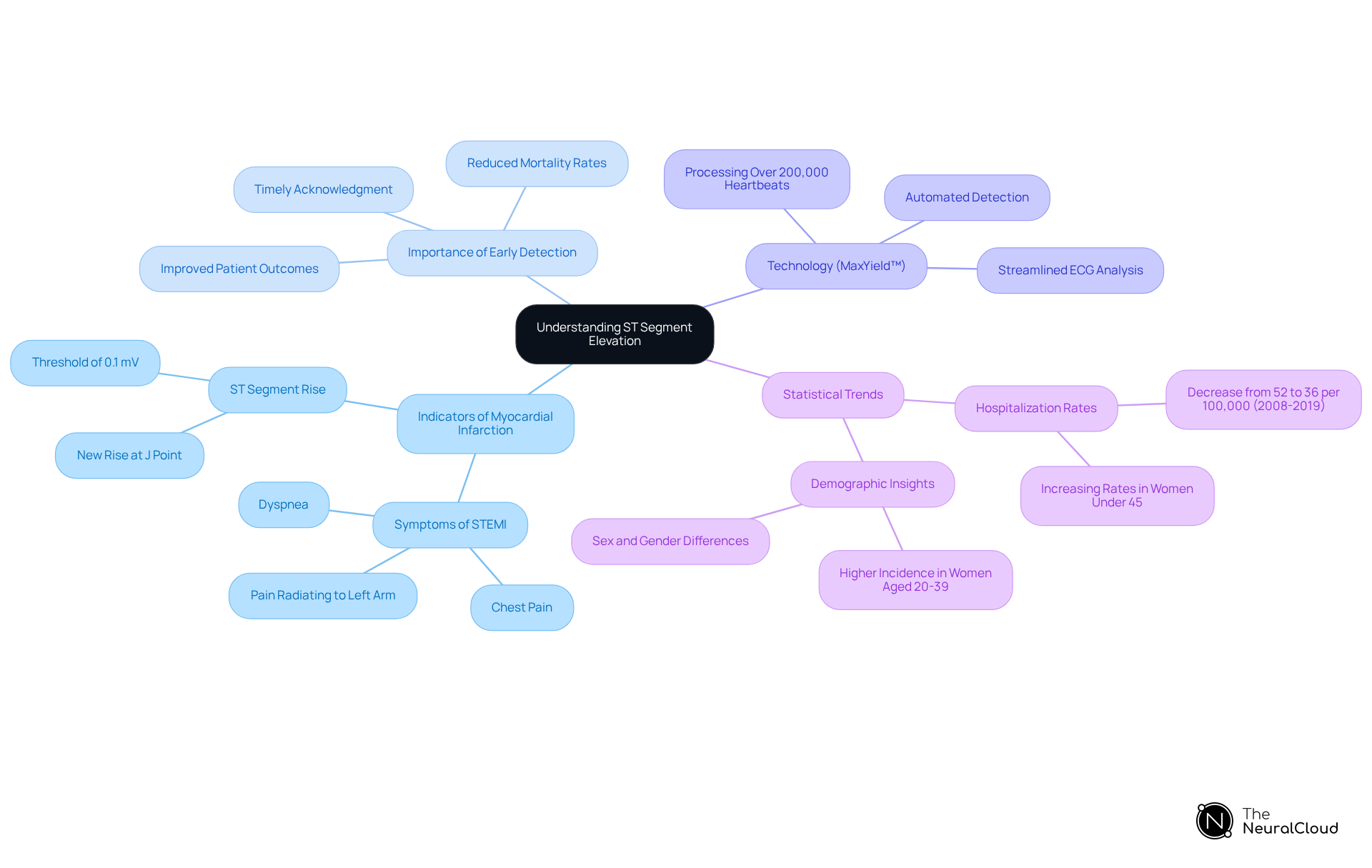
The electrocardiogram serves as a crucial indicator for myocardial infarction, especially in the context of ST-rise (STEMI). This condition is characterized by a new rise of the ST segment at the J point in two adjacent leads, exceeding a threshold of 0.1 mV. The capability to precisely identify these increases is essential, as it directly impacts patient outcomes. Cardiologists emphasize that timely intervention is vital for initiating appropriate treatment, which can greatly reduce the risk of complications and enhance survival rates.
In emergency medicine, the prevalence of STEMI underscores the necessity for rapid diagnosis and these critical changes. The technology developed by Neural Cloud Solutions exemplifies such innovation, showcasing features that enhance ECG interpretation. This automation not only streamlines the ECG analysis process but also supports healthcare professionals in making informed decisions swiftly.
Notably, the incidence of STEMI hospitalization rates decreased from 52 to 36 per 100,000 hospitalizations from 2008 to 2019, reflecting the evolving landscape of this condition. As the occurrence of STEMI continues to rise, particularly among younger populations, the significance of accurate evaluation cannot be overstated. Furthermore, the system processes over 200,000 heartbeats in under five minutes, demonstrating its effectiveness in enhancing ECG analysis.
As Dr. Michos states, "The technology is critical in improving patient outcomes and reducing mortality." This highlights the importance of accurate diagnosis and ultimately enhances patient care.
Differentiating Non-Ischemic Causes of ST Segment Elevation
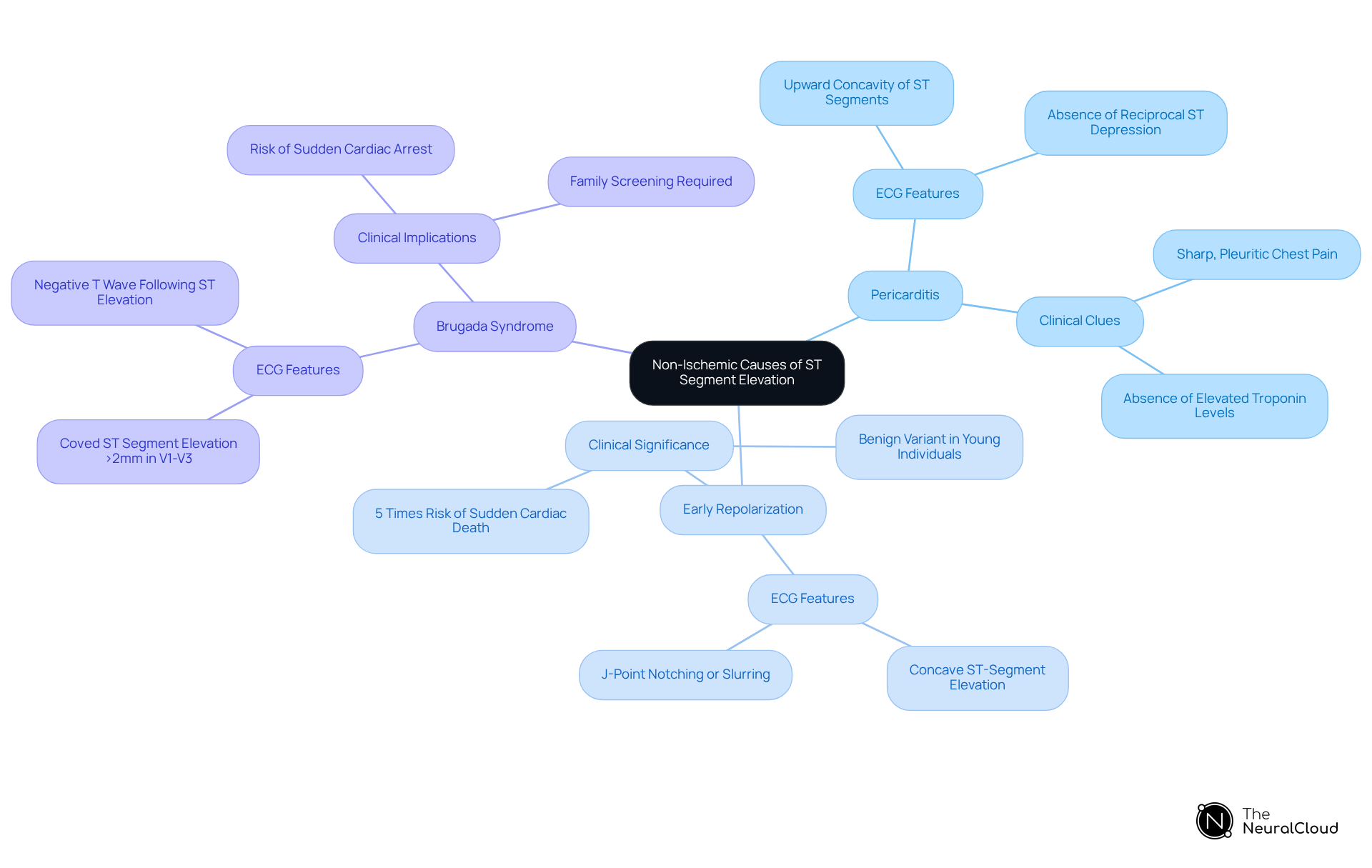
can mimic myocardial infarction, which may lead to potential complications. Conditions such as:
- Pericarditis
- Early repolarization
- Brugada syndrome
can present with similar symptoms. To address these challenges in ECG analysis, developers should incorporate algorithms capable of differentiating these conditions. This approach not only enhances the accuracy of diagnosis but also supports timely intervention. By improving the detection of non-ischemic causes, the clinical outcomes can be significantly bettered.
Utilizing Advanced Algorithms for Noise Reduction in ECG Analysis
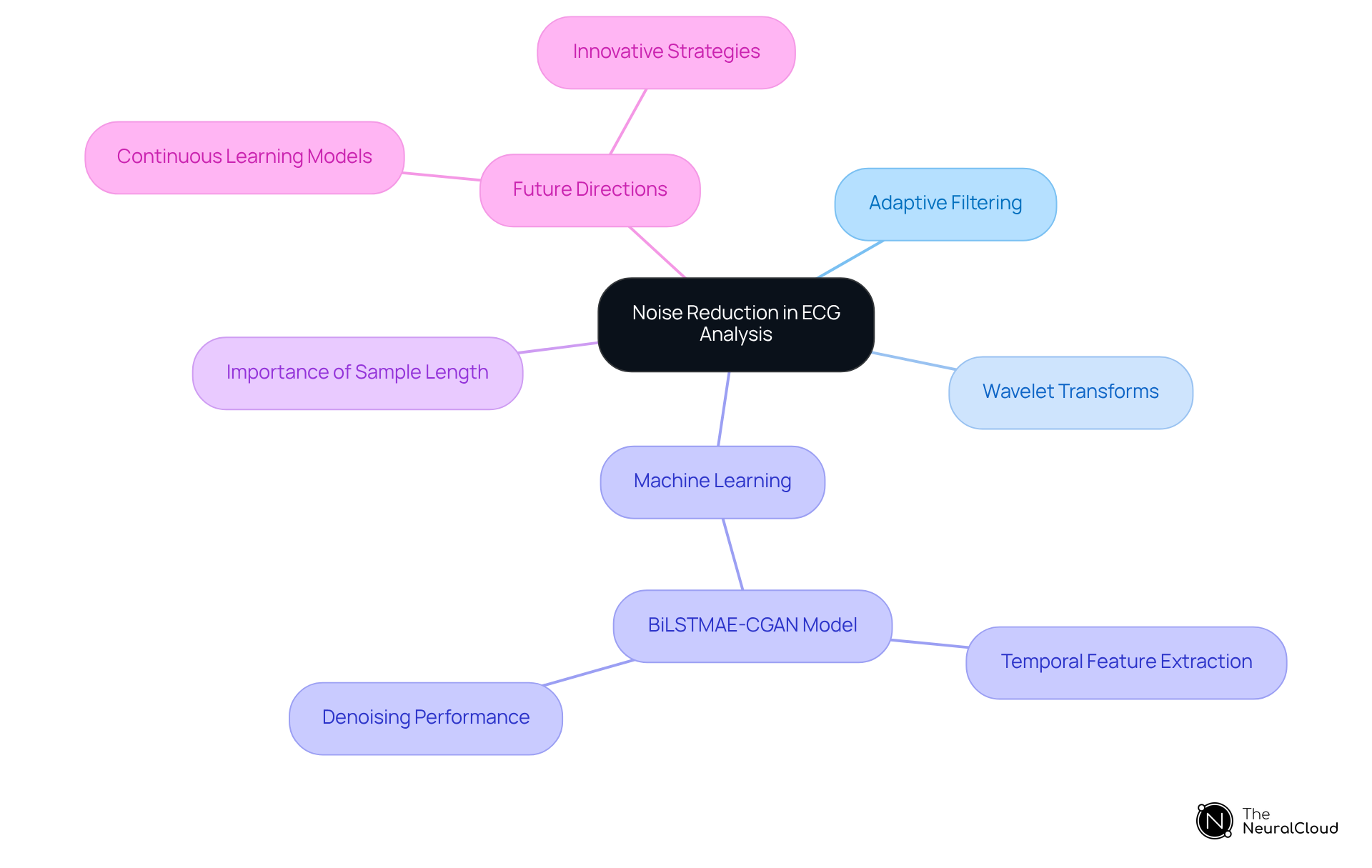
Advanced algorithms are essential for improving the clarity and precision of ECG evaluation by effectively minimizing noise and artifacts. Techniques such as signal processing, wavelet transforms, and machine learning have demonstrated significant success in this area.
For example, the BiLSTMAE-CGAN model excels in denoising, adeptly extracting temporal features from noisy signals. Recent studies highlight that adjusting the sample length is vital for achieving optimal denoising results, which can greatly enhance diagnostic accuracy.
Researchers like Ming Zeng stress that algorithms are critical for acquiring clean signals, which is necessary for accurate diagnoses of heart diseases. As we approach 2025, the technologies are evolving, particularly with algorithms that adapt to varying noise conditions, thereby further improving the reliability of ECG readings.
Developers are encouraged to focus on innovative strategies such as adaptive filtering and the integration of machine learning to ensure their applications provide the highest standard of data for clinical applications.
Clinical Implications of ST Segment Elevation in Emergency Medicine
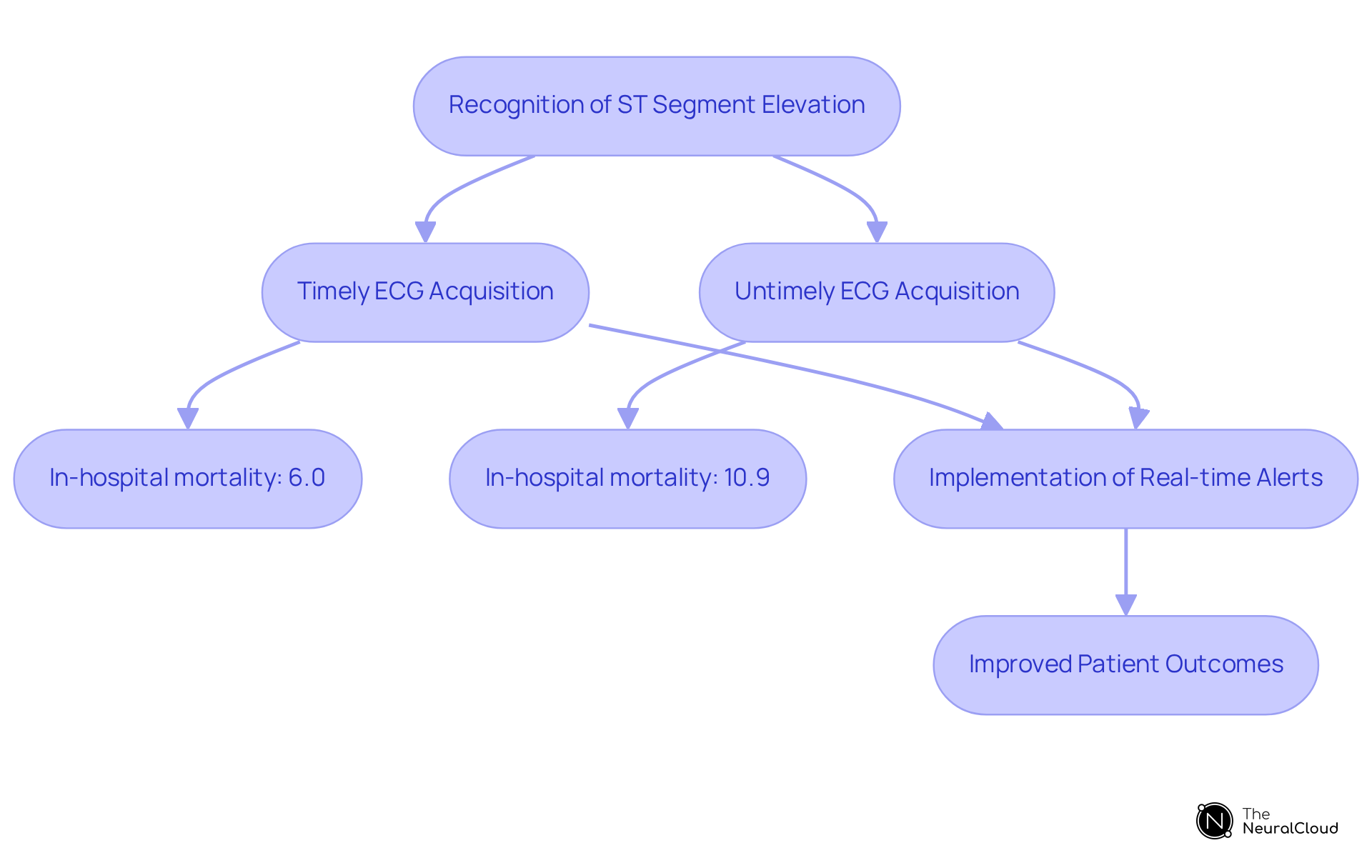
In emergency medicine, the prompt recognition of ST segment elevation is vital for diagnosing ST-Elevation Myocardial Infarction (STEMI) and initiating timely treatment. Delays in this acknowledgment can significantly raise morbidity and mortality rates among individuals. For instance, studies have demonstrated that in-hospital mortality for individuals who received a timely diagnosis was 6.0% compared to 10.9% for those with delayed diagnosis, underscoring the importance of early detection.
The creators of tools for evaluating ECGs must prioritize the integration of alert systems. Such alerts enable healthcare professionals to act swiftly, thereby improving outcomes for those receiving care and optimizing the efficiency of emergency services. The implementation of advanced algorithms, such as those found in ECG monitoring devices, can further streamline this process. This ensures that critical conditions are identified with greater accuracy and speed.
Furthermore, it is crucial to acknowledge that 25% of 'non-STEMI' individuals experience ST segment elevation, highlighting the necessity for accurate diagnosis in emergency situations. The difficulties presented by the COVID-19 pandemic have underscored the necessity of establishing protocols in emergency medicine to enhance care for individuals.
The Importance of Continuous ECG Monitoring for ST Segment Changes
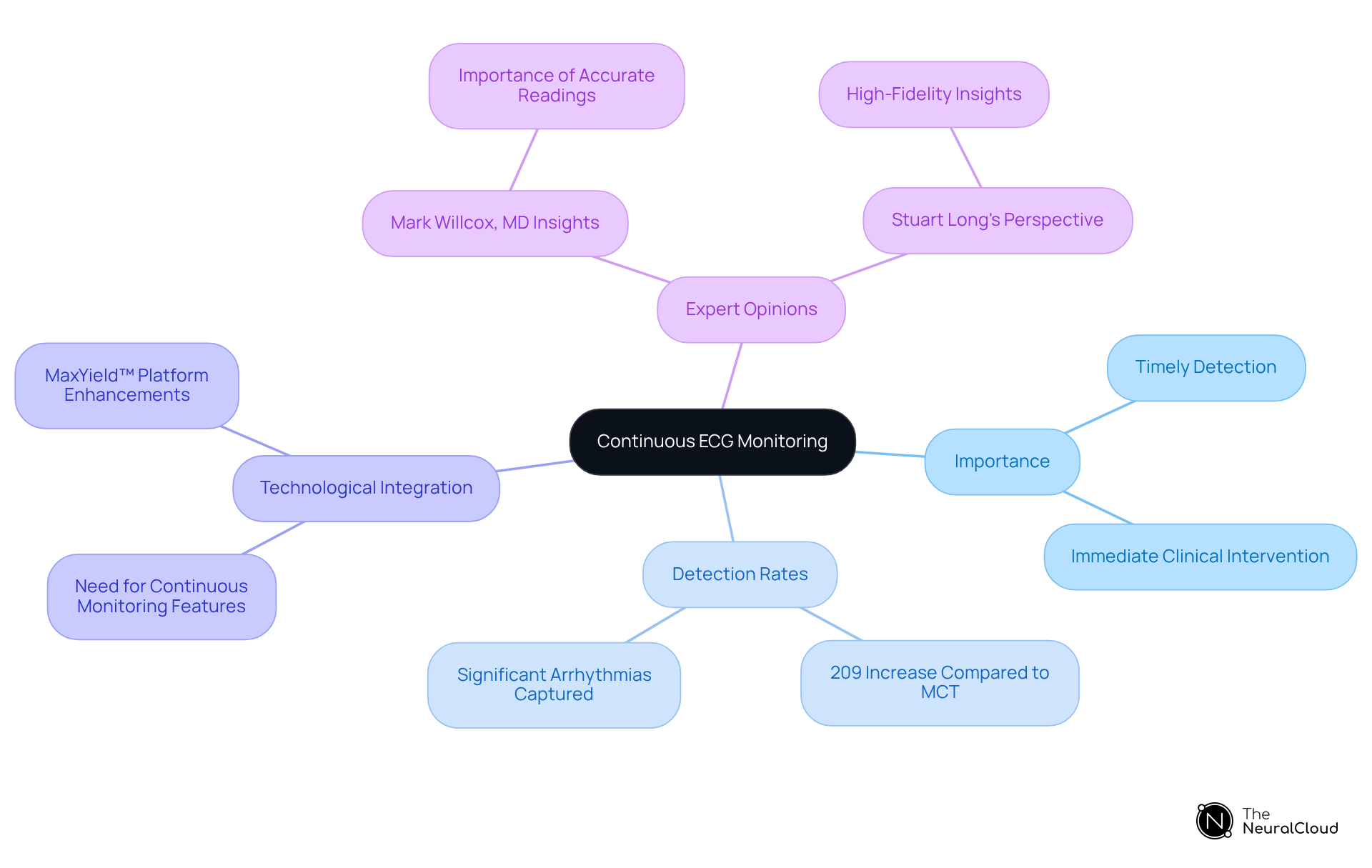
Continuous ECG monitoring is essential for identifying changes in patients that may indicate evolving cardiac conditions. This proactive approach facilitates the early detection of issues, enabling immediate clinical intervention.
Studies indicate that long-term monitoring can capture significant arrhythmias that mobile cardiac telemetry (MCT) often overlooks, with detection rates increasing by 209% when comparing these two methods.
As healthcare technology progresses, developers should prioritize the integration of advanced algorithms into their ECG assessment tools, thereby enhancing accuracy and improving care outcomes.
Cardiologists, including Mark Willcox, MD, stress that precise readings from continuous monitoring devices are vital for clinical decision-making. This highlights the necessity for advanced technologies like the latest ECG machines, which provide real-time insights into changes.
Integrating ECG Analysis Tools into Clinical Workflows for Improved Outcomes
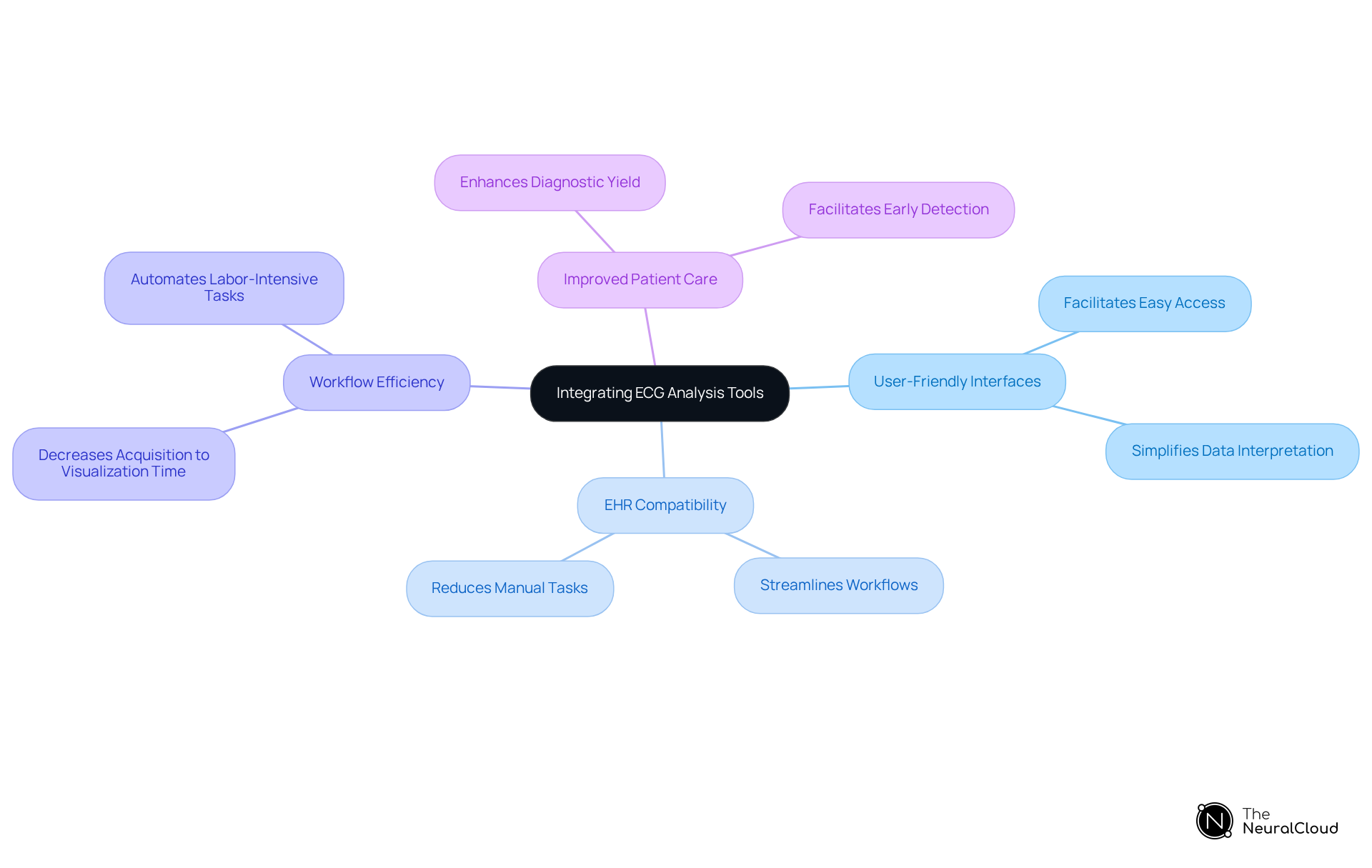
Integrating ECG analysis tools into clinical processes is essential for improving patient care. These tools offer healthcare professionals solutions that facilitate easy access to and interpretation of ECG data. Furthermore, ensuring accuracy can enhance diagnostic capabilities. By addressing these aspects, developers can create solutions that not only meet the needs of healthcare providers but also contribute to better patient outcomes.
Training Healthcare Professionals in ECG Interpretation: Recognizing ST Segment Elevation
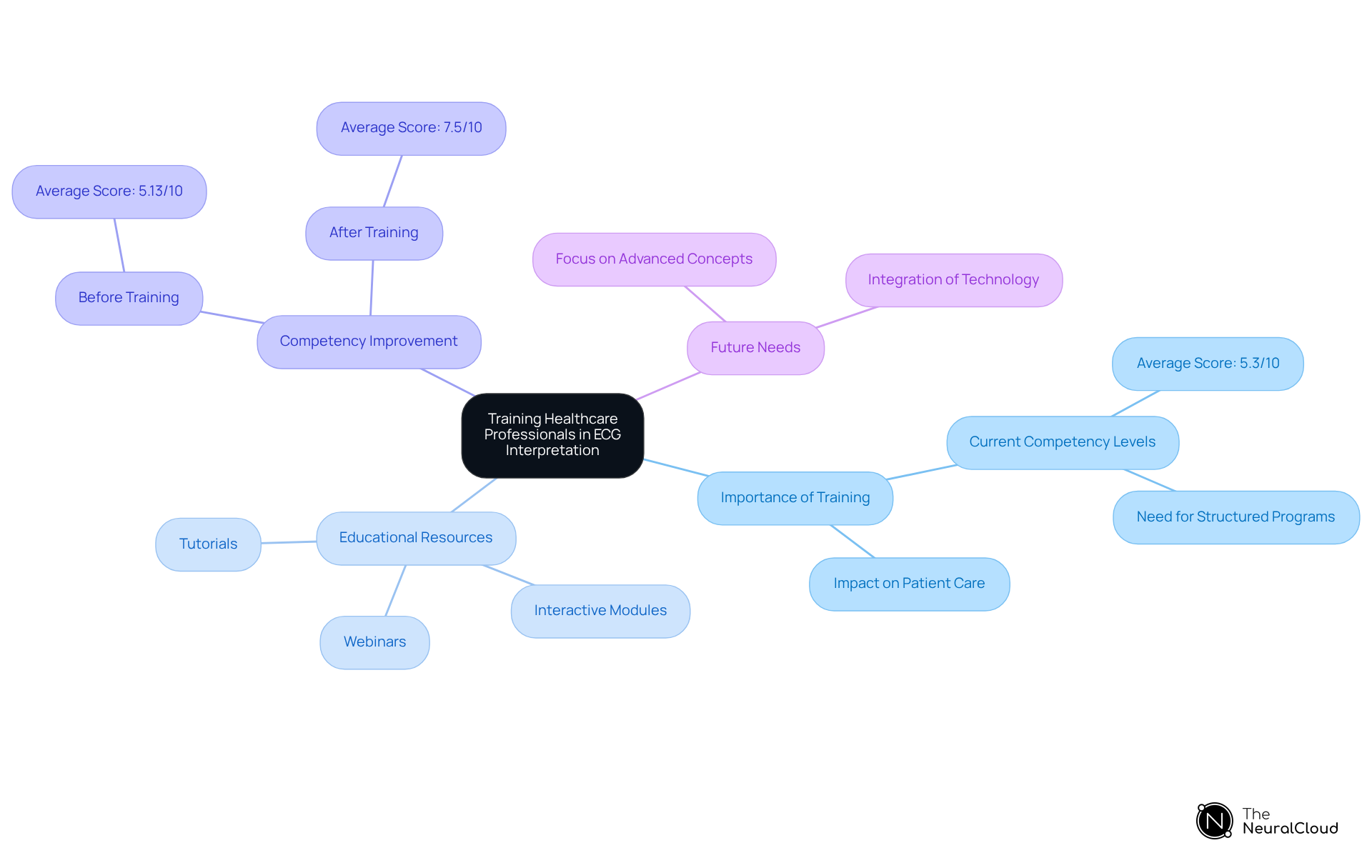
Training healthcare professionals in ECG interpretation is crucial for accurately identifying abnormalities such as ST segment elevation and other critical cardiac conditions. Developers should prioritize creating educational resources, such as tutorials, interactive modules, and webinars, to accompany their training programs. These resources not only improve the competency of healthcare providers but also significantly enhance patient care and outcomes.
Dr. Zimmerman emphasizes the importance of ECG training, stating, "Proficiency in ECG interpretation is not where it should be," which underscores the need for structured educational programs. Recent studies indicate that participants engaged in targeted ECG training showed a marked improvement in their interpretation skills, with average competency scores rising from 5.13 to 7.5 out of 10 after structured educational interventions. The average score for ECG interpretation among participants was only 5.3 out of 10, highlighting the current inadequacy in skills and the necessity for improved training.
In 2025, innovative training programs focused on identifying ST segment elevation will be essential. These resources should cover both basic and advanced concepts, ensuring that clinicians are well-equipped to interpret ECGs accurately. Training should also encompass both theoretical and practical aspects, aligning with the focus on recognizing critical cardiac conditions. By integrating these educational tools into their services, developers can significantly enhance the skills of healthcare practitioners, ultimately leading to better diagnostic accuracy and improved outcomes for those receiving care.
Future of ECG Technology: Advancements in Wearable Devices for Monitoring
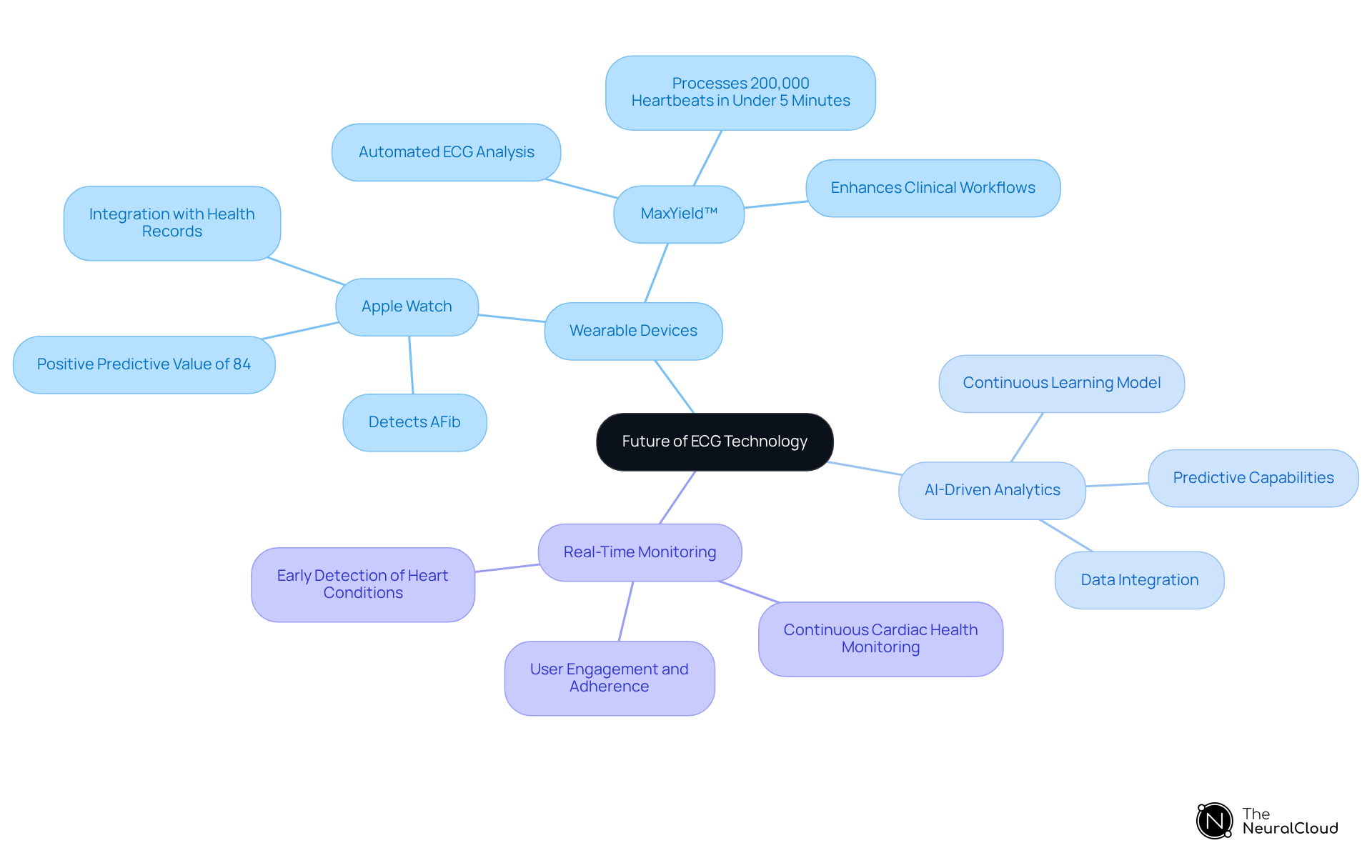
The future of ECG technology is increasingly intertwined with advancements in wearable devices that facilitate continuous monitoring. These innovative devices provide benefits to both individuals and healthcare providers, enabling proactive management of heart conditions. For instance, studies have shown that wearables can detect arrhythmias more frequently than traditional medical devices, highlighting their effectiveness in early detection and ongoing monitoring. The Apple Watch, for example, has a positive predictive value of 84% for identifying AFib, demonstrating the potential of wearables in cardiac health.
Developers should prioritize the incorporation of advanced features, such as machine learning algorithms, which can enhance predictive capabilities and improve health outcomes. As Veena Misra noted, "Wearables will become more and more a predictor of health." The Apple Watch exemplifies this trend by processing over 200,000 heartbeats in under five minutes and providing actionable insights that empower healthcare professionals to make informed decisions.
Additionally, a study involving 2,454 individuals who uploaded over 125,000 Apple Watch ECGs highlights the practical use and confirmation of wearable technology in real-world environments. As the technology progresses, insights from tech developers emphasize the significance of intuitive designs and user-friendly interfaces. This ensures that wearable ECG devices not only fulfill clinical demands but also promote patient engagement and adherence.
Key Takeaways on ST Segment Elevation and Cardiac Health
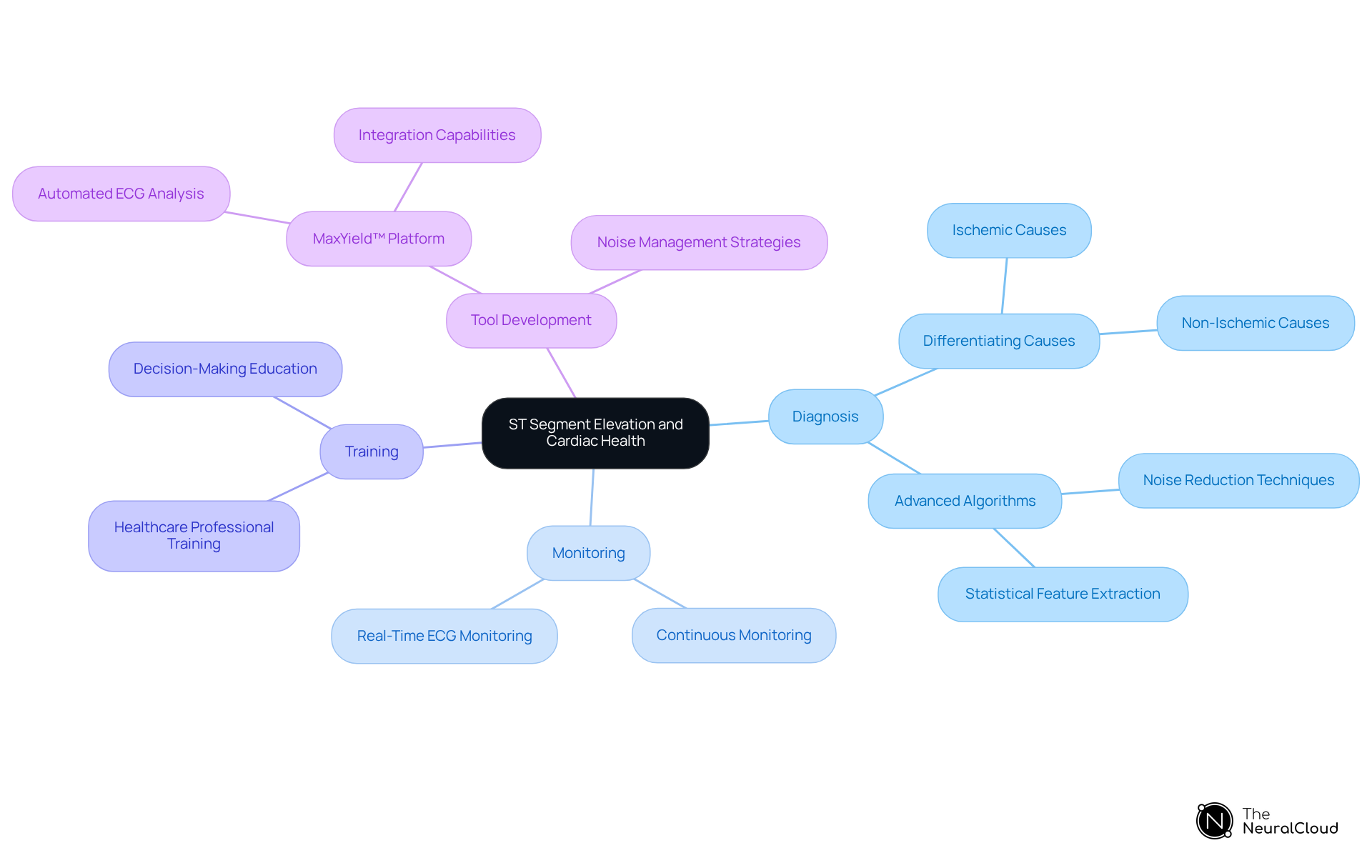
Key takeaways regarding ST segment elevation highlight its critical role as an indicator of myocardial infarction. It is essential to differentiate between ischemic and non-ischemic causes to ensure accurate diagnosis. Additionally, the integration of advanced algorithms is necessary to enhance ECG analysis.
- Continuous monitoring and effective training for healthcare professionals are vital for improving patient outcomes.
- Developers should prioritize these aspects in their projects to enhance clinical workflows and patient care.
Conclusion
The exploration of electrocardiogram (ECG) ST segment elevation reveals its pivotal role in diagnosing myocardial infarction and highlights the importance of advanced technologies in improving patient outcomes. Challenges in ECG analysis can hinder timely diagnoses; however, leveraging innovative platforms like Neural Cloud Solutions' MaxYield™ enhances ECG signal clarity. This improvement enables more accurate and timely diagnoses, streamlining workflows and empowering clinicians to focus on critical decision-making.
Key insights from the article underscore the necessity of differentiating between ischemic and non-ischemic causes of ST segment elevation. Continuous monitoring is significant, and there is a critical need for training healthcare professionals in ECG interpretation. As the landscape of cardiac care evolves, incorporating advanced algorithms for noise reduction and real-time alerts will further refine diagnostic accuracy and clinical efficiency.
Ultimately, advancements in ECG technology, particularly through wearable devices and AI-driven analytics, present an exciting future for cardiac health monitoring. By prioritizing these developments and fostering ongoing education, the healthcare community can significantly enhance patient care and outcomes. Timely and accurate diagnoses must become the standard in managing cardiac conditions.
Frequently Asked Questions
What is the MaxYield™ platform and what does it do?
The MaxYield™ platform is a Neural Cloud Solutions technology that enhances ECG evaluation using advanced AI algorithms to improve signal clarity and address challenges like noise and artifacts. It processes over 200,000 heartbeats in under five minutes for precise beat-by-beat analysis.
How does MaxYield™ improve ECG analysis?
MaxYield™ automates ECG waveform labeling, allowing healthcare professionals to focus on high-level decision-making, streamlining workflows, and improving diagnostic accuracy for better identification of cardiac events.
What is the significance of ST segment elevation in ECG interpretation?
ST segment elevation is a crucial indicator of myocardial infarction (specifically STEMI) and is characterized by a new rise of the ST segment at the J point in two adjacent leads, exceeding 0.1 mV. Early detection is vital for timely treatment and improved patient outcomes.
How does MaxYield™ assist in detecting ST segment elevation?
The MaxYield™ platform automates the detection of ST segment elevation, streamlining the ECG analysis process and enabling healthcare professionals to make informed decisions quickly.
What are some non-ischemic causes of ST segment elevation?
Non-ischemic causes that can mimic myocardial infarction include pericarditis, early repolarization, and Brugada syndrome. These conditions require careful differentiation to avoid misdiagnosis.
Why is it important to differentiate between ischemic and non-ischemic causes of ST segment elevation?
Differentiating between these causes is crucial because misdiagnosis can lead to inappropriate treatment. Incorporating algorithms that identify specific ECG patterns can enhance diagnostic reliability and reduce misdiagnosis risk.
How does the continuous learning model of MaxYield™ benefit its users?
The continuous learning model allows MaxYield™ algorithms to evolve over time, enhancing accuracy and efficiency in ECG analysis, which ultimately improves patient care.
Is MaxYield™ adaptable for various healthcare applications?
Yes, MaxYield™ is designed to be scalable and device-agnostic, making it a versatile solution that can address the diverse needs of the healthcare sector.
List of Sources
- Neural Cloud Solutions: MaxYield™ for Enhanced ECG Signal Clarity
- aiml.health (https://aiml.health/press-release/aiml-strengthens-ip-portfolio-with-provisional-patents-for-ai-driven-ecg-signal-processing)
- morningstar.com (https://morningstar.com/news/accesswire/1034743msn/aiml-subsidiary-neural-cloud-signs-loi-with-circular-health-to-license-maxyieldtm-ecg-signal-processing)
- Major AI Health Partnership: MaxYield ECG Tech Powers Next-Gen Smart Ring Through Multi-Year License Deal (https://stocktitan.net/news/AIMLF/aiml-subsidiary-neural-cloud-signs-loi-with-circular-health-to-2oh9lpuw71dy.html)
- AIML Subsidiary Neural Cloud Signs LOI with Circular Health to License MaxYield(TM) ECG Signal Processing (https://finance.yahoo.com/news/aiml-subsidiary-neural-cloud-signs-110000257.html)
- AIML Hits Key Regulatory Benchmark with 510(k) Filing for MaxYield(TM) Signal Enhancement Platform (https://biospace.com/press-releases/aiml-hits-key-regulatory-benchmark-with-510k-filing-for-maxyieldtm-signal-enhancement-platform)
- Understanding ST Segment Elevation: Key Indicators of Myocardial Infarction
- Contributing to Advancing STEMI Heart Attack Care | Minneapolis Heart Institute Foundation (https://mplsheart.org/news/contributing-advancing-stemi-heart-attack-care)
- STEMI: ST-segment Elevation Myocardial Infarction - The Cardiology Advisor (https://thecardiologyadvisor.com/ddi/stemi-st-elevation-myocardial-infarction)
- pmc.ncbi.nlm.nih.gov (https://pmc.ncbi.nlm.nih.gov/articles/PMC10111456)
- hendrickhealth.org (https://hendrickhealth.org/news/2025/july/hendrick-medical-center-brownwood-awarded-for-ef)
- Differentiating Non-Ischemic Causes of ST Segment Elevation
- ST-Segment Elevation is not always Myocardial Infarction - Kauvery Hospital (https://kauveryhospital.com/kauverian-scientific-journal/st-segment-elevation-is-not-always-myocardial-infarction-v5i5)
- STEMI Mimics: ECG Impostors of Heart Attack (https://powerfulmedical.com/blog/stemi-mimics)
- healio.com (https://healio.com/cardiology/learn-the-heart/cardiology-review/topic-reviews/coronary-artery-disease-stemi)
- ecgwaves.com (https://ecgwaves.com/topic/ecg-st-elevation-segment-ischemia-myocardial-infarction-stemi)
- tctmd.com (https://tctmd.com/news/differentiating-type-1-and-type-2-mi-still-both-art-and-science)
- Utilizing Advanced Algorithms for Noise Reduction in ECG Analysis
- Long-term ECG: AI algorithm checks heart rhythm (https://healthcare-in-europe.com/en/news/deep-learning-ai-long-term-ecg-analysis.html)
- mobihealthnews.com (https://mobihealthnews.com/news/russian-entrepreneur-natalia-glazkova-talks-noise-canceling-ecg-software)
- sciencedirect.com (https://sciencedirect.com/science/article/abs/pii/S1746809425008274)
- healio.com (https://healio.com/news/cardiology/20240906/fda-clears-algorithm-to-reduce-ecg-noise-on-ambulatory-monitoring)
- anumana.ai (https://anumana.ai/newsroom/ZjvhaBEAAD7InxGm)
- Clinical Implications of ST Segment Elevation in Emergency Medicine
- mdpi.com (https://mdpi.com/2077-0383/13/9/2650)
- mainlinehealth.org (https://mainlinehealth.org/news/2023/07/27/mission-lifeline-stemi-receiving-center)
- sciencedirect.com (https://sciencedirect.com/science/article/pii/S2772963X24005933)
- pmc.ncbi.nlm.nih.gov (https://pmc.ncbi.nlm.nih.gov/articles/PMC8254397)
- ahajournals.org (https://ahajournals.org/doi/10.1161/circulationaha.117.032446)
- The Importance of Continuous ECG Monitoring for ST Segment Changes
- New Clinical Trial Finds Human Oversight ECG Monitors Outperform AI-Dependent Monitoring - HRS (https://hrsonline.org/news/human-oversight-ecg-monitors-outperform-ai-dependent-monitoring)
- Philips data shows extended ECG Holter monitoring can improve diagnostic results (https://philips.com/a-w/about/news/archive/standard/news/articles/2023/20230828-philips-data-shows-extended-ecg-holter-monitoring-can-improve-diagnostic-results.html)
- With Minutes Between Life and Death, Continuous Remote ECG Monitoring Saves Lives (https://dicardiology.com/content/minutes-between-life-and-death-continuous-remote-ecg-monitoring-saves-lives)
- irhythm2024rd.q4web.com (https://irhythm2024rd.q4web.com/news/news-details/2025/iRhythm-Unveils-New-Real-World-Data-at-ACC-25-Demonstrating-the-Benefits-of--Zio-Long-Term-Continuous-Monitoring-for-Arrhythmia-Detection/default.aspx)
- Integrating ECG Analysis Tools into Clinical Workflows for Improved Outcomes
- Philips Launches ECG AI Marketplace to Enhance Early Cardiac Diagnosis (https://usa.philips.com/a-w/about/news/archive/standard/news/press/2025/philips-launches-ecg-ai-marketplace-to-enhance-early-cardiac-diagnosis.html)
- medicaleconomics.com (https://medicaleconomics.com/view/cms-sets-medicare-payment-for-ai-enabled-ecg-analysis-boosting-viz-ai-s-hcm-detection-tool)
- gehealthcare.com (https://gehealthcare.com/insights/article/why-ecg-integration-in-the-emr-is-a-critical-healthcare-technology-solution?srsltid=AfmBOooHG7Gxj-6N-CUSPhYjQ-yzFgJNgNnwV3_Xw7Sz5GtaBhYe5Cbo)
- mdpi.com (https://mdpi.com/2673-3846/2/4/39)
- nature.com (https://nature.com/articles/s41467-020-15432-4)
- Training Healthcare Professionals in ECG Interpretation: Recognizing ST Segment Elevation
- bjcardio.co.uk (https://bjcardio.co.uk/2014/04/ecg-interpretation-in-the-nhs)
- journals.lww.com (https://journals.lww.com/jnmr/fulltext/2024/29060/electrocardiogram_interpretation_competency_among.12.aspx)
- pmc.ncbi.nlm.nih.gov (https://pmc.ncbi.nlm.nih.gov/articles/PMC9179219)
- bmcnurs.biomedcentral.com (https://bmcnurs.biomedcentral.com/articles/10.1186/s12912-025-02997-y)
- Electrocardiogram Interpretation: A Core Competency CR Professionals Need to Improve Care Outcomes (https://newsandviews.aacvpr.org/Full-Article/electrocardiogram-interpretation-a-core-competency-cr-professionals-need-to-improve-care-outcomes-1)
- Future of ECG Technology: Advancements in Wearable Devices for Monitoring
- news.illinois.edu (https://news.illinois.edu/wearable-technology-continuously-monitors-heart-rate-recovery-to-predict-risk)
- med.stanford.edu (https://med.stanford.edu/snyderlab/news/2022-our-wearable-future--part-1--what-will-new-tech-look-like--.html)
- techhq.com (https://techhq.com/news/smartwatch-health-data-gets-peer-reviewed-endorsement)
- bch.org (https://bch.org/latest-news/2025/june/dr-robert-shapiro-on-wearable-devices-for-heart-)
- Checking your browser - reCAPTCHA (https://pmc.ncbi.nlm.nih.gov/articles/PMC12230838)
- Key Takeaways on ST Segment Elevation and Cardiac Health
- acc.org (https://acc.org/Latest-in-Cardiology/ten-points-to-remember/2021/10/19/19/42/Systems-of-Care-for-STEMI)
- pmc.ncbi.nlm.nih.gov (https://pmc.ncbi.nlm.nih.gov/articles/PMC7067057)
- Latest News | Society for Cardiovascular Magnetic Resonance (https://scmr.org/publications/latest-news)
- Should We Be Looking for ‘Occlusion MI’ Rather Than STEMI? (https://tctmd.com/news/should-we-be-looking-occlusion-mi-rather-stemi)
- newsroom.heart.org (https://newsroom.heart.org/news/minutes-matter-policies-to-improve-care-for-deadliest-heart-attacks)