Introduction
Atrial fibrillation (AF) presents significant challenges in cardiovascular health, affecting millions and complicating ECG analysis and management strategies. Health tech developers are working hard to create solutions for this complex condition, but understanding the nuances of AF's classifications and ECG interpretation is crucial. Despite advancements, many healthcare professionals struggle with the complexities of ECG interpretation for AF. If these challenges remain unaddressed, the quality of care for AF patients may decline.
Define Atrial Fibrillation: Key Concepts and Classifications
Atrial flutter (AF) presents significant challenges in arrhythmia management, necessitating a comprehensive understanding of its classifications and clinical implications:
-
Types of Atrial Fibrillation:
- Paroxysmal AF: Characterized by episodes that spontaneously resolve, typically lasting less than 7 days.
- Persistent AF: Continuous AF that endures longer than 7 days and necessitates medical intervention to restore normal rhythm.
- Long-standing Persistent AF: This type persists for over 12 months.
- Permanent AF: A condition where AF is accepted as permanent, with unsuccessful attempts to restore normal rhythm.
-
Pathophysiology: AF arises from a complex interplay of structural and electrical remodeling within the atria, frequently linked to conditions such as hypertension, heart failure, and valvular heart disease. The implications of AF are profound, as it notably heightens the risk of stroke and heart failure, underscoring the critical need for early detection and effective management strategies. Research indicates that aging significantly increases the likelihood of developing AF, with the risk escalating with each passing decade.
-
Clinical Implications: As we look ahead, projections indicate that by 2030, the number of atrial fibrillation cases in the U.S. could reach 12.1 million, emphasizing the urgent need for enhanced management strategies. Landmark studies have shown that catheter ablation can serve as a first-line treatment for early-stage AF, demonstrating improved control of the condition and reducing the burden of symptoms. Dr. Jason Andrade highlights that "even in individuals with more advanced AFib, earlier intervention with ablation can offer significant advantages and improved management of the condition."
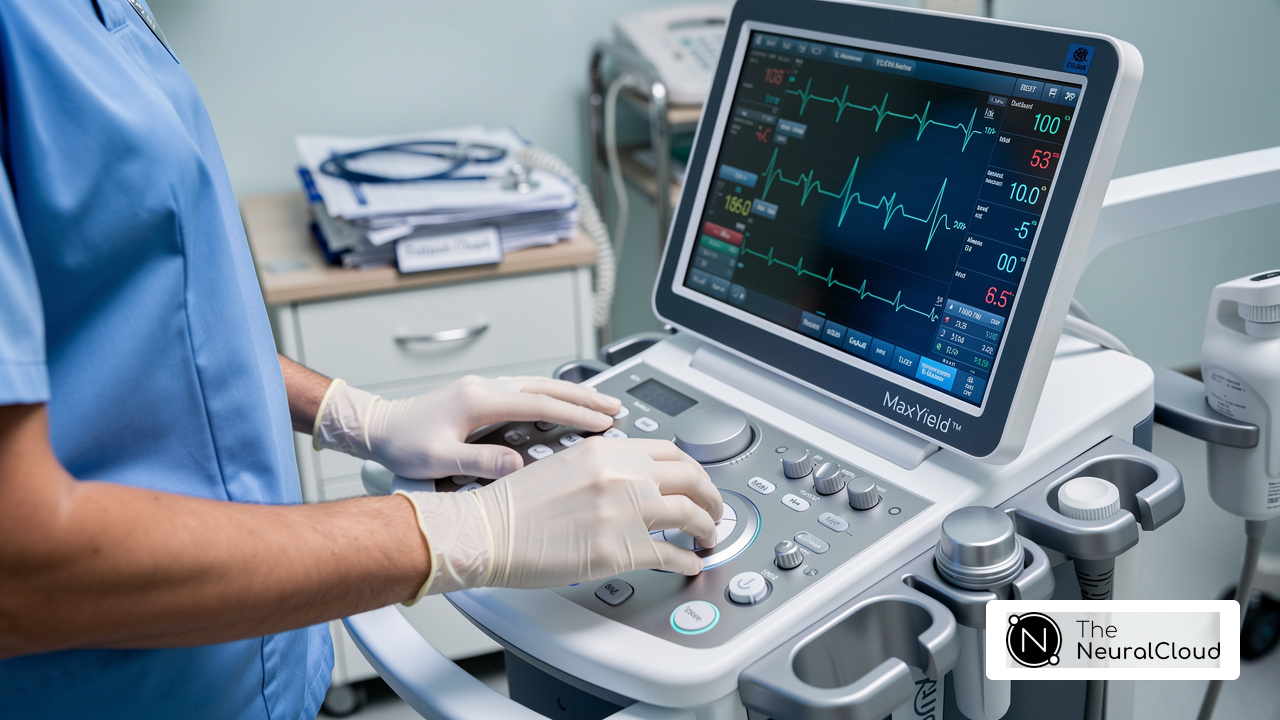
Integrating advanced solutions like Neural Cloud Solutions' MaxYield™ platform can significantly enhance the analysis of atrial fibrillation ECG data related to AF. MaxYield™ maps the atrial fibrillation ECG signals through noise, isolating and labeling key features in every heartbeat, which is crucial for identifying cardiac events. Its ability to filter noise and recognize distinct waveforms allows for the salvage of previously obscured sections of lengthy atrial fibrillation ECG recordings, addressing inefficiencies in traditional ECG interpretation. By leveraging MaxYield™, health tech developers can create targeted solutions that effectively address the unique challenges posed by each type of AF, ultimately contributing to better patient care.

Interpret Atrial Fibrillation on ECG: Recognize Key Waveforms and Patterns
Accurate diagnosis of atrial fibrillation (AF) can be challenging due to its distinct characteristics that often overlap with other arrhythmias. Interpreting atrial fibrillation ECG requires identifying specific waveforms and patterns. Key features to look for are:
- Absence of P Waves: In AF, P waves are typically absent due to chaotic atrial activity. Instead, fibrillatory waves may be observed, characterized by small, irregular oscillations.
- Irregularly Irregular Ventricular Response: The QRS complexes appear irregularly spaced, reflecting disorganized conduction through the AV node, which is a hallmark of AF.
- Variable Ventricular Rate: The ventricular rate can fluctuate significantly, often ranging from 60 to 100 beats per minute, but it may be faster or slower depending on the conduction through the AV node.
- ECG Interpretation Techniques: Developers should implement algorithms capable of automatically detecting these features, thereby enhancing the speed and accuracy of AF diagnosis. For example, machine learning models can be trained to recognize the absence of P waves and the irregularity of QRS complexes, providing real-time feedback to clinicians.
Focusing on these essential ECG traits allows health tech developers to create diagnostic tools that enhance the detection and management of atrial fibrillation ECG. With advanced diagnostic tools, healthcare professionals can significantly improve patient outcomes in managing atrial arrhythmias.

Manage Atrial Fibrillation: Treatment Options and Lifestyle Strategies
Managing atrial flutter presents significant challenges for healthcare providers, including the need for effective treatment strategies and patient compliance. Here are some key strategies to consider:
-
Pharmacological Treatments:
- Rate Control Medications: Beta-blockers and calcium channel blockers help control the heart rate.
- Rhythm Control Medications: Antiarrhythmic drugs such as amiodarone can restore normal rhythm.
- Anticoagulation Therapy: To reduce the risk of stroke, anticoagulants like warfarin or direct oral anticoagulants (DOACs) are often prescribed.
-
Procedural Interventions:
- Catheter Ablation: A minimally invasive procedure that targets the areas of the heart causing AF.
- Surgical Options: Procedures like the Maze procedure can be performed to create scar tissue that disrupts the electrical signals causing AF.
-
Lifestyle Modifications:
- Diet and Exercise: A heart-healthy diet and regular physical activity can help manage AF symptoms and reduce risk factors.
- Weight Management: Maintaining a healthy weight is crucial, as obesity is a significant risk factor for AF.
- Stress Reduction: Techniques such as yoga and meditation can help manage stress, which may trigger AF episodes.
Integrating these treatment options and lifestyle strategies enables healthcare providers to deliver comprehensive care for patients with AF.

Leverage Technology: Enhance ECG Interpretation with AI Solutions
The integration of artificial intelligence (AI) into atrial fibrillation ECG interpretation addresses significant challenges in managing atrial fibrillation (AF). Key strategies include:
- Automated detection algorithms use AI to analyze atrial fibrillation ECG information in real-time, achieving high sensitivity and specificity in identifying AF. These systems alleviate the workload on clinicians and enhance diagnostic accuracy. Studies indicate that advanced AI models can outperform traditional methods in detecting cardiac abnormalities.
- Predictive Analytics: Machine learning models forecast AF episodes by examining historical ECG information alongside individual demographics. This proactive approach facilitates timely interventions and individualized care, potentially reducing the risk of complications associated with atrial fibrillation ECG.
- Integration with Wearable Technology: Continuous monitoring via wearable devices enables real-time collection of heart rhythm information. AI examines this data to identify AF episodes outside clinical environments, offering essential insights for both individuals and healthcare professionals. The growing market for smartwatches and wristbands presents new opportunities for AF screening and burden assessment globally.
- User-Friendly Interfaces: It's essential to create user-friendly dashboards that clearly display ECG information and insights generated by AI. Such interfaces enhance clinician decision-making and improve patient engagement, making it easier to interpret complex information and act on it swiftly.
- MaxYield™ Integration: By incorporating Neural Cloud Solutions' MaxYield™, health tech developers can further enhance ECG analysis productivity. MaxYield™ maps atrial fibrillation ECG signals through noise, isolating and labeling key features in every heartbeat, which is essential for accurate AF detection. Its advanced noise filtering capabilities allow for the salvage of previously obscured sections of lengthy recordings, ensuring that critical data is not lost. The platform's automated beat-by-beat analysis can output insights from 200,000 heartbeats in under five minutes, significantly improving the efficiency of ECG interpretation.
Ultimately, these advancements not only streamline ECG interpretation but also empower healthcare professionals to provide more effective care for patients with AF.

Conclusion
Understanding atrial fibrillation (AF) and its management is crucial for health tech developers aiming to enhance patient care. By grasping the various classifications of AF, from paroxysmal to permanent, and recognizing the critical implications of timely diagnosis and treatment, developers can contribute significantly to improving healthcare outcomes. Developers often struggle with the intricacies of AF management, which can hinder effective patient care. The integration of advanced technologies like AI-driven ECG analysis streamlines detection and empowers healthcare professionals with actionable insights.
Key insights from the article highlight the importance of accurate ECG interpretation. Developers should focus on identifying key waveforms and patterns that characterize AF. The discussion on treatment options, from pharmacological interventions to lifestyle modifications, underscores a holistic approach to managing this complex condition. Furthermore, leveraging innovative platforms like Neural Cloud Solutions' MaxYield™ can enhance ECG interpretation, allowing for better identification of AF and ultimately improving patient management strategies.
The significance of these advancements is incredibly significant. As the prevalence of atrial fibrillation continues to rise, integrating cutting-edge technology and best practices in ECG interpretation will be crucial. Health tech developers are called to embrace these innovations, ensuring that they not only keep pace with current trends but also lead the way in transforming the management of atrial fibrillation for better health outcomes.
Frequently Asked Questions
What are the main types of atrial fibrillation (AF)?
The main types of atrial fibrillation are: - Paroxysmal AF: Episodes that spontaneously resolve, lasting less than 7 days. - Persistent AF: Continuous AF lasting longer than 7 days, requiring medical intervention. - Long-standing Persistent AF: AF that lasts over 12 months. - Permanent AF: AF accepted as permanent, with unsuccessful attempts to restore normal rhythm.
What causes atrial fibrillation?
Atrial fibrillation arises from a complex interplay of structural and electrical remodeling within the atria, often linked to conditions such as hypertension, heart failure, and valvular heart disease.
What are the risks associated with atrial fibrillation?
Atrial fibrillation significantly increases the risk of stroke and heart failure, highlighting the importance of early detection and effective management strategies.
How does aging affect the likelihood of developing atrial fibrillation?
Research indicates that aging significantly increases the likelihood of developing atrial fibrillation, with the risk escalating with each passing decade.
What are the projections for atrial fibrillation cases in the U.S. by 2030?
Projections indicate that by 2030, the number of atrial fibrillation cases in the U.S. could reach 12.1 million, emphasizing the need for improved management strategies.
What is catheter ablation and its role in treating atrial fibrillation?
Catheter ablation can serve as a first-line treatment for early-stage atrial fibrillation, improving control of the condition and reducing symptoms. It can also offer significant advantages in managing more advanced AFib.
How does the MaxYield™ platform enhance atrial fibrillation ECG analysis?
MaxYield™ maps atrial fibrillation ECG signals through noise, isolating and labeling key features in every heartbeat, which is crucial for identifying cardiac events. It filters noise and recognizes distinct waveforms, allowing for better interpretation of lengthy ECG recordings.
What is the significance of advanced solutions like MaxYield™ in patient care?
By leveraging advanced solutions like MaxYield™, health tech developers can create targeted solutions that address the unique challenges posed by each type of atrial fibrillation, ultimately contributing to better patient care.
List of Sources
- Define Atrial Fibrillation: Key Concepts and Classifications
- innovationsincrm.com (https://innovationsincrm.com/cardiac-rhythm-management/articles-2026/january/2368-a-year-in-review-atrial-fibrillation-2025)
- New study reveals a better way to get the heart back on beat - UBC Faculty of Medicine (https://med.ubc.ca/news/new-study-reveals-a-better-way-to-get-the-heart-back-on-beat)
- Results from University of Miami study could one day change how people with atrial fibrillation are treated (https://cbsnews.com/miami/news/university-of-miami-atrial-fibrillation-study)
- magazine.hms.harvard.edu (https://magazine.hms.harvard.edu/articles/atrial-fibrillation-rise-researchers-fine-tune-treatments)
- Interpret Atrial Fibrillation on ECG: Recognize Key Waveforms and Patterns
- AI Screening for Atrial Fibrillation Shows 90% Accuracy at HRS (https://mddionline.com/cardiovascular/ai-powered-atrial-fibrillation-detection-how-machine-learning-is-transforming-cardiac-care-through-ecg-analysis)
- pmc.ncbi.nlm.nih.gov (https://pmc.ncbi.nlm.nih.gov/articles/PMC8752409)
- medrxiv.org (https://medrxiv.org/content/10.1101/2024.01.29.24301927v1.full-text)
- investors.irhythmtech.com (https://investors.irhythmtech.com/news/news-details/2026/New-Data-Presented-at-HRS-2026-Show-Short-Term-Holter-Monitoring-Misses-a-Large-Proportion-of-AF-Recurrence-Post-Ablation-and-Clinically-Significant-Arrhythmias-in-Pregnancy/default.aspx)
- Improving Outcomes for People with Atrial Fibrillation - InventUM (https://news.med.miami.edu/improving-outcomes-for-people-with-atrial-fibrillation)
- Manage Atrial Fibrillation: Treatment Options and Lifestyle Strategies
- Cleveland Clinic-led Trial Shows Pulsed Field Ablation Procedure More Effective Than Medications for Persistent Atrial Fibrillation (https://newsroom.clevelandclinic.org/2026/04/25/cleveland-clinic-led-trial-shows-pulsed-field-ablation-procedure-more-effective-than-medications-for-persistent-atrial-fibrillation)
- Atrial Fibrillation (AF) Catheter Ablation Success Rates (https://stopafib.org/procedures-for-afib/catheter-ablation/success-rates)
- vaheartbeat.com (https://vaheartbeat.com/2025/05/08/top-lifestyle-changes-to-help-manage-atrial-fibrillation-naturally)
- mpo-mag.com (https://mpo-mag.com/breaking-news/heart-rhythm-2026-study-links-weight-loss-drugs-to-lower-afib-risk)
- capitalcardiology.com (https://capitalcardiology.com/cca-news/10-lifestyle-modifications-that-can-help-manage-afib)
- Leverage Technology: Enhance ECG Interpretation with AI Solutions
- Heart Rhythm 2025 Features Advances in AI that Enhance Safety of Atrial Fibrillation Treatment - HRS (https://hrsonline.org/news/hr2025-features-advanced-ai-safety-afib-treatment)
- gehealthcare.com (https://gehealthcare.com/en/insights/article/ai-and-ecg-interpretation-insights-and-trends-for-todays-cardiologists?srsltid=AfmBOoqCelZjZyrCnlY39IFeNy1sPVSo6AvHMJoILUdtAyd8_NpCUid0)
- AI Screening for Atrial Fibrillation Shows 90% Accuracy at HRS (https://mddionline.com/cardiovascular/ai-powered-atrial-fibrillation-detection-how-machine-learning-is-transforming-cardiac-care-through-ecg-analysis)
- jmir.org (https://jmir.org/2023/1/e44642)