Introduction
Mildly reduced left ventricular systolic function (LVSF) often goes unnoticed, yet it poses significant risks to cardiovascular health. With an ejection fraction between 41% and 49%, this subtle impairment can lead to serious complications, including congestive heart failure and increased mortality. Many individuals remain unaware of their LVSF, risking their cardiovascular health.
It's important to grasp the causes, symptoms, and treatment options for LVSF. As the prevalence of this condition rises, particularly among older adults, understanding LVSF is essential, as early detection can significantly improve patient outcomes.
Define Mildly Reduced Left Ventricular Systolic Function
Mildly reduced left ventricular systolic function presents significant challenges in cardiovascular health management. This means the heart's other ventricle struggles to pump blood effectively, which can lead to serious health issues. LVSF is characterized by mildly reduced left ventricular systolic function, with a ventricular ejection fraction (LVEF) between 41% and 49%, indicating that the heart is not functioning at its best. A typical ejection fraction is approximately 50% to 70%, underscoring the importance of recognizing LVSF.
In the U.S., around 7 million people experience left ventricular dysfunction. Notably, this condition affects nearly 9% of individuals aged 60 and older. Understanding mildly reduced left ventricular systolic function is essential for diagnosing and managing heart failure, as it aids clinicians in identifying suitable interventions and effectively tracking patient outcomes. Research indicates that those with a slightly reduced LVEF face an increased risk of congestive heart failure (CHF) and even death. As Dr. Thomas J. Wang observes, "Individuals with ALVD [asymptomatic left-sided systolic dysfunction] in the community are at high risk of CHF [congestive failure] and death, even when only mild impairment of EF [ejection fraction] is present." This highlights the urgent need for effective monitoring and intervention strategies to mitigate these risks.

Identify Causes of Mildly Reduced Systolic Function
Several factors contribute to the challenges of maintaining optimal left ventricular systolic function, including those that lead to mildly reduced left ventricular systolic function, each significantly impacting cardiac health. These include:
- Coronary Artery Disease (CAD): This condition leads to reduced blood flow to the heart muscle, weakening its pumping ability. CAD is a significant factor in cardiac failure, leading to 371,383 fatalities in the U.S. in 2026, highlighting its seriousness and importance to cardiovascular health.
- Hypertension: Chronic high blood pressure affects nearly 48.6% of U.S. adults and is a leading cause of left ventricular hypertrophy. This thickening of the cardiac muscle can impair its function, making it less effective at pumping blood. The American Heart Association emphasizes that addressing hypertension is crucial, as it remains a silent crisis affecting a significant portion of the population.
- Previous Myocardial Infarction: Damage from cardiac events can significantly reduce the organ's efficiency. Approximately 795,000 individuals in the U.S. encounter a new or recurrent stroke annually, emphasizing the crucial necessity for effective management of cardiovascular health post-infarction.
- Valvular Cardiac Disease: Malfunctioning valves disrupt normal blood circulation, potentially resulting in mildly reduced left ventricular systolic function. This condition often requires careful monitoring and intervention to preserve cardiovascular health.
- Cardiomyopathy: This group of diseases directly impacts the cardiac muscle, resulting in reduced contractility. It can result from various factors, including genetic predispositions and chronic conditions like hypertension.
Identifying these causes is essential for creating a thorough treatment strategy. Key factors include: addressing underlying issues, improving patient outcomes, and enhancing overall cardiac performance. As the number of individuals facing cardiovascular challenges continues to grow, addressing these factors becomes imperative for improving overall cardiac health.

Recognize Symptoms of Mildly Reduced Systolic Function
Recognizing the symptoms of mildly reduced left ventricular systolic function is crucial for timely intervention. Symptoms can vary in intensity but typically include:
- Shortness of Breath: Often experienced during physical exertion or when lying flat, this symptom can significantly impact daily activities.
- Fatigue: A pervasive sense of tiredness that may hinder routine tasks and overall quality of life.
- Swelling: Fluid retention in the legs, ankles, or abdomen, resulting from compromised circulation, is a common indicator of LVSF.
- Palpitations: Patients may report irregular beats or a sensation of the heart racing, which can be alarming and warrant further investigation.
- Dizziness or Lightheadedness: This symptom is particularly noticeable when standing up quickly, indicating potential issues with blood flow.
It's important to recognize these symptoms, especially since studies indicate that nearly half of Americans (50%) might not reach out to their primary care doctor for heart failure symptoms. Approximately 7 million Americans are affected by dysfunction of the left chamber of the heart, highlighting the importance of awareness. Greater awareness can prompt timely medical evaluations, leading to earlier diagnosis and better management of mildly reduced left ventricular systolic function, which ultimately enhances patient outcomes. As Dr. Paul Friedman from the Mayo Clinic emphasizes, early detection of cardiac dysfunction is essential, and effective treatment alternatives are available. Real-world experiences, like that of Alex Balmes, who initially disregarded his symptoms, underscore the significance of identifying these signs and pursuing prompt medical assessment.

Explore Diagnostic Approaches for Systolic Function
Diagnosing mildly reduced left ventricular systolic function presents unique challenges that require a multifaceted approach to ensure accuracy and effectiveness. Several essential methods leverage advanced imaging and monitoring technologies:
- Echocardiography: This primary modality assesses left ventricular ejection fraction (LVEF), providing real-time images that reflect heart function. Recent advancements in echocardiographic techniques have notably improved diagnostic accuracy, especially in identifying subtle changes in cardiac performance.
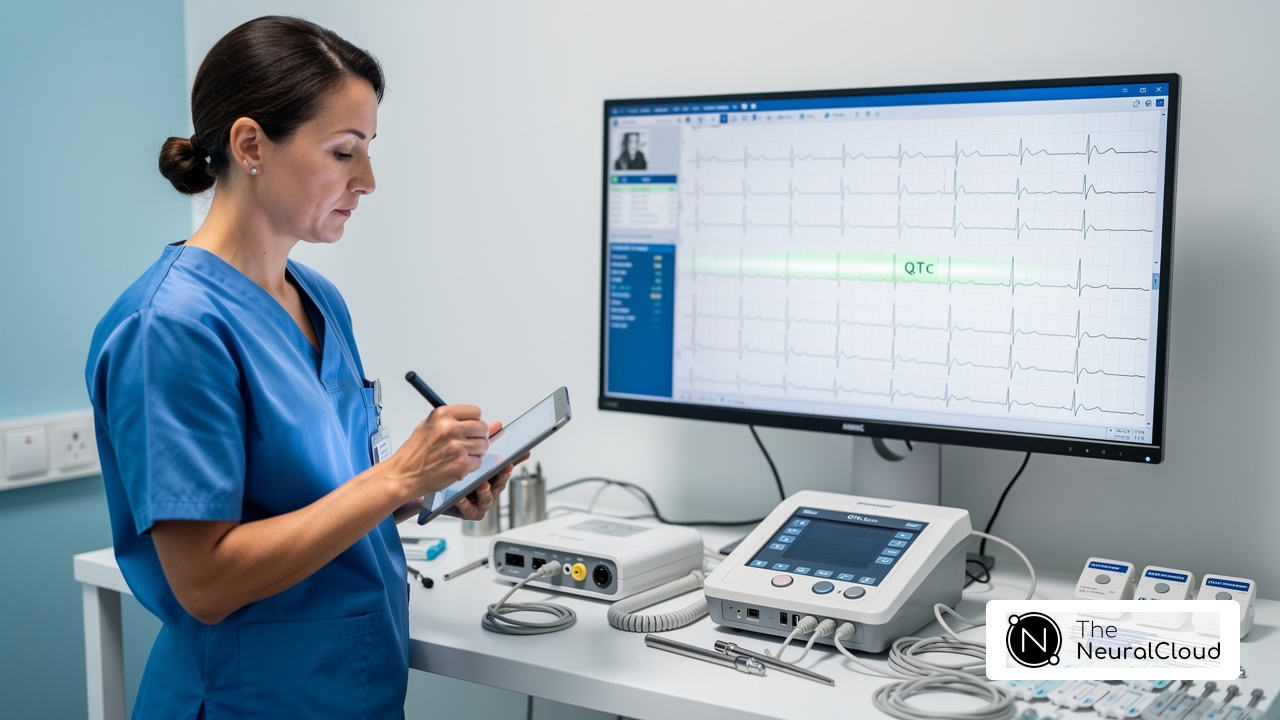
- Electrocardiogram (ECG): The ECG plays a vital role in detecting arrhythmias and other electrical abnormalities that may indicate underlying cardiac issues. Its integration with advanced algorithms enhances the accuracy of diagnosing LVSF, enabling beat-by-beat analysis of cardiac activity.
- Cardiac MRI: This imaging technique offers detailed structural and functional insights into the heart, making it particularly useful in complex cases where echocardiography may not suffice. It aids in distinguishing among various causes of cardiac dysfunction.
- Stress Testing: Evaluating how the heart functions under physical strain is essential for uncovering functional limitations that might not be evident at rest. This method helps assess the heart's capacity to manage increased workload, which is crucial for thorough LVSF evaluation.
- Blood Tests: Biomarkers such as natriuretic peptides are critical in indicating cardiac failure. Elevated levels can signal deteriorating cardiac performance, guiding further diagnostic and treatment strategies.
These diagnostic methods are integral to accurately determining the presence and severity of mildly reduced left ventricular systolic function, thereby informing subsequent treatment decisions. Ultimately, the integration of these advanced diagnostic methods is crucial for optimizing patient care and improving outcomes in those with mildly reduced left ventricular systolic function.

Examine Treatment Options for Management
Managing the challenges associated with mildly reduced left ventricular systolic function requires a multifaceted approach. Key strategies include:
- Medications: Commonly prescribed medications such as ACE inhibitors, beta-blockers, and diuretics are essential for improving heart function and alleviating symptoms. Recent advancements have introduced new medications like angiotensin receptor-neprilysin inhibitors (ARNIs) and sodium-glucose cotransporter-2 (SGLT2) inhibitors, enhancing treatment efficacy for specific patient conditions. However, patients may face delays in receiving essential medications due to prior authorization requirements.
- Lifestyle Modifications: Adopting a heart-healthy diet, engaging in regular physical activity, and maintaining a healthy weight can significantly enhance overall cardiovascular health. Research shows that these lifestyle changes can lead to measurable improvements in left ventricular performance, particularly in cases of mildly reduced left ventricular systolic function, underscoring their importance in treatment strategies.
- Cardiac Rehabilitation: Structured cardiac rehabilitation programs that integrate exercise, education, and emotional support are vital for helping patients recover and improve their quality of life. These programs are tailored to individual needs, promoting sustainable lifestyle changes.
- Monitoring and Follow-Up: Regular follow-up appointments play a crucial role in assessing cardiac health and ensuring treatment adjustments are made as needed. Continuous monitoring aids in the early detection of any deterioration in cardiac health, allowing for timely interventions.
- Advanced Therapies: In certain cases, advanced therapies such as implantable cardioverter-defibrillators (ICDs) or cardiac resynchronization therapy (CRT) may be recommended. These devices are critical in managing arrhythmias and improving cardiac efficiency, particularly in patients with more severe dysfunction.
These treatment options collectively aim to enhance cardiac function, alleviate symptoms, and improve the overall quality of life for patients. With heart failure cases projected to reach 8.5 million by 2030, the need for effective management strategies has never been more pressing.

Conclusion
Mildly reduced left ventricular systolic function poses significant health risks that require immediate attention and understanding. Recognizing this condition, characterized by a left ventricular ejection fraction between 41% and 49%, is crucial in preventing further complications such as congestive heart failure and mortality. Without timely intervention, patients risk serious complications, including heart failure and increased mortality. Millions are affected, particularly among older adults, making this an urgent health concern.
The article outlines the multifaceted nature of mildly reduced left ventricular systolic function, discussing its causes, symptoms, diagnostic approaches, and treatment options. Key contributors include:
- Coronary artery disease
- Hypertension
- Previous myocardial infarction
These highlight the importance of identifying underlying issues. Symptoms like:
- Shortness of breath
- Fatigue
- Fluid retention
serve as critical indicators that warrant timely medical evaluation. Furthermore, advanced diagnostic methods and a variety of treatment strategies, including medications and lifestyle modifications, are essential for managing this condition effectively.
Recognizing and addressing this condition can be the key to preventing serious health complications and improving life quality. As the prevalence of heart-related issues continues to rise, it is imperative for individuals to recognize symptoms and seek medical advice promptly. By prioritizing cardiovascular health and embracing comprehensive treatment approaches, patients can improve their quality of life and mitigate the risks associated with this condition.
Frequently Asked Questions
What is mildly reduced left ventricular systolic function (LVSF)?
Mildly reduced left ventricular systolic function is a condition where the heart's left ventricle struggles to pump blood effectively, characterized by a left ventricular ejection fraction (LVEF) between 41% and 49%. This indicates that the heart is not functioning optimally, as a typical ejection fraction is approximately 50% to 70%.
How prevalent is left ventricular dysfunction in the U.S.?
Approximately 7 million people in the U.S. experience left ventricular dysfunction, with nearly 9% of individuals aged 60 and older affected by this condition.
Why is understanding mildly reduced left ventricular systolic function important?
Understanding this condition is crucial for diagnosing and managing heart failure, as it helps clinicians identify suitable interventions and effectively track patient outcomes. Those with mildly reduced LVEF are at an increased risk of congestive heart failure (CHF) and death.
What are the main causes of mildly reduced left ventricular systolic function?
The main causes include: - Coronary Artery Disease (CAD): Reduces blood flow to the heart muscle. - Hypertension: Leads to left ventricular hypertrophy and affects cardiac function. - Previous Myocardial Infarction: Damages the heart, reducing its efficiency. - Valvular Cardiac Disease: Disrupts normal blood circulation. - Cardiomyopathy: Affects the cardiac muscle directly, reducing contractility.
How does coronary artery disease affect left ventricular function?
Coronary artery disease reduces blood flow to the heart muscle, weakening its pumping ability and contributing significantly to cardiac failure, which resulted in 371,383 fatalities in the U.S. in 2026.
What role does hypertension play in cardiac health?
Hypertension affects nearly 48.6% of U.S. adults and is a leading cause of left ventricular hypertrophy, which can impair the heart's pumping function. Addressing hypertension is crucial for cardiovascular health.
What is the significance of previous myocardial infarctions in relation to left ventricular function?
Damage from myocardial infarctions can significantly reduce the heart's efficiency, with approximately 795,000 individuals in the U.S. experiencing a new or recurrent stroke annually, highlighting the need for effective cardiovascular health management post-infarction.
How does valvular cardiac disease impact left ventricular systolic function?
Malfunctioning heart valves disrupt normal blood circulation, which can lead to mildly reduced left ventricular systolic function and requires careful monitoring and intervention.
What is cardiomyopathy and how does it relate to left ventricular function?
Cardiomyopathy refers to a group of diseases that directly affect the cardiac muscle, leading to reduced contractility. It can arise from genetic factors or chronic conditions like hypertension, impacting the heart's ability to pump effectively.
List of Sources
- Define Mildly Reduced Left Ventricular Systolic Function
- Top heart and brain research for 2025 found new ways to treat old problems (https://newsroom.heart.org/news/top-heart-and-brain-research-for-2025-found-new-ways-to-treat-old-problems)
- Ejection fraction: An important heart test-Ejection fraction: What does it measure? (https://mayoclinic.org/tests-procedures/ekg/expert-answers/ejection-fraction/faq-20058286)
- New Joint Scientific Statement on Ejection Fraction Released by Leading Heart Failure Organizations | HFSA (https://hfsa.org/new-joint-scientific-statement-ejection-fraction-released-leading-heart-failure-organizations)
- Cardiovascular News | Circulation (https://ahajournals.org/doi/10.1161/01.CIR.0000093160.98631.5D)
- Mayo Clinic Minute: Left ventricular failure - the silent condition that could be fatal - Mayo Clinic News Network (https://newsnetwork.mayoclinic.org/discussion/mayo-clinic-minute-left-ventricular-failure-the-silent-condition-that-could-be-fatal)
- Identify Causes of Mildly Reduced Systolic Function
- Systolic Heart Failure: Symptoms, Causes and Treatment (https://my.clevelandclinic.org/health/diseases/23276-systolic-heart-failure)
- American heart health worsening — Harvard Gazette (https://news.harvard.edu/gazette/story/2026/02/american-heart-health-worsening)
- Navigating the 2026 Cardiovascular Health Landscape - UDS (https://udshealth.com/blog/navigating-the-2026-cardiovascular-health-landscape)
- What the latest heart disease and stroke numbers mean for your health (https://heart.org/en/news/2026/01/21/what-the-latest-heart-disease-and-stroke-numbers-mean-for-your-health)
- Left Ventricular Systolic Dysfunction: AI-ECG (https://powerfulmedical.com/blog/left-ventricular-systolic-dysfunction-lvsd)
- Recognize Symptoms of Mildly Reduced Systolic Function
- hfsa.org (https://hfsa.org/index.php/new-hfsa-scientific-statement-provides-practical-guidance-managing-heart-failure-mildly-reduced)
- Mayo Clinic Minute: Left ventricular failure - the silent condition that could be fatal - Mayo Clinic News Network (https://newsnetwork.mayoclinic.org/discussion/mayo-clinic-minute-left-ventricular-failure-the-silent-condition-that-could-be-fatal)
- Faced With Common Heart Failure Symptoms, Most Young Adults Wouldn't Seek Care (https://usnews.com/news/health-news/articles/2026-02-03/faced-with-common-heart-failure-symptoms-most-young-adults-wouldnt-seek-care)
- New Study Offers Strong Evidence of Elevated Heart Failure Risk in Adults with Prediabetes, Hypertension and Subclinical Heart Injury or Stress (https://hopkinsmedicine.org/news/newsroom/news-releases/2026/03/new-study-offers-strong-evidence-of-elevated-heart-failure-risk-in-adults-with-prediabetes-hypertension-and-subclinical-heart-injury-or-stress)
- Explore Diagnostic Approaches for Systolic Function
- Can AI help predict which heart-failure patients will worsen within a year? (https://news.mit.edu/2026/can-ai-help-predict-which-heart-failure-patients-will-worsen-0312)
- itnonline.com (https://itnonline.com/content/new-guideline-cardiac-ultrasound-artifacts-released-ase)
- Houston Methodist-Led Study Validates Improved Echocardiographic Algorithm for Estimating LV Filling Pressure (https://houstonmethodist.org/leading-medicine-blog/articles/2026/feb/houston-methodist-led-study-validates-improved-echocardiographic-algorithm-for-estimating-lv-filling)
- How New Tools Are Transforming the Evaluation of Left Ventricular Systolic Function | Xyla Services (https://xylaservices.com/professionals/news/how-new-tools-are-transforming-the-evaluation-of-left-ventricular-systolic-function)
- acep.org (https://acep.org/emultrasound/newsroom/july-2025/more-than-meets-the-eye---lvsf-function)
- Examine Treatment Options for Management
- Clinical trial offers first-of-its-kind heart failure treatment (https://health.ucdavis.edu/news/headlines/clinical-trial-offers-first-of-its-kind-heart-failure-treatment/2026/02)
- powershealth.org (https://powershealth.org/about-us/newsroom/health-library/2026/03/17/insurance-red-tape-delays-crucial-heart-failure-drug-prescriptions-study-finds)
- New treatment pathways for patients with advanced heart failure - Mayo Clinic (https://mayoclinic.org/medical-professionals/cardiovascular-diseases/news/new-treatment-pathways-for-patients-with-advanced-heart-failure/mac-20585947)
- Clinical Trial Shows Early CRT Improves Cardiac Function in Patients with Mild to Moderate Heart Failure, Slowing Disease Progression - HRS (https://hrsonline.org/news/early-crt-improves-cardiac-function-mild-moderate-heart-failure)